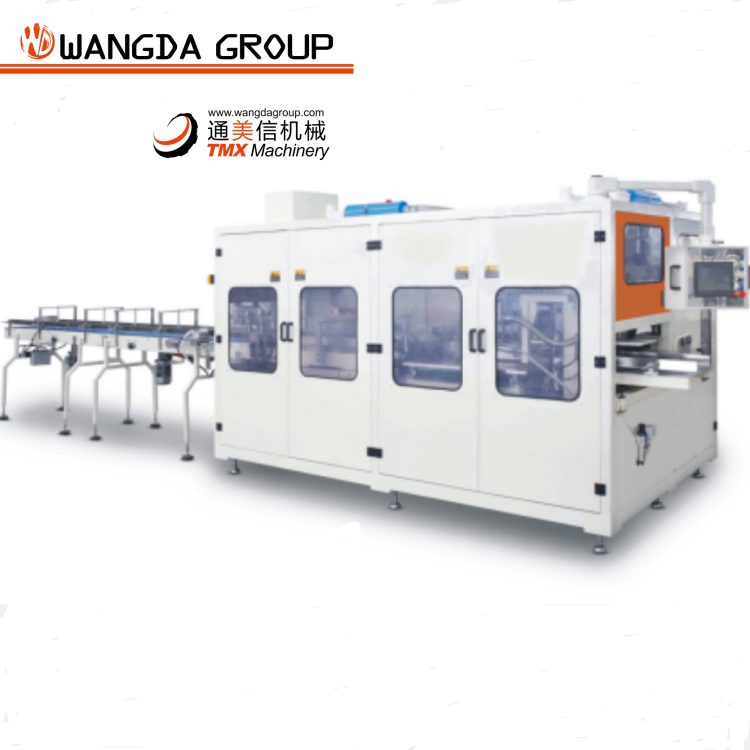
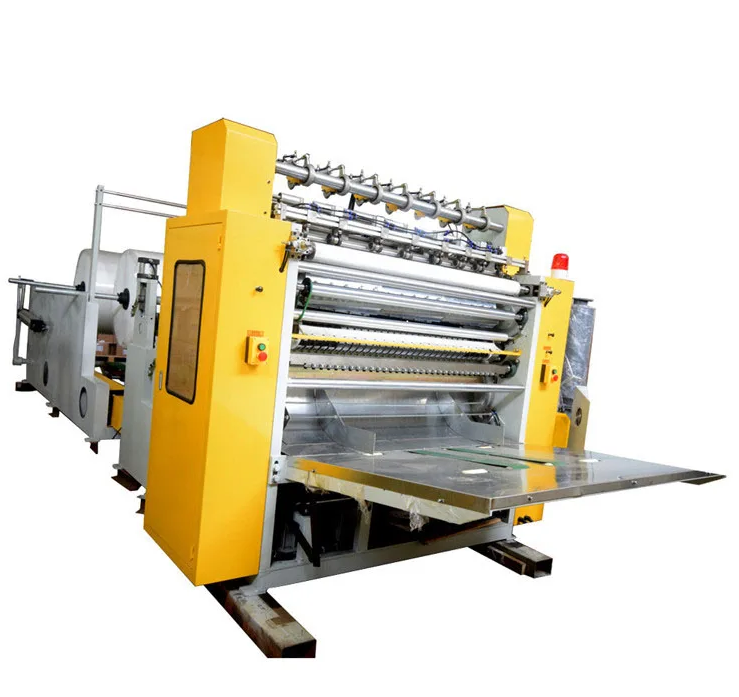
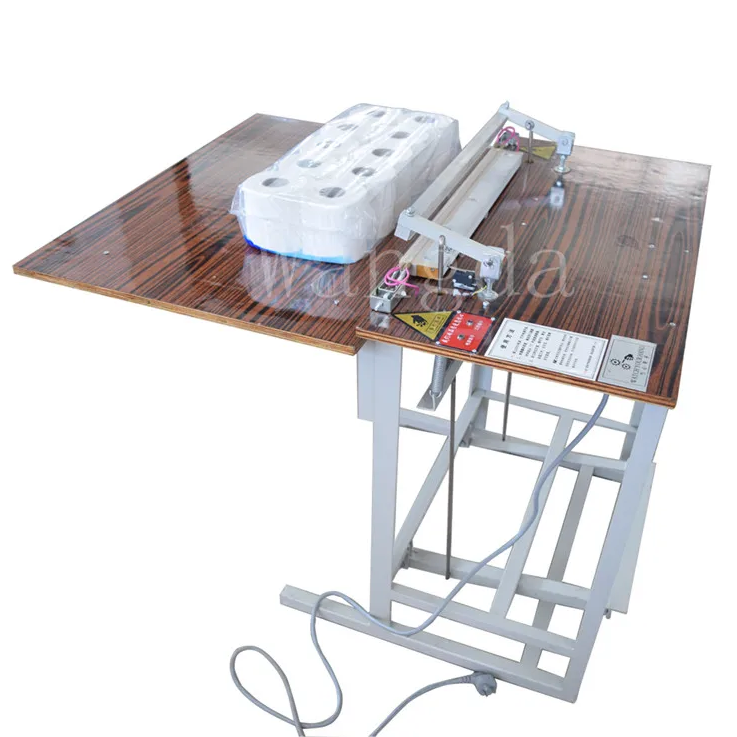
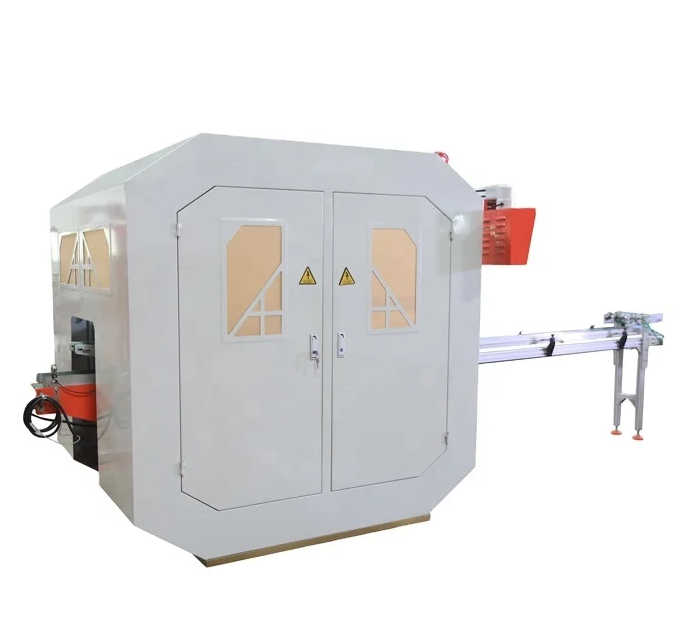
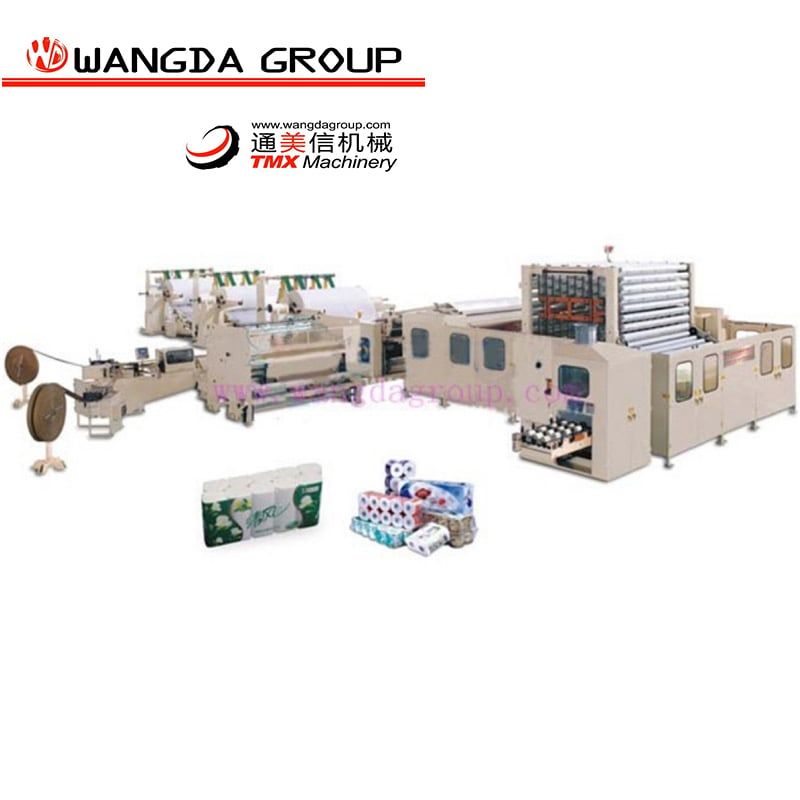
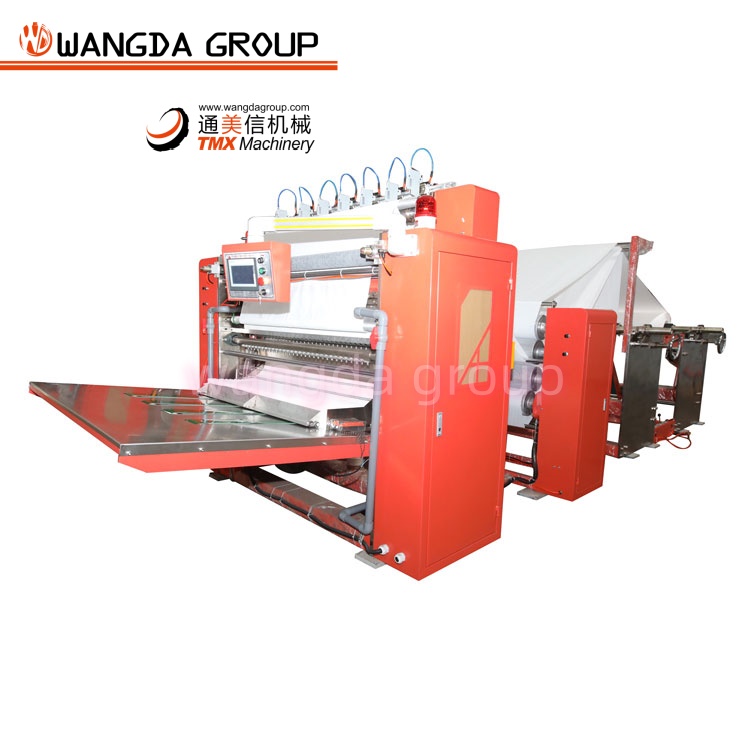
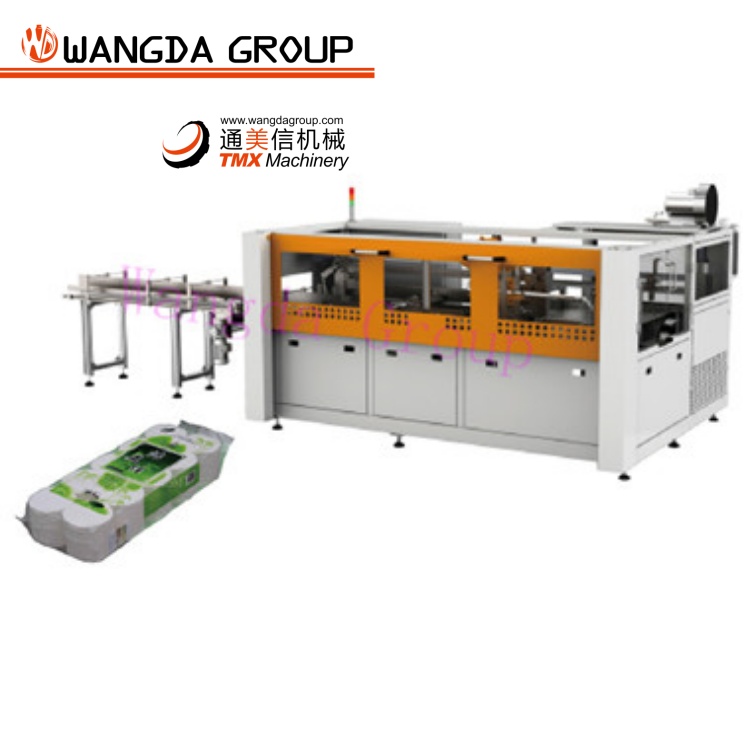
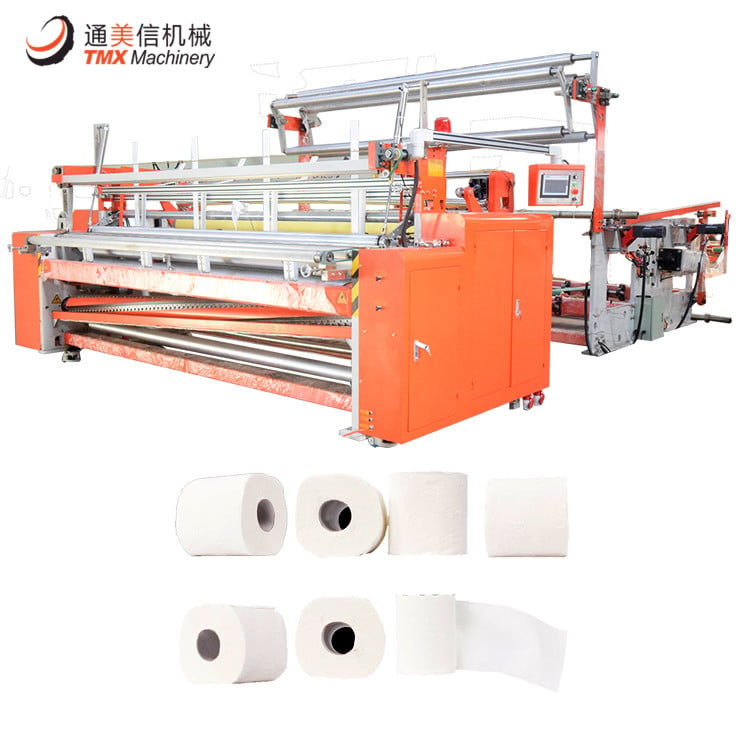
When considering a tissue paper converting machine in the UK, businesses must navigate a variety of options and challenges. These machines are critical for the production of everyday hygienic products such as napkins, facial tissues, and toilet paper. As a purchasing manager or distributor, understanding the functionality, specifications, and common issues related to these machines is essential for making an informed investment. This article will guide you through wholesale purchasing options, buyer considerations, common problems and solutions, installation guidance, and cost factors associated with tissue paper converting machines.
Purchasing tissue paper converting machines wholesale offers several advantages, such as reduced costs and improved supply chain efficiency. When looking for wholesale options in the UK, it’s crucial to evaluate suppliers based on their product range, customization capabilities, and delivery terms.
Wangda Industrial Co., Limited, for example, specializes in a variety of tissue converting machine, including full-servo production lines tailored for different product types. When seeking wholesale purchasing options, consider the following:
Minimum Order Quantity (MOQ): Understand the MOQ required by suppliers. This often varies based on the machine type and supplier capabilities.
Production Capacity: Evaluate the supplier's capacity to meet your production demands, especially during peak seasons.
Customization Options: Determine if you need specific modifications to the machines to suit your production requirements.
Shipping and Lead Time: Ensure clarity on shipping methods, costs, and estimated delivery times to avoid disruptions in your supply chain.
By addressing these considerations, you can select a supplier that offers the best wholesale purchasing options for your needs.

When purchasing a tissue paper converting machine, it is important to know the key specifications and features that will impact your production quality and efficiency. Here are the essential factors to consider:
Machine Specifications: Look for machines that meet your production volume needs. Common specifications include production speed (measured in meters per minute), width of the paper rolls, and the type of cutting and folding mechanisms used.
Material Compatibility: Ensure the machine can handle the types of paper and materials you intend to use, such as recycled paper, virgin pulp, or specialized tissue grades.
Energy Efficiency: Consider machines with energy-saving features, as they can reduce operational costs over time.
Quality Control Features: Machines equipped with advanced quality control systems can help minimize defects, ensuring consistent product quality.
Ease of Operation and Maintenance: Evaluate the user interface and maintenance requirements. Machines that are easier to operate and maintain can reduce downtime and training costs for your staff.
Understanding these aspects will help you make a more informed decision when selecting a tissue paper converting machine.

Like any industrial equipment, tissue paper converting machines are not without their challenges. Here are some common problems and effective solutions:
Paper Jams: This is a prevalent issue that can halt production. To alleviate this, ensure the machine is correctly set up with the appropriate paper type and thickness. Regular maintenance and cleaning also help prevent jams.
Inconsistent Product Quality: Variations in product quality can arise from improper settings or worn parts. Regularly check blade sharpness and ensure the machine settings match the specifications of the materials being used.
Mechanical Failures: Unexpected breakdowns can lead to costly downtime. Implement a preventive maintenance schedule, including regular inspections and timely replacement of worn components.
Operator Errors: Inexperienced operators may struggle with the machine's functions. Providing comprehensive training and user manuals can mitigate this issue.
Addressing these common problems proactively can enhance the reliability and efficiency of your tissue paper converting machine operations.

Proper installation of your tissue paper converting machine is crucial to ensure optimal performance. Here are key steps to follow:
Site Preparation: Ensure your facility meets the necessary electrical and structural requirements for the machine, including adequate space for operation and maintenance.
Professional Installation: It is advisable to have the machine installed by experienced technicians, as they will ensure that all components are correctly configured and calibrated.
Testing and Calibration: After installation, conduct thorough testing to verify that the machine operates as intended. This includes checking production speed, quality of output, and safety features.
Operator Training: Provide training sessions for your operators to familiarize them with the machine’s controls, functions, and maintenance protocols, which can significantly reduce the likelihood of operational errors.
Following these guidelines will help ensure a smooth installation process, allowing your business to start production without unnecessary delays.
We've Toilet paper manufacturing machine with many clients both in the United States as well as abroad.
Wangda has more than 20 years experience in the Toilet paper making machine of all kinds of tissue machines, we pay much attention to the features of the machine and its quality, as well as in addition, after sales and pre-sales services. We've sold machines in over 100 countries. This has resulted in many repeat orders and good reviews from our clients. Wangda has its own R and D departments. Our machine is based on the latest Germany Japanese, Japan and Italian technology, and is upgraded day by day. Our machines have been certified to ISO9002, CE, BV and other certifications. We offer turnkey projects that span from A to Z, not just machines.
Wangda Tissue making machine toilet tissue machines (including cutting and packing), kitchen towel machines (including cutting and packing) facial tissue machines (including cutting and packing) as well as nylon bag facial tissues machines. We also make maxi roll rewinding equipment as well as perforating machines.
Wangda is a highly professional and knowledgeable sales staff and after-sales team, 80% of the team has been in Toilet tissue machine for more than 10 years in our company in this hygiene-conscious product industry. Our team has a wealth of experience in the daily use of paper tissue machines, related packing machines and many other Hygienic products machines We have a wide range of professional expertise in this field, we are aware of what our customers wants, we worry about what our customers worry about. We not just sell the machines to our clients, but we help our customers earn money through this business of hygienic products, to provide the lifelong after-sale services to our customers at the right time.
The cost of toilet paper converting machine can vary widely based on several factors. Understanding these can help you budget effectively:
Type of Machine: Basic models may be less expensive upfront but could lack advanced features that improve efficiency and quality. Consider the long-term value of investing in more sophisticated equipment.
Customization Needs: Machines tailored to specific production requirements or configurations can increase initial costs. Assess your needs carefully to determine how much customization is essential.
Supplier Pricing: Different suppliers may have varying pricing structures based on their manufacturing capabilities and market positioning. It's wise to obtain multiple quotes and evaluate what's included in each offer (such as warranty, support, and installation).
Operating Costs: Factor in ongoing operational costs such as energy consumption, maintenance, and potential downtime. Machines with energy-efficient features may have higher upfront costs but lead to savings in the long run.
By considering these cost factors, you can make a more comprehensive evaluation of your investment in a tissue paper converting machine.