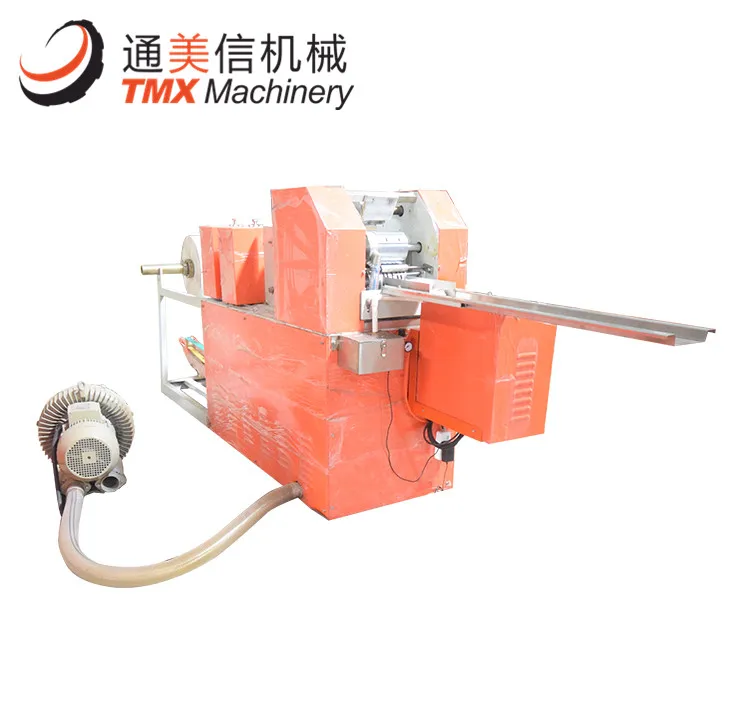
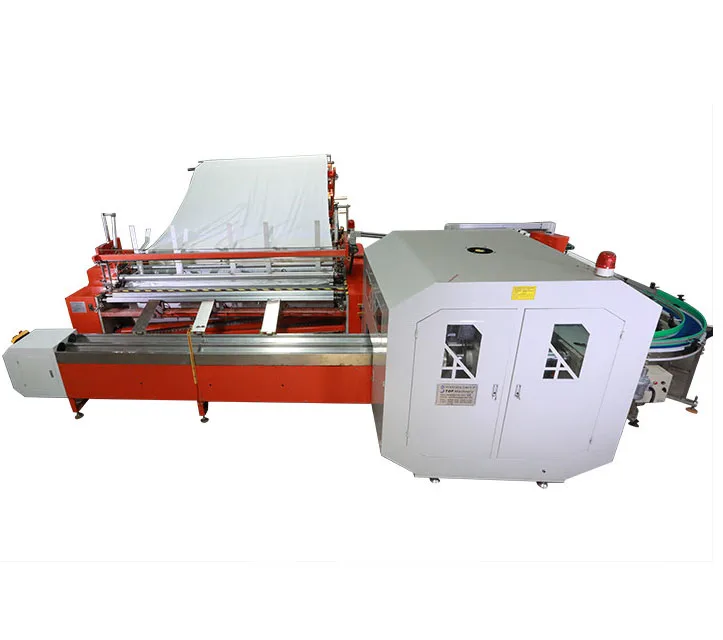
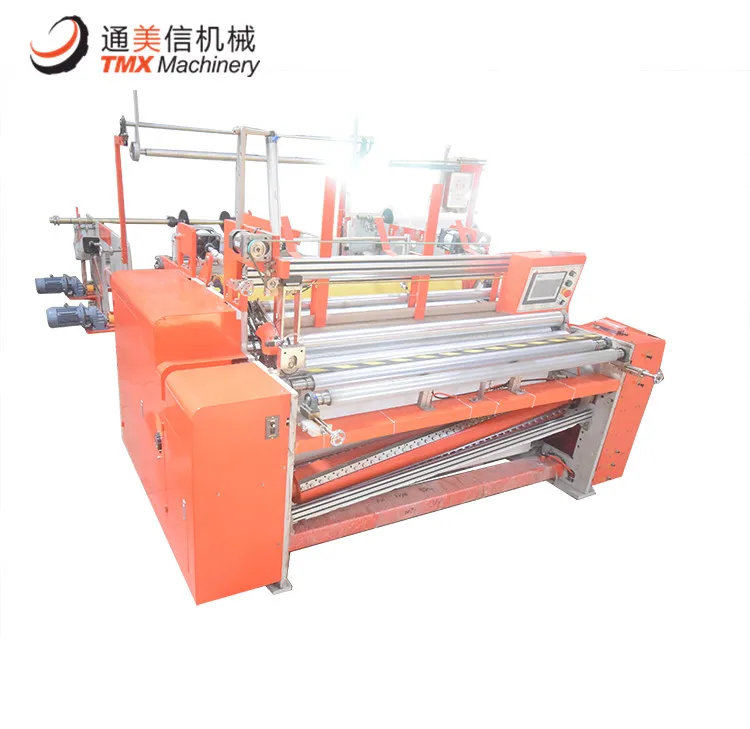
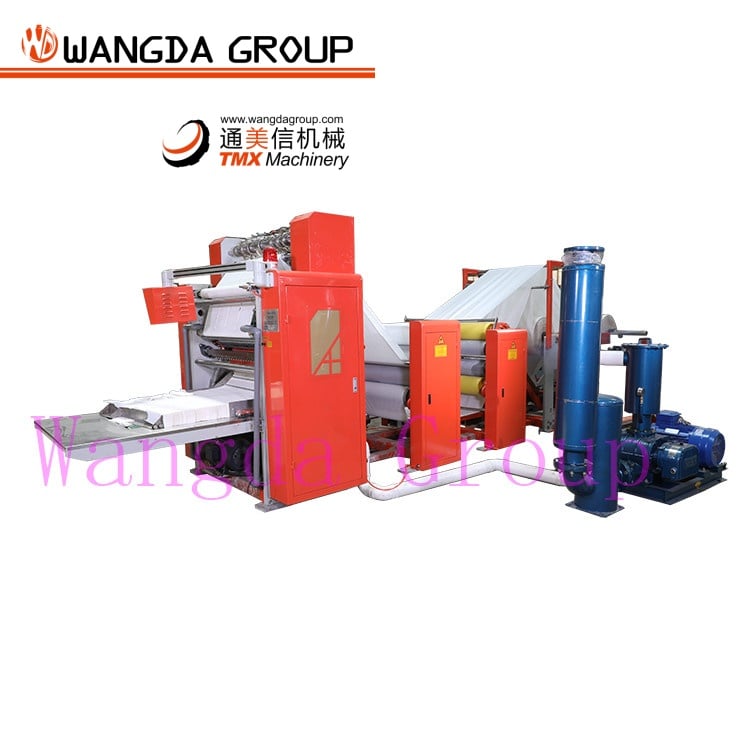
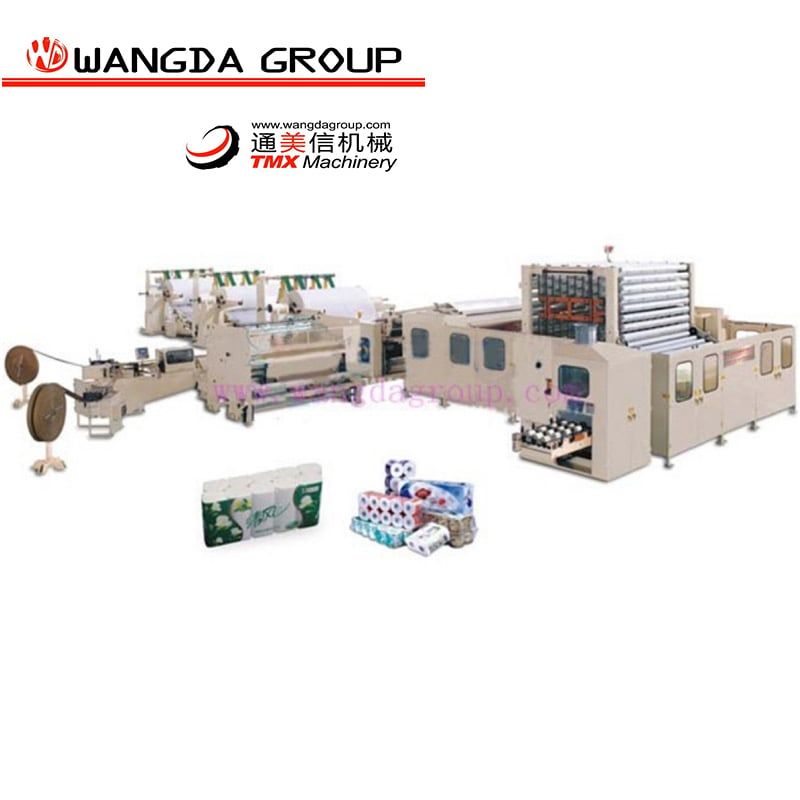
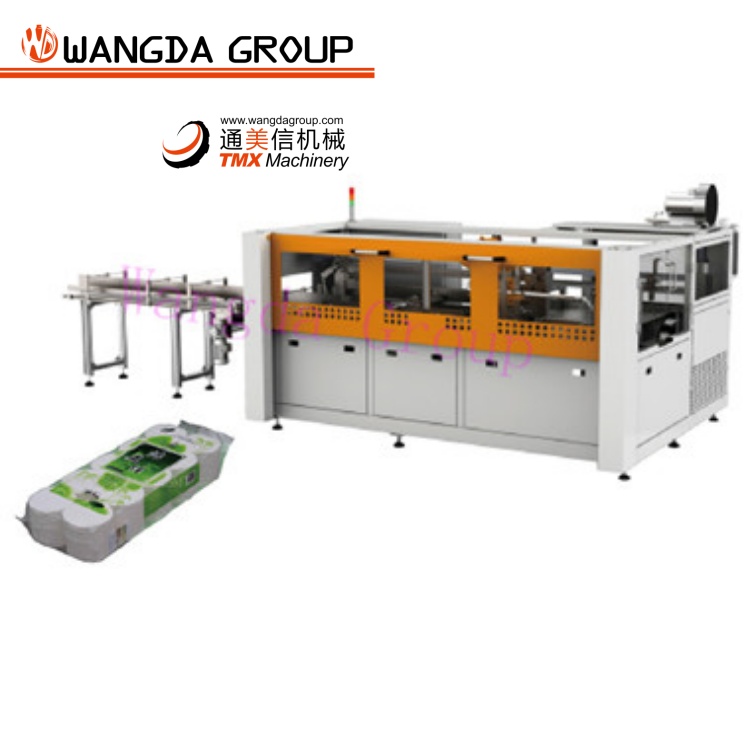
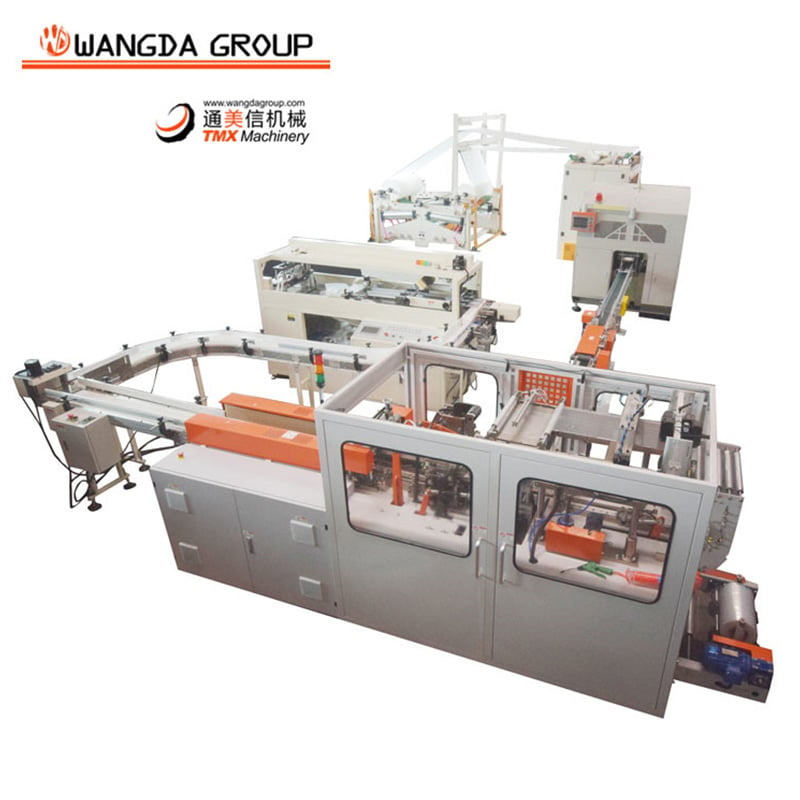
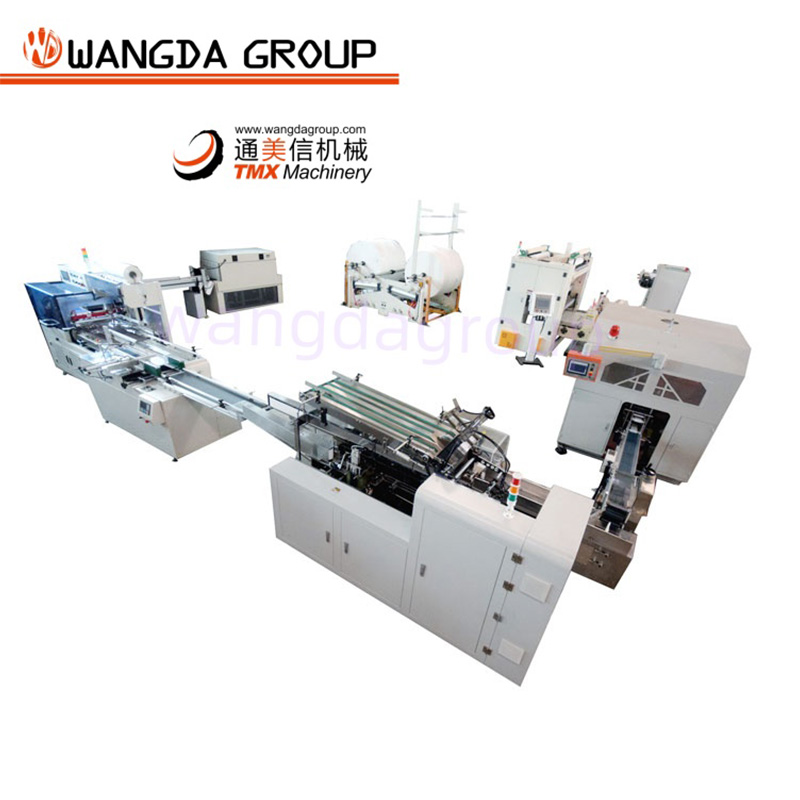
Investing in a tissue paper converting machine is a critical decision for businesses in the hygiene product manufacturing sector. These tissue paper making machine are essential for transforming raw tissue paper into various finished products, such as napkins, facial tissues, and toilet paper. When considering a tissue paper converting machine in the US, buyers often prioritize factors like machine efficiency, production capacity, customization options, and quality assurance. This article aims to guide potential buyers through the selection process, ensuring they make informed decisions.
Selecting the appropriate tissue paper converting machine hinges on understanding several key specifications and business requirements. Firstly, assess the production capacity; machines are available with varying output rates, typically measured in tons per hour. For businesses with high demand, a higher capacity model will streamline operations and reduce downtime.
Next, consider the types of products you wish to produce. For instance, if you plan to manufacture both napkin paper and toilet tissue, a versatile machine capable of handling multiple product types will be advantageous. Additionally, customization options are important. Look for tissue making machine that allow you to adjust dimensions, folding styles, and packaging methods to meet your specific needs.
Material selection also plays a crucial role in the machine's efficiency. Machines designed for specific types of tissue paper such as recycled or virgin pulp will perform differently. Ensure that the machine you choose is compatible with the materials you intend to use, as this impacts production quality and efficiency.
Lastly, evaluate the machine's technology. Full-servo production lines, like those offered by Wangda Industrial Co., Limited, provide precise control over the production process, enhancing quality and reducing waste.

Quality control is vital in the manufacturing process of tissue paper products. Implementing robust quality control measures ensures that the final products meet industry standards and customer expectations.
A key aspect of quality assurance involves regular machine maintenance and calibration. Ensure that the tissue paper manufacturing machine is routinely inspected to prevent mechanical failures that could compromise product quality. Additionally, consider integrating automated quality inspection systems that can detect defects in real-time, allowing for immediate corrections.
Furthermore, perform material quality checks prior to production. This includes verifying the tensile strength, thickness, and absorbency of the tissue paper. Using certified raw materials will contribute to the overall quality of the finished products.
Establishing clear quality standards, along with a comprehensive testing protocol for finished products, ensures consistency. This may involve sampling products for strength and durability tests, which should align with industry regulations.

Installing a tissue paper converting machine can present several challenges that buyers should be prepared to address. Proper installation is crucial for optimal performance, and common issues can include incorrect alignment, inadequate power supply, and insufficient space for machine operation.
First, ensure that the installation site has the necessary infrastructure to support the machine's requirements. This includes appropriate electrical connections and space for maintenance access. Failure to provide adequate space can lead to operational difficulties, especially when troubleshooting or conducting routine maintenance.
Alignment is another critical consideration. Misaligned machines can lead to production inconsistencies and higher scrap rates. It is advisable to work with experienced technicians during installation to ensure that all components are correctly positioned.
Lastly, buyers should be aware of the potential need for specialized training for operators. Proper training on machine operation, maintenance, and troubleshooting can significantly reduce the likelihood of installation-related issues.

Tissue paper converting machines serve a wide array of applications across different industries, including healthcare, hospitality, and food service. In the healthcare sector, for example, machines can produce high-quality facial tissues and medical wipes that meet stringent hygiene standards.
In the hospitality industry, converting machines are crucial for producing napkins and towels used in hotels and restaurants, where product aesthetics and quality are paramount. The ability to customize sizes and packaging also allows businesses to tailor products to their specific market needs.
Moreover, in the food service industry, high-quality tissue products are essential for maintaining hygiene during food preparation and service. Tissue paper converting machines can produce single-use items that enhance customer experience while ensuring compliance with health regulations.
Understanding the diverse applications of these machines helps buyers align their purchasing decisions with market demands and opportunities.
Wangda has cooperated with Tissue paper making machine both from the home country and abroad. We have collaborated with major groups from GCC countries such as Fine Hygienic from several nations, Nesto Hypermarket, Top One and Two hygienic product manufacturer B and G, Meghna Groups of Bangladesh. Outnet Group from African countries. And as well, there are large European brands, American brands, Latin American brands we have worked with for a great number of years. We have a number of sample factories outside of the United States that you can visit to look at our products. This is more convenient. Also we invite you to visit our factory to experience our products right at the moment. We will be happy to answer your questions anytime, and hope to begin our mutual benefit story asap.
Wangda is a highly professional and knowledgeable sales staff and after-sales team, 80% of the team has been in Tissue paper manufacturing machine for more than 10 years in our company in this hygiene-conscious product industry. Our team has a wealth of experience in the daily use of paper tissue machines, related packing machines and many other Hygienic products machines We have a wide range of professional expertise in this field, we are aware of what our customers wants, we worry about what our customers worry about. We not just sell the machines to our clients, but we help our customers earn money through this business of hygienic products, to provide the lifelong after-sale services to our customers at the right time.
Wangda has over 20 years of experience manufacturing all sorts of Tissue making machine, we focus on the machine functions and quality and additionally, we provide after-sales and pre-sales services. We have sold machines in over 100 countries. This has earned us repeated orders and positive feedback from our customers. Wangda is our own R and D departments. Our machines are based on advanced Germany, Japan and Italian technology and is updated day by day. Our machines have passed ISO9002, CE, BV and other certifications. We provide turnkey projects all the way from A to Z that includes more than machines.
Wangda manufactures toilet tissue machines (including cutting and packing), Tissue paper machine (including cutting and packing), facial tissue machines (including cutting and packing) as well as nylon bag facial tissues machines. We also produce maxi roll rewinding as well as perforating machines.
When considering wholesale purchasing of tissue paper converting machines, a strategic approach can lead to better pricing and favorable terms. Start by conducting a thorough market analysis to identify key suppliers and their offerings. Look for manufacturers, like Wangda Industrial Co., Limited, known for their high-quality machinery and competitive prices.
Next, gather and compare quotes from multiple suppliers. When requesting quotations, provide detailed information about your production requirements, including machine specifications, expected output, and any necessary customization. This will help suppliers give you accurate pricing and lead time estimates.
Consider negotiating bulk purchasing agreements that can lead to cost savings. Many manufacturers offer discounts for larger orders or long-term contracts. Additionally, inquire about after-sales support, including maintenance services and spare parts availability. A reliable warranty and support system can significantly affect the machine's total cost of ownership.
Lastly, assess the supplier’s reputation. Look for customer reviews and case studies that demonstrate their reliability and service quality. Establishing a good relationship with your supplier can lead to better support and flexibility in future transactions.