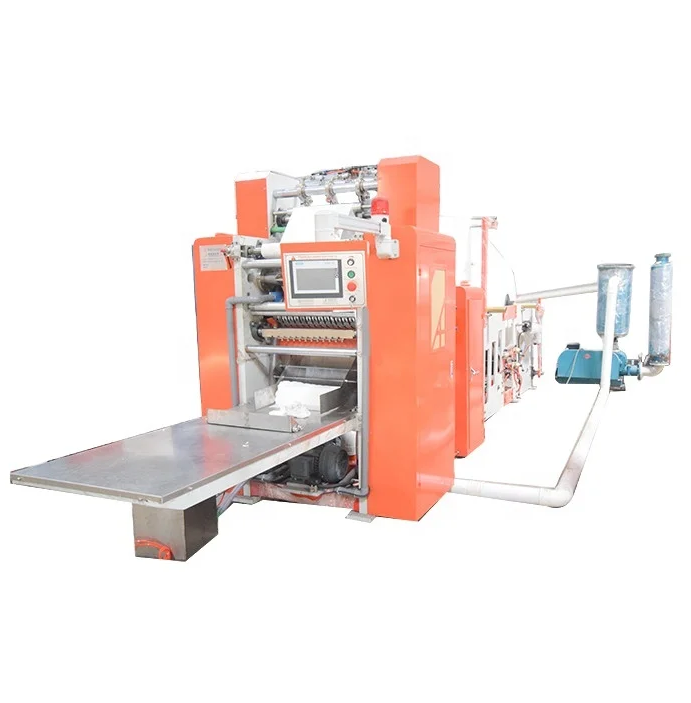
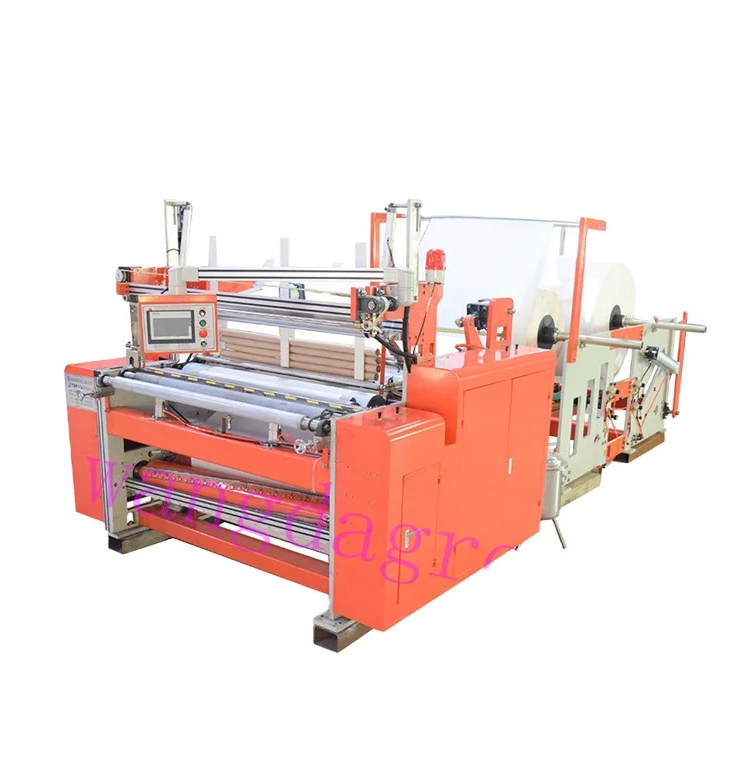
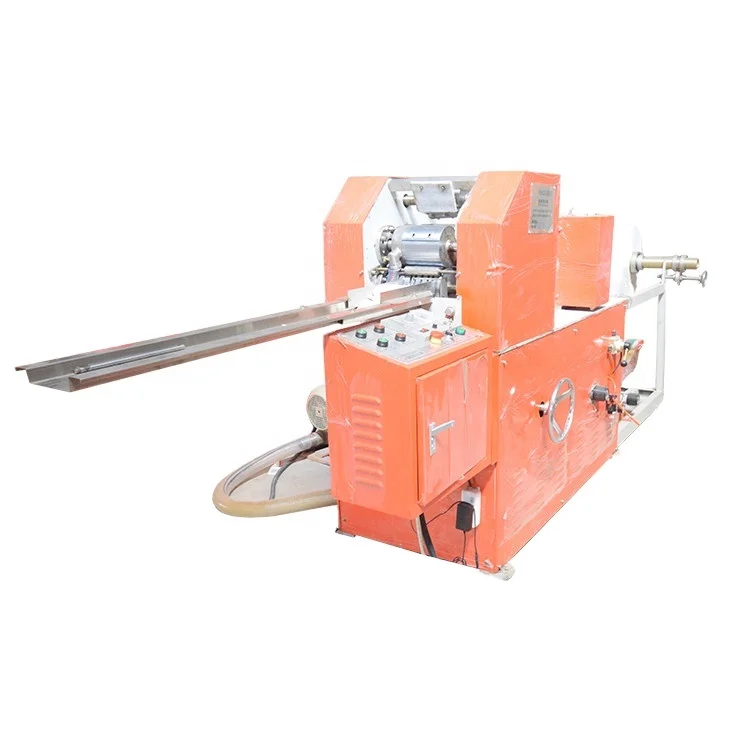
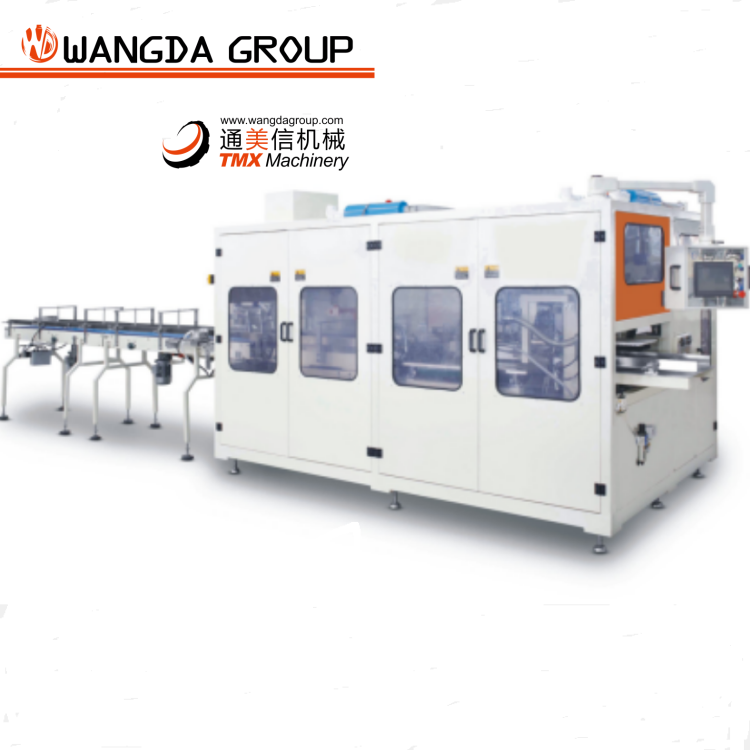
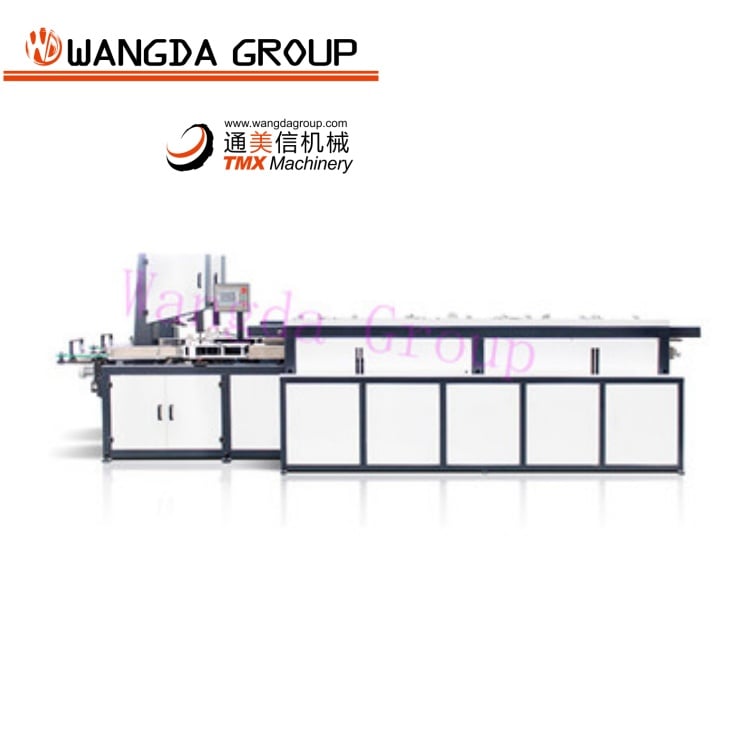
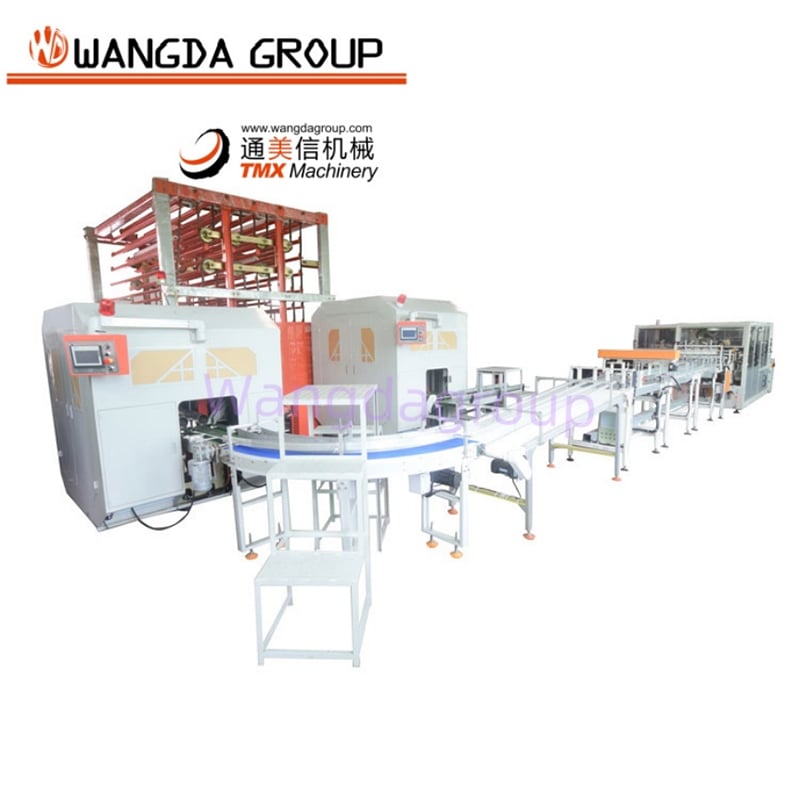
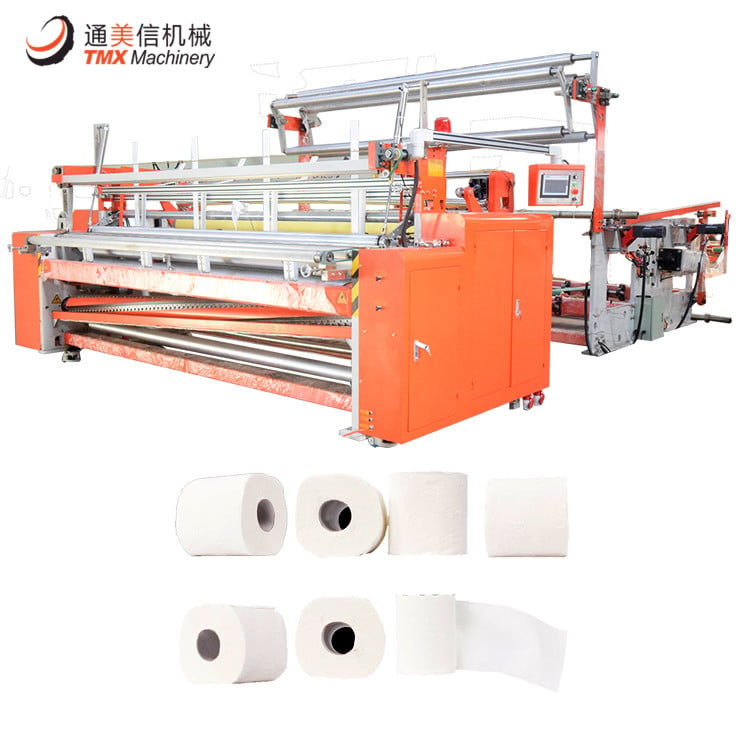
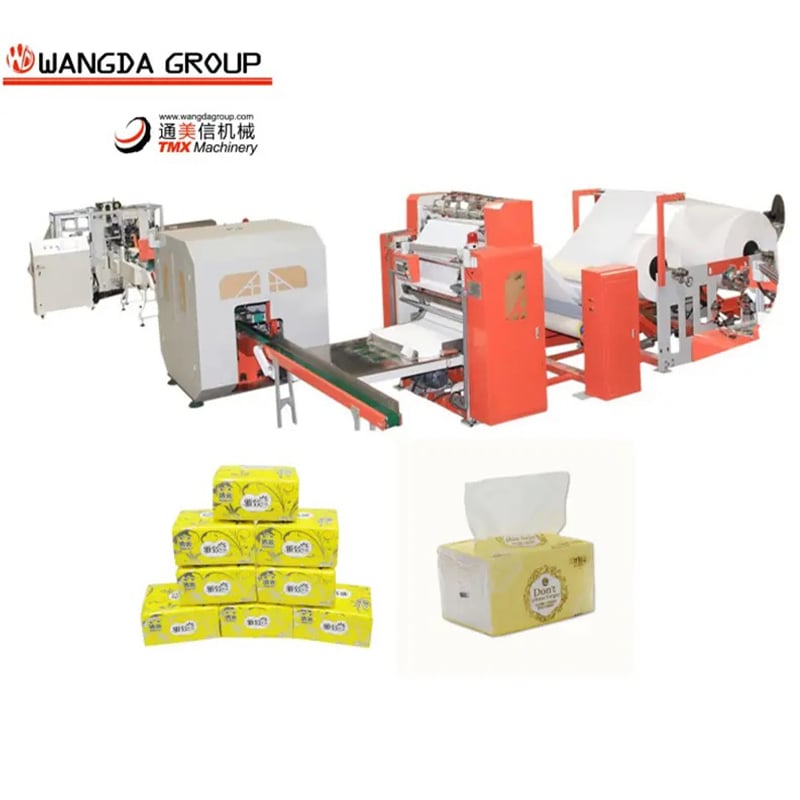
As the demand for hygiene products continues to rise globally, investing in a reliable tissue paper manufacturing machine from China is essential for manufacturers seeking to enhance their production capabilities. Understanding how to evaluate these machines, their specifications, and potential challenges can significantly influence your purchasing decision. This article aims to provide practical insights into evaluating tissue paper manufacturing machine, helping businesses make informed choices to meet their production needs.
When assessing the quality of tissue paper manufacturing machines, several factors should be considered. First, look for compliance with international quality standards, such as ISO certifications. These certifications indicate that the tissue paper machine manufacturer adheres to strict manufacturing processes and quality controls.
Next, consider the machine's build quality and materials used in construction. High-quality components, such as stainless steel frames and durable mechanical parts, enhance longevity and reduce maintenance costs. Additionally, evaluate the machine's efficiency through its production speed, waste reduction capabilities, and energy consumption metrics. A machine that balances high output with low operational costs can significantly improve your bottom line.
It’s also beneficial to check for user reviews and testimonials from other businesses that have utilized the equipment. This feedback can provide insights into the machine’s performance in real-world applications. Finally, consider after-sales support and warranty options offered by the manufacturer, as these can be critical in addressing any issues that may arise post-purchase.

When looking for wholesale tissue paper manufacturing equipment, focus on several key specifications that directly impact performance and suitability for your production needs:
Production Capacity: This indicates how many tons of tissue paper the machine can produce per day. Ensure it aligns with your expected output to avoid bottlenecks.
Paper Width and GSM Range: Different products require specific paper widths and weights (grams per square meter). Confirm that the tissue paper making machine can handle the range of products you plan to manufacture.
Automation Level: Machines can be fully automated or semi-automated. Full-servo production lines offer higher efficiency and precision, reducing labor costs and minimizing human error.
Energy Consumption: Assess the machine's energy efficiency, as high energy costs can significantly affect your operational expenses.
Raw Material Compatibility: Ensure that the machine can efficiently process the types of raw materials (recycled paper, virgin pulp) you intend to use.
Customization Options: Determine if the manufacturer offers customization tailored to your specific production requirements. This might include adjustments for machine size, speed, or additional features.
By focusing on these specifications, you can better align the machine's capabilities with your production goals.

Identifying trustworthy suppliers for tissue paper manufacturing machines is crucial for ensuring longevity and reliability in production. Start by researching manufacturers with a strong reputation in the industry. Online directories, trade shows, and industry forums are excellent resources for finding established suppliers.
When evaluating potential suppliers, consider their experience in the field. Companies like Wangda Industrial Co., Limited, with a focus on daily hygiene product machines, demonstrate a commitment to quality and customer satisfaction. Reviewing their export history, particularly to markets such as the Middle East, Asia, and Africa, can provide insights into their reliability and product acceptance in diverse conditions.
Additionally, consider visiting the manufacturer’s facility if possible. This allows you to inspect their production processes, quality control measures, and machinery firsthand. Finally, request references or case studies from previous clients to gauge their satisfaction and the performance of the machines supplied.

Installing tissue paper production lines can present various challenges. One common issue is inadequate space for machine placement, which can lead to operational inefficiencies. To mitigate this, conduct a thorough site assessment before installation, ensuring there is adequate space not only for the machine but also for maintenance and operator movement.
Another frequent problem is misalignment during installation, which can affect the machine's performance. To counter this, ensure that installation is conducted by experienced technicians who understand the specific requirements of the equipment.
Electrical supply issues may also arise, particularly if the power source does not meet the machine's specifications. Collaborate with your electrical contractor to ensure that the facility’s power supply is compatible with the equipment requirements. Finally, provide comprehensive training for your operators on the machine’s functions to reduce the risk of operational errors after installation.
Wangda has more than 20 years experience in the Toilet paper roll making machine of all kinds of tissue machines, we pay much attention to the features of the machine and its quality, as well as in addition, after sales and pre-sales services. We've sold machines in over 100 countries. This has resulted in many repeat orders and good reviews from our clients. Wangda has its own R and D departments. Our machine is based on the latest Germany Japanese, Japan and Italian technology, and is upgraded day by day. Our machines have been certified to ISO9002, CE, BV and other certifications. We offer turnkey projects that span from A to Z, not just machines.
Wangda manufactures toilet tissue machines (including cutting and Toilet paper roll making machine) Kitchen towel machines (including cutting and packing) facial tissue machines (including cutting and packing) and nylon bag facial tissues machines. We also produce maxi roll rewinding as well as perforating machines.
Toilet paper making machine has a very experienced with a long-standing sales team as well as an after-sales staff, 80% of the team has worked for more than 10 years in our business in this hygienic product industry. Our team members have a lot of experience working with daily-use paper tissue machines, related packing machines and so on hygienic product machines We are experts in a range of information in this area, we know what our clients need, and worry about the things that make they are concerned about. We don't only sell machines to our customers, we also assist our customers to make profit from this hygienic business, to provide the lifelong after-sales service to our customers on time.
Wangda has collaborated with various clients from home and abroad. We have cooperated with big groups from GCC countries such as Fine Hygienic from various nations, Nesto Hypermarket, Top One and Two hygienic producer B and G, the Meghna Groups from Bangladesh. Outnet Group of African countries. And as well, there are big European brands, American brands, Toilet paper machine brands we have cooperated for long years. We have several manufacturing facilities outside of the United States that you can visit and see our products. This is more convenient. Also you are warmly welcome for a visit to our factory and see our products on the spot. We welcome your enquiry anytime and hope to begin our mutual benefit story soon.
Tissue paper manufacturing machines are versatile and can cater to various industries beyond traditional hygiene products. For example, in the hospitality industry, high-quality facial tissues and napkin papers are essential for enhancing customer experience in restaurants and hotels. The ability to produce customized sizes and packaging can set businesses apart in competitive markets.
In healthcare, machines that produce soft, absorbent tissues are critical for patient care, making tissue paper machines an integral part of medical supply chains. Additionally, the personal care industry frequently requires specialized tissue products for packaging and promotion.
Lastly, the increasing demand for eco-friendly products has opened opportunities for machines that can process recycled materials. Adapting production lines to meet this demand can enhance marketability and support sustainability initiatives.
By understanding these application scenarios, manufacturers can better align their production capabilities with market demands, ensuring a competitive edge.
This article serves as a guide for B2B buyers looking to invest in tissue paper manufacturing machines from China, providing insights into evaluation, specifications, supplier reliability, installation considerations, and application scenarios. By applying these practical recommendations, businesses can optimize their purchasing decisions and enhance production efficiency.