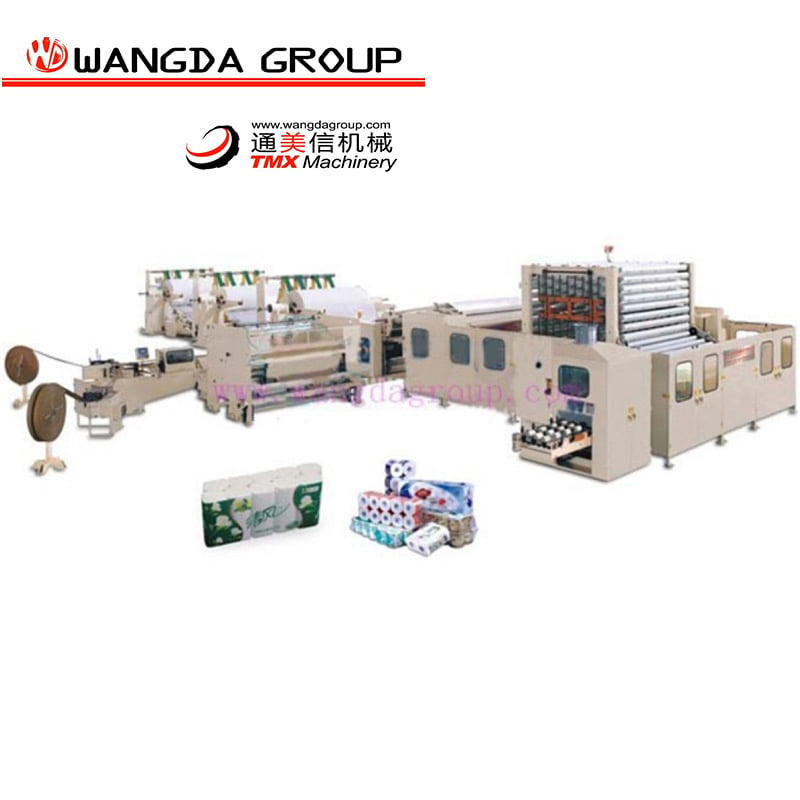
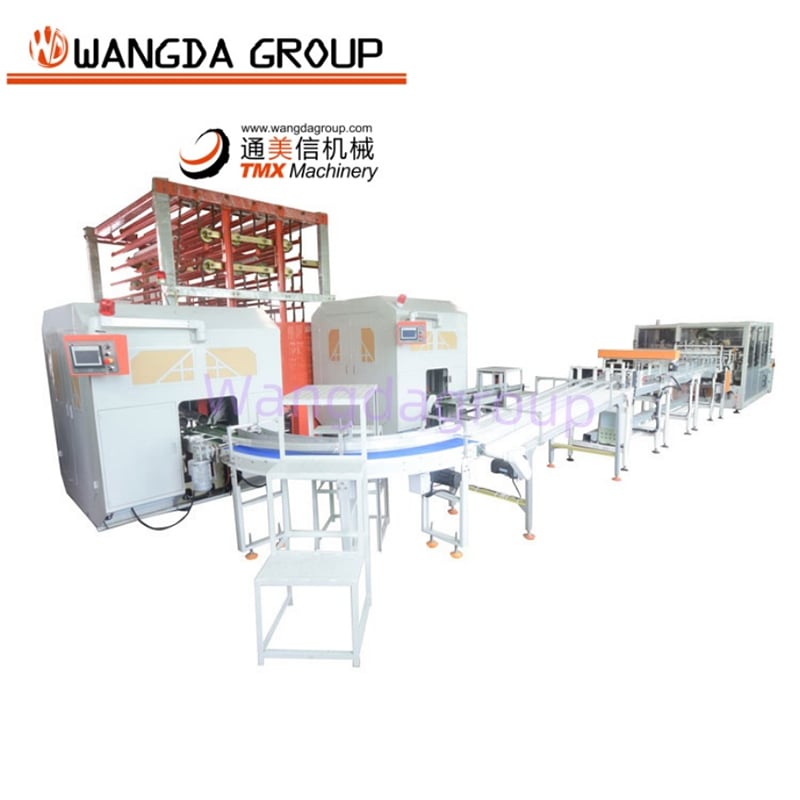
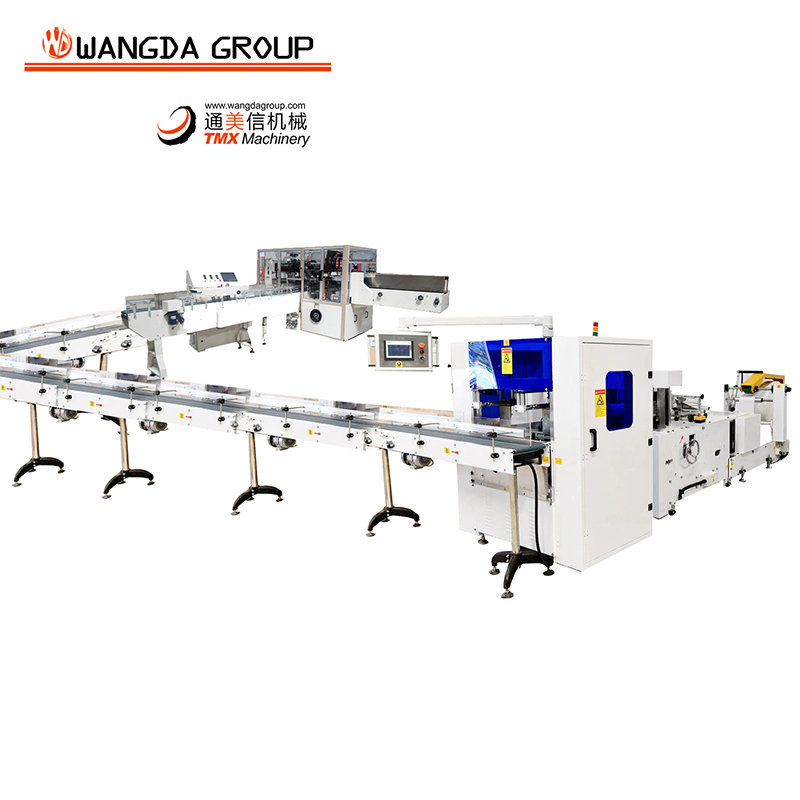
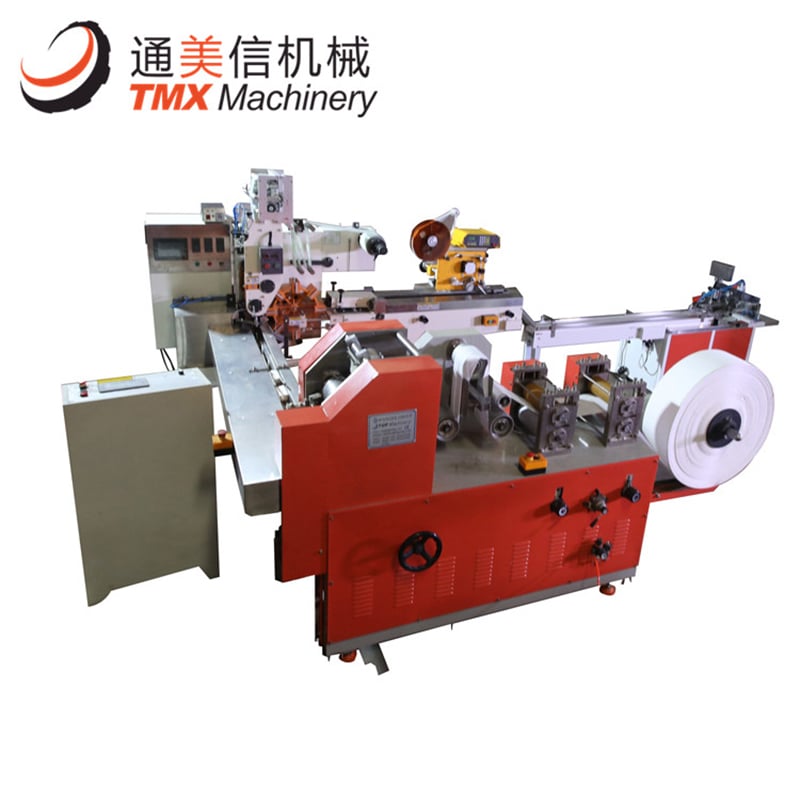
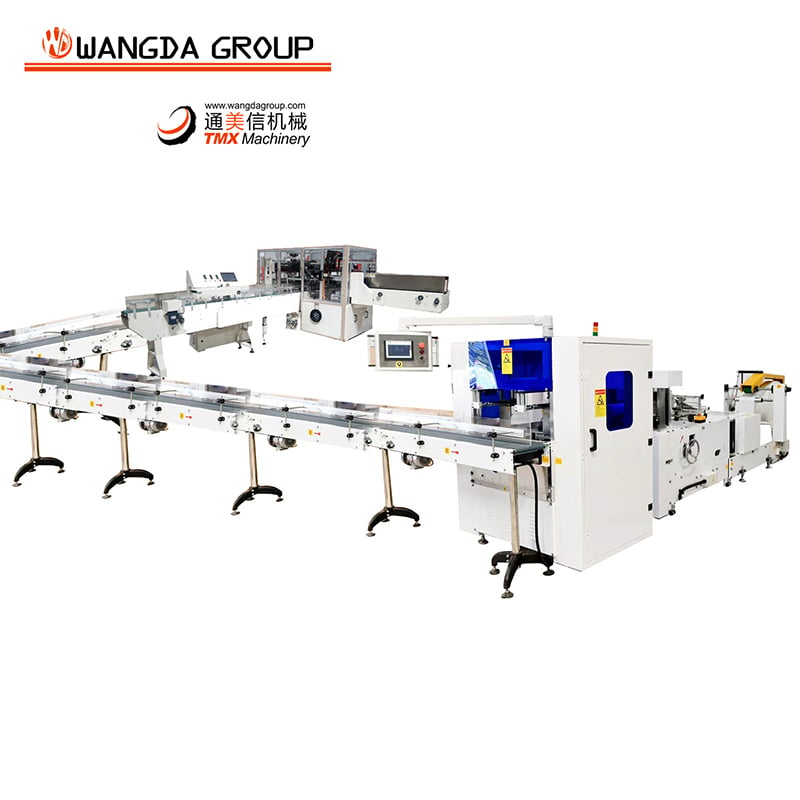
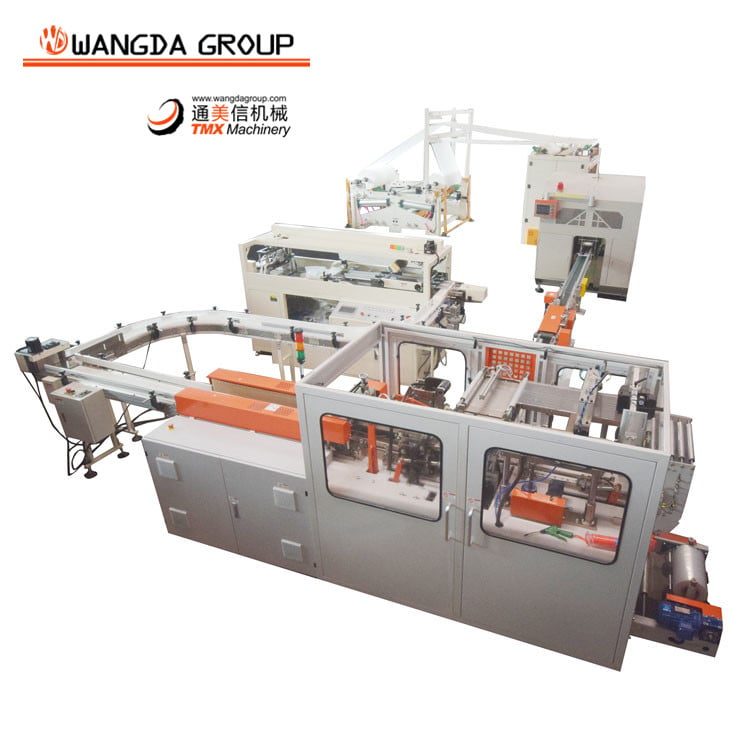
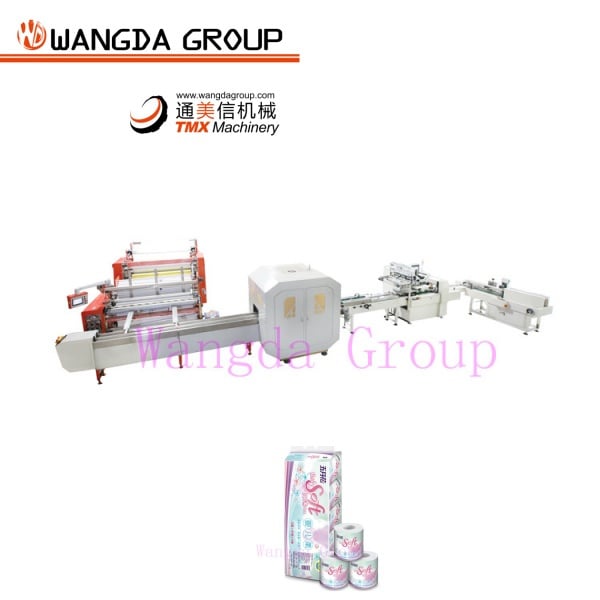
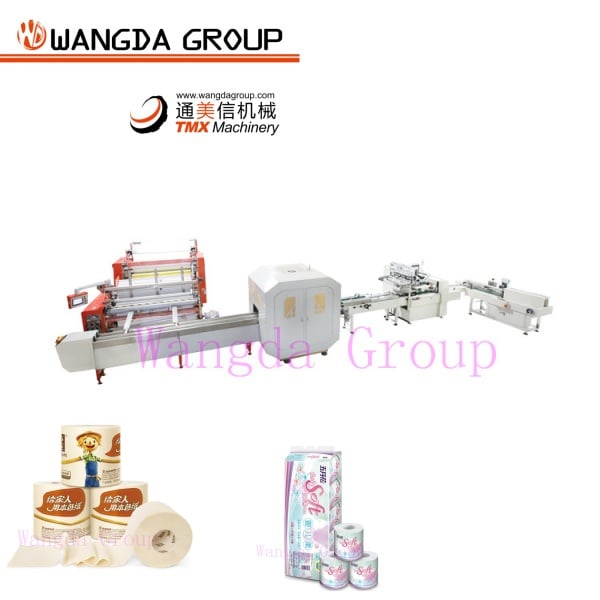
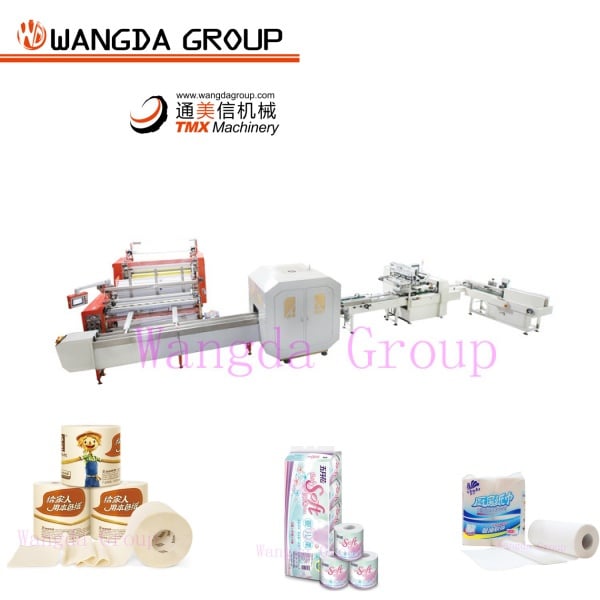
Creating a factory for recreating tissue paper is no piece of cake. The facility is known as a tissue paper factory. This is a plant where people make the kind of stuff that makes sure our day to days run smoothly, like toilet paper and tissues. A plant such as this is expensive to build, and before you take on a project of this size there are many things that have to be considered.
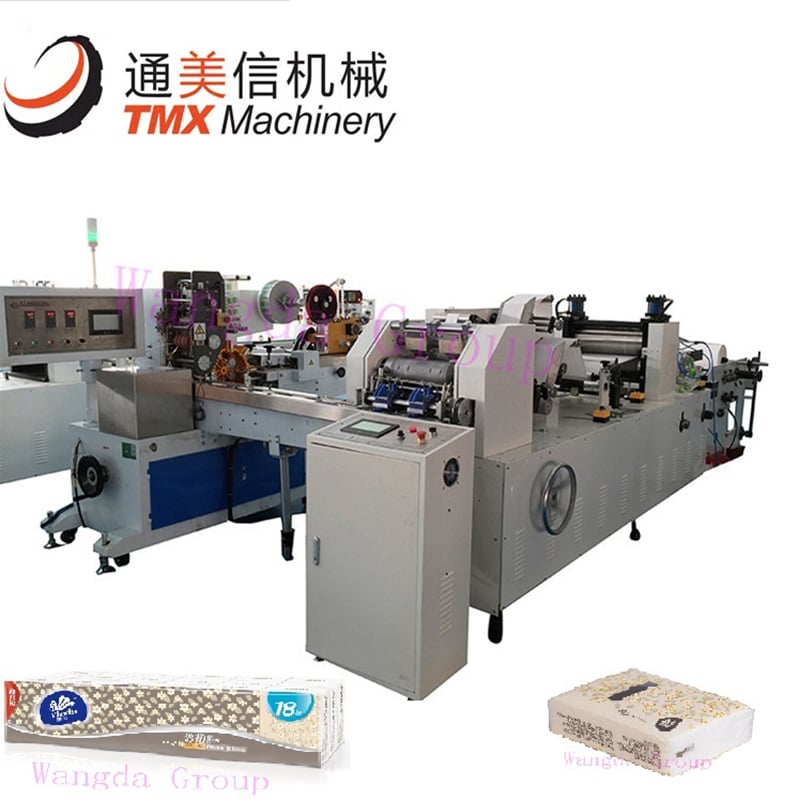
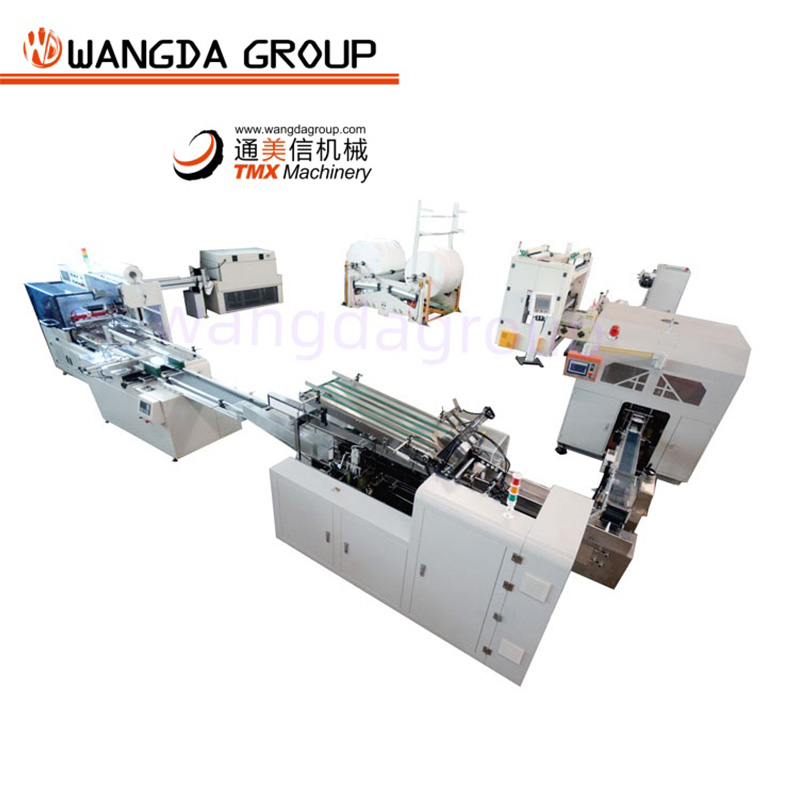
The first step is a deep consideration how much money it will cost to build the plant, and then make sure that you have enough on hand after start of production in order run for long time, just like the Wangda Industrial's product called china soft facial tissue packing machine. Next, You will require a big building to install machinery as well workers for Tissue Paper Manufacturing Plant. These devices have been designed to manufacture rolls of toilet paper and other tissue papers. You will also need to employ human workers in the age old plant, and will carry these machines as well along with them. You will also need to purchase your media making materials eg wood pulp or recycled paper for the tissue. These costs can all add up rapidly and can be enormous. That said, the plant can create tissue paper that may be sold in stores for people to purchase and use.
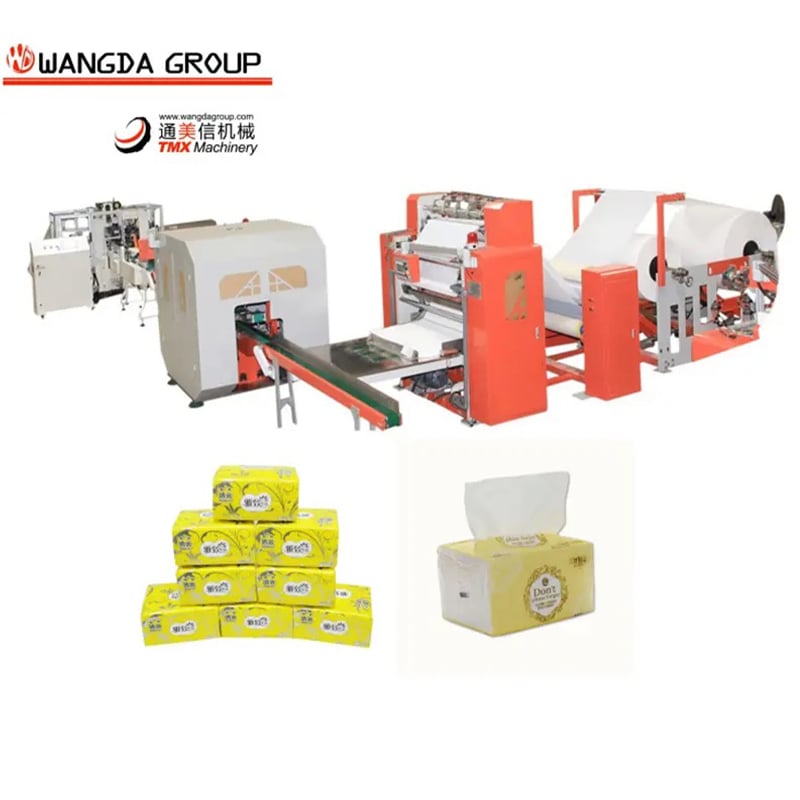
These are not the only factors but some of essential ones that decide final cost to manufacture tissue paper products, the same as cloth napkin folding machine created by Wangda Industrial. Of course, the price of materials like wood pulp or recycled paper is a huge factor. These ingredients are those used as the base of tissue paper. Things required to make Tissue Paper So when the price of these materials increases, it costs more to produce tissue paper. The cost of energy is another significant. Tissue paper, because of how he must run his machines and keep everything just so to get this plant operated. Therefore, the same energy price increase will also raise tissue paper production costs and reduce manufacturing profitability at lower line rates.

Given that the goal of this staple is to both save money and time, maximising these savings per plant run are crucial, same with Wangda Industrial's china semi-automatic facial tissue folding machine. That means without wastage in less time per tissue paper using fewer resources. Write about for instance how using machines that are capable of producing more tissue paper in less time is a great way to speed up the production. Unlike people, these automated machines work continuously and are often faster. It also helps them save money and avoid waste, which benefits the environment as well.

One of the ways you can reduce cost in tissue paper production is by attempting to manufacture a cheaper-to-produce grade, as well as the toilet paper making machine prices developed by Wangda Industrial. For example, they may rely more on recycled paper instead of new wood pulp obtained from harvesting trees and can exceed standard paper materials in costs. This also allows them to make the paper thinner, meaning they use fewer resources in each roll. Another great way to save some money is by increasing the sales of tissue paper. That could involve selling in larger quantities, such as to stores — or opening up new markets for white paper.

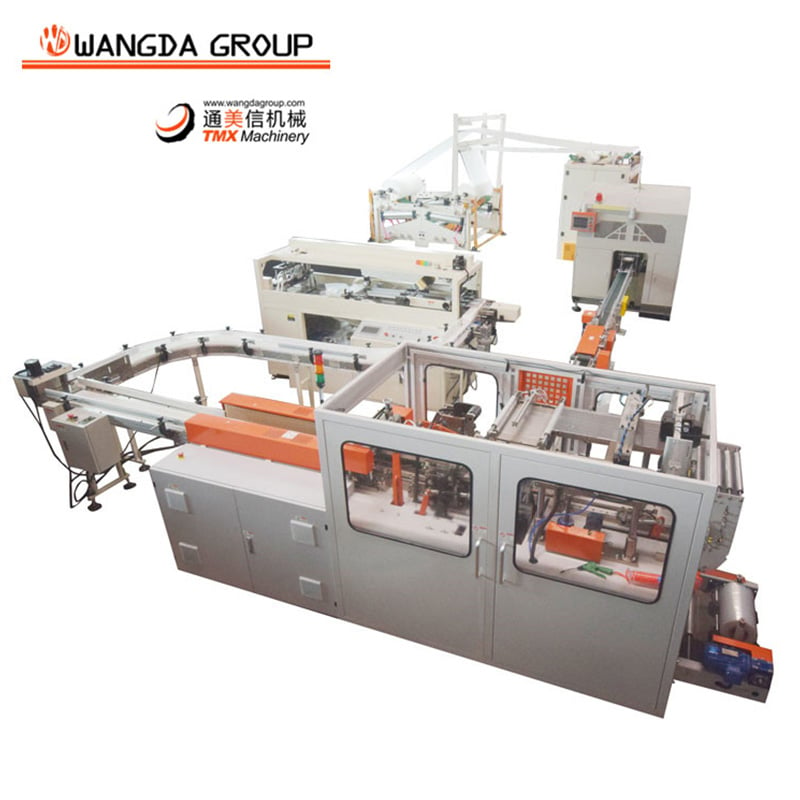
Finally, we must consider the monetary investment profits obtained if you invest in a tissue paper manufacturing plant, identical to Wangda Industrial's product toilet paper converting machine. Return on investment (ROI) Do you know what the ROI is for that plant and how much money it can possibly make compared to how expensive the construction will be or running one of those protein factories? For instance, if the plant makes plenty of tissue paper and is able to sell them at a fair price in the long run it can turn into profits. But there are some risks to keep in mind. You could, for instance, buy the material to make a roll of tissue paper from energy and raw materials if they are too dearer unexpectedly prior selling it out in very bad business.
Wangda manufactures toilet tissue machines (including cutting and packing), Tissue paper manufacturing plant cost (including cutting and packing), facial tissue machines (including cutting and packing) as well as nylon bag facial tissues machines. We also produce maxi roll rewinding as well as perforating machines.
Wangda has cooperated with Tissue paper manufacturing plant cost both from the home country and abroad. We have collaborated with major groups from GCC countries such as Fine Hygienic from several nations, Nesto Hypermarket, Top One and Two hygienic product manufacturer B and G, Meghna Groups of Bangladesh. Outnet Group from African countries. And as well, there are large European brands, American brands, Latin American brands we have worked with for a great number of years. We have a number of sample factories outside of the United States that you can visit to look at our products. This is more convenient. Also we invite you to visit our factory to experience our products right at the moment. We will be happy to answer your questions anytime, and hope to begin our mutual benefit story asap.
Our after-sales and sales teams are extremely Tissue paper manufacturing plant cost and skilled. About 80% of our team has been working in the field of hygienic products for over 10 years. We understand what our customers want and what they worry. Our customers aren't only purchasing our machines We also assist them to profit in this business of hygienic items. We provide our customers with the services after-sales they need.
Wangda has over 20 years of experience manufacturing all sorts of Tissue paper manufacturing plant cost, we focus on the machine functions and quality and additionally, we provide after-sales and pre-sales services. We have sold machines in over 100 countries. This has earned us repeated orders and positive feedback from our customers. Wangda is our own R and D departments. Our machines are based on advanced Germany, Japan and Italian technology and is updated day by day. Our machines have passed ISO9002, CE, BV and other certifications. We provide turnkey projects all the way from A to Z that includes more than machines.