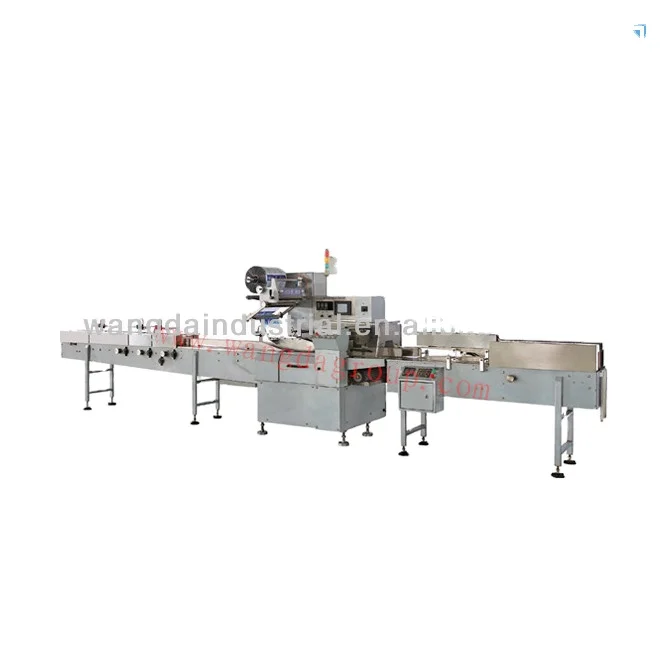
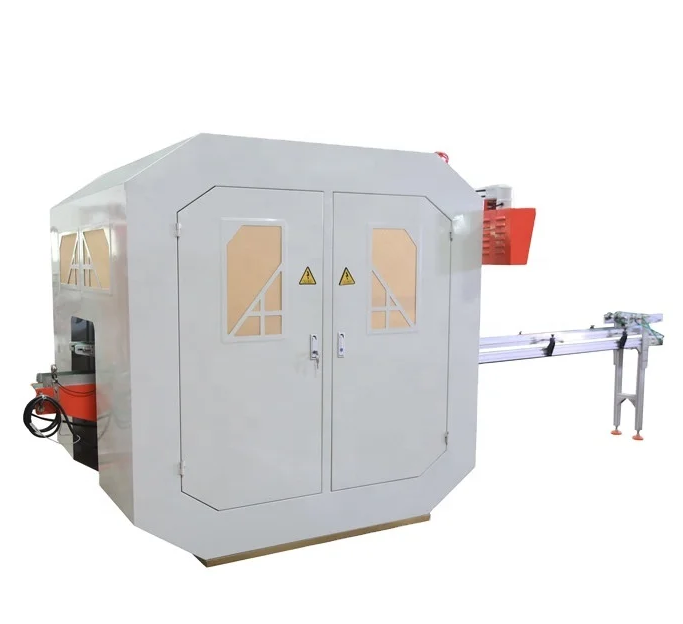
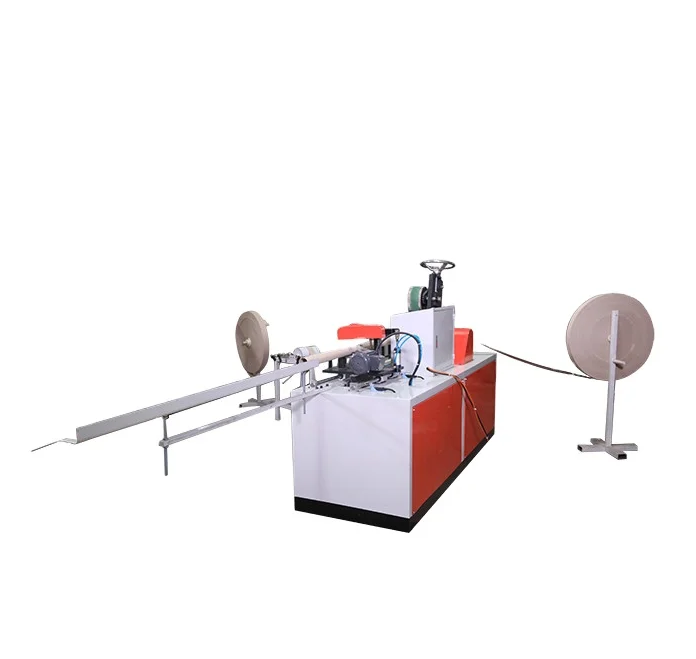
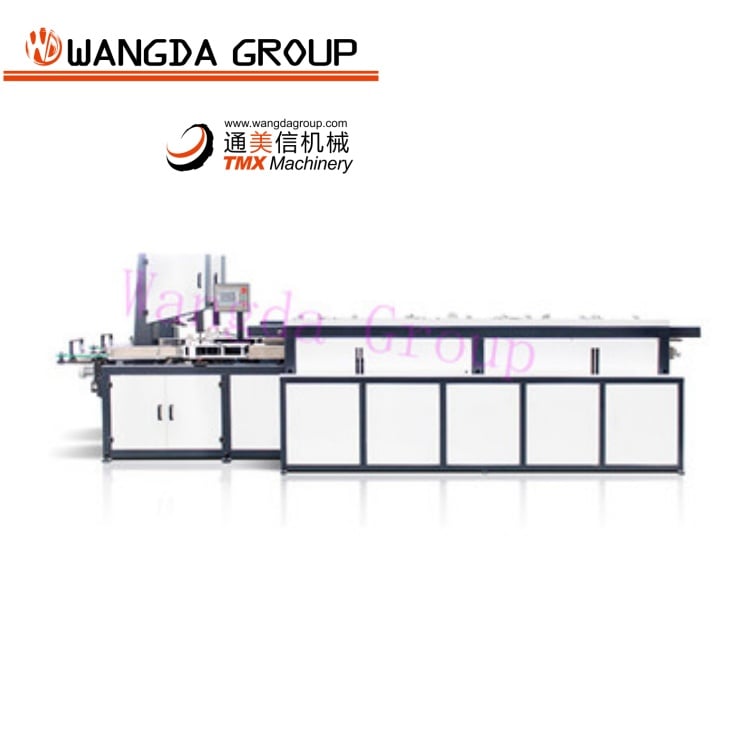
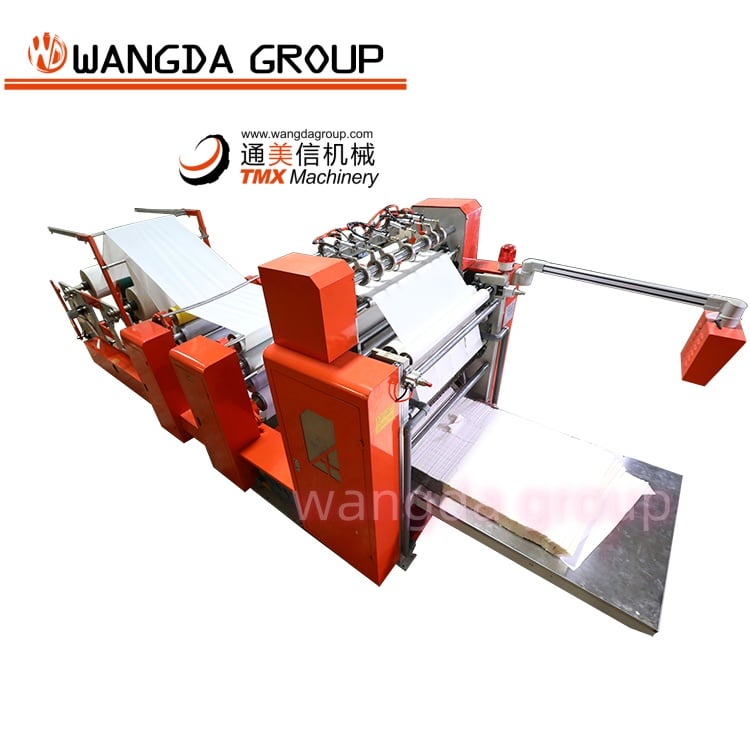
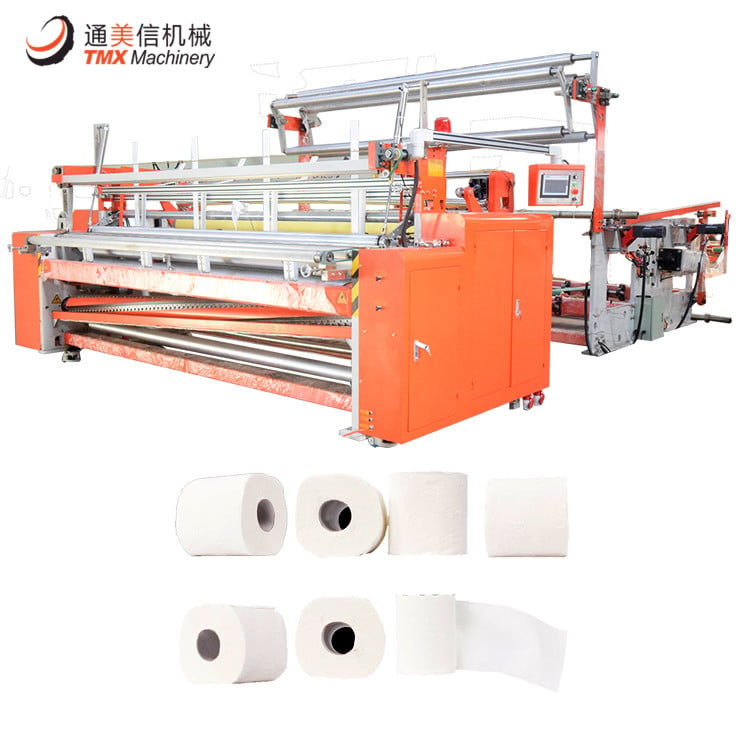
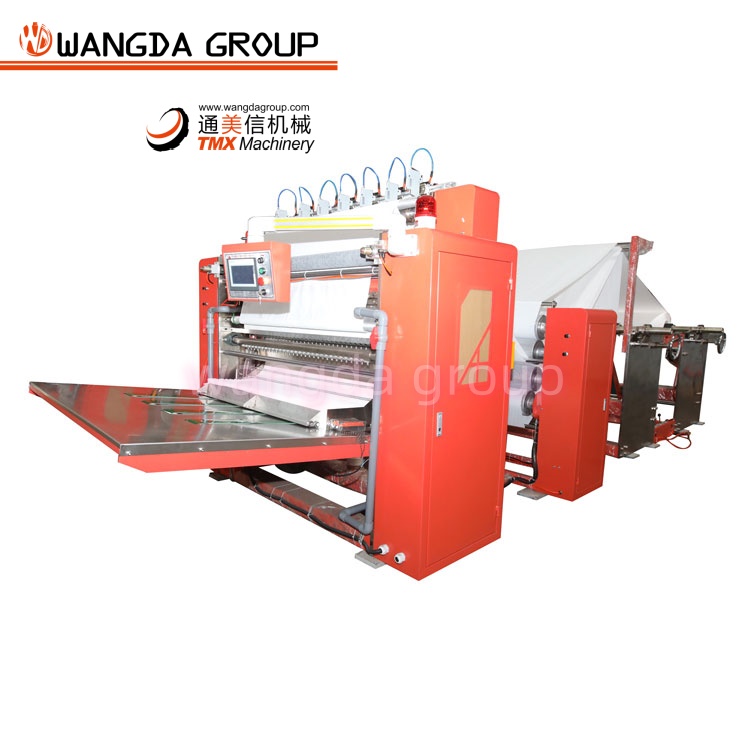
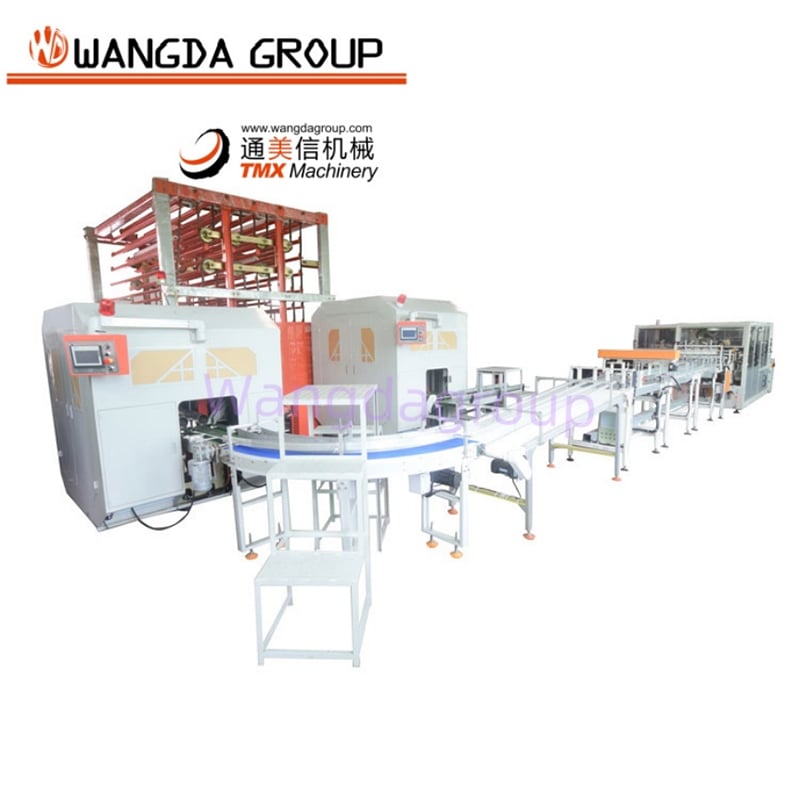
Investing in efficient tissue paper converting machinery is crucial for manufacturers aiming to produce high-quality hygienic products like napkins, facial tissues, and toilet paper. Buyers often face concerns regarding machine specifications, production capacities, and how well the equipment fits their specific needs. This article aims to guide purchasing managers and decision-makers in selecting the right tissue paper converting machinery, highlight key specifications to evaluate, and provide insights into bulk ordering and installation.
Choosing the right toilet paper converting machine involves several critical considerations. First, identify the types of products you intend to manufacture be it napkins, facial tissues, or toilet paper as each product type may require different machinery configurations and specifications.
Next, consider the production capacity. Assess your expected output volumes and how this aligns with the machine's throughput capabilities. For instance, a full-servo production line might be suitable for higher-volume operations due to its efficiency and automation features.
Also, evaluate the machine's flexibility for product variations. If you plan to switch between different product sizes or types frequently, look for machinery that offers customization options. This adaptability can save time and reduce costs associated with retooling.
Lastly, don’t overlook the importance of after-sales support and service availability. A reputable manufacturer, like Wangda Industrial Co., Limited, will provide ongoing support and maintenance, which is critical for minimizing downtime and ensuring consistent production quality.

When evaluating tissue paper converting machines, several key specifications should be prioritized:
Production Speed: Measured in meters per minute, this indicates how quickly the machine can produce finished products. A higher speed typically translates to increased efficiency, but consider how it aligns with your production requirements.
Material Compatibility: Determine what types of paper and materials the machine can process. This includes assessing the grammage of the paper, as well as any additional material features like embossing or printing capabilities.
Automation Level: Fully automated machines can enhance production efficiency and reduce labor costs. Look for features such as automatic roll changing, which minimizes downtime during production shifts.
Energy Consumption: Given rising energy costs, it's essential to evaluate a machine's energy efficiency. Machines designed with energy-saving features can significantly reduce operational costs over time.
Quality Control Systems: Integrated quality control systems can help detect defects during production, ensuring that only high-quality products reach the market.
Understanding these specifications will empower buyers to make informed decisions that align with their production goals and quality standards.

For businesses looking to place bulk orders, it’s important to establish clear communication with the manufacturer regarding minimum order quantities (MOQ) and lead times. Bulk orders often benefit from economies of scale, allowing for negotiated pricing based on volume.
When placing bulk orders, confirm the following:
Customization Options: Discuss how the tissue converting machine can be tailored to meet your specific needs. This may include adjustments in format, size, or additional features.
Production Timeline: Understand the lead time for manufacturing and delivery. This is especially crucial if you are working against tight deadlines or launching new products.
Payment Terms: Clarify payment structures for large orders. Some manufacturers may offer flexible payment options for bulk purchases.
By addressing these points, buyers can ensure a smoother ordering process and avoid potential delays or misunderstandings.

Before engaging with a tissue paper converting machinery supplier, buyers should prepare by gathering relevant information. This includes:
Specifications Needed: Be ready to discuss the specific types of products you intend to produce, including dimensions, grammage, and any unique features.
Budget Constraints: Have a clear idea of your budget, but also be open to discussing the long-term value of higher-quality machines that may reduce operational costs.
Sample Approvals: Prior to mass production, request samples of the finished product to ensure it meets your quality expectations. This step can save significant time and costs associated with reworking or rejected batches.
Supplier Evaluation: Research the manufacturer’s reputation, particularly regarding their after-sales service and support. A supplier with a strong track record can provide peace of mind and reliability.
Preparing this information will facilitate more productive discussions and help ensure that the chosen machinery aligns with your operational goals.
The sales and after-sales departments are very experienced and professional. Our team has worked in the field of hygienic products for over 10 years. We are aware of what our customers are looking for and are Tissue paper making machine of what makes them worry. Our clients are not just purchasing machines from us but also helping them earn a profit from the hygiene-related business. We provide our clients with the services after-sales they need.
Wangda has over 20 years of experience manufacturing all sorts of tissue machines, we pay much attention to the machines' functions and the quality, and also Tissue paper machine and after sales services. We have sold machines to more than 100 countries. This has resulted in repeat orders and good comments from our clients. Our R and D department is part of Wangda. We have our own R and D departments. Our machines are continuously upgraded and are incorporating the latest technology of Germany, Japan, and Italy. They have passed ISO9002, CE and BV certifications. We provide turnkey projects all the way from A to Z that includes more than machines.
Wangda manufactures toilet tissue machines (including cutting and packing), Tissue paper machine (including cutting and packing), facial tissue machines (including cutting and packing) as well as nylon bag facial tissues machines. We also produce maxi roll rewinding as well as perforating machines.
We've Toilet paper manufacturing machine with many clients both in the United States as well as abroad.
Installation of tissue paper converting machinery requires careful planning to ensure optimal performance. Here are key considerations:
Site Requirements: Assess the installation location for space, power access, and environmental conditions. Ensure that the area is adequately prepared to accommodate the machinery's dimensions and operational needs.
Technical Support: Engage with the manufacturer’s technical team during the installation process. They can provide invaluable insights into setup, calibrations, and integration with existing systems.
Training for Operators: Arrange training sessions for your operational team to familiarize them with the machinery’s functionality and maintenance requirements. Proper training can enhance efficiency and reduce the likelihood of operational errors.
Testing Phase: After installation, conduct a thorough testing phase to ensure that the tissue converting equipment operates as expected. This should include running test batches and evaluating the quality of the output.
By following these guidelines, buyers can ensure a successful installation process that maximizes the machine's potential and minimizes future operational challenges.
Investing in the right tissue paper converting machinery is vital for manufacturing high-quality hygienic products. By understanding the specifications, preparing for bulk orders, and ensuring effective installation, businesses can enhance their production capabilities and meet market demands efficiently.