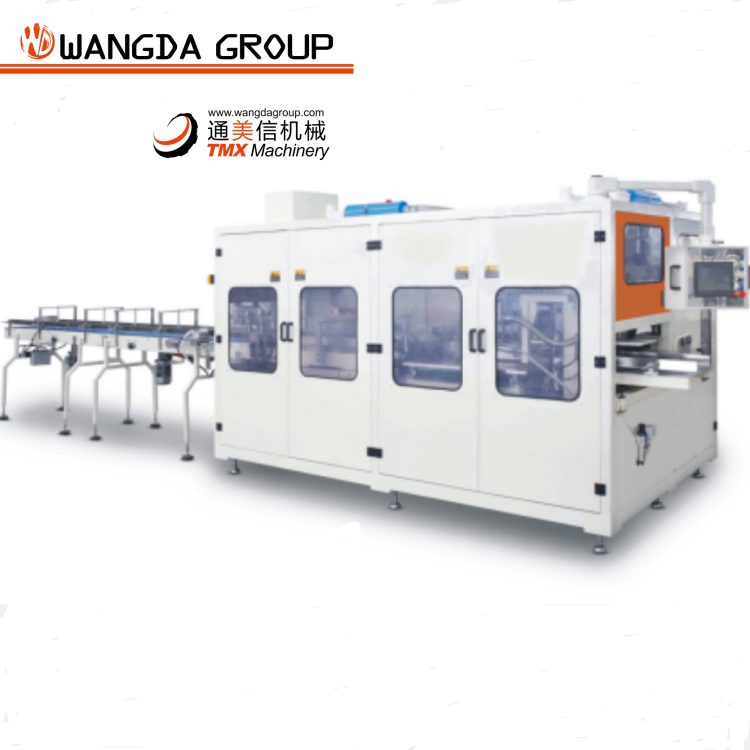
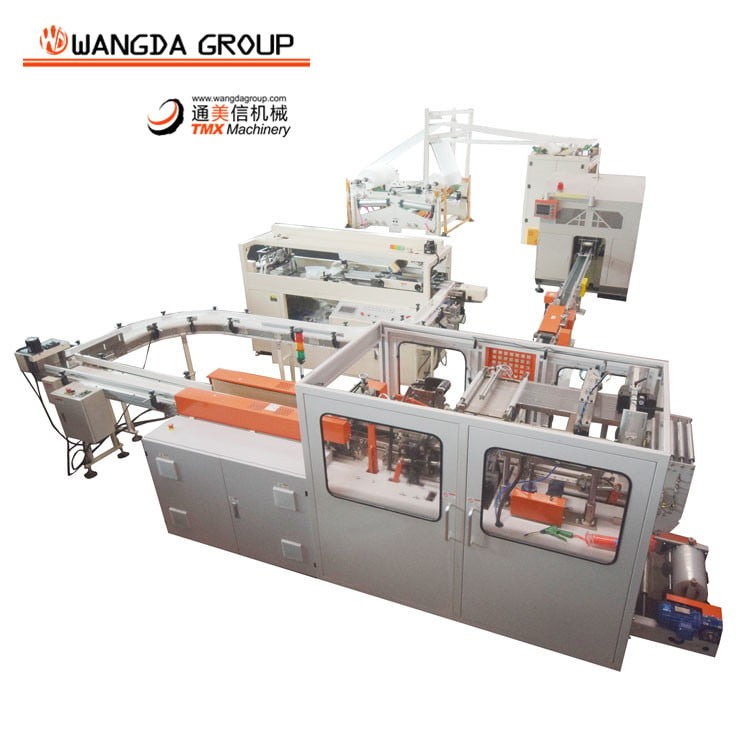
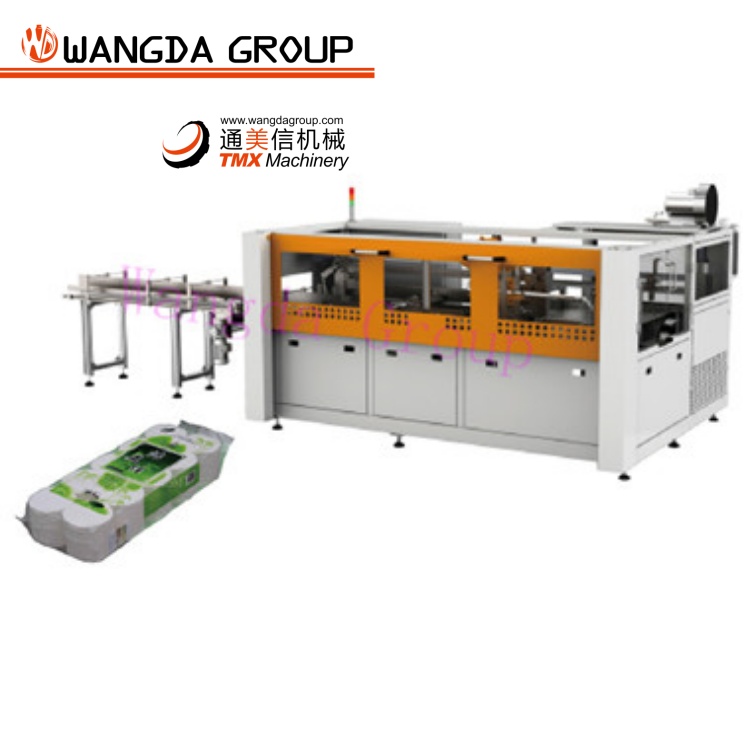
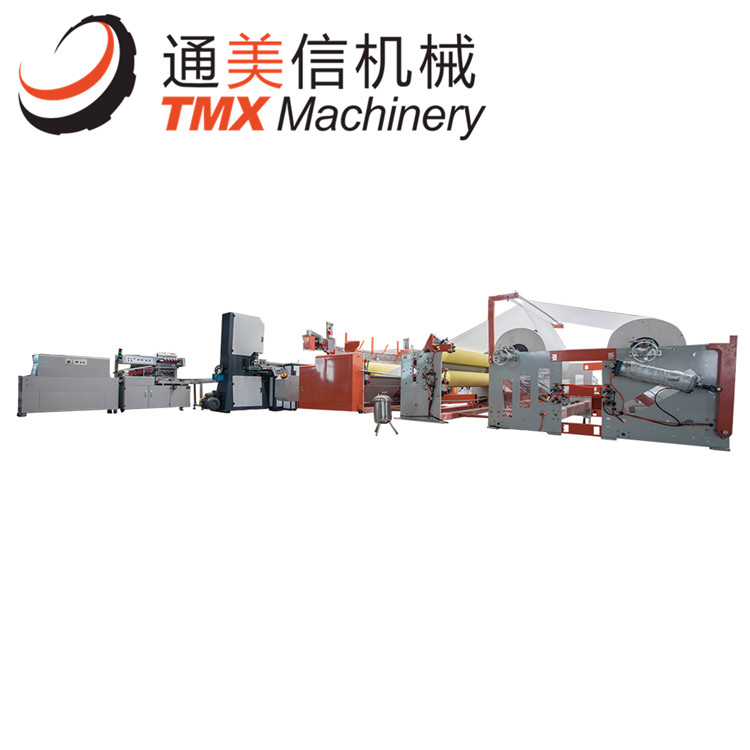
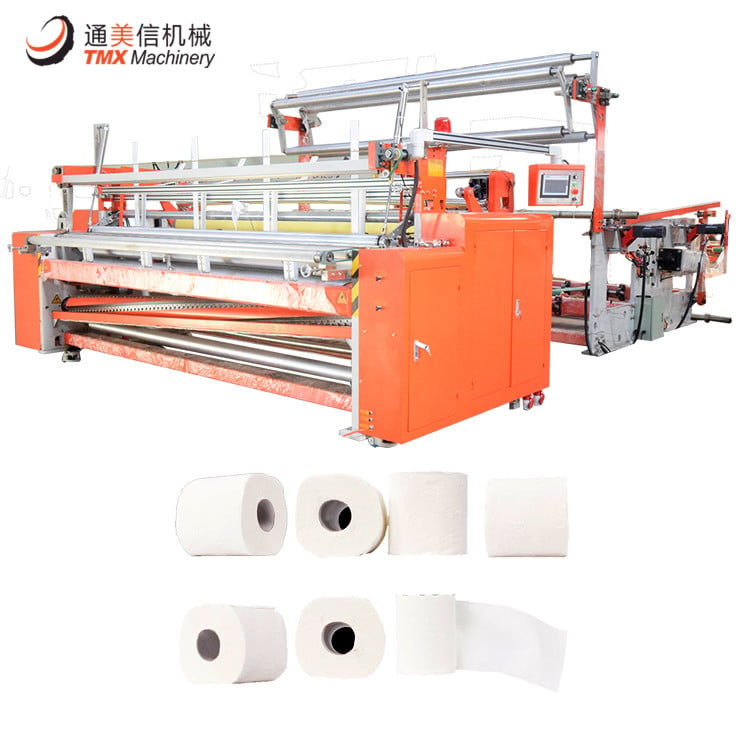
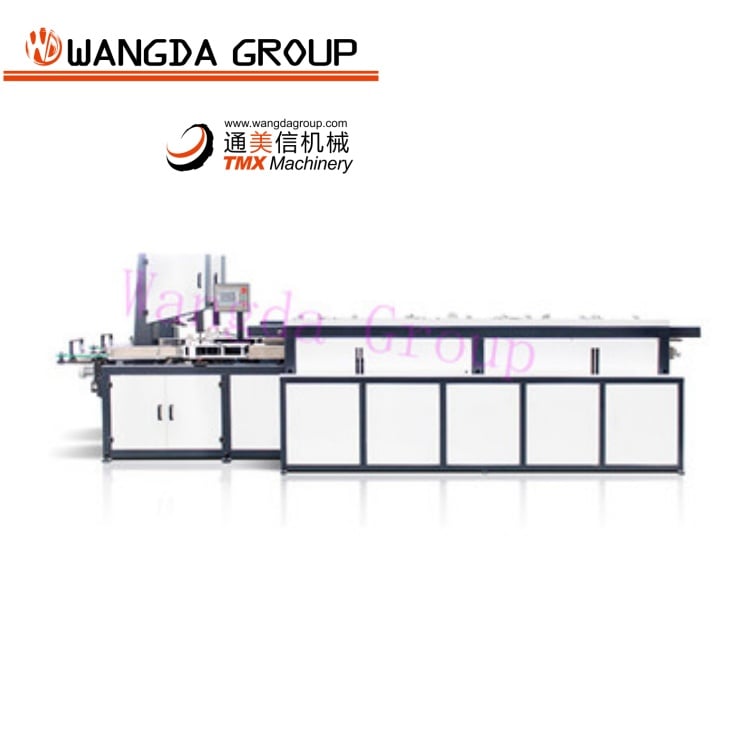
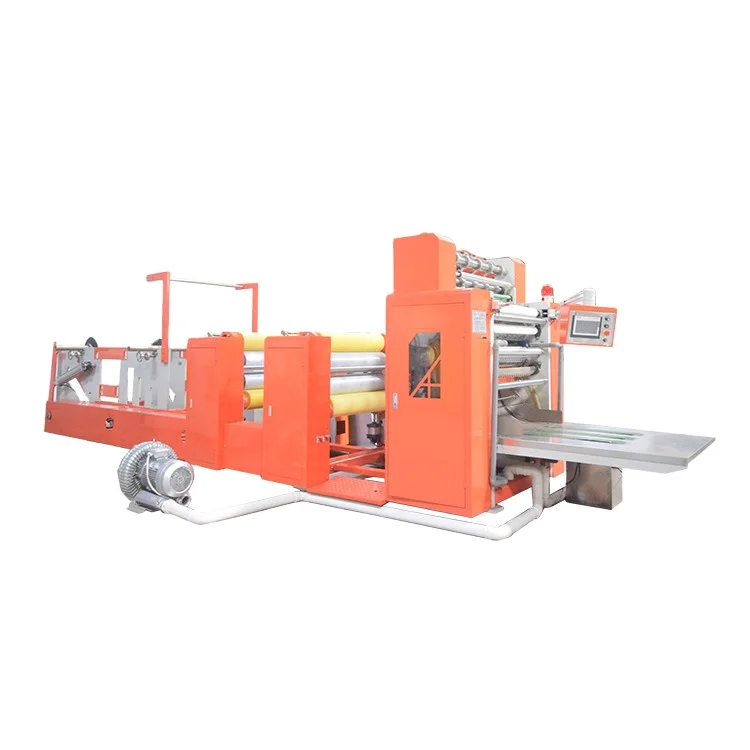
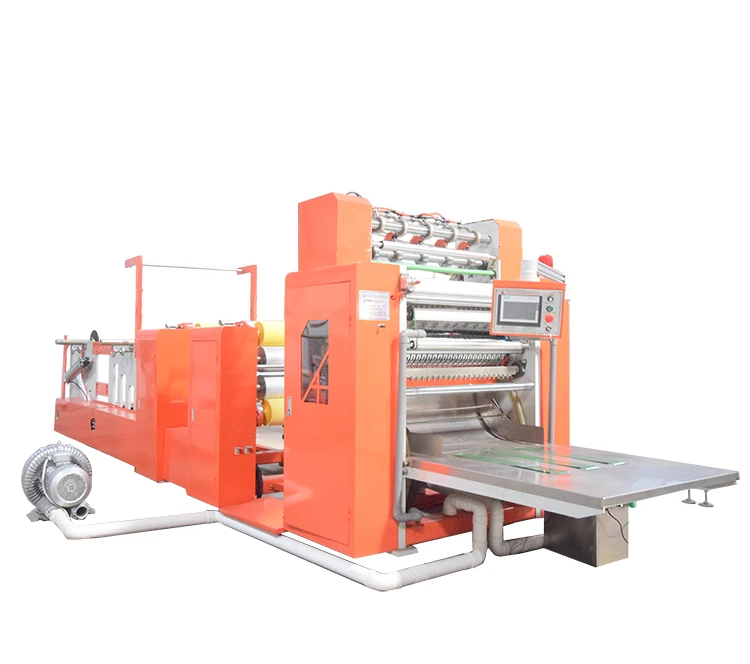
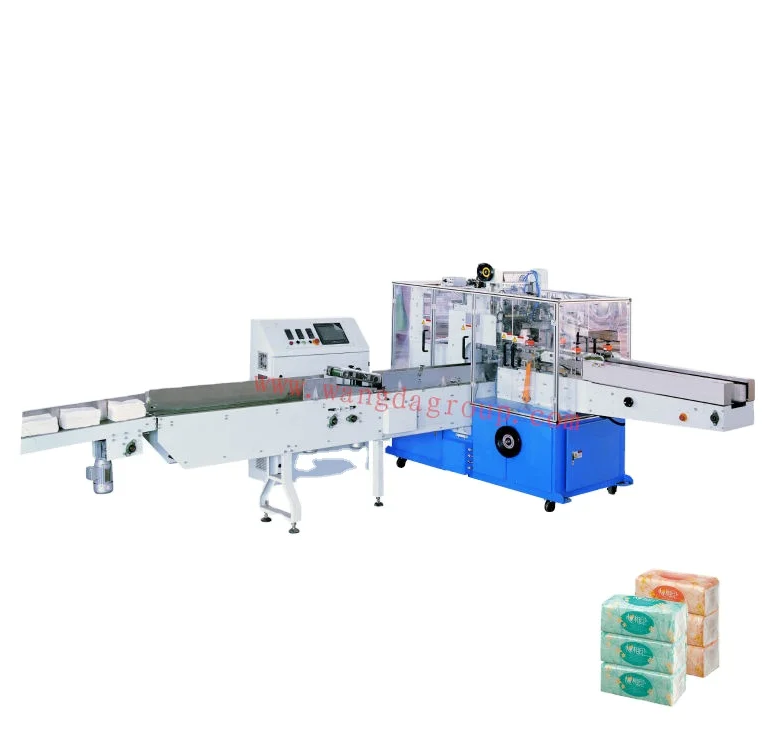
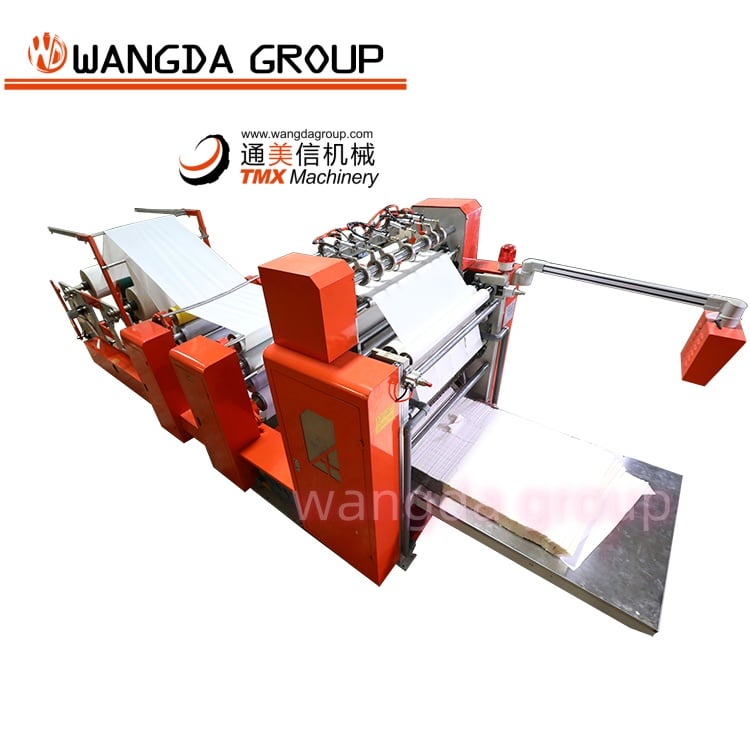
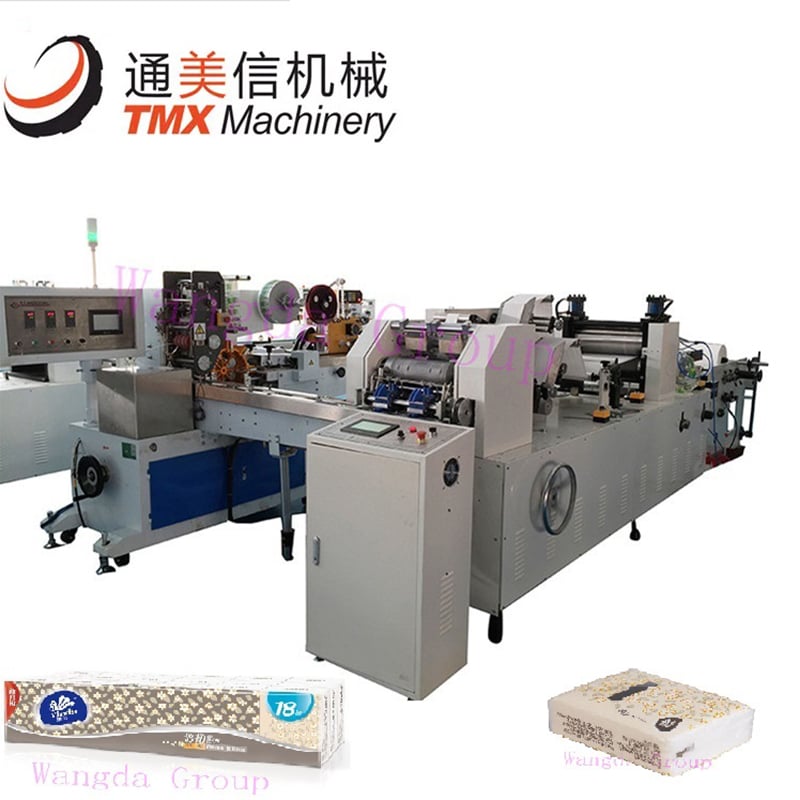
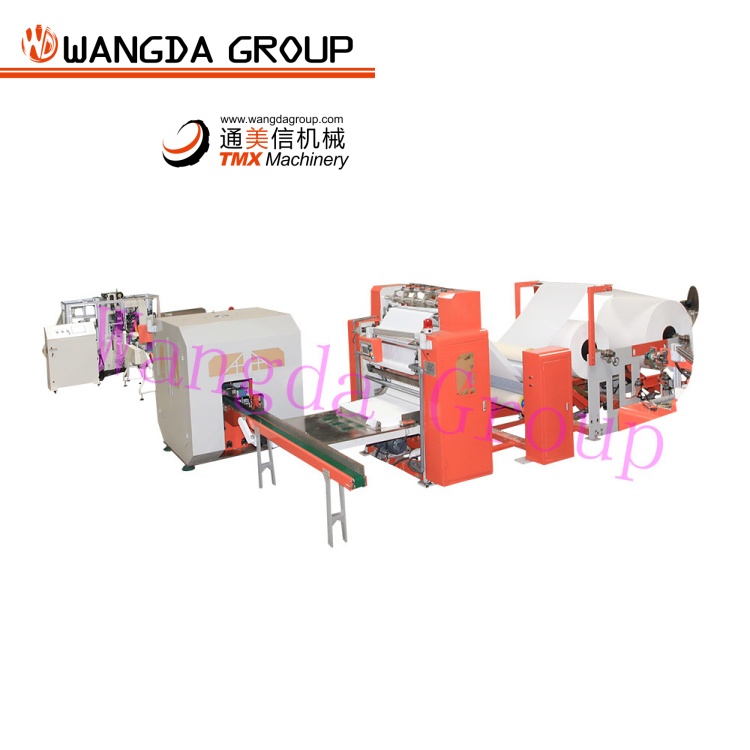
Choosing the right tissue converting equipment is essential for businesses involved in the production of hygienic products such as napkins, facial tissues, handkerchiefs, and toilet paper. Understanding the specifications, compatibility, and quality control measures of these machines can significantly impact efficiency, cost, and product quality. , we’ll explore key considerations for selecting tissue converting equipment, specifications to evaluate, how to compare suppliers, cost factors, and quality control measures, enabling buyers to make informed decisions.
When selecting tissue converting equipment, the primary concerns for B2B buyers typically revolve around production efficiency, machine reliability, and product quality. Buyers should first assess their production needs, including the types of products they intend to manufacture and the anticipated production volumes. This will help identify the necessary machine capacity and features.
Additionally, buyers should consider the level of automation required. Full-servo production lines offer higher efficiency and precision, which can lead to reduced labor costs and improved product consistency. However, such machines may have a higher upfront cost. Understanding the balance between automation, cost, and production requirements is crucial.
Lastly, compatibility with existing production lines should not be overlooked. Buyers should ensure that the new equipment can integrate seamlessly with their current systems, avoiding disruptions during the transition.

When evaluating tissue converting machinery, several technical specifications should be prioritized:
Production Capacity: This refers to the number of products the machine can produce in a given timeframe. Buyers should match this with their expected output to ensure the equipment meets demand without excessive downtime.
Material Compatibility: The type of tissue paper and thickness can affect machine performance. Ensure the equipment can handle the specific types of materials you plan to use, as this impacts the quality and efficiency of production.
Dimensions and Footprint: The size of the machinery will determine how it fits into existing workflows and factory layouts. Buyers must consider available space and ensure that the equipment’s dimensions align with their operational needs.
Automation Level: Full-servo systems generally offer better performance and efficiency but may come at a higher cost. Evaluate whether the benefits of automation justify the investment based on your production volume and labor costs.
Quality Control Features: Machines equipped with advanced monitoring systems can ensure product quality throughout the production process. tissue paper manufacturing machine reduces waste and improves overall efficiency.
Understanding these specifications enables buyers to assess whether a piece of equipment will meet their production needs and quality standards.

When comparing tissue converting equipment suppliers, several factors should be considered to ensure a well-rounded evaluation:
Reputation and Experience: Research the supplier’s history and experience in the industry. Companies like Wangda Industrial Co., Limited, with a specialization in hygienic product machines and a proven export record, can offer insights into reliability and performance.
Product Range: A supplier that offers a wide range of equipment may provide better customization options. This is particularly important if your production needs evolve or if you wish to diversify your product line.
After-Sales Support and Services: Consider the level of customer support available post-purchase. Suppliers who offer comprehensive after-sales support, including maintenance and training, can greatly enhance operational efficiency.
Certifications and Compliance: Verify that the equipment complies with relevant industry standards and certifications. This can be indicative of the quality and safety of the machinery.
Pricing and Terms: Obtain detailed quotations from multiple suppliers, considering not just the initial cost but also factors such as warranties, maintenance contracts, and delivery terms.
By systematically evaluating these criteria, buyers can make more informed comparisons between suppliers, ensuring they choose the one that best meets their needs.

The cost of tissue converting equipment can vary widely based on several factors:
Type and Complexity of Equipment: Basic machines will generally be less expensive than fully automated systems. Full-servo production lines, while offering enhanced efficiency, come at a higher price point.
Customization Requirements: If specific modifications are needed to meet unique production demands, this can add to the overall cost. Customization may include alterations to accommodate specific sizes or types of tissue paper.
Production Capacity: Higher capacity machines tend to have a higher upfront cost. However, tissue paper making machine can provide lower per-unit costs over time, making them more economical for larger production runs.
Shipping and Installation Costs: Consider the logistics involved in shipping the equipment to your facility, as well as any installation costs. Suppliers may offer these services as part of the sale or as additional costs.
Maintenance and Operational Costs: Evaluate the long-term operational costs associated with the machinery, including energy consumption, maintenance requirements, and the availability of spare parts.
Understanding these cost factors will help buyers budget effectively and assess the total cost of ownership for different equipment options.
Wangda has very professional with a long-standing sales team as well as an after-sales team, 80% of the team has worked for over 10 years in our company in the Toilet paper roll making machine industry. Our teams have much experience working with daily-use paper tissue machines, packing machines, and more Hygienic products machines We are experts in a range of expertise in this field, we think what our customer wants, we worry about what our customers are worried about. Our customers aren't just purchasing equipment from us, we also help them earn a profit from the hygiene-related business. We provide our clients with the after-sales services they require.
Wangda has over Toilet paper manufacturing machine of of experience in the production of various tissue machines. We pay much attention to the equipment's functions and quality as well as additionally, we provide after-sales and pre-sales services. We supply self machines to more than 100 countries and regions that get positive feedback from clients and repeat orders. Wangda has its own R and D departments. Our machines use the most advanced Germany Japanese, Japan and Italian technology and is constantly upgraded. Our machines have achieved ISO9002, CE, BV and many other certifications. What we supply is not only machines. What we supply is a complete turnkey solution from A to Z, we can accept customized orders for these machines.
Wangda manufactures toilet tissue machines (including cutting and packing), Tissue paper machine (including cutting and packing), facial tissue machines (including cutting and packing) as well as nylon bag facial tissues machines. We also produce maxi roll rewinding as well as perforating machines.
We've worked with many clients, both Tissue paper machine home and abroad.
Ensuring product quality is paramount in tissue converting machinery. Here are several quality control measures that should be implemented:
Regular Maintenance: Scheduled maintenance is crucial for keeping machinery in optimal condition. Suppliers should provide guidelines for routine checks and servicing to prevent unexpected breakdowns.
Sample Testing: Before mass production, it's advisable to conduct sample testing of the final product. This helps in identifying any potential issues with the machine's output and ensures that the product meets quality standards.
Monitoring Systems: Advanced machines may include built-in monitoring systems that track production quality in real-time. toilet paper making machine allows for immediate adjustments to be made if quality dips below acceptable levels.
Training for Operators: Proper training for machine operators can significantly reduce errors and enhance product quality. Ensure that the supplier offers comprehensive training on the equipment's operation and maintenance.
Supplier Audits: Periodically auditing your suppliers can help ensure they maintain the necessary quality standards throughout their production processes. This can include reviewing their quality control protocols and certifications.
By implementing these quality control measures, businesses can enhance the reliability of their tissue converting equipment and ensure consistent production quality.