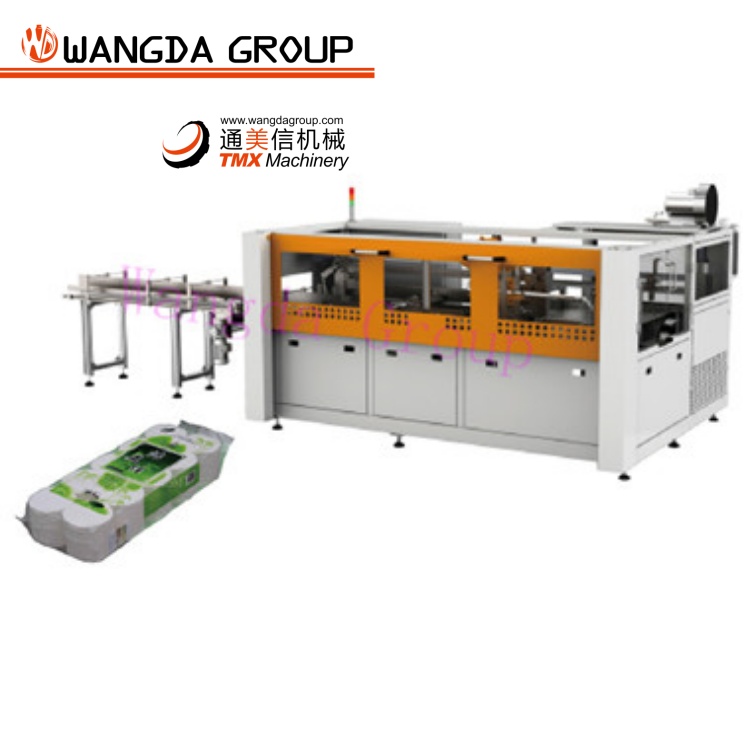
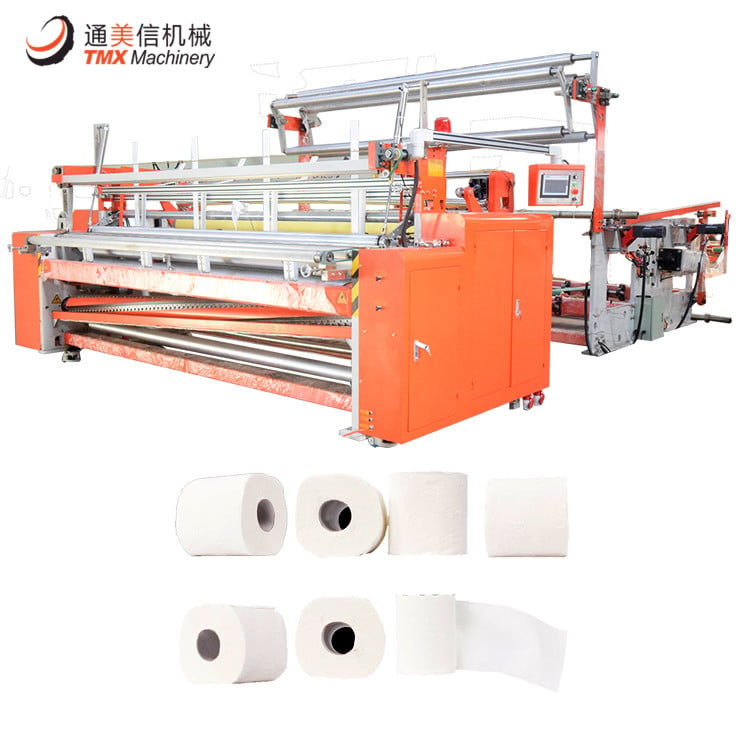
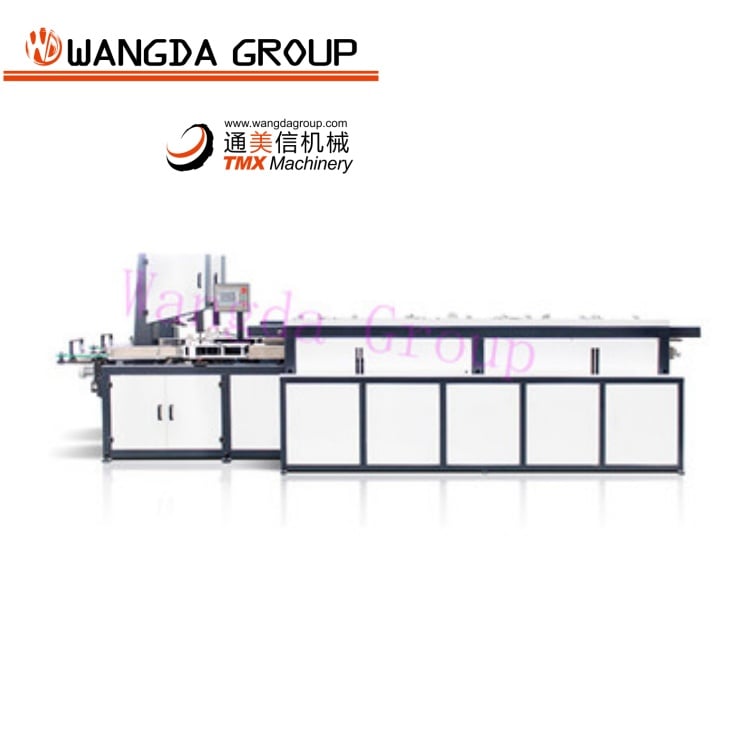
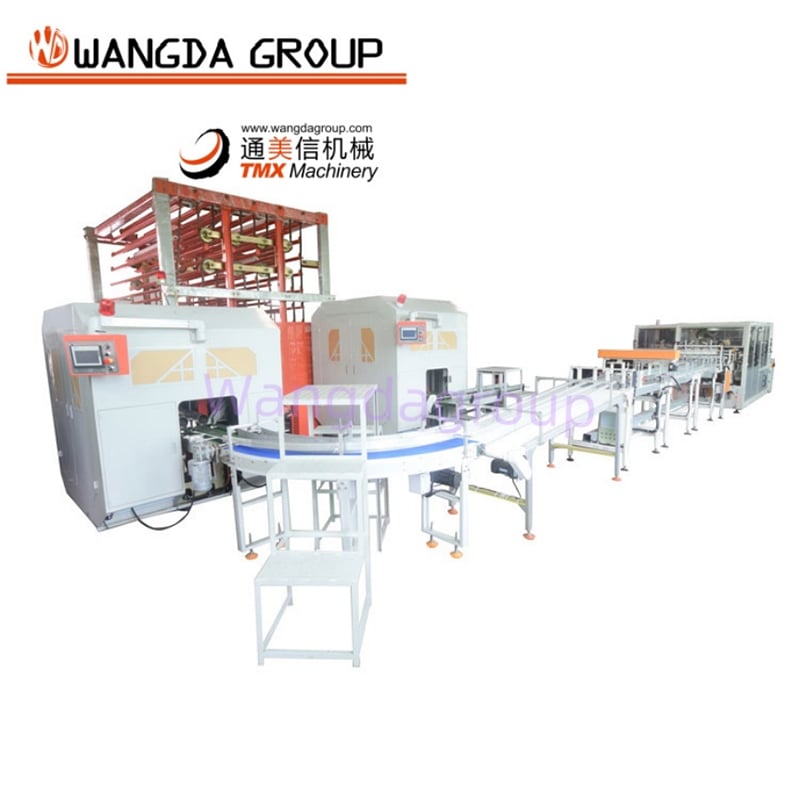
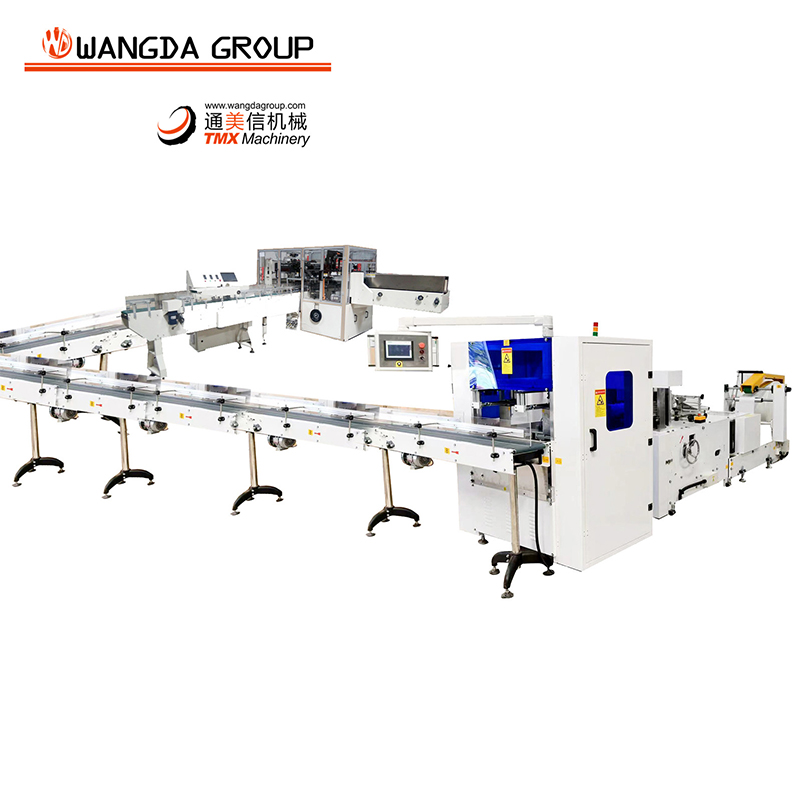
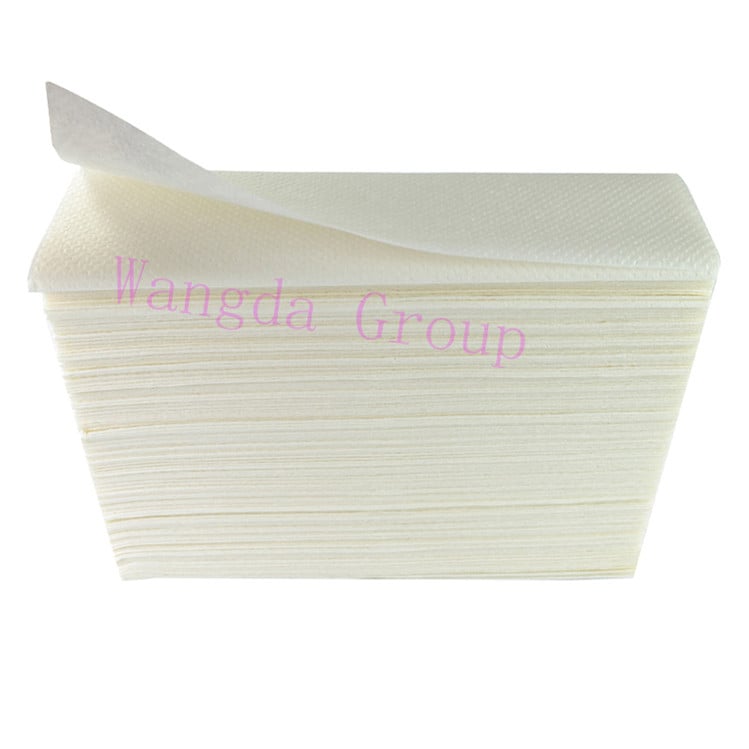
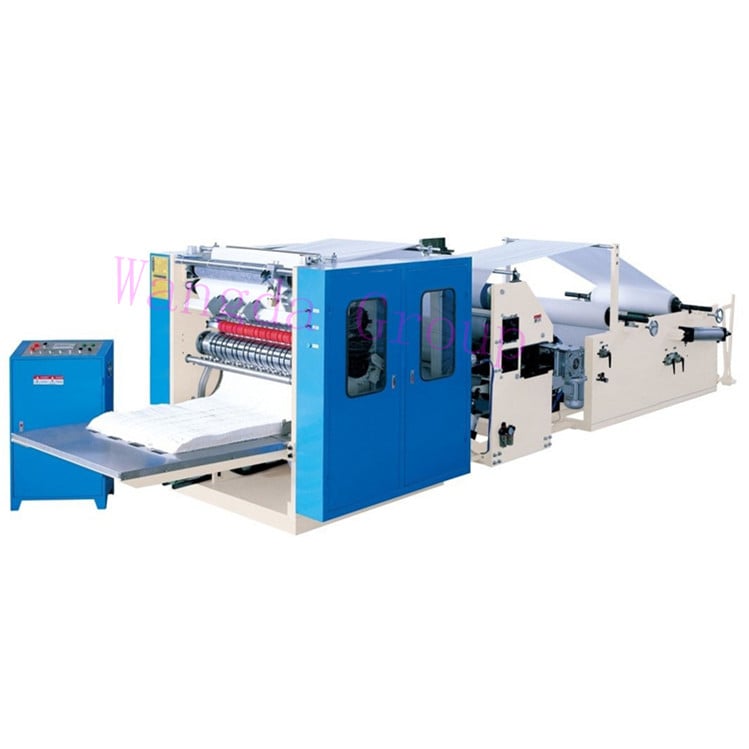
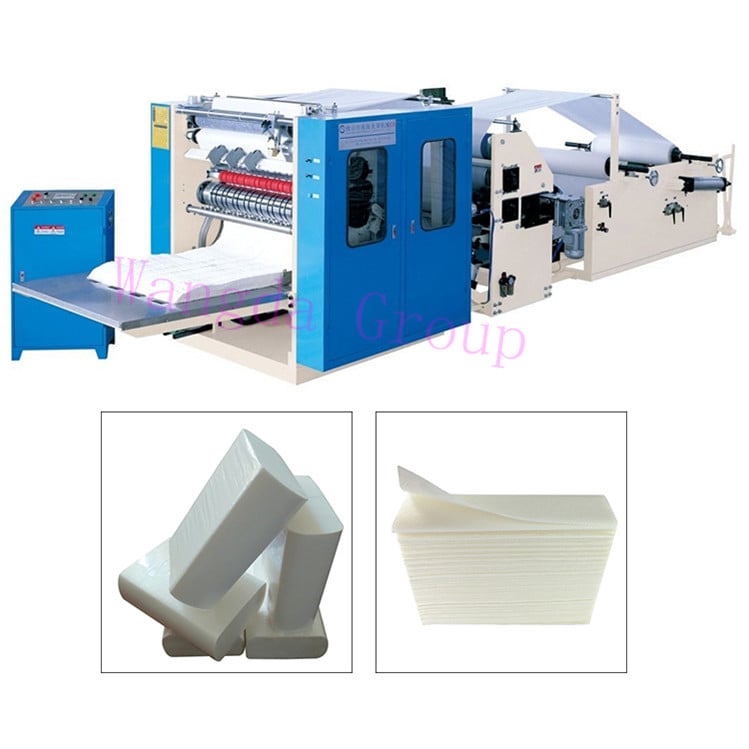
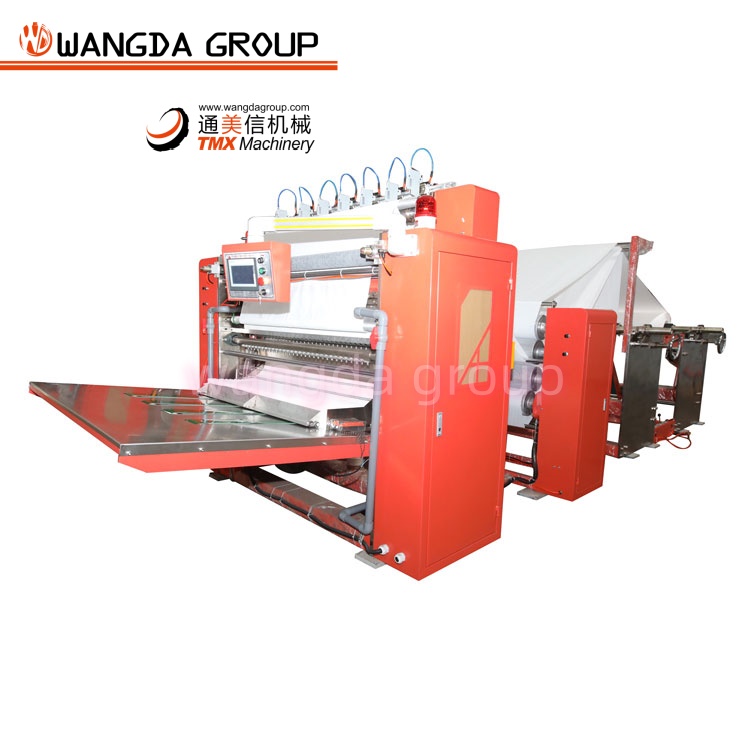
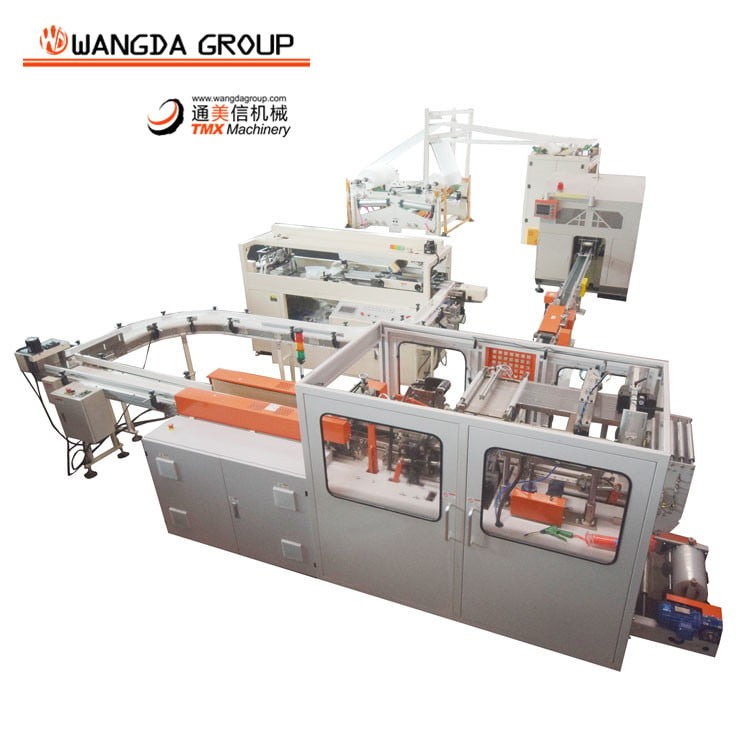
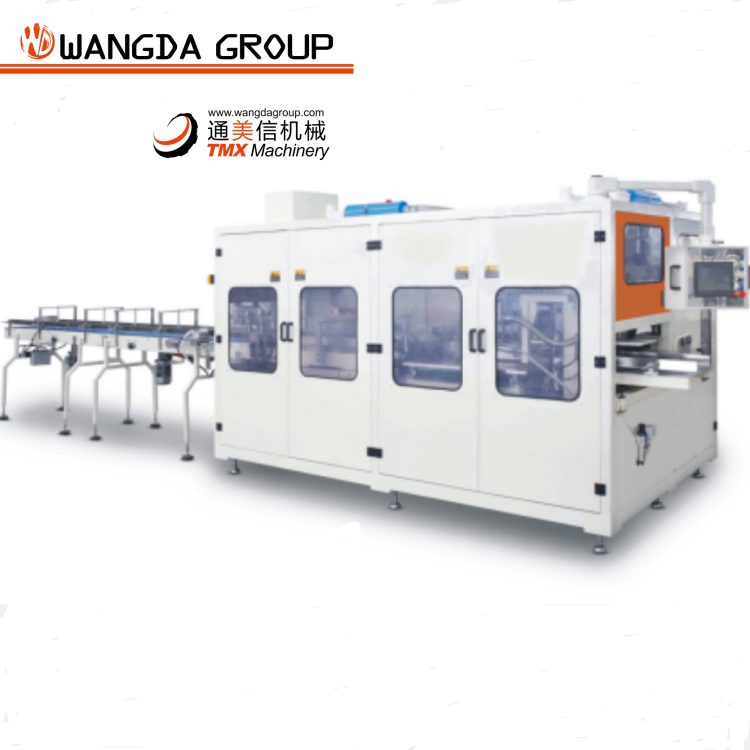
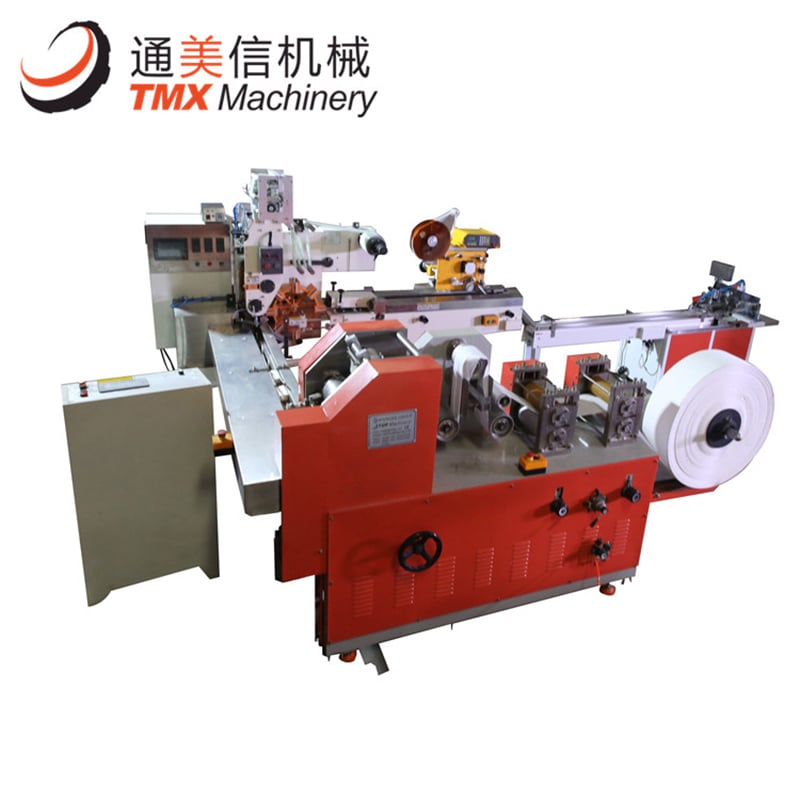
In the manufacturing of hygiene products, paper converting machines play a critical role in transforming raw paper into finished goods such as napkins, tissues, and toilet paper. These machines are essential for companies looking to optimize production efficiency while maintaining high-quality standards. Buyers often seek machines that offer reliability, versatility, and cost-effectiveness. This article aims to provide insights into the toilet paper converting machine key specifications and features of paper converting machines, guidance on selecting the right equipment, and best practices for their application in the hygiene industry.
When evaluating paper converting machines, buyers should consider several key specifications and features that directly impact production efficiency and product quality.
Production Capacity: This refers to the maximum output of the machine, usually measured in sheets per minute or rolls per hour. Assessing production capacity is crucial to ensure that the machine meets your operational demands, especially during peak periods.
Material Compatibility: Different machines are designed to work with specific types of paper. Buyers should confirm that the machine can handle the desired paper grades, including thickness, weight, and texture, as these tissue paper converting machine factors significantly affect the final product's quality.
Customization Options: Many manufacturers, including Wangda Industrial Co., Limited, offer customizable machines tailored to specific production needs. This could include modifications in dimensions, operational speed, or additional features like embossing or perforation.
Automation Level: Full-servo machines provide higher precision and reduced labor costs, as they automate many aspects of the production process. This is particularly advantageous for companies aiming to minimize human error and enhance productivity.
Quality Certifications: Machines should have relevant quality certifications, ensuring they meet industry standards. Certification can be an assurance of reliability and performance, which is especially important for international exports.
Maintenance Requirements: Understanding the maintenance needs of the machine is essential for long-term operational efficiency. Machines with lower maintenance requirements can reduce downtime and minimize operational costs.

Selecting the right paper converting machine involves a clear understanding of your production needs and operational constraints. Here are some key considerations:
Evaluate Production Needs: Assess your current and future production volumes. It’s essential to choose a machine that not only meets your present requirements but can also scale with your business.
Determine Product Specifications: Define the types of products you intend to manufacture. Different products may require unique machine configurations, such as the need for specific cutting or folding capabilities.
Consider Budget Constraints: Prices can vary significantly based on features and capabilities. Set a realistic budget that also accounts for long-term operational costs, including maintenance and energy consumption.
Research Supplier Reputation: Look for manufacturers with proven experience and positive customer reviews. A reputable supplier can provide valuable insights into the machine’s performance and reliability.
Request Demonstrations: If possible, arrange for a demonstration of the machine in action. This can help you evaluate its efficiency, ease of use, and compatibility with your operational processes.
Explore After-Sales Support: Reliable after-sales support is crucial for any machinery purchase. Ensure that the supplier offers comprehensive support, including installation, training, and maintenance services.

When inspecting paper converting machines, buyers should focus on several critical features that indicate quality and reliability:
Build Quality: Inspect the materials and construction of the machine. A robust build often correlates with durability and longevity, reducing the likelihood of operational issues.
User Interface: A user-friendly interface can enhance operational efficiency. Look for machines with intuitive controls and monitoring systems that simplify the production process.
Safety Features: Ensure that the machine includes safety features such as emergency stop buttons, safety guards, and automated safety protocols, which are vital for protecting operators.
Energy Efficiency: Energy-efficient machines can lower operational costs. Check for specifications related to energy consumption and look for models that utilize the latest technology to minimize power usage.
Performance Metrics: Request information on machine performance metrics, such as downtime statistics and maintenance frequency. This data can provide insights into the machine’s reliability.

To maximize the efficiency and longevity of paper converting machines, consider the following best practices:
Regular Maintenance: Implement a routine maintenance schedule to keep the machinery in optimal working condition. This includes cleaning, lubricating, and inspecting key components to prevent wear and tear.
Operator Training: Ensure that operators are adequately trained in machine operation and safety protocols. Well-trained staff can reduce the risk of errors and accidents, leading to more consistent production quality.
Monitor Production Parameters: Regularly monitor production parameters such as speed, pressure, and temperature. Keeping these parameters within optimal ranges can enhance product quality and reduce waste.
Quality Control Checks: Incorporate frequent quality control checks throughout the production process. This helps identify any issues early, allowing for timely adjustments and minimizing scrap rates.
Documenting Performance: Maintain records of machine performance, including production outputs and any maintenance performed. Documentation can help identify trends and inform future purchasing decisions.
Wangda has over Toilet paper manufacturing machine of of experience in the production of various tissue machines. We pay much attention to the equipment's functions and quality as well as additionally, we provide after-sales and pre-sales services. We supply self machines to more than 100 countries and regions that get positive feedback from clients and repeat orders. Wangda has its own R and D departments. Our machines use the most advanced Germany Japanese, Japan and Italian technology and is constantly upgraded. Our machines have achieved ISO9002, CE, BV and many other certifications. What we supply is not only machines. What we supply is a complete turnkey solution from A to Z, we can accept customized orders for these machines.
Wangda manufactures toilet paper machines and toilet paper cutting machines Toilet paper packing machines, kitchen towel cutting machines, kitchen towel cutting machines. Kitchen towel packing machines. Tissue paper manufacturing machine facial tissue cutting machines, facial tissue packing machines, box drawing facial tissue machine, nylon bag facial tissue machines, maxi roll rewinding machines, napkin paper machines, serviette making machines, napkin paper packing machines, pocket tissue machines, pocket tissue packing machines, wet wipe folding machines as well as packing machines, and the list goes on. We also supply all related materials for these hygienic products.
Toilet paper making machine has a very experienced with a long-standing sales team as well as an after-sales staff, 80% of the team has worked for more than 10 years in our business in this hygienic product industry. Our team members have a lot of experience working with daily-use paper tissue machines, related packing machines and so on hygienic product machines We are experts in a range of information in this area, we know what our clients need, and worry about the things that make they are concerned about. We don't only sell machines to our customers, we also assist our customers to make profit from this hygienic business, to provide the lifelong after-sales service to our customers on time.
We've worked Tissue paper manufacturing machine a variety of clients both at home and internationally.
Paper converting machines are integral to various applications within the hygiene industry. Their versatility allows manufacturers to produce a range of products, including:
Napkin Paper: Used in restaurants and households, napkin paper production requires machines that can handle different folding styles and packaging options.
Facial Tissue: Machines designed for facial tissue must ensure softness and absorbency while maintaining structural integrity during production and packaging.
Handkerchief Tissue: Similar to facial tissues but often featuring different sizes and folds, these products require precise cutting and stacking capabilities.
Toilet Paper: Toilet paper production machines must efficiently handle large rolls and ensure proper perforation for consumer convenience.
Diapers: While not paper, the production of hygiene products like diapers often involves similar converting processes, highlighting the versatility of paper converting machinery.
understanding the specifications, selection criteria, and best practices associated with tissue paper converting machines is essential for B2B buyers in the hygiene industry. By considering these factors, companies can make informed decisions that enhance production efficiency and product quality.