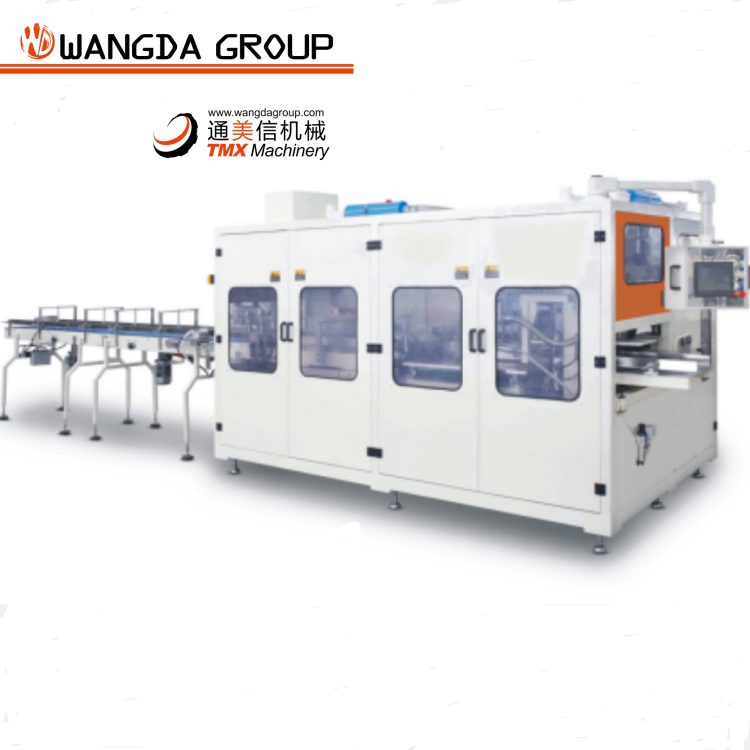
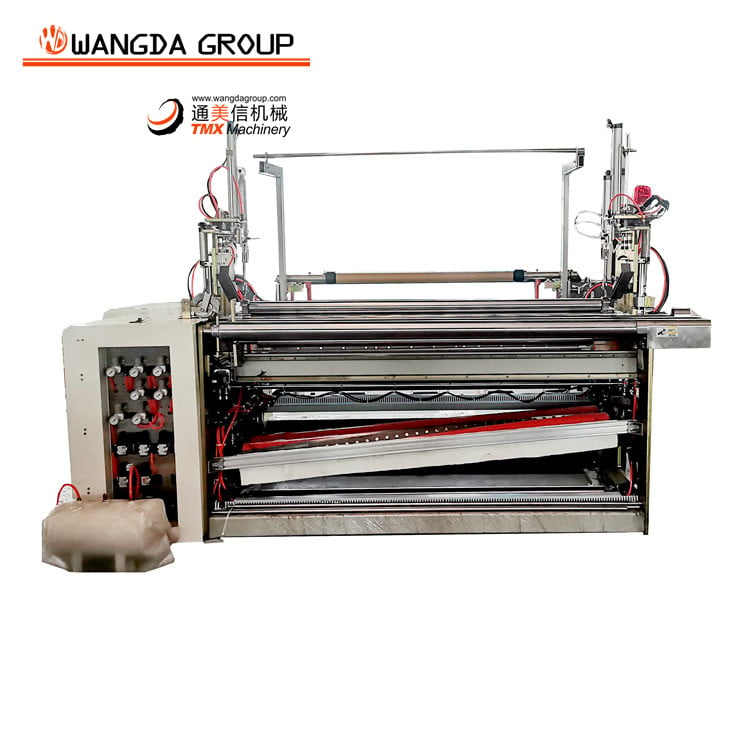
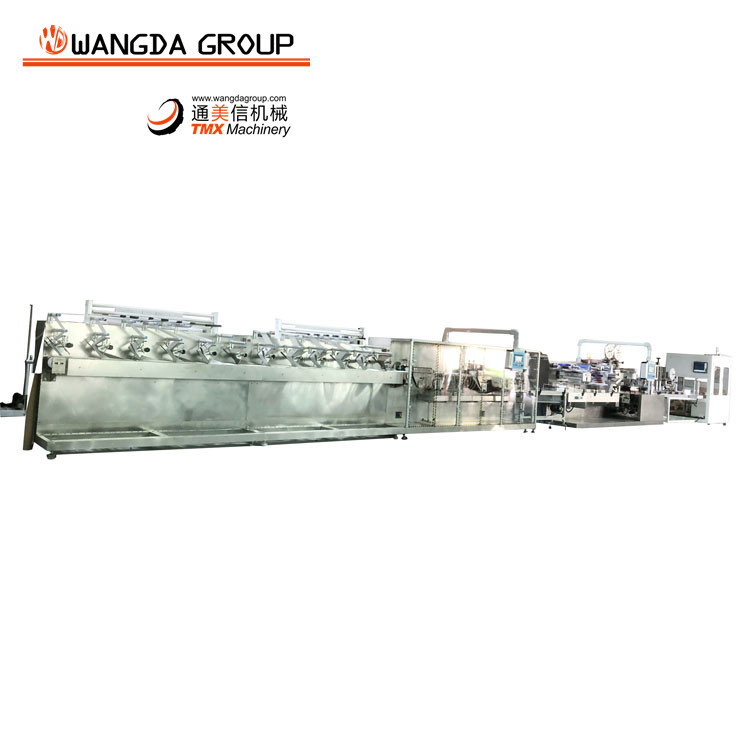
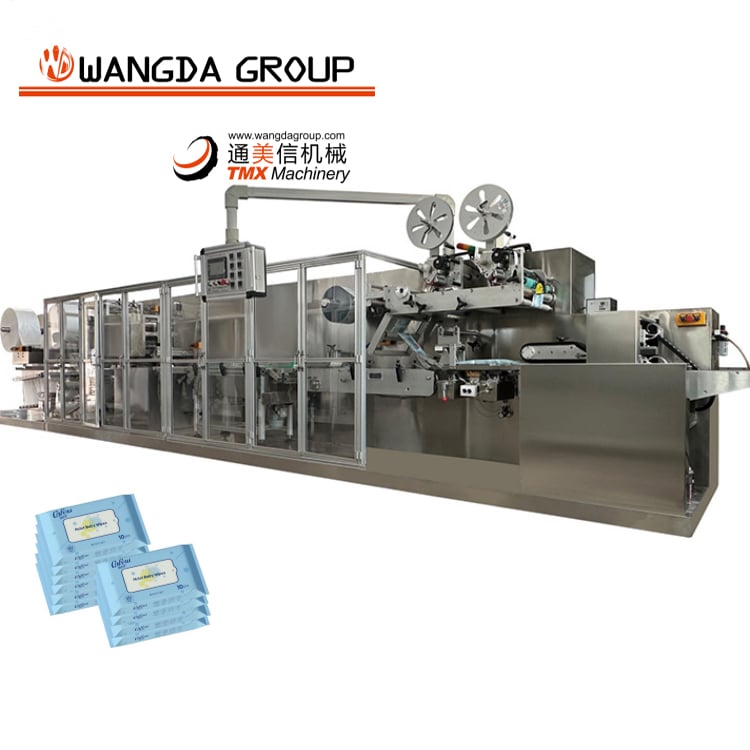
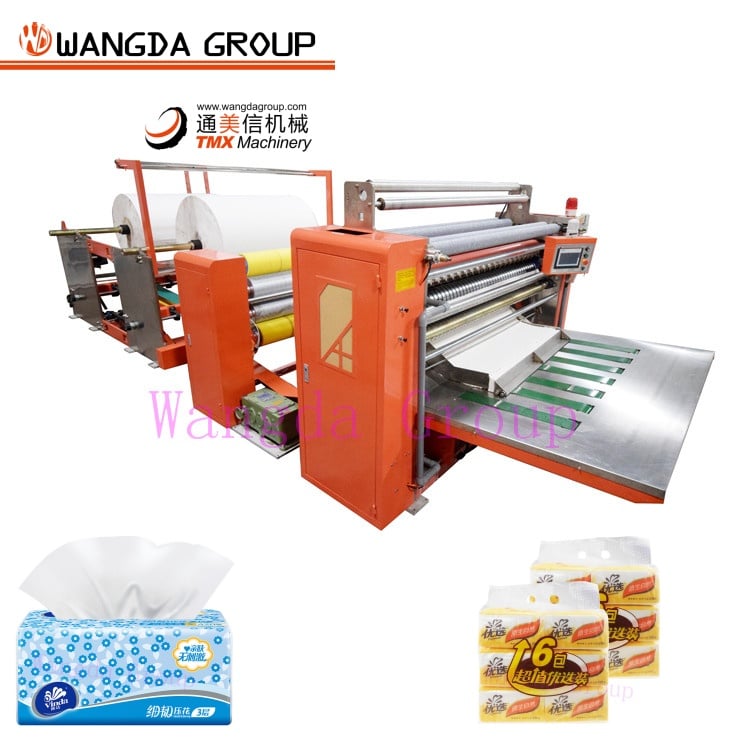
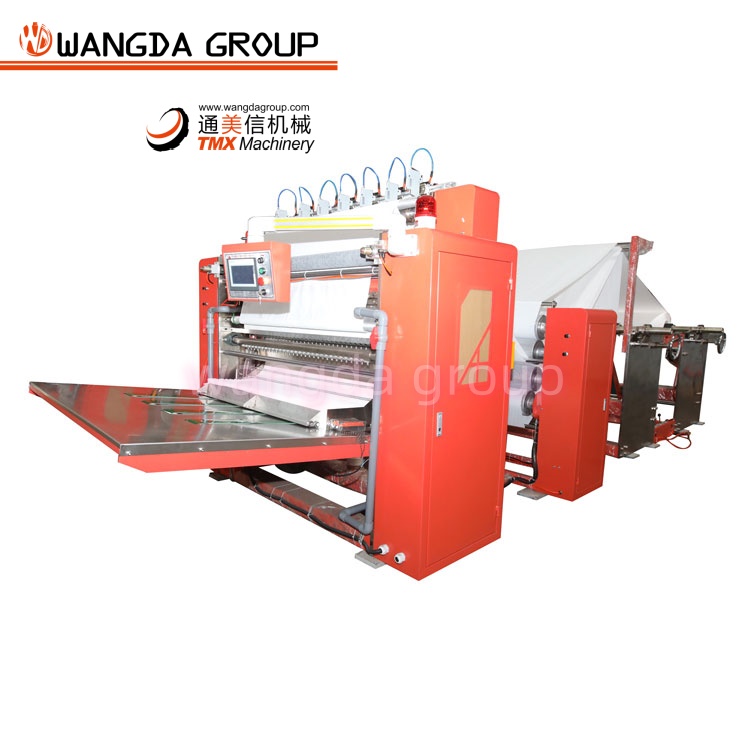
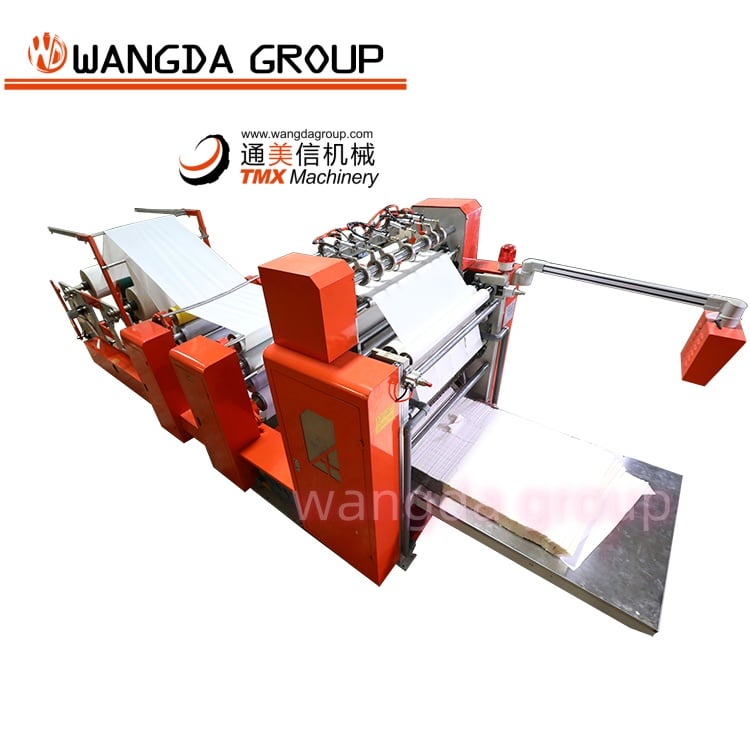
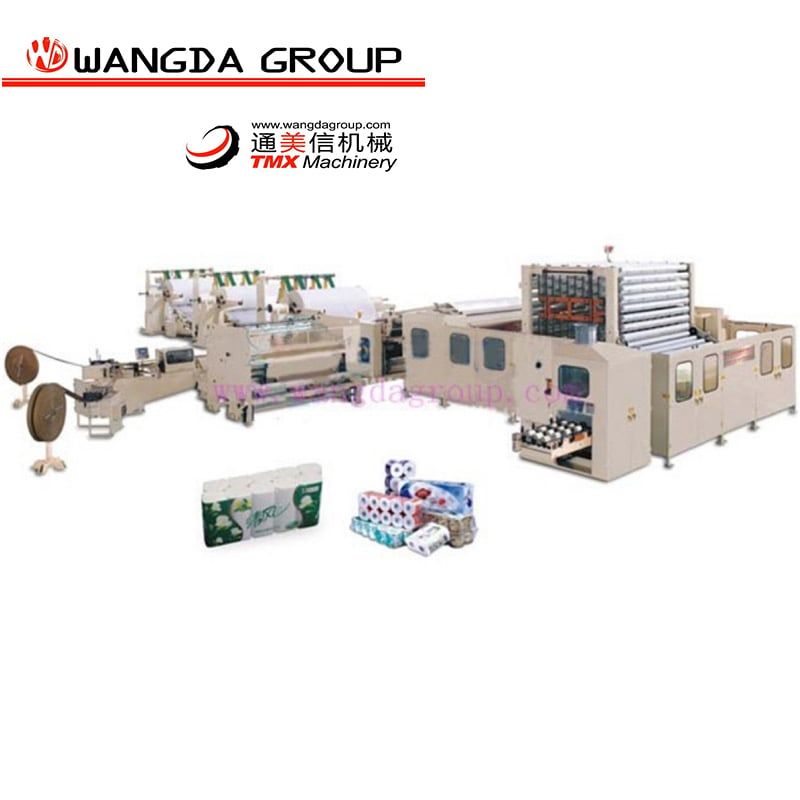
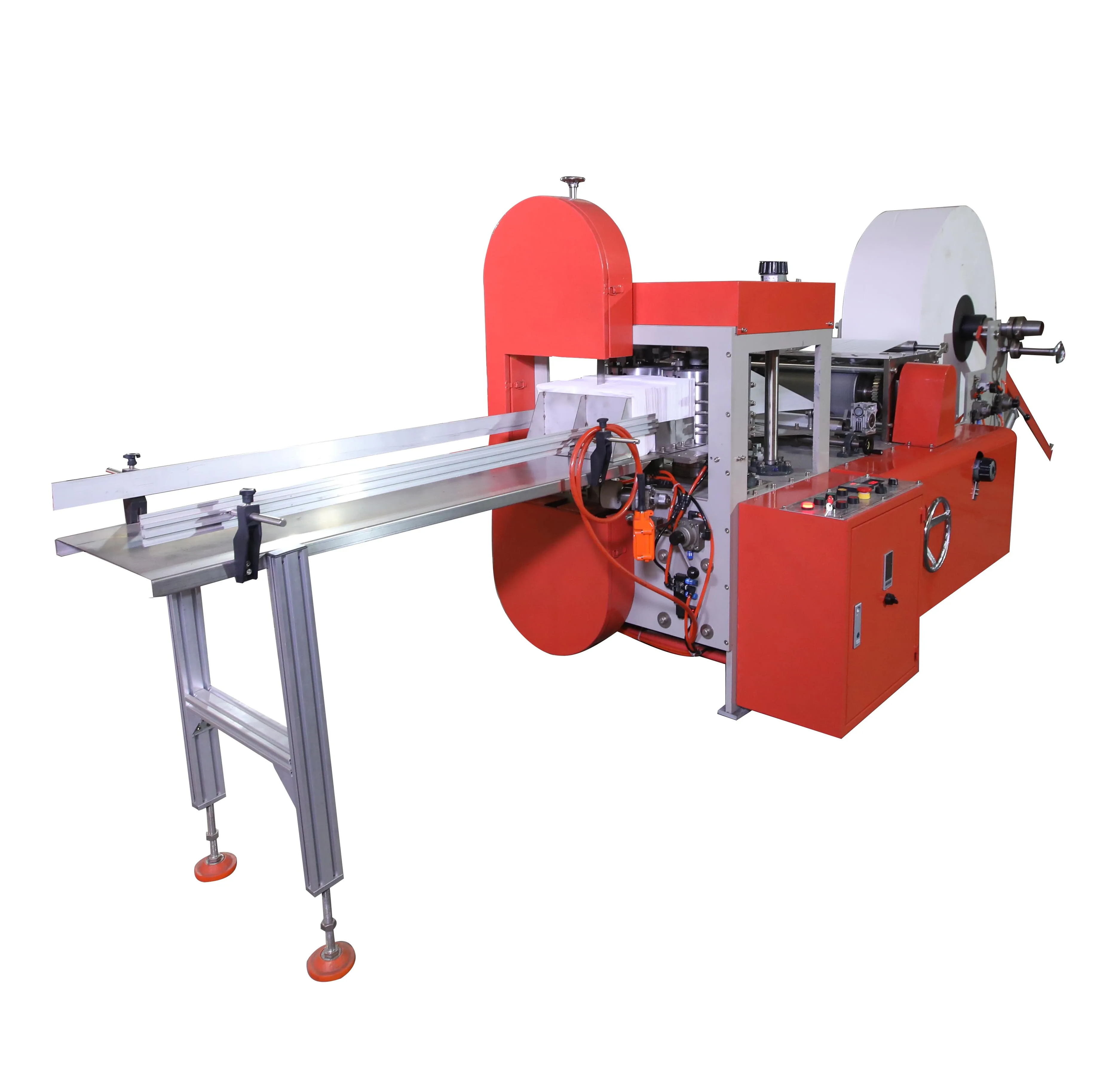
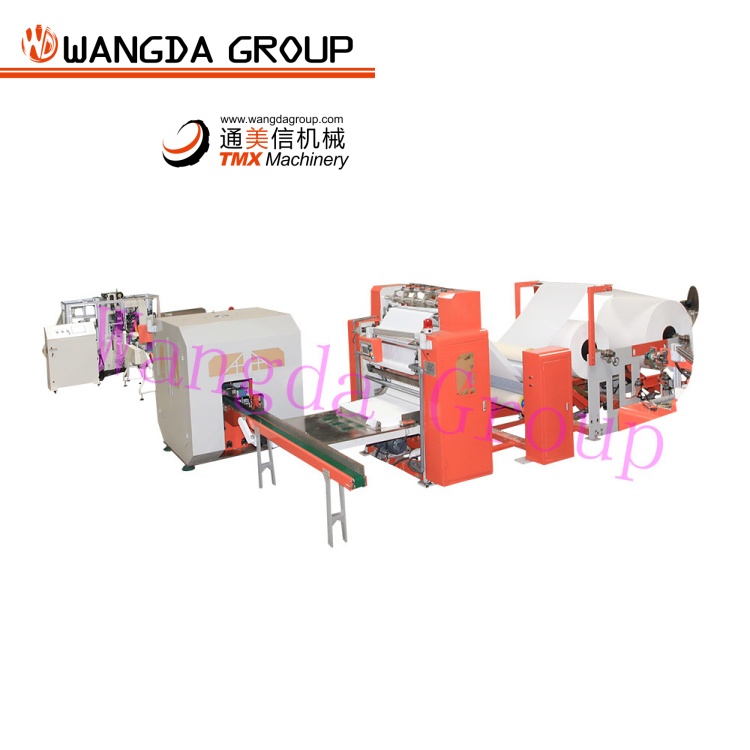
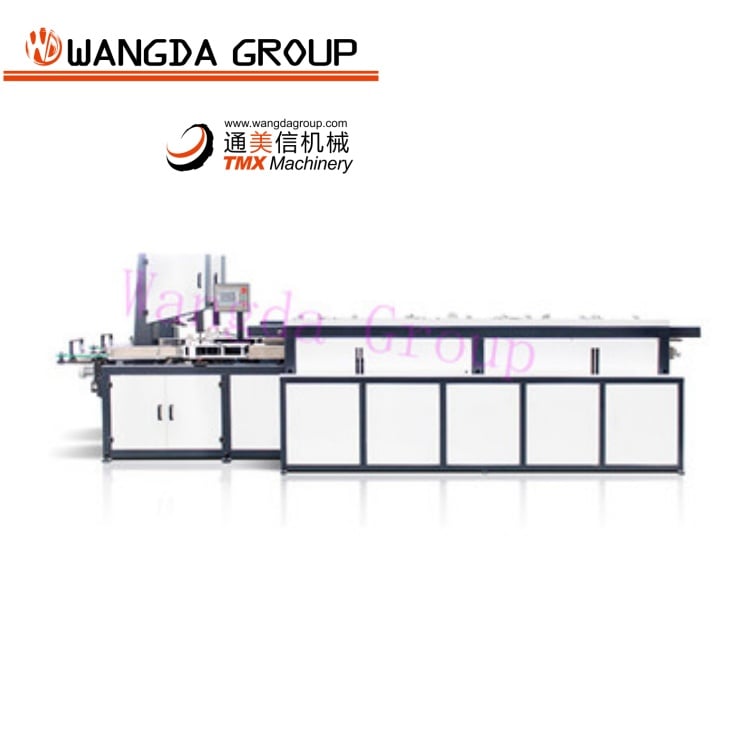
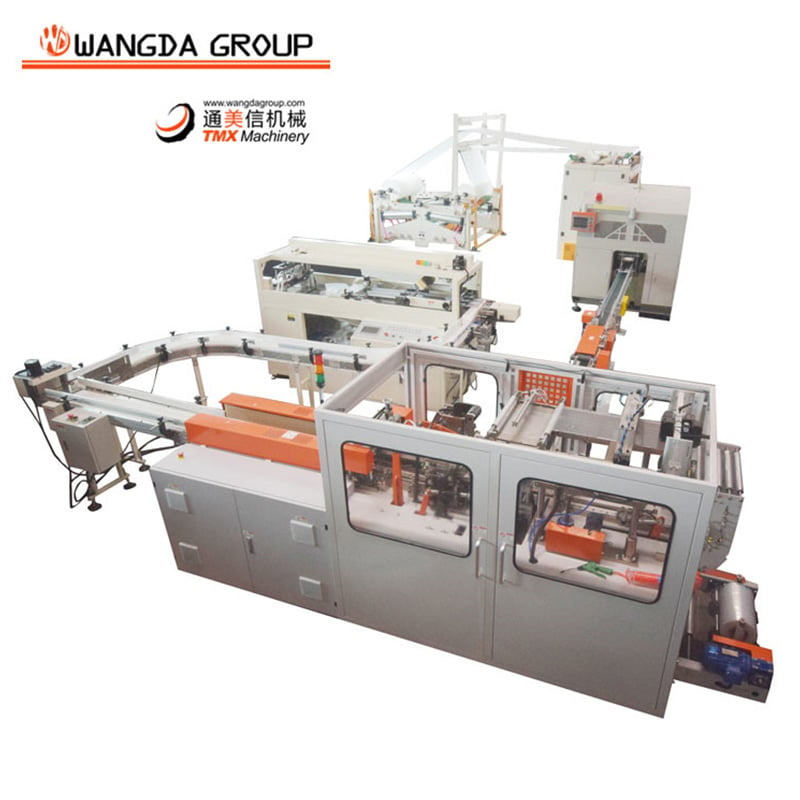
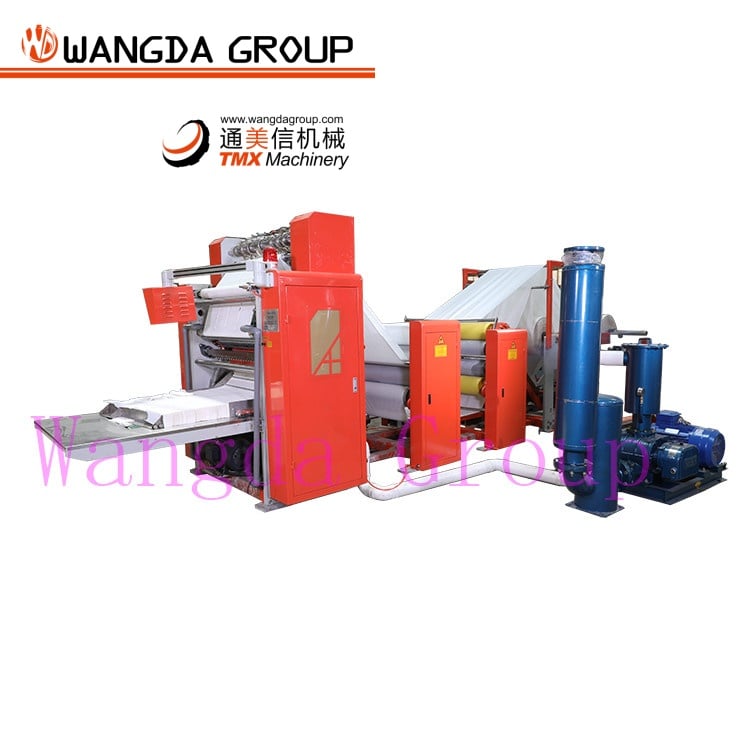
Choosing the right tissue paper converting machine in Australia is crucial for any manufacturer looking to produce high-quality tissue products efficiently. This article will provide insights into essential considerations for potential buyers, addressing key concerns such as specifications, costs, and applications. By understanding these factors, purchasing managers and decision-makers can make informed choices that align with their production needs and business goals.
When selecting a Wangda Industrial tissue paper converting machine, one must consider a variety of factors, including production capacity, machine specifications, and the types of tissue products being manufactured. Start by evaluating the production capacity required for your operations. This is typically measured in tons of finished products per day and will help determine the scale of the machine needed.
Next, focus on the specifications of the machine. Key specifications include the dimensions of the machine, the types of materials it can process, and the technology used for converting. Full-servo production lines are often preferable due to their efficiency and precision. Additionally, consider the customization capabilities of the tissue converting machine to ensure it meets your specific production requirements, such as adjusting to different paper grades or sizes.
Understanding the applications of the tissue products you intend to manufacture is also essential. For instance, producing facial tissues requires different handling and processing than toilet paper. This knowledge will guide your decision on the most suitable machine features.

Purchasing Wangda Industrial tissue paper converting machines in bulk can offer significant cost savings, but it requires careful planning and evaluation. Begin by gathering multiple quotes from different suppliers. This not only provides a range of pricing options but can also expose variations in machine specifications and features.
When evaluating suppliers, prioritize those with a proven track record and certifications that demonstrate compliance with industry standards. It’s beneficial to ask for customer references or case studies to understand how the machines perform in real-world applications.
Another critical aspect is to negotiate the minimum order quantity (MOQ) and lead times. Some manufacturers may offer better pricing on higher quantities, but ensure that the terms align with your production schedule. Additionally, discuss the potential for after-sales support and maintenance services, which can be crucial for long-term operation and efficiency.

The cost of tissue paper converting machines can vary widely based on several factors, including the level of automation, production capacity, and technological features. High-quality, full-servo machines generally come at a premium but offer increased efficiency and lower operational costs over time.
Consider additional costs such as shipping and installation, which can significantly impact the total expenditure. Ensure that you account for any potential customization needs that may arise during the installation process. It’s also wise to factor in ongoing maintenance costs, which can vary depending on the complexity of the tissue paper converting machine and the availability of spare parts.
Furthermore, the quality of materials used in the machine's construction can affect price. Machines made with higher-grade materials typically offer better durability and performance, potentially leading to cost savings in the long run through reduced downtime and maintenance needs.

Proper installation of your Wangda Industrial tissue paper converting machine is vital for optimal performance. Firstly, ensure that the installation site is adequately prepared according to the manufacturer's specifications, including sufficient space, power supply, and environmental conditions.
Engage with the supplier for a detailed installation plan that outlines the necessary steps and equipment required. This plan should also include safety protocols to follow during the installation process.
Once the machine is installed, it’s crucial to conduct thorough testing before full-scale production. This includes running initial product trials to ensure that the machine operates smoothly and produces products that meet your quality standards. Pay close attention to any adjustments needed during this phase to avoid issues later on.
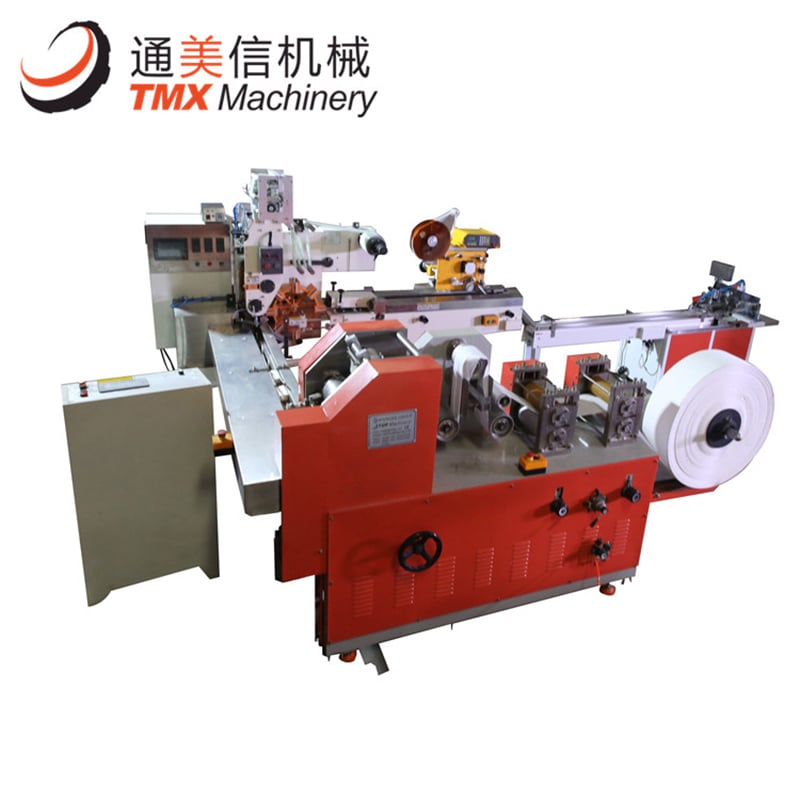
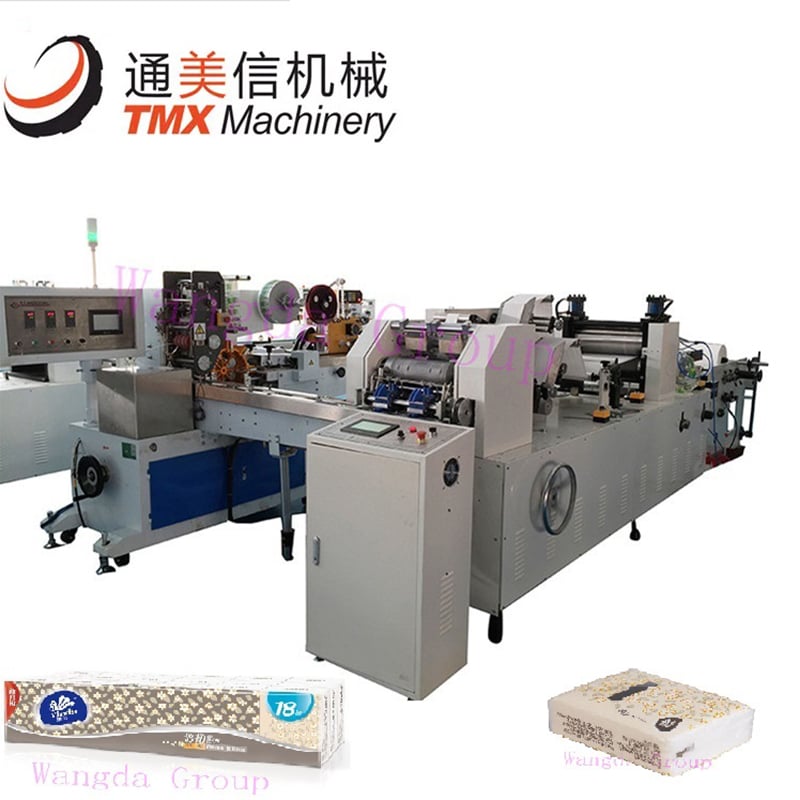
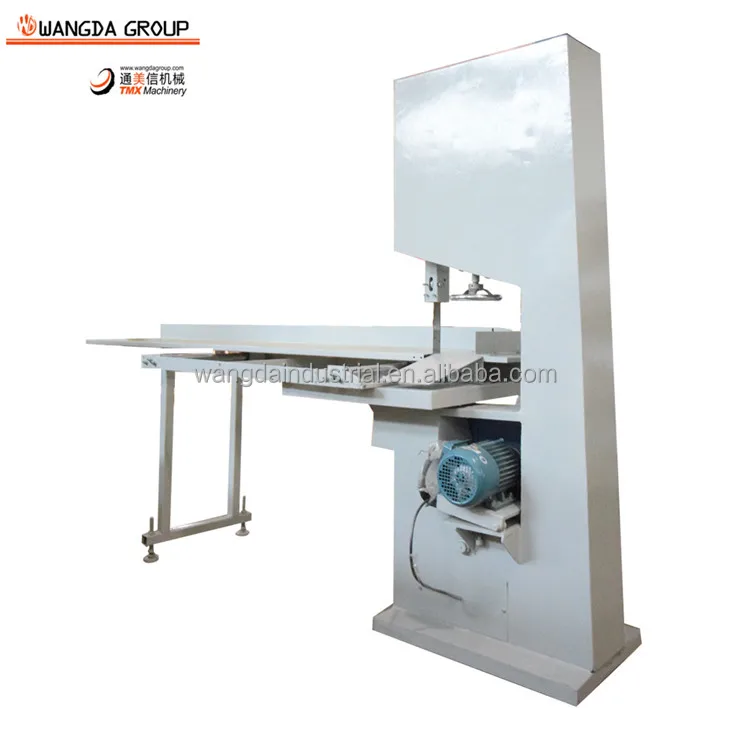
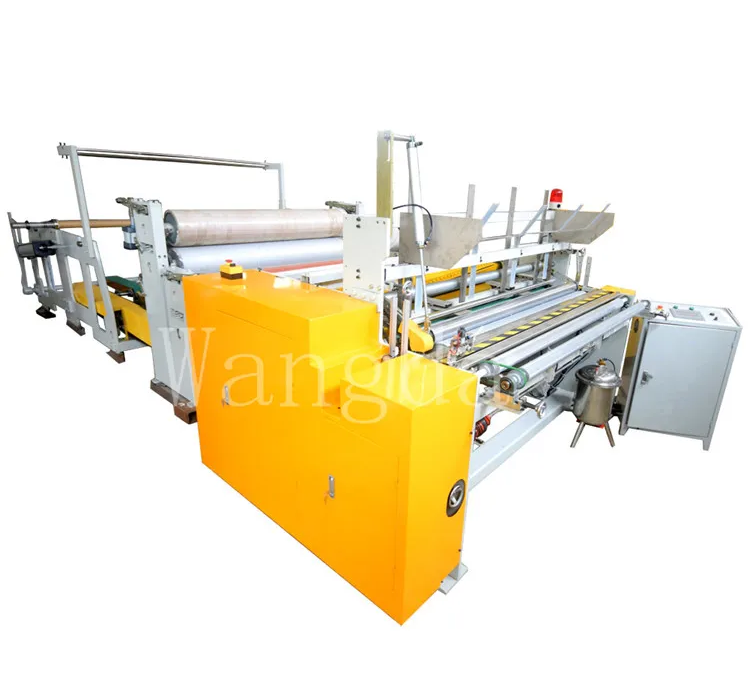
Wangda manufactures Toilet roll manufacturing machine tissue machines (including cutting and packing), kitchen towels machines (including cutting and packing), facial tissue machines (including cutting and packing) bags of nylon facial tissues machines. We also manufacture maxi roll rewinding equipment as well as perforating machines.
We've worked with many clients, both Tissue paper machine home and abroad.
Wangda has over Toilet paper manufacturing machine of of experience in the production of various tissue machines. We pay much attention to the equipment's functions and quality as well as additionally, we provide after-sales and pre-sales services. We supply self machines to more than 100 countries and regions that get positive feedback from clients and repeat orders. Wangda has its own R and D departments. Our machines use the most advanced Germany Japanese, Japan and Italian technology and is constantly upgraded. Our machines have achieved ISO9002, CE, BV and many other certifications. What we supply is not only machines. What we supply is a complete turnkey solution from A to Z, we can accept customized orders for these machines.
Our after-sales and sales teams are extremely Toilet paper manufacturing machine and skilled. About 80% of our team has been working in the field of hygienic products for over 10 years. We understand what our customers want and what they worry. Our customers aren't only purchasing our machines We also assist them to profit in this business of hygienic items. We provide our customers with the services after-sales they need.
Tissue paper converting machines have diverse applications across many industries, including personal care, hospitality, and healthcare. In the personal care sector, machines are utilized to produce facial tissues, toilet paper, and handkerchiefs, catering to daily hygiene needs.
In the hospitality industry, these machines can assist in creating high-quality napkins and other disposable products that enhance customer experience. The healthcare sector also relies on tissue products for hygiene and safety, necessitating machines that can produce items under stringent health regulations.
Understanding the specific requirements of these applications will guide your purchasing decision. For example, some industries may require machines that can handle certain material specifications or conform to specific quality control processes. Therefore, buyers should clearly define their target market and product types to ensure the tissue paper converting machines selected aligns with industry demands.
In summary, choosing the right tissue paper converting machine involves a comprehensive understanding of production needs, supplier evaluation, cost factors, and application suitability. By following these guidelines, purchasing managers can confidently invest in machinery that meets their operational goals while ensuring high-quality product output.