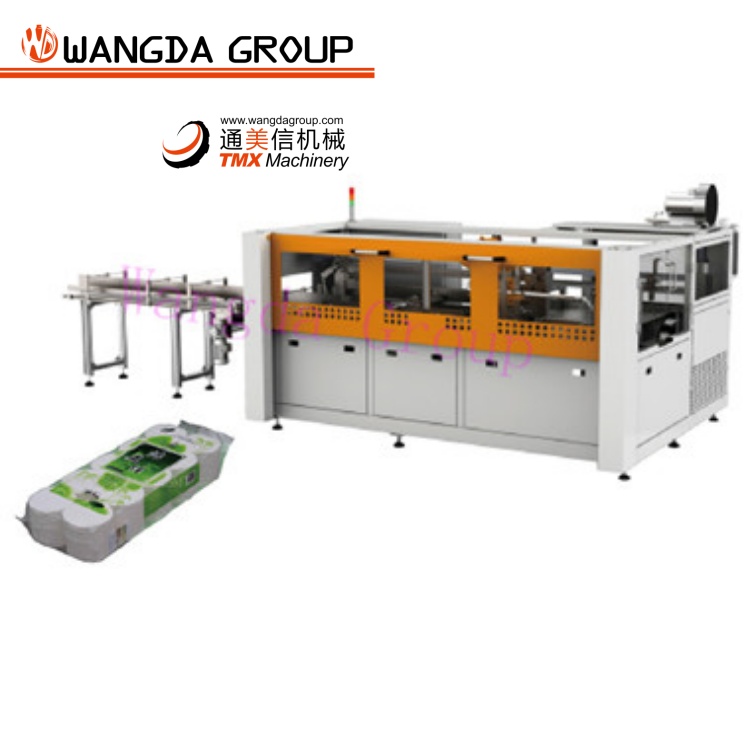
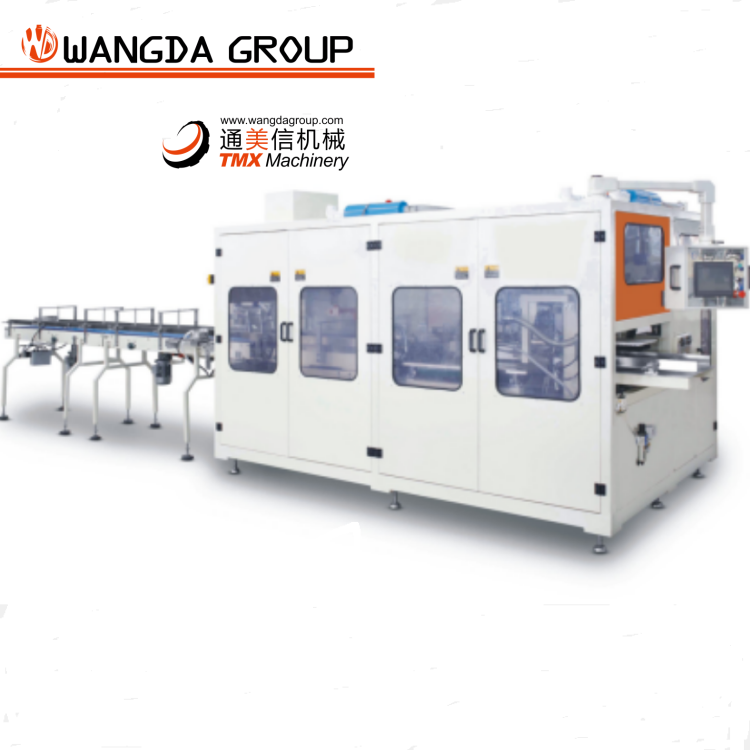
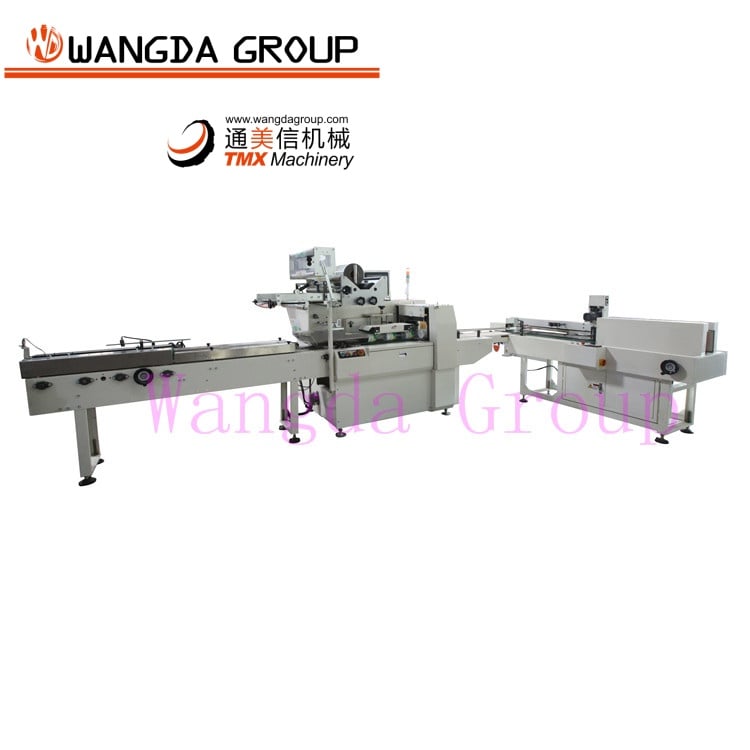
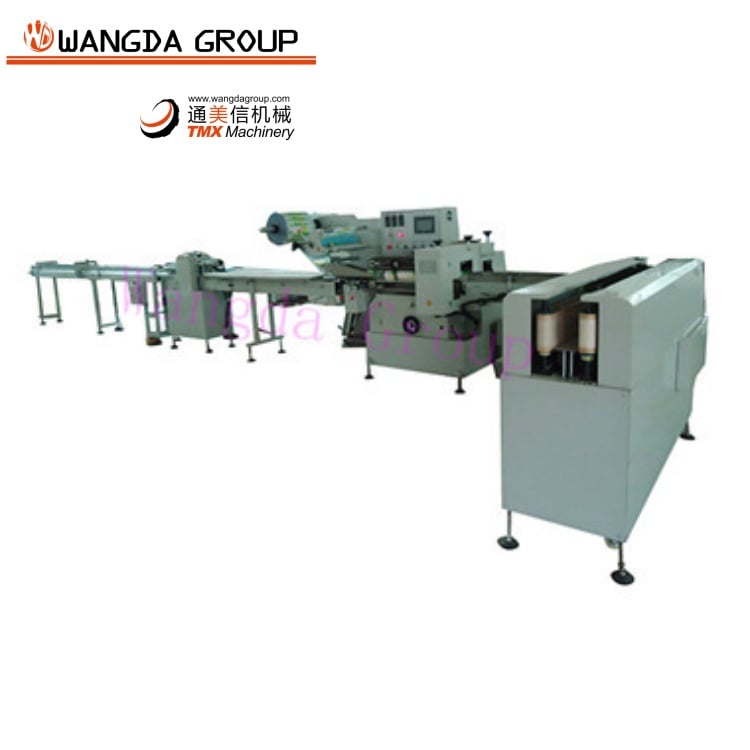
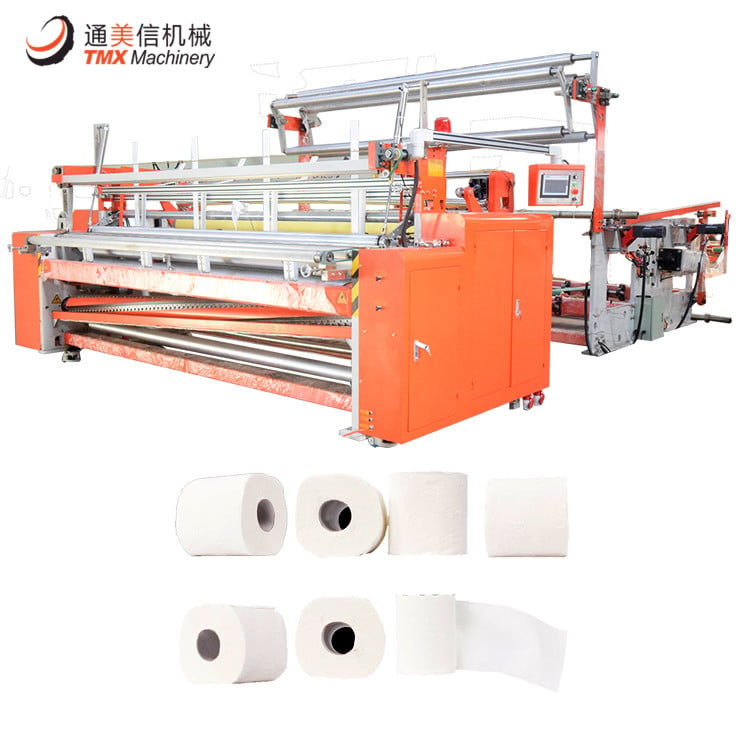
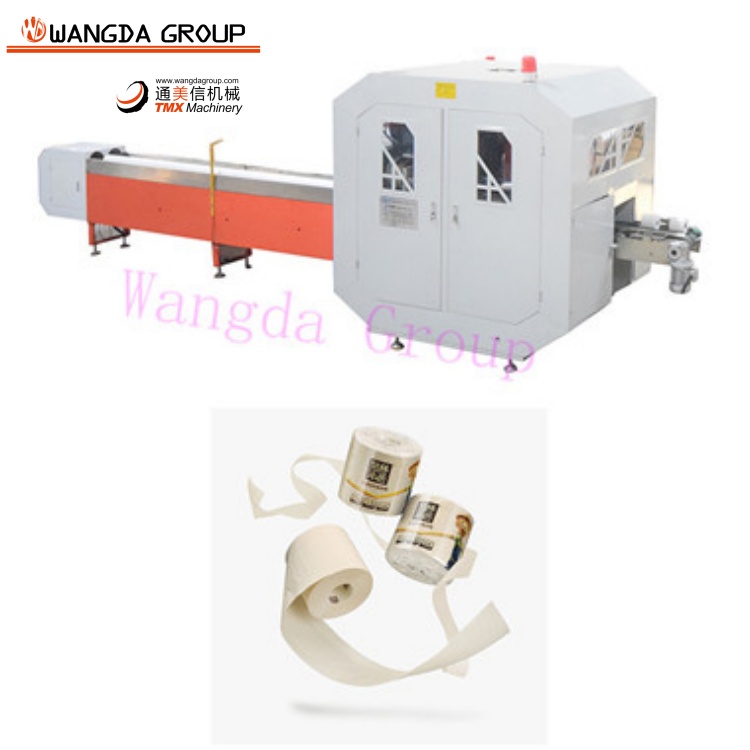
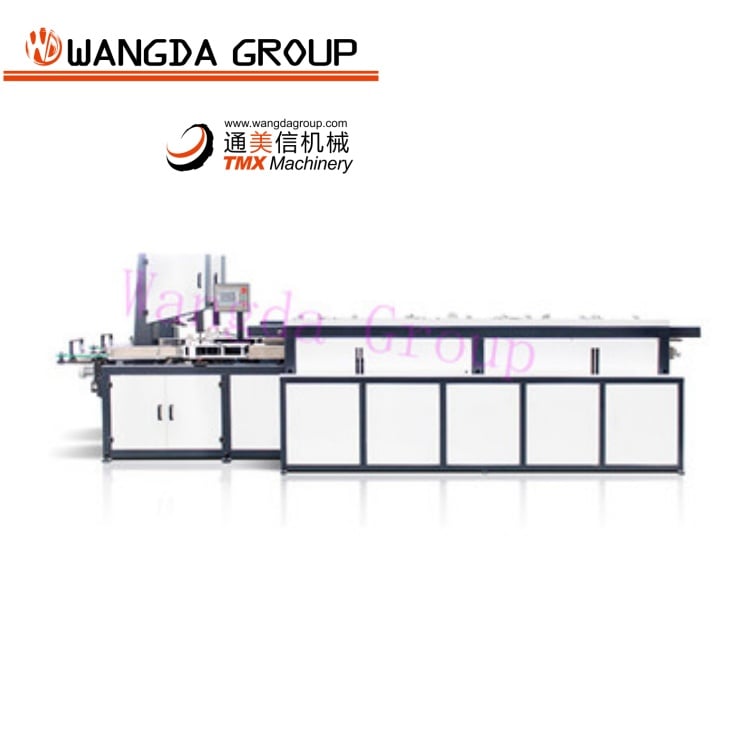
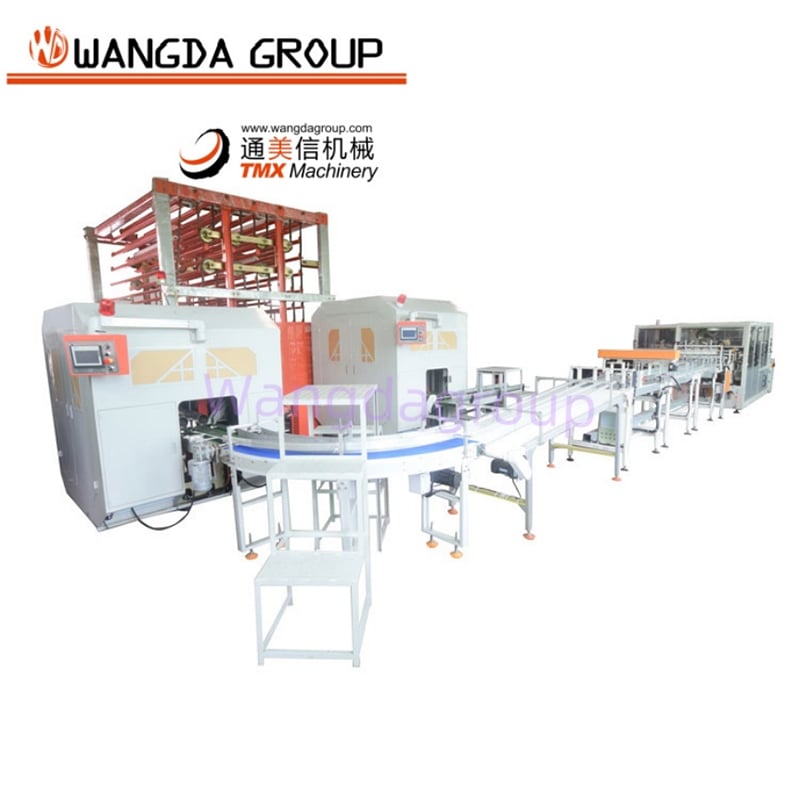
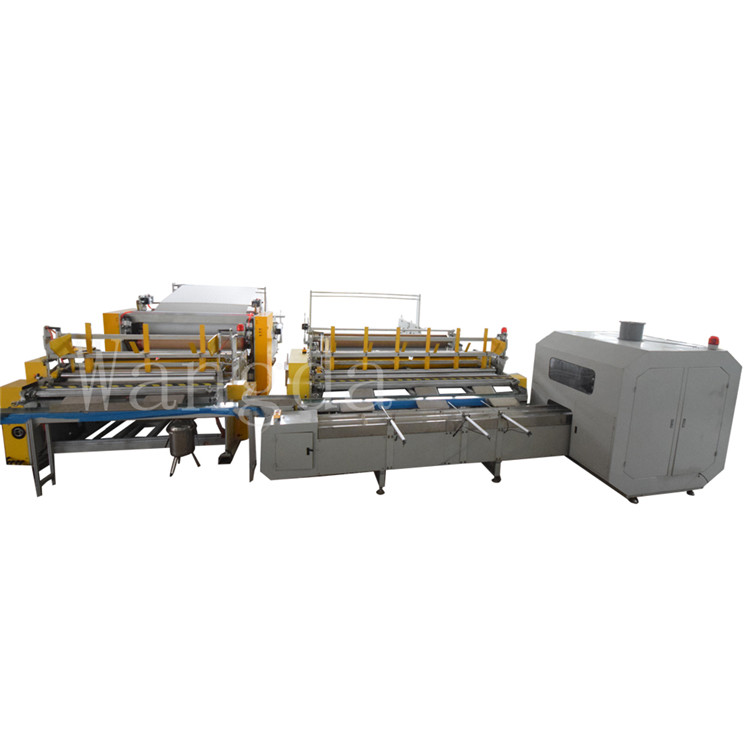
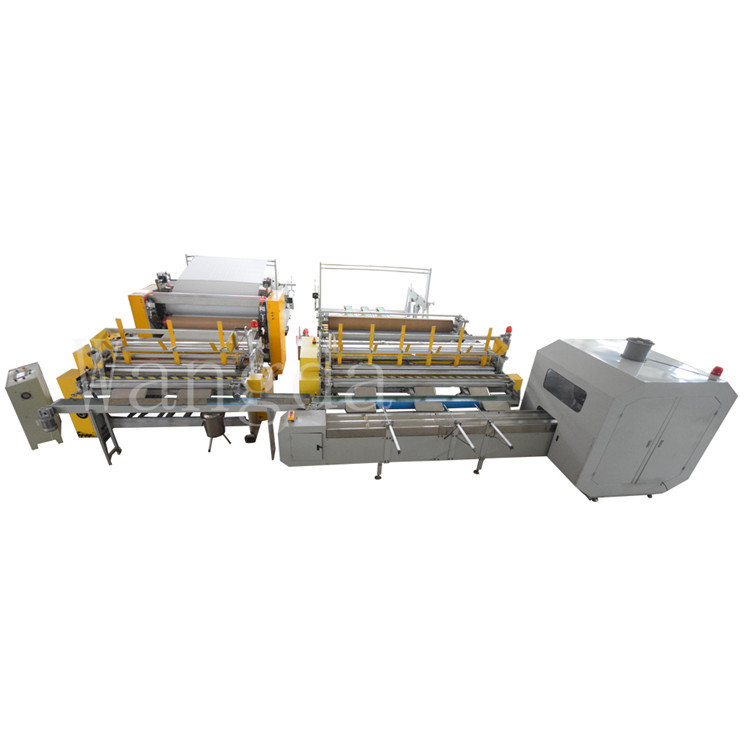
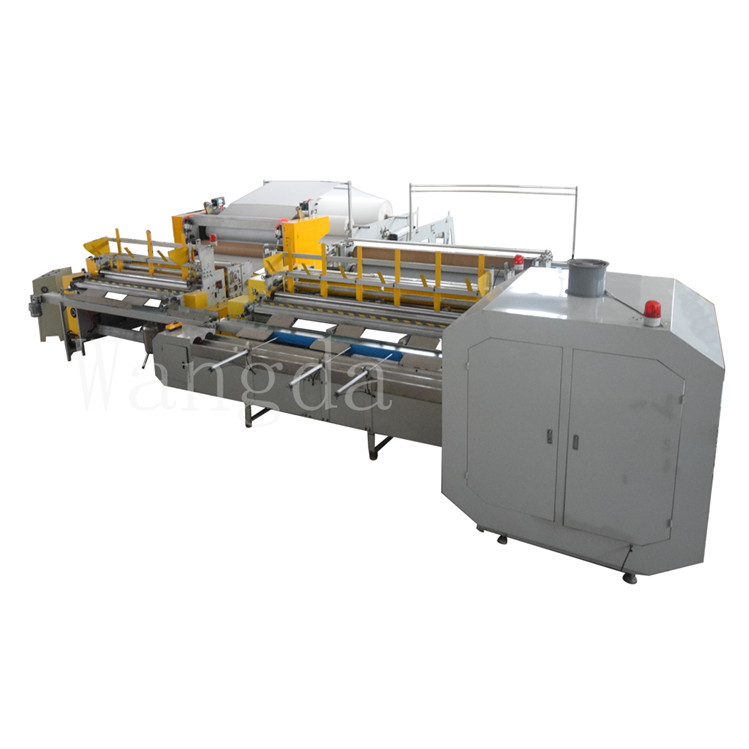
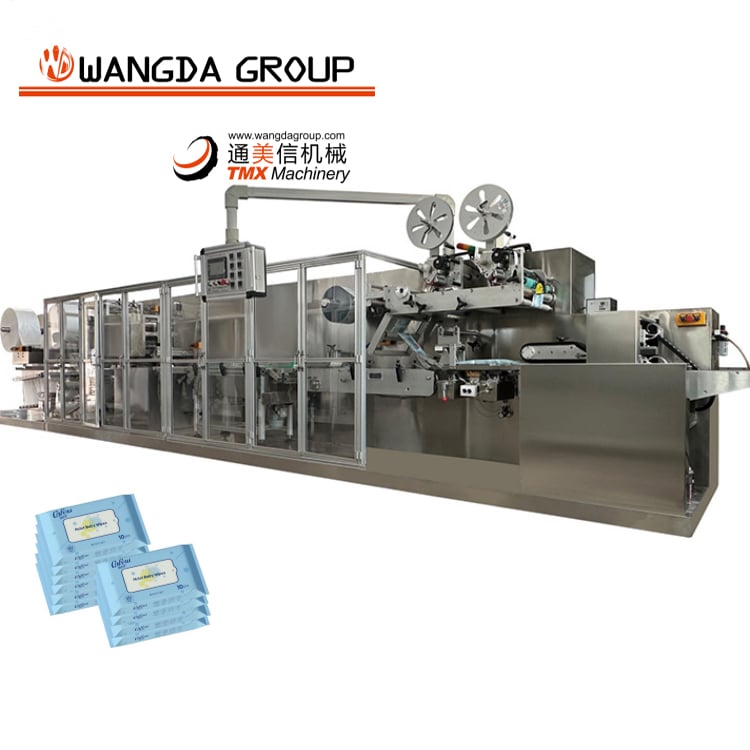
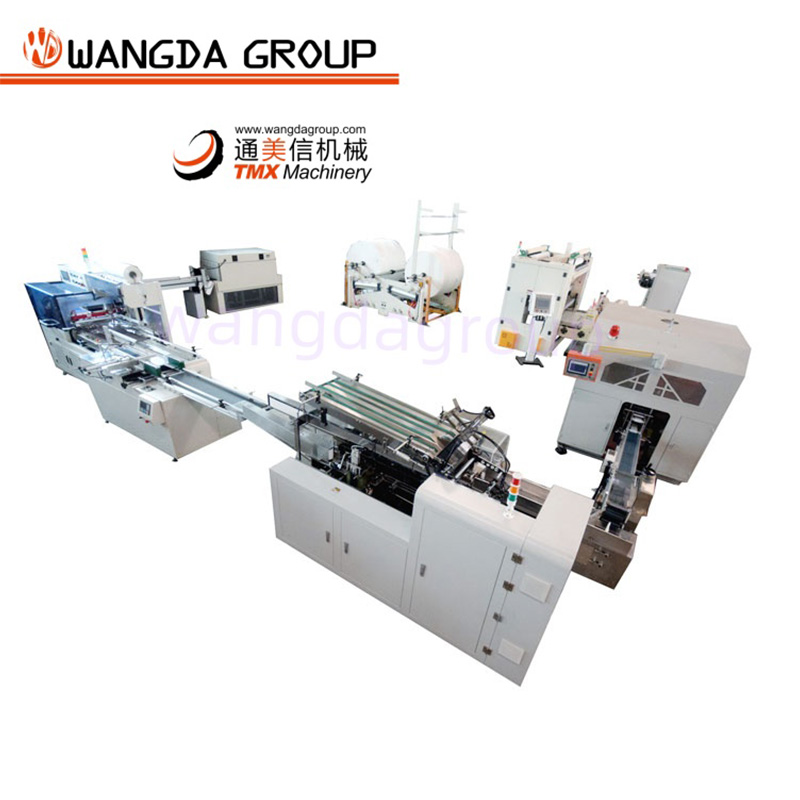
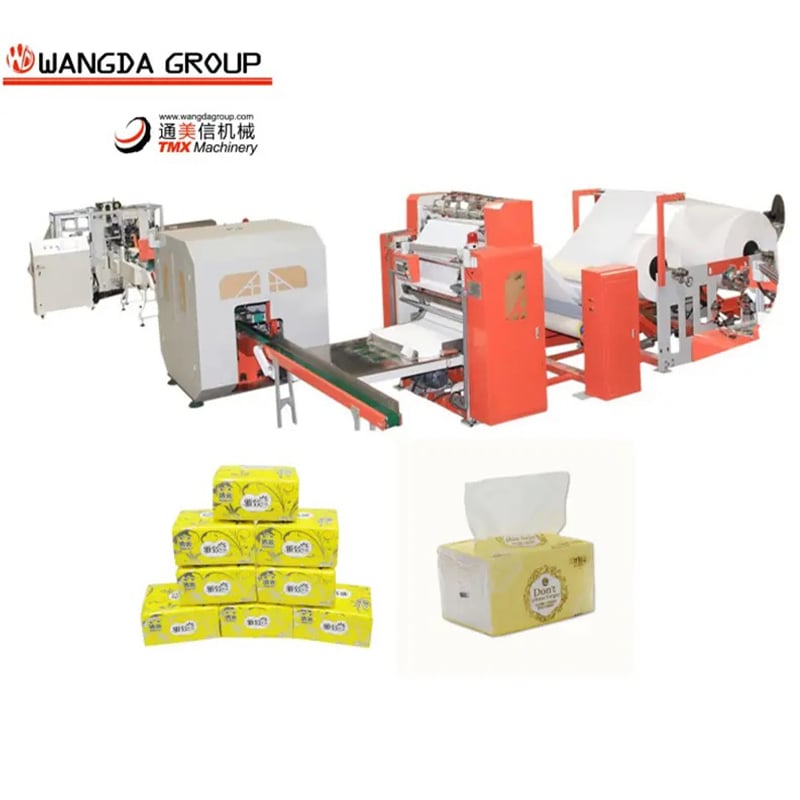
Toilet paper machines are essential for any business looking to enter or expand within the hygiene product market, especially in Uganda, where demand for such products continues to grow. Sourcing the right toilet paper machine involves understanding several key factors, including specifications, supplier reliability, and cost considerations. This article will guide B2B buyers, purchasing managers, and product managers through the critical aspects of acquiring toilet paper machines in Uganda, ensuring informed decisions that align with business needs.
When sourcing toilet paper machine in Uganda, buyers should first consider the type of machine that best suits their production needs. Factors such as production capacity, automation levels, and specific features, such as full-servo technology, are critical. Understanding local market demand and production requirements will influence machine selection.
Additionally, it's vital to evaluate the manufacturer's capabilities, including their quality control processes, certifications, and experience in international markets. For example, companies with experience exporting to regions like Africa can provide insights into local regulations and market preferences, aiding buyers in complying with regional standards.
Buyers should also assess the availability of technical support and after-sales service. Machines may require maintenance or troubleshooting, and having a reliable support system in place ensures minimal downtime and continuous operation.

Efficiency in toilet paper machine operations relies on several key specifications:
Production Capacity: This refers to the number of rolls produced per hour. A higher capacity may be necessary for larger businesses aiming to meet high demand, while smaller operations may opt for lower-capacity machines.
Automation Level: Full-servo production lines offer greater precision and speed, which can reduce labor costs and enhance product quality. Buyers should weigh the benefits of automation against their budget.
Material Compatibility: Machines must be compatible with various paper grades, such as recycled paper or virgin pulp. Buyers should confirm that the machine can handle the specific materials they plan to use.
Dimensions and Footprint: Understanding the space available for the machine is crucial. The machine's dimensions will affect the layout of the production facility and should be compatible with existing equipment.
Energy Efficiency: Given the rising energy costs, energy-efficient machines can lead to significant savings over time. Buyers should inquire about the machine's energy consumption ratings and operational efficiency.
Customization Options: Many manufacturers, like Wangda Industrial Co., Limited, offer customizable features. Discussing specific needs with suppliers can lead to solutions that enhance production efficiency and product quality.
Identifying reliable suppliers is a critical step in sourcing toilet paper machines. Buyers should start by researching manufacturers with a proven track record in producing quality fully automatic toilet paper making machine. Online reviews, industry publications, and case studies can provide insight into a supplier's reputation.
Engaging with suppliers who have experience in the African market, particularly in Uganda, is advantageous. These suppliers will understand local regulations, market conditions, and customer preferences. It's advisable to request references from previous clients to gauge their satisfaction with the supplier's products and services.
Additionally, potential buyers should consider visiting manufacturing facilities, if feasible. This allows for first-hand observation of production processes and quality control measures, ensuring that the supplier meets industry standards.

Understanding the cost factors associated with acquiring toilet paper machines is crucial for budgeting purposes. Key factors include:
Machine Cost: The initial cost of the machine varies widely based on specifications, brand, and technology. Buyers should request detailed quotations from multiple suppliers to compare prices effectively.
Shipping and Import Duties: For machines imported from overseas, shipping costs and potential import duties should be factored into the overall budget. Understanding the logistics involved in bringing the machine to Uganda is essential.
Installation and Commissioning: Some suppliers include installation services in their pricing, while others may charge extra. It's important to clarify these costs upfront and factor them into the total investment.
Operating Costs: Buyers should also consider ongoing operating costs, including energy consumption, maintenance, and raw material costs. An energy-efficient machine can lead to lower operating costs over time.
Financing Options: Many suppliers offer financing options or payment plans, which can ease the financial burden of acquiring new machinery. Exploring these options can be beneficial for businesses with tight cash flow.
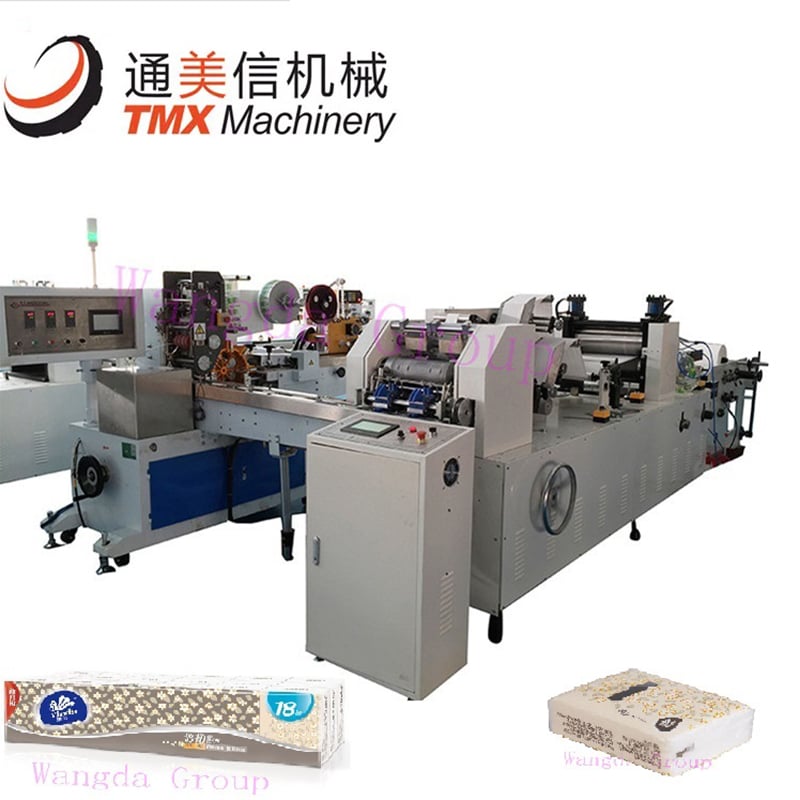
Wangda manufactures toilet tissue machines (including cutting and Toilet paper roll making machine) Kitchen towel machines (including cutting and packing) facial tissue machines (including cutting and packing) and nylon bag facial tissues machines. We also produce maxi roll rewinding as well as perforating machines.
Tissue making machine has cooperated with different customers from both home and abroad. We have collaborated with major companies from GCC countries such as Fine Hygienic across different nations, Nesto Hypermarket, Top One and Two hygienic product producer B and G, Meghna Groups from Bangladesh. Outnet Group of African countries. And as well, there are huge European brand, American brands, Latin American brands with whom we have worked for a great long years. We have a number of sample factories in other countries that you can visit and see our products which is more comfortable. Also we invite you for a visit to our factory and experience our products right in person. We welcome your enquiry at any time, hope to start our mutual benefit story right away.
Our after-sales and sales teams are extremely Toilet paper manufacturing machine and skilled. About 80% of our team has been working in the field of hygienic products for over 10 years. We understand what our customers want and what they worry. Our customers aren't only purchasing our machines We also assist them to profit in this business of hygienic items. We provide our customers with the services after-sales they need.
Wangda has more than 20 years experience in the Toilet paper making machine of all kinds of tissue machines, we pay much attention to the features of the machine and its quality, as well as in addition, after sales and pre-sales services. We've sold machines in over 100 countries. This has resulted in many repeat orders and good reviews from our clients. Wangda has its own R and D departments. Our machine is based on the latest Germany Japanese, Japan and Italian technology, and is upgraded day by day. Our machines have been certified to ISO9002, CE, BV and other certifications. We offer turnkey projects that span from A to Z, not just machines.
Toilet paper machines serve multiple applications in Uganda's hygiene product market. They are primarily used for producing various grades of toilet paper, which can cater to different market segments, from budget-friendly options to premium products.
Moreover, the versatility of these automatic toilet paper machine allows manufacturers to produce other hygiene products, such as tissues and napkins, using the same equipment. This adaptability can be a significant advantage for businesses looking to diversify their product offerings.
Understanding local consumer preferences is also vital. In Uganda, factors such as price sensitivity and product quality will influence purchasing decisions. Buyers should tailor their product features and specifications accordingly to meet local demands.
Sourcing a toilet paper machine in Uganda requires careful consideration of specifications, supplier reliability, and cost factors. By understanding these elements, B2B buyers can make informed decisions that align with their business goals and market needs.