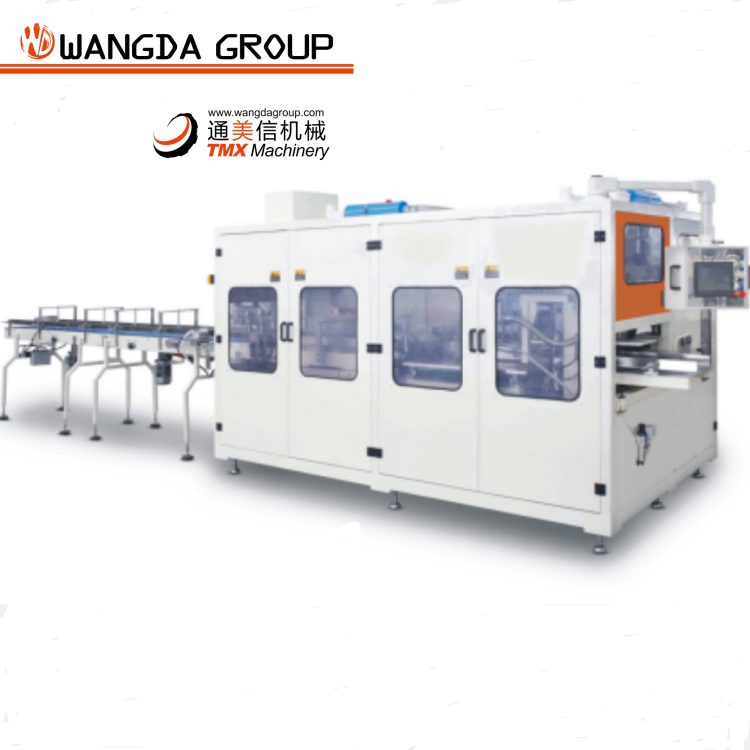
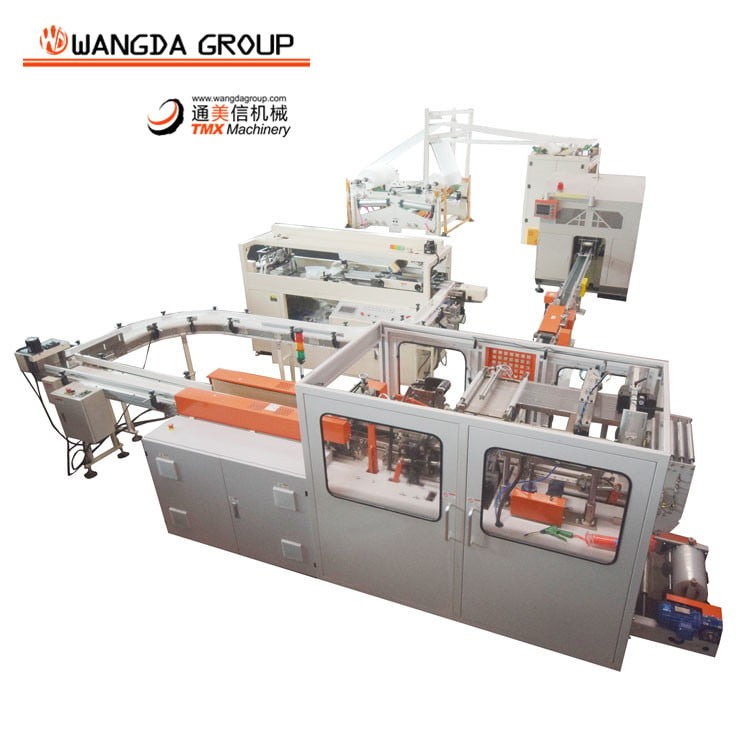
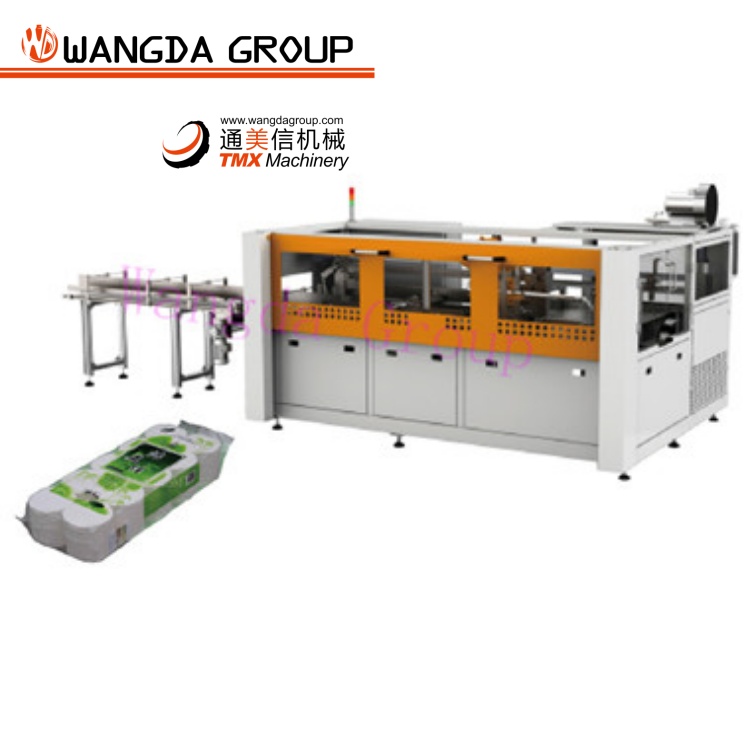
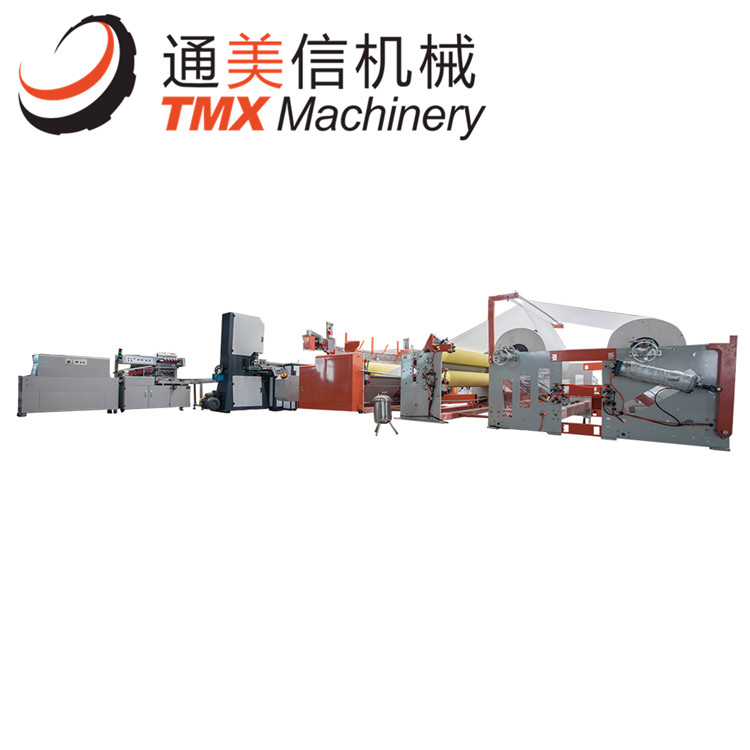
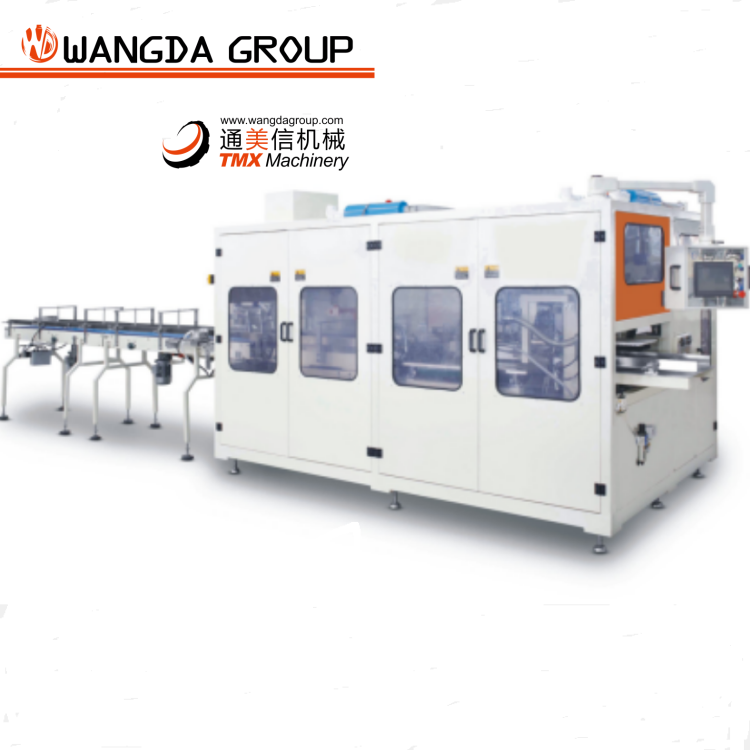
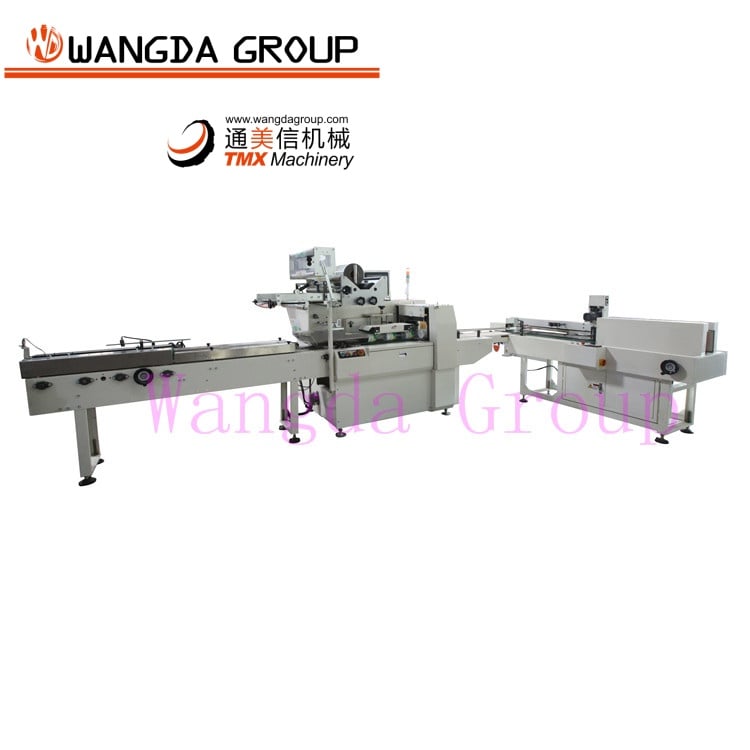
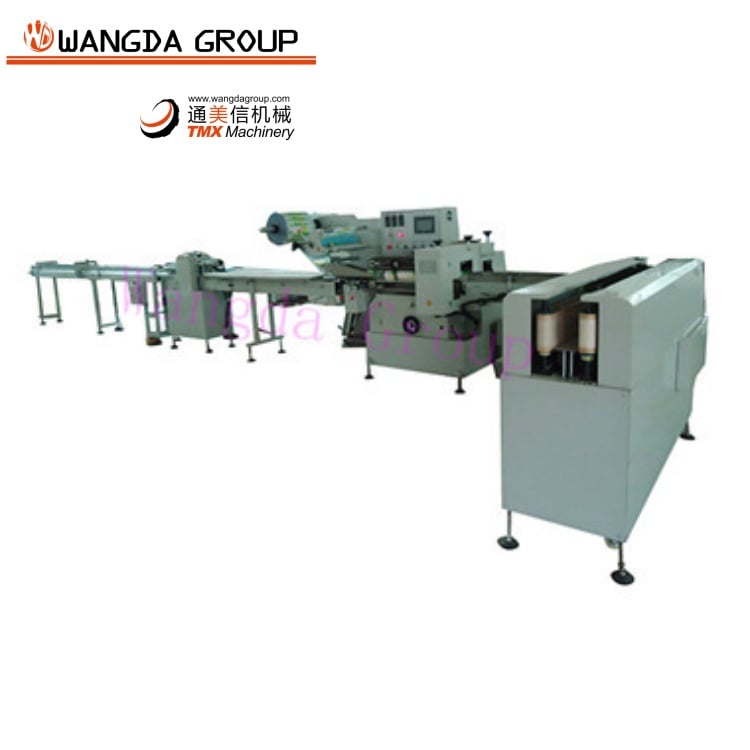
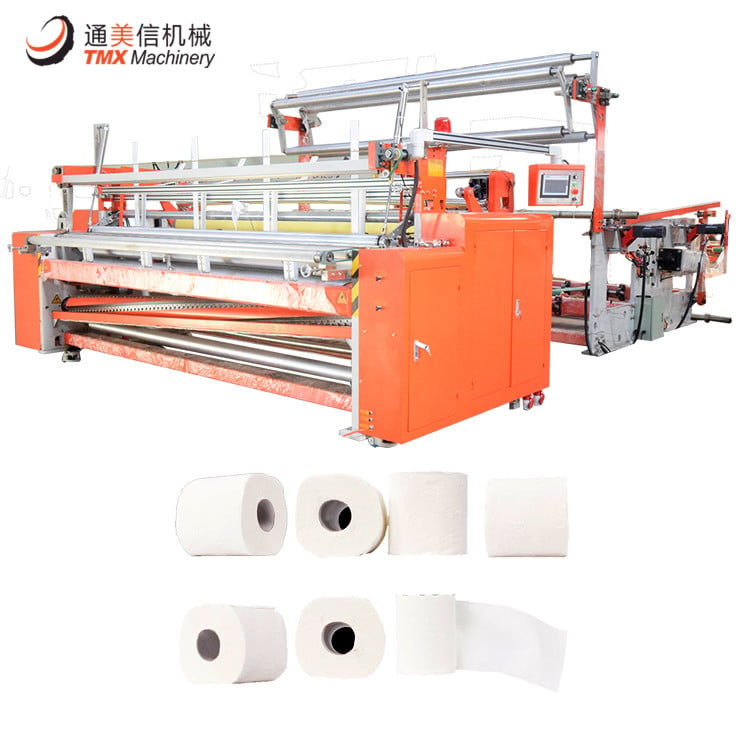
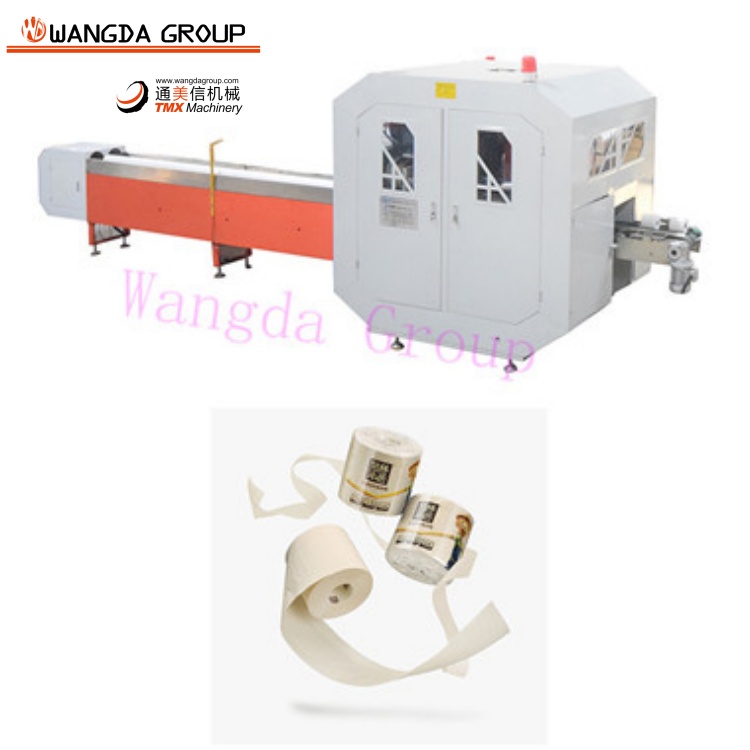
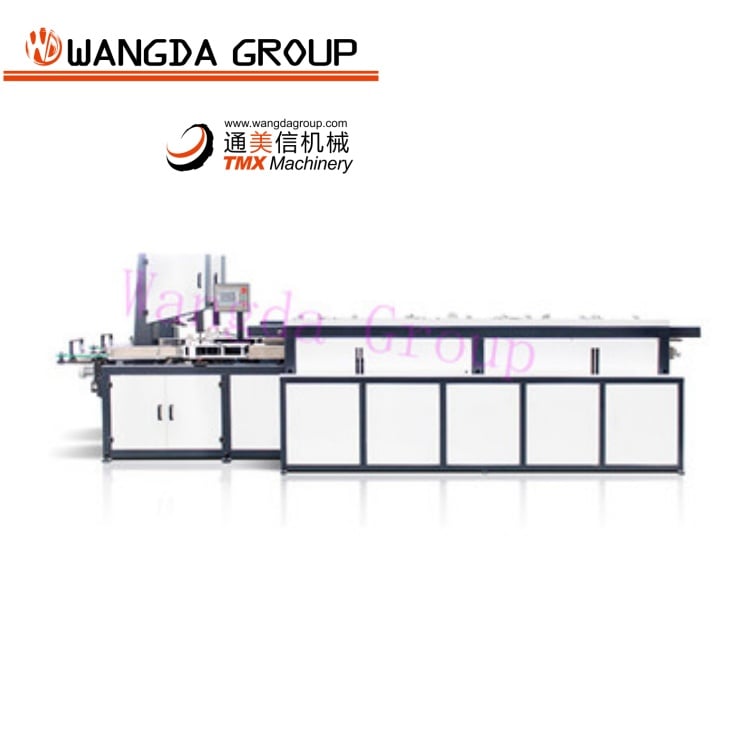
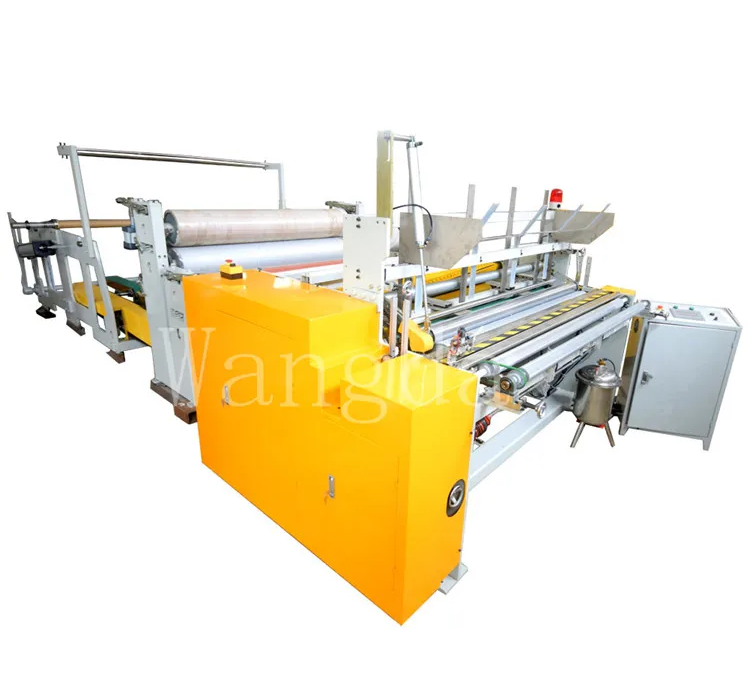
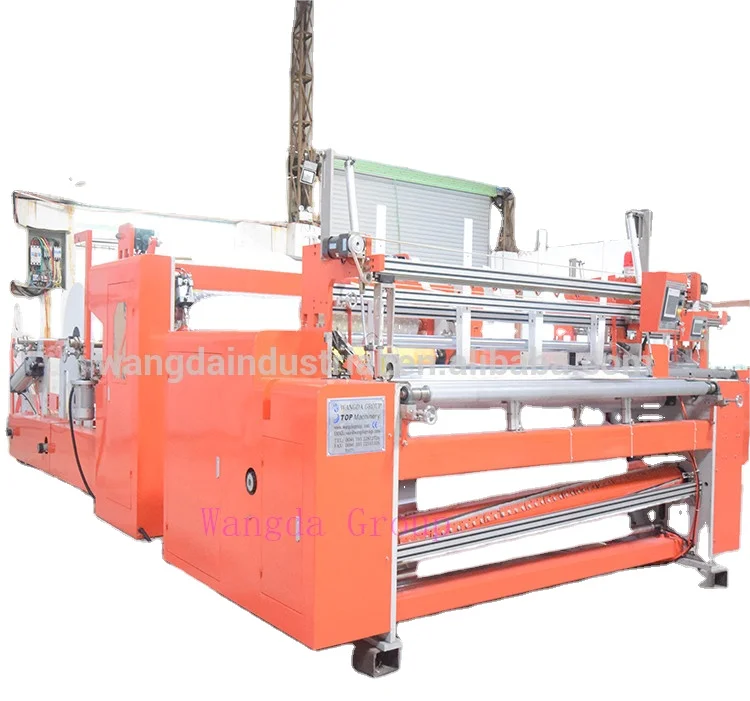
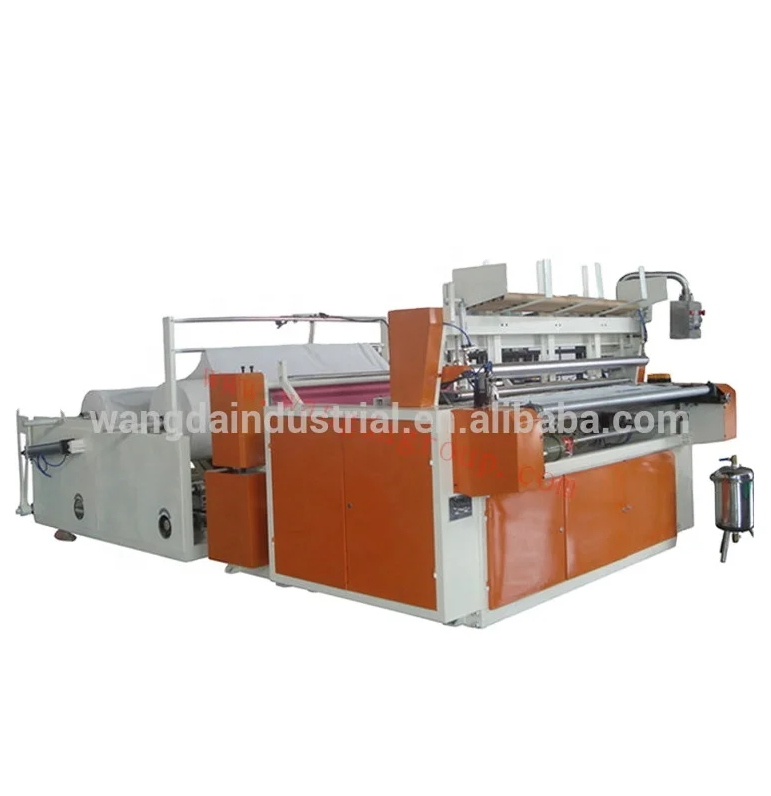
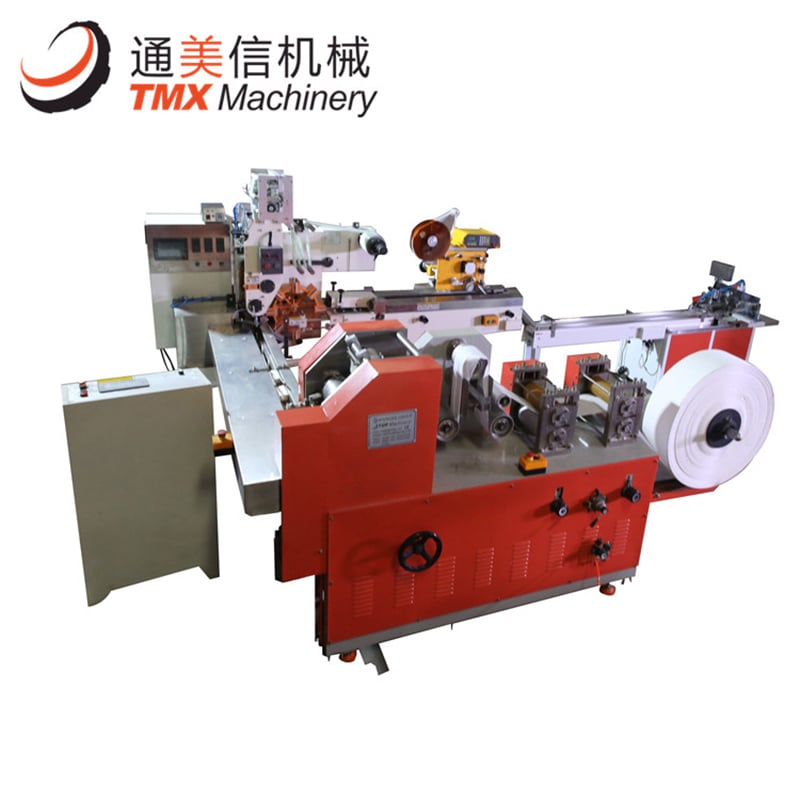
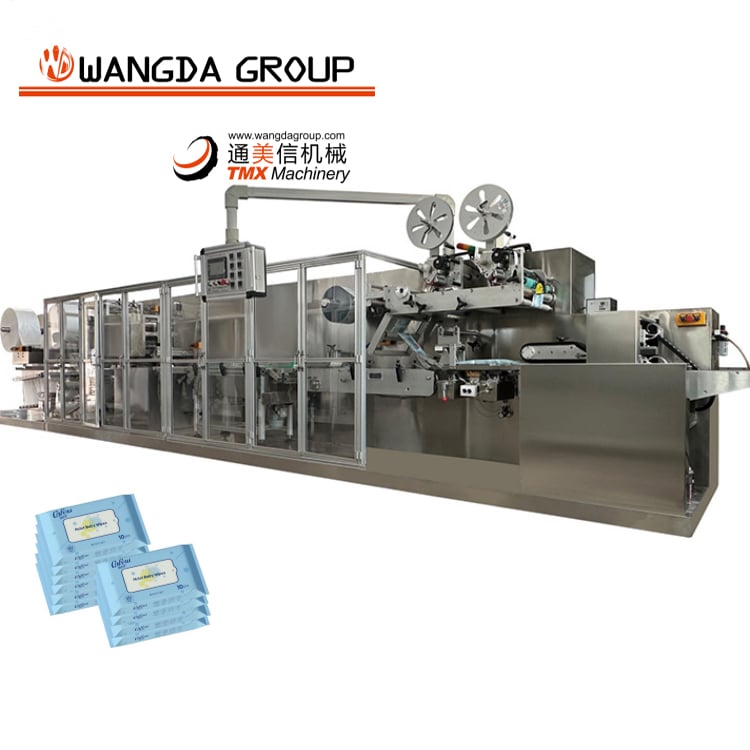
When considering investment in a small toilet paper making machine in Uganda, it’s essential to understand the unique requirements of the local market and the capabilities of the machinery available. Buyers, such as purchasing managers and distributors, often prioritize factors like production capacity, quality assurance, and customization options to meet their operational needs. This article will guide you through critical considerations when selecting a Wangda Industrial machine, specifications that matter, quality evaluation techniques, common operational challenges, and the applications of these napkin paper making machine within the African context.
Selecting the right small toilet paper making machine involves evaluating several critical factors. First, consider the production capacity required for your operations. This will depend on your target market size and expected demand. Machines typically have varying output rates, so ensure that the chosen model aligns with your production goals.
Next, assess the machine's versatility in terms of product output. A machine that can produce different types of toilet paper — such as standard rolls, jumbo rolls, or even custom sizes — can offer flexibility as market needs evolve. Additionally, consider the available automation levels. Full-servo machines, for instance, can provide higher efficiency and consistent quality but may come at a higher initial cost.
Also, think about the support and service provided by the manufacturer. Reliable after-sales support is crucial, particularly for maintenance and troubleshooting. Choosing a manufacturer with a solid reputation, like Wangda Industrial Co., Limited, known for its global reach and expertise in hygienic product machinery, can ensure ongoing operational success.

Understanding the key specifications of small toilet paper making machines is vital for making an informed purchasing decision. Key specifications include:
Production Speed: Measured in meters per minute, this indicates how quickly the machine can produce toilet paper. A higher speed typically results in better efficiency.
Roll Width and Diameter: Different markets may require various roll sizes. Ensure the machine can accommodate the specific dimensions you need for your products.
Core Type: The type of core used in the production process can affect the final product's quality and usability. Machines should be compatible with various core sizes to cater to diverse customer requirements.
Power Consumption: Energy efficiency is a growing concern. Understanding the power requirements can help in evaluating the operational costs.
Automation Level: Machines with full-servo technology often provide better precision and less waste. This could be a significant factor in your decision-making process.
By verifying these specifications against your production needs, you can ensure that the selected serviette paper making machine will meet your operational requirements effectively.

Evaluating the quality of toilet paper production equipment is essential to avoid costly operational issues. Begin by assessing the manufacturer's quality control processes. Reputable manufacturers implement rigorous testing and quality assurance protocols throughout the production process, which significantly impacts the machinery's performance.
Inspect machine components for durability and reliability. Look for features such as heavy-duty frames and high-quality electrical components. Additionally, inquire about the materials used in construction, as this can affect the machine's longevity and maintenance requirements.
Request references or case studies from existing customers to gauge performance in real-world settings. This feedback can provide insights into the machine's reliability and the manufacturer's responsiveness to issues.
Lastly, consider arranging a visit to the manufacturer's facility if possible. Observing the production process firsthand can give you confidence in their operations and the quality of their machinery.

Toilet paper making machines can encounter various operational challenges, and being prepared can save time and resources. Common issues include:
Paper Jamming: This can occur due to improper threading or foreign objects in the production line. Regular maintenance and staff training on machine handling can mitigate this issue.
Quality Variability: Inconsistent product quality can arise from fluctuations in raw materials or machine settings. Implementing strict quality control measures and regular calibration checks can help maintain output consistency.
Electrical Failures: Electrical issues can halt production. Ensure the machine is equipped with reliable electrical components and that proper electrical maintenance routines are established.
Wear and Tear: Regular wear on components can lead to reduced efficiency. Establish a maintenance schedule to check and replace worn parts proactively.
Addressing these common problems with appropriate preventive measures can enhance your operational efficiency and minimize downtime.
Wangda has more than 20 years experience in the production of various tissue machines. We take great care of the machines' functions and the quality, and additionally, we provide after-sales and pre-sales services. We've sold machines to over 100 countries, which has resulted in many repeat orders and good reviews from our clients. Wangda has its own R and D departments. Our machines are based on advanced Germany, Japan and Italian technology and is updated day by day. Our machines has passed Toilet roll manufacturing machine, CE, BV and many more certifications. What we supply is not only machines. What we supply is turnkey projects from A-Z. can accept customized requests for these tissue machines.
We've Toilet paper manufacturing machine with many clients both in the United States as well as abroad.
Wangda is a highly professional and knowledgeable sales staff and after-sales team, 80% of the team has been in Toilet roll manufacturing machine for more than 10 years in our company in this hygiene-conscious product industry. Our team has a wealth of experience in the daily use of paper tissue machines, related packing machines and many other Hygienic products machines We have a wide range of professional expertise in this field, we are aware of what our customers wants, we worry about what our customers worry about. We not just sell the machines to our clients, but we help our customers earn money through this business of hygienic products, to provide the lifelong after-sale services to our customers at the right time.
Wangda Toilet paper machine toilet tissue machines (including cutting and packing), kitchen towel machines (including cutting and packing) facial tissue machines (including cutting and packing) as well as nylon bag facial tissues machines. We also make maxi roll rewinding equipment as well as perforating machines.
Wangda Industrial Small toilet paper making machines have significant applications in the African market, driven by increasing consumer demand for hygiene products. The rise in urbanization and awareness of sanitation practices has led to a growing market for toilet paper, creating opportunities for manufacturers.
In Uganda, for instance, the demand for affordable, high-quality toilet paper continues to increase. Small-scale manufacturers can leverage these machines to produce various paper products catering to local preferences, including standard and jumbo rolls. Additionally, the flexibility of these machines allows for the production of specialized products, such as eco-friendly toilet paper, which is gaining traction amid growing environmental concerns.
Overall, investing in a small toilet paper making machine not only fulfills local demand but also positions manufacturers to adapt to changing market needs, thereby enhancing their competitiveness in the industry.
By understanding the critical considerations, specifications, quality evaluation techniques, common operational challenges, and applications of automatic toilet paper making machine in Uganda, potential buyers can make informed decisions that align with their production goals and market demands.