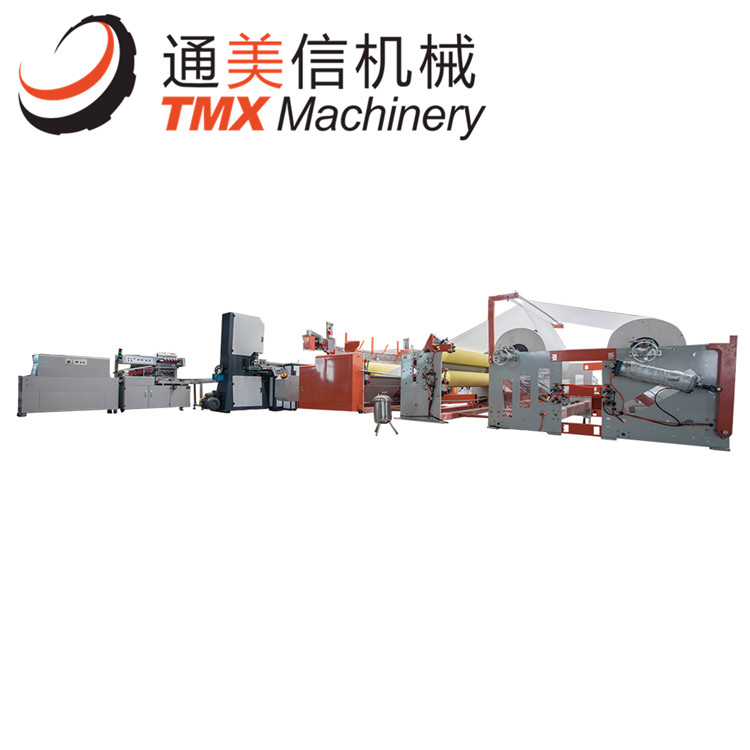
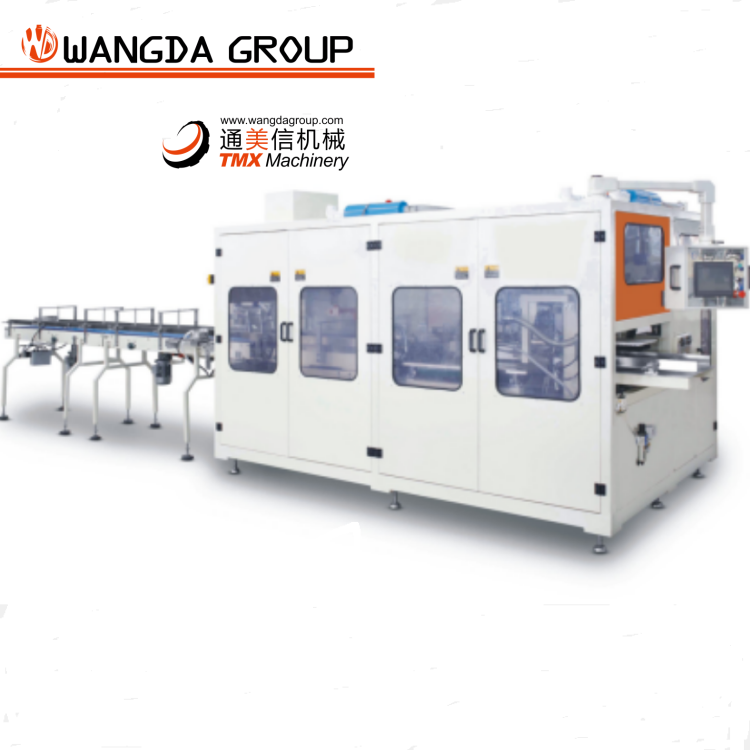
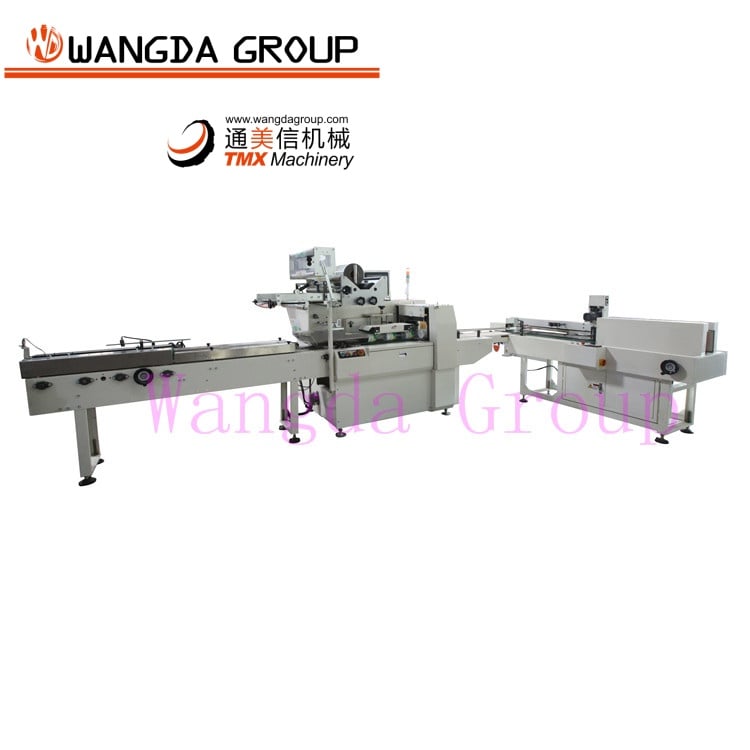
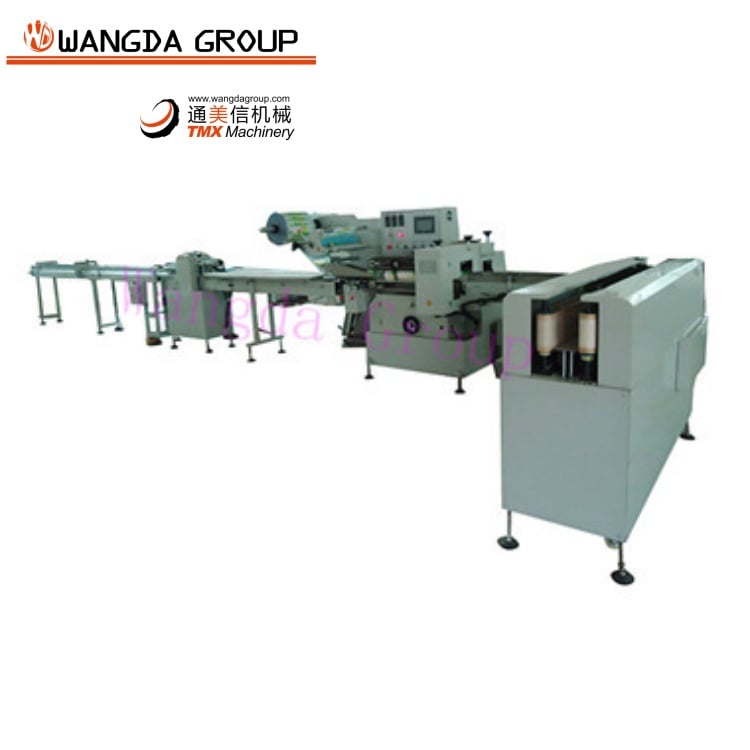
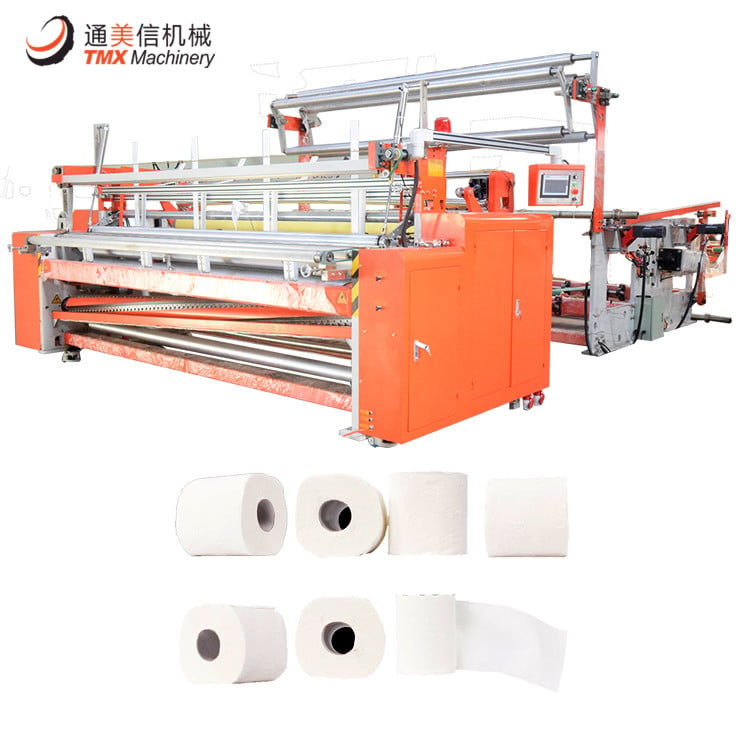
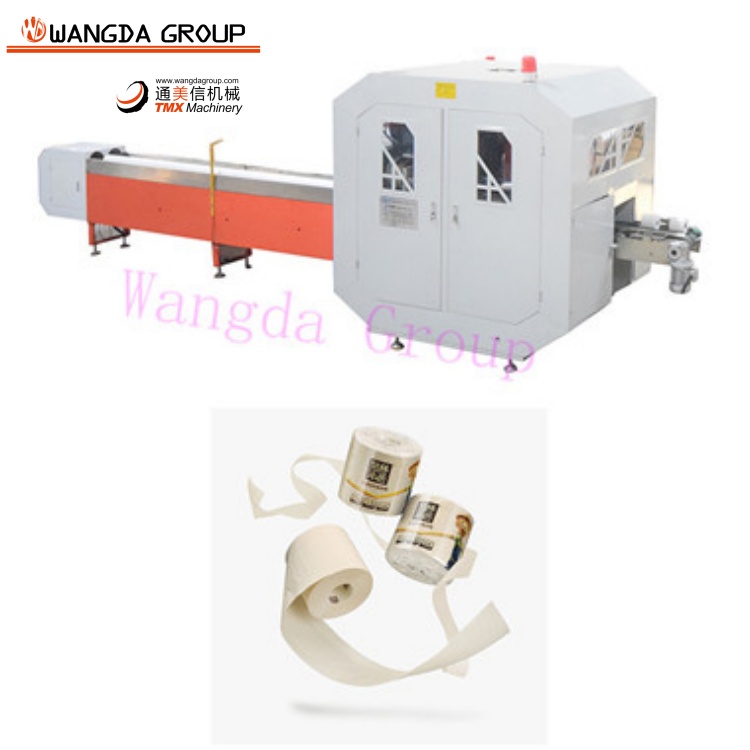
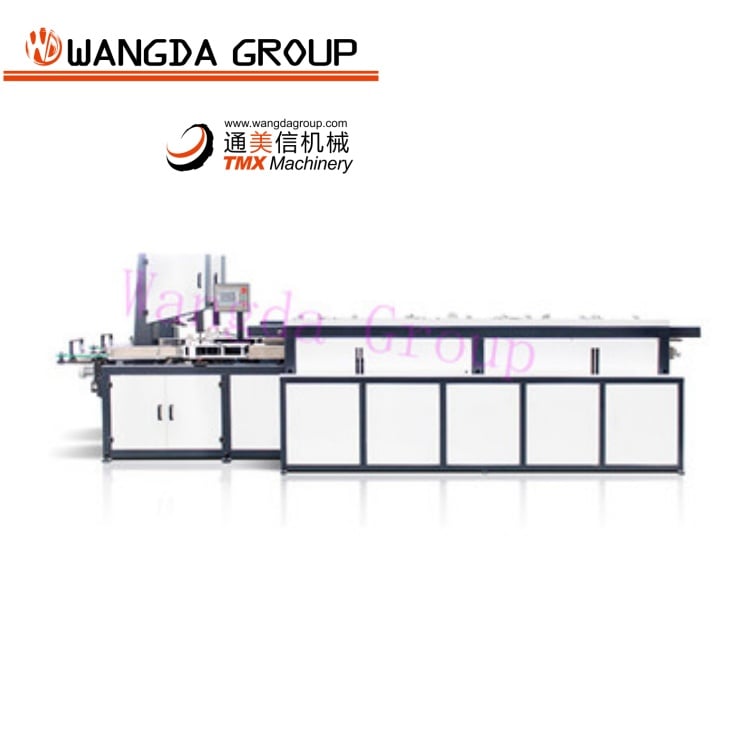
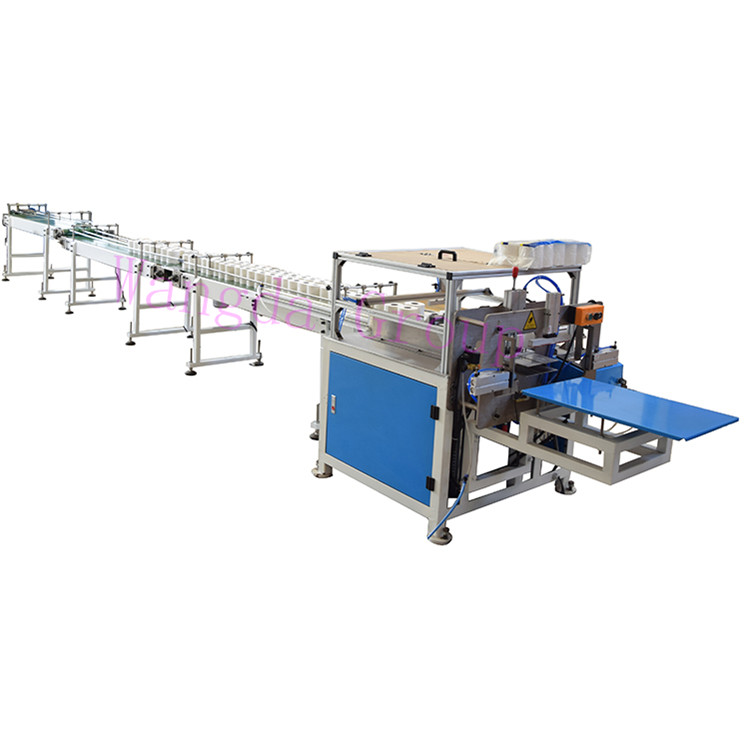
In Uganda, the demand for hygiene products, particularly toilet paper, has been on the rise, making the sourcing of a reliable toilet paper making machine crucial for businesses looking to enter or expand in this market. Understanding the specific needs of B2B buyers, such as purchasing managers and distributors, is essential when evaluating such machinery. This article will delve into what to consider when sourcing a toilet paper making machine in Uganda, covering key specifications, wholesale options, installation guidance, and how to choose the right machine for your business needs.
When sourcing a toilet paper making machine in Uganda, several factors should be taken into account. First, buyers need to assess the production capacity required to meet market demand. This includes understanding peak production times and adjusting machine specifications accordingly.
Another important consideration is the material quality and type of toilet paper being produced. Different end-users may require varying levels of softness, thickness, and strength. Therefore, the machine should be capable of producing different grades of toilet paper to cater to diverse customer needs.
Additionally, buyers must evaluate the machine's energy efficiency and operational costs. Selecting a machine that minimizes energy consumption can significantly impact long-term operational costs. Furthermore, it is advisable to consider the availability of technical support and spare parts from the manufacturer, as this will be vital for maintaining production uptime.

Key specifications for toilet paper making machines include:
Production Capacity: Determined in tons per day, this specification should align with your production goals. Machines can vary, with some capable of producing up to 3,000 tons annually.
Paper Width and Thickness: The machine should accommodate the desired dimensions of the toilet paper rolls. Standard roll widths range from 1.5 to 3 meters, and thickness can vary based on the paper quality required.
Automation Level: Full-servo production lines offer higher efficiency and precision. Buyers should consider the degree of automation that suits their budget and operational expertise.
Material Compatibility: The machine should support various raw materials like recycled paper, virgin pulp, or a mix to produce sustainable products.
Energy Consumption: Look for energy-efficient models that can help reduce operational costs.
Quality Control Features: Integrated quality control systems ensure the final product meets required standards, reducing waste and enhancing customer satisfaction.

For wholesale buyers in Uganda, it is crucial to select machines that not only meet production requirements but also offer scalability for future growth. Buying in bulk can often lead to volume discounts, so it’s advisable to negotiate with suppliers.
Considerations for wholesale buyers include:
Minimum Order Quantities (MOQ): Establish the minimum order quantity that suppliers require and how this aligns with your purchasing capacity.
Customization Options: Many manufacturers offer customized machines suited to specific production needs. This can include alterations in size, speed, and additional features.
Lead Time: Understand the lead time for production and delivery, as this can impact your ability to fulfill customer orders promptly.
Warranty and Support: Ensure that the supplier provides adequate warranty coverage and after-sales support, which can be crucial for long-term operational success.

Installing a toilet paper making machine requires careful planning to ensure optimal operation. Key steps include:
Site Preparation: Ensure the area is adequately prepared, including electrical and plumbing installations according to the machine's specifications.
Professional Installation: Engage with experienced technicians for installation. This is critical as improper setup can lead to operational inefficiencies.
Training for Operators: Ensure that operators receive comprehensive training on the machine's operation and maintenance. This training should cover troubleshooting common issues that may arise during production.
Testing and Quality Checks: After installation, perform a thorough testing phase to ensure the machine operates correctly before commencing full production.
Maintenance Schedule: Develop a regular maintenance schedule to prevent downtime and extend the machine’s lifespan.
Wangda has over 20 years of experience manufacturing all sorts of tissue machines, we pay much attention to the machines' functions and the quality, and also Tissue paper machine and after sales services. We have sold machines to more than 100 countries. This has resulted in repeat orders and good comments from our clients. Our R and D department is part of Wangda. We have our own R and D departments. Our machines are continuously upgraded and are incorporating the latest technology of Germany, Japan, and Italy. They have passed ISO9002, CE and BV certifications. We provide turnkey projects all the way from A to Z that includes more than machines.
Wangda is a highly professional and knowledgeable sales staff and after-sales team, 80% of the team has been in Toilet roll manufacturing machine for more than 10 years in our company in this hygiene-conscious product industry. Our team has a wealth of experience in the daily use of paper tissue machines, related packing machines and many other Hygienic products machines We have a wide range of professional expertise in this field, we are aware of what our customers wants, we worry about what our customers worry about. We not just sell the machines to our clients, but we help our customers earn money through this business of hygienic products, to provide the lifelong after-sale services to our customers at the right time.
Wangda has collaborated with various clients from home and abroad. We have cooperated with big groups from GCC countries such as Fine Hygienic from various nations, Nesto Hypermarket, Top One and Two hygienic producer B and G, the Meghna Groups from Bangladesh. Outnet Group of African countries. And as well, there are big European brands, American brands, Toilet paper machine brands we have cooperated for long years. We have several manufacturing facilities outside of the United States that you can visit and see our products. This is more convenient. Also you are warmly welcome for a visit to our factory and see our products on the spot. We welcome your enquiry anytime and hope to begin our mutual benefit story soon.
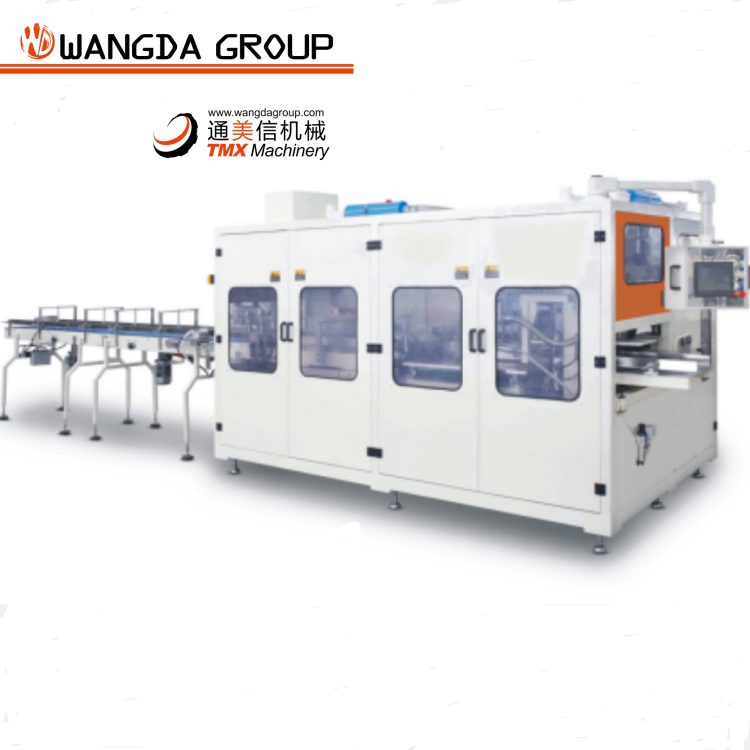
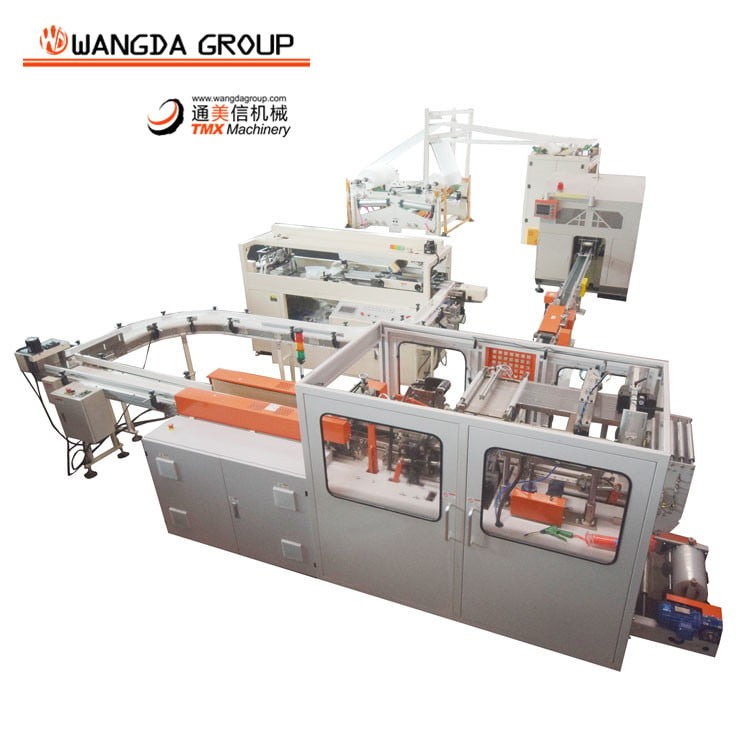
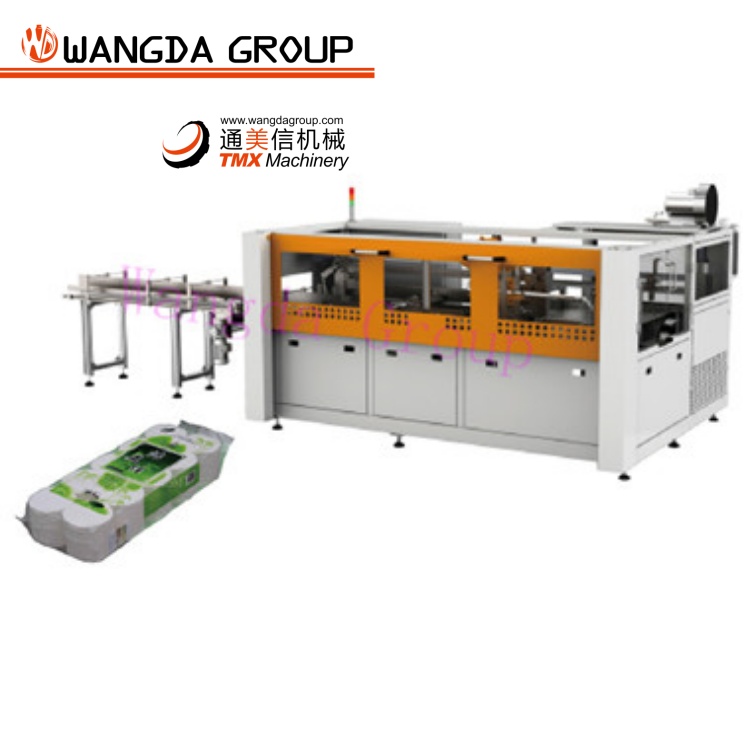
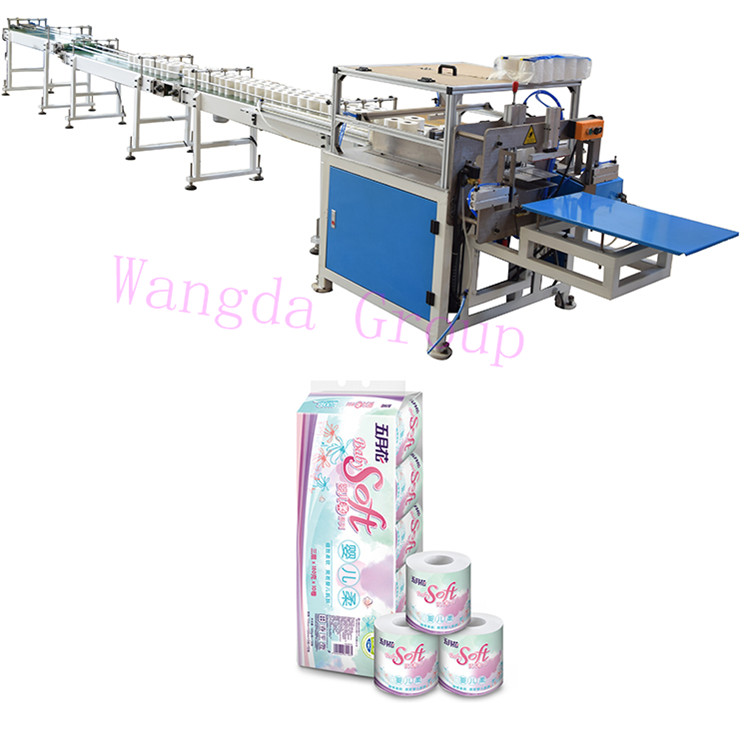
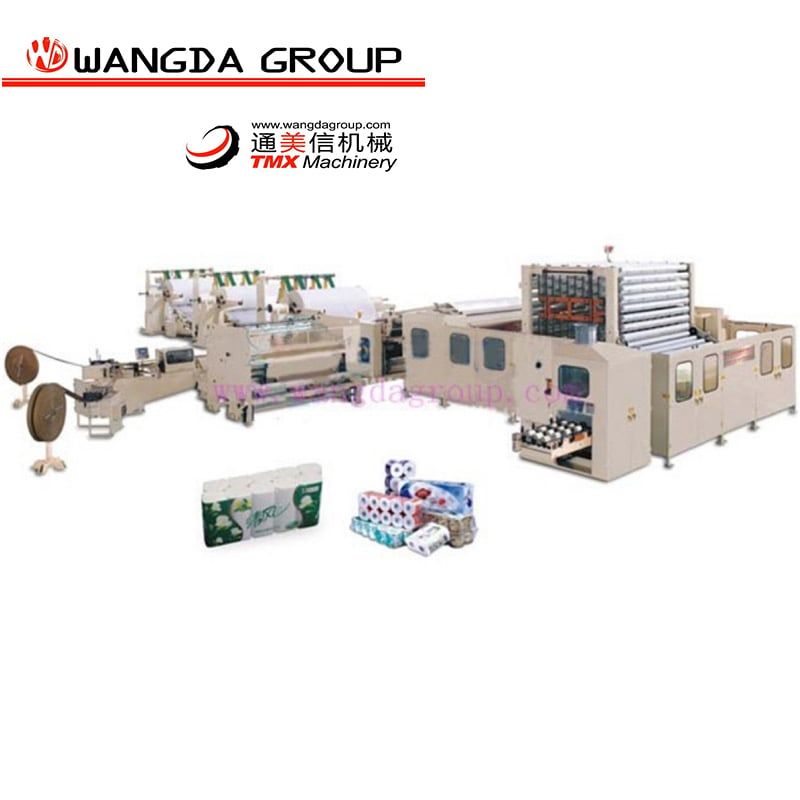
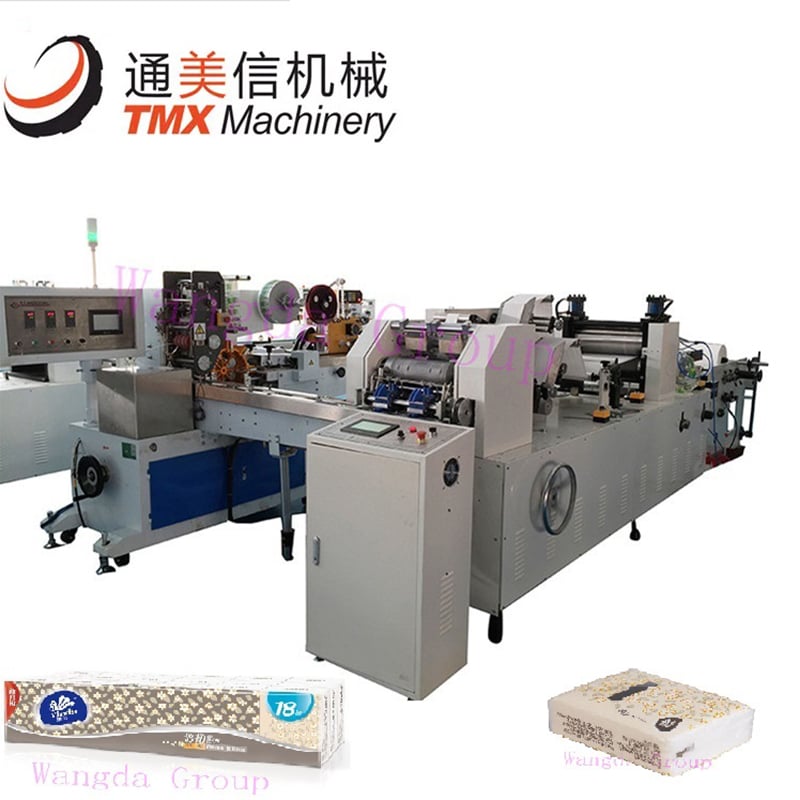
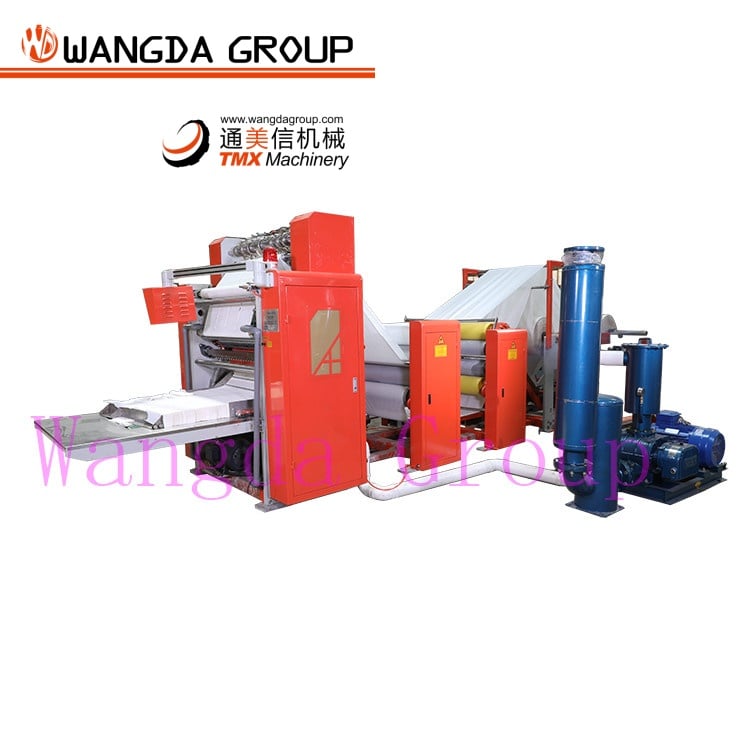
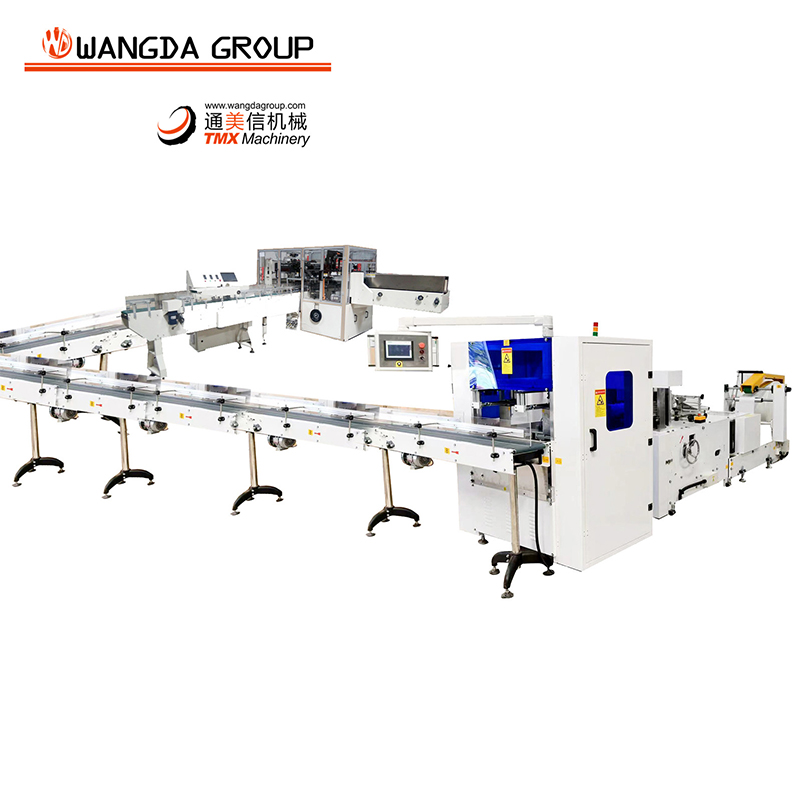
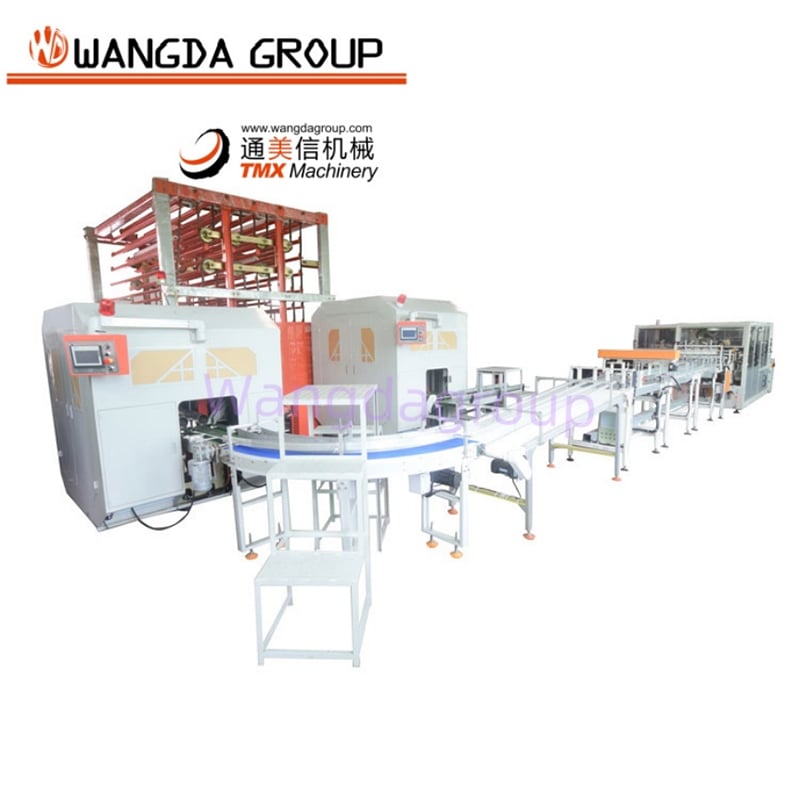
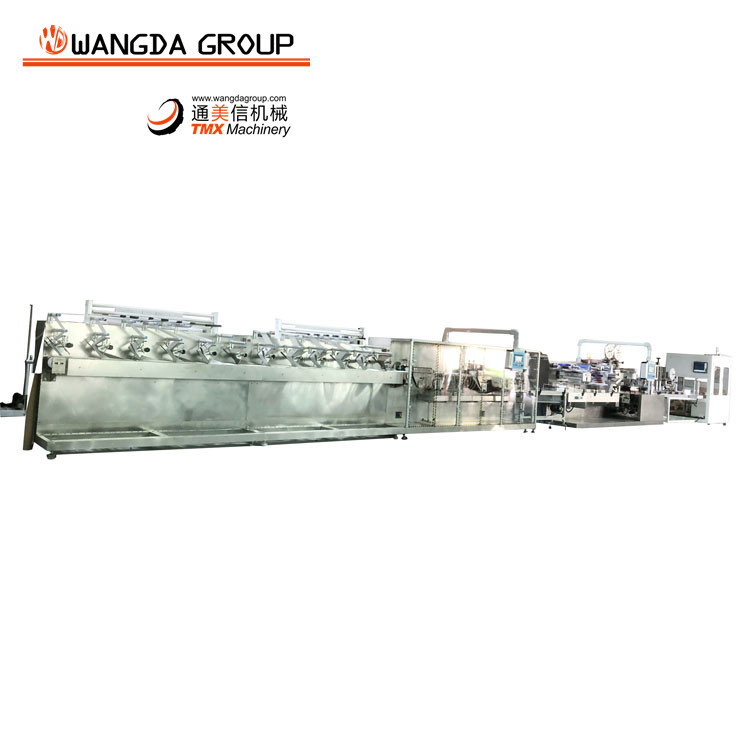
Wangda Toilet paper machine toilet tissue machines (including cutting and packing), kitchen towel machines (including cutting and packing) facial tissue machines (including cutting and packing) as well as nylon bag facial tissues machines. We also make maxi roll rewinding equipment as well as perforating machines.
Selecting the right toilet paper making machine involves a thorough assessment of your business needs and market expectations. Here are some considerations to guide your decision:
Evaluate Production Needs: Assess your target market’s requirements and ensure the machine you select can meet these demands in terms of speed, efficiency, and product quality.
Budget Considerations: Determine your budget for both initial investment and ongoing operational costs. A more expensive machine may offer better energy efficiency and lower maintenance costs in the long run.
Supplier Reputation: Research potential suppliers to understand their market presence, reliability, and customer service. A reputable supplier, like Wangda Industrial Co., Limited, known for its high-quality machines and global experience, can provide valuable insights and support.
Customization Capabilities: If your production needs are unique, ensure the manufacturer can accommodate these through customization options.
Future Scalability: Choose a machine that can grow with your business. This means selecting equipment that can handle increased production without requiring a complete overhaul.
By considering these aspects, businesses can make informed decisions when sourcing a toilet paper making machine in Uganda, ultimately leading to a successful investment that meets their operational and market demands.