When considering the establishment of a toilet paper production facility in Uganda, understanding the nuances of selecting the right toilet paper making machine is crucial. This article delves into essential factors involved in choosing a machine tailored for this specific market, addressing key concerns such as production efficiency, machine compatibility, and after-sales support. We aim to equip you with the knowledge necessary to make informed decisions that will optimize your investment in toilet paper manufacturing.
When selecting a toilet paper making machine in Uganda, several factors should be prioritized. First, assess the production capacity required to meet market demand. The machine's output per hour directly influences your ability to fulfill orders and manage inventory efficiently.
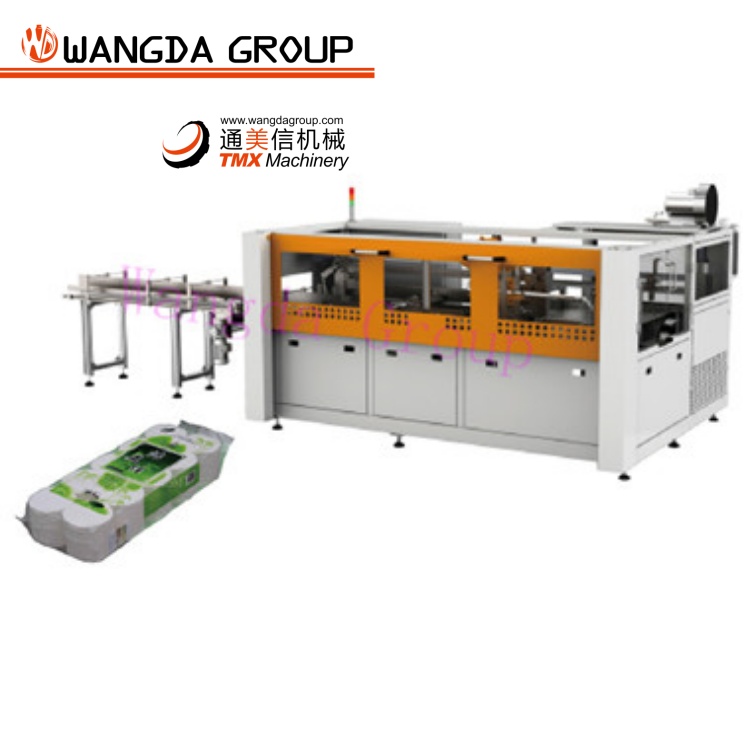
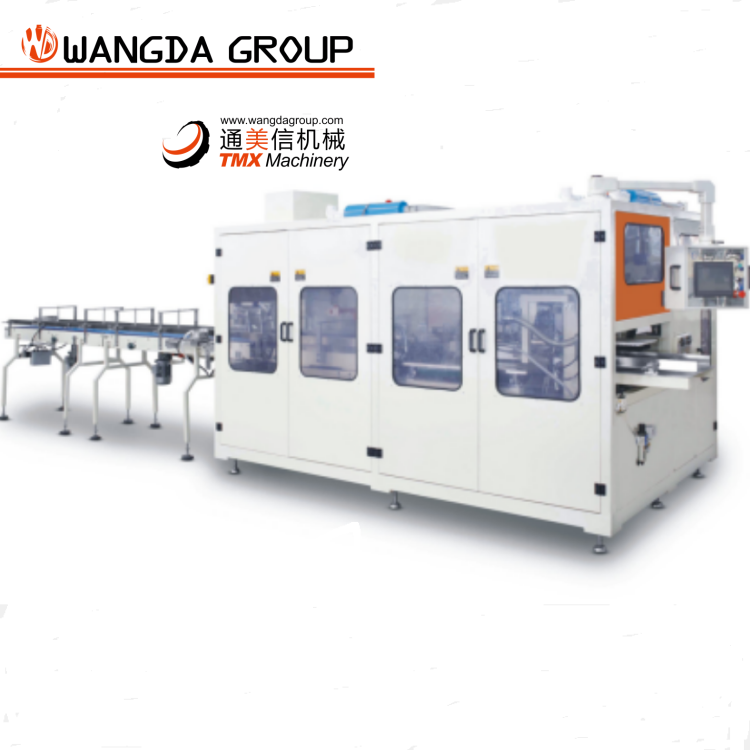
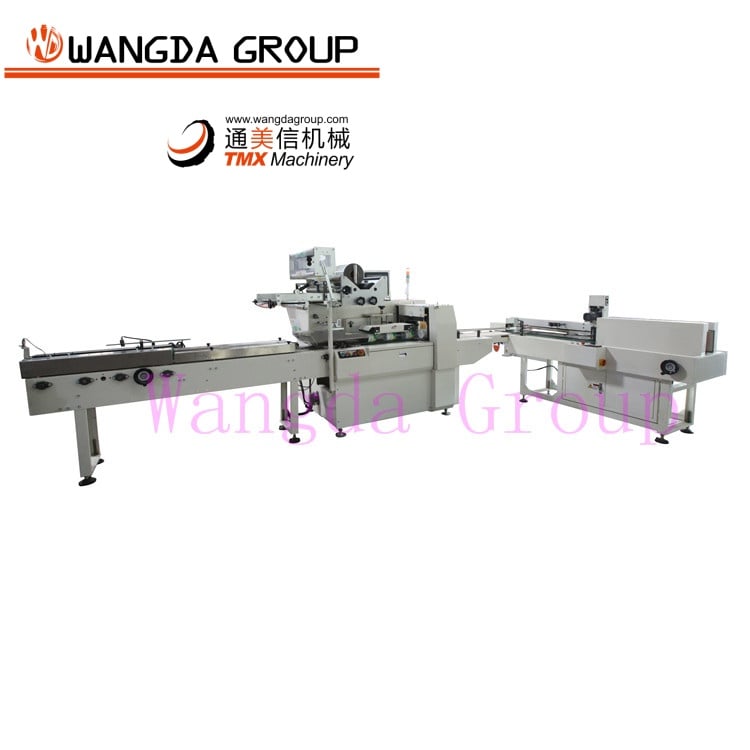
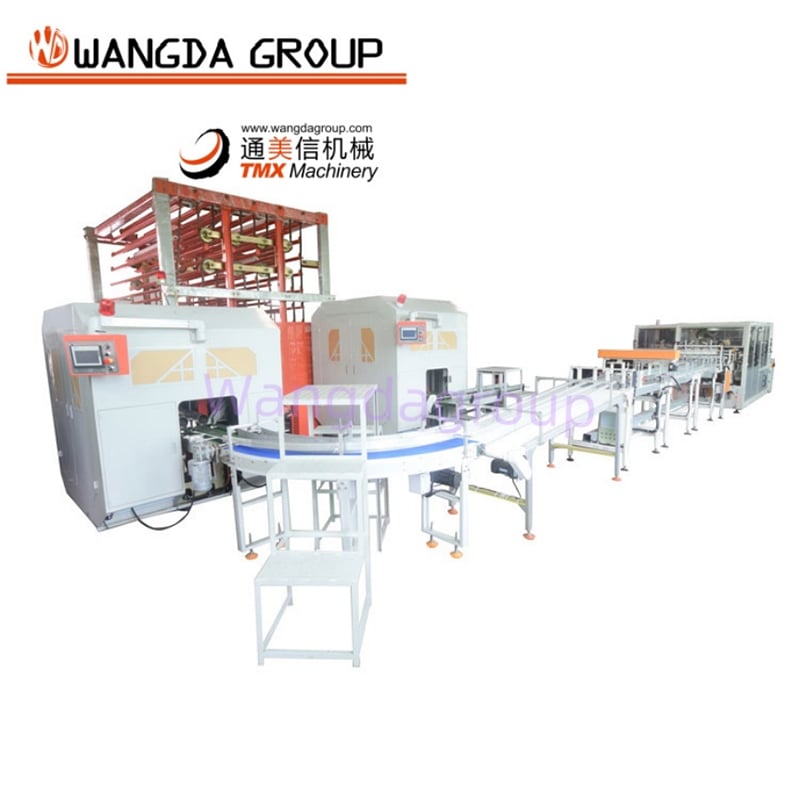
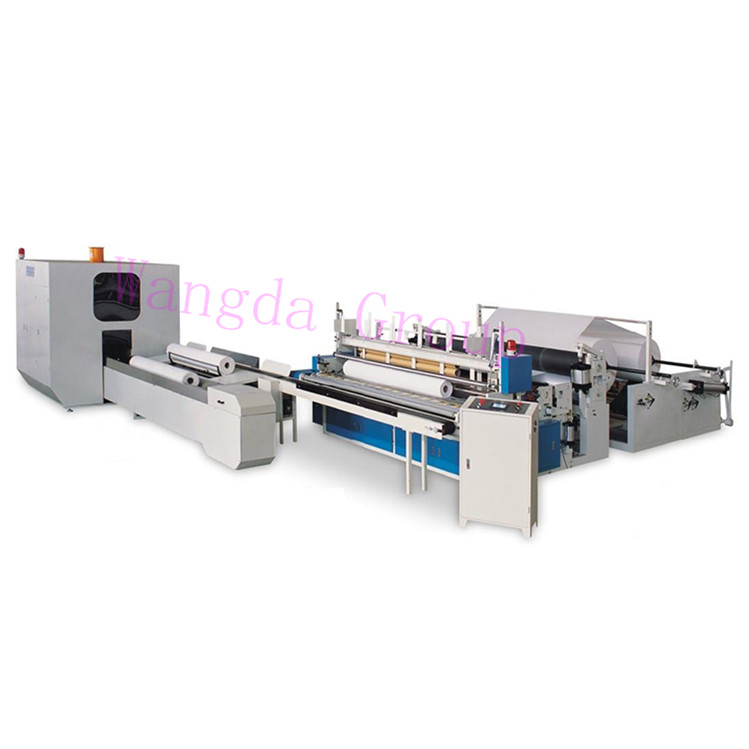
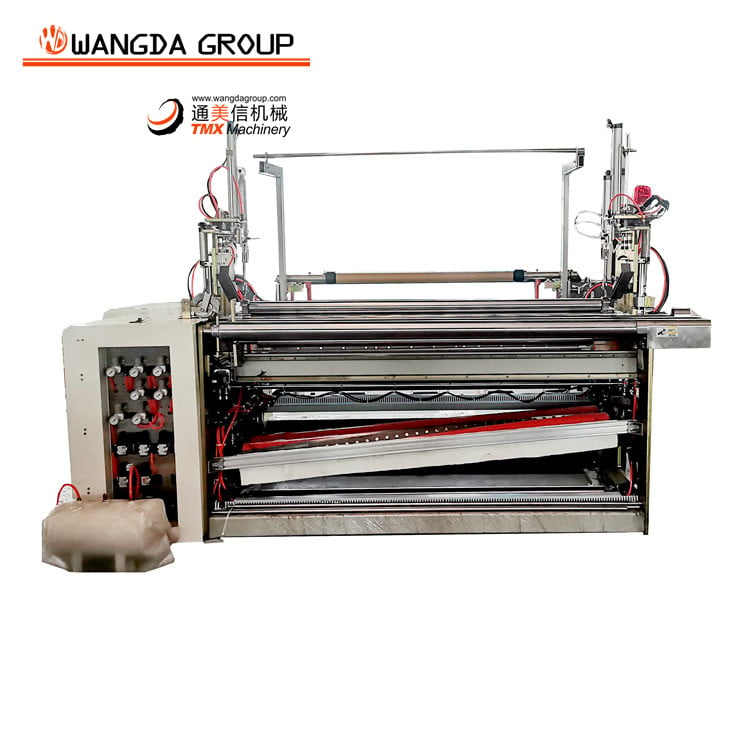
Next, consider the machine's specifications, including its size, power requirements, and automation level. Full-servo machines, like those offered by Wangda Industrial Co., Limited, provide high precision and efficiency, enabling faster production rates and reduced labor costs. Furthermore, compatibility with local utilities is essential; ensure that the machine can operate within the voltage and frequency limits commonly found in Uganda.
Material quality is another crucial aspect. The toilet paper making machine should accommodate a variety of raw materials, such as recycled paper or virgin pulp, depending on your sourcing strategy. Lastly, the availability of local support and spare parts is vital. Opting for a machine from a manufacturer with a strong presence in the region can facilitate quicker maintenance and minimize downtime.

Comparing toilet paper making machines involves evaluating several key specifications. Start with the production capacity: determine whether the machine can meet your anticipated demand. Look for machines that offer flexibility in production speed and the ability to handle different paper grades.
Next, evaluate the automation features. Machines with advanced automation often lead to higher efficiency and lower operational costs. Assess the level of control over the production process, including the ability to adjust parameters such as thickness and width of the toilet paper.
Additionally, review the machine's energy consumption. Efficient machines can significantly reduce operational costs, making them more appealing in the long run. Check for certifications that ensure compliance with international quality standards; these can be indicators of reliability and performance.
Finally, consider the total cost of ownership, which includes not only the purchase price but also maintenance costs, energy consumption, and the potential need for operator training. A comprehensive cost analysis will enable you to make a more informed decision that balances initial investment with long-term profitability.

Proper installation of toilet paper production equipment is critical for optimal performance. Ensure that the installation site is prepared according to the manufacturer's specifications, including adequate space for the machine, proper electrical connections, and ventilation.
Engaging the manufacturer for installation services can be beneficial. They possess the expertise to ensure that the toilet paper machine is set up correctly, reducing the likelihood of operational issues later. During installation, thorough testing should be conducted to confirm that all components function as expected.
Post-installation, training for operators is essential. This training should cover machine operation, maintenance, and troubleshooting procedures. A well-trained workforce can prevent common operational hiccups and enhance overall productivity.

Toilet paper manufacturing can present various challenges. One common issue is inconsistent product quality, which may arise from variations in raw material quality or machine settings. Regular quality checks and calibrations can help mitigate this issue. It’s advisable to establish a quality control protocol that includes monitoring the thickness, softness, and tensile strength of the produced paper.
Another frequent problem is machine downtime due to maintenance needs. Implementing a routine maintenance schedule can significantly reduce unexpected breakdowns. Ensure that spare parts are readily available, especially critical components that may wear out over time.
Lastly, be aware of waste generation during production. Optimizing machine settings to minimize waste and recycling off-cuts can enhance material efficiency. Training operators on best practices for waste management will further improve your sustainability efforts while reducing costs.
We've Toilet paper roll making machine with many clients both in the United States as well as abroad.
Wangda is a highly professional and knowledgeable sales staff and after-sales team, 80% of the team has been in Tissue paper manufacturing machine for more than 10 years in our company in this hygiene-conscious product industry. Our team has a wealth of experience in the daily use of paper tissue machines, related packing machines and many other Hygienic products machines We have a wide range of professional expertise in this field, we are aware of what our customers wants, we worry about what our customers worry about. We not just sell the machines to our clients, but we help our customers earn money through this business of hygienic products, to provide the lifelong after-sale services to our customers at the right time.
Wangda has over 20 years of experience manufacturing all sorts of tissue machines, we pay much attention to the machines' functions and the quality, and also Tissue paper machine and after sales services. We have sold machines to more than 100 countries. This has resulted in repeat orders and good comments from our clients. Our R and D department is part of Wangda. We have our own R and D departments. Our machines are continuously upgraded and are incorporating the latest technology of Germany, Japan, and Italy. They have passed ISO9002, CE and BV certifications. We provide turnkey projects all the way from A to Z that includes more than machines.
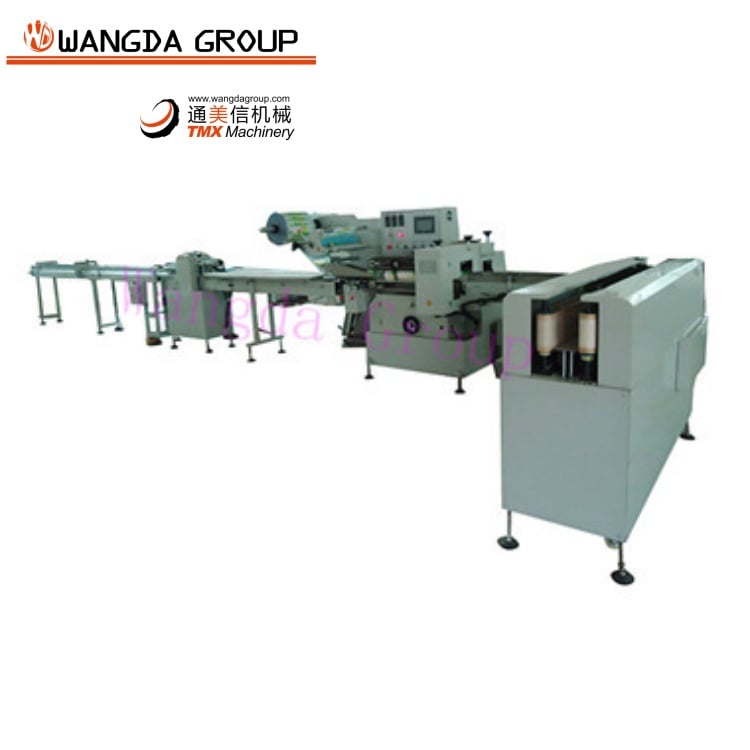
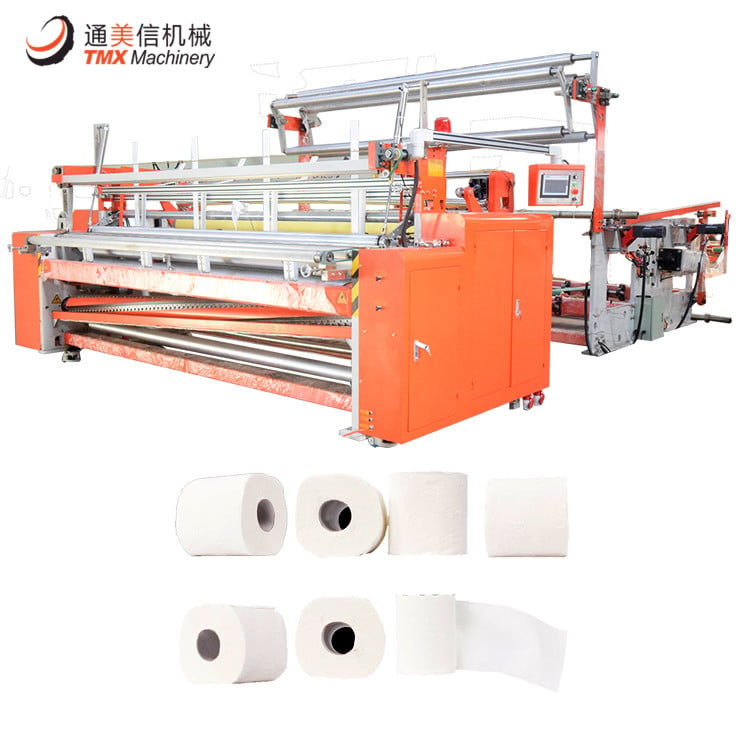
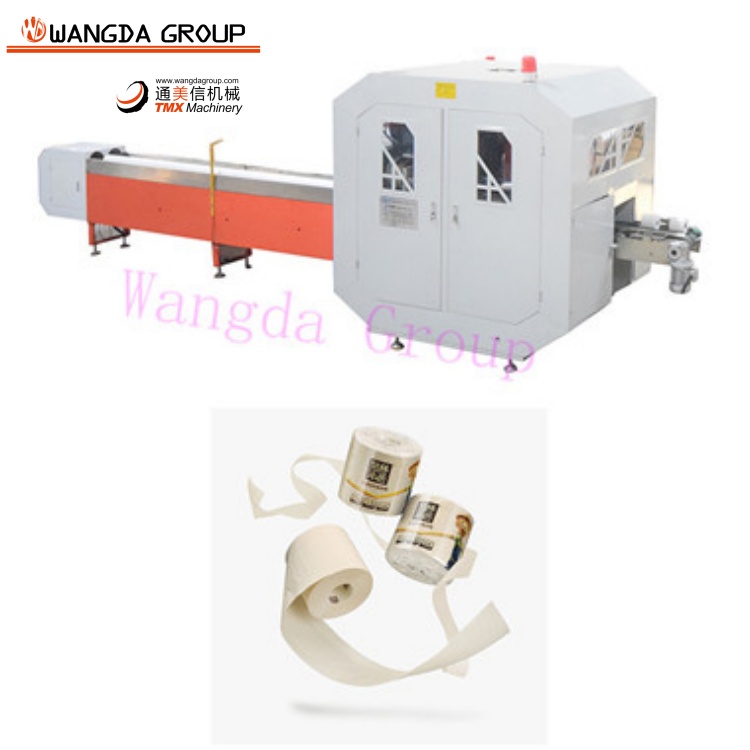
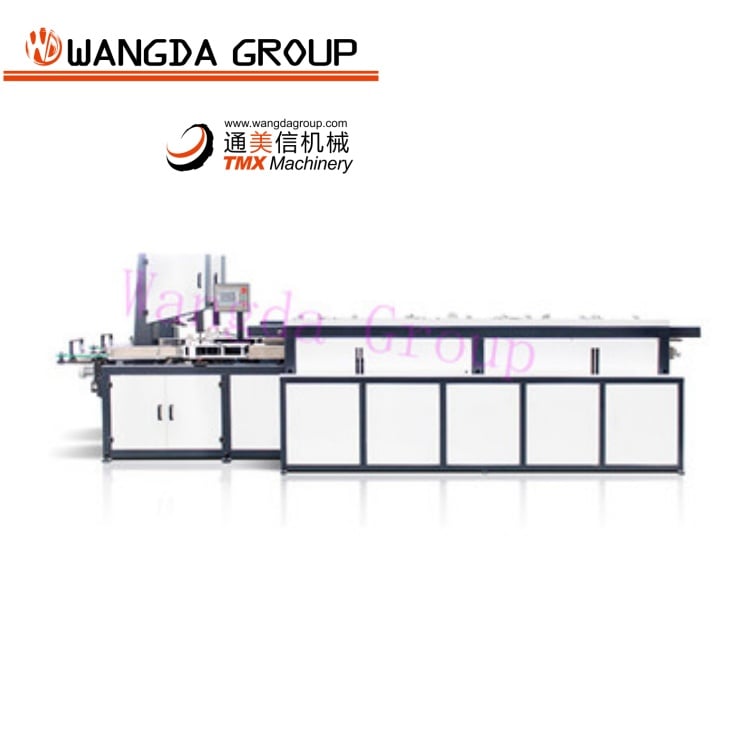
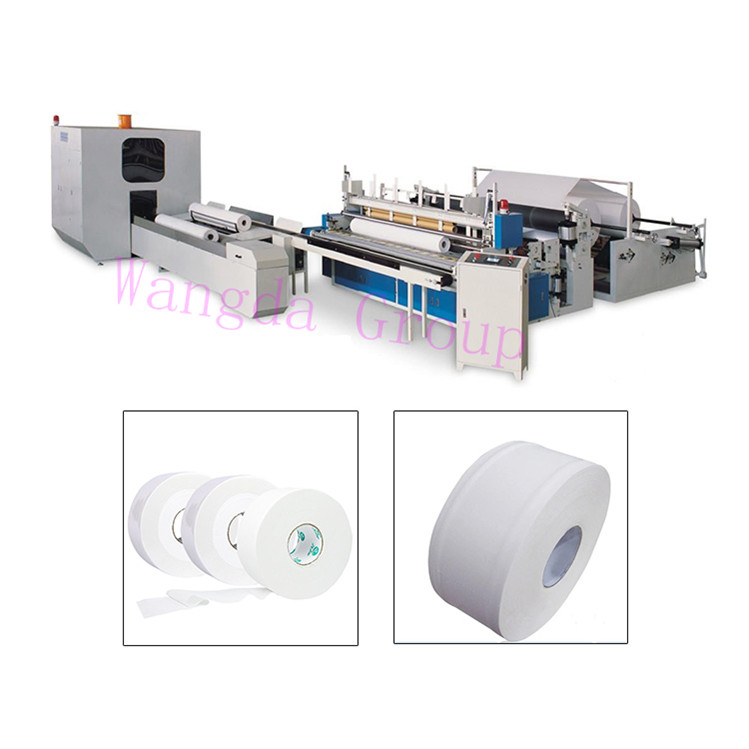
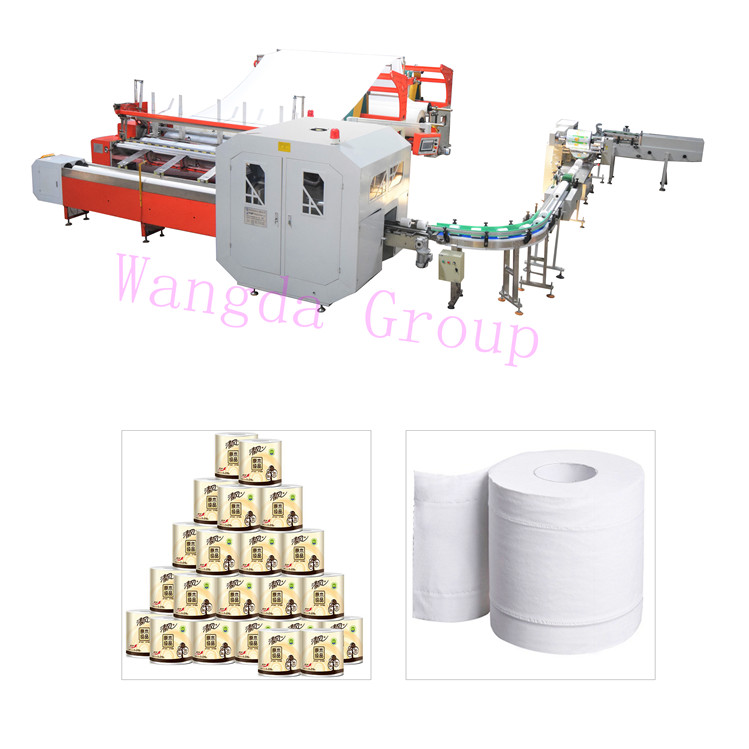
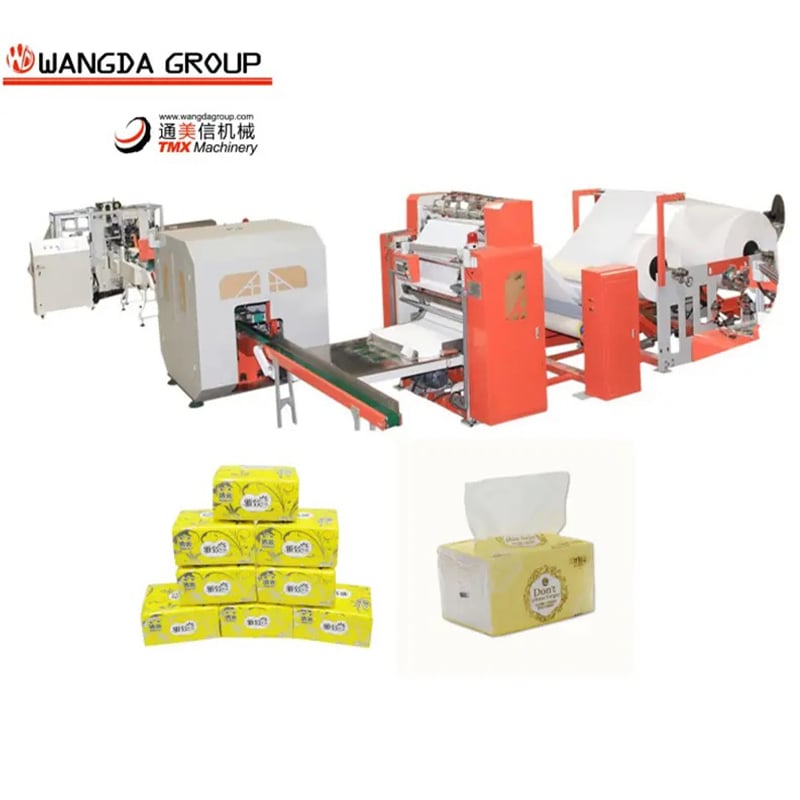
Wangda Tissue paper making machine toilet tissue machines (including cutting and packing), kitchen towel machines (including cutting and packing) facial tissue machines (including cutting and packing) as well as nylon bag facial tissues machines. We also make maxi roll rewinding equipment as well as perforating machines.
Quality control is an integral part of toilet paper machine manufacturing. Implementing a robust quality assurance process ensures that machines are built to specification and meet industry standards. This can involve rigorous testing of components and final assembly, which helps identify potential issues before products reach the market.
For buyers, investing in automatic toilet paper machine from a manufacturer with established quality control processes provides peace of mind. It signifies that the equipment is reliable and capable of producing consistent, high-quality products.
Additionally, prioritizing quality control can lead to enhanced customer satisfaction. Consistently producing high-quality toilet paper can establish your brand's reputation in the market, encouraging repeat purchases and fostering long-term relationships with distributors and retailers.
In summary, understanding the complexities of selecting a toilet paper making machine is essential for any business looking to enter the Ugandan market. By considering production capacity, automation features, installation procedures, potential manufacturing issues, and the importance of quality control, you can make informed decisions that ensure a successful manufacturing operation.