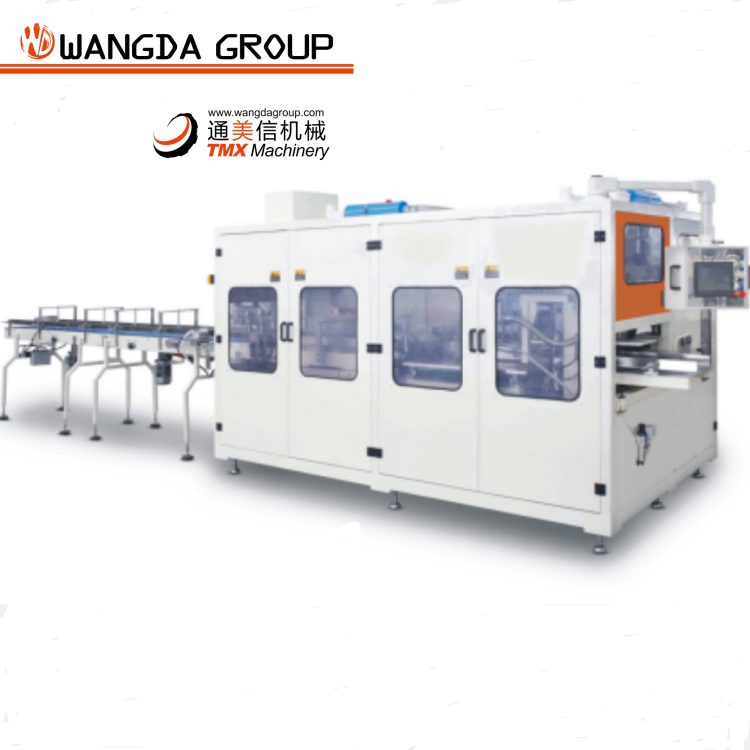
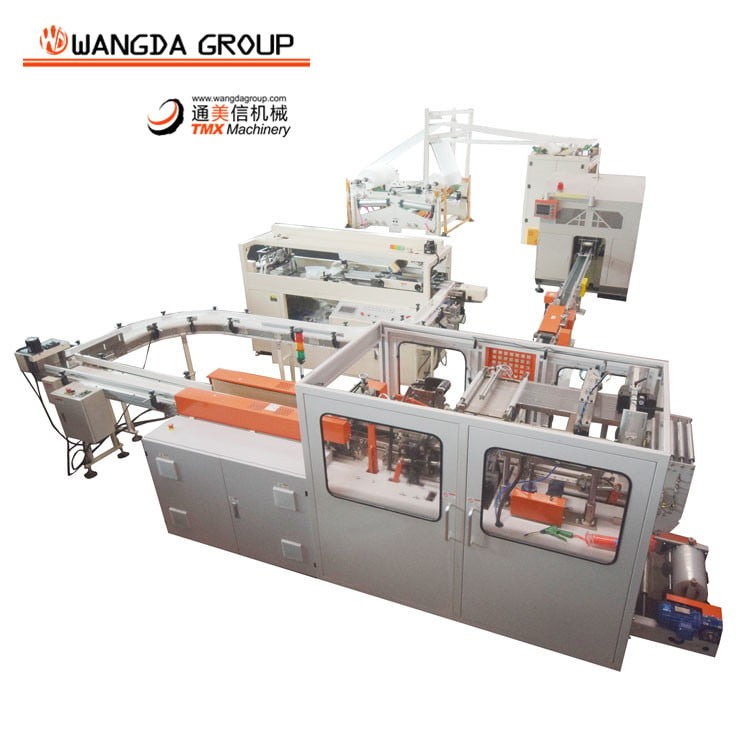
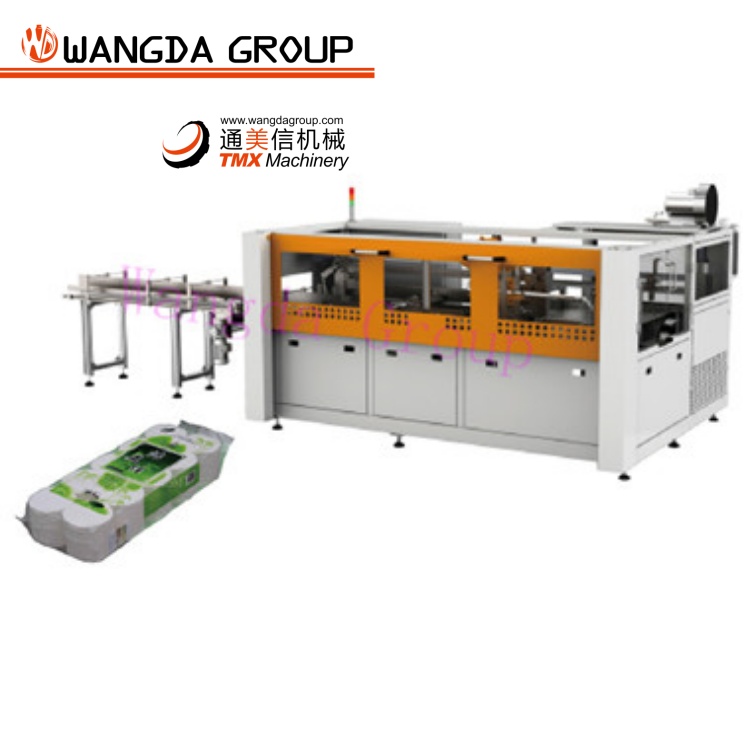
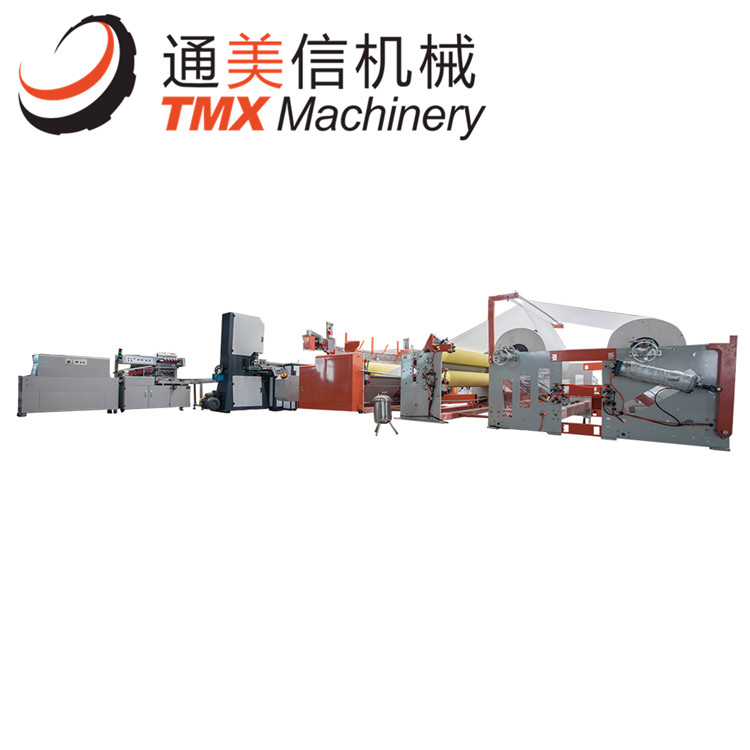
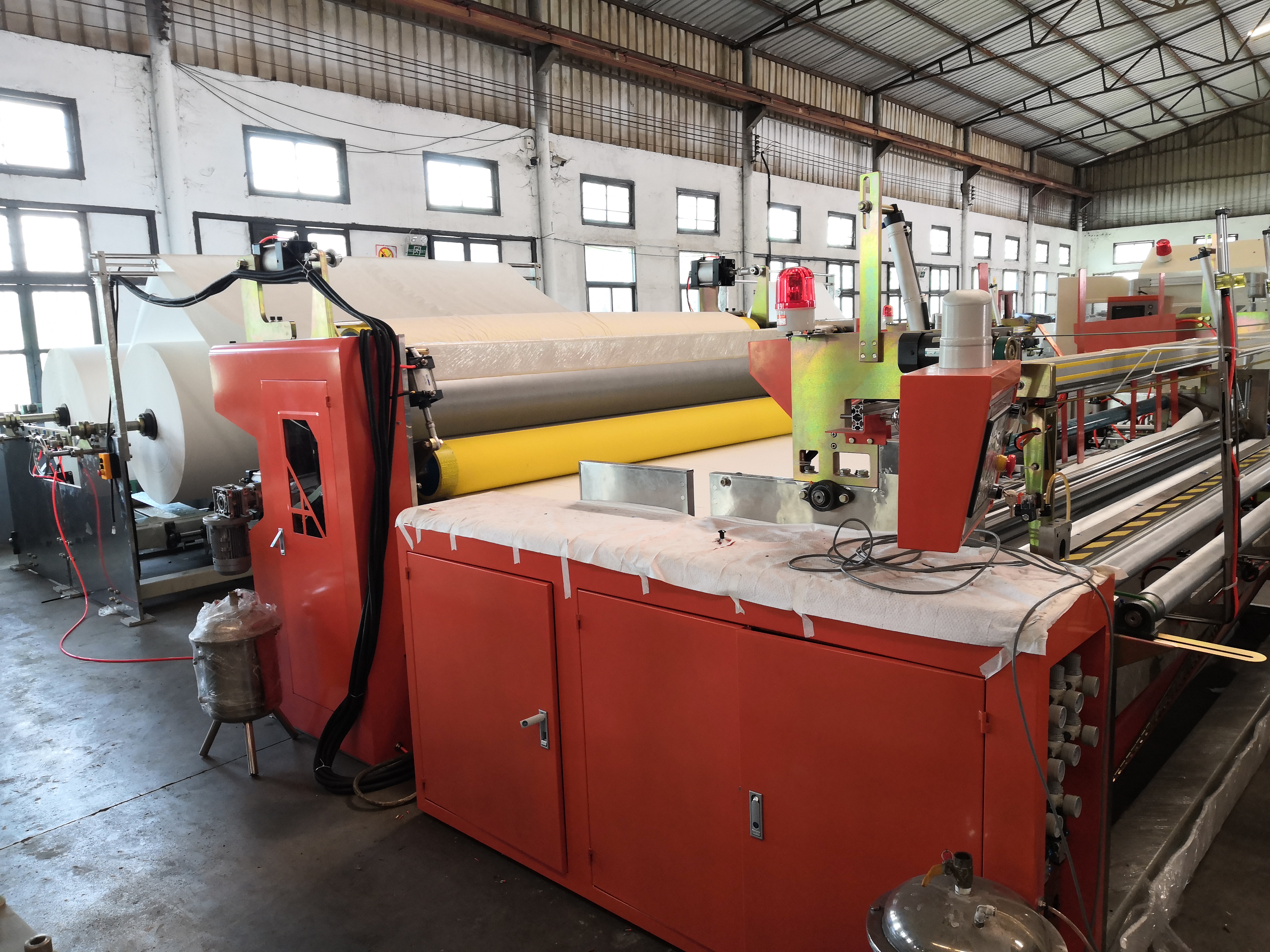
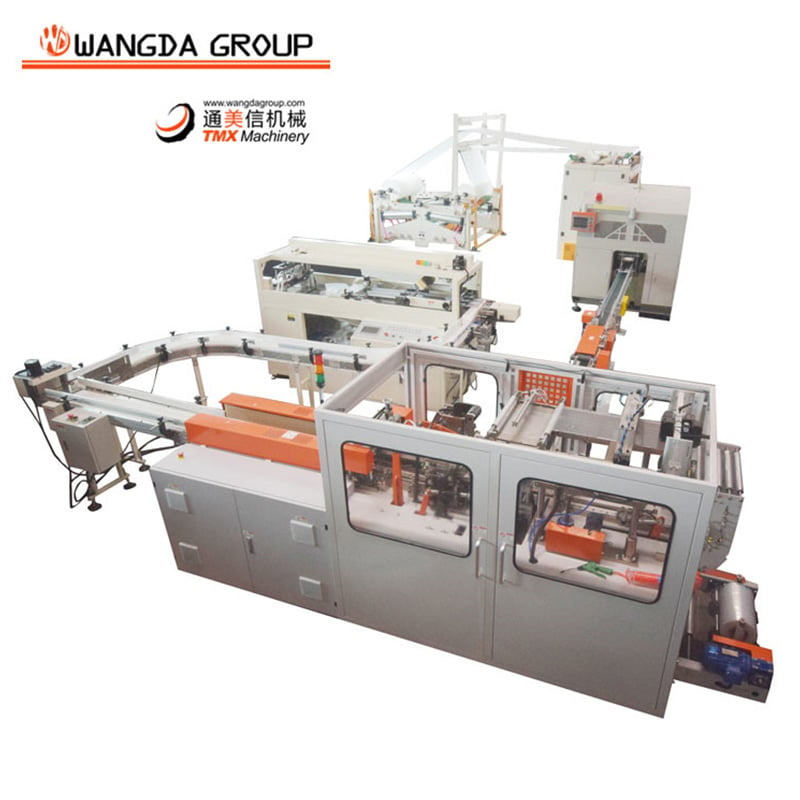
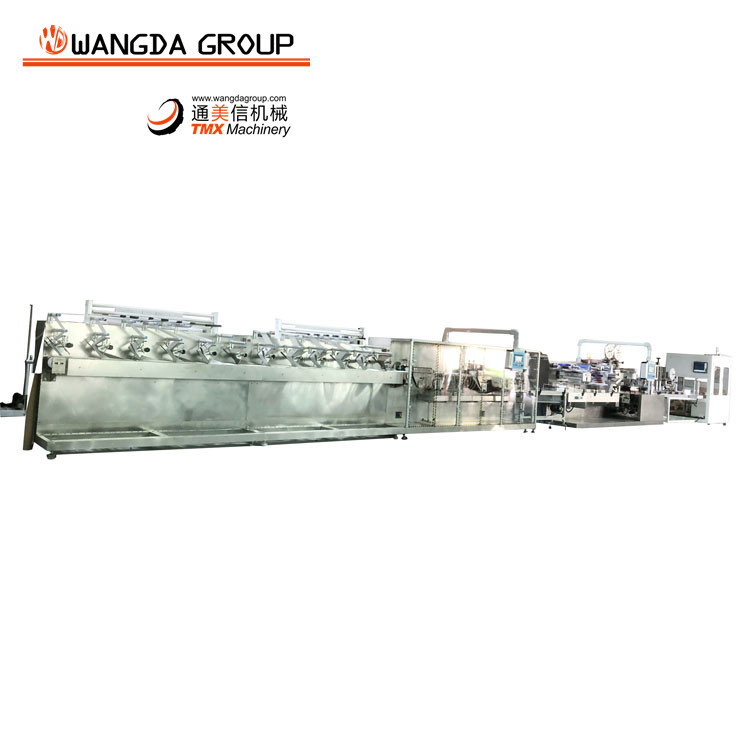
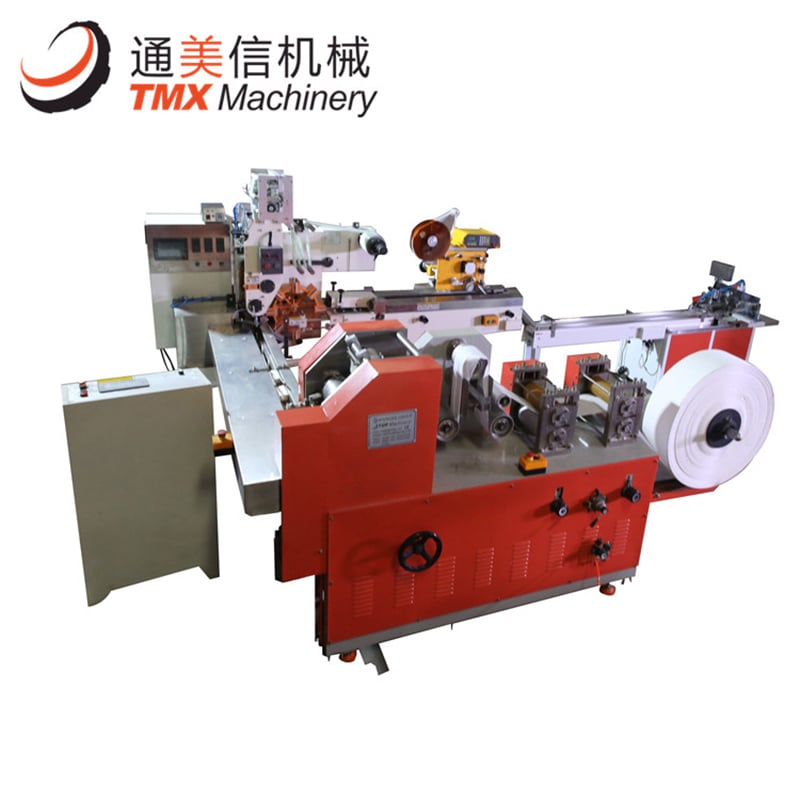
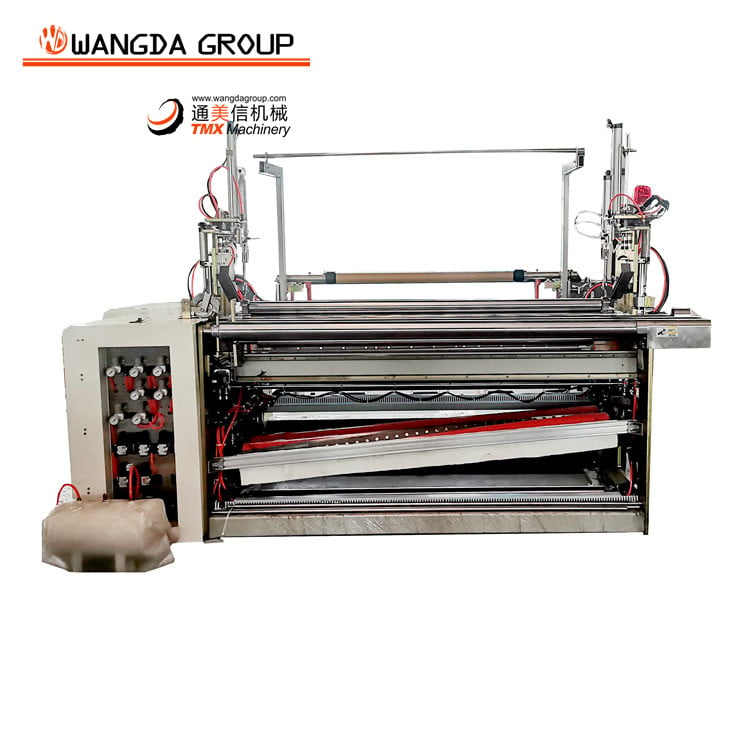
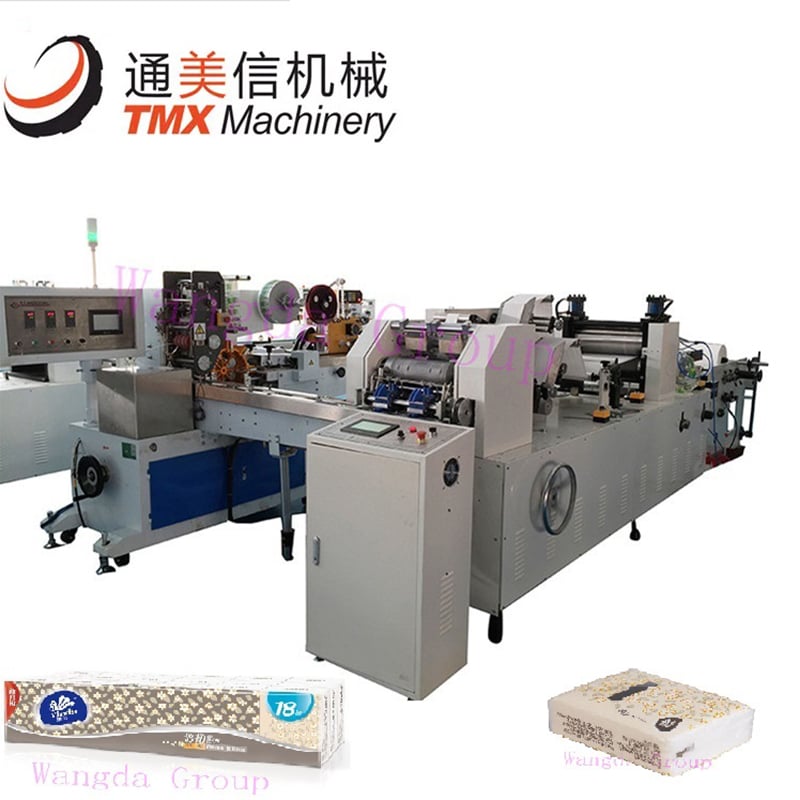
Toilet paper machines in Uganda are essential for meeting the growing demand for hygienic products in both commercial and residential sectors. As purchasing managers and distributors seek reliable sources for manufacturing equipment, understanding the specifications, common challenges, and installation requirements of these machines is crucial. This article will provide key insights into sourcing toilet paper machines, ensuring buyers are well-informed before making purchasing decisions.
When selecting a toilet paper machine, buyers should focus on several key specifications to ensure optimal performance and compatibility with their production needs.
Production Capacity: Determine the machine’s output in terms of rolls per hour, which should align with your projected demand. A higher capacity often leads to better efficiency but requires a more significant investment.
Material Compatibility: The machine must accommodate the specific types of paper used in production, such as recycled or virgin pulp. Understanding the material requirements ensures that the final product meets quality standards.
Automation Level: Full-servo production lines offer increased precision and reduced labor costs, while semi-automatic machines may be less expensive but require more manual intervention. Assess your operational capabilities and workforce availability to choose the right level of automation.
Machine Dimensions and Space Requirements: Ensure that the machine fits within the allocated space in your facility. Consider not only the footprint but also the height and clearance needed for operation and maintenance.
Power Consumption: Evaluate the energy efficiency of the machine. Lower power consumption can lead to significant cost savings over time, making it a vital aspect for long-term operational budgeting.
Certifications: Look for machines with relevant industry certifications that assure quality and safety standards, particularly for export markets.
By focusing on these specifications, buyers can ensure they select a tissue paper manufacturing machine that meets their production needs while adhering to safety and quality standards.
Sourcing reliable suppliers of toilet paper machines in Uganda involves thorough research and due diligence. Here are some effective strategies:
Industry Trade Shows and Expos: Attend manufacturing and machinery expos to connect with suppliers. These events provide opportunities to see machines in action, ask questions, and build relationships with manufacturers.
Online Marketplaces: Platforms like Alibaba or TradeIndia can connect buyers with global suppliers. However, it’s essential to verify the credibility of suppliers through reviews, ratings, and direct communication.
Local Distributors: Establish partnerships with local distributors who specialize in industrial machinery. toilet tissue making machine often have established relationships with manufacturers and can provide valuable insights into the best options available in the market.
Professional Networks: Engage in industry forums or LinkedIn groups where professionals share supplier recommendations and experiences. Networking can lead to trustworthy supplier connections.
Manufacturer Websites: Research manufacturers like Wangda Industrial Co., Limited, which specialize in toilet paper machines and have a history of exporting globally. Their websites often provide detailed product specifications and contact information for inquiries.
By employing these strategies, purchasing managers can identify and evaluate potential suppliers more effectively, ensuring they choose a reliable partner for their production needs.

Toilet paper machines, like any complex machinery, may encounter operational issues. Understanding common problems and their solutions can help prevent production downtime.
Paper Jamming: This is often caused by improper alignment or the use of low-quality raw materials. Regular maintenance, including checking alignment and using certified paper rolls, can minimize this issue.
Inconsistent Roll Quality: Variations in roll quality can result from fluctuations in machine settings or paper thickness. Implementing strict quality control measures during production and regular calibration of machine settings can help ensure uniformity.
Mechanical Failures: Over time, components may wear out, leading to breakdowns. Regular maintenance schedules and using high-quality parts for replacements can extend the machine's lifespan and reliability.
Electrical Issues: Unexpected power surges can damage electronic components. Investing in surge protectors and regular electrical inspections can safeguard against this problem.
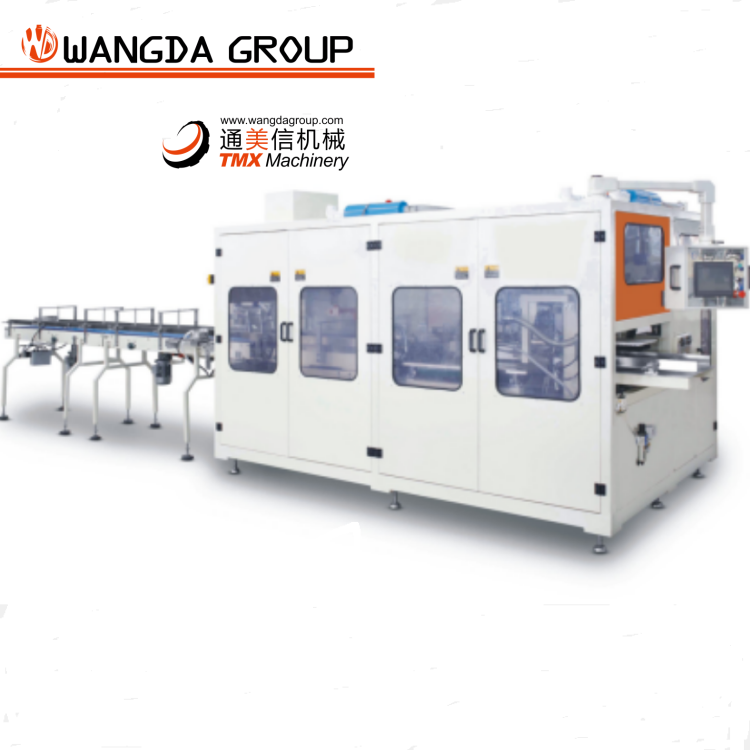
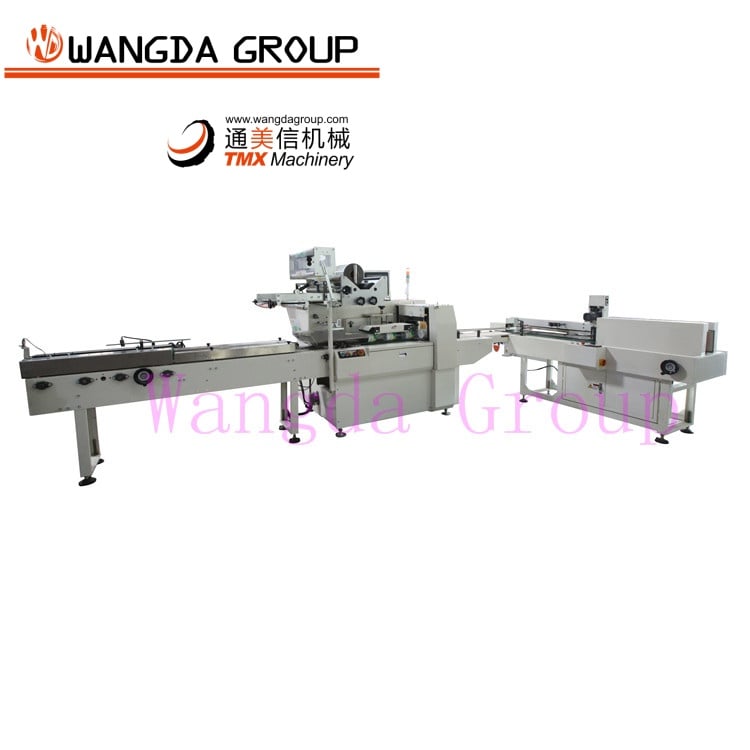
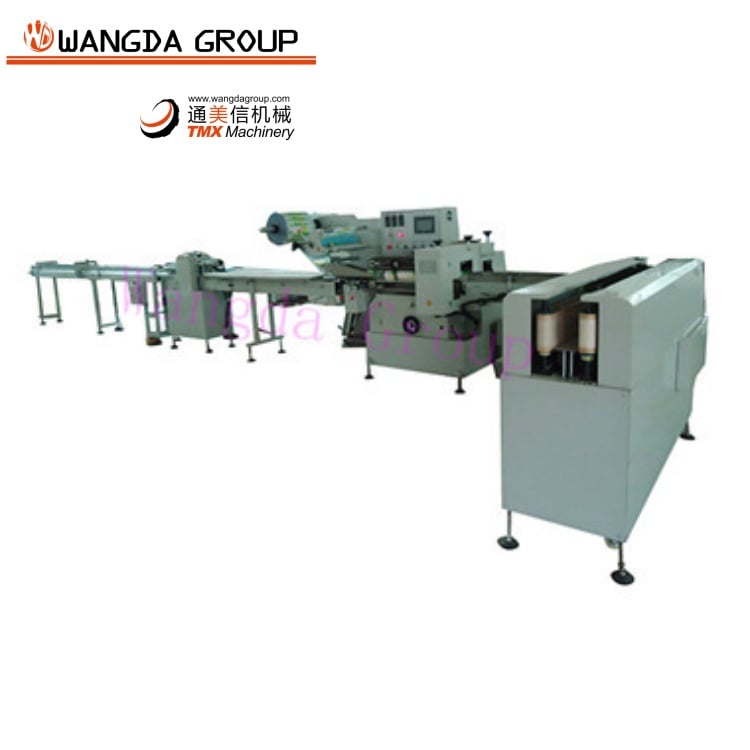
Poor Packaging: If the packaging process is not optimized, it can lead to product damage during transit. Ensuring that the packing machine is compatible with your toilet paper production line and regularly maintained can help mitigate this risk.
By proactively addressing these common issues, manufacturers can maintain efficient production lines and avoid costly interruptions.

When budgeting for toilet paper manufacturing equipment, several cost factors should be taken into account:
Initial Purchase Price: The upfront cost of the machine is significant, but it's essential to consider the total cost of ownership, including installation and setup.
Operational Costs: Assess the long-term operational expenses, including electricity, maintenance, and labor. Machines with lower power consumption may have higher initial costs but can lead to substantial savings over time.
Raw Material Costs: Fluctuations in raw material prices can impact production costs. Consider suppliers and the types of paper you plan to use, as this will affect your overall budget.
Customization Costs: If you require specific features or modifications, be prepared for potential additional costs. Discuss customization options with suppliers upfront to understand how this may affect pricing.
Shipping and Import Duties: For international purchases, factor in shipping costs, customs duties, and taxes when evaluating the total investment.
By carefully analyzing these cost factors, buyers can develop a realistic budget and make informed purchasing decisions.
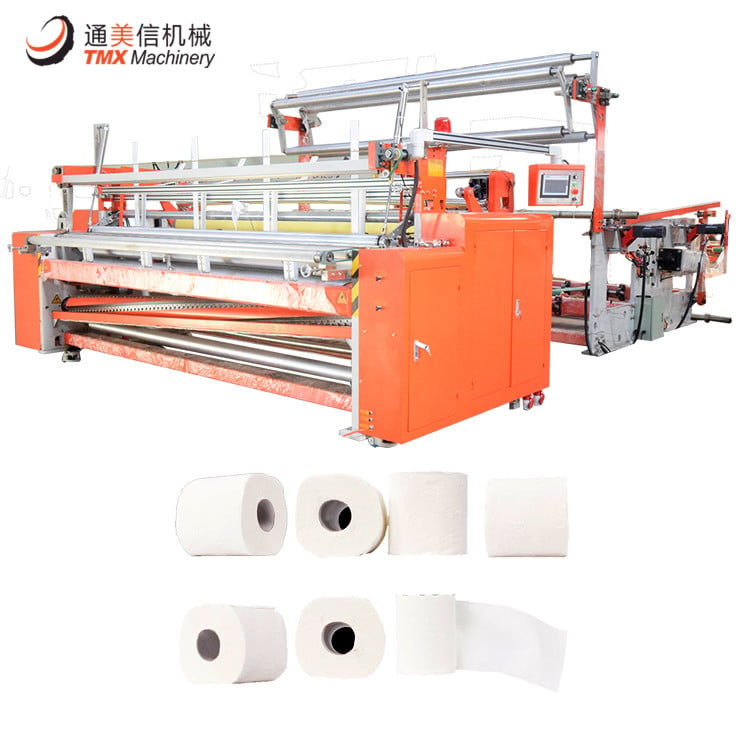
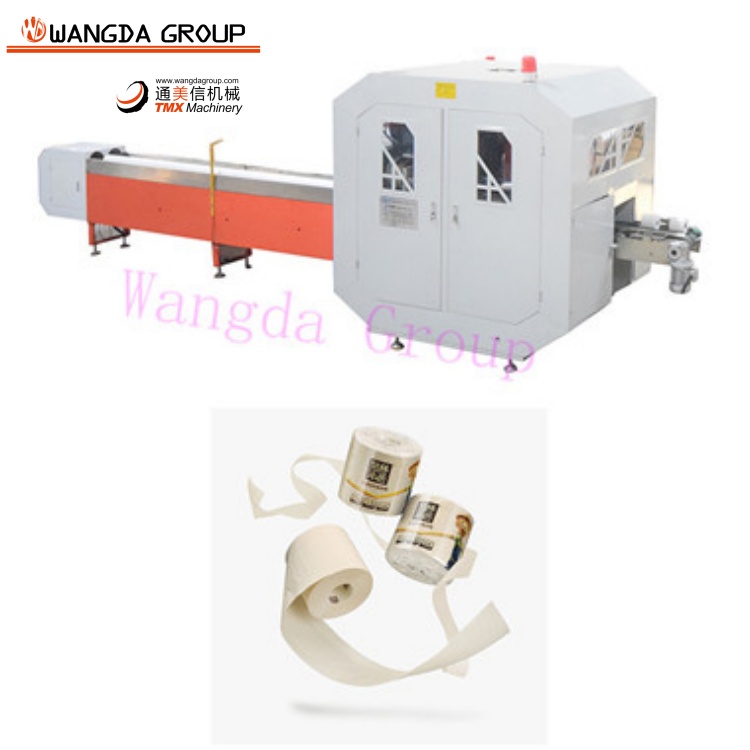
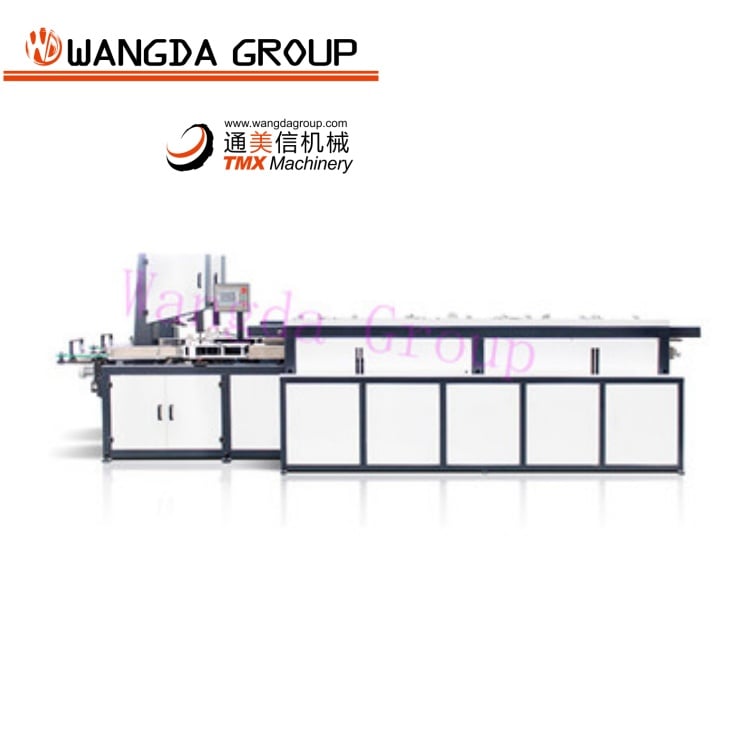
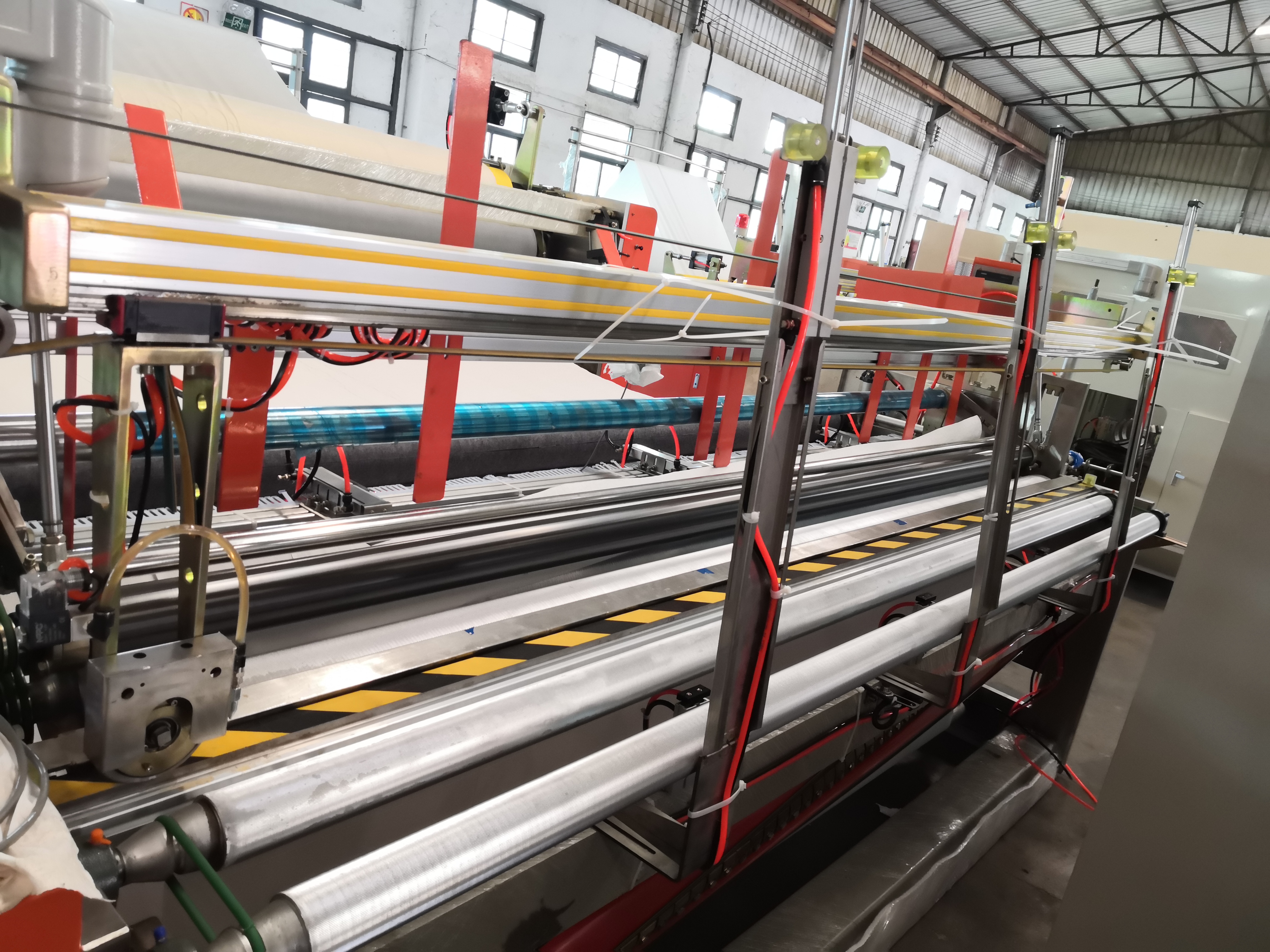
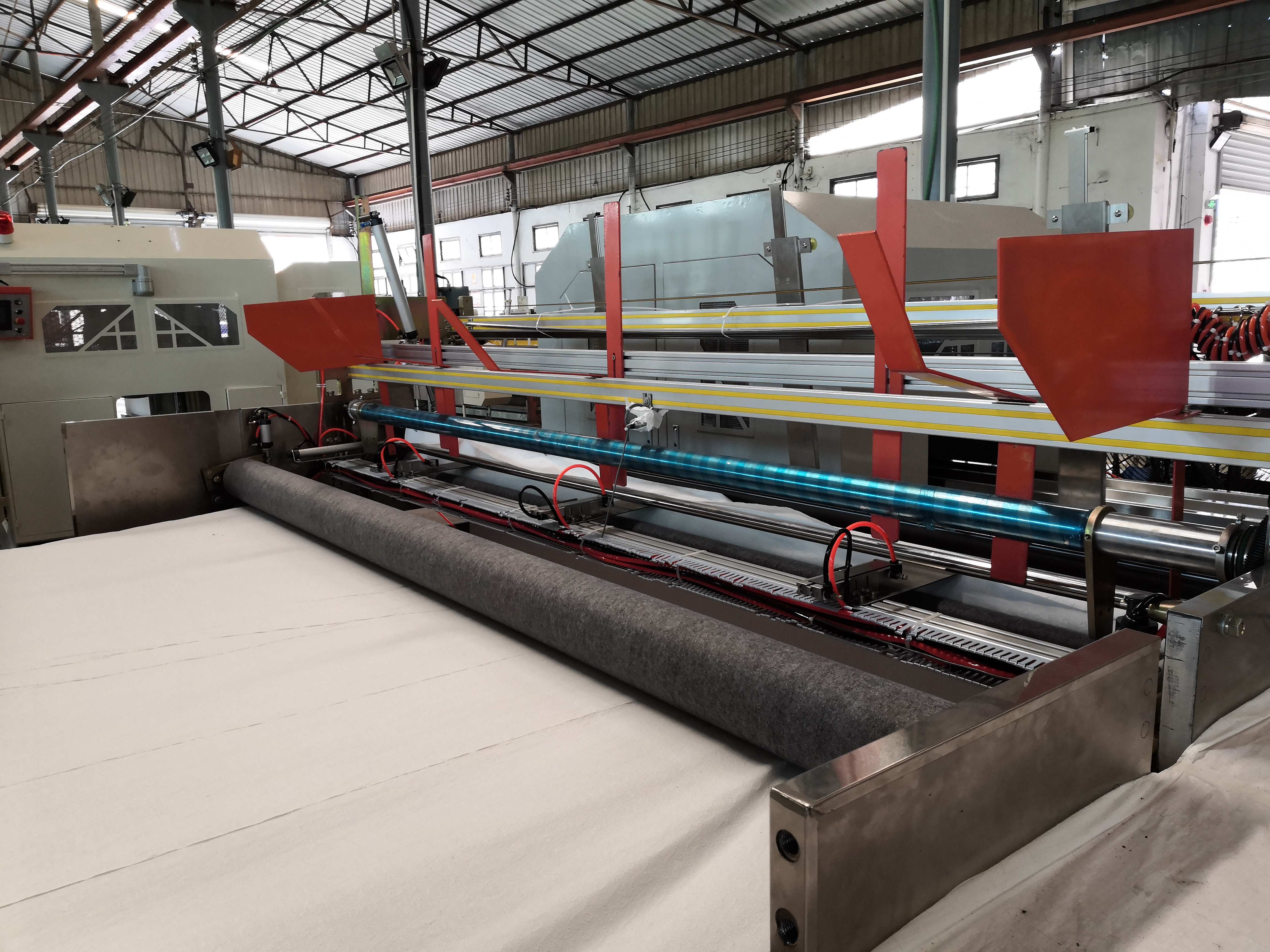
Wangda produces toilet tissue machines (including cutting and packing) kitchen towels machines (including cutting and packing) facial tissue machines (including cutting and packing) bags of Toilet tissue machine facial tissue machines. We also make maxi roll rewinding devices as well as perforating machines.
Wangda has more than 20 years of experience manufacturing tissue machines. We pay attention to the quality of machines, their function as well as pre and post sales service. We've sold machines to over 100 countries. This has resulted in numerous orders and good feedback from our customers. Our R and D department is a part of Wangda. We have our own R and D departments. Our machines are constantly upgraded and are incorporating the latest technology of Germany, Japan, and Italy. They have received ISO9002, CE and BV certifications. We offer turnkey projects that span from Toilet paper machine that includes more than machines.
Tissue making machine has cooperated with different customers from both home and abroad. We have collaborated with major companies from GCC countries such as Fine Hygienic across different nations, Nesto Hypermarket, Top One and Two hygienic product producer B and G, Meghna Groups from Bangladesh. Outnet Group of African countries. And as well, there are huge European brand, American brands, Latin American brands with whom we have worked for a great long years. We have a number of sample factories in other countries that you can visit and see our products which is more comfortable. Also we invite you for a visit to our factory and experience our products right in person. We welcome your enquiry at any time, hope to start our mutual benefit story right away.
Toilet paper making machine has a very experienced with a long-standing sales team as well as an after-sales staff, 80% of the team has worked for more than 10 years in our business in this hygienic product industry. Our team members have a lot of experience working with daily-use paper tissue machines, related packing machines and so on hygienic product machines We are experts in a range of information in this area, we know what our clients need, and worry about the things that make they are concerned about. We don't only sell machines to our customers, we also assist our customers to make profit from this hygienic business, to provide the lifelong after-sales service to our customers on time.
Proper installation of toilet paper machines is critical for optimal performance and longevity. Here are guidelines to ensure a smooth setup:
Site Preparation: Before installation, ensure the site is clean and meets the necessary space and power requirements. Check for adequate ventilation and access for maintenance.
Professional Installation: Hire experienced technicians for the installation process. They should be familiar with the machine's specifications and capable of handling any technical challenges that may arise.
Calibration and Testing: After installation, conduct thorough testing to calibrate the machine settings. fully automatic toilet paper making machine includes adjusting the tension, speed, and cutting mechanisms to ensure the machine operates efficiently.
Training for Operators: Provide comprehensive training for machine operators. They should understand the machine's functions, maintenance requirements, and troubleshooting procedures.
Regular Maintenance Schedule: Establish a maintenance schedule to check components, lubricate moving parts, and ensure all systems are functioning correctly. This proactive approach can prevent unexpected breakdowns and extend the machine's lifespan.
By following these installation guidelines, manufacturers can achieve a seamless setup and maximize the efficiency of their toilet paper machines.