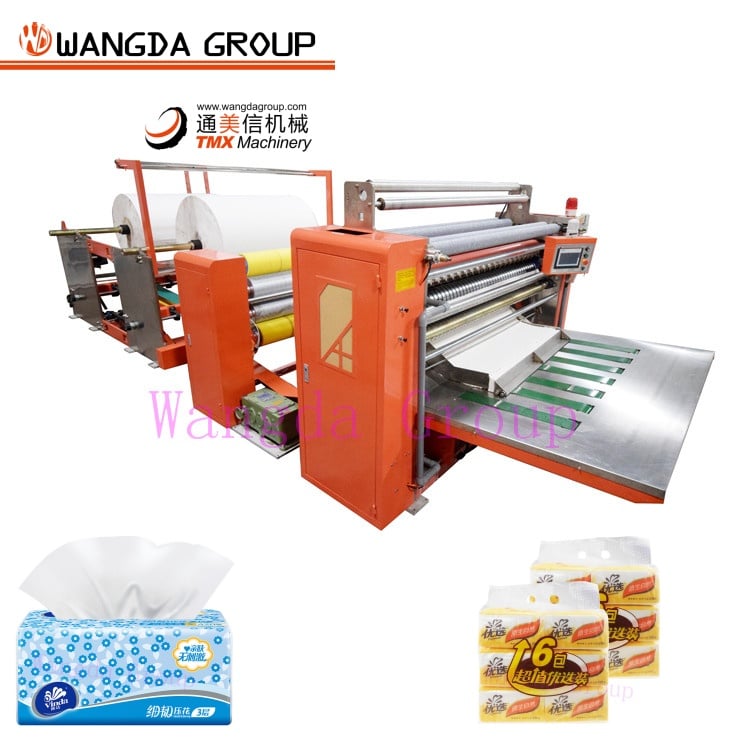
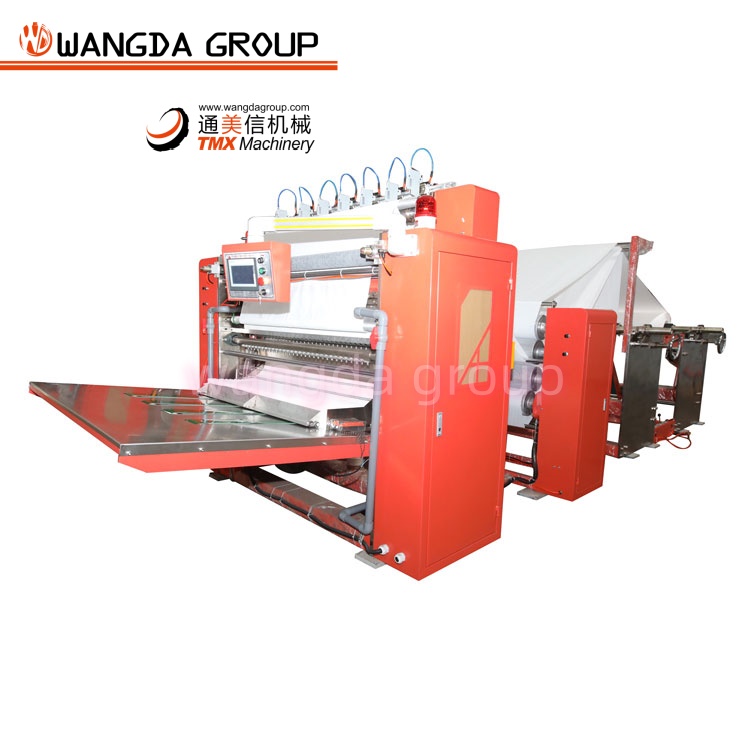
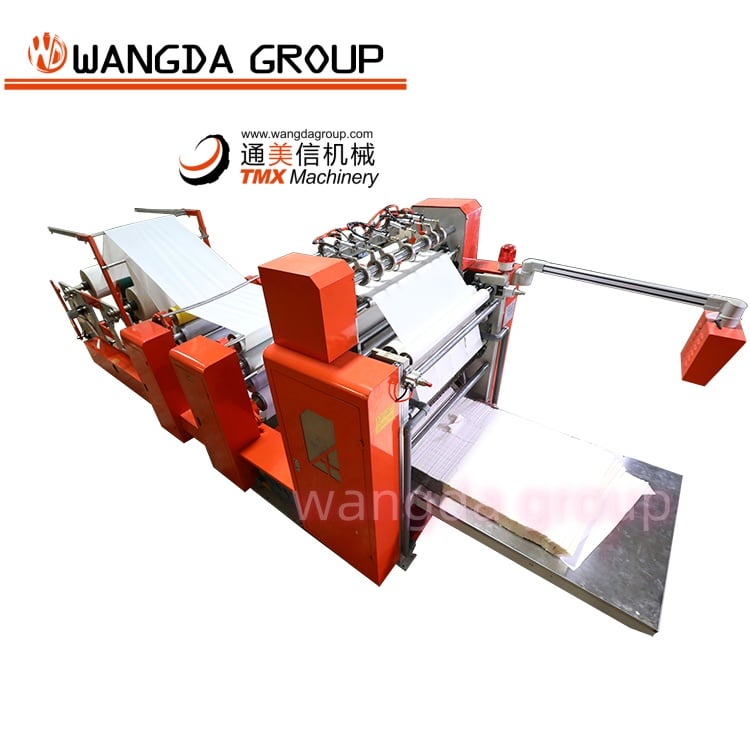
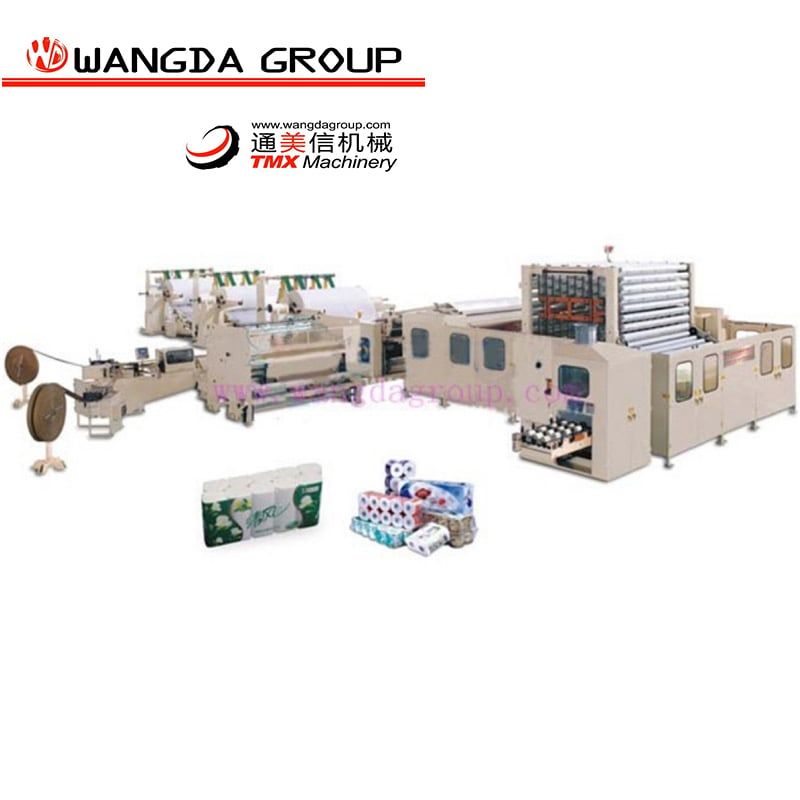
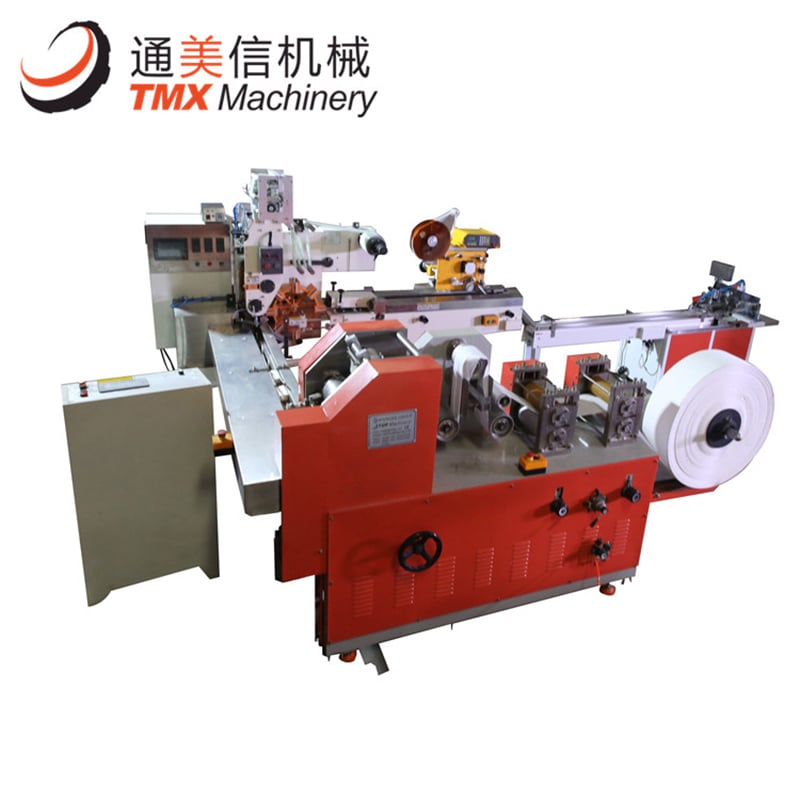
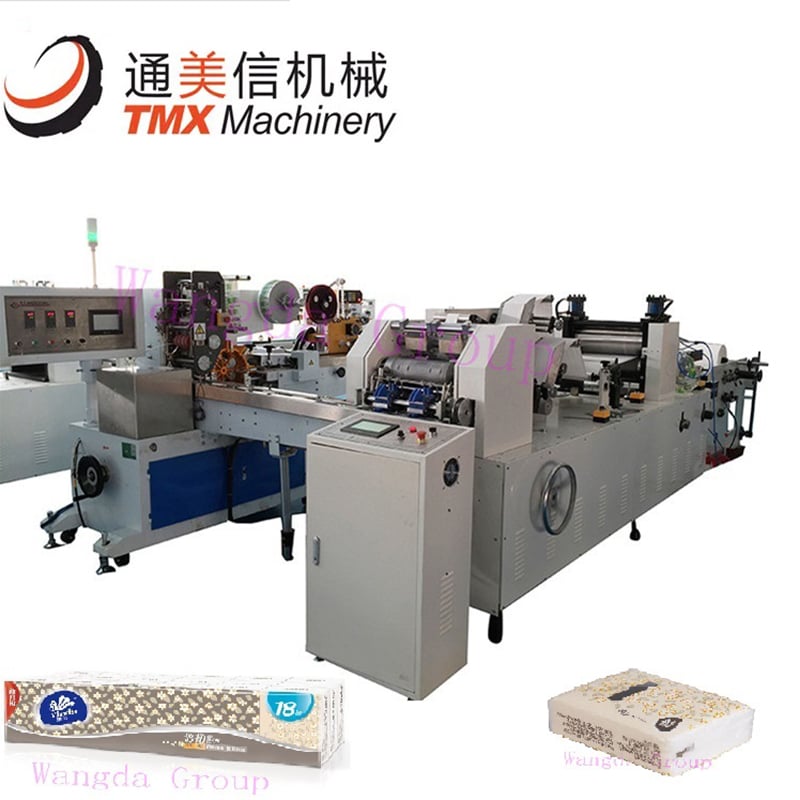
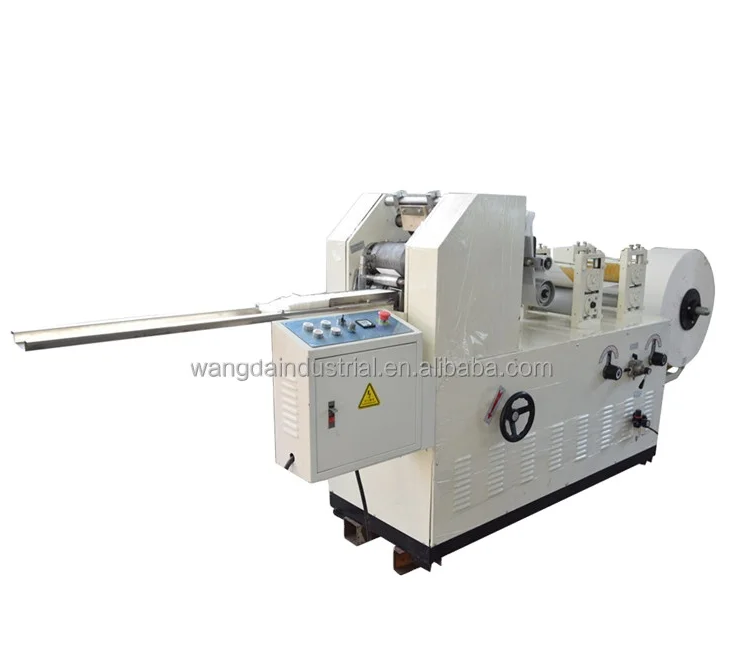
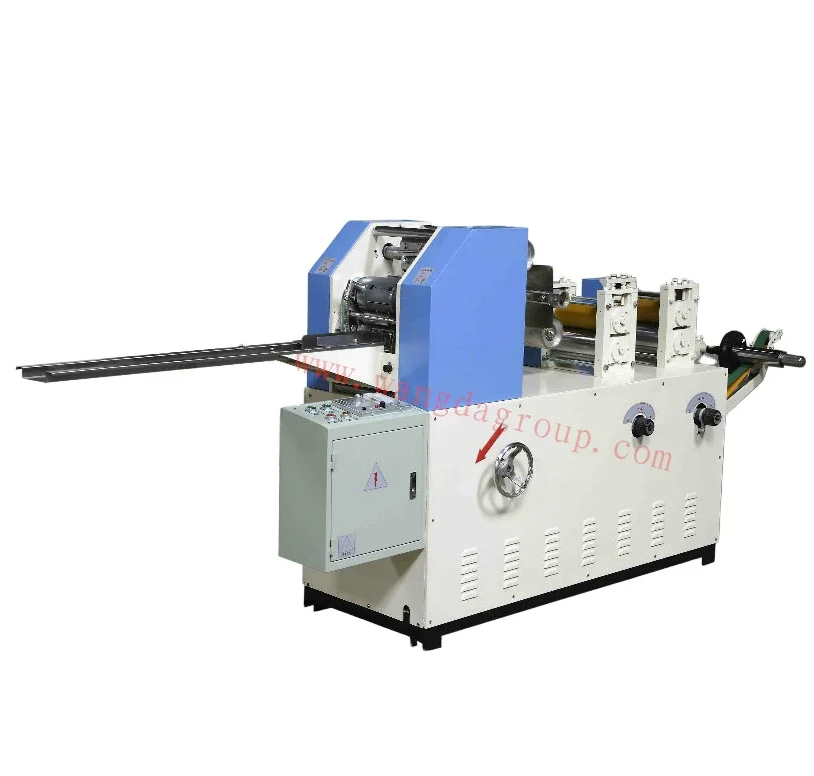
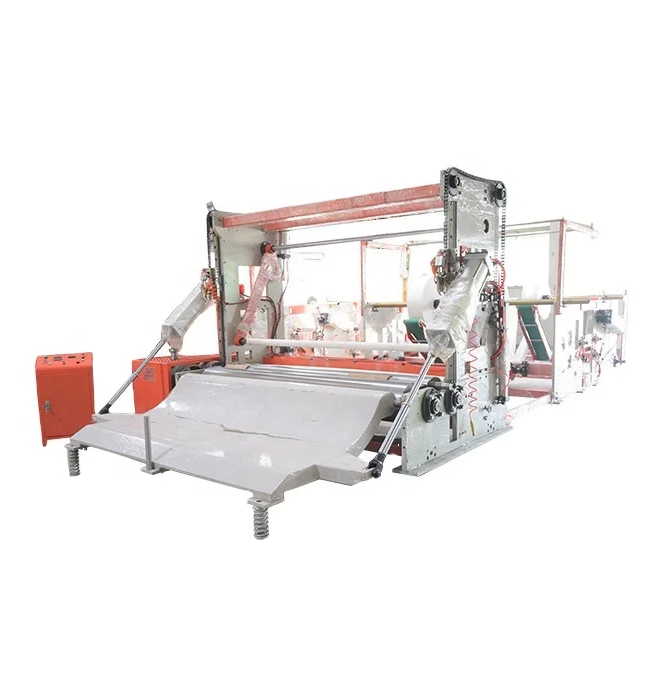
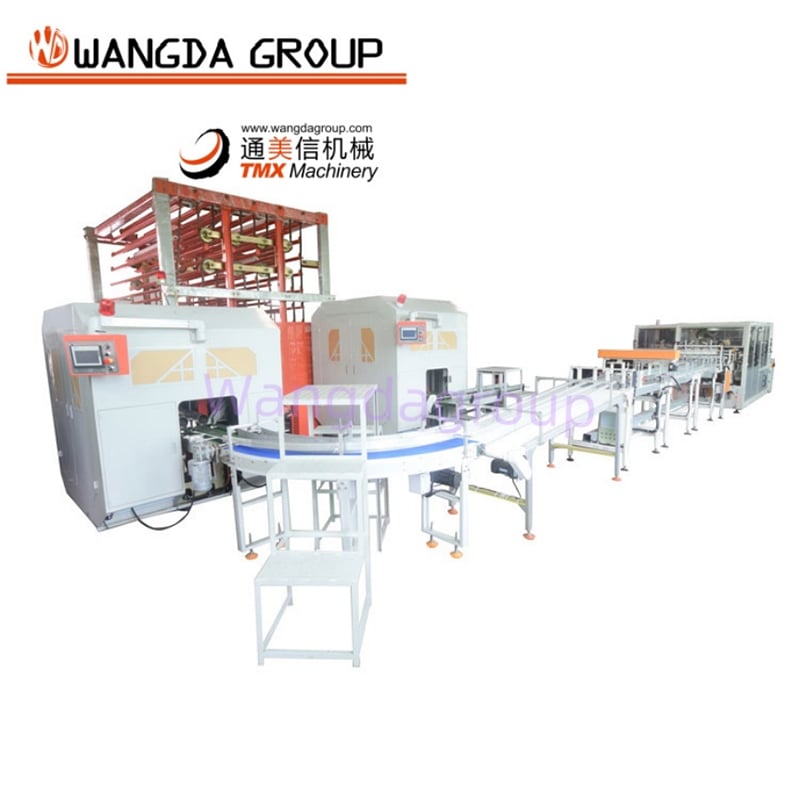
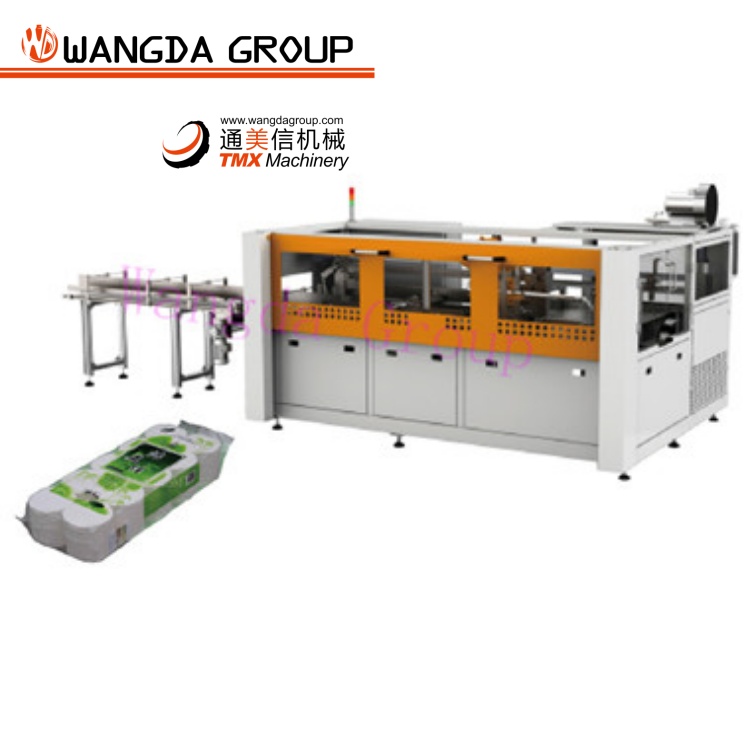
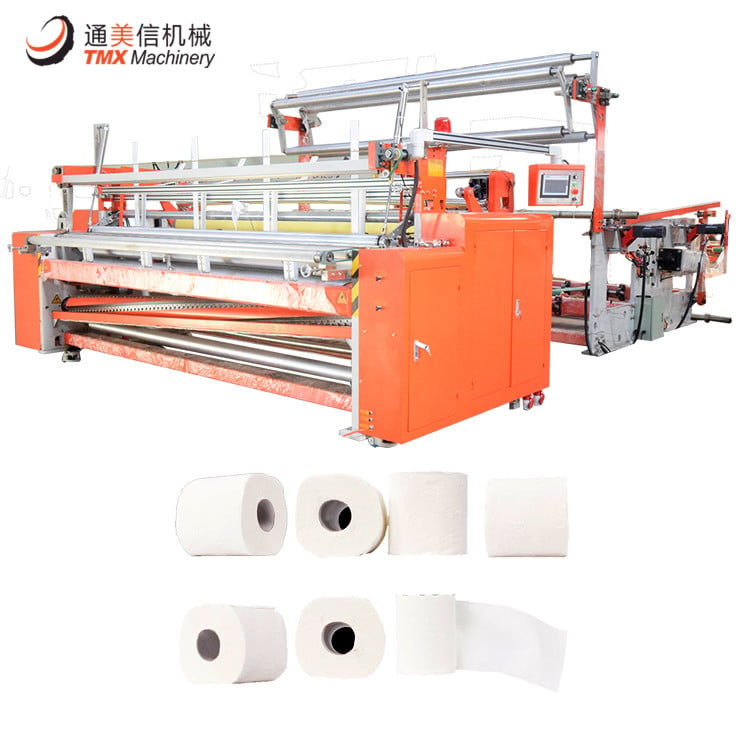
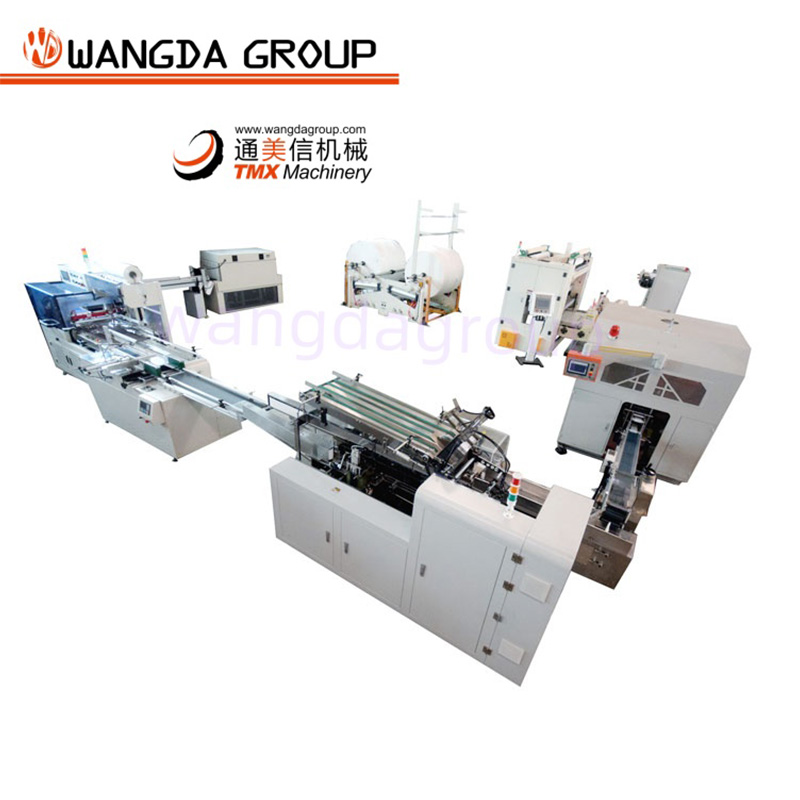
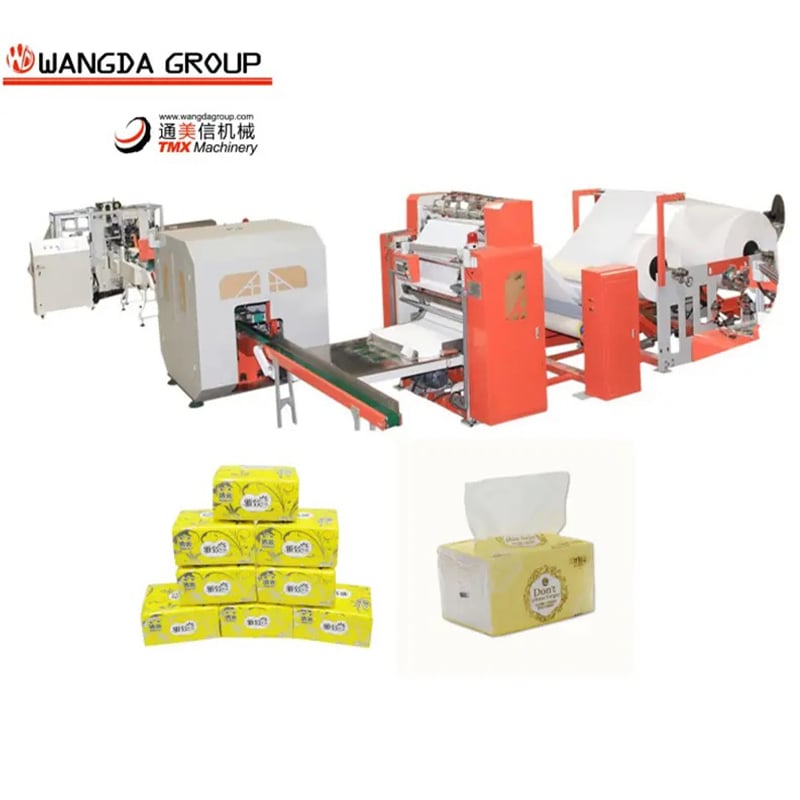
Tissue paper banane wali machine, or tissue paper making machines, are essential for producing various hygienic paper products such as napkins, facial tissues, handkerchiefs, and toilet paper. When considering a purchase of such machinery, potential buyers ranging from purchasing managers to engineers often focus on quality, specifications, and operational efficiency. This article aims to provide a comprehensive overview of key considerations for selecting the right tissue paper making machine to meet your production needs.
When selecting a tissue paper making machine, several factors come into play. Firstly, assess the production capacity required for your operations. Machines vary in output, so understanding your production volume helps ensure you choose a model that meets your needs without overstretching resources.
Next, consider the types of tissue products you plan to manufacture. Different machines are designed for specific products, such as facial tissues or toilet paper, and selecting the right one is crucial for achieving desired product quality. Additionally, look for machines that offer flexibility in production, enabling the manufacture of various types of tissue products without needing extensive modifications.
Another important consideration is the level of automation. A full-servo production line, for instance, can enhance efficiency and reduce labor costs by automating key processes. Evaluate your budget against the features offered by different machines, ensuring that you invest in a model that balances cost with functionality.

Quality evaluation of tissue paper production equipment involves several key steps. Firstly, inspect the machine's construction materials. High-quality steel and robust components contribute to durability and consistent performance. Look for machines that meet international quality standards and certifications, which indicate adherence to safety and efficiency benchmarks.
Additionally, assess the machine’s operational efficiency. This includes examining its energy consumption, waste generation, and maintenance requirements. Machines designed for lower energy use can significantly reduce operational costs over time. Moreover, inquire about the manufacturer's quality control processes, ensuring they maintain strict standards throughout the production of their machines.
It is also wise to request references or case studies from the manufacturer to verify the machine's performance in real-world applications. Speak with existing users to gain insights into their experiences with the equipment, including any common issues faced and the manufacturer's support in resolving them.

Key specifications to consider for tissue paper production lines include:
Production Speed: Measured in meters per minute, this indicates how fast the machine can produce tissue products. A higher speed often correlates with increased efficiency but may require more sophisticated technology.
Roll Width: The width of the tissue rolls produced should align with your packaging requirements. Ensure the tissue paper machines can accommodate the widths you plan to offer in your product line.
Basis Weight: This refers to the weight of the tissue paper per unit area, typically measured in grams per square meter (gsm). Different products will have varying basis weight requirements, so the machine should be capable of adjusting to these specifications.
Automation Features: As mentioned earlier, automation can significantly impact production efficiency. Features such as automatic roll changing, web guiding systems, and integrated packing solutions can streamline operations.
Customization Capabilities: If you plan to produce specialized products, ensure the machine can be customized to meet specific requirements, such as embossing or printing.
Understanding these specifications will help you make an informed decision that aligns with your production goals and market demands.

Various challenges can arise during tissue paper production, and being prepared can save time and resources. One common issue is machine jams, which often occur due to misalignment in the roll or insufficient tension. Regular maintenance checks and proper operator training can minimize these occurrences.
Another frequent problem is inconsistent product quality, which may stem from variations in raw materials or incorrect machine settings. Implementing a robust quality control process during production can help identify these discrepancies early, allowing for timely adjustments.
Additionally, excessive waste generation during production can impact profitability. Selecting a machine with efficient cutting and folding mechanisms can help reduce waste. Furthermore, using high-quality raw materials that are compatible with the machine's specifications can enhance production efficiency and product quality.
We've Toilet tissue machine with many clients both in the United States as well as abroad.
Wangda is a highly professional and knowledgeable sales staff and after-sales team, 80% of the team has been in Toilet roll manufacturing machine for more than 10 years in our company in this hygiene-conscious product industry. Our team has a wealth of experience in the daily use of paper tissue machines, related packing machines and many other Hygienic products machines We have a wide range of professional expertise in this field, we are aware of what our customers wants, we worry about what our customers worry about. We not just sell the machines to our clients, but we help our customers earn money through this business of hygienic products, to provide the lifelong after-sale services to our customers at the right time.
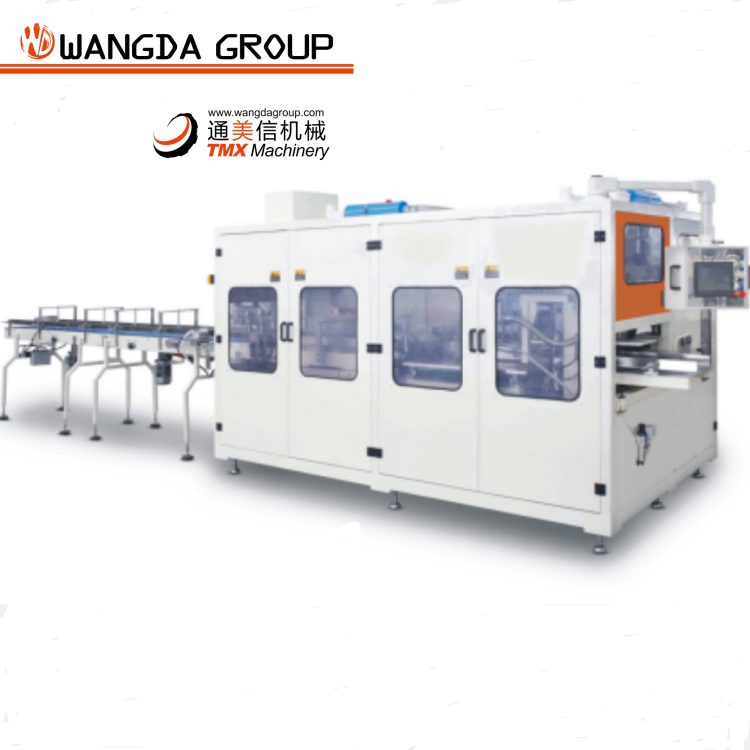
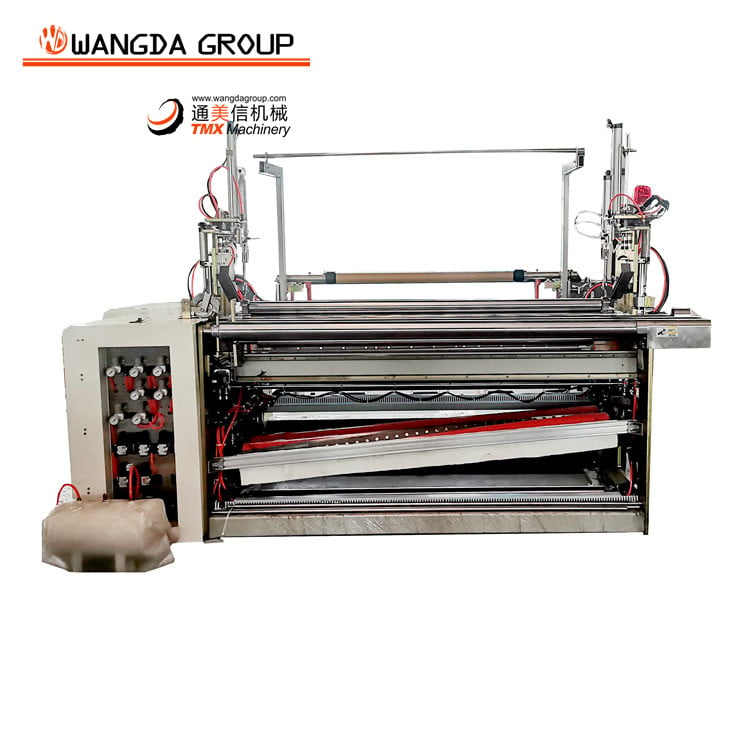
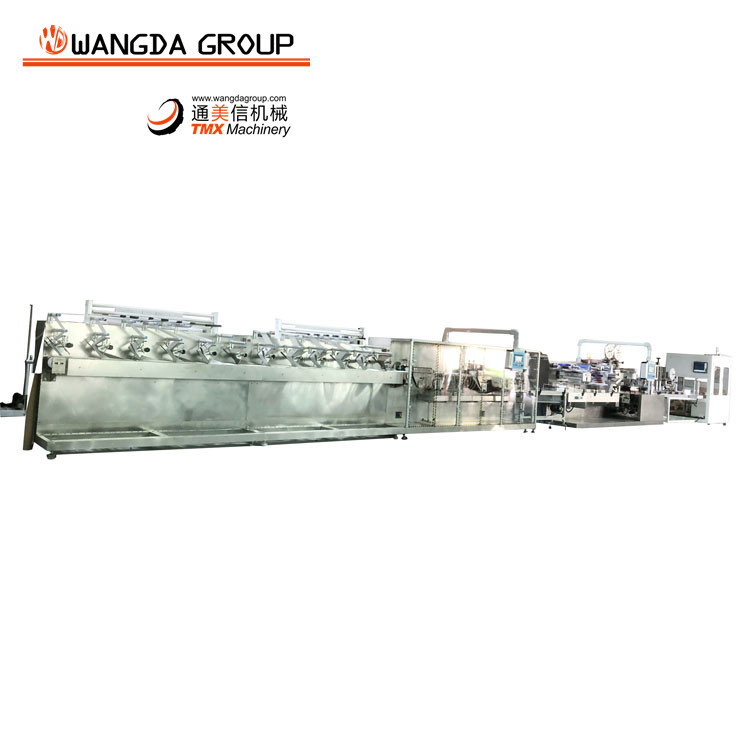
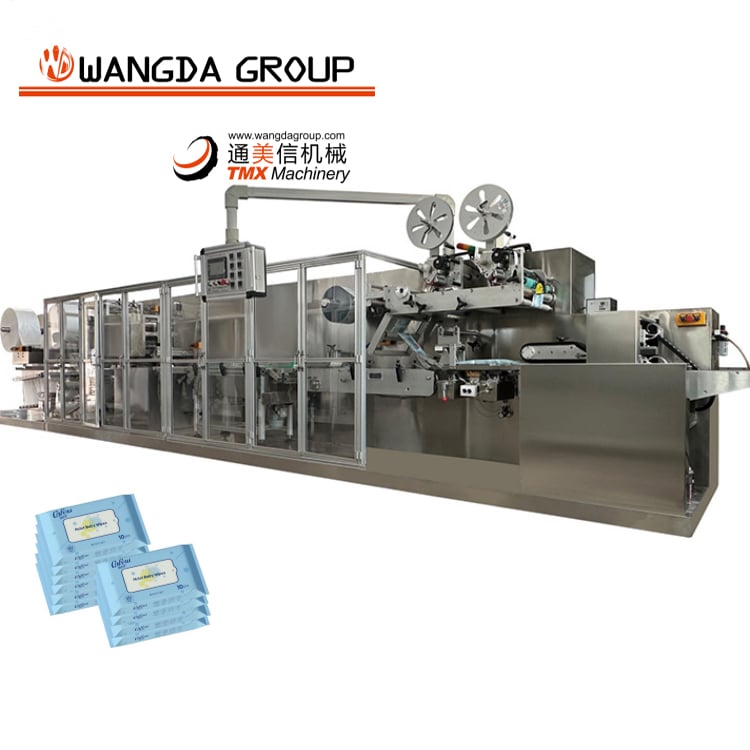
Wangda manufactures Toilet roll manufacturing machine tissue machines (including cutting and packing), kitchen towels machines (including cutting and packing), facial tissue machines (including cutting and packing) bags of nylon facial tissues machines. We also manufacture maxi roll rewinding equipment as well as perforating machines.
Wangda has over Toilet paper manufacturing machine of of experience in the production of various tissue machines. We pay much attention to the equipment's functions and quality as well as additionally, we provide after-sales and pre-sales services. We supply self machines to more than 100 countries and regions that get positive feedback from clients and repeat orders. Wangda has its own R and D departments. Our machines use the most advanced Germany Japanese, Japan and Italian technology and is constantly upgraded. Our machines have achieved ISO9002, CE, BV and many other certifications. What we supply is not only machines. What we supply is a complete turnkey solution from A to Z, we can accept customized orders for these machines.
Tissue paper machines play a vital role in the hygiene industry, producing a wide range of essential products. These machines are primarily used to manufacture:
Facial Tissues: Soft and absorbent, these tissues are used for personal hygiene and cosmetic purposes.
Napkin Paper: Commonly used in restaurants and households, napkin machines can produce various sizes and designs to cater to diverse customer preferences.
Toilet Paper: A staple product in hygiene, toilet paper machines require specific configurations to ensure smooth, efficient production.
Handkerchiefs: Often produced in various patterns and sizes, handkerchief tissue machines are designed to meet specific market demands.
The versatility of tissue paper machines allows manufacturers to respond swiftly to changing market needs, making them a valuable asset in the hygiene industry.
In summary, when investing in a tissue paper banane wali machine, understanding the various aspects of production, quality evaluation, and equipment specifications is crucial. By considering these factors, you can make an informed decision that enhances your production capabilities while meeting the needs of your customers effectively.