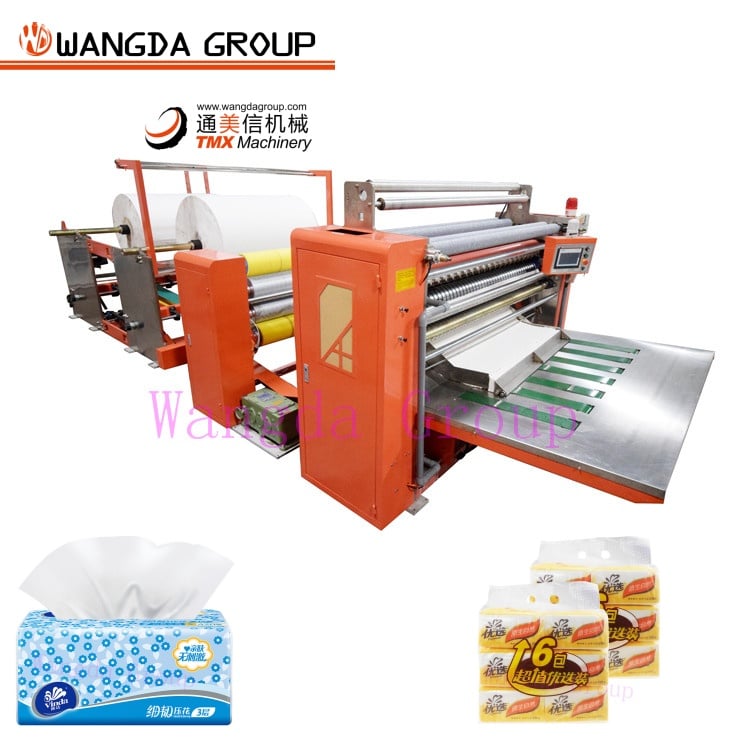
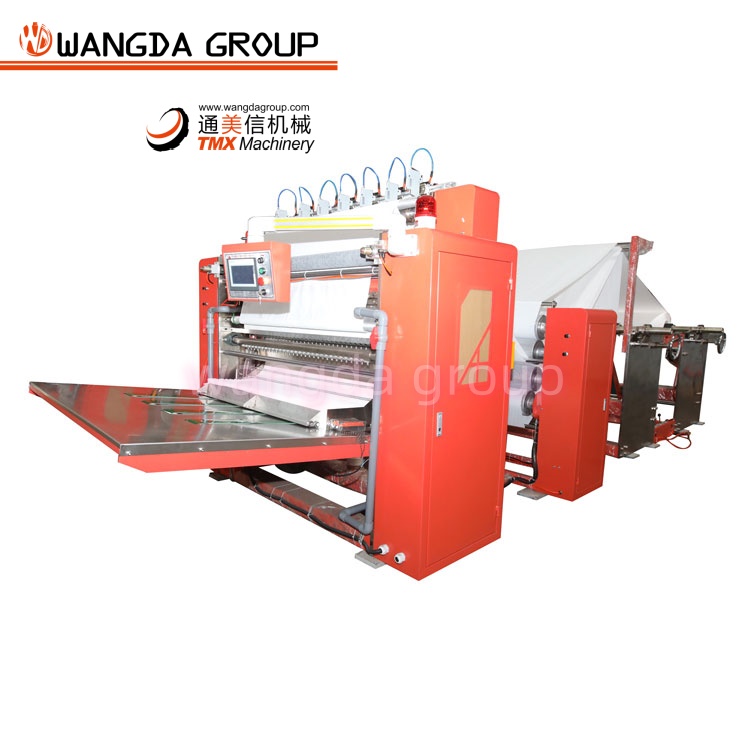
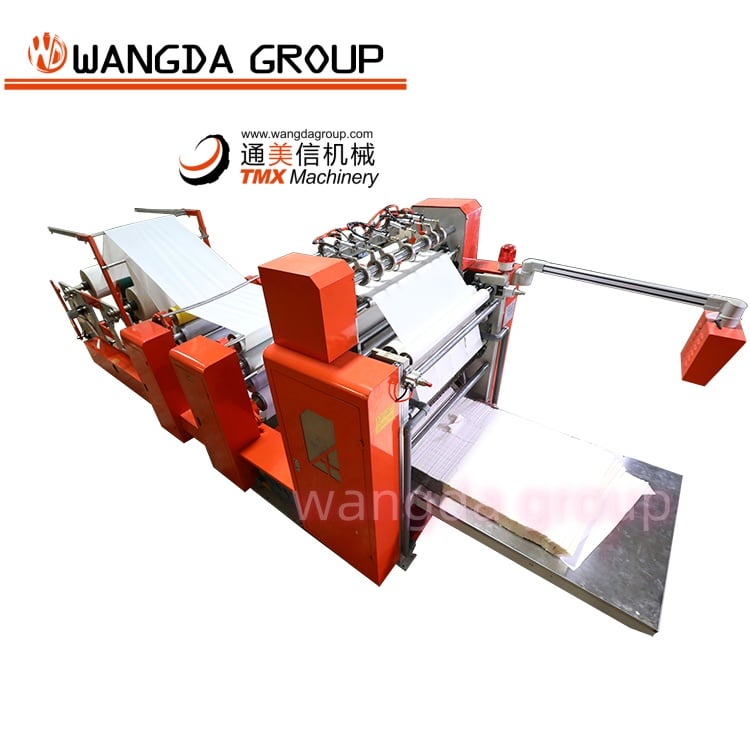
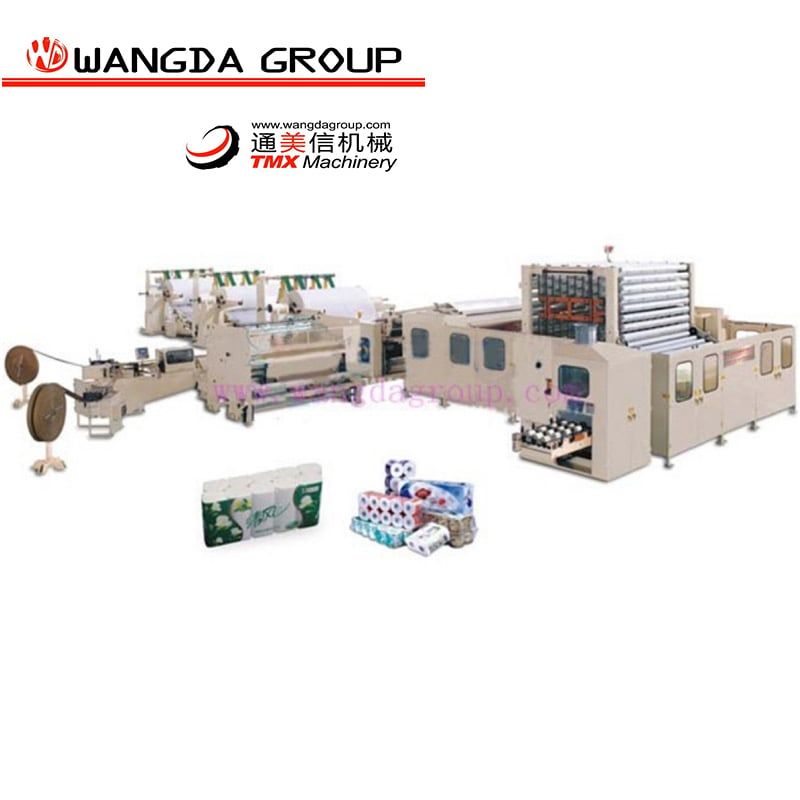
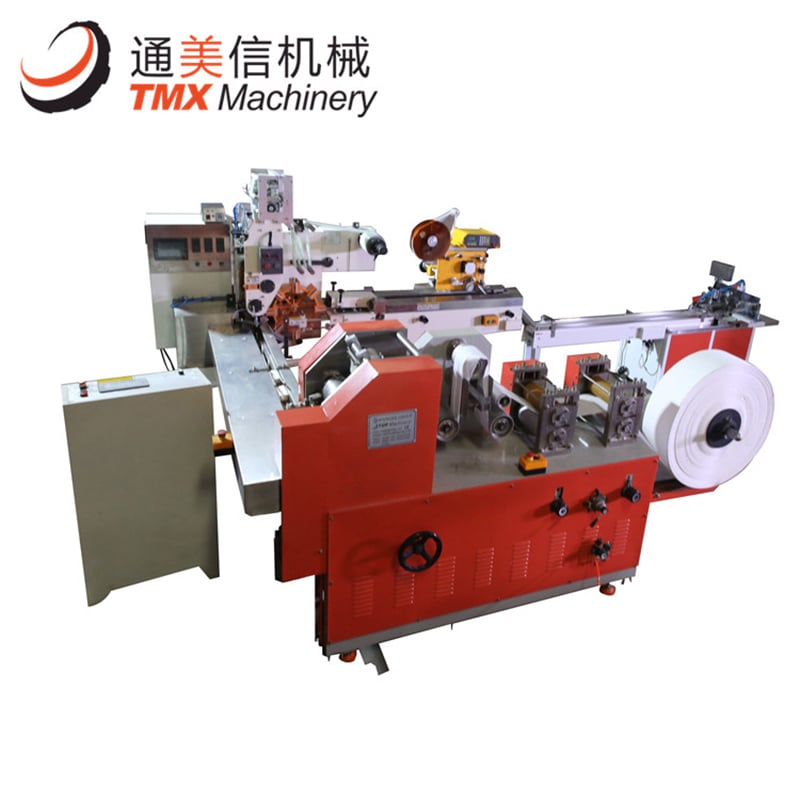
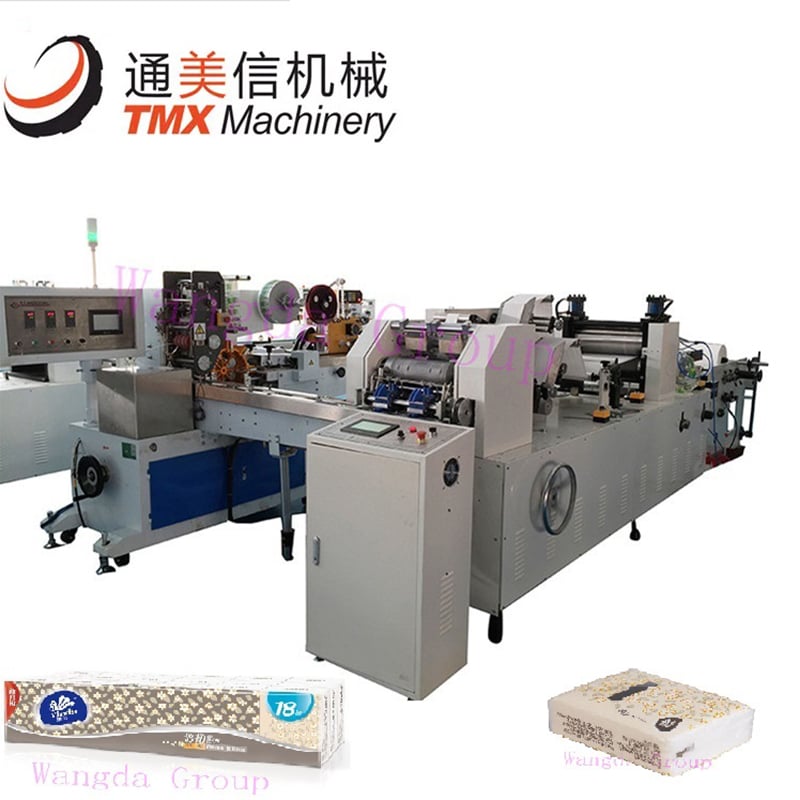
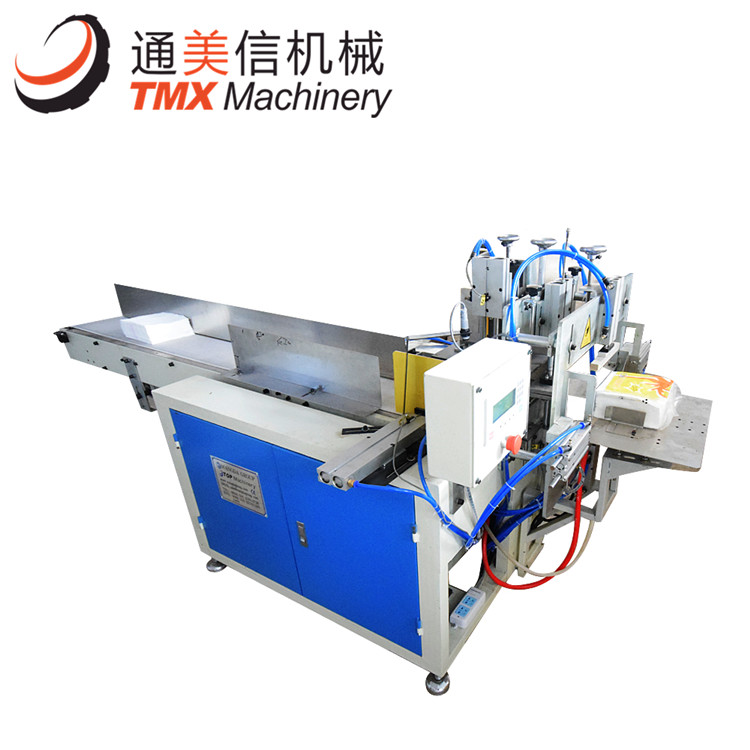
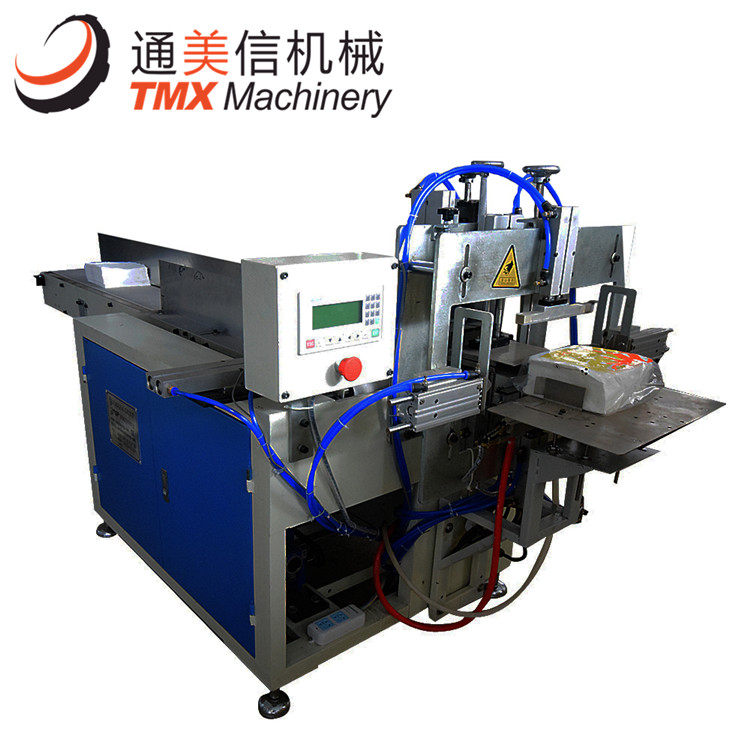
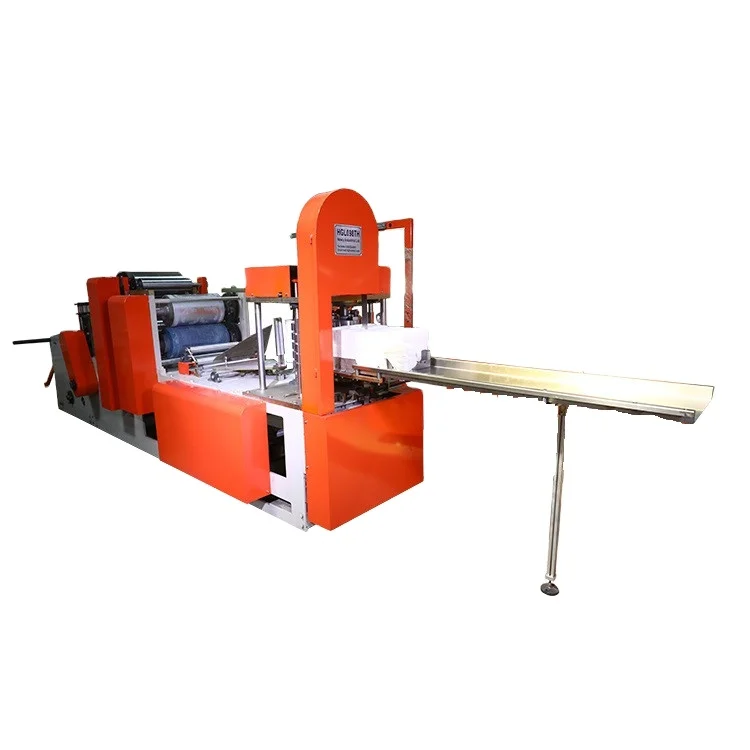
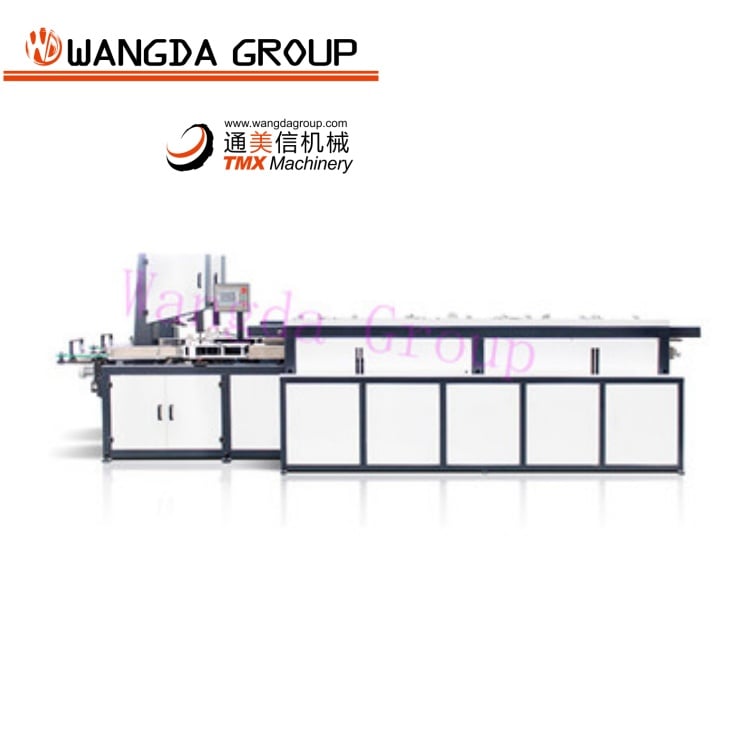
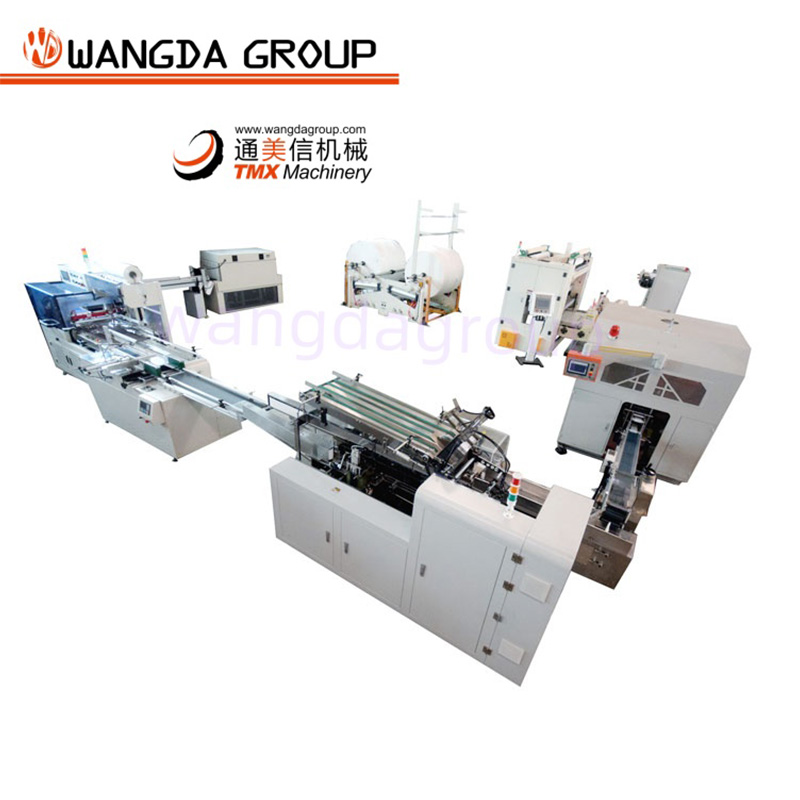
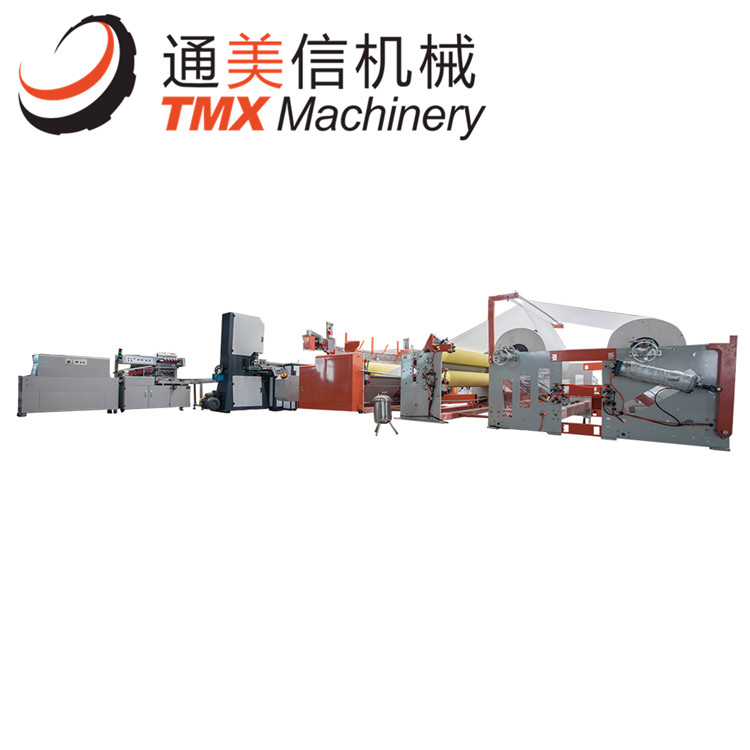
Tissue paper machines play a crucial role in the production of essential hygienic products such as napkins, facial tissues, handkerchiefs, and toilet paper. For B2B buyers, particularly those in manufacturing or distribution, understanding the intricacies of these machines is vital to making informed purchasing decisions. This article aims to address the key specifications, cost factors, sourcing tips, common manufacturing problems, and essential knowledge needed when considering an investment in tissue paper machines.
When sourcing tissue paper machines, several key specifications warrant careful consideration. First, the production capacity is crucial; it determines the volume of products that can be manufactured daily. Buyers should assess their demand forecasts to match the machine's output capabilities with expected sales. Next, consider the technical parameters such as machine speed, which is typically measured in meters per minute (m/min). Higher speeds can lead to increased efficiency, but buyers must ensure that the quality of the product is not compromised. Additionally, the type of paper produced (e.g., single-ply vs. multi-ply) will influence the design of the machine and its configuration. Material compatibility is another essential factor. Machines must be able to handle various raw materials, such as recycled paper, virgin pulp, or specialty papers. Buyers should confirm the tissue paper making machine specifications against the intended materials to avoid operational issues. Lastly, certifications and compliance with industry standards are critical. Machines that meet international quality and safety standards not only ensure product reliability but also facilitate smoother export processes to various markets, including those in the Middle East, Asia, Africa, and the Americas.
Investing in tissue paper machines involves multiple cost factors that go beyond the initial purchase price. Buyers should consider the total cost of ownership, which includes installation, maintenance, and operational costs. Installation can vary significantly based on the complexity of the machine and the facility's layout, impacting both time and expenses. Maintenance costs are often overlooked but are essential to factor in. Regular maintenance is necessary to ensure optimal performance and longevity of the machines. Buyers should inquire about the availability of spare parts and technical support from the manufacturer, as this can greatly affect maintenance costs over time. Operational costs are influenced by energy consumption and labor requirements. tissue paper manufacturing machine designed for efficiency can reduce energy bills, which is a significant ongoing expense. Furthermore, automation features, such as full-servo production lines, can minimize labor costs by reducing the number of operators needed for the production process. Lastly, buyers should also consider the potential return on investment (ROI). Understanding market demand, selling price, and production costs can help buyers evaluate the financial viability of their machine investment.

Finding reliable suppliers for tissue paper production lines is crucial for ensuring product quality and service support. Industry trade shows and exhibitions are excellent venues for meeting various manufacturers and suppliers. These events allow buyers to see machinery in action, ask questions, and gauge the credibility of suppliers firsthand. Additionally, online platforms and industry-specific directories can provide valuable leads. Buyers should look for suppliers with a proven track record and positive reviews from other B2B buyers. It's advisable to verify the tissue paper machine supplier’s experience, especially in the specific type of tissue machines needed, as each machine type can have distinct requirements. Networking within industry associations or online forums can also yield recommendations for reputable suppliers. Engaging with peers can provide insights into their experiences with different manufacturers, helping buyers make informed decisions. Lastly, always request references and case studies from potential suppliers. A reliable manufacturer should be willing to share success stories and testimonials from existing customers, which can serve as a benchmark for the supplier's capabilities and service quality.

Tissue paper manufacturing can present several challenges that buyers should be aware of. One common issue is the inconsistency in paper quality, which can arise from variations in raw materials or machine settings. To mitigate this, it's essential to implement robust quality control processes, including regular testing of raw materials and finished products. Another frequent problem is machine downtime due to maintenance or technical failures. Investing in high-quality machines, like those offered by Wangda Industrial Co., Limited, can reduce the frequency of breakdowns. Moreover, establishing a proactive maintenance schedule can help identify potential issues before they lead to significant downtime. Additionally, buyers may face challenges related to product packaging. Proper packaging is vital to prevent damage during transport and storage. Suppliers should offer packaging solutions that are compatible with the output of the machines. Customizing packaging to meet market demands can also enhance product appeal. Lastly, fluctuations in production demand can create challenges in production planning. Implementing a flexible production system that can quickly adapt to changes in demand can help manufacturers maintain efficiency and minimize costs.
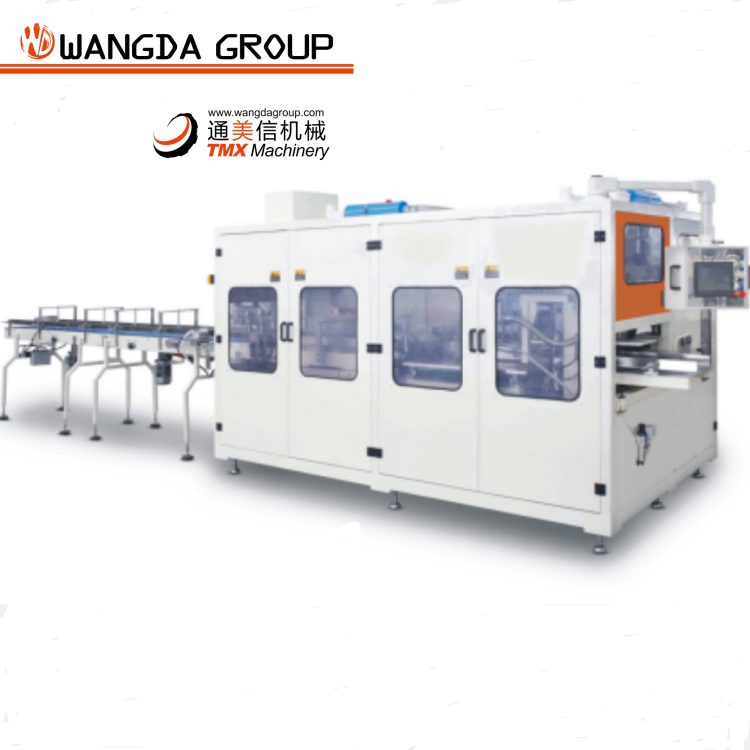
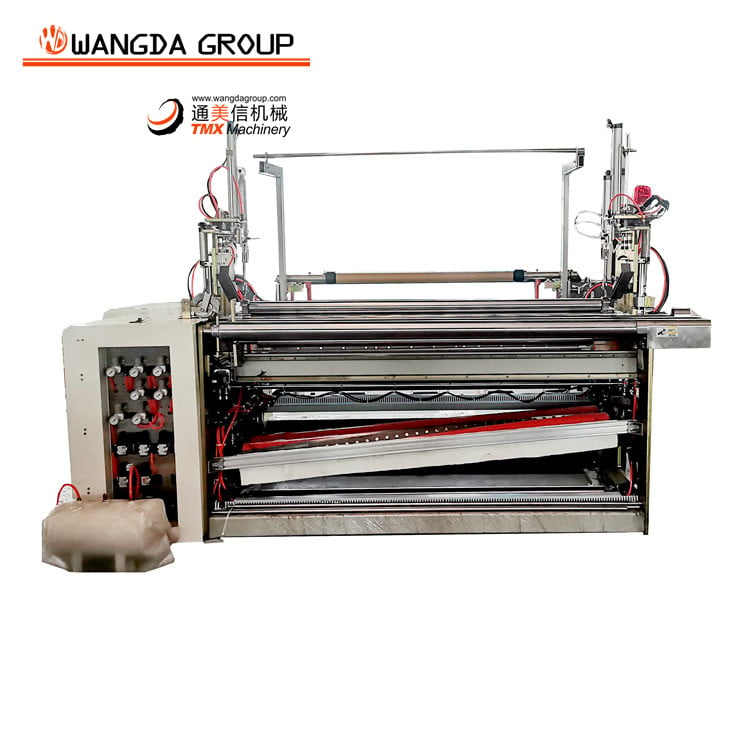
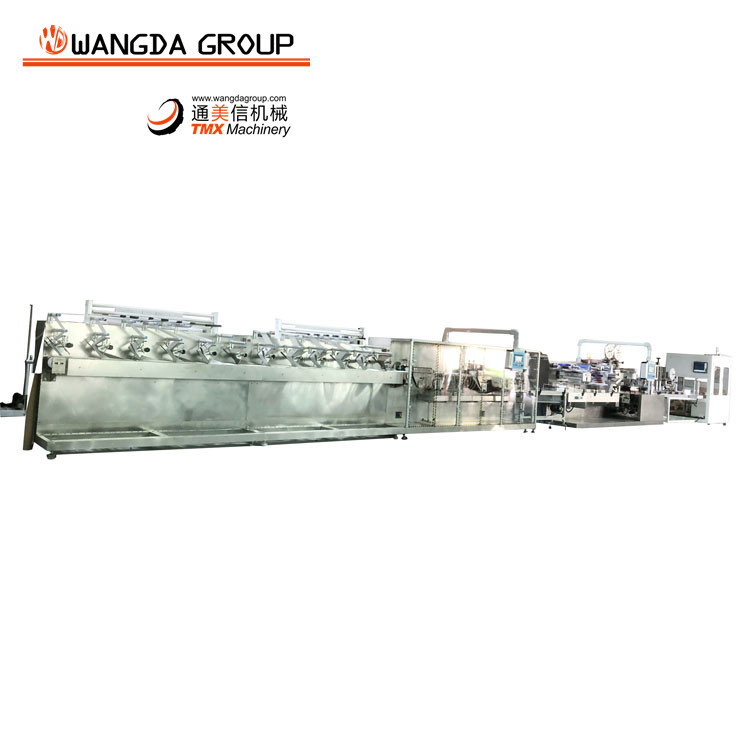
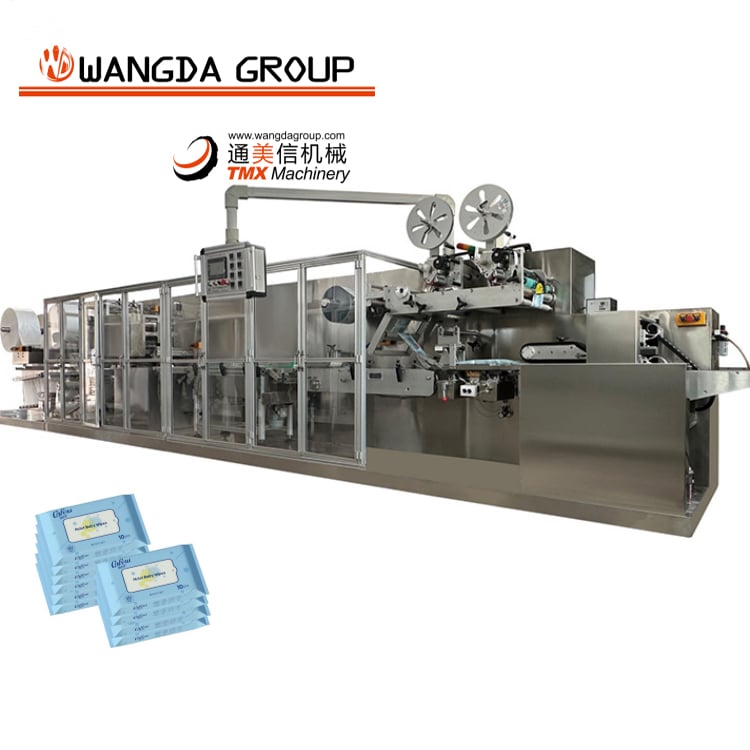
Wangda manufactures toilet tissue machines (including Toilet paper manufacturing machine and packing) Kitchen towel machines (including cutting and packing) facial tissue machines (including cutting and packing), nylon bag facial tissues machines. We also manufacture maxi roll rewinding machines as well as perforating machines.
Wangda is a highly professional and knowledgeable sales staff and after-sales team, 80% of the team has been in Toilet roll manufacturing machine for more than 10 years in our company in this hygiene-conscious product industry. Our team has a wealth of experience in the daily use of paper tissue machines, related packing machines and many other Hygienic products machines We have a wide range of professional expertise in this field, we are aware of what our customers wants, we worry about what our customers worry about. We not just sell the machines to our clients, but we help our customers earn money through this business of hygienic products, to provide the lifelong after-sale services to our customers at the right time.
Wangda has cooperated with Toilet paper making machine both from the home country and abroad. We have collaborated with major groups from GCC countries such as Fine Hygienic from several nations, Nesto Hypermarket, Top One and Two hygienic product manufacturer B and G, Meghna Groups of Bangladesh. Outnet Group from African countries. And as well, there are large European brands, American brands, Latin American brands we have worked with for a great number of years. We have a number of sample factories outside of the United States that you can visit to look at our products. This is more convenient. Also we invite you to visit our factory to experience our products right at the moment. We will be happy to answer your questions anytime, and hope to begin our mutual benefit story asap.
Wangda has more than 20 years experience in the Toilet tissue machine of all kinds of tissue machines, we pay much attention to the features of the machine and its quality, as well as in addition, after sales and pre-sales services. We've sold machines in over 100 countries. This has resulted in many repeat orders and good reviews from our clients. Wangda has its own R and D departments. Our machine is based on the latest Germany Japanese, Japan and Italian technology, and is upgraded day by day. Our machines have been certified to ISO9002, CE, BV and other certifications. We offer turnkey projects that span from A to Z, not just machines.
Before making a purchasing decision regarding tissue paper machines, buyers should gather comprehensive information to ensure they choose the right equipment. It's essential to prepare detailed specifications that include the desired machine type, capacity, and any custom features. Buyers should also be ready to discuss their specific application needs, as machines may require customization to produce certain products effectively. Understanding the production environment and any regulatory requirements is crucial for ensuring compliance and optimal performance. Furthermore, when requesting quotations, provide all necessary details, including expected order quantities, lead times, and delivery locations. This information will help suppliers give accurate pricing and timelines. Finally, buyers should consider the importance of sample approval. Before mass production, it is advisable to review and approve a sample from the machine to confirm that it meets all specifications and performance requirements. This step can prevent costly errors and ensure product quality from the outset. By understanding these critical aspects, B2B buyers can make informed decisions when sourcing tissue paper machines, ensuring they select equipment that meets their production needs and quality standards.