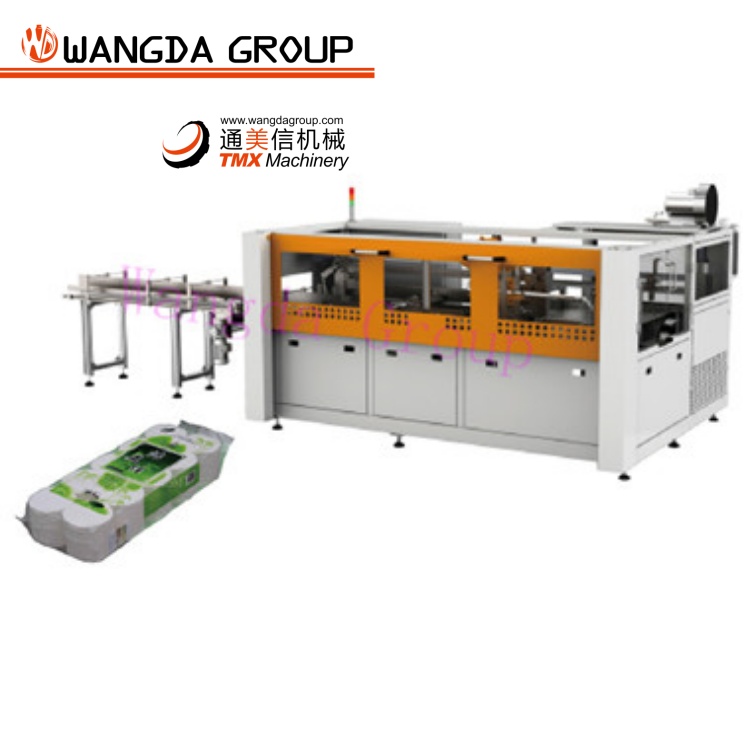
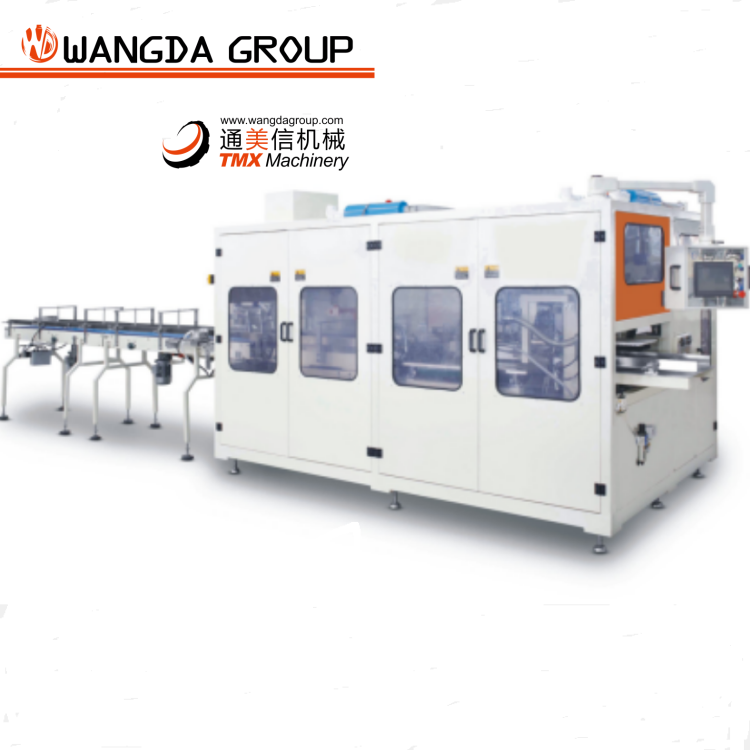
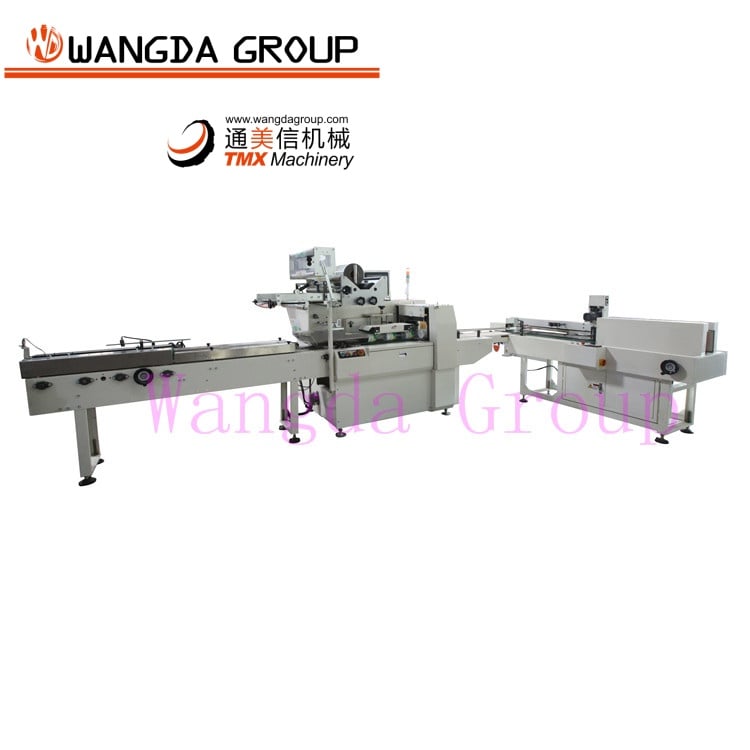
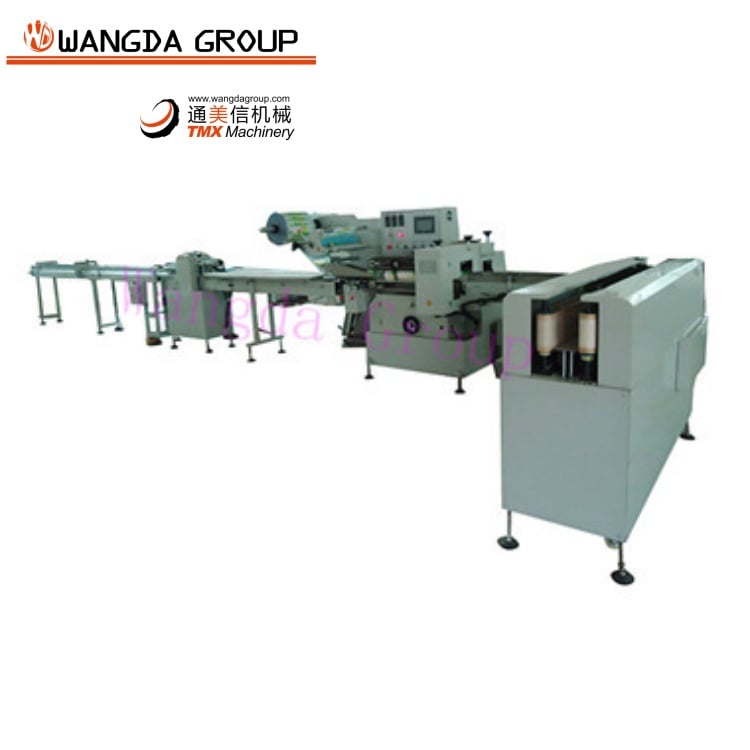
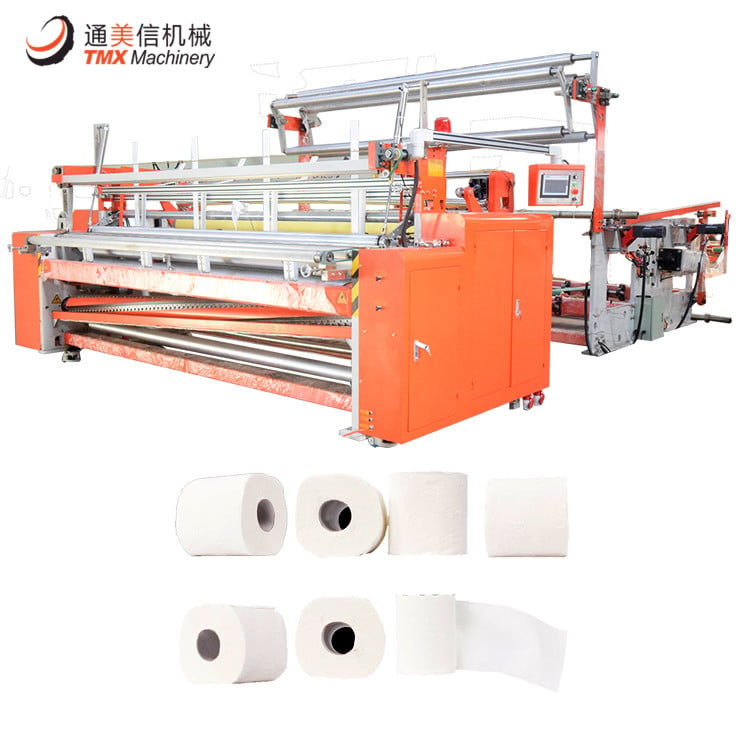
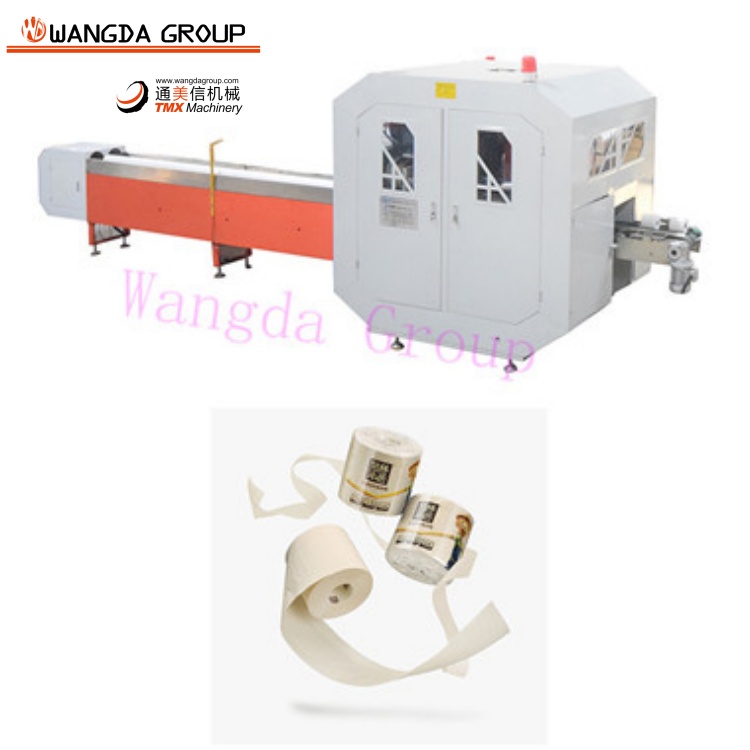
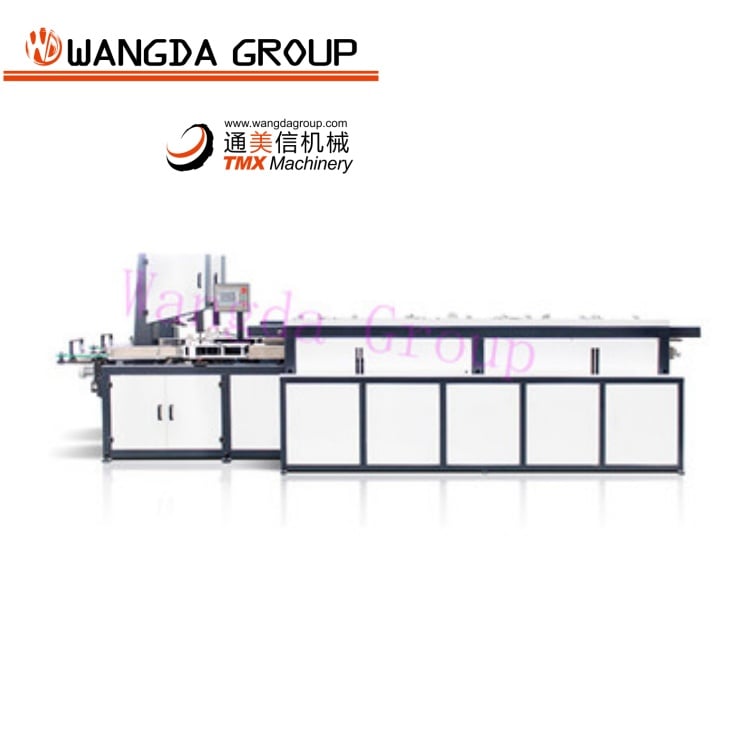
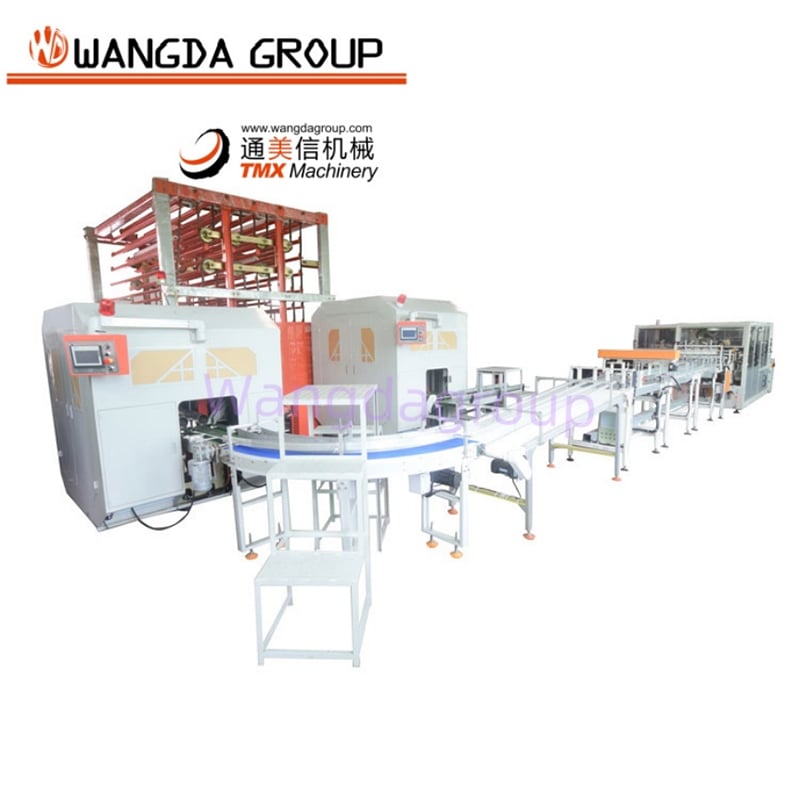
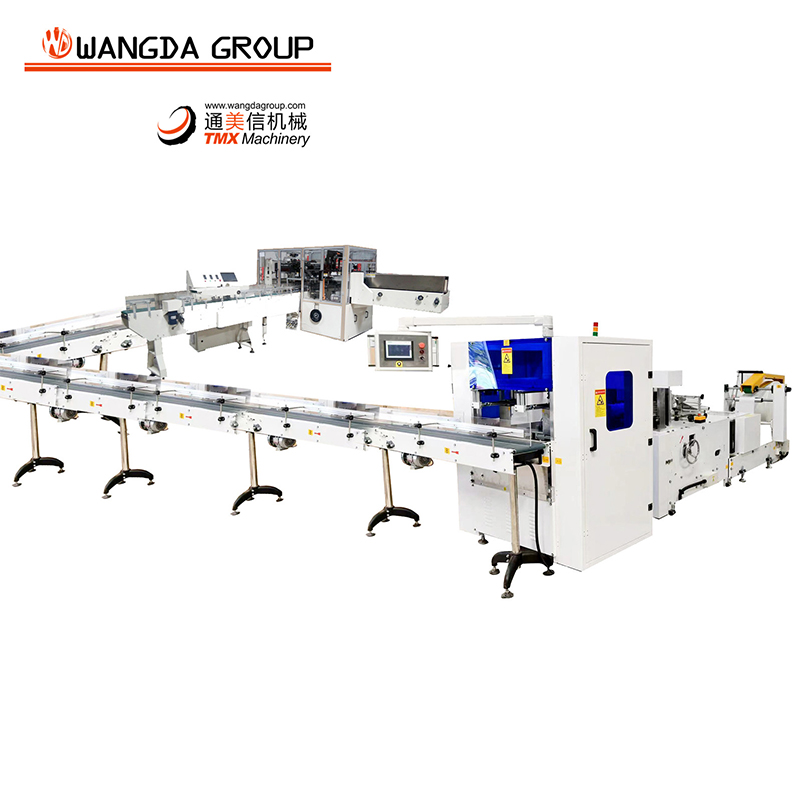
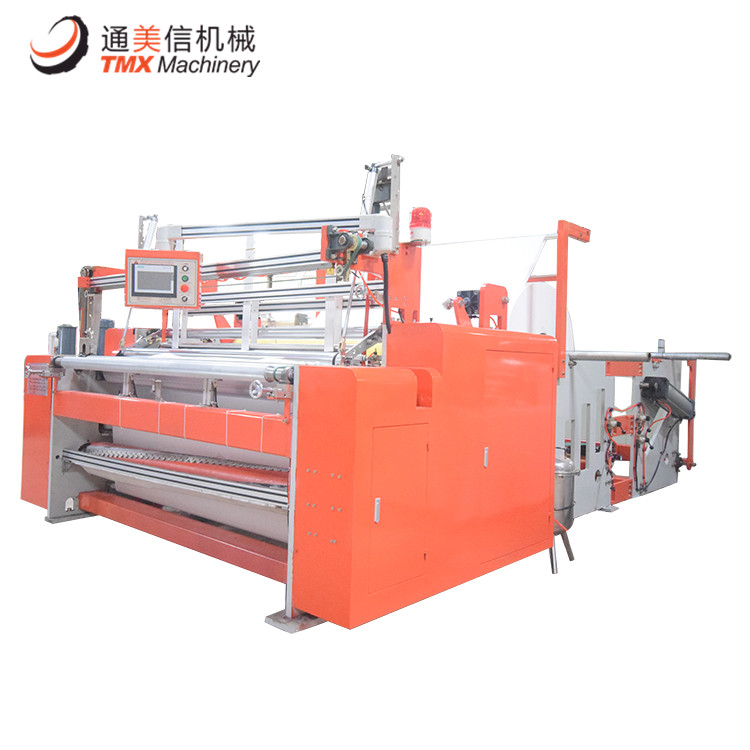
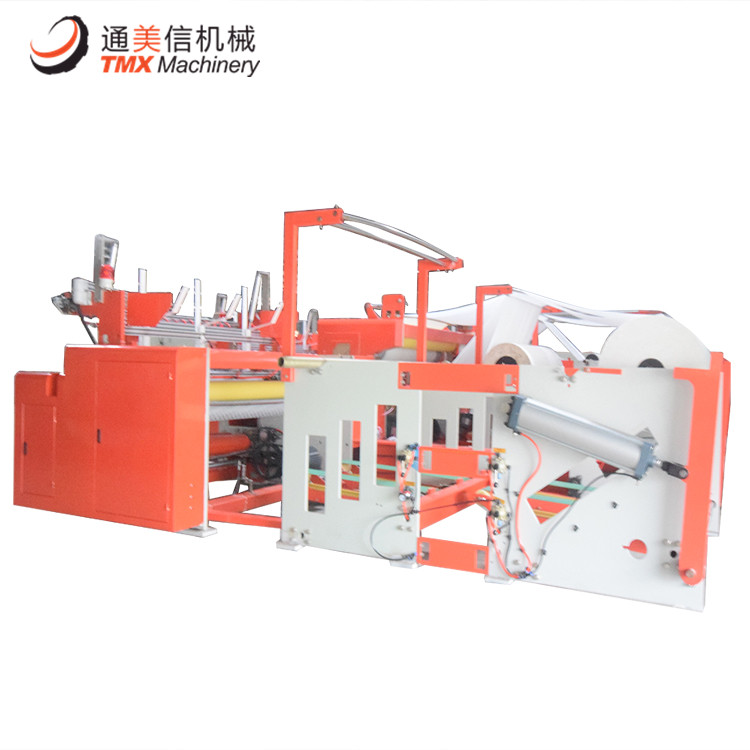
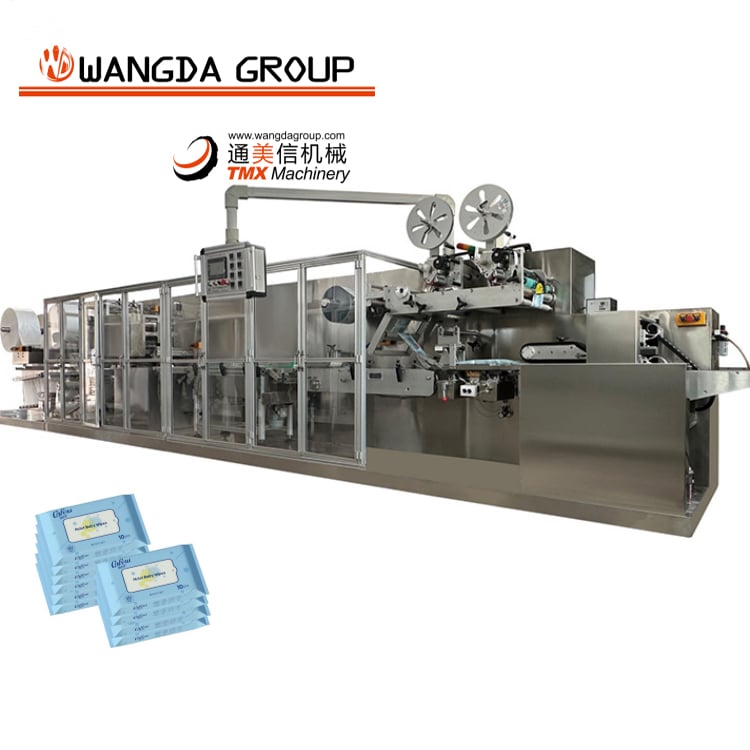
Understanding the intricacies of a machine for making tissue paper is essential for any business looking to invest in this equipment. Buyers, such as purchasing managers and product managers, often have concerns about specifications, investment factors, installation, and operational challenges. This article will provide an in-depth look at these considerations, helping you make informed decisions when sourcing Wangda Industrial tissue paper making machine.
When evaluating a machine for making tissue paper, it's crucial to understand the key specifications that influence performance and output. Some of the primary specifications include:
Production Capacity: This refers to the number of tons of tissue paper the machine can produce within a given timeframe. Understanding your expected output is vital for ensuring the machine meets your business needs.
Material Compatibility: Tissue paper can be made from various raw materials, including recycled paper, virgin pulp, or a blend. The machine's design must accommodate the specific materials you plan to use to optimize quality and efficiency.
Automation Level: Full-servo production lines offer enhanced precision and reduced labor costs. Buyers should consider the level of automation that aligns with their operational goals and workforce capabilities.
Energy Efficiency: Machines that consume less energy can significantly reduce operational costs. Look for specifications that highlight energy-saving features or certifications.
Dimensions and Footprint: The physical size of the machine can impact installation and workflow. Ensure that the machine fits within your facility and does not disrupt existing operations.
Understanding these specifications will help you assess potential machines and choose one that aligns with your production requirements and budget.

Investing in a machine for Wangda Industrial making tissue paper involves several considerations beyond just the initial price. Key investment factors include:
Total Cost of Ownership: This includes not only the purchase price but also operational costs such as maintenance, energy consumption, and labor. A lower up-front cost may lead to higher long-term costs, so it's essential to evaluate the total cost of ownership.
Quality Assurance: Machines should have quality control systems in place to ensure consistent production quality. Consider any certifications the manufacturer holds that demonstrate compliance with industry standards.
Customization Options: Depending on your production needs, you may require custom features or modifications. Evaluate whether the manufacturer can accommodate such requests without significantly increasing lead times or costs.
Supplier Reputation: Research the manufacturer's track record in delivering reliable machinery and after-sales support. Engaging with existing customers can provide insights into the machine's performance and the supplier's service quality.
Return on Investment (ROI): Calculate the expected ROI by estimating the increase in production capabilities and efficiency the machine will bring. This will help justify the investment to stakeholders.
By carefully evaluating these factors, you can make a well-informed decision that aligns with your business strategy.

Proper installation of a tissue paper machine is critical for maximizing its efficiency and longevity. Here are key steps to ensure a successful installation:
Site Preparation: Before the machine arrives, prepare the installation site by ensuring adequate space, proper flooring, and necessary utilities (electricity, water, etc.). Consult with the supplier for specific requirements.
Professional Installation: Engage qualified technicians or the manufacturer's installation team to ensure that the machine is set up correctly. Improper installation can lead to operational inefficiencies and increased wear and tear.
Calibration and Testing: Once installed, the machine should be calibrated to meet specified production parameters. Conduct thorough testing to verify that it operates as intended before commencing full production.
Training for Operators: Provide comprehensive training for your operators on machine operation, safety protocols, and maintenance practices. Well-trained staff will enhance productivity and minimize operational risks.
Regular Maintenance Schedule: Establish a routine maintenance schedule to inspect and service the machine. This proactive approach can prevent costly breakdowns and extend the machine's lifespan.
Following these guidelines will facilitate a smoother installation process and set the foundation for efficient tissue paper machine price.

Even the best Wangda Industrial machines can experience issues over time. Here are some common problems and their solutions:
Jamming: This is a frequent issue that can arise due to improper material feeding or foreign objects in the machine. Regularly inspect the feeding mechanism and ensure that only compatible materials are used.
Quality Variability: If the tissue paper production machine quality fluctuates, it could be due to inconsistent raw materials or miscalibrated machine settings. Regular quality checks and adjustments are necessary to maintain consistent output.
Mechanical Wear: Components such as rollers and cutting blades can wear down over time. Implementing a routine maintenance plan can help identify and replace worn parts before they cause significant problems.
Electrical Issues: Electrical malfunctions can disrupt production. Ensure that all electrical connections are secure and that the machine is compatible with your facility's power supply.
Inefficient Energy Use: If the machine is consuming more energy than expected, investigate potential causes such as misaligned components or outdated technology. Consult with the manufacturer for energy efficiency upgrades.
Understanding these potential problems will help you prepare for and address issues as they arise, ensuring smooth operation.
Wangda has over 20 years of manufacturing tissues machines. We pay close attention to the quality of machines, their function and pre and post sales service. We have sold machines in more than 100 countries, which has won us many repeat orders and good reviews from our clients. Wangda has our own R and D departments. Our machines are based on advanced Germany Japanese, Japan and Italian technology and is keeping updated day by day. Our machines have been certified to ISO9002, Tissue paper manufacturing machine, BV and others certifications. We offer turnkey solutions that span from A to Z Not just machines.
Wangda produces toilet tissue machines (including cutting and packing) kitchen towels machines (including cutting and packing) facial tissue machines (including cutting and packing) bags of Toilet tissue machine facial tissue machines. We also make maxi roll rewinding devices as well as perforating machines.
The sales and after-sales departments are very experienced and professional. Our team has worked in the field of hygienic products for over 10 years. We are aware of what our customers are looking for and are Tissue making machine of what makes them worry. Our clients are not just purchasing machines from us but also helping them earn a profit from the hygiene-related business. We provide our clients with the services after-sales they need.
We've Toilet paper manufacturing machine with many clients both in the United States as well as abroad.
Machines for making tissue paper have broad applications across different sectors. Key industries utilizing tissue paper include:
Hygiene Products: Companies producing toilet paper, facial tissues, and paper towels rely on high-quality tissue paper machines for consistent output.
Food Services: Tissue paper is used in food packaging and disposable tableware. Manufacturers in this sector require machines that can produce food-safe tissue products.
Health Care: Hospitals and clinics use tissue paper for sanitary purposes. Machines must produce high-quality, hygienic products that meet strict health standards.
Hospitality: Hotels and restaurants utilize tissue products for guest services. A reliable machine can ensure a steady supply of tissues and napkins for customer satisfaction.
Retail: Retailers demand tissue paper for packaging and gift wrapping. Machines that can produce various sizes and designs are valuable in this sector.
Understanding these applications can help you identify potential markets for your tissue paper products and tailor your production capabilities accordingly.