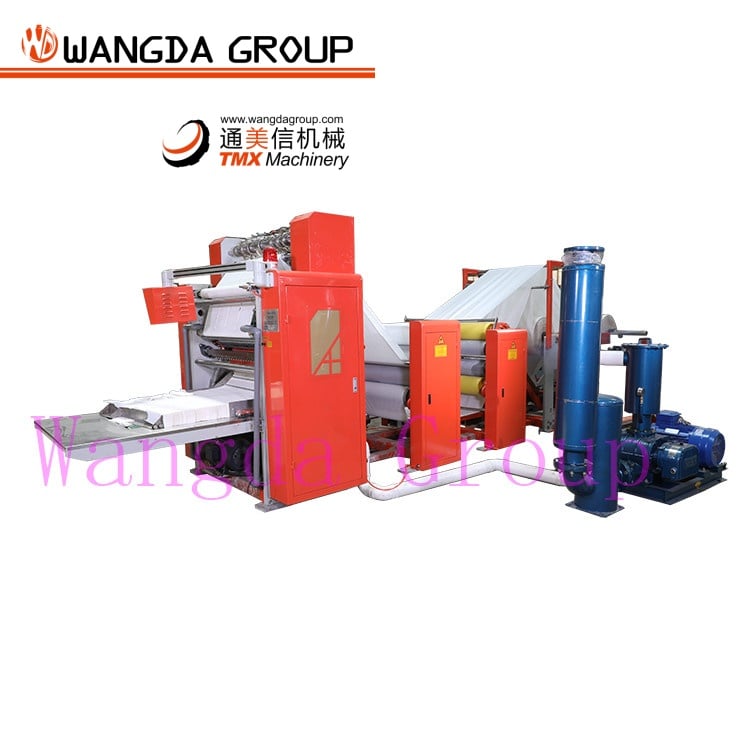
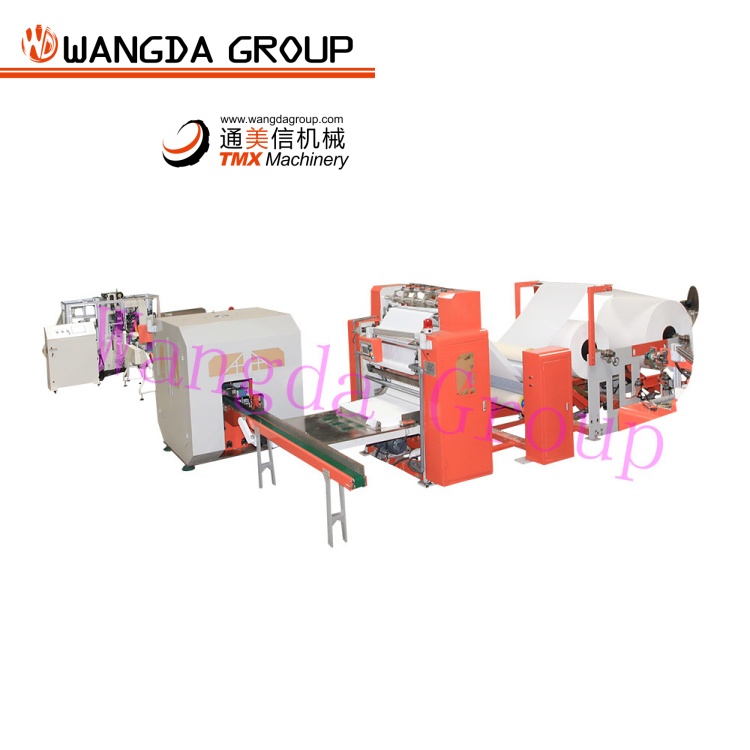
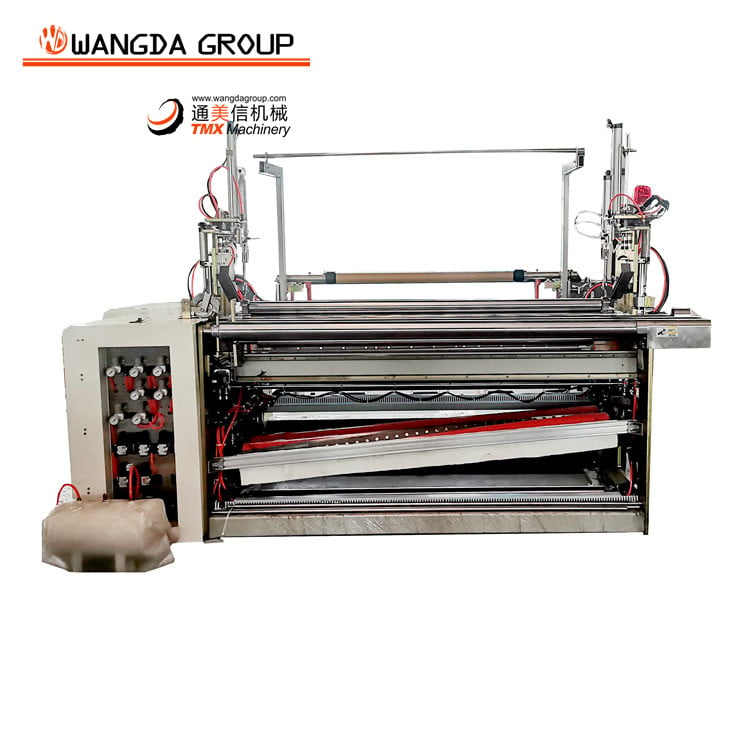
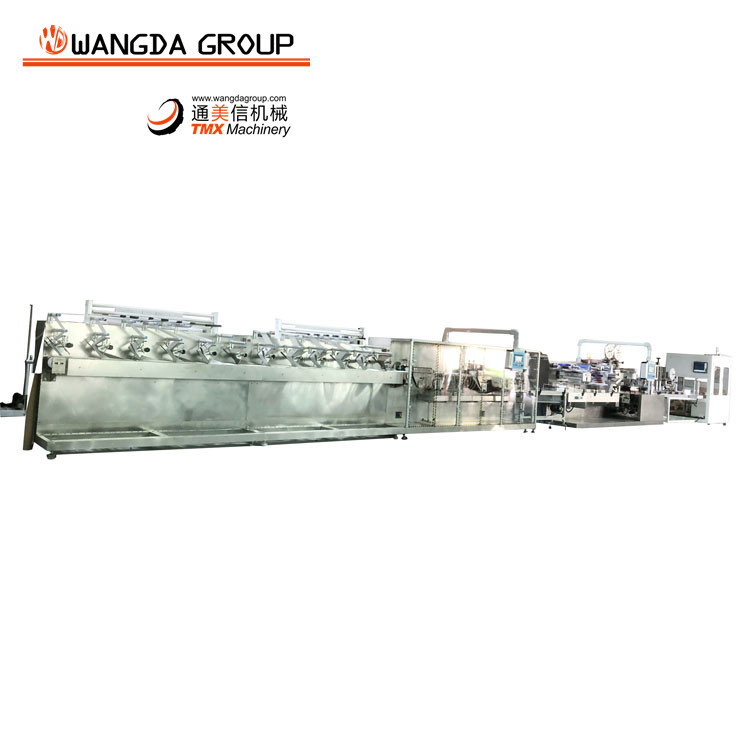
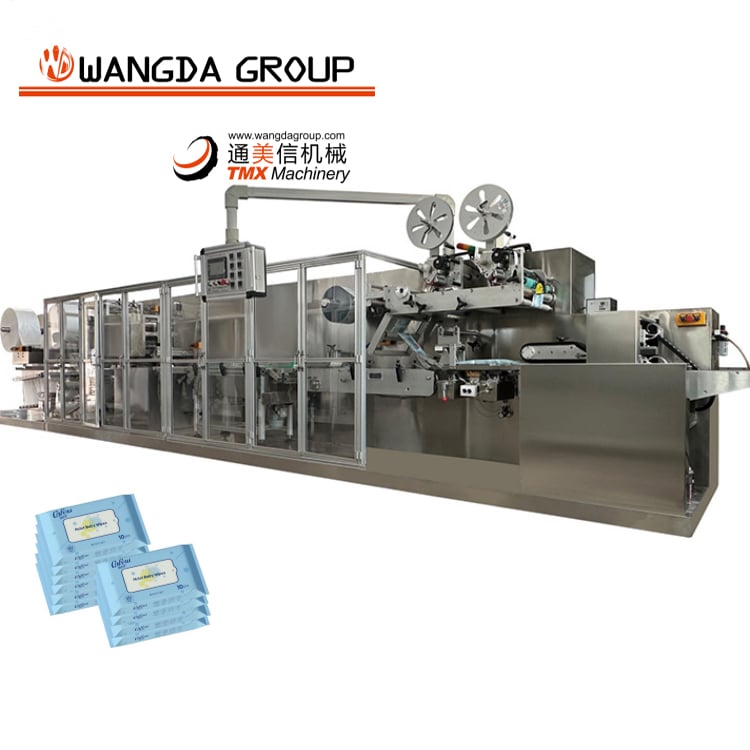
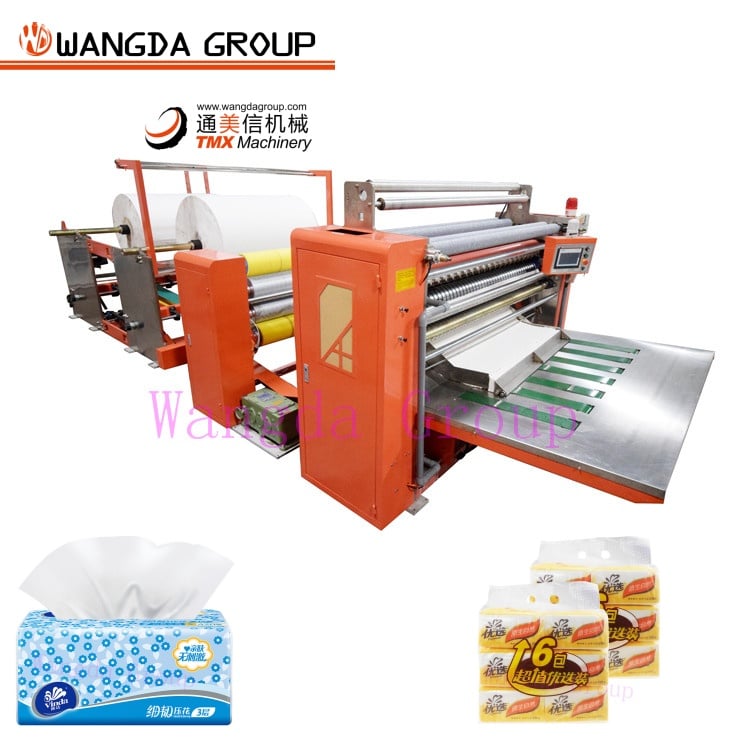
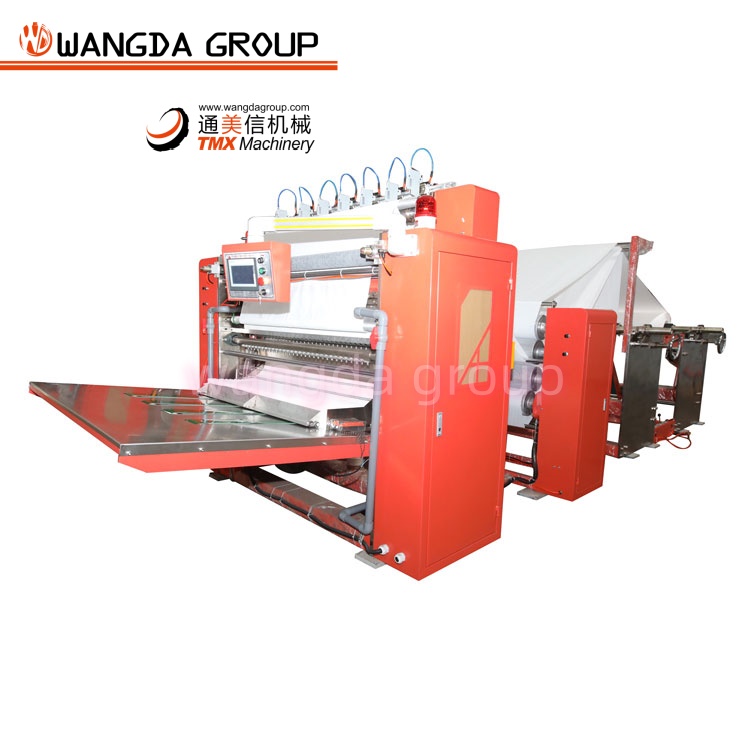
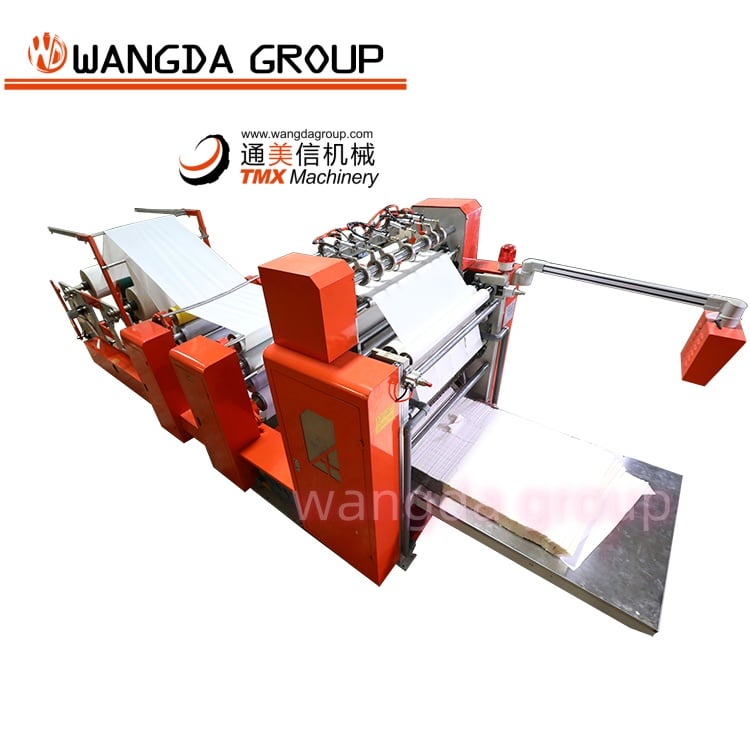
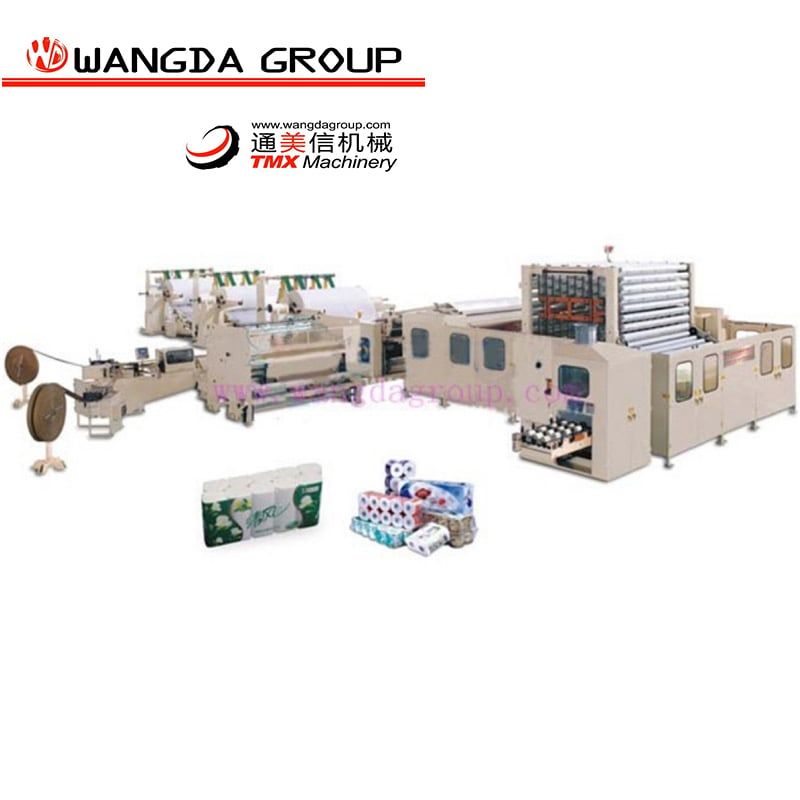
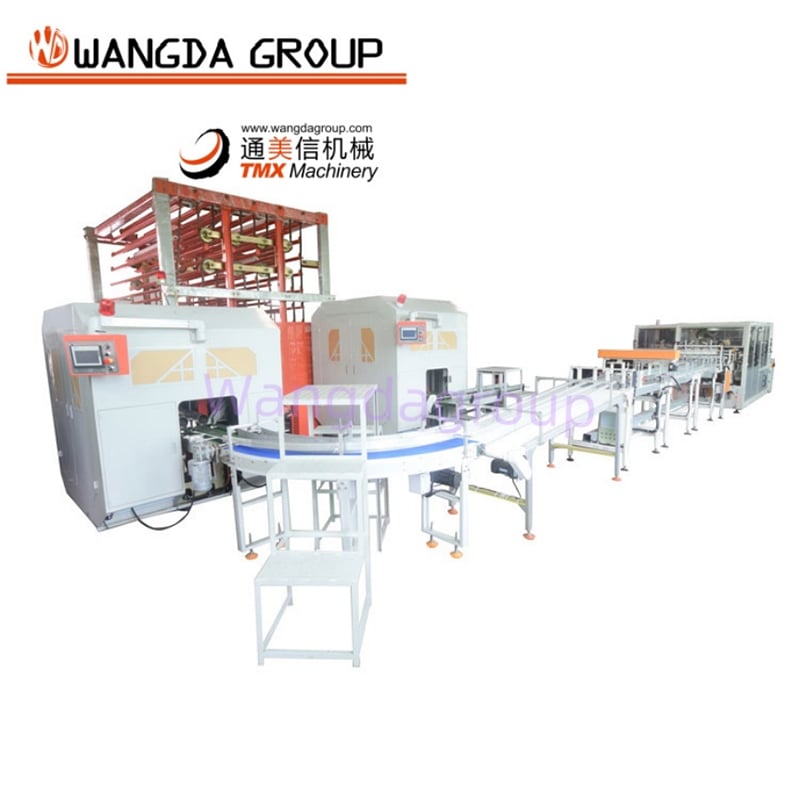
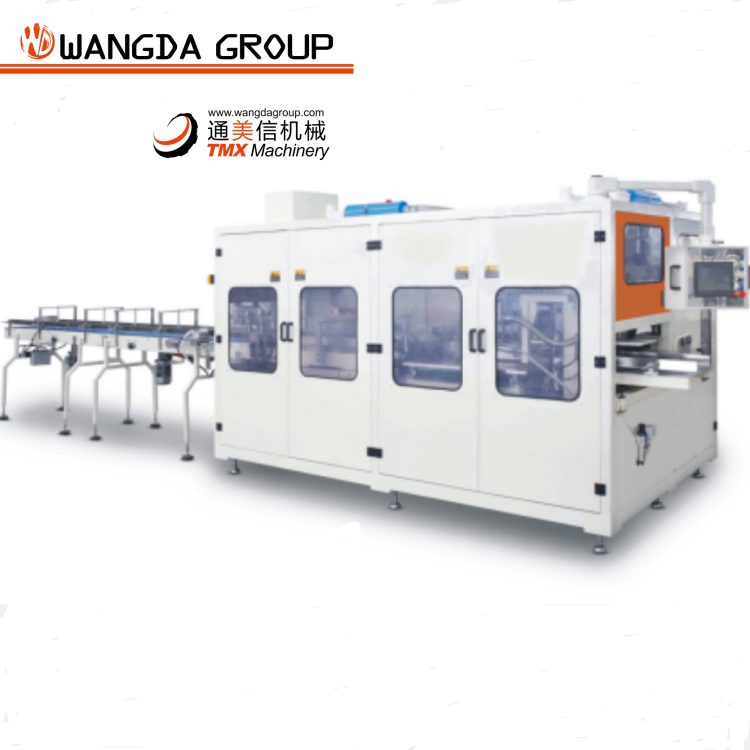
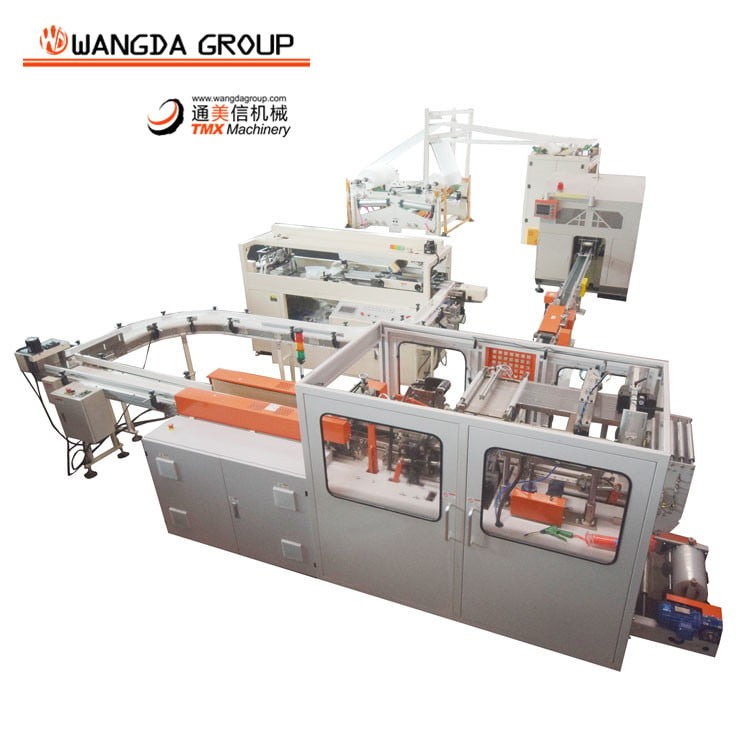
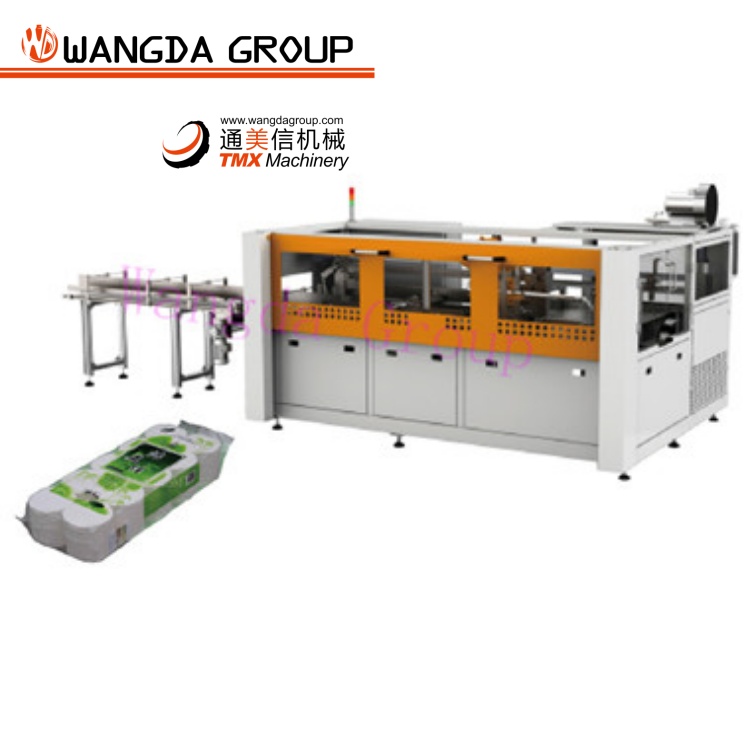
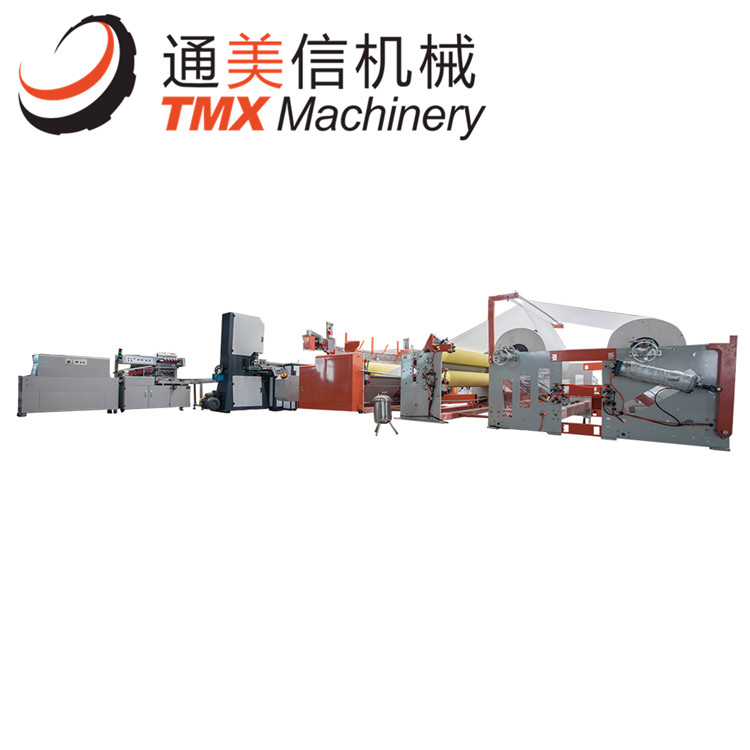
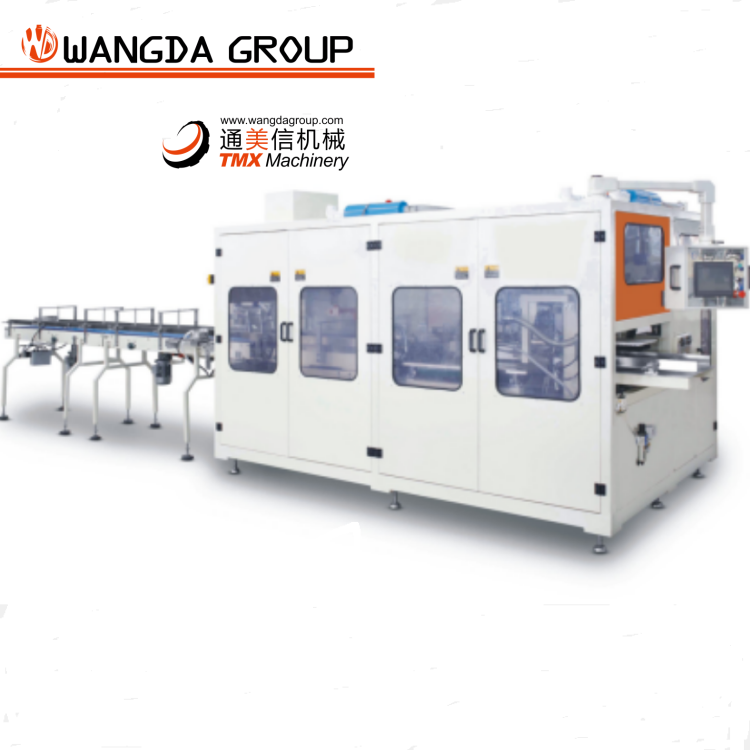
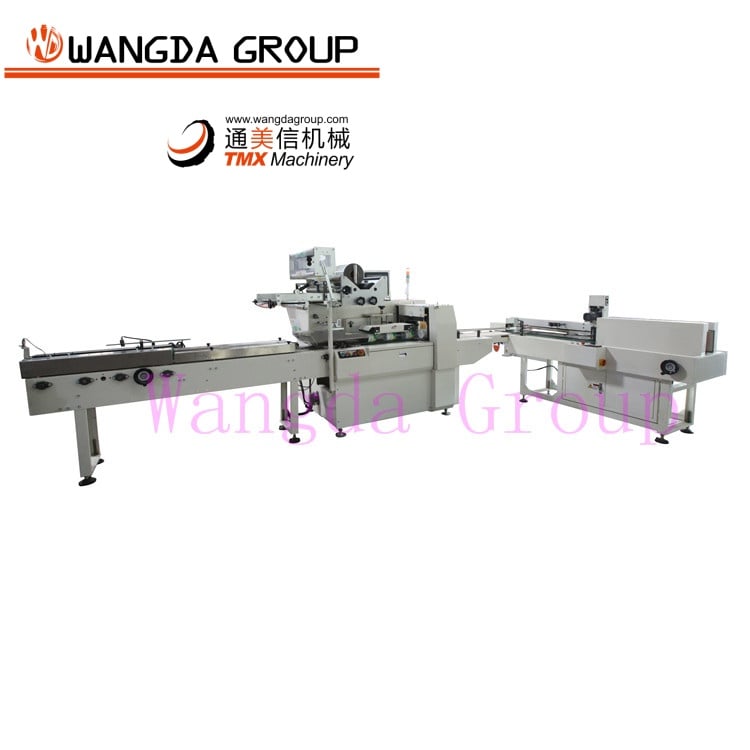
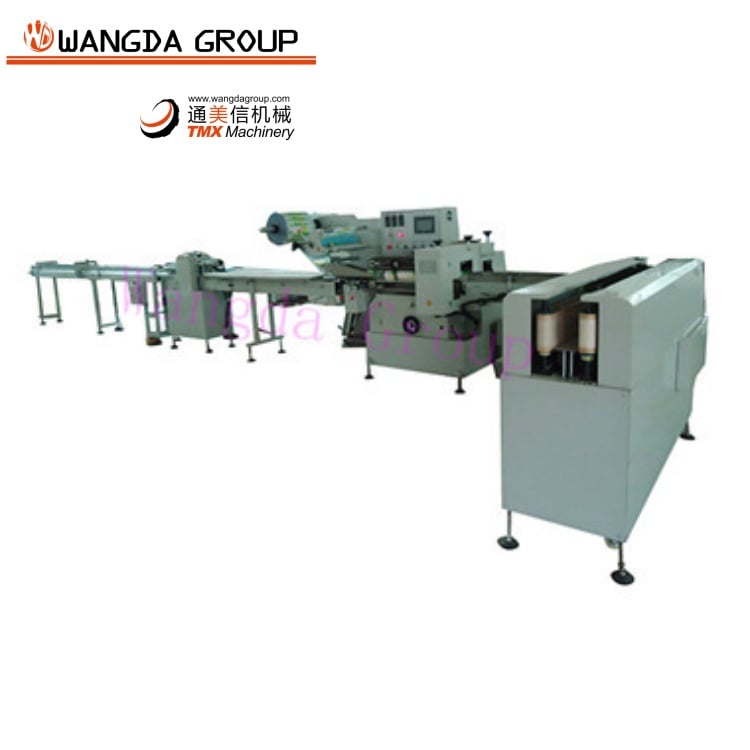
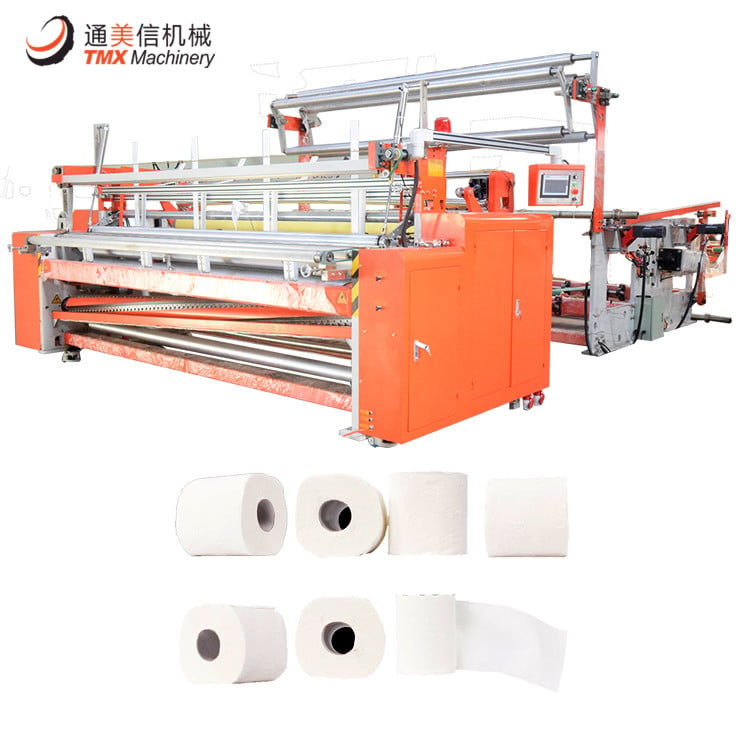
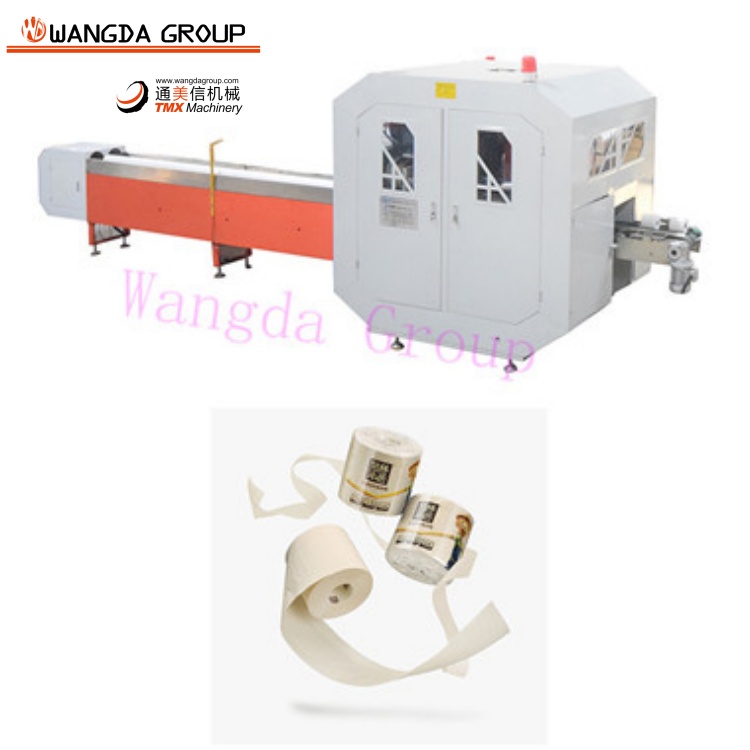
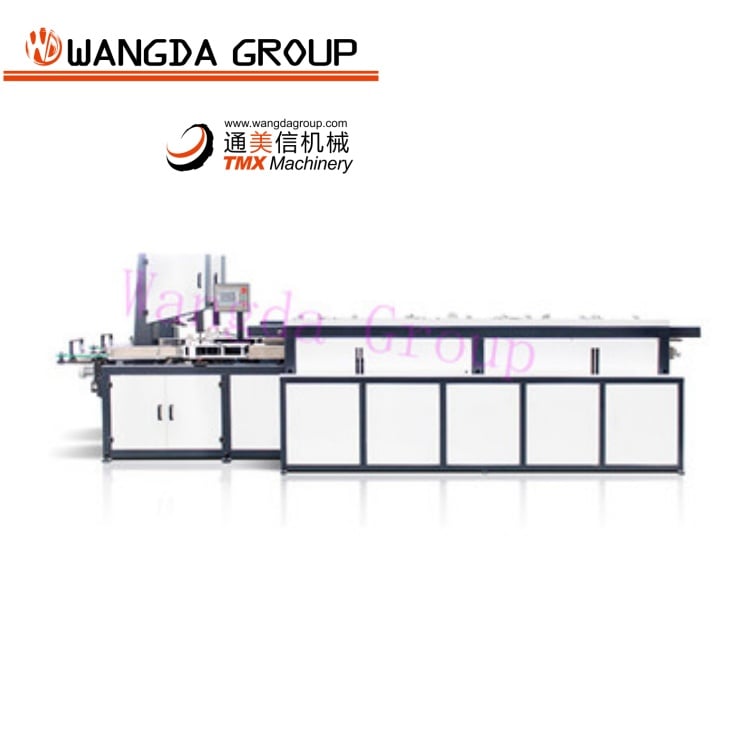
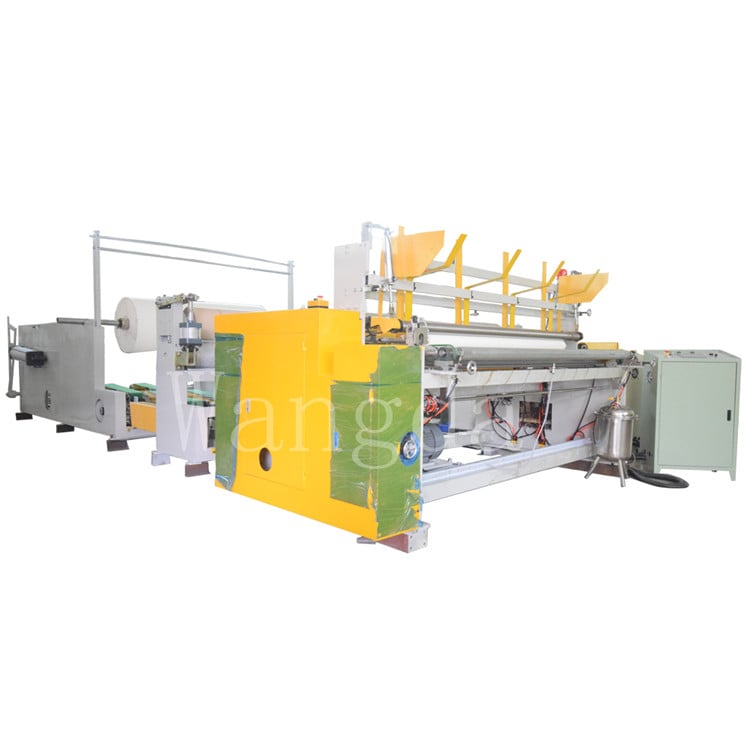
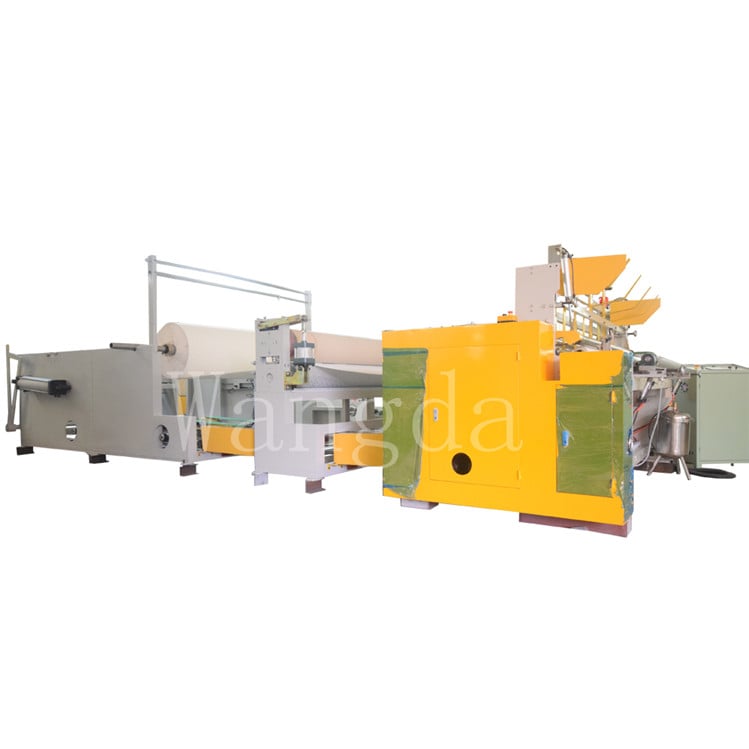
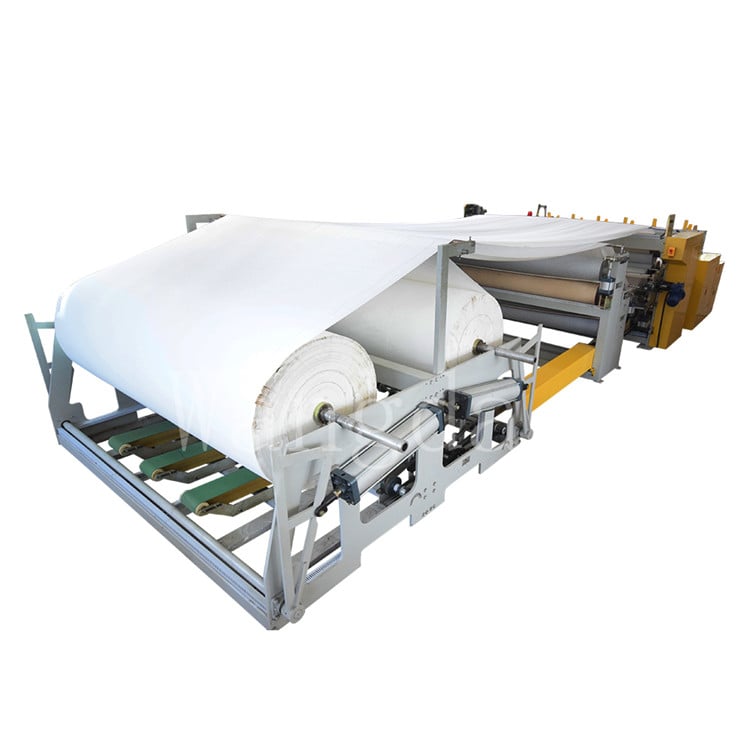
Wangda Industrial's kitchen towel paper machine are essential in the production of hygienic and absorbent kitchen towels used in both domestic and industrial settings. For purchasing managers and distributors, understanding the specifications, installation requirements, and potential issues of these machines is vital for ensuring efficient production and meeting market demands. This article will provide detailed insights into kitchen towel tissue making machines, helping decision-makers make informed purchasing choices
When selecting a Wangda Industrial-made kitchen towel machine, it is crucial to consider several specifications that directly affect production efficiency and product quality. Key specifications include the machine’s production capacity, which typically ranges from 100 to 300 tons per month, depending on the model and configuration. Buyers should also evaluate the maximum roll diameter and width, which can significantly impact the types of products that can be produced
Additionally, consider the machine's speed, often measured in meters per minute. Higher speeds can lead to increased output but may require more stringent quality control measures to ensure that product consistency is maintained. The type of raw materials compatible with the machine is another vital specification. Kitchen towel tissue machines usually work with recycled paper, virgin pulp, or a combination of both, impacting cost and product quality
Moreover, the level of automation is essential. Full-servo production lines offer enhanced precision and reduced labor costs, which can be a deciding factor for businesses aiming to optimize their production processes. Finally, certifications such as ISO or CE are indicators of quality assurance and compliance with international standards, making them important factors to verify before purchase.

The cost of Wangda Industrial-made kitchen kitchen towel making machine can vary widely based on several factors. First, the initial purchase price is influenced by the level of automation and the machine's specifications. Fully automated systems will typically command higher prices than semi-automated or manual options, but they can offer substantial savings in labor costs and increased production efficiency
Another significant factor is the cost of raw materials. The choice between recycled paper and virgin pulp can impact both the upfront investment and the ongoing operational costs. Buyers should also consider the cost of maintenance and spare parts, as these can add to the total cost of ownership over the machine's lifecycle
Additionally, installation and training costs must be factored in. Proper setup and training are critical to ensure that the machine operates at peak efficiency. Lastly, delivery and installation timelines can affect costs as well; longer lead times may result in delayed production schedules, which can incur additional costs.

Proper installation is essential for the optimal performance of kitchen towel tissue making machines. First, ensure that the installation site meets the required specifications, including adequate space, proper ventilation, and access to utilities such as electricity and water. The floor should be level and strong enough to support the weight of the machine, and any necessary infrastructure, such as drainage systems, should be in place
It is advisable to engage professional technicians for the installation process, as they possess the expertise to handle mechanical and electrical components safely. During installation, verify that all components are correctly aligned and calibrated, which is crucial for preventing operational issues down the line
After installation, conduct a thorough testing phase to ensure that the machine operates according to specifications. This phase should include checking the machine's speed, production capacity, and quality of the output. Buyers should request a demonstration from the supplier to confirm that the machine meets their production needs before final acceptance.

Despite their reliability, kitchen towel tissue making machines can encounter several common issues. One frequent problem is paper jamming, which can disrupt production and lead to waste. This issue is often caused by incorrect loading of raw materials or improper adjustments to the machine settings. To mitigate this, operators should be trained on proper loading techniques and regular machine maintenance
Another issue is inconsistent product quality, which may manifest as variations in thickness or absorbency. This can result from fluctuations in raw material quality or machine calibration. Regular quality checks and adjustments based on the specifications of the raw materials used can help maintain consistency
Additionally, electrical or mechanical failures may occur, necessitating quick troubleshooting. It is beneficial to have a maintenance schedule in place and to conduct regular inspections of electrical components and moving parts. Supplier support should also be readily accessible in case more complex issues arise.
Wangda has more than 20 years experience in the production of various tissue machines. We take great care of the machines' functions and the quality, and additionally, we provide after-sales and pre-sales services. We've sold machines to over 100 countries, which has resulted in many repeat orders and good reviews from our clients. Wangda has its own R and D departments. Our machines are based on advanced Germany, Japan and Italian technology and is updated day by day. Our machines has passed Toilet roll manufacturing machine, CE, BV and many more certifications. What we supply is not only machines. What we supply is turnkey projects from A-Z. can accept customized requests for these tissue machines.
Wangda has collaborated with various clients from home and abroad. We have cooperated with big groups from GCC countries such as Fine Hygienic from various nations, Nesto Hypermarket, Top One and Two hygienic producer B and G, the Meghna Groups from Bangladesh. Outnet Group of African countries. And as well, there are big European brands, American brands, Toilet paper machine brands we have cooperated for long years. We have several manufacturing facilities outside of the United States that you can visit and see our products. This is more convenient. Also you are warmly welcome for a visit to our factory and see our products on the spot. We welcome your enquiry anytime and hope to begin our mutual benefit story soon.
Wangda manufactures toilet tissue machines (including cutting and Toilet paper roll making machine) Kitchen towel machines (including cutting and packing) facial tissue machines (including cutting and packing) and nylon bag facial tissues machines. We also produce maxi roll rewinding as well as perforating machines.
Our after-sales and sales teams are extremely Toilet paper manufacturing machine and skilled. About 80% of our team has been working in the field of hygienic products for over 10 years. We understand what our customers want and what they worry. Our customers aren't only purchasing our machines We also assist them to profit in this business of hygienic items. We provide our customers with the services after-sales they need.
Kitchen towel tissue making machines play a vital role in various manufacturing applications. Primarily, they produce kitchen towels that are essential in households, restaurants, and food service industries. These towels are designed to absorb spills, clean surfaces, and maintain hygiene, making them indispensable in any kitchen environment
Moreover, the versatility of these machines allows for the production of different towel types, including disposable towels and eco-friendly options made from recycled materials. This adaptability is increasingly important as consumers demand sustainable products
In industrial settings, kitchen towels produced can also serve as wiping cloths, used in manufacturing and maintenance operations to clean machinery and tools. The ability to customize towel dimensions and packaging options enhances their appeal to various end-users, from retail distributors to large-scale food manufacturers
By investing in a kitchen towel tissue making machine, manufacturers can meet diverse market demands while optimizing their production capabilities, making it a strategic decision for those in the hygiene product industry.