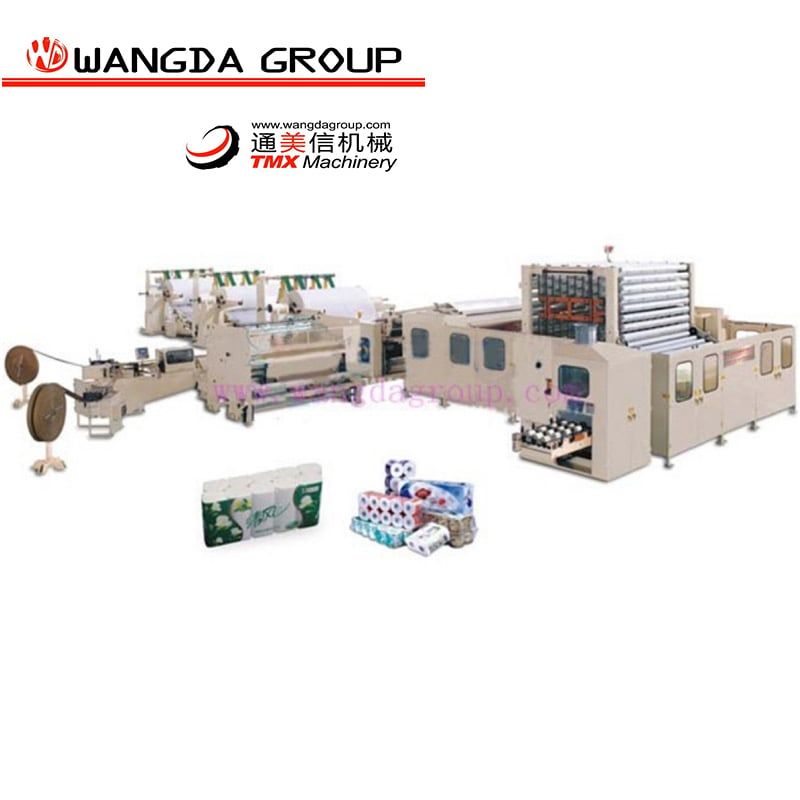
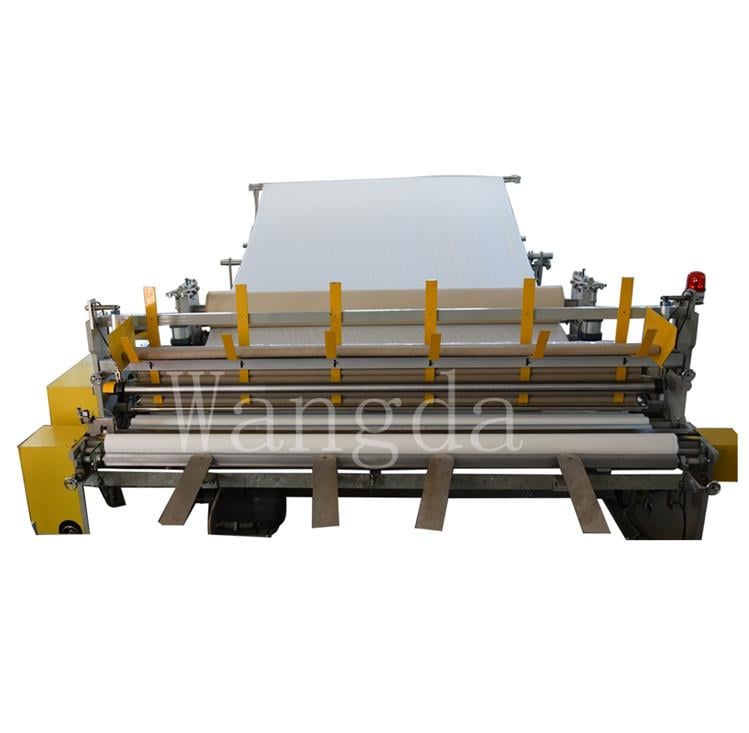
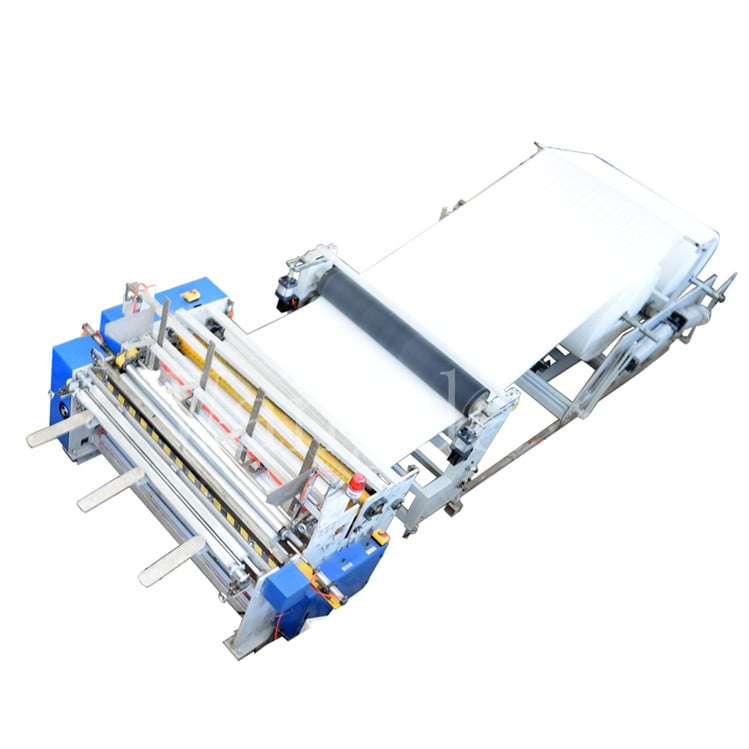
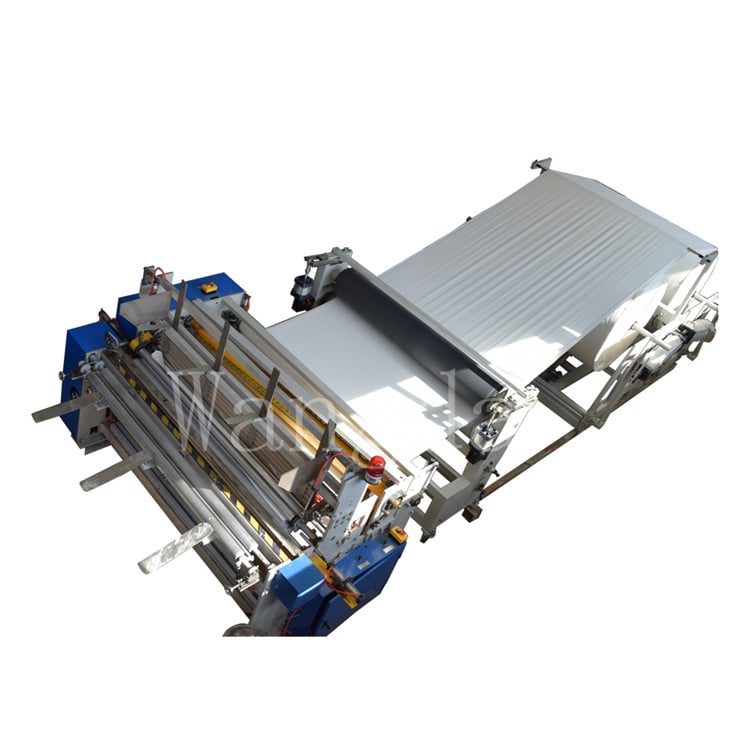
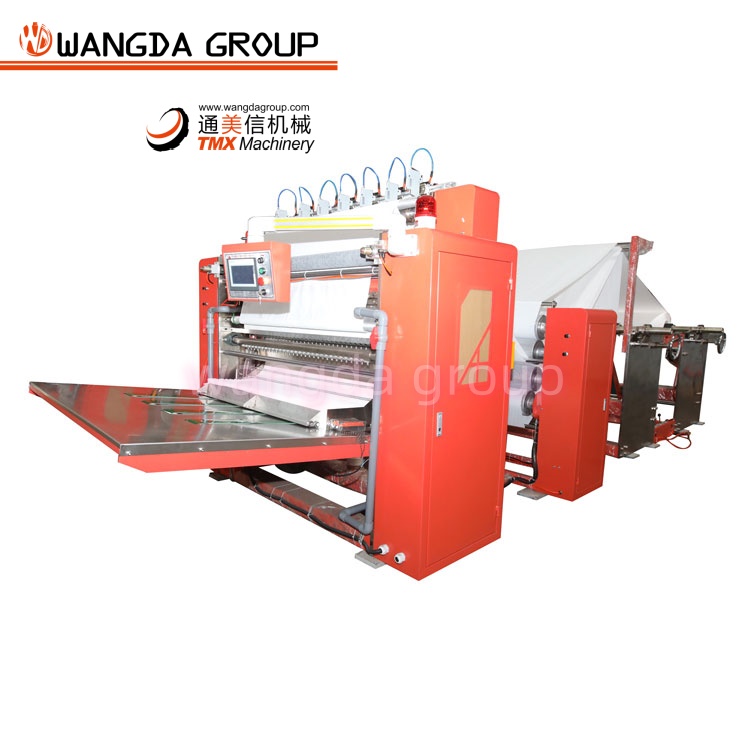
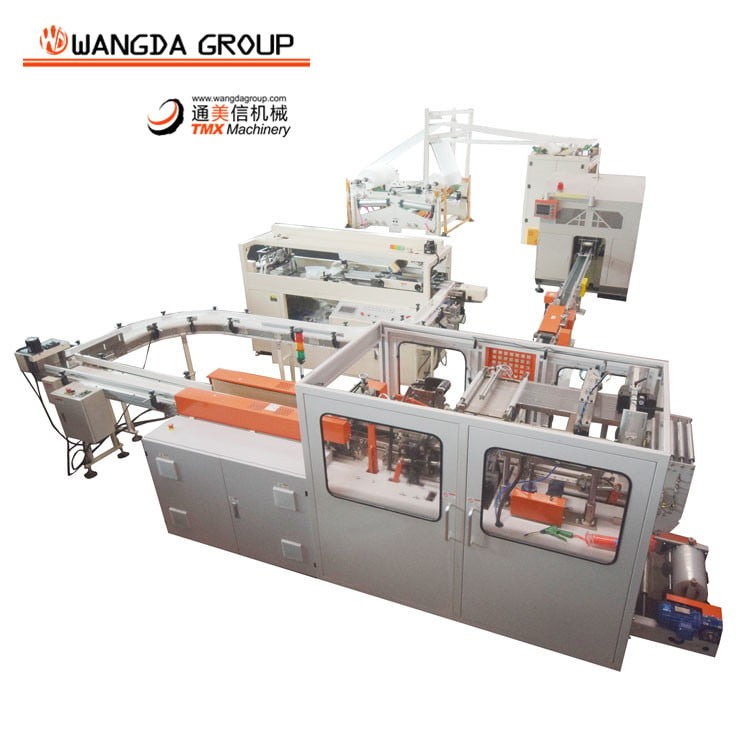
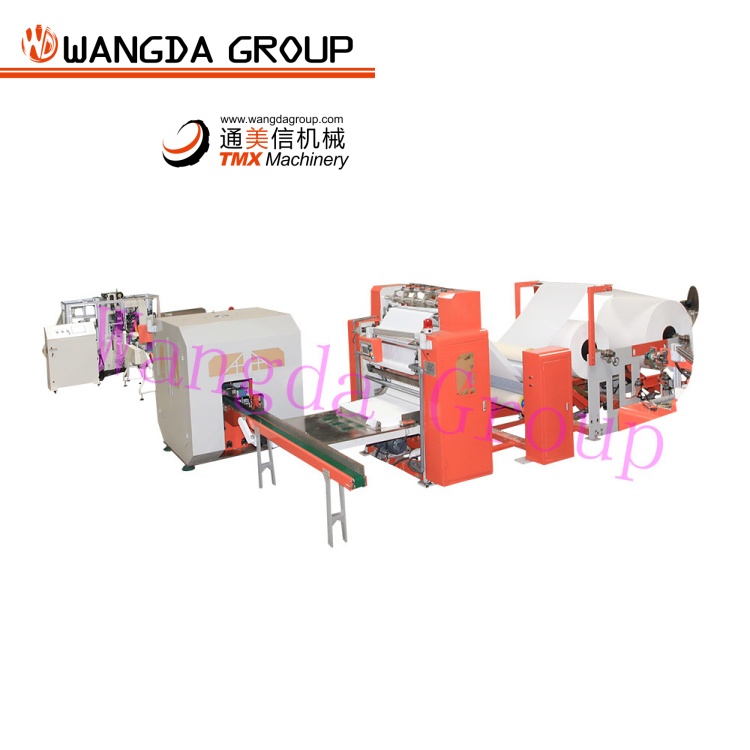
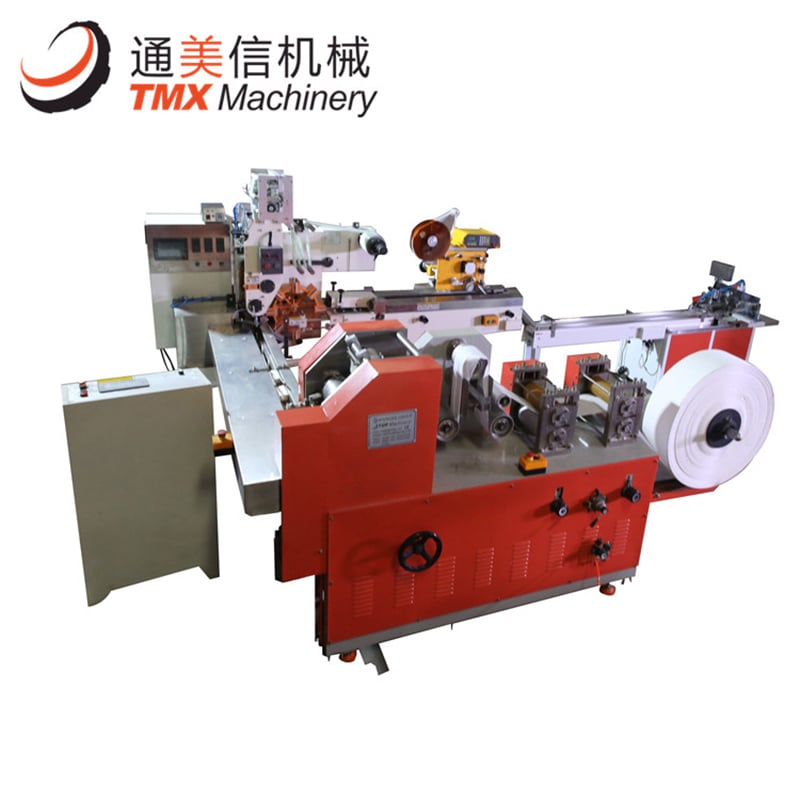
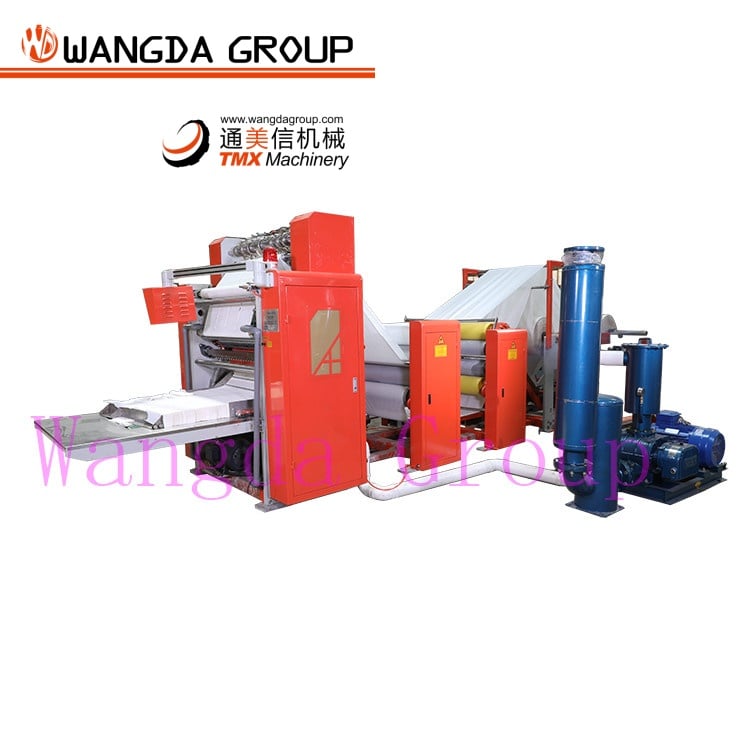
A kitchen towel making machine is essential for manufacturers aiming to produce high-quality kitchen towels efficiently. As a potential buyer or purchasing manager, understanding the key specifications, installation processes, and common challenges associated with these kitchen towel paper machine is vital for making informed purchasing decisions. This article will guide you through selecting the right machine, sourcing reliable suppliers, installation guidance, troubleshooting common issues, and the various applications of kitchen towel making machines in the industry.
Selecting the right kitchen towel making machine involves several considerations to ensure efficiency and product quality. Key specifications to evaluate include production capacity, machine speed, and the type of materials compatible with the machine. For instance, machines that can handle a variety of raw materials, such as recycled paper or virgin pulp, offer flexibility in production and can meet diverse customer demands.
Production capacity is critical; consider your expected output volume and how the machine’s capabilities align with your business goals. Additionally, machine speed often measured in meters per minute determines how quickly you can meet demand. A kitchen towel machine that can produce a larger number of towels in a shorter time frame may justify a higher initial investment due to lower operational costs over time.
Customization capabilities are also significant. If you anticipate needing specific dimensions or features for your kitchen towels, ensure that the machine can accommodate these requirements. Lastly, assessing the quality control features of the machine, such as automated inspection systems, can help maintain product quality and reduce waste.

Finding reliable suppliers for kitchen towel making machines requires thorough research and evaluation. Start by exploring industry-specific trade shows and exhibitions, where manufacturers showcase their latest technologies and capabilities. Networking at these events can lead to valuable connections and insights into supplier reliability.
Online platforms, such as industry directories and B2B marketplaces, can also be useful for identifying potential suppliers. Look for manufacturers with a strong reputation for quality, customer service, and after-sales support. Additionally, consider reaching out to existing customers of these suppliers to gather feedback on their experiences.
It's essential to assess the manufacturer's certifications and compliance with international quality standards, as this can impact the machine’s reliability and safety. A supplier's experience in exporting to your region can also be a significant factor, ensuring they understand local regulations and market demands.

Proper installation of kitchen towel making machines is crucial for optimal performance and longevity. Begin by reviewing the manufacturer's installation manual, which typically includes detailed instructions tailored to the specific best kitchen towel tissue making machine model. Ensure that your installation site meets the machine's space, power supply, and environmental requirements.
During installation, pay close attention to the alignment of all components, as improper alignment can lead to operational inefficiencies or damage. It’s advisable to work with qualified technicians who have experience with similar machinery to ensure a smooth setup process. Additionally, conducting a thorough inspection after installation will help identify any potential issues before production begins.
Once installed, it is beneficial to run a series of test batches to ensure all settings are calibrated correctly. This initial testing phase allows for adjustments to be made, ensuring that the machine operates at its maximum efficiency.

Several common issues can arise during the operation of kitchen towel making machines, and being aware of these can help minimize downtime. One frequent challenge is paper jams, which can occur due to improper alignment or issues with the raw materials. Regular maintenance and proper training of operators can significantly reduce the likelihood of jams.
Another common problem is the variation in towel quality, which might stem from inconsistent raw material quality or improper machine settings. To address this, ensure that all materials are sourced from reputable suppliers and that machine parameters are adjusted according to the specifications of the materials used.
Additionally, machine wear and tear can lead to performance issues over time. Implementing a routine maintenance schedule, including regular inspections and parts replacement, can help sustain machine performance and extend its lifespan.
We've Toilet paper roll making machine with many clients both in the United States as well as abroad.
Wangda manufactures toilet tissue machines (including Toilet paper manufacturing machine and packing) Kitchen towel machines (including cutting and packing) facial tissue machines (including cutting and packing), nylon bag facial tissues machines. We also manufacture maxi roll rewinding machines as well as perforating machines.
Wangda is a highly professional and knowledgeable sales staff and after-sales team, 80% of the team has been in Tissue paper manufacturing machine for more than 10 years in our company in this hygiene-conscious product industry. Our team has a wealth of experience in the daily use of paper tissue machines, related packing machines and many other Hygienic products machines We have a wide range of professional expertise in this field, we are aware of what our customers wants, we worry about what our customers worry about. We not just sell the machines to our clients, but we help our customers earn money through this business of hygienic products, to provide the lifelong after-sale services to our customers at the right time.
Wangda has over Toilet paper manufacturing machine of of experience in the production of various tissue machines. We pay much attention to the equipment's functions and quality as well as additionally, we provide after-sales and pre-sales services. We supply self machines to more than 100 countries and regions that get positive feedback from clients and repeat orders. Wangda has its own R and D departments. Our machines use the most advanced Germany Japanese, Japan and Italian technology and is constantly upgraded. Our machines have achieved ISO9002, CE, BV and many other certifications. What we supply is not only machines. What we supply is a complete turnkey solution from A to Z, we can accept customized orders for these machines.
Kitchen towel making machines have diverse applications across various sectors. They are primarily used in the consumer goods industry for producing disposable kitchen towels, which are widely utilized in households, restaurants, and food service establishments. The demand for eco-friendly products has also led to an increase in the production of kitchen towels made from recycled materials, making it essential for manufacturers to invest in machines that can handle such materials.
In addition to standard kitchen towels, these machines can be adapted to produce specialized products like extra absorbent towels for industrial cleaning or paper towels for medical settings. This versatility not only expands market opportunities but also allows manufacturers to cater to specific customer needs.
Moreover, the rise in e-commerce has created a demand for customized packaging solutions. Manufacturers can leverage kitchen towel making machines that integrate packaging capabilities, allowing for a streamlined production process from manufacturing to packaging.
By understanding the various aspects related to kitchen towel making machines, you can make informed decisions that align with your business goals, ensuring efficiency and product quality in your manufacturing processes.