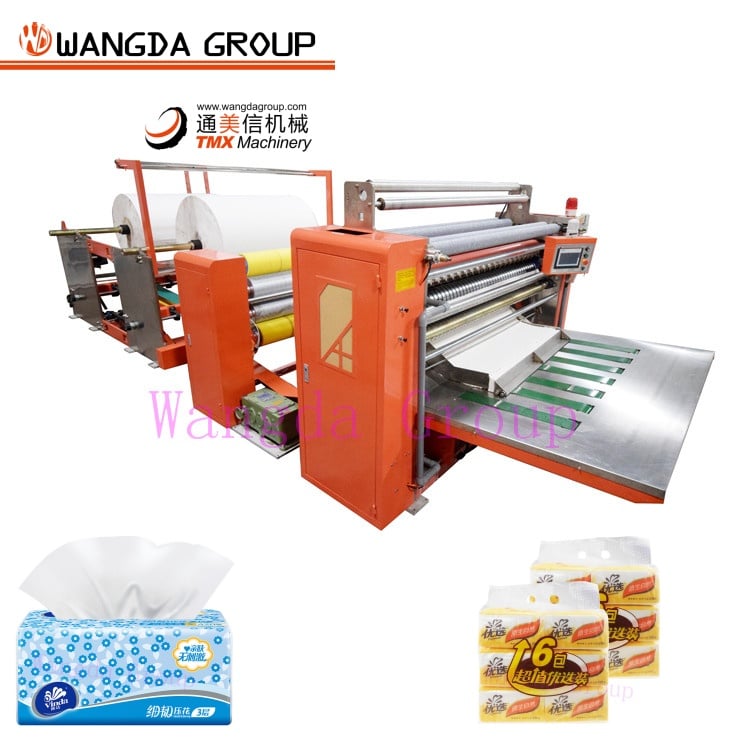
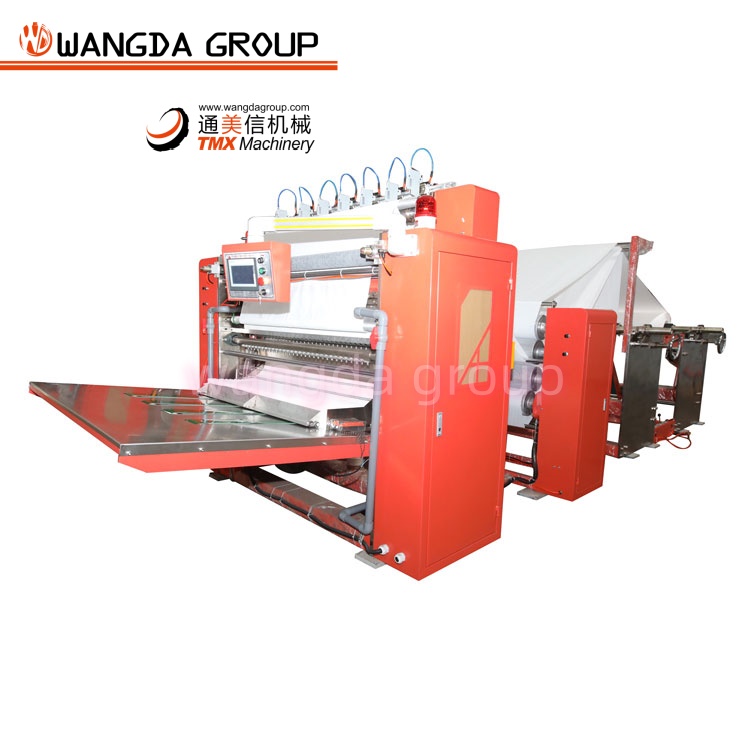
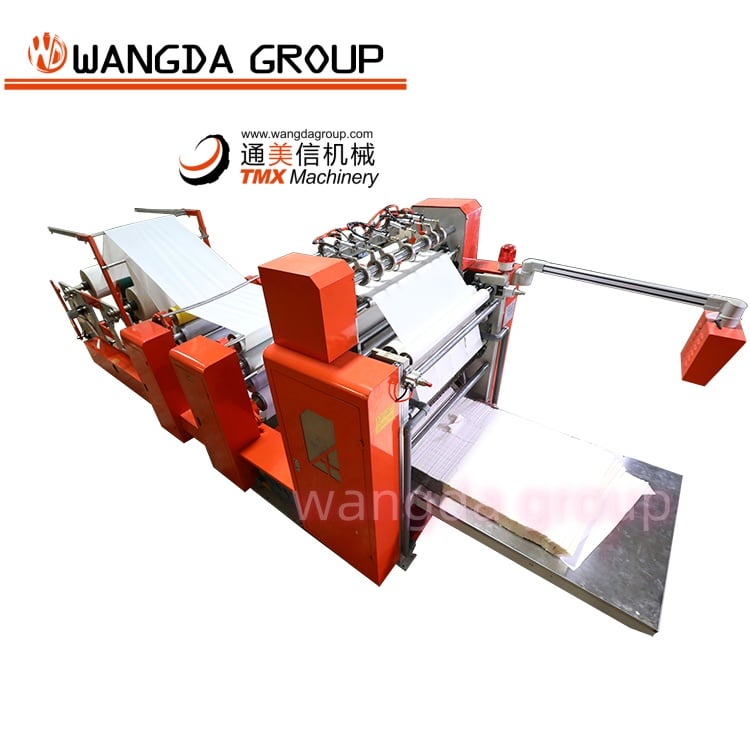
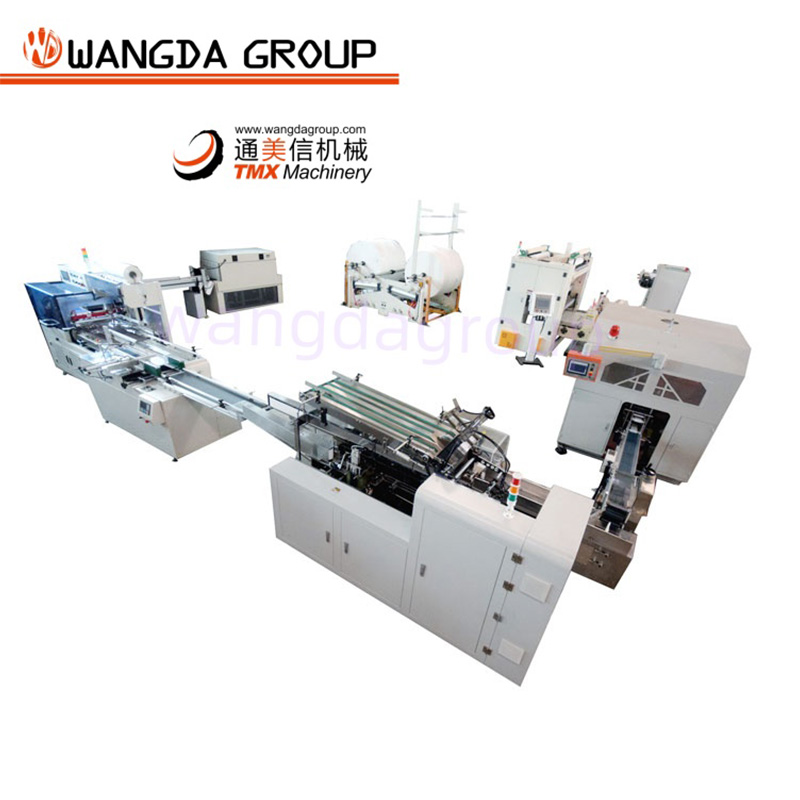
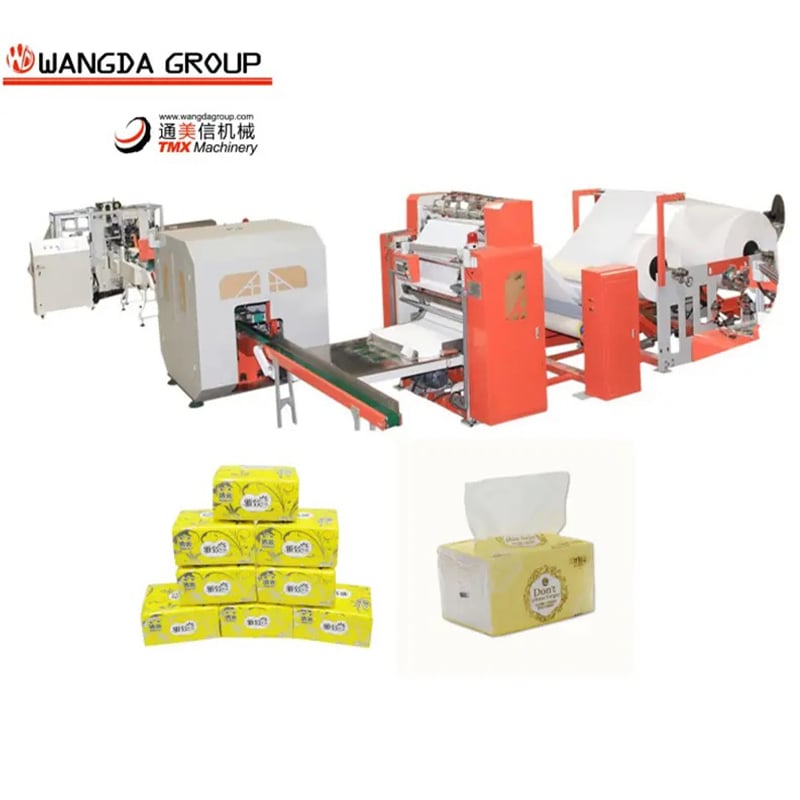
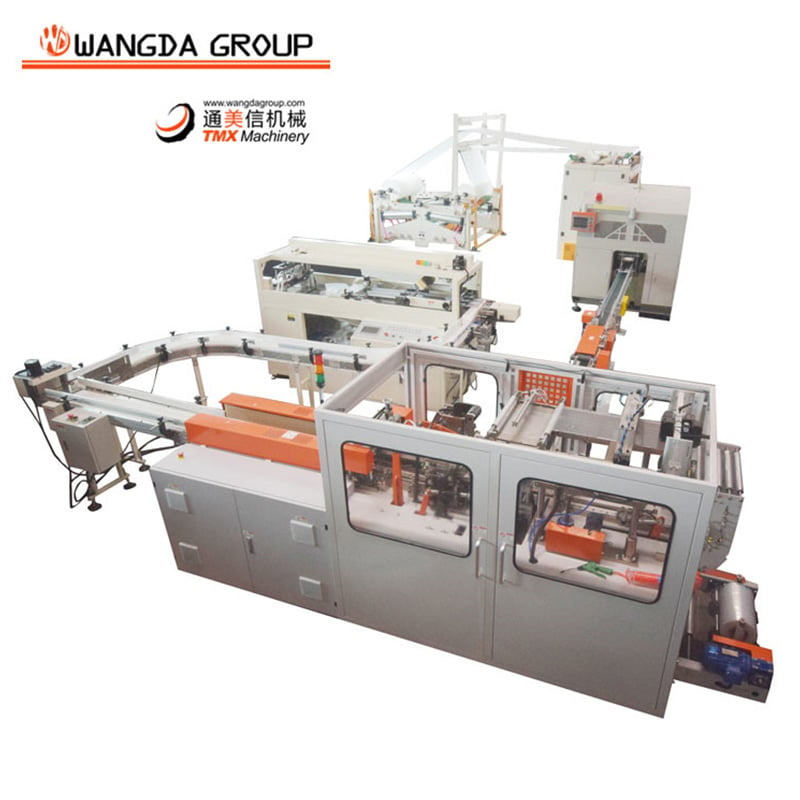
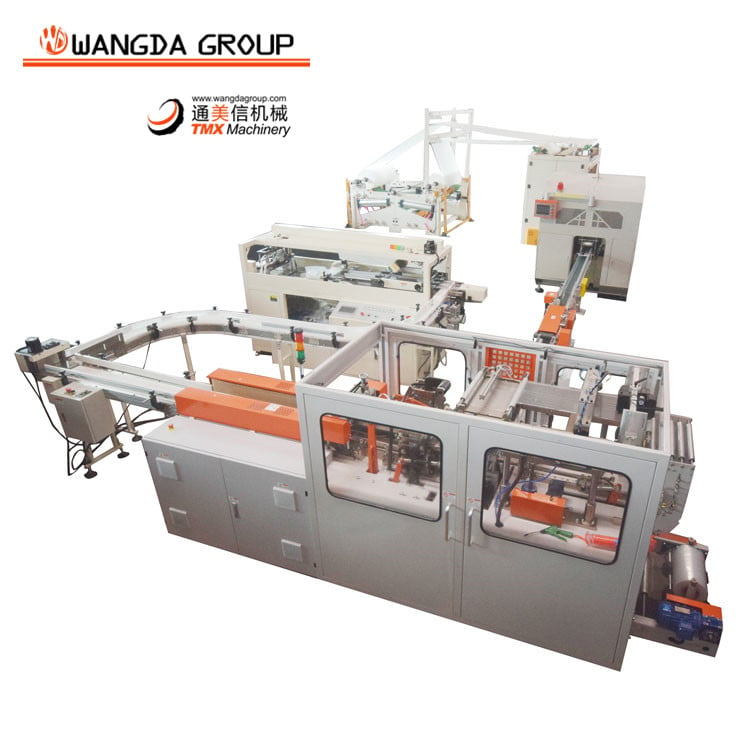
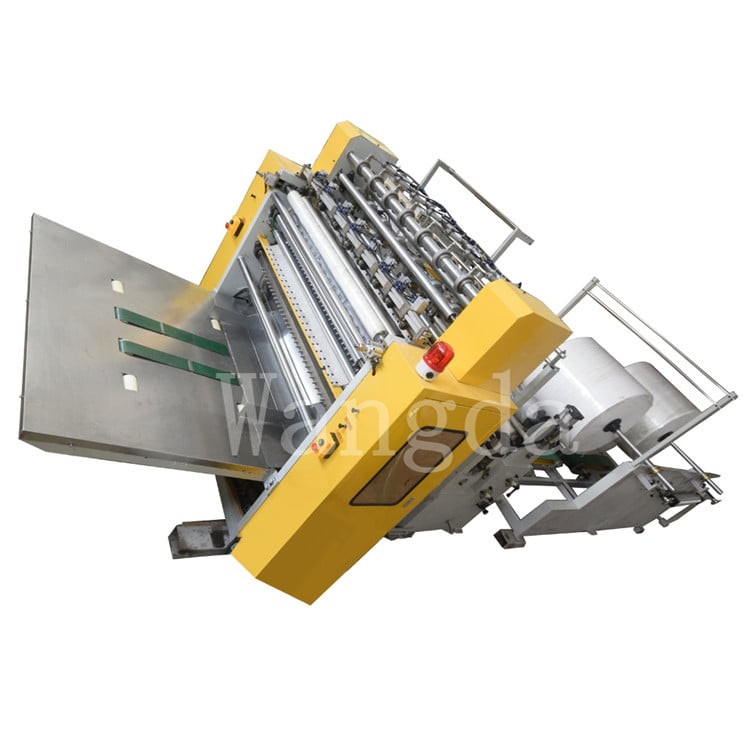
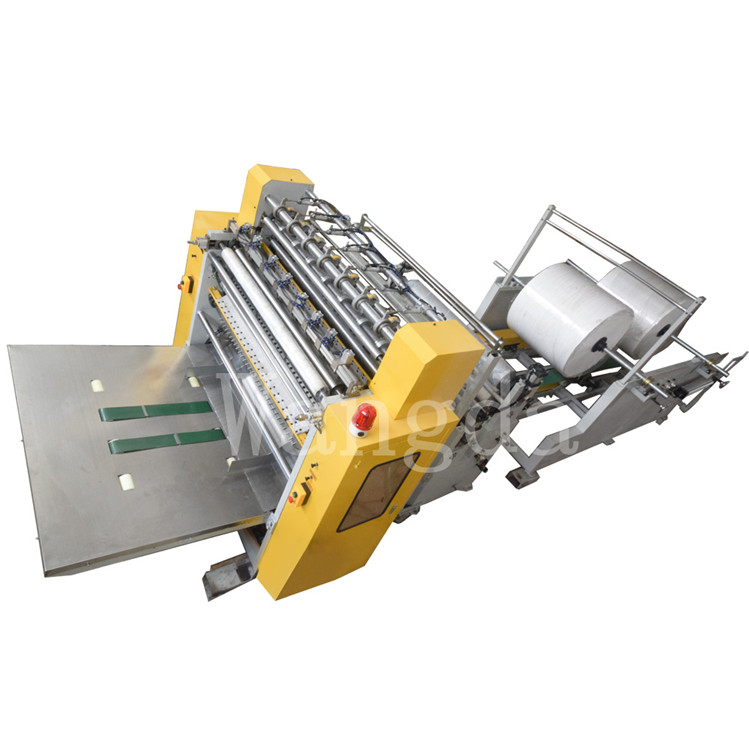
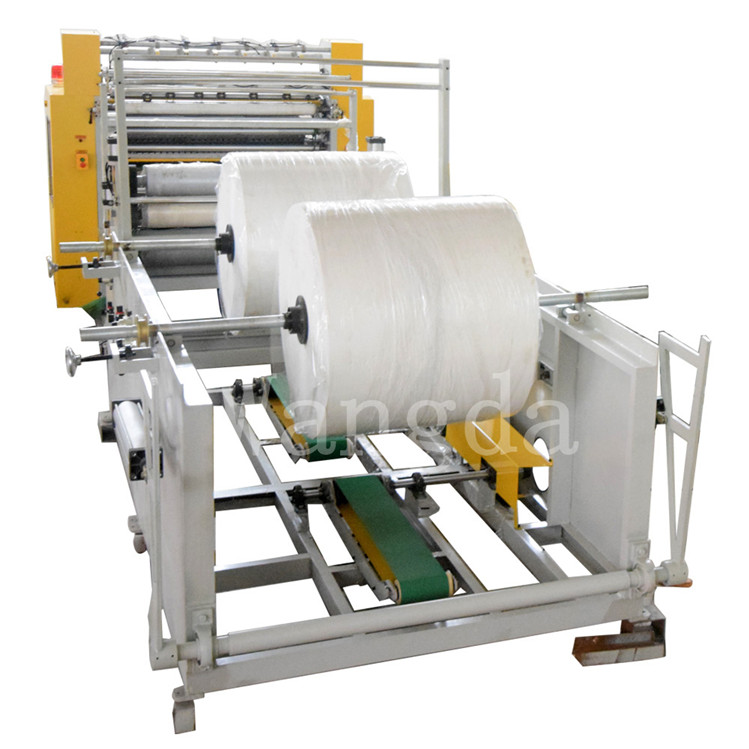
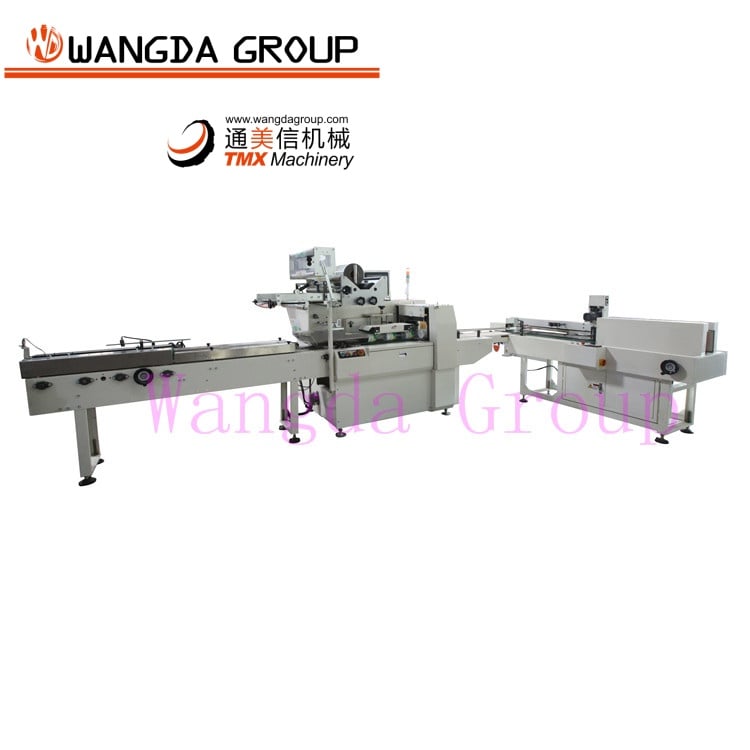
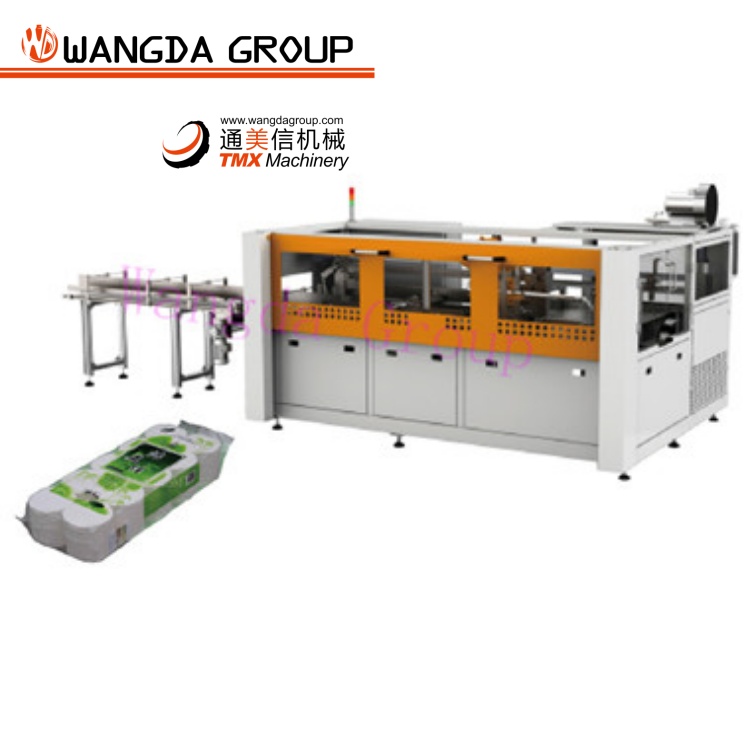
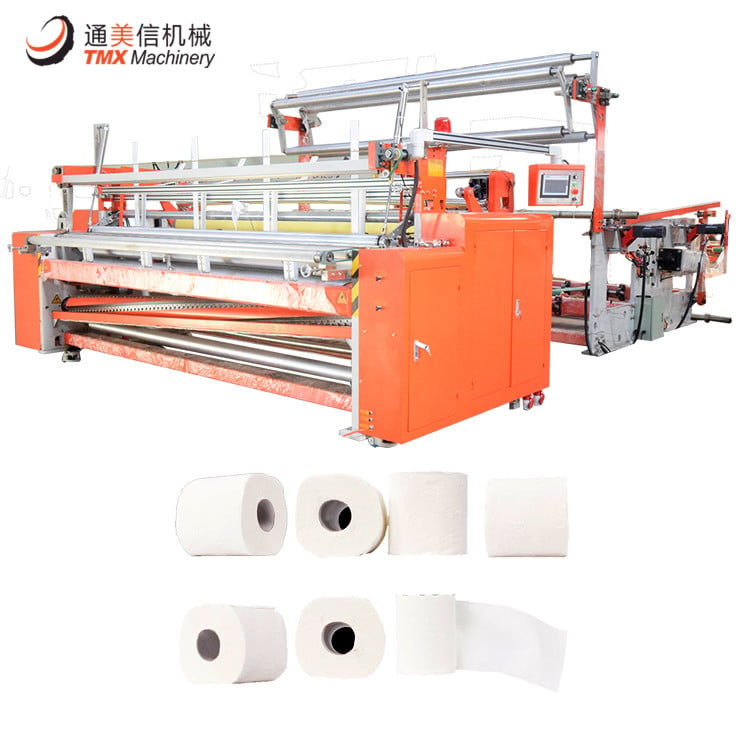
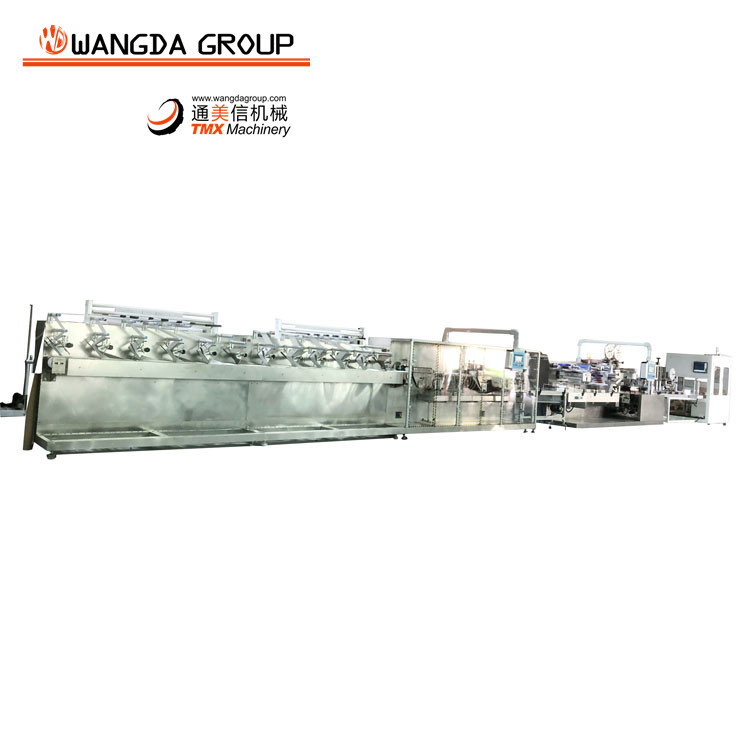
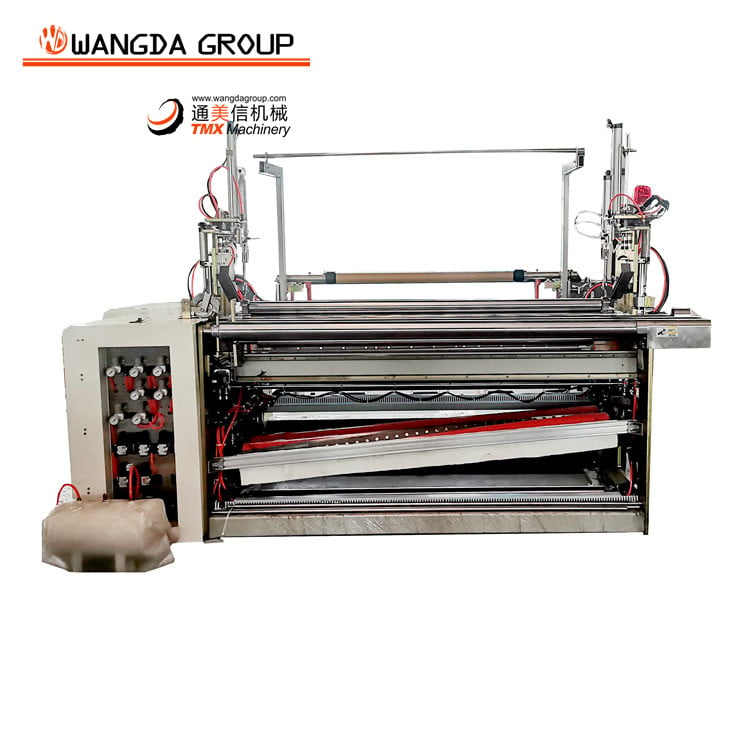
The face tissue making machine is a critical piece of equipment in the production of hygienic products used daily across various industries. For B2B buyers, such as purchasing managers and product managers, understanding the capabilities and specifications of these machines is essential. This article will delve into the key specifications for face tissue making machines, how to evaluate their quality, where to find trusted manufacturers, installation guidance, and common issues encountered with these machines, along with their solutions.
When considering a face tissue making machine, several specifications are crucial to ensure it meets your production needs. Here are the key specifications to evaluate:
Production Capacity: This refers to the number of tissues produced per minute or hour. Choosing a face tissue making machine with the right capacity is vital to meet your demand without over-investing in equipment that runs under capacity.
Machine Dimensions: The size of the machine is important for space planning in your facility. Ensure that the dimensions fit within your production area and allow for necessary movement and accessibility.
Material Compatibility: Machines can handle various raw materials like recycled paper, virgin paper, or specialty substrates. Confirming material compatibility helps in maintaining product quality and meeting customer expectations.
Servo Technology: Full-servo production lines provide higher precision and efficiency in operations. This technology enhances the machine's speed and reduces waste, making it a preferred choice for high-volume production.
Certification Standards: Look for machines certified by recognized standards to ensure quality and safety. Certifications such as CE or ISO can indicate compliance with international manufacturing standards.
Understanding these specifications will enable buyers to select machines that not only fit their current production needs but also allow for future scalability.

To ensure the quality of a face tissue making machine, consider the following evaluation criteria:
Build Quality: Assess the materials used in the machine's construction. High-quality steel and robust components can enhance durability and reduce maintenance needs.
Operational Consistency: Evaluate the machine's performance in real-world conditions. Request demonstrations or video footage of the machine in operation to observe its consistency and reliability.
User Reviews and Case Studies: Seek feedback from existing users about their experiences with the machine. Case studies can provide insights into operational efficiency and potential challenges faced during production.
Warranty and Support: A solid warranty and access to customer support can indicate the manufacturer's confidence in their product quality. Ensure that you understand the terms of the warranty and the availability of technical support.
Sample Testing: Before committing to a bulk order, request samples of the product produced by the machine to inspect for quality, texture, and reliability.
By focusing on these aspects, buyers can make informed decisions that align with their quality expectations.

Identifying reputable manufacturers is crucial for ensuring the longevity and efficiency of your face tissue making machine. Here are steps to find trusted manufacturers:
Industry Reputation: Research manufacturers with a strong track record in the tissue machine industry. Look for companies with a history of successful installations and positive customer feedback.
Certifications and Compliance: Verify that manufacturers hold necessary industry certifications, which can indicate adherence to quality standards and safe manufacturing practices.
Trade Shows and Expos: Attend industry-specific trade shows or expos to meet manufacturers face-to-face. This provides an opportunity to see machines in action and discuss specific requirements with knowledgeable representatives.
Global Presence: A manufacturer with a global export footprint, like Wangda Industrial Co., Limited, signals reliability and experience in handling diverse international markets, which can be beneficial in terms of support and logistics.
Customized Solutions: Opt for manufacturers that offer customization options, allowing you to tailor the machine to your specific production needs.
These strategies will help you find a manufacturer that aligns with your operational goals and quality standards.

Proper installation is essential for optimal machine performance. Here are key steps to consider during installation:
Site Preparation: Before installation, ensure that the designated area is clear and meets the machine’s dimensional and operational requirements. This includes considering power sources, ventilation, and accessibility for maintenance.
Professional Installation: Engage with the manufacturer's technical team for installation. Their expertise ensures that the machine is set up correctly, minimizing the risk of operational issues.
Calibration and Testing: After installation, conduct calibration tests to ensure the machine operates according to specifications. This includes adjusting settings for speed, tension, and cutting precision.
Training for Operators: Ensure that your staff receives thorough training on operating the machine. Understanding its features and controls is crucial for maintaining efficiency and safety during operation.
Regular Maintenance Schedule: Establish a maintenance schedule based on the manufacturer’s recommendations to prevent breakdowns and extend the machine's lifespan.
Following these guidelines will facilitate a smooth installation process and help you maximize the performance of your face tissue making machine.

Wangda has more than 20 years experience in the Toilet paper roll making machine of all kinds of tissue machines, we pay much attention to the features of the machine and its quality, as well as in addition, after sales and pre-sales services. We've sold machines in over 100 countries. This has resulted in many repeat orders and good reviews from our clients. Wangda has its own R and D departments. Our machine is based on the latest Germany Japanese, Japan and Italian technology, and is upgraded day by day. Our machines have been certified to ISO9002, CE, BV and other certifications. We offer turnkey projects that span from A to Z, not just machines.
Wangda is a highly professional and knowledgeable sales staff and after-sales team, 80% of the team has been in Tissue paper manufacturing machine for more than 10 years in our company in this hygiene-conscious product industry. Our team has a wealth of experience in the daily use of paper tissue machines, related packing machines and many other Hygienic products machines We have a wide range of professional expertise in this field, we are aware of what our customers wants, we worry about what our customers worry about. We not just sell the machines to our clients, but we help our customers earn money through this business of hygienic products, to provide the lifelong after-sale services to our customers at the right time.
Wangda manufactures toilet tissue machines (including Toilet paper manufacturing machine and packing) Kitchen towel machines (including cutting and packing) facial tissue machines (including cutting and packing), nylon bag facial tissues machines. We also manufacture maxi roll rewinding machines as well as perforating machines.
We've worked with many clients, both Tissue paper machine home and abroad.
Face tissue making machines may encounter several common issues during operation. Here are a few problems and their potential solutions:
Paper Jams: Frequent paper jams can disrupt production. Ensure that the paper feed system is correctly aligned and that the paper quality meets the machine's specifications. Regular cleaning and maintenance can also help prevent such issues.
Inconsistent Tissue Quality: Variability in tissue quality can arise from incorrect settings or material incompatibility. Regularly check facial tissue machine settings and conduct quality control tests on raw materials to ensure consistency.
Mechanical Failures: Components may wear out over time, leading to mechanical failures. Implement a proactive maintenance program that includes routine inspections and timely replacement of worn parts.
Power Issues: Fluctuations in power supply can affect machine performance. Ensure that the site has a stable power supply and consider using surge protectors to mitigate electrical issues.
Software Glitches: If the machine incorporates digital controls, software glitches can occur. Keeping the software updated and having access to technical support can help resolve these issues quickly.
By addressing these common problems proactively, you can ensure smoother operations and maintain production efficiency.