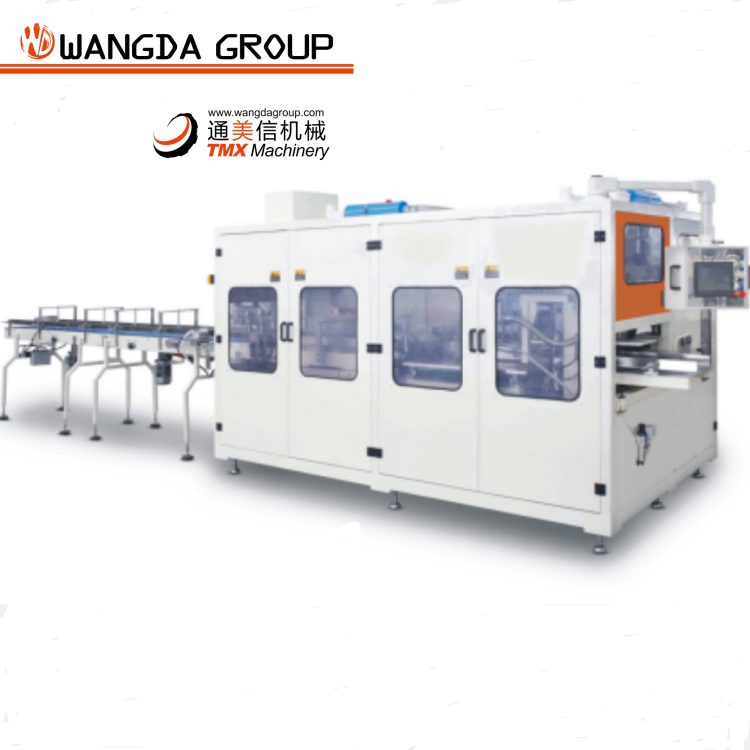
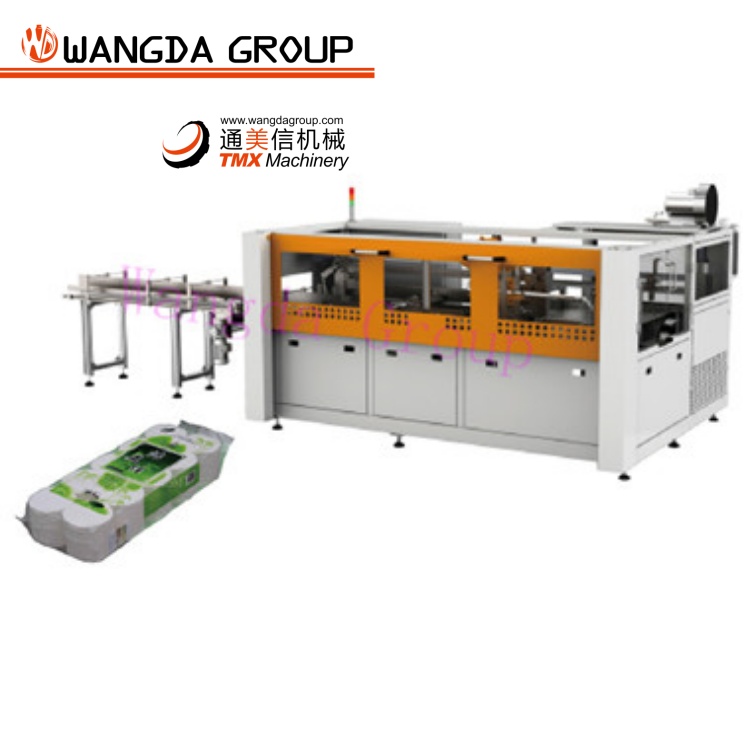
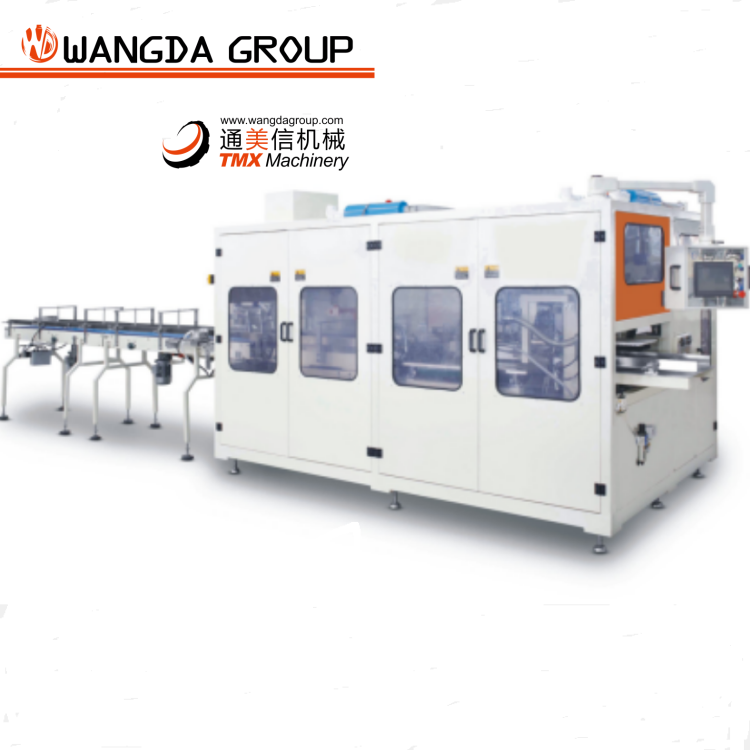
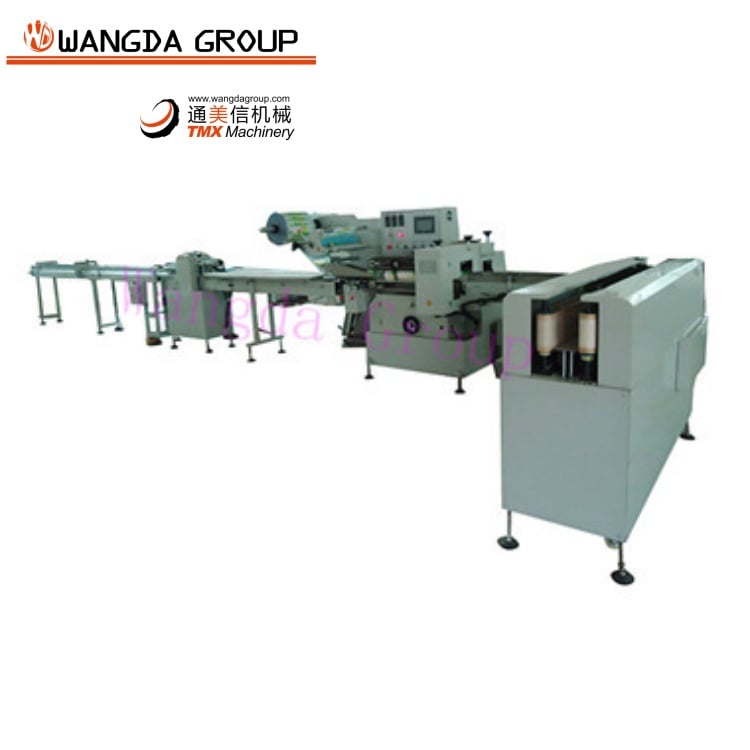
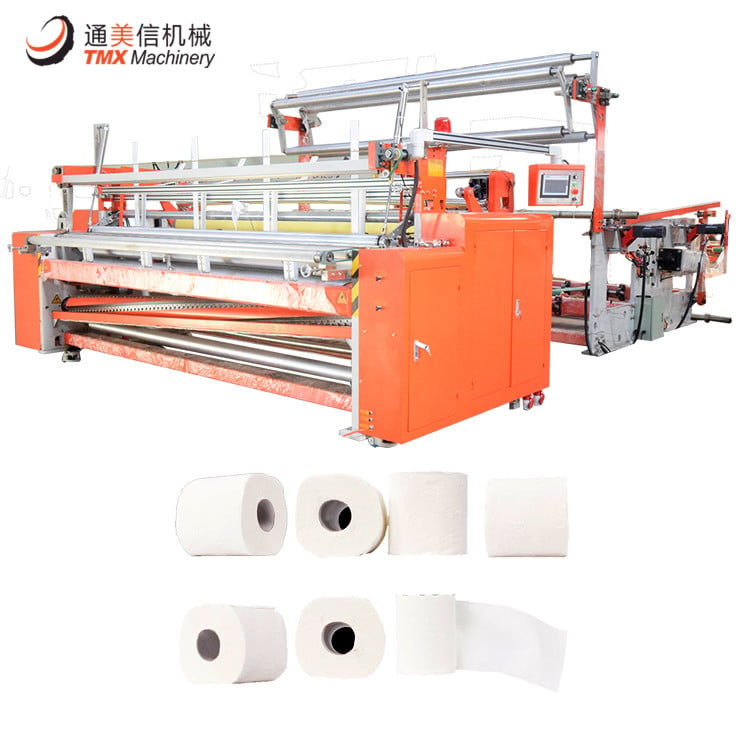
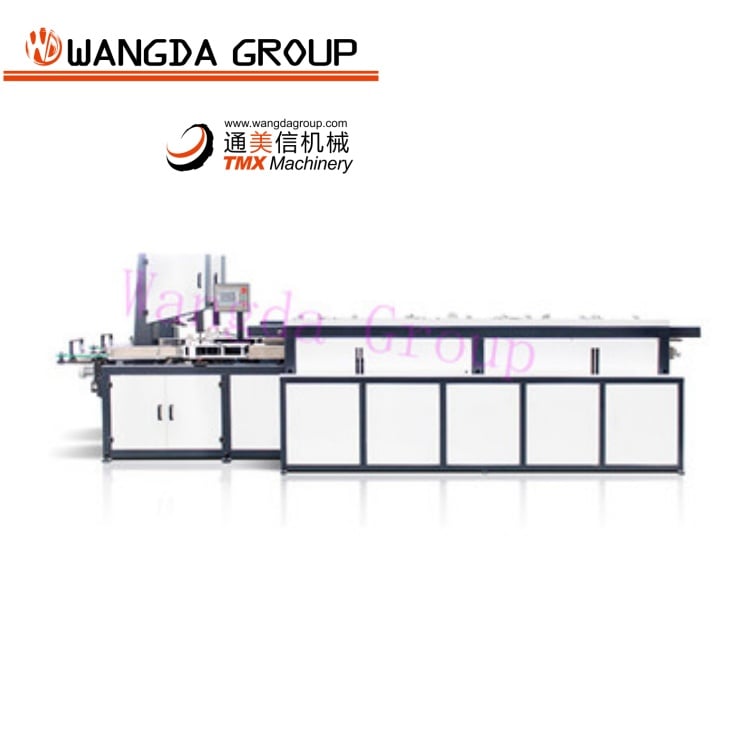
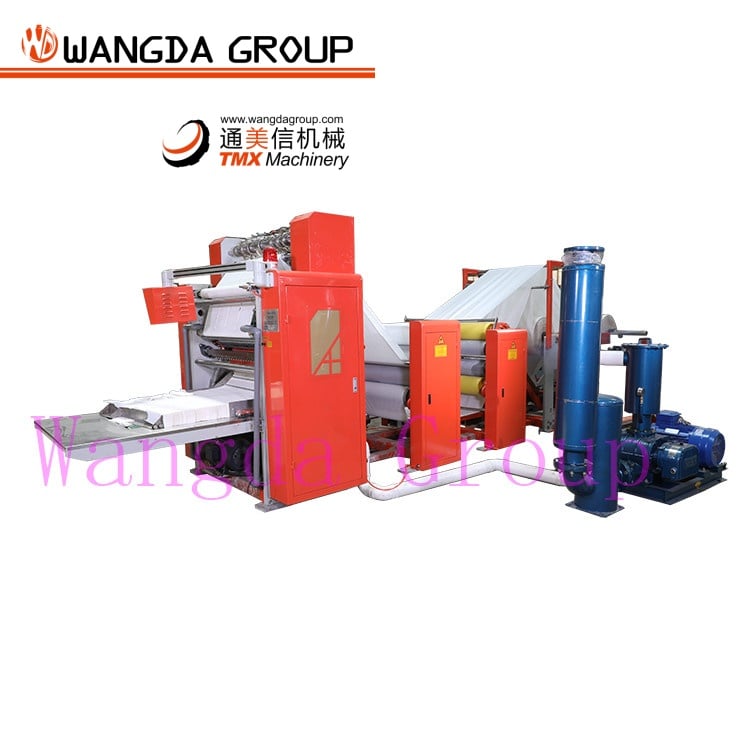
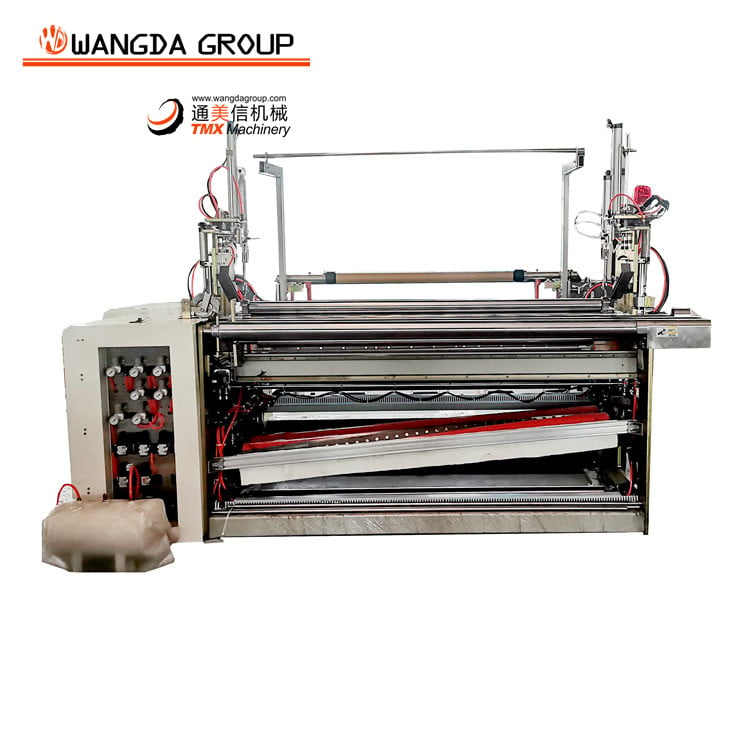
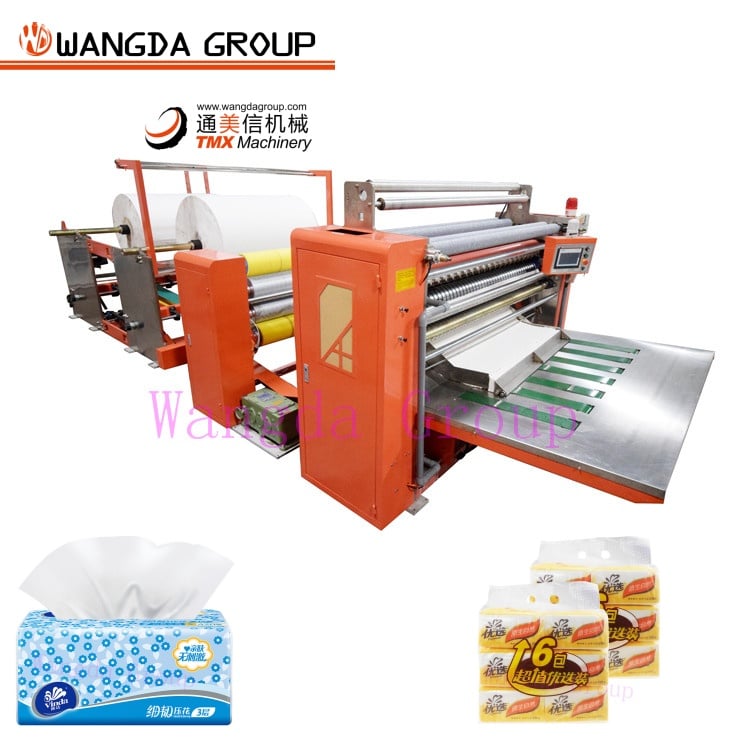
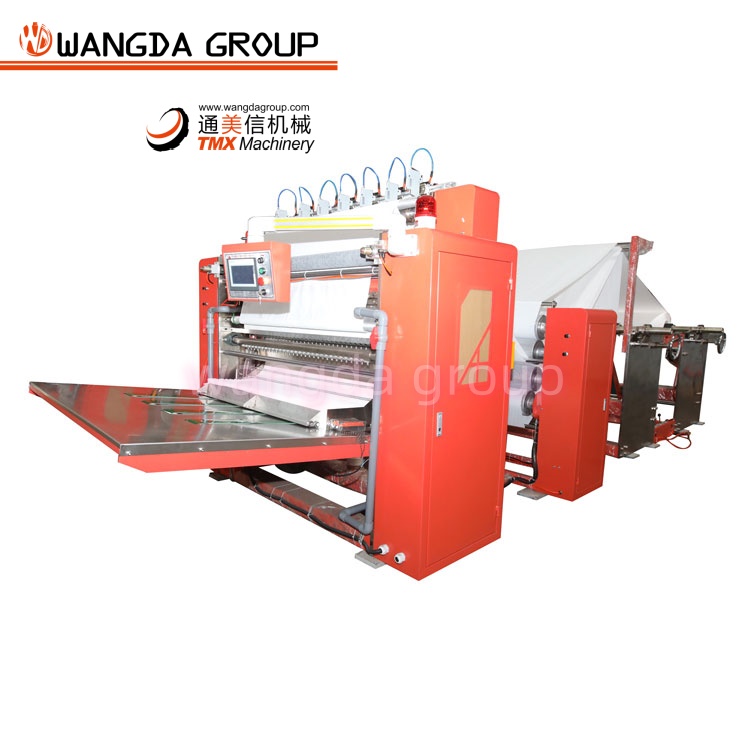
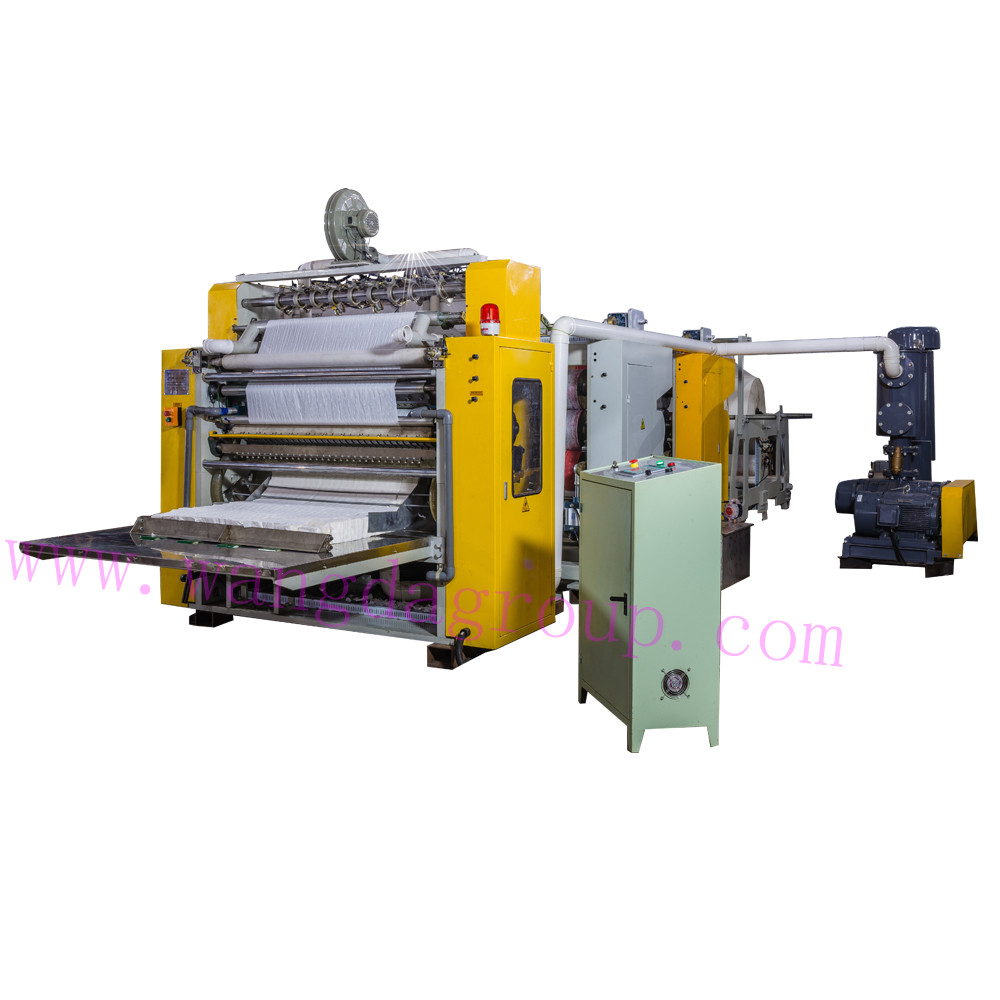
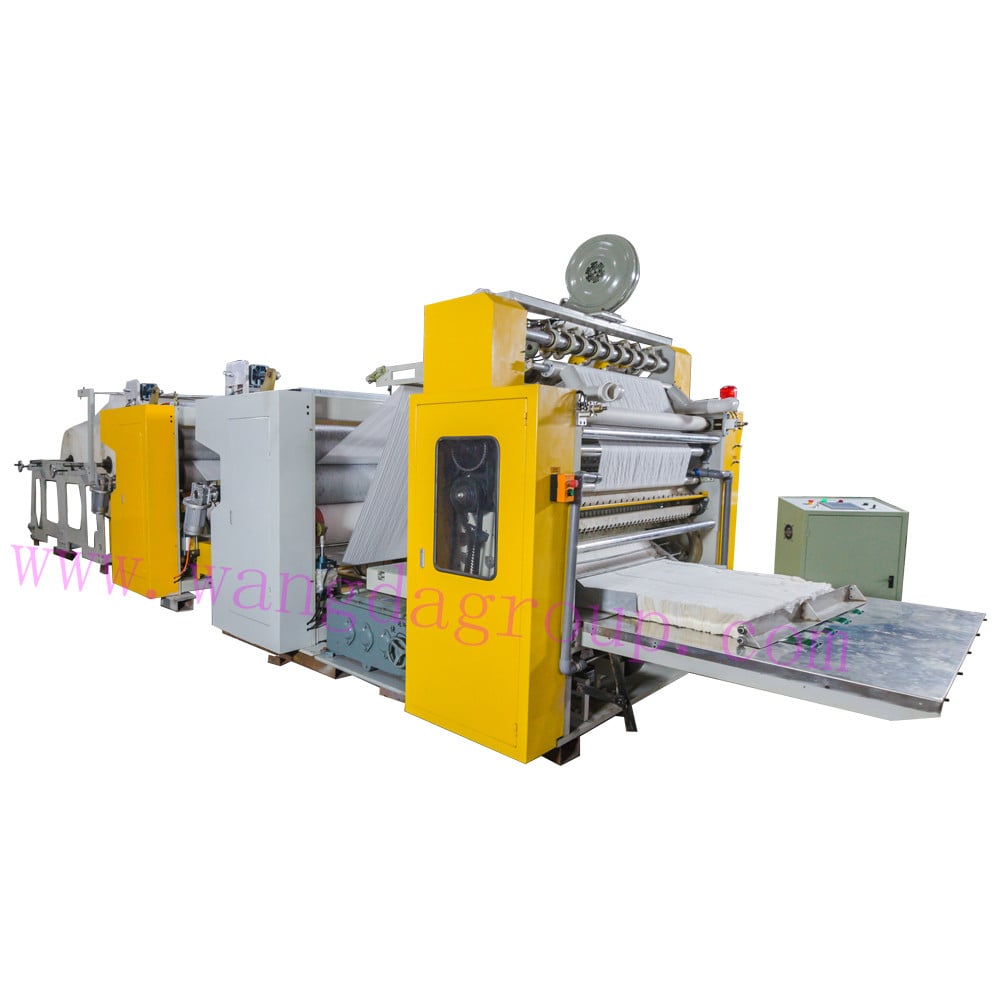
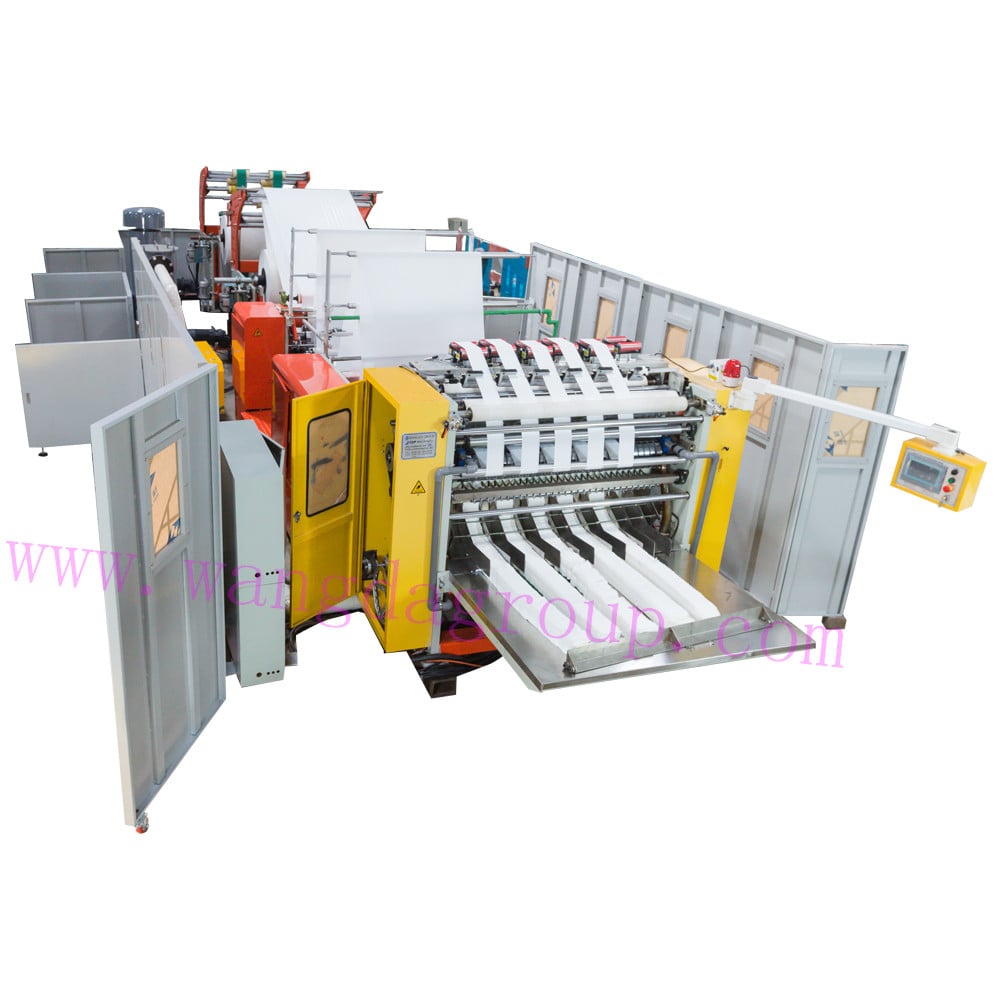
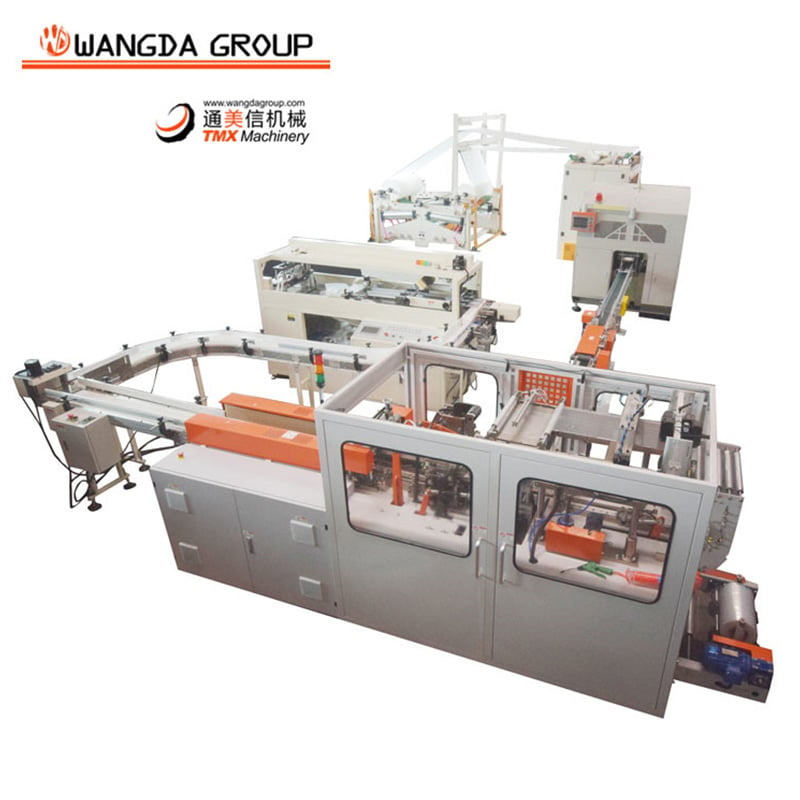
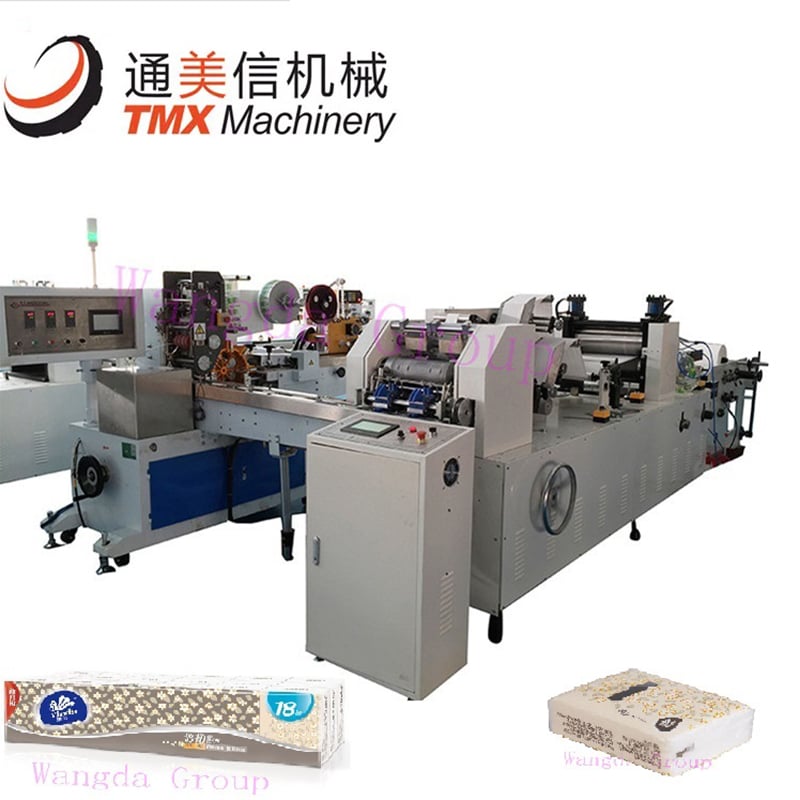
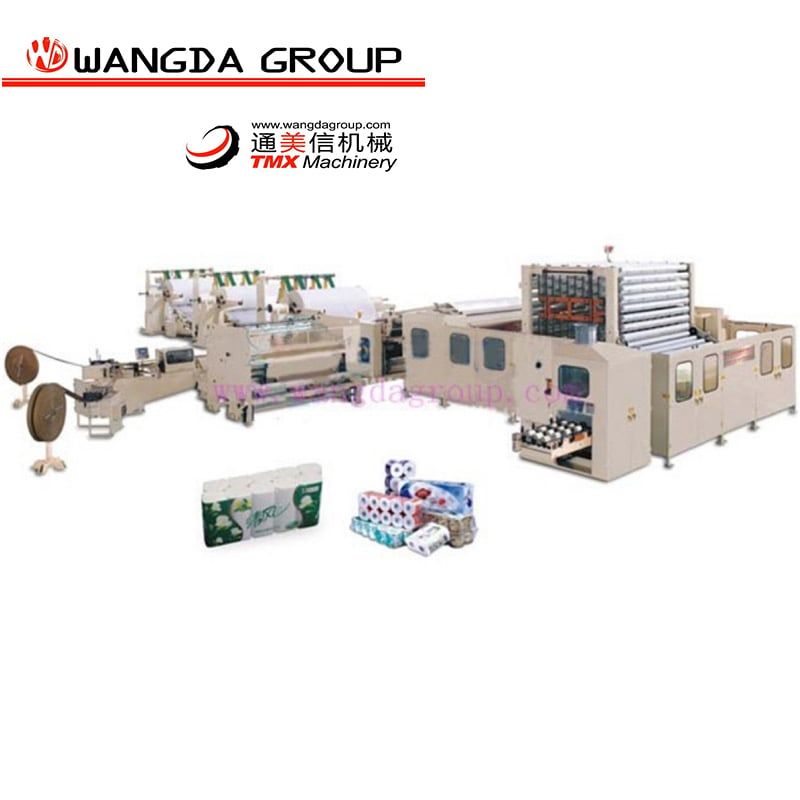
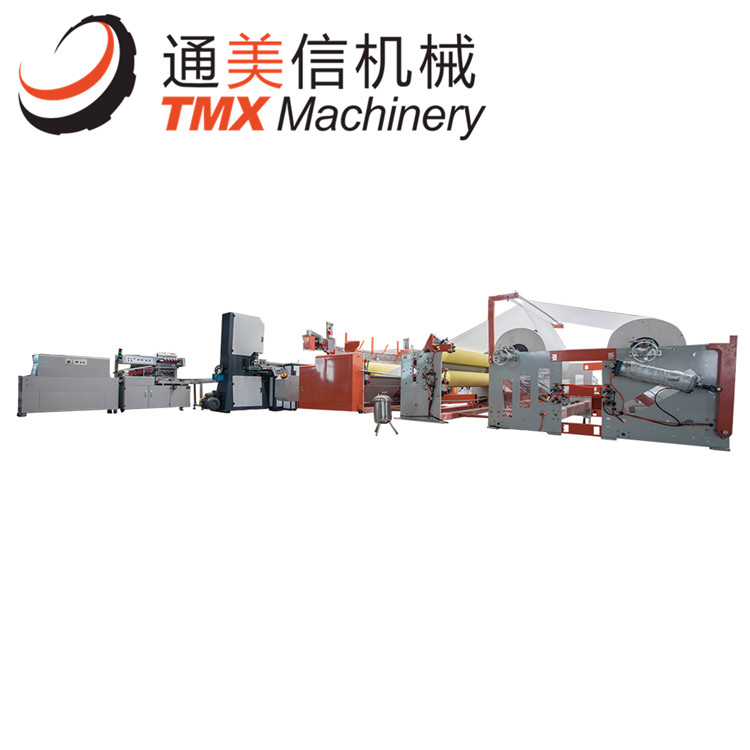
A 3D face tissue making machine is a specialized piece of equipment designed to produce facial tissues with a three-dimensional embossed effect, enhancing both aesthetics and usability. For businesses in the hygiene product manufacturing sector, selecting the right tissue paper making machine is crucial, as it directly impacts product quality, production efficiency, and overall cost. This article will provide essential insights into choosing, sourcing, and operating a 3D face tissue making machine, addressing key concerns for B2B buyers such as specifications, cost factors, and quality control measures.
When selecting a 3D face tissue making machine, several key specifications should be considered to ensure it meets your production needs. First, evaluate the machine's production capacity, which determines how many tissues can be produced per hour. For larger operations, a machine with a higher output may be necessary, while smaller businesses may opt for a more compact model.
Another critical specification is the material compatibility. The machine should be able to handle various paper grades, as this will affect the final product's texture and quality. Additionally, consider the machine's embossing capabilities, as different patterns can impact market appeal. Look for machines that offer flexibility in pattern options to cater to diverse customer preferences.
Customization options are also important. Many manufacturers provide machines that can be tailored to specific production requirements, such as size and packaging formats. Ensure that any potential toilet paper making machine can adapt to your unique business needs, including integration with existing production lines.

Sourcing reliable 3D face tissue making machines requires careful consideration of potential suppliers. Start by researching manufacturers with a solid reputation in the industry. Wangda Industrial Co., Limited, for example, specializes in hygienic product machines and has experience exporting to various global markets, which can provide peace of mind regarding product quality and reliability.
In addition to manufacturer reputation, consider the following factors when sourcing machines:
Certifications: Verify that the manufacturer adheres to industry standards and holds relevant certifications. This ensures that the machines meet safety and quality regulations.
Customer Reviews: Look for testimonials or case studies from other businesses that have purchased similar machines. Positive feedback can indicate a supplier's reliability and the machine's performance.
After-Sales Support: A good supplier should offer comprehensive after-sales support, including installation guidance, maintenance services, and accessible customer service.
Trade shows and industry exhibitions are also excellent venues for sourcing machines. They provide opportunities to see the equipment in action and speak directly with manufacturers.

The cost of a Wangda Industrial 3D face tissue making machine can vary significantly based on several factors. Understanding these factors will help you budget effectively and make an informed purchasing decision.
Machine Specifications: Higher capacity machines with advanced features, such as multiple embossing patterns and automation, typically come at a premium. Assess whether these features align with your production goals.
Material Quality: The type of materials used in the machine’s construction can impact the price. Machines built with high-quality components are likely to have a longer lifespan and require less maintenance.
Customization Needs: Customization can increase the initial cost but may be necessary for specific production requirements. Determine what level of customization is essential for your business.
Shipping and Installation: Don’t forget to factor in shipping costs and installation fees, especially if you're importing the machine from overseas. These costs can add a significant amount to the overall investment.

Implementing robust quality control measures is essential for ensuring that the 3D face tissue making machine operates effectively and produces high-quality products. Here are key measures to consider:
Pre-Production Testing: Before mass production, conduct thorough testing of the machine with sample materials. This step helps identify any issues with settings, embossing quality, or production speed.
Regular Maintenance Checks: Establish a routine maintenance schedule to keep the toilet tissue paper making machine in optimal condition. Regular checks can prevent unexpected breakdowns and ensure consistent output quality.
Final Product Inspection: Develop inspection criteria for the finished tissues. Common checks should include assessing the embossing quality, tissue strength, and overall appearance. Implementing a sampling process can help maintain quality standards over time.
Quality control is not only about the machine’s performance but also involves monitoring the entire production process, from raw material selection to final packaging.
Wangda manufactures toilet tissue machines (including Toilet paper manufacturing machine and packing) Kitchen towel machines (including cutting and packing) facial tissue machines (including cutting and packing), nylon bag facial tissues machines. We also manufacture maxi roll rewinding machines as well as perforating machines.
Wangda has over 20 years of manufacturing tissues machines. We pay close attention to the quality of machines, their function and pre and post sales service. We have sold machines in more than 100 countries, which has won us many repeat orders and good reviews from our clients. Wangda has our own R and D departments. Our machines are based on advanced Germany Japanese, Japan and Italian technology and is keeping updated day by day. Our machines have been certified to ISO9002, Tissue paper making machine, BV and others certifications. We offer turnkey solutions that span from A to Z Not just machines.
We've worked with many clients, both Tissue paper machine home and abroad.
Wangda is a highly professional and knowledgeable sales staff and after-sales team, 80% of the team has been in Tissue paper manufacturing machine for more than 10 years in our company in this hygiene-conscious product industry. Our team has a wealth of experience in the daily use of paper tissue machines, related packing machines and many other Hygienic products machines We have a wide range of professional expertise in this field, we are aware of what our customers wants, we worry about what our customers worry about. We not just sell the machines to our clients, but we help our customers earn money through this business of hygienic products, to provide the lifelong after-sale services to our customers at the right time.
Proper installation of your Wangda Industrial 3D face tissue making machine is crucial for achieving optimal performance. Here are key steps to follow:
Prepare the Installation Site: Ensure that the installation area has adequate space, electrical supply, and ventilation. The machine should be set up on a stable surface to prevent vibrations during operation.
Follow Manufacturer Instructions: Adhere strictly to the installation manual provided by the manufacturer. This will include detailed instructions on assembling the machine and connecting it to power and water supplies.
Conduct a Test Run: Once installed, perform a test run using sample materials. This will help identify any setup issues and confirm that the machine operates as expected.
Training for Operators: Ensure that operators receive adequate training on the machine’s functions and safety protocols. Well-trained staff can significantly reduce the likelihood of errors and accidents during operation.
By following these guidelines, businesses can maximize the efficiency and longevity of their 3D face tissue making machines, ultimately leading to better product quality and increased customer satisfaction.