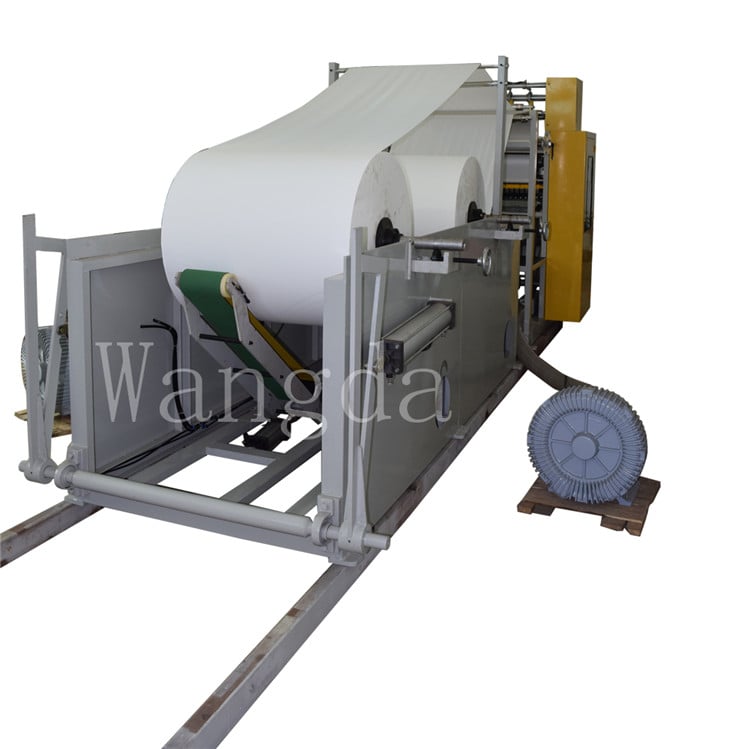
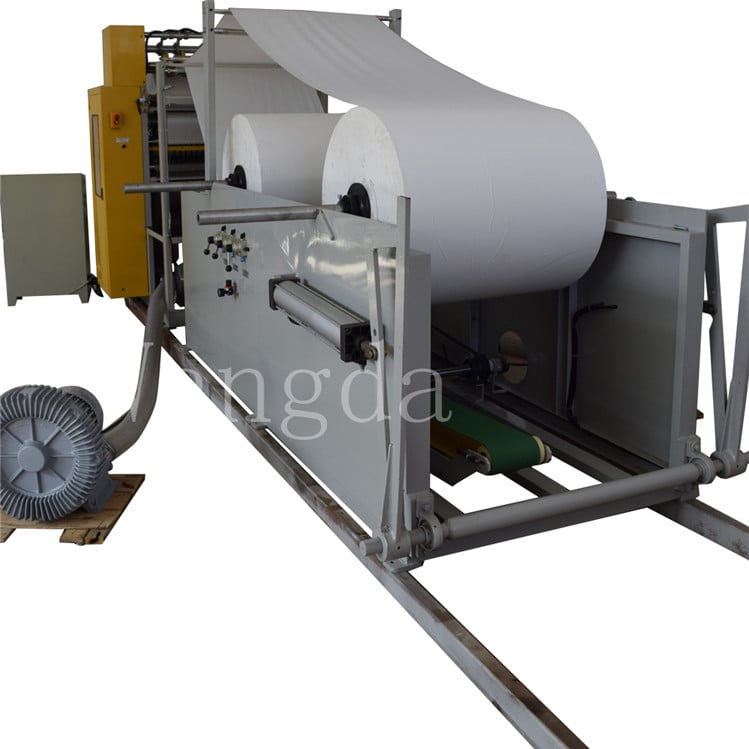
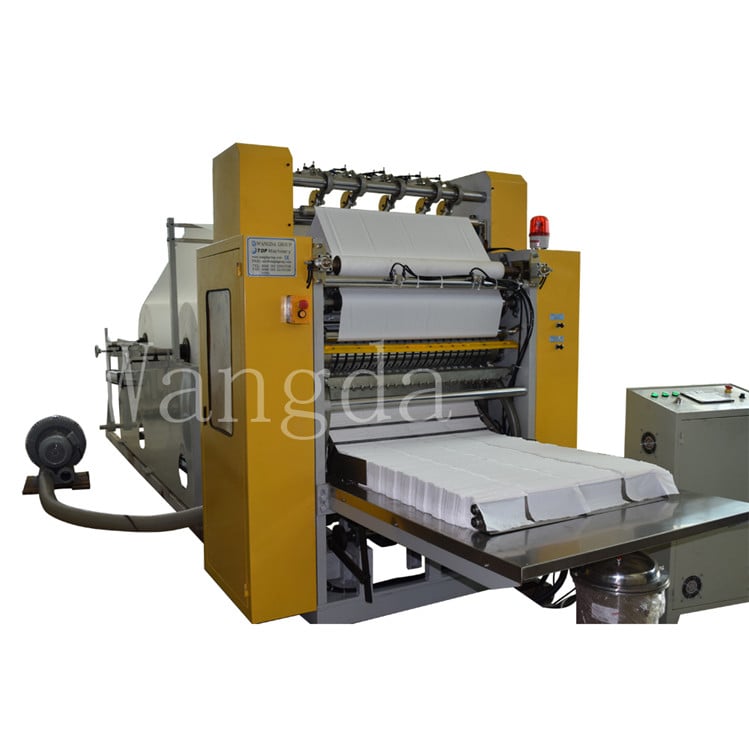
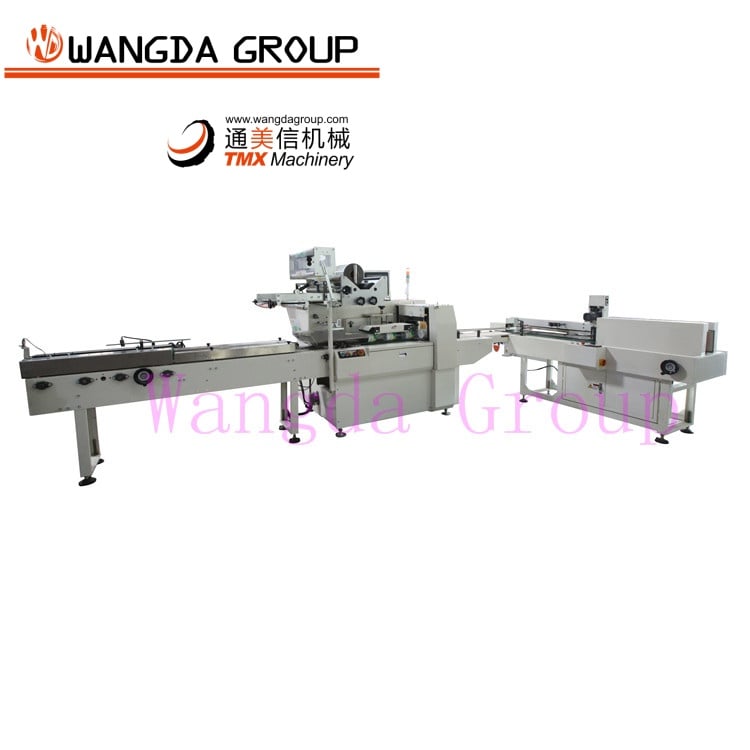
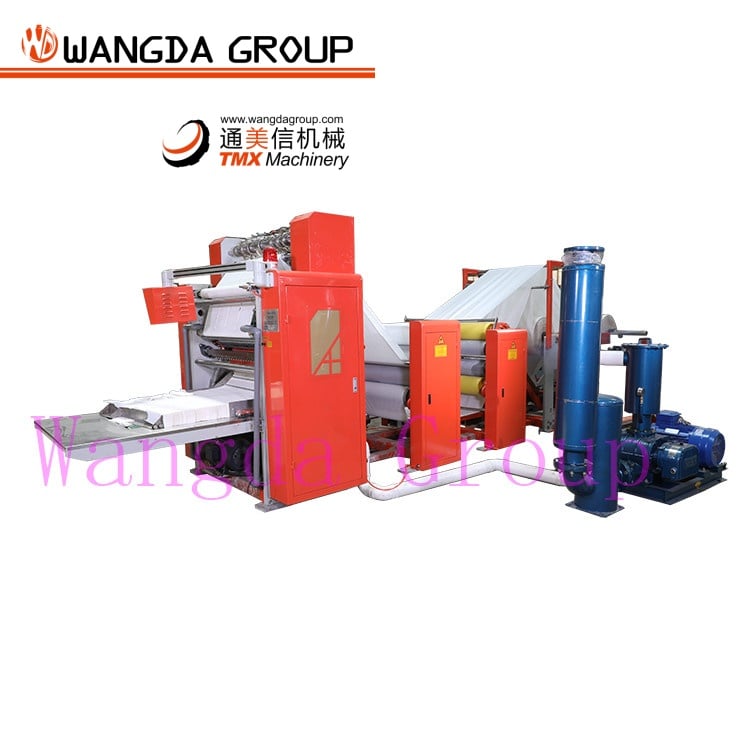
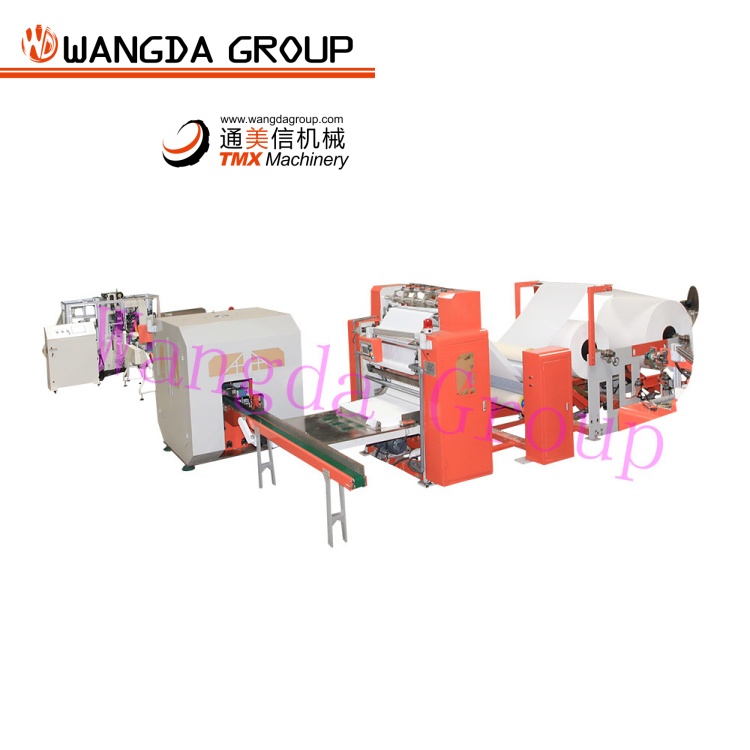
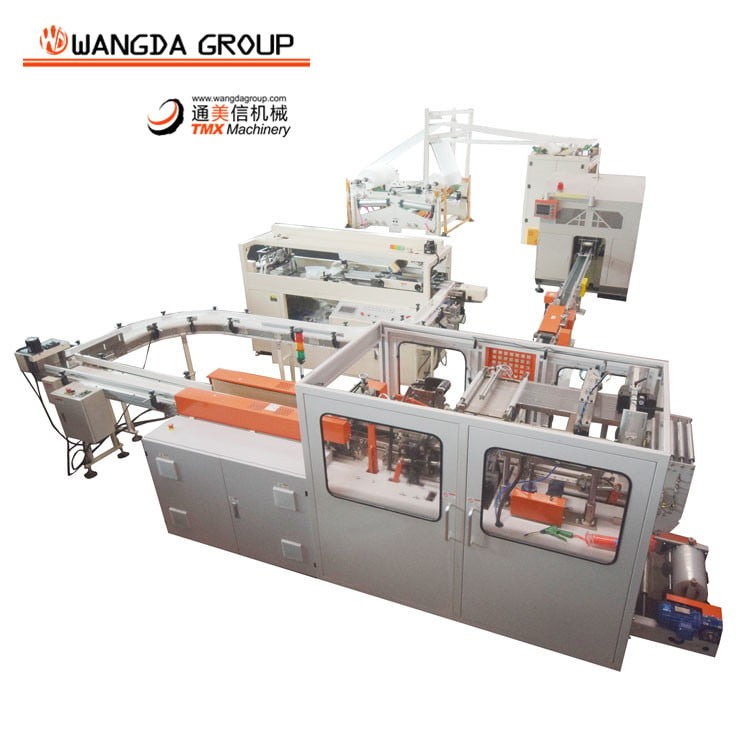
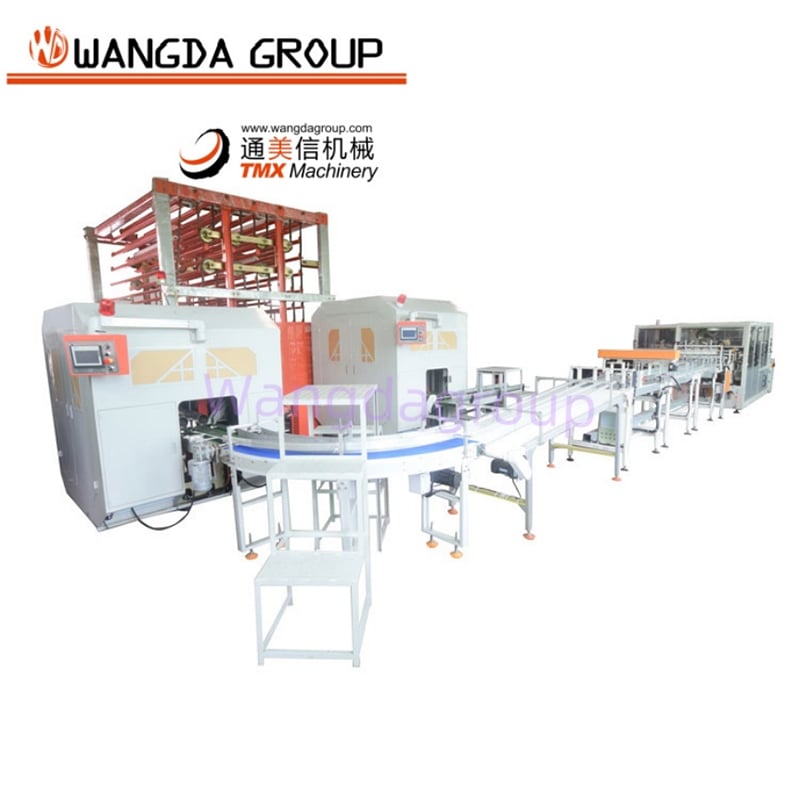
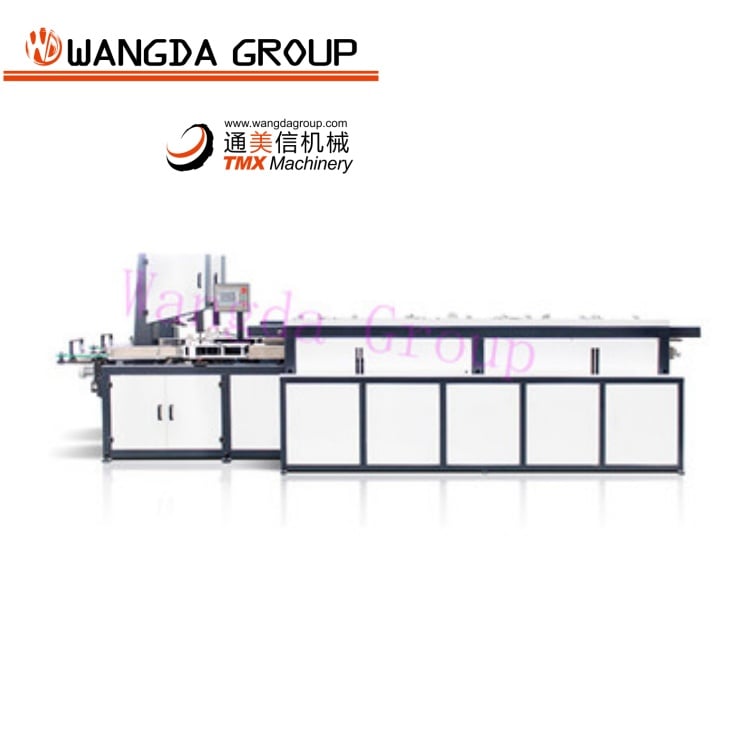
Investing in a face tissue making machine is a significant decision for businesses in the hygiene product manufacturing sector. With various options available to buy, it's crucial for buyers to consider factors such as machinery specifications, production capabilities, and overall cost-effectiveness. This article will guide you through the essential aspects of selecting a face tissue making machine, along with installation guidance, common challenges, and application scenarios relevant to your business needs.
When selecting a face tissue making machine to buy, several key factors should be prioritized. First, consider the machine's production capacity, which is usually measured in tons per day. Depending on your business scale, you may need a machine that can handle high volumes efficiently.
Next, evaluate the machine's specifications, including its automation level (full-servo vs. semi-automatic). Full-servo tissue making machine often offer greater precision and lower labor costs, as they require less manual intervention. It's also essential to check the machine's compatibility with different paper grades and sizes to ensure it meets your product line requirements.
Additionally, assess the quality control features built into the machine. These can include automatic tension control, fault detection systems, and the ability to produce uniform sheets. Lastly, consider the after-sales support and warranty offered by the manufacturer to ensure you have assistance available when needed.

The cost of a face tissue making machine can vary significantly based on several factors. The initial purchase price is just one aspect; buyers should also consider operational costs, maintenance, and potential downtime. Key cost factors include:
Machine Specifications: Higher automation levels and advanced technology typically result in higher upfront costs. However, they may lead to lower operational costs over time due to reduced labor requirements.
Production Capacity: Machines with higher output capacities often command higher prices. Assess your production needs against your budget to find a suitable balance.
Material Compatibility: Some machines are designed to work with specific paper grades or thicknesses, which can affect pricing. Confirm the machine’s abilities to handle the materials you intend to use.
Customization Options: If you require specific features or configurations, customization can increase costs. Ensure you discuss these needs with your supplier early in the purchasing process.
Shipping and Installation: Don't forget to factor in the costs associated with shipping and installation, which can significantly impact your overall budget.
By understanding these cost factors, you can make a more informed decision that aligns with your business financials.

Proper installation of your new face tissue making machine is critical for optimal performance. Here are key steps to ensure a successful setup:
Site Preparation: Before the machine arrives, prepare your facility with adequate space, power supply, and ventilation. Check that your flooring can support the machine's weight.
Expert Installation: Engage qualified technicians for installation. They will ensure that the tissue paper making machine is set up correctly and configured for your specific production requirements.
Calibration and Testing: After installation, calibrate the machine according to the manufacturer's specifications. Conduct initial tests using the intended materials to verify that everything operates smoothly.
Training: Arrange for operator training sessions provided by the manufacturer. This training is crucial for ensuring that your staff can effectively operate the machine, maintain it properly, and troubleshoot any potential issues.
Documentation: Keep all installation documentation, including user manuals and maintenance logs, organized for easy reference. This will be invaluable for ongoing operations and troubleshooting.

While face tissue making machines are designed for efficiency, they can encounter issues that may disrupt production. Here are some common problems and solutions:
Paper Jams: Frequent paper jams can occur due to incorrect paper feeding or moisture issues. Regular maintenance checks and ensuring that paper is stored in a controlled environment can help mitigate this.
Inconsistent Sheet Size: Variations in sheet size can lead to quality issues. This could be due to improper calibration or worn-out components. Regularly check the machine's settings and replace worn parts as necessary.
Mechanical Failures: Components such as motors or sensors may fail over time. Implement a routine inspection schedule to identify and replace parts before they cause significant downtime.
Quality Control Issues: If the final product does not meet quality standards, verify that the machine is correctly set up and that the raw materials are within specifications. Regular quality checks during production can help catch issues early.
Software Glitches: Some machines come with software controls that may require updates or fixes. Stay in contact with your manufacturer for software support and ensure you are using the latest version.
Understanding these potential problems and their solutions will help you maintain continuous production and improve overall efficiency.
Wangda has over 20 years of experience manufacturing all sorts of tissue machines, we pay much attention to the machines' functions and the quality, and also Tissue paper machine and after sales services. We have sold machines to more than 100 countries. This has resulted in repeat orders and good comments from our clients. Our R and D department is part of Wangda. We have our own R and D departments. Our machines are continuously upgraded and are incorporating the latest technology of Germany, Japan, and Italy. They have passed ISO9002, CE and BV certifications. We provide turnkey projects all the way from A to Z that includes more than machines.
We've worked Tissue paper manufacturing machine a variety of clients both at home and internationally.
Wangda manufactures toilet tissue machines (including cutting and Toilet paper roll making machine) Kitchen towel machines (including cutting and packing) facial tissue machines (including cutting and packing) and nylon bag facial tissues machines. We also produce maxi roll rewinding as well as perforating machines.
Wangda has very professional with a long-standing sales team as well as an after-sales department, with 80% of the team has worked for over 10 years in our company within this Hygienic products industry. Our teams are experienced in the daily use of paper tissue machines, packing machines and many other Hygienic products machines We have a wide range of professional information in this area, we think what our customer would like, and we make sure that our customers are worried about. Our customers aren't just purchasing machines from us We also assist them make money from this Toilet paper machine business. We offer our customers with the after-sales services they require.
Face tissue making machines are versatile and can be utilized across various industries. Here are some common application scenarios:
Consumer Goods Manufacturing: Many businesses in the consumer goods sector produce face tissues for retail distribution, catering to both bulk wholesalers and direct-to-consumer sales.
Healthcare Facilities: Hospitals and clinics require high-quality face tissues for patient care. Machines designed to produce hypoallergenic and soft tissues are particularly suited for this market.
Foodservice Industry: Restaurants and catering businesses use face tissues for hygiene purposes. Machines that can produce decorative and branded tissues are often in demand in this sector.
Promotional Products: Custom-printed face tissues are popular for marketing campaigns. The ability to adjust sizes and print designs makes these machines valuable for promotional product manufacturers.
Personal Care Products: With a growing focus on hygiene, personal care brands are increasingly incorporating face tissues into their product lines. Machines that can produce eco-friendly or biodegradable tissues meet the demands of sustainability-focused brands.
By understanding these applications, buyers can identify specific market opportunities and tailor their production capabilities accordingly.
Investing in a face tissue making machine requires careful consideration of numerous factors, from selecting the right equipment to understanding the associated costs and common issues. With the right information and guidance, you can make an informed decision that aligns with your business needs and market demands.