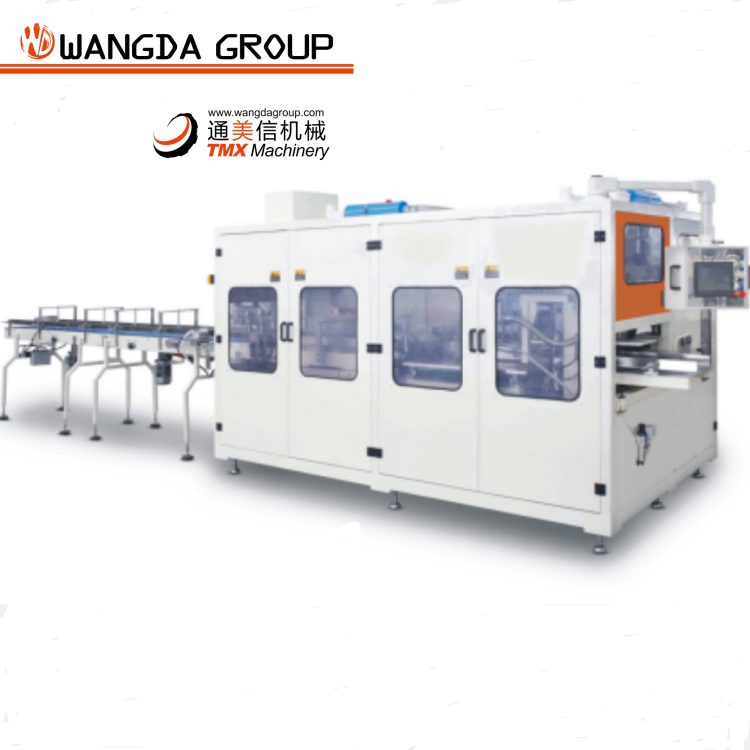
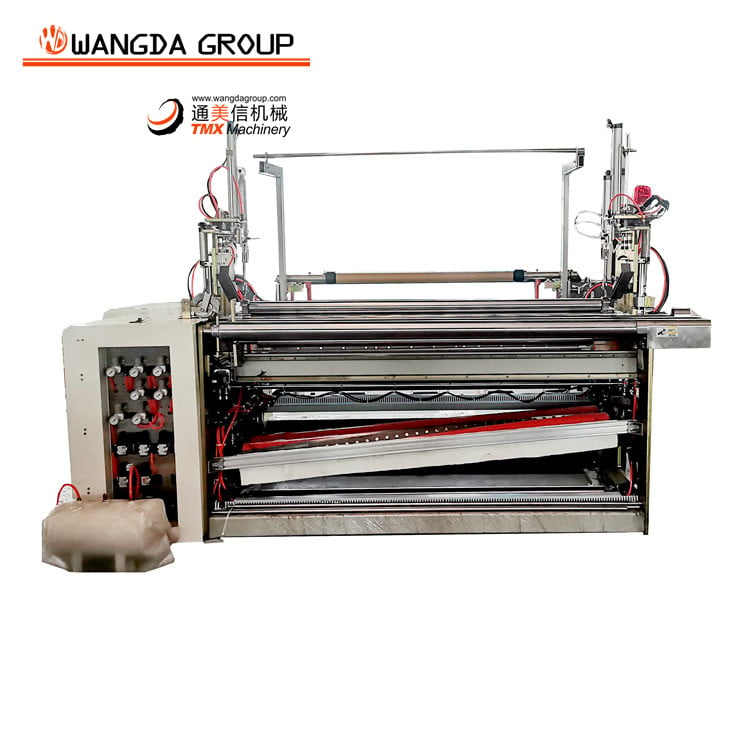
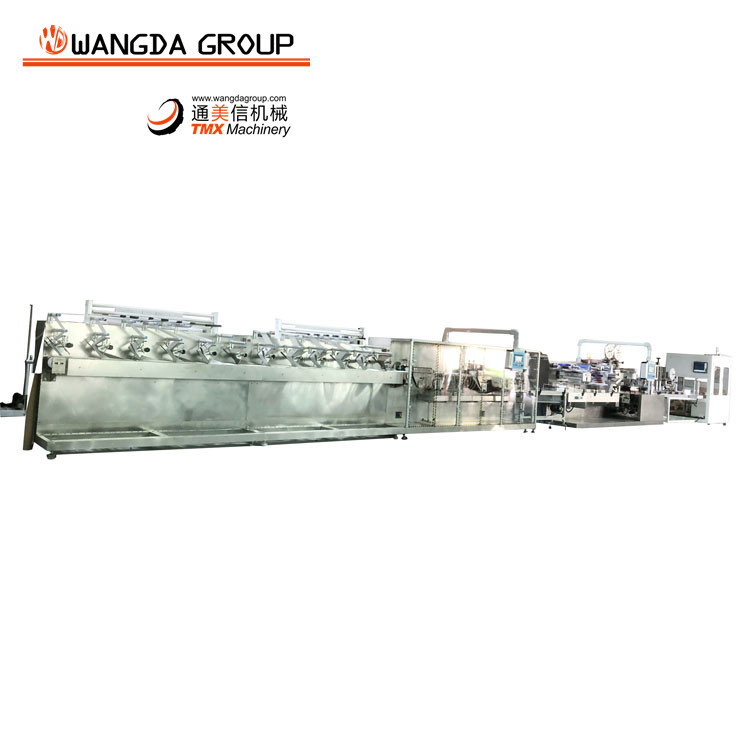
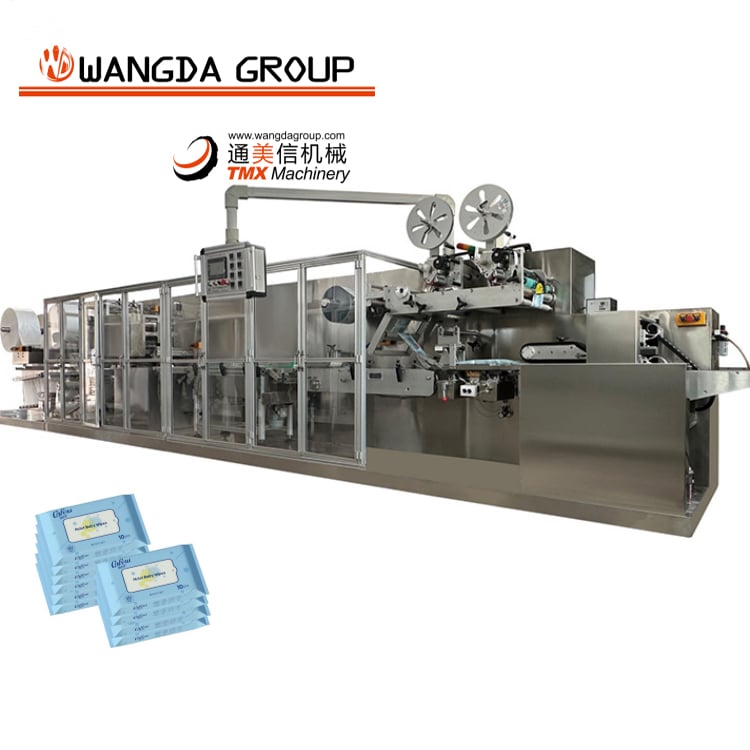
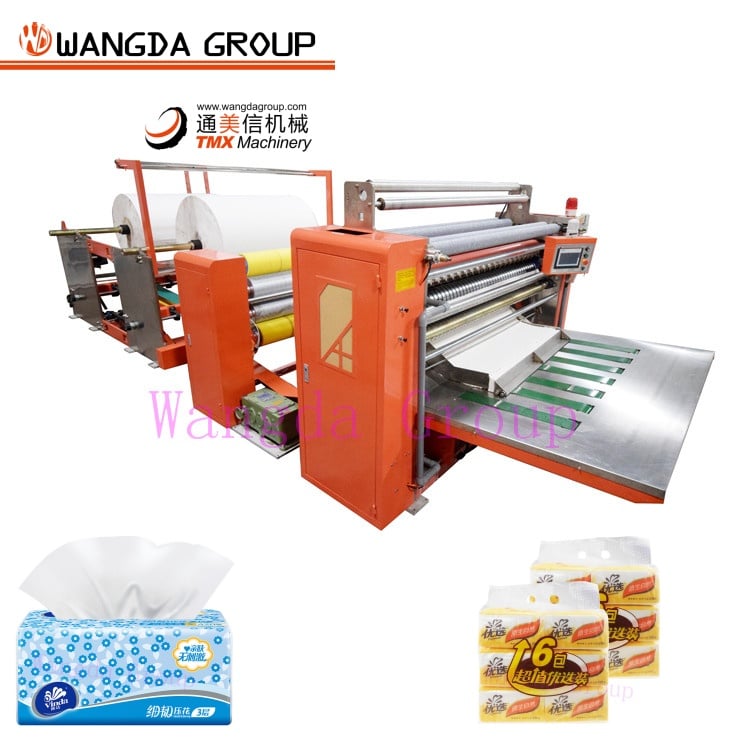
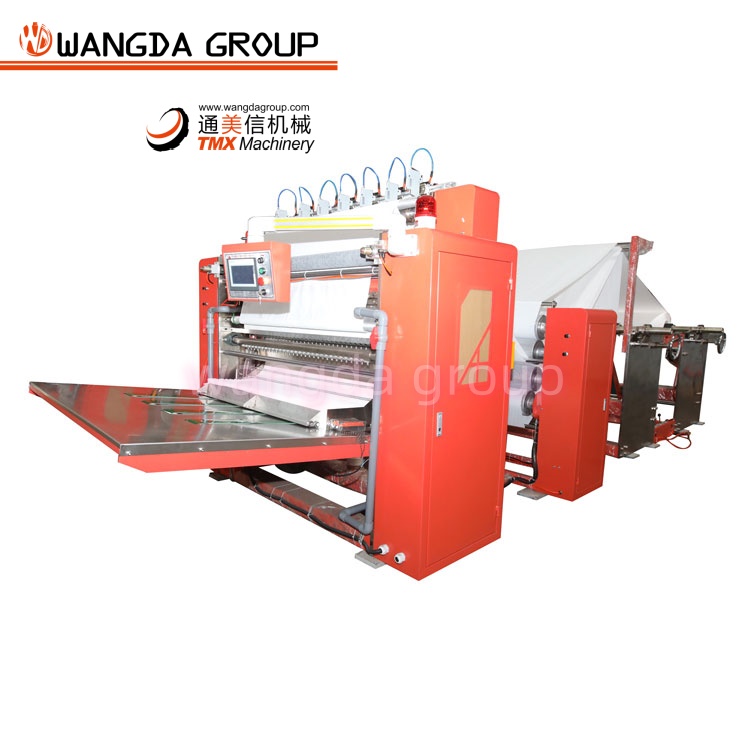
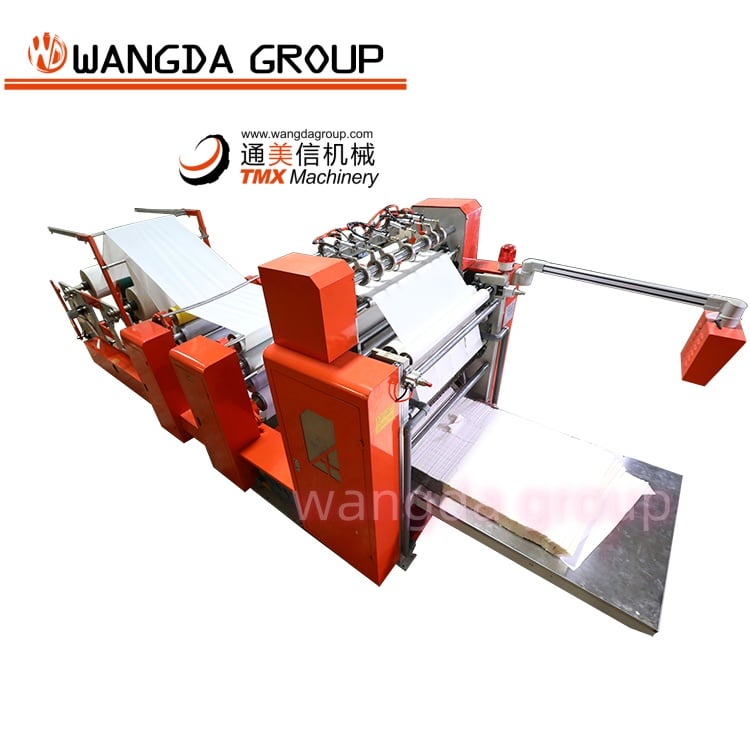
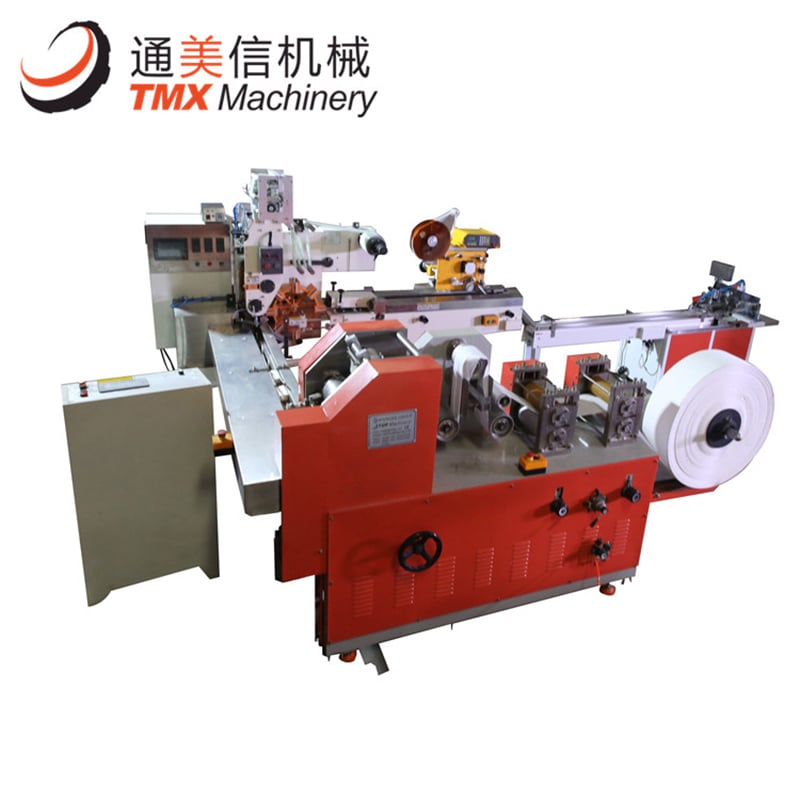
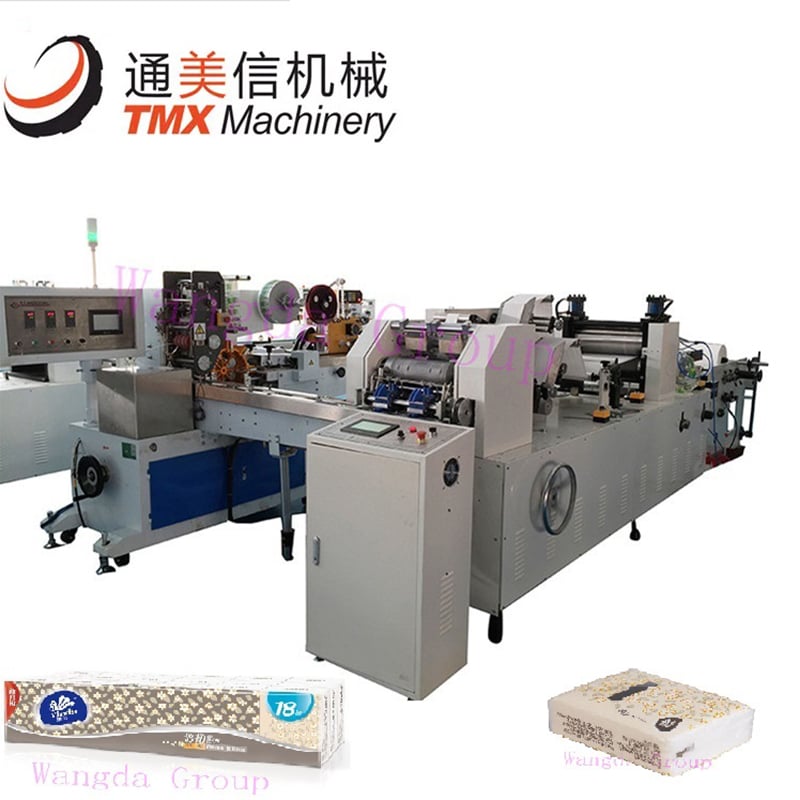
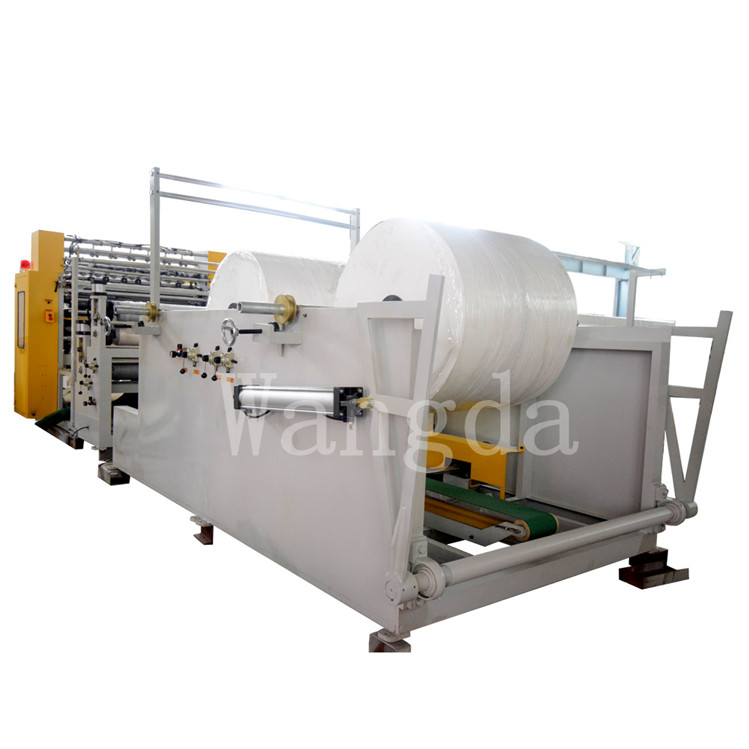
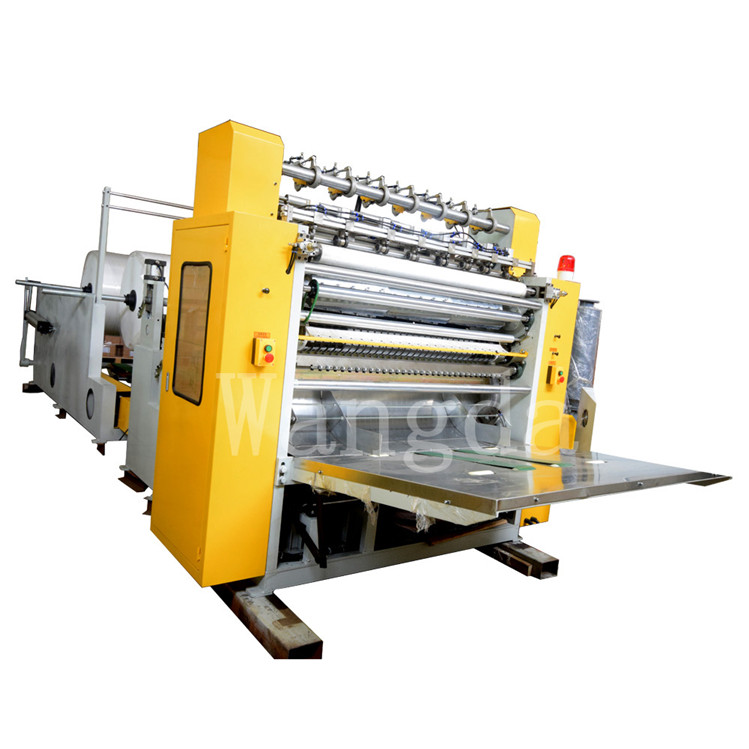
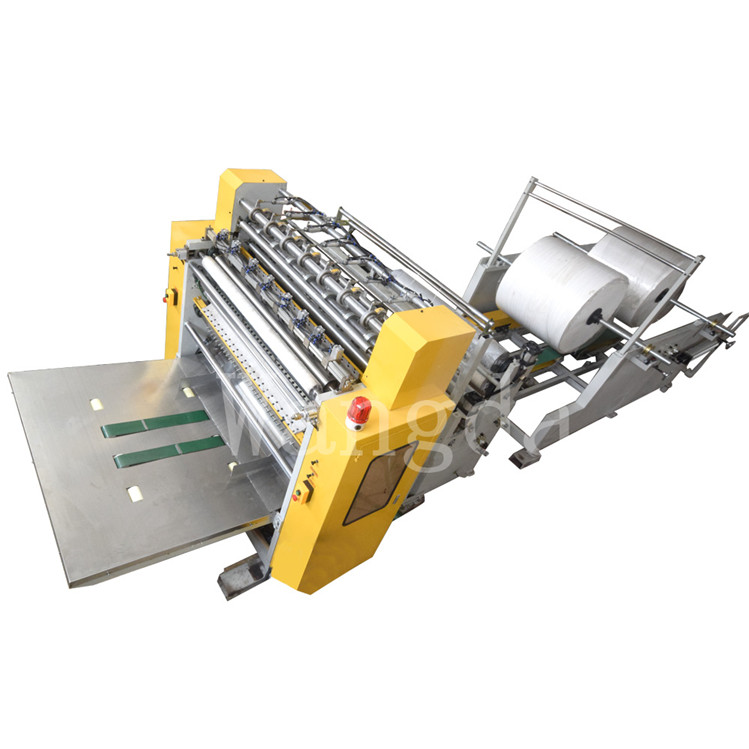
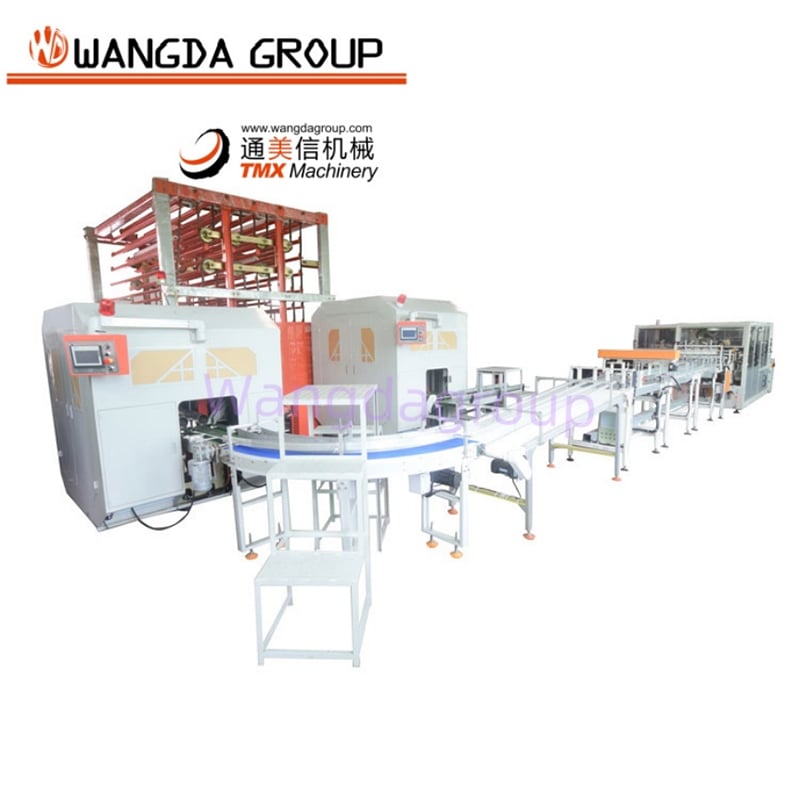
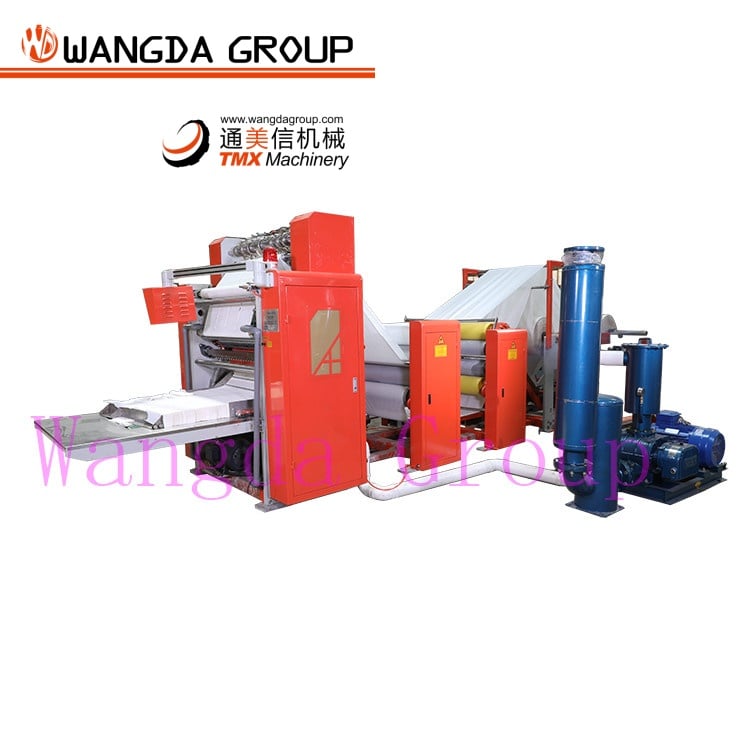
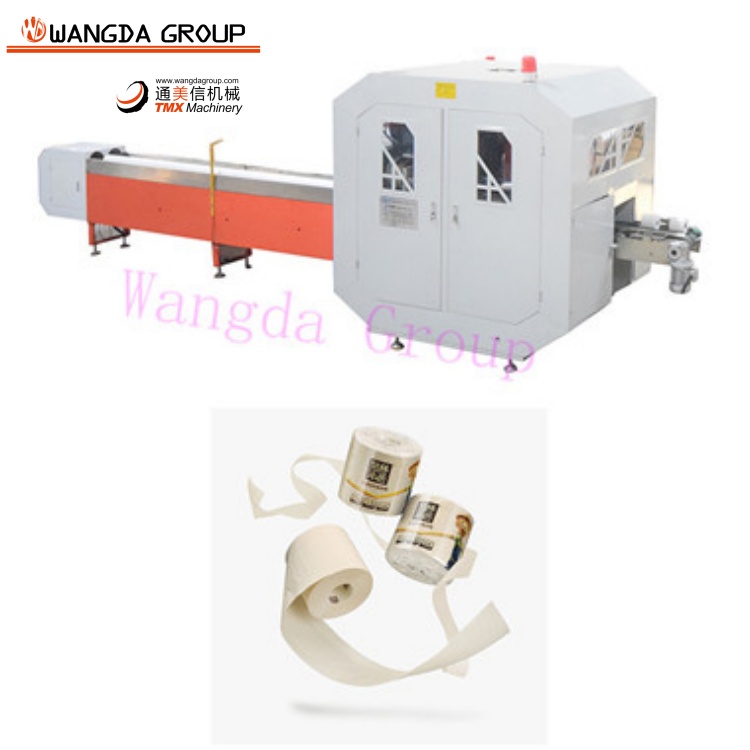
Face tissue making machines are essential for manufacturers looking to produce high-quality facial tissues efficiently. In Hong Kong, where demand for hygienic products is on the rise, selecting the right face tissue making machine making machine is crucial for optimizing production processes and ensuring product quality. This article will address key specifications, supplier reliability, installation guidance, cost factors, and common issues related to face tissue making machines, providing valuable insights for purchasing managers and decision-makers in the industry.
When evaluating face tissue making machines, several key specifications must be considered to ensure optimal performance and product quality. First, the production capacity is paramount; machines can vary from producing 2,000 to over 15,000 sheets per hour. Higher capacity machines can facilitate larger production runs, making them suitable for manufacturers with significant demand. Next, look at the material compatibility. Most machines are designed to work with various types of paper, including recycled and virgin pulp. The tissue paper making machine ability to handle different paper grades affects the final product's softness and strength, which are critical for consumer satisfaction. Automation features are also important. Full-servo systems typically offer greater precision and reduced labor costs, enhancing production efficiency. Additionally, features such as adjustable sheet sizes, perforation options, and packaging capabilities should be evaluated to ensure the machine meets specific product requirements. Lastly, certifications such as ISO or CE are indicators of quality and reliability. They demonstrate that the machine complies with international standards, which is essential for buyers focused on quality assurance.

Assessing the reliability of suppliers for face tissue making machines involves several critical steps. First, investigate the supplier's experience in the industry. A manufacturer with a proven track record, such as Wangda Industrial Co., Limited, which specializes in hygienic product machines, can offer insights into the performance and durability of their products. Next, request references from existing clients to gauge customer satisfaction and service reliability. Engaging with past customers can provide firsthand accounts of machine performance and the tissue making machine supplier's responsiveness to issues. Additionally, evaluate the supplier's after-sales support and warranty policies. A good supplier should offer comprehensive training, maintenance services, and prompt assistance in case of machine malfunction. This support is crucial for minimizing downtime and ensuring that production runs smoothly. Lastly, consider the supplier’s ability to customize machines based on specific needs. A flexible supplier can adapt their offerings to meet unique production requirements, enhancing overall efficiency and effectiveness.

Proper installation of face tissue making machines is crucial for ensuring optimal performance. First, assess the installation site to ensure it meets the necessary space requirements and environmental conditions. The machine should be placed in a clean, dry area with adequate ventilation and access to power sources. Before installation, familiarize yourself with the manufacturer's guidelines and specifications. This includes understanding the setup of electrical connections, water supply, and air systems, which may be critical for some machines. Additionally, it is advisable to have trained personnel perform the installation. Engaging with the manufacturer's technical team can ensure that all components are assembled correctly and that the machine is calibrated for optimal performance. Once installed, conduct thorough testing before mass production begins. This includes running the machine without paper to verify functionality and then with paper to ensure that the output meets quality standards.

Understanding the cost factors associated with purchasing face tissue making machines is vital for budget planning. The initial purchase price is often the most significant expense, but it is essential to consider the total cost of ownership, which includes installation, maintenance, and operational costs. Additional costs may arise from features such as automation and customization, which can significantly impact the overall investment. While automated machines may have a higher upfront cost, they often result in lower labor costs and increased efficiency, leading to long-term savings. Moreover, consider the cost of raw materials and the machine’s efficiency in utilizing them. Machines that minimize waste will reduce the overall material costs associated with production. Finally, evaluate potential financing options or leasing agreements, as these can impact cash flow and budget management. It is prudent to compare costs across multiple suppliers to ensure you are receiving the best value for your investment.
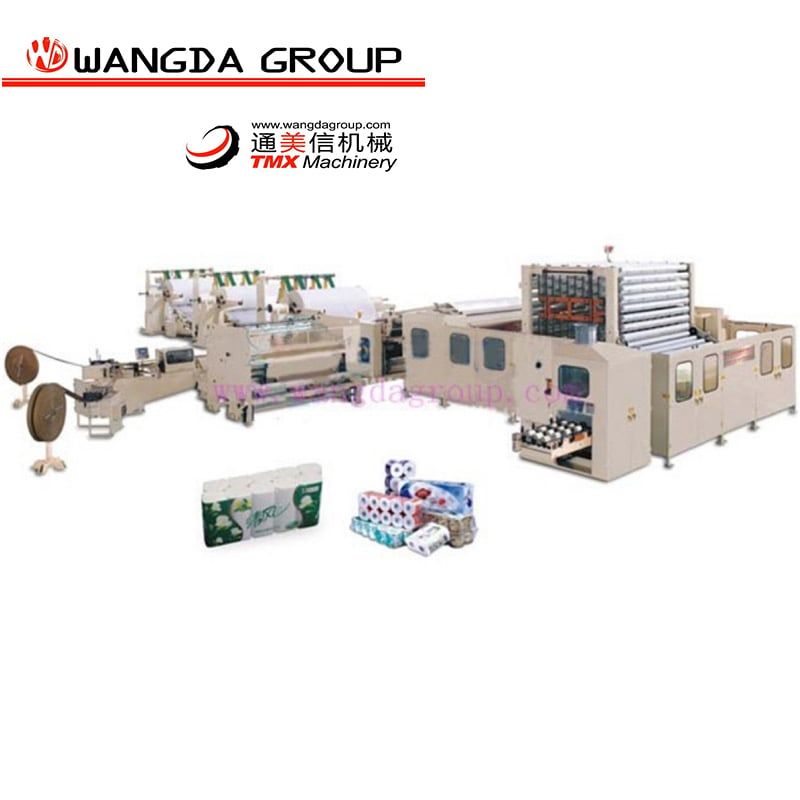
Wangda Tissue making machine toilet tissue machines (including cutting and packing), kitchen towel machines (including cutting and packing) facial tissue machines (including cutting and packing) as well as nylon bag facial tissues machines. We also make maxi roll rewinding equipment as well as perforating machines.
Wangda is a highly professional and knowledgeable sales staff and after-sales team, 80% of the team has been in Tissue paper manufacturing machine for more than 10 years in our company in this hygiene-conscious product industry. Our team has a wealth of experience in the daily use of paper tissue machines, related packing machines and many other Hygienic products machines We have a wide range of professional expertise in this field, we are aware of what our customers wants, we worry about what our customers worry about. We not just sell the machines to our clients, but we help our customers earn money through this business of hygienic products, to provide the lifelong after-sale services to our customers at the right time.
We've Toilet paper roll making machine with many clients both in the United States as well as abroad.
Wangda has over 20 years of experience manufacturing all sorts of tissue machines, we pay much attention to the machines' functions and the quality, and also Tissue paper machine and after sales services. We have sold machines to more than 100 countries. This has resulted in repeat orders and good comments from our clients. Our R and D department is part of Wangda. We have our own R and D departments. Our machines are continuously upgraded and are incorporating the latest technology of Germany, Japan, and Italy. They have passed ISO9002, CE and BV certifications. We provide turnkey projects all the way from A to Z that includes more than machines.
Like any manufacturing equipment, face tissue making machines can encounter various issues that may disrupt production. One common problem is paper jams, often caused by incorrect paper feeding or misalignment. Routine maintenance, including regular cleaning and adjustments, can mitigate this issue. Always ensure that the machine is calibrated correctly for the paper type being used. Another frequent concern is inconsistent sheet quality, which can result from fluctuations in raw material quality or machine settings. Operators should be trained to monitor output closely and make necessary adjustments in real time. Implementing a quality control process that includes regular inspections can also help catch issues early. Lastly, machine downtime due to mechanical failure can significantly impact productivity. To address this, establish a regular maintenance schedule with the supplier to ensure that components are regularly inspected and replaced as needed. This proactive approach can help prevent unexpected breakdowns and extend the machine's lifespan. By leveraging detailed knowledge of specifications, supplier reliability, installation procedures, cost factors, and common issues, buyers can make informed decisions when purchasing face tissue making machines in Hong Kong. This understanding not only enhances production efficiency but also contributes to the overall success of hygienic product manufacturing.