
 EN
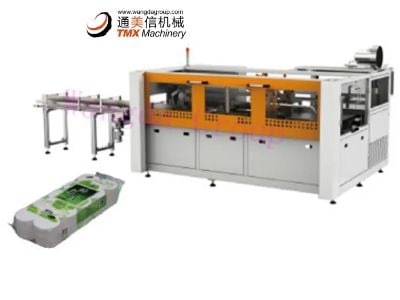
Understanding why tissue paper making machine embossing rollers need precise calibration is crucial for manufacturers aiming to enhance product quality and operational efficiency. Embossing rollers play a pivotal role in the production of tissue products, imparting texture and improving absorbency. For B2B buyers, particularly purchasing managers and engineers, ensuring that these rollers are precisely calibrated addresses key concerns about quality control, production consistency, and overall equipment reliability. This article will delve into the importance of calibration the implications of neglecting it, and how to make informed purchasing decisions regarding embossing rollers.
How Precise Calibration Enhances Tissue Paper Machine Performance?
Precise calibration of embossing rollers in tissue paper making machines directly affects the quality and consistency of the final product. Calibration ensures that the rollers maintain the correct alignment, pressure, and depth during the embossing process. This is vital because:
Consistency in Texture: Properly calibrated rollers produce uniform patterns on tissue paper making machine, enhancing its tactile qualities. Variations can lead to inconsistencies, affecting product appeal and customer satisfaction.
Reduced Waste: When rollers are not calibrated correctly, it can cause misalignment, leading to defects in the tissue sheets. This not only increases scrap rates but also raises production costs.
Enhanced Absorbency: The embossing process affects the paper's absorbency. Accurate calibration allows for optimal patterns that maximize absorbency without compromising the structural integrity of the paper.
Increased Machine Longevity: Machines operating with properly calibrated components experience less wear and tear, leading to lower maintenance costs and longer service life.
Understanding these benefits helps buyers appreciate the importance of investing in high-quality calibration systems for their embossing rollers.
Where to Find Reliable Suppliers for Tissue Paper Making Machines?
Finding reliable suppliers for tissue paper making machines, including embossing rollers, requires careful evaluation of potential partners. Buyers should consider the following:
Industry Reputation: Look for manufacturers like Wangda Industrial Co., Limited, known for their wide range of hygienic product machines. Supplier reputation can often be gauged through customer reviews and industry certifications.
Product Range and Specialization: Suppliers should offer diverse options, including full-servo production lines and embossing roller variations tailored for different tissue products. This specialization indicates a depth of knowledge in the field.
Technical Support and Services: Choose suppliers that provide robust technical support and after-sales services. This can include installation assistance, training, and calibration services.
Global Reach: Suppliers with experience in exporting to various regions like the Middle East, Asia, Africa, and the Americas can often provide insights into region-specific requirements and standards.
Customization Capabilities: The ability to customize tissue paper manufacturing machine according to specific production needs is a significant advantage. Reliable suppliers will work closely with buyers to meet their unique specifications.
By thoroughly evaluating these factors, buyers can identify trustworthy suppliers who can meet their production needs.
The Cost Implications of Poorly Calibrated Embossing Rollers
The cost implications of poorly calibrated embossing rollers extend beyond immediate production inefficiencies. Key financial impacts include:
Increased Material Costs: Misalignment and pressure discrepancies can lead to excessive waste, requiring additional raw materials to meet production targets.
Higher Operational Costs: Machines that are not operating optimally may consume more energy and require more frequent repairs, driving up operational expenses.
Loss of Revenue: Producing subpar products can lead to customer complaints, returns, and ultimately, loss of business. Maintaining high-quality standards is essential for retaining customers and ensuring repeat orders.
Downtime Costs: If machines need to be recalibrated during production, it can lead to significant downtime, affecting overall productivity and output schedules.
Understanding these financial implications emphasizes the necessity for precise calibration of embossing rollers and incentivizes buyers to invest in quality equipment and services.
Common Problems in Tissue Paper Production and Their Solutions
Several common problems can arise during tissue paper production related to embossing rollers, and recognizing these issues can help buyers take proactive measures:
Inconsistent Patterns: If the embossing roller is not calibrated correctly, the texture may vary across the paper sheets. Regular calibration checks and validation after maintenance can ensure consistent product output.
Poor Adhesion: Misalignment can cause improper adhesion of layers in laminated tissue products. Buyers should ensure that the rollers are calibrated to apply the correct pressure to achieve optimal adhesion.
Machine Wear and Tear: Over time, miscalibrated rollers can lead to excessive wear on the machine components. Regular maintenance schedules, including recalibration, will help mitigate this issue.
Production Delays: Frequent issues with embossing can cause delays in the production schedule. Implementing a preventive maintenance program that includes routine calibration checks can help minimize disruptions.
Quality Control Failures: Inadequate quality control processes can result in defective products reaching customers. Establishing standard operating procedures that include regular checks for roller calibration can enhance overall quality assurance.
By addressing these common issues, buyers can improve production efficiency and ensure high-quality tissue products.
Comparing Embossing Roller Specifications for Better Purchase Decisions
When considering the purchase of embossing rollers, buyers should evaluate several critical specifications to make informed decisions:
Material Composition: The durability of the rollers is influenced by their material. Common materials include steel and special alloys, which affect wear resistance and overall lifespan. Buyers should assess which material best fits their production environment and expected output.
Roller Dimensions: The diameter and length of the rollers contribute to the embossing pattern and overall machine compatibility. Confirming the required dimensions with the manufacturer ensures that the rollers will function effectively with existing equipment.
Pressure Ratings: Different tissue products require varying embossing pressures. Understanding the pressure ratings and capabilities of the rollers helps buyers select the right type for their specific application.
Customization Options: Buyers should inquire about customization capabilities for roller patterns and sizes. This flexibility can be crucial for manufacturers looking to differentiate their products in the market.
Maintenance Requirements: Review the maintenance needs associated with the tissue paper machine. Some designs may require more frequent maintenance than others, impacting overall operational efficiency.
By carefully considering these specifications, buyers can ensure that they select embossing rollers that enhance their production capabilities and meet their specific needs.
Table of Contents
- How Precise Calibration Enhances Tissue Paper Machine Performance?
- Where to Find Reliable Suppliers for Tissue Paper Making Machines?
- The Cost Implications of Poorly Calibrated Embossing Rollers
- Common Problems in Tissue Paper Production and Their Solutions
- Comparing Embossing Roller Specifications for Better Purchase Decisions