 EN
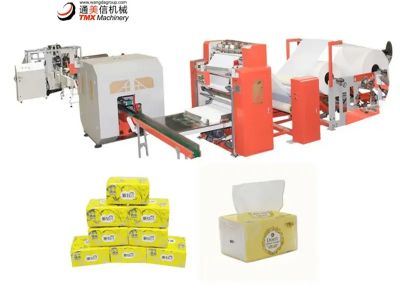
To ensure optimal performance and longevity of toilet tissue machines, routine checks are essential. These machines are a vital part of the hygiene product manufacturing sector, and understanding what routine checks are needed for running a toilet tissue machine can help prevent downtime and maintain efficiency. This article will cover critical maintenance checks, sourcing for reliable parts, quality control measures, cost factors, and installation guidance, which are all vital concerns for purchasing managers and other industry professionals.
What Routine Maintenance Checks Ensure Toilet Tissue Machine Efficiency?
Routine maintenance checks for toilet tissue machines typically encompass several key areas, including mechanical components, electrical systems, and material handling processes. Regular inspections should include:
Mechanical Components: Check for wear and tear on rollers, bearings, and cutting blades. Ensure that gears are properly lubricated to prevent overheating and wear. A misalignment in these components can lead to production delays and affect the quality of the tissue produced.
Electrical Systems: Inspect wiring and electrical connections, as loose connections can lead to machine malfunctions. Regularly test emergency stop functions and control panels to ensure they are responsive and functioning correctly.
Material Handling: Monitor the feeding mechanisms for jams or inconsistencies. Inspect the tension of the paper roll and ensure that it is adjusted correctly to maintain consistent production speed.
Software Updates: For toilet tissue machine price with integrated control systems, ensure that software is updated regularly to improve efficiency and functionality.
Implementing these checks can help identify potential issues before they escalate, ensuring a smoother operation and reducing maintenance costs.
Where to Source Reliable Suppliers for Toilet Tissue Machinery Parts?
Finding reliable suppliers for toilet tissue machinery parts is crucial for maintaining production efficiency. Here are some tips to consider:
Industry Networks: Leverage industry contacts and associations. Networking with other manufacturers can provide recommendations for trusted suppliers who specialize in tissue machine components.
Quality Certifications: Look for suppliers that provide parts with industry certifications. This ensures that the parts meet specific quality and safety standards, reducing the risk of machine failures.
Supplier Reviews and Testimonials: Research suppliers online, paying attention to customer reviews and testimonials. This feedback can provide insights into the supplier's reliability and the quality of their products.
Response Times: Evaluate suppliers based on their responsiveness to inquiries and the speed of delivery. Quick turnaround times can significantly impact your production schedule.
By sourcing parts from reputable suppliers, manufacturers can ensure they receive high-quality components that enhance the overall performance of their toilet tissue machines.
Quality Control Measures for High-Performance Toilet Tissue Machines
Quality control is vital in the production of toilet tissue to ensure that the final product meets customer specifications and regulatory standards. Key quality control measures include:
In-Process Inspections: Regular checks during the production process help catch defects early. Monitor parameters such as paper thickness, moisture content, and tensile strength to ensure the product meets quality standards.
Final Product Testing: Before packaging, perform tests on finished products to ensure they are free from defects and meet the required specifications. This may include testing for softness, absorbency, and strength.
Calibration of Equipment: Regularly calibrate machinery to maintain precision in production settings. This helps avoid variations that could lead to quality issues.
Training for Operators: Ensure that machine operators are well-trained in quality assurance protocols. A knowledgeable workforce is critical for maintaining high-quality standards.
Implementing these quality control measures will aid in producing consistently high-quality toilet tissue products, meeting customer expectations and market demands.
Cost Factors to Consider When Purchasing Toilet Tissue Production Lines
When investing in toilet tissue production lines, several cost factors must be considered to ensure a sound financial decision:
Initial Investment: The upfront cost of the production line is significant. It is essential to evaluate the specifications and capabilities of the machinery to ensure it meets your production needs without overspending.
Operational Costs: Consider ongoing operational expenses, including energy consumption, maintenance costs, and labor. Selecting energy-efficient machines may reduce long-term operational costs.
Customization Needs: If your production requires specific customizations, this can increase the overall cost. Discuss customization options with manufacturers to understand how they will affect pricing.
Supplier Financing Options: Some manufacturers offer financing or leasing options that can alleviate the immediate financial burden. Investigating these options may provide flexibility in managing cash flow.
By carefully evaluating these cost factors, purchasing managers can make informed decisions that balance quality and budget considerations.
Installation Guidance for Optimal Performance of Toilet Tissue Machines
Proper installation of toilet tissue machines is critical for achieving optimal performance. Here are some best practices to follow during installation:
Site Preparation: Ensure that the installation site is adequately prepared, with sufficient space for the machine and access to necessary utilities like power and water.
Follow Manufacturer Guidelines: Adhere strictly to the installation manual provided by the manufacturer. This includes following specific instructions regarding leveling, alignment, and connections.
Testing After Installation: Once the toilet tissue paper making machine is installed, conduct thorough testing to ensure all components are functioning correctly. This should include running test batches to monitor performance and make any necessary adjustments.
Operator Training: Provide training for operators on the new machine’s functionality and maintenance requirements. This training should include troubleshooting common issues to minimize downtime.
By implementing these installation recommendations, manufacturers can ensure that their toilet tissue machines operate efficiently from the start, contributing to a more productive manufacturing environment.
Table of Contents
- What Routine Maintenance Checks Ensure Toilet Tissue Machine Efficiency?
- Where to Source Reliable Suppliers for Toilet Tissue Machinery Parts?
- Quality Control Measures for High-Performance Toilet Tissue Machines
- Cost Factors to Consider When Purchasing Toilet Tissue Production Lines
- Installation Guidance for Optimal Performance of Toilet Tissue Machines