
 EN
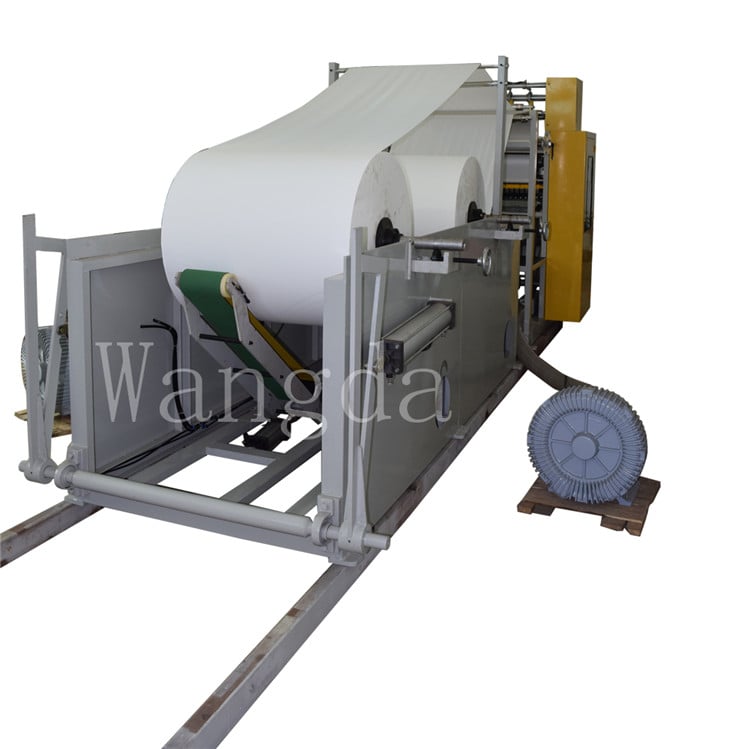
Understanding how a packing unit integrates with main face tissue machine equipment is crucial for manufacturers aiming to enhance production efficiency and product quality. This article will explore the essential specifications, selection criteria, and investment considerations to help purchasing managers and distributors make informed decisions. With practical insights from industry experience, this guide aims to address key concerns ranging from compatibility to operational effectiveness in packing unit integration.
Key Specifications to Consider for Packing Unit Integration
When integrating a packing unit with main face tissue machine equipment, several key specifications must be taken into account to ensure seamless operation and optimal performance.
1. Equipment Compatibility
Compatibility between the packing unit and the facial tissue machine is paramount. This involves evaluating the dimensions, weight, and design of both machines to ensure they can work together without causing operational disruptions. For instance, the packing unit should align perfectly with the output of the face tissue machine to prevent jams and maintain a continuous workflow.
2. Production Capacity
Understanding the production capacity is essential for determining whether the packing unit can keep pace with the tissue machine’s output. For example, if the face tissue machine produces 500 packs per hour, the packing unit should be capable of handling a similar or higher throughput to avoid bottlenecks.
3. Automation Level
The level of automation in both machines affects integration. A fully automated packing unit may require specific software interfaces or communication protocols to synchronize with the tissue machine, ensuring real-time adjustments and optimal performance.
4. Material Specifications
The materials used in manufacturing the packing unit can impact its durability and performance. For example, using high-quality stainless steel can enhance resistance to wear and tear, ensuring longevity in a high-volume production environment.
Choosing the Right Packing Unit for Your Needs
Selecting the appropriate packing unit requires a comprehensive understanding of your production requirements and operational goals. Here are some critical factors to consider:
1. Type of Packaging
Different types of packaging, such as flow wraps, shrink wraps, or carton boxes, may be suitable depending on the end product. Assessing the types of tissue products being produced will guide you in choosing a packing unit that accommodates these packaging methods efficiently.
2. Customization Capabilities
Customization is often necessary to meet specific market demands. A packing unit that offers flexible configurations can adapt to various product sizes and packaging styles, which is particularly valuable for manufacturers looking to diversify their product lines.
3. Minimum Order Quantity (MOQ)
Understanding the MOQ for the packing unit is vital to align with your production scale. Manufacturers should ensure that the MOQ matches their operational capacity to avoid over-investment in equipment that may not be utilized fully.
4. Cost Considerations
Pricing is a crucial aspect of the selection process. While it may be tempting to choose the lowest-cost option, it’s important to consider the total cost of ownership, including maintenance, efficiency, and expected lifespan. Investing in a slightly higher-priced, durable unit may yield better returns in the long run.
Evaluating Packing Units for Face Tissue Machines
Evaluating packing units requires a systematic approach to ensure they meet the operational needs of facial tissue production line. Here are steps to effectively evaluate packing units:
1. Performance Testing
Conduct performance tests on potential packing units, focusing on speed, efficiency, and error rates. This testing should simulate actual production conditions to identify any potential issues before full-scale implementation.
2. Quality Control Measures
Examine the quality control processes associated with the packing unit. This includes understanding how the unit checks for packaging integrity, such as seal strength and consistency, which are critical for maintaining product quality.
3. Maintenance Requirements
Assess the maintenance needs of the packing unit, including the frequency of required checks and the availability of replacement parts. A packing unit that is easy to maintain can significantly reduce downtime and operational costs.
4. Supplier Reputation
Research the supplier’s reputation in the market. Established suppliers with positive feedback and proven track records can provide assurance of quality and reliability.
Analyzing Packing Unit Investments for Distributors
For distributors, analyzing the investment in packing units is crucial for maximizing profitability and ensuring market competitiveness. Consider these factors:
1. Return on Investment (ROI)
Calculate the expected ROI based on factors such as increased efficiency, reduced labor costs, and improved product quality. A thorough analysis will help justify the investment and guide budget allocation.
2. Market Demand
Understanding market demand is essential when evaluating packing unit investments. Analyze trends in the face tissue market to determine if the investment aligns with future growth prospects.
3. Cost-Benefit Analysis
Conduct a cost-benefit analysis to weigh the initial investment against the anticipated benefits. This includes evaluating how the packing unit can enhance operational efficiency and reduce overall production costs.
4. Financing Options
Explore financing options available for purchasing packing units. Flexible payment plans or leasing options can alleviate the burden of upfront costs and allow for better cash flow management.
Optimal Uses for Packing Units in Manufacturing
Packing units play a vital role in the manufacturing process, serving various functions that enhance overall production efficiency. Here are some optimal uses:
1. Streamlining Operations
Integrating a packing unit effectively can streamline operations by automating the packaging process, thus freeing up labor for more value-added tasks. This can lead to enhanced productivity and reduced labor costs.
2. Ensuring Safety Standards
Properly functioning packing units can help ensure compliance with safety standards by securely packaging products to prevent contamination and damage during transportation.
3. Custom Packaging Solutions
Packing units can be customized to accommodate different product shapes and sizes, providing flexibility for manufacturers to meet diverse customer requirements. This adaptability can enhance market reach and customer satisfaction.
4. Enhancing Brand Presentation
Investing in advanced packing units that offer high-quality finishes can improve brand presentation, making products more appealing to consumers. This can lead to increased sales and brand loyalty.
By understanding the integration of packing units with facial tissue paper machine through these outlined specifications and considerations, B2B buyers can make well-informed decisions that align with their operational needs and market demands.