 EN
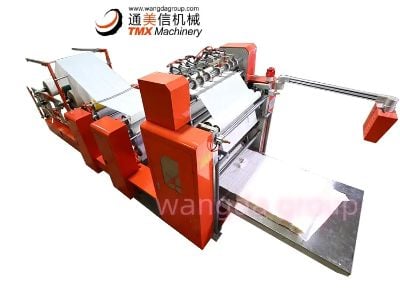
High-speed toilet tissue machines require robust and reliable machine frames to maintain performance and efficiency. Understanding why machine frame rigidity counts for high-speed toilet tissue machines is essential for purchasing managers and engineers who are evaluating suppliers and making investment decisions. This article will delve into critical aspects such as supplier selection, key specifications to consider, the impact of material quality on rigidity, common issues, and the advantages of investing in high-rigidity frame technology.
How to Choose a Reliable Supplier for Tissue Machine Frames?
Selecting a reliable supplier for tissue machine frames begins with assessing their expertise in manufacturing high-speed machinery. Look for suppliers with a proven track record in producing frames specifically designed for the demands of high-speed operation. Key factors to consider include:
Experience and Reputation: Research the supplier's experience in the industry. A company like Wangda Industrial Co., Limited, known for its full-servo production lines for various tissue products, would likely have the necessary experience to understand the nuances of frame rigidity.
Quality Certifications: Ensure that the supplier holds relevant quality certifications. This not only demonstrates compliance with industry standards but also reflects their commitment to quality assurance.
Customization Capabilities: High-speed tissue paper making machine often require tailored solutions. Verify that the supplier can accommodate specific customization requests related to frame design and material selection.
Technical Support and Service: A reliable supplier should offer ongoing technical support and maintenance services. This is crucial for addressing any issues that may arise and ensuring the longevity of the machinery.
Global Export Experience: Suppliers with experience exporting to various markets, including the Middle East, Asia, Africa, and the Americas, understand the diverse requirements of different regions, which can be beneficial for your operation.
Key Specifications to Evaluate in High-Speed Tissue Machinery
When assessing high-speed tissue machinery, certain specifications are critical to ensuring that the equipment meets your operational needs. Here are the key specifications to evaluate:
Frame Rigidity: The rigidity of the machine frame directly impacts the stability of the tissue production process. A rigid frame can withstand vibrations and stresses associated with high-speed operation, leading to improved product quality.
Material Composition: The choice of materials used in the frame construction affects both rigidity and durability. Common materials include high-strength steel or aluminum alloys, which should be evaluated for their load-bearing capacity and resistance to deformation.
Dimensional Accuracy: Precision in dimensions is vital for ensuring that all components fit and function together correctly. Misalignment can lead to increased wear and tear on the machine and affect the quality of the finished product.
Weight and Balance: A well-balanced tissue making machine can reduce the risk of vibrations during operation. This balance can also influence the overall footprint of the machine, impacting installation and space considerations.
Surface Treatment: Consider the surface treatment processes applied to the frame, such as coatings that enhance resistance to corrosion and wear. This can significantly extend the lifespan of the machinery.
The Role of Material Quality in Enhancing Frame Rigidity
The material quality used in the construction of machine frames plays a pivotal role in enhancing rigidity. High-quality materials provide better structural integrity, which is essential for high-speed operations. Here are some aspects to consider:
Material Strength: Opt for materials with high tensile strength to prevent deformation under stress. For instance, using high-grade steel can enhance the frame's ability to absorb shocks and vibrations during operation.
Fatigue Resistance: Materials should exhibit resistance to fatigue, especially in high-speed applications where repeated stress can lead to premature failure. This characteristic is vital for maintaining consistent performance over time.
Thermal Stability: The ability of materials to withstand temperature fluctuations without losing rigidity is also crucial. High-speed machines generate heat, and materials that can maintain their properties under varying thermal conditions will perform better.
Weight Considerations: While a heavier frame can offer more rigidity, it may also impact the machine's operational efficiency. Finding the right balance between weight and strength is key.
Common Problems with Machine Frame Rigidity and Their Solutions
Understanding common problems associated with machine frame rigidity can help buyers make informed decisions and mitigate risks. Here are some issues and their corresponding solutions:
Vibration Issues: Excessive vibrations can lead to wear on components and poor product quality. Solutions include reinforcing the frame with cross-bracing or using dampening materials to absorb vibrations.
Deformation: Over time, frames can deform due to operational stresses. Regular maintenance checks and using materials with high fatigue resistance can minimize this risk.
Alignment Problems: Misalignment between components can cause operational inefficiencies. Regular calibration and precise manufacturing processes are essential to maintain alignment.
Corrosion and Wear: Frames exposed to moist environments may experience corrosion. Implementing protective coatings or selecting materials resistant to corrosion can prolong the life of the frame.
Load Capacity: Underestimating the load capacity of the frame can lead to failure. Buyers should ensure that the specified load limits are well within the operational parameters.
Investing in High-Rigidity Frame Technology
Investing in high-rigidity frame technology can yield significant advantages for manufacturers of toilet tissue products. Here are some compelling reasons to consider this investment:
Improved Production Efficiency: Machines with higher rigidity can operate at greater speeds without compromising quality. This efficiency can lead to increased output and reduced operational costs.
Enhanced Product Quality: Rigid frames minimize vibrations and misalignments, resulting in a more consistent product quality. This reliability is crucial in maintaining customer satisfaction and brand reputation.
Reduced Maintenance Costs: A well-designed, rigid frame may lead to lower maintenance costs over time. The durability associated with high-rigidity frames often translates to longer intervals between necessary repairs and replacements.
Competitive Advantage: In a market where efficiency and quality are paramount, investing in advanced frame technology can provide a competitive edge. Companies that prioritize technology in their manufacturing processes are often better positioned to meet customer demands.
Long-Term Savings: Although the initial investment may be higher, the long-term benefits, including reduced downtime and increased production capacity, often justify the costs. Buyers should evaluate the total cost of ownership rather than just the upfront price.
By understanding the importance of tissue paper manufacturing machine rigidity in high-speed toilet tissue machinery, B2B buyers can make more informed decisions. Evaluating suppliers, specifications, material quality, common problems, and the long-term benefits of investing in advanced technologies will ultimately lead to better purchasing outcomes.