
 EN
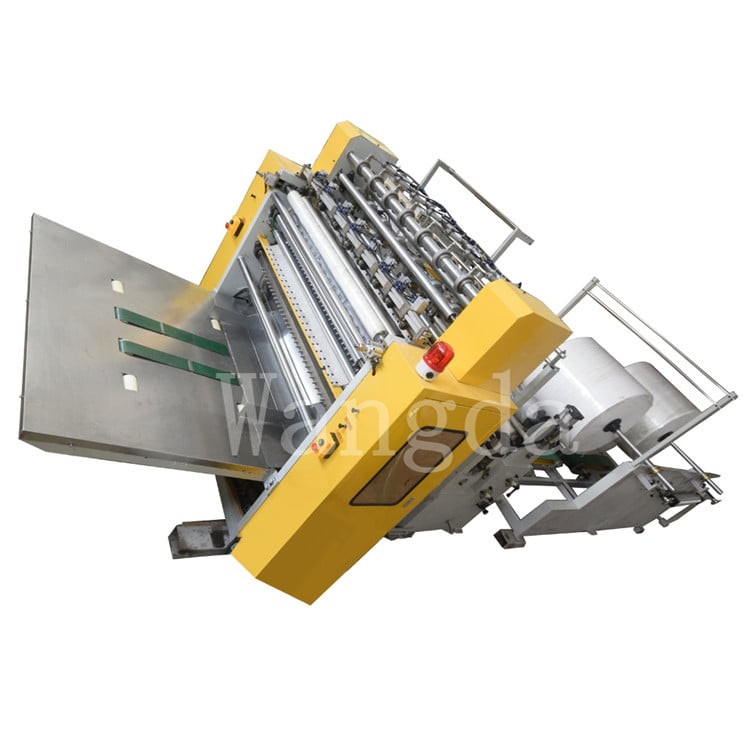
The signal transmission logic of a full-servo face tissue machine is integral to its operation, influencing production efficiency and product quality. For businesses looking to invest in this machinery, understanding the technical aspects and considerations is crucial. This article will address the primary concerns of B2B buyers, such as machine performance, quality, and sourcing options, while providing guidance on making informed purchasing decisions.
What to Consider When Choosing a Full-Servo Face Tissue Machine
When selecting a full-servo face tissue machine, various factors come into play that can significantly impact production efficiency and product quality. Firstly, the machine's speed and production capacity should align with your operational demands. A higher capacity can lead to improved output, but it’s essential to consider whether your current infrastructure can support such speeds.
Another critical aspect is the machine's adaptability. A versatile facial tissue machine can handle different paper grades and sizes, which is beneficial for businesses that produce a range of tissue products. Additionally, consider the ease of use and maintenance. A user-friendly interface can reduce training time for operators, while straightforward maintenance procedures can minimize downtime.
Lastly, look for machines equipped with advanced signal transmission logic. This technology ensures precise control over the entire production process, enhancing product quality and reducing waste. Understanding the specific requirements of your production line will help in choosing the right machine.
Key Specifications of Full-Servo Face Tissue Machines for Buyers
When evaluating full-servo face tissue machines, several key specifications should be prioritized to ensure that the equipment meets your production needs.
Production Speed: This is typically measured in meters per minute (MPM). A machine that offers a higher speed can increase your output significantly, but it's essential to balance speed with the quality of the final product.
Roll Width: The maximum roll width that the machine can handle affects the size of the tissue produced. Ensure that the machine can accommodate the sizes you intend to manufacture.
Power Consumption: Energy efficiency is increasingly important. Look for machines that provide high output while consuming less power, which can lead to reduced operational costs.
Control System: The sophistication of the signal transmission logic directly impacts the machine's efficiency. A modern control system allows for real-time adjustments and monitoring, enhancing production consistency.
Materials Used: The construction materials of the machine should guarantee durability and reliability under continuous operation. Stainless steel components are often preferred for their resistance to corrosion and ease of cleaning.
Customization Options: Depending on your production needs, the ability to customize certain features of the machine can be advantageous, allowing you to tailor the equipment to specific applications.
How to Evaluate the Quality of Face Tissue Manufacturing Equipment
To ensure you are investing in high-quality face tissue manufacturing equipment, it's essential to conduct a thorough evaluation process. Start by examining the manufacturer’s reputation in the industry. Look for reviews and testimonials from other buyers, as these can provide insights into the machine's performance and reliability.
Next, assess the quality control measures integrated into the manufacturing process. Facial tissue paper machine that undergo rigorous testing for functionality and durability before shipment are likely to perform better in actual operations. Inquire about the quality assurance certifications the manufacturer holds, as these can indicate adherence to industry standards.
Additionally, consider requesting a demonstration of the machine. This allows you to observe its operation firsthand and evaluate its performance under real-world conditions. Pay attention to the ease of setup, the accuracy of production, and any potential issues that may arise during operation.
Finally, engage with the manufacturer to understand their after-sales support. A manufacturer that offers robust technical support and maintenance services can be invaluable, particularly if you encounter operational challenges.
Sourcing Full-Servo Face Tissue Machines
Sourcing full-servo face tissue machines involves several steps to ensure you obtain the best equipment for your needs. Begin by identifying reputable manufacturers and suppliers, focusing on those with experience in the tissue machinery sector, such as Wangda Industrial Co., Limited, known for its diverse range of hygienic product machines.
Next, gather quotes from multiple suppliers. Provide them with detailed specifications regarding your production requirements, including expected output, roll sizes, and customization needs. This information will allow suppliers to offer accurate pricing and production timelines.
Once you receive the quotations, compare them not only based on price but also on the quality of the machines offered and the level of customer support. Don’t hesitate to ask for references or case studies from the suppliers to gauge their reliability and service quality.
It’s also crucial to discuss payment terms and delivery options. Ensure that the supplier can meet your timelines and that you are comfortable with the payment structure.
Installation Guidance for Full-Servo Face Tissue Machinery
Proper installation of a full-servo face tissue machine is essential for optimal performance. Begin by preparing the installation site, ensuring that it meets all necessary safety and operational requirements. The area should be spacious enough to accommodate the machine and allow for maintenance access.
Before installation, review the manufacturer’s guidelines thoroughly. These documents typically contain specific instructions regarding electrical connections, plumbing, and any necessary modifications to the existing infrastructure. Adhering to these guidelines will help prevent operational issues down the line.
During the installation process, it's advisable to have a qualified technician oversee the setup. This individual should have experience with similar machinery and can ensure everything is installed correctly and safely.
Post-installation, conduct a series of tests to ensure the automatic facial tissue cutting machine operates as expected. Check for any alignment issues, perform a test run with raw materials, and monitor the output for quality assurance. It’s also beneficial to train your operators on the specific functionalities of the machine to maximize efficiency and safety.
In summary, understanding the signal transmission logic of a full-servo face tissue machine, along with its specifications and quality evaluation methods, will empower B2B buyers to make informed purchasing decisions. By considering these factors, companies can enhance their production capabilities and ensure high-quality output in their face tissue manufacturing processes.