
 EN
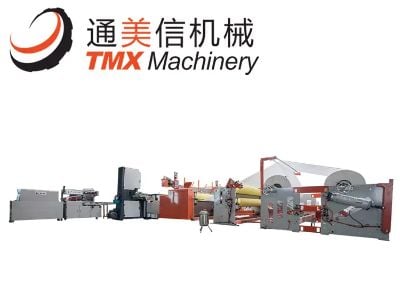
Understanding how raw jumbo roll quality influences tissue paper making machine performance is essential for manufacturers in the tissue paper industry. The quality of jumbo rolls directly impacts production efficiency, product quality, and ultimately, profitability. we will explore key specifications of high-quality jumbo rolls, guide you in choosing the right supplier, and offer insights into evaluating jumbo roll quality. We will also provide installation tips for maximizing machine output and discuss the various applications of jumbo rolls in tissue paper manufacturing.
Key Specifications for High-Quality Jumbo Rolls in Manufacturing
When selecting jumbo rolls for tissue paper production, several key specifications should be considered to ensure optimal performance:
Basis Weight: This refers to the weight of the paper per unit area, usually measured in grams per square meter (gsm). A higher basis weight can contribute to better strength and absorbency, which are crucial for tissue products.
Thickness: The thickness of the paper affects its bulk and softness. Thicker rolls often provide a more luxurious feel, which can enhance consumer satisfaction. However, the thickness must align with the capabilities of the tissue making machine to prevent issues like jamming or uneven feeding.
Roll Diameter: The diameter of the jumbo roll paper cutting machine affects how much paper can be produced in one cycle. Larger diameters can reduce changeover times and increase production efficiency, but they need to be compatible with the machinery used.
Moisture Content: The moisture level in the paper should be carefully controlled. Excess moisture can lead to issues like tearing during production, while too little moisture can affect softness and absorbency.
Surface Treatment: Depending on the intended application, the surface treatment can impact the texture and printability of the final product. For example, rolls intended for high-quality facial tissue may require a smoother finish.
These specifications not only influence the performance of the tissue paper making machine but also affect the final product's quality, thereby impacting customer satisfaction and marketability.
Choosing the Right Jumbo Roll Supplier for Your Tissue Production Needs
Selecting an appropriate jumbo roll supplier is critical. Here are some factors to consider:
Reputation and Experience: A supplier with a proven track record in the industry is more likely to deliver high-quality products consistently. Look for suppliers who specialize in jumbo rolls for tissue production and have experience working with similar machines.
Quality Control Processes: Ensure the supplier has rigorous quality control measures in place. This includes testing raw materials, monitoring production processes, and conducting quality inspections on finished products.
Customization Capabilities: Depending on your specific needs, you may require customized toilet paper jumbo roll making machine. Choose suppliers who can accommodate variations in specifications, sizes, and treatments.
Certifications: Check if the supplier holds relevant industry certifications, which can indicate adherence to quality and safety standards.
Customer Support: A supplier that offers responsive customer service can assist with any issues that arise during production, ensuring minimal downtime.
By carefully evaluating potential suppliers, you can ensure that the jumbo rolls you source will support your manufacturing process effectively.
Evaluating Jumbo Roll Quality for Optimal Tissue Machine Performance
To ensure that jumbo rolls will perform well in your tissue paper making machines, consider the following evaluation criteria:
Sample Testing: Before committing to a large order, request samples of the jumbo rolls. Test these samples in your production environment to assess compatibility with your machinery and the quality of the final product.
Visual Inspection: Conduct a visual inspection of the rolls. Look for any visible defects, such as uneven edges, discoloration, or inconsistencies in thickness. These can indicate potential production issues.
Performance Testing: Evaluate how the toilet paper jumbo roll making machine perform under actual production conditions. Monitor for issues such as tearing, jamming, or misfeeding, which can lead to production delays and increased costs.
Feedback from Operators: Gather feedback from machine operators who work directly with the rolls. Their insights can provide valuable information about the ease of handling and any operational challenges encountered.
Documentation: Ensure that the supplier provides proper documentation, including specifications, certifications, and quality assurance reports. This transparency can help build trust and ensure accountability.
By following these evaluation steps, you can identify high-quality jumbo rolls that will enhance your tissue paper making machine's performance.
Installation Tips for Maximizing Tissue Machine Output with Jumbo Rolls
Proper installation of jumbo rolls is crucial for maximizing the output of tissue paper making machines. Here are some tips:
Correct Alignment: Ensure that the jumbo roll is correctly aligned with the machine's feeding mechanism. Misalignment can lead to jams and inconsistent feeding, negatively impacting production efficiency.
Check Tension Settings: Proper tension settings are essential to prevent slippage or tearing during production. Adjust tension according to the specific requirements of your machine and the type of jumbo roll being used.
Regular Maintenance: Schedule regular maintenance for both the machine and the rolls. This includes cleaning components that come into contact with the paper and inspecting for wear and tear.
Training for Operators: Train machine operators on the best practices for loading and handling jumbo rolls. Educated operators are better equipped to troubleshoot issues that may arise during production.
Monitoring Production Parameters: Keep an eye on production parameters such as speed and feed rates. Adjust these settings based on the specific characteristics of the jumbo roll to optimize output.
By following these installation tips, you can enhance production efficiency and minimize downtime, leading to increased profitability.
Applications of Jumbo Rolls in Different Tissue Paper Manufacturing Processes
Jumbo rolls serve various applications in tissue paper manufacturing, each requiring specific characteristics:
Facial Tissue Production: For facial tissues, jumbo rolls need to be soft and absorbent. The basis weight and thickness are critical factors, as they affect the tissue's feel and functionality.
Napkin Paper: In napkin production, the strength and durability of the jumbo roll are paramount. A higher basis weight is often preferred to ensure that the napkins can withstand wet conditions without falling apart.
Toilet Paper: For toilet paper, softness and absorbency are essential. The jumbo rolls used in this application are usually designed to provide a balance between strength and comfort.
Handkerchief Tissue: The production of handkerchief tissues requires precision in thickness and surface treatment to ensure a gentle touch against the skin.
Specialty Products: Jumbo rolls can also be customized for specialty products such as industrial wipes or medical tissues, which may require specific material properties or certifications.
Understanding the applications of jumbo rolls can help manufacturers tailor their sourcing and production processes to meet specific market demands, ultimately enhancing product quality and customer satisfaction.
Table of Contents
- Key Specifications for High-Quality Jumbo Rolls in Manufacturing
- Choosing the Right Jumbo Roll Supplier for Your Tissue Production Needs
- Evaluating Jumbo Roll Quality for Optimal Tissue Machine Performance
- Installation Tips for Maximizing Tissue Machine Output with Jumbo Rolls
- Applications of Jumbo Rolls in Different Tissue Paper Manufacturing Processes