
 EN
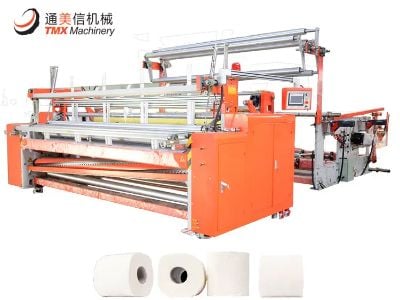
Before shipment, the realsite test items for tissue paper making machines are critical to ensuring quality and performance. This article will guide you through evaluating quality control for tissue paper manufacturing equipment, key specifications to compare, locating reliable suppliers, understanding cost factors for bulk orders, and the applications of these machines across various industries. By addressing these aspects, we aim to alleviate common buyer concerns regarding quality assurance, appropriate machine selection, and overall investment.
How to Evaluate Quality Control for Tissue Paper Making Equipment?
When considering tissue paper making machines, quality control (QC) is paramount. Evaluating QC measures begins with understanding the manufacturer's testing protocols. Look for evidence of rigorous testing procedures that assess machine performance, durability, and safety standards.
One effective way to ensure quality is to request detailed reports on pre-shipment inspections. These reports should include test results for critical parameters such as machine speed, paper thickness, and energy consumption. Additionally, it's beneficial to inquire about certifications that the tissue paper making machine hold, which may indicate compliance with international standards. Buyers should also consider visiting the manufacturing facility if possible. Observing the production process firsthand can provide insights into the quality of materials used, the skill level of the workforce, and the overall operational standards. Engaging with the manufacturer about their quality management system can further clarify their commitment to producing reliable equipment.
Key Specifications to Compare
When assessing tissue paper making machines, several key specifications should be compared to ensure the chosen model meets your production requirements. These include:
Production Capacity: This is typically measured in tons per day. Knowing your output requirements can help you select a machine that can keep pace with your demand.
Machine Dimensions: Ensure that the machine fits within your production space, allowing room for operation and maintenance.
Material Compatibility: tissue making machine may vary in their ability to process different types of paper pulp. Confirm that the machine can handle the specific raw materials you intend to use.
Power Consumption: Understanding the energy requirements will allow you to assess operational costs over time. Machines with lower energy consumption can lead to significant savings.
Automation Level: Full-servo production lines offer higher precision and efficiency. Evaluate whether automation aligns with your production goals and workforce capabilities.
Customization Options: Depending on your product range, you may require specific features or adjustments. Discuss customization capabilities with the manufacturer to ensure your unique needs are met.
By paying attention to these specifications, you can make a more informed decision that aligns with your operational objectives.
Where to Find Reliable Suppliers for Tissue Paper Manufacturing Machines?
Finding a reliable supplier for tissue paper manufacturing machines involves thorough research and evaluation. Start by exploring industry-specific trade shows and exhibitions, where manufacturers often showcase their latest technology. This provides an excellent opportunity to see machines in action and engage directly with suppliers.
Additionally, online directories and industry associations can be valuable resources for identifying reputable manufacturers. Look for suppliers with a proven track record in exporting tissue paper manufacturing machine globally, especially to your target markets such as the Middle East, Asia, Africa, and the Americas.
When considering potential suppliers, request references and testimonials from previous clients. This feedback can provide insights into the supplier's reliability, customer service, and machine performance. Finally, don't hesitate to contact suppliers directly for detailed information about their product range, after-sales support, and warranty options.
Understanding Cost Factors for Bulk Orders of Tissue Paper Machines
Understanding the cost factors associated with bulk orders of tissue paper making machines is essential for budgeting and maximizing your investment. Several elements can influence pricing:
Machine Specifications: As previously mentioned, higher production capacities, advanced automation, and customization options typically lead to higher costs. Evaluate what features are essential for your operations.
Material and Build Quality: The choice of materials used in manufacturing the machine can impact both the initial price and long-term durability. Machines built with robust materials may have a higher upfront cost but offer lower maintenance expenses over time.
Shipping and Handling: Depending on your location, shipping costs can significantly affect the overall price. It's important to factor in customs duties and any associated fees, especially for international shipments.
Payment Terms: Some manufacturers may offer flexible payment options, which can ease the financial burden of bulk purchases. Understand the payment plan details and any implications for delivery timelines.
Warranty and Maintenance Agreements: Consider the implications of warranty coverage and maintenance agreements on total cost of ownership. A machine with an extended warranty might have a higher initial price but can save costs on repairs and replacements.
By carefully analyzing these factors, you can better align your budget with your operational needs.
Applications of Tissue Paper Machines in Various Industries and Markets
Tissue paper making machines are versatile and can be adapted for various industries, demonstrating their broad market applicability. Here are a few key sectors where these machines are essential:
Consumer Goods: The most common application is in the production of household products such as toilet paper, facial tissues, and paper towels. These products require high-quality machines capable of producing soft, absorbent, and durable paper.
Healthcare: In the medical sector, tissue paper is used for hygienic purposes, including patient care and cleaning. Machines designed for this market often need to meet strict regulatory requirements regarding safety and hygiene.
Food Service: Restaurants and catering services use tissue products for napkins and food wrapping. Machines that can produce customized sizes and prints are particularly valuable in this industry.
Hospitality: Hotels and resorts require large quantities of tissue products for guest amenities. Machines that offer high production rates are advantageous in meeting the demand of this sector.
Industrial Applications: Some industries utilize tissue paper for protective packaging, absorbent materials, and cleaning wipes. Machines capable of producing heavy-duty products are essential for these applications.
Understanding the specific demands of these markets can help buyers select machines that are tailored to their operational requirements, ensuring better performance and customer satisfaction.
Table of Contents
- How to Evaluate Quality Control for Tissue Paper Making Equipment?
- Key Specifications to Compare
- Where to Find Reliable Suppliers for Tissue Paper Manufacturing Machines?
- Understanding Cost Factors for Bulk Orders of Tissue Paper Machines
- Applications of Tissue Paper Machines in Various Industries and Markets