
 EN
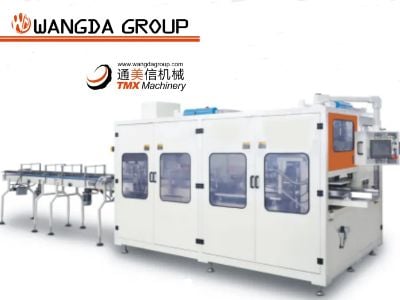
Toilet tissue machines are essential for producing rolls of varying diameters, catering to diverse market needs. Understanding how toilet tissue machines adapt to different roll diameter production is crucial for manufacturers, purchasing managers, and other stakeholders in the hygiene product industry. This article will explore the adaptability of these machines, address key buyer concerns, and provide insights into sourcing reliable suppliers, evaluating features, installation guidance, and quality control measures.
How Toilet Tissue Machines Adapt to Various Roll Diameter Specifications?
Toilet tissue machines are engineered to produce rolls of different diameters, accommodating a range of consumer preferences and market demands. This adaptability can be achieved through several mechanisms, including adjustable roll forming units, variable speed controls, and interchangeable cutting blades.
The roll diameter is a critical specification, as it affects the end-user experience and packaging requirements. Machines with programmable settings allow for seamless adjustments to the toilet tissue machine diameter without extensive downtime. For instance, a machine may produce rolls ranging from standard 1.5-inch diameter to larger 4-inch rolls simply by reprogramming the control panel and changing the cutting blades.
Manufacturers must ensure that the machine's design supports these adjustments, as improper configurations can lead to production inefficiencies, increased waste, or quality issues. Buyers should inquire about the ease of changing diameter settings and whether the machine requires specialized training for adjustments.
Where to Source Reliable Suppliers for Toilet Tissue Machinery?
Finding a reliable supplier for toilet tissue machinery is a crucial step for any business looking to enter or expand within the hygiene product market. Begin by researching manufacturers known for their expertise in producing full-servo production lines and packing machines for various tissue products. Trade shows, industry conferences, and online platforms like Alibaba can serve as excellent starting points for identifying potential suppliers.
When evaluating suppliers, consider their manufacturing capabilities, certifications, and experience in exporting to relevant markets such as the Middle East, Asia, Africa, and the Americas. Requesting samples or visiting production facilities can provide deeper insights into a supplier’s operational standards and product quality.
It’s also beneficial to read customer reviews and testimonials to understand the experiences of other companies. A supplier's ability to offer customization options and support during the installation process can also be pivotal in your decision-making.
Comparing Features of Toilet Tissue Machines for Different Roll Sizes
When selecting a toilet tissue machine, it’s essential to compare features that directly impact its performance for various roll sizes. Key specifications to evaluate include:
Production Speed: Machines designed for larger rolls may operate at different speeds compared to those producing smaller rolls. Ensure that the machine’s speed aligns with your production goals.
Cutting Mechanism: Different cutting technologies, such as rotary or guillotine cutting, can affect the precision and consistency of roll diameters. A reliable machine should ensure clean cuts to minimize waste.
Material Handling: Consider how the toilet tissue making machine manages raw materials. Some machines may have advanced feeding systems that adjust based on the roll diameter, ensuring consistent tension and alignment.
Maintenance Requirements: Machines that are easier to maintain and have accessible parts can significantly reduce downtime. Look for suppliers who provide comprehensive maintenance guides and support.
By comparing these features, buyers can make informed decisions that align with their production requirements and budget.
Installation Guidance for Optimizing Toilet Tissue Machine Performance
Proper installation of toilet tissue machines is vital for optimizing performance. Each machine may come with its own set of installation guidelines, but there are general best practices to follow:
Site Preparation: Ensure that the installation site is adequately prepared, with necessary utilities such as electricity, water supply, and space allocated for material storage and movement.
Alignment and Calibration: After installation, machines should be aligned correctly to ensure optimal functionality. Calibration of sensors and controls is also necessary to guarantee accurate measurements for roll diameter and cutting.
Training: Provide comprehensive training for operators on how to use the machine effectively. This includes understanding the control panel, maintenance routines, and troubleshooting common issues.
Testing: Conduct thorough testing before full-scale production begins. This helps identify any potential issues and allows for adjustments to be made before operations commence.
Following these guidelines can lead to enhanced machine performance, reduced downtime, and increased overall productivity.
Evaluating Quality Control Measures in Toilet Tissue Machinery Production
Quality control is a critical aspect of the production process for toilet tissue machines. Manufacturers must implement stringent measures to ensure that the final product meets industry standards and customer expectations. Key quality control measures include:
Material Inspection: Before production begins, raw materials should be inspected for quality and compliance with specifications. This includes evaluating the thickness, texture, and durability of the paper used.
In-Process Monitoring: Continuous monitoring during production can help catch defects early. This includes checking roll diameter, weight, and surface quality.
Final Inspection: After production, a comprehensive inspection should be conducted to assess the finished product. This includes testing for consistency in roll diameter and ensuring that packaging meets customer requirements.
Feedback Loop: Establishing a feedback loop with production teams allows for ongoing adjustments to processes and standards based on performance metrics and customer feedback.
By prioritizing these quality control measures, businesses can ensure that their toilet tissue machinery consistently produces high-quality products, thereby enhancing customer satisfaction and reducing returns. understanding how toilet tissue paper making machine adapt to different roll diameter production is essential for ensuring efficient operations and meeting market demands. By sourcing reliable suppliers, comparing machine features, following installation best practices, and implementing robust quality control measures, businesses can effectively navigate the complexities of the toilet tissue manufacturing landscape.
Table of Contents
- How Toilet Tissue Machines Adapt to Various Roll Diameter Specifications?
- Where to Source Reliable Suppliers for Toilet Tissue Machinery?
- Comparing Features of Toilet Tissue Machines for Different Roll Sizes
- Installation Guidance for Optimizing Toilet Tissue Machine Performance
- Evaluating Quality Control Measures in Toilet Tissue Machinery Production