
 EN
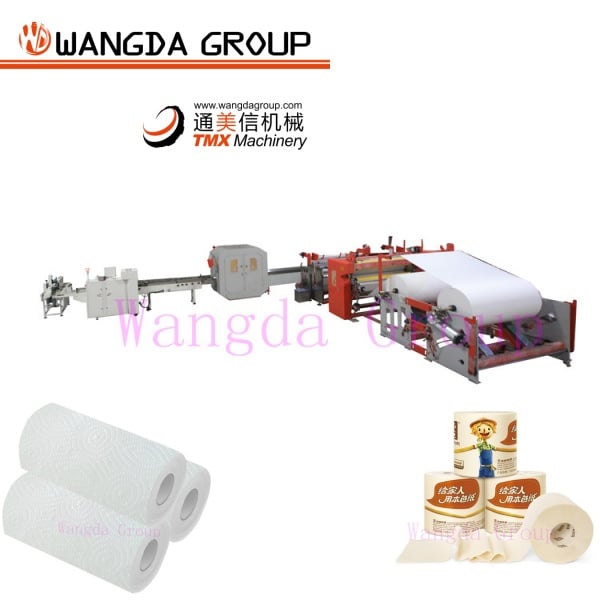
Understanding the relationship between drive motor selection and tissue paper making machine throughput is crucial for manufacturing operations. The right motor can significantly influence production efficiency, energy consumption, and overall product quality. This article addresses key considerations for selecting drive motors, outlines how different motor types affect production rates, and provides actionable insights for purchasing managers and engineers involved in tissue paper manufacturing.
What to Consider for Drive Motor Selection in Tissue Paper Machines
When selecting a drive motor for tissue paper machine, several factors must be considered to ensure optimal performance. Key aspects include the motor's power rating, torque characteristics, and operational efficiency. A motor with insufficient power may result in low throughput, while one that is overly powerful can lead to unnecessary energy consumption and operational costs.
Additionally, it is essential to evaluate the motor's compatibility with the specific machine design and its ability to handle the required load during various production phases. Understanding the machine's operational cycle including start-up, running, and stopping phases will help in selecting a motor that can sustain consistent performance throughout.
Another critical consideration is the motor's speed control capabilities. Variability in speed can impact the quality of the finished product, as different tissue products may require specific running speeds for optimal results. Ensuring that the drive motor can accommodate these requirements will enhance operational flexibility and meet varying production demands.
How Drive Motor Type Affects Tissue Production Throughput
The type of drive motor selected can have a profound impact on tissue production throughput. Common motor types used in tissue paper machines include AC motors, DC motors, and servo motors, each offering distinct advantages.
AC motors are typically favored for their robustness and lower maintenance needs, making them suitable for continuous operations. However, their speed control is less precise compared to DC and servo motors. For applications requiring high precision and adaptability, servo motors may be the better choice, allowing for enhanced control over speed and torque, which can lead to improved product quality and increased throughput.
In contrast, DC motors offer good torque at low speeds, which can be beneficial during start-up phases or when handling thicker paper grades. However, they usually require more maintenance and may not be as energy-efficient as AC motors.
Ultimately, the choice of motor type should align with the specific requirements of the production line, including the desired throughput rates and the types of tissue products being manufactured.
Choosing the Right Drive Motor for Efficient Tissue Machine Operation
To select the right drive motor for tissue machine operations, it is essential to assess the specific operational requirements against the motor's specifications. Some critical parameters to evaluate include:
Power Rating: Ensure the motor's power rating matches the machine's requirements to prevent underperformance or overloading.
Torque: Examine the motor's torque capabilities, particularly during start-up and when handling varying loads, to ensure consistent machine operation.
Efficiency: Consider the motor's energy efficiency rating, as this directly impacts operational costs. A more efficient motor can lower energy consumption and reduce the overall cost of production.
Durability: Look for motors designed for heavy-duty applications to withstand the wear and tear associated with continuous tissue production.
Control Options: Evaluate whether the motor supports variable frequency drives (VFDs) for enhanced speed control, which can improve product quality and throughput.
By carefully aligning these specifications with the machine's operational needs, buyers can ensure smoother operations and enhanced production efficiency.
Comparing Drive Motor Specifications for Tissue Paper Production Needs
When comparing drive motor specifications for tissue paper production, consider the following key factors:
| Specification | Importance |
|---|---|
| Power Output | Determines the maximum load the motor can handle. |
| Speed (RPM) | Affects production speed and product quality. |
| Torque (Nm) | Critical for starting and stopping the machine smoothly. |
| Efficiency Rating | Impacts energy consumption and operating costs. |
| Service Factor | Indicates the motor’s ability to handle overloads without failure. |
Understanding these specifications will help purchasing managers make informed decisions. For instance, a motor with a higher service factor may be essential in high-demand environments, ensuring reliability and reducing the risk of breakdowns.
Additionally, it is advisable to request detailed technical documentation and performance curves from suppliers. This data will provide insights into how the motor will perform under different load conditions, enabling a more precise match to operational requirements.
Installation Guidance for Drive Motors in Tissue Paper Manufacturing Systems
Proper installation of drive motors in paper tissue machine manufacturing systems is crucial for ensuring optimal performance and longevity. Here are several key installation considerations:
Alignment: Ensure that the motor is correctly aligned with the driven equipment to prevent excessive wear on bearings and couplings. Misalignment can lead to vibration issues that may ultimately result in premature failure.
Mounting: Use appropriate mounting techniques to secure the motor, taking into account vibration damping to minimize operational noise and enhance performance.
Electrical Connections: Verify that electrical connections meet the required standards and are compatible with the motor's specifications. Poor connections can lead to inefficiencies and motor overheating.
Cooling and Ventilation: Ensure adequate cooling and ventilation around the motor to prevent overheating, especially in high-output environments where heat generation is significant.
Testing and Calibration: After installation, conduct thorough testing to verify that the motor operates within its specified parameters. This includes checking speed, torque, and operational efficiency.
By adhering to these installation guidelines, manufacturers can enhance the reliability and efficiency of their tissue paper production operations, ultimately leading to better throughput and product quality.
Table of Contents
- What to Consider for Drive Motor Selection in Tissue Paper Machines
- How Drive Motor Type Affects Tissue Production Throughput
- Choosing the Right Drive Motor for Efficient Tissue Machine Operation
- Comparing Drive Motor Specifications for Tissue Paper Production Needs
- Installation Guidance for Drive Motors in Tissue Paper Manufacturing Systems