
 EN
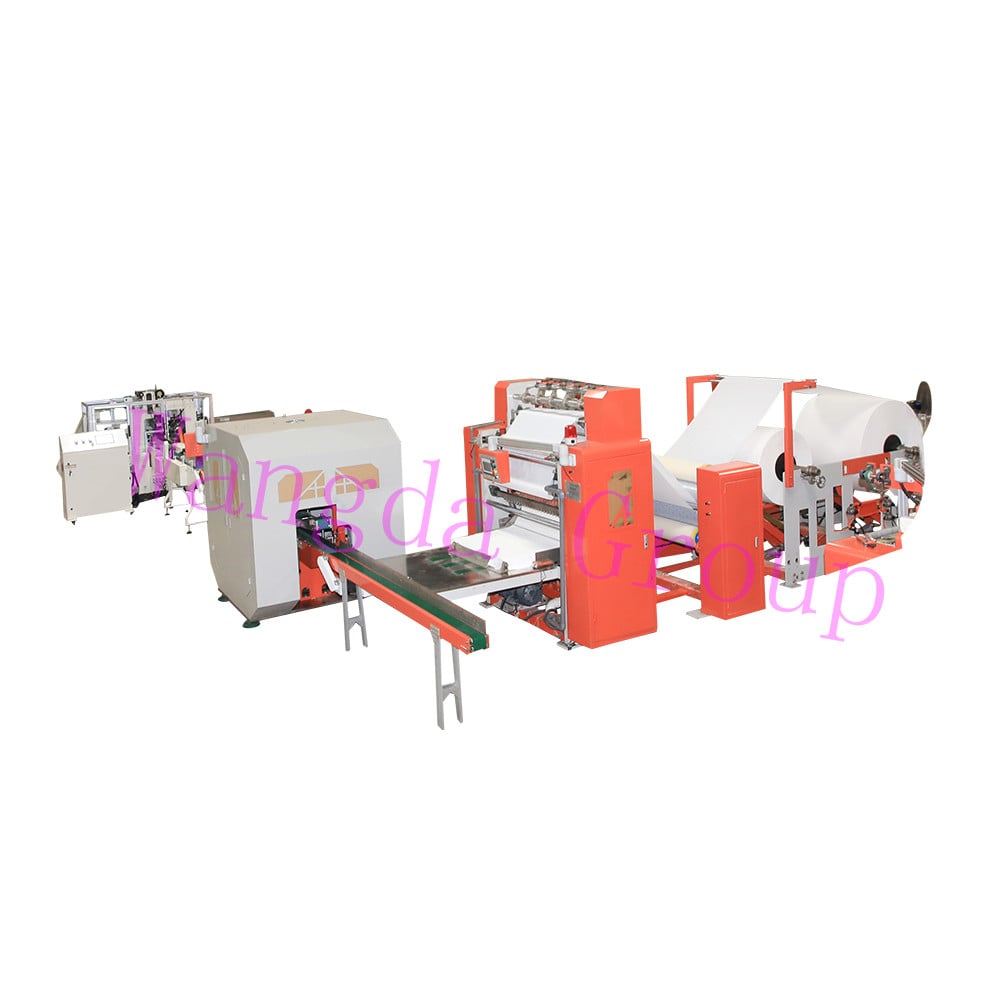
Dust removal setup is an essential aspect of face tissue machine workshops, playing a critical role in maintaining product quality and operational efficiency. A clean working environment reduces contamination risks, enhances machine performance, and ultimately leads to better output. For purchasing managers, engineers, and other stakeholders in the tissue manufacturing sector, understanding the necessity of dust removal systems is crucial to making informed decisions. This article aims to clarify why dust removal setups are vital, compare various systems, provide installation guidance, and outline key considerations for purchasers.
Understanding the Importance of Dust Removal in Tissue Machine Workshops
In tissue manufacturing workshops, dust and particulate matter can significantly affect the production process. Dust can settle on finished products, leading to quality issues and customer dissatisfaction. Additionally, it can accumulate within face tissue making machine, causing component wear and reducing efficiency. Regular cleaning can mitigate these issues, but a dedicated dust removal system is often the most effective solution.
Dust particles can come from various sources, including raw materials, production processes, and environmental factors. A well-designed dust removal system helps maintain air quality and ensures compliance with industry standards. Failure to implement such systems can result in increased downtime and maintenance costs, ultimately affecting the bottom line.
Comparing Dust Removal Systems for Facial Tissue Production Lines
When selecting a dust removal system for facial tissue production lines, it's essential to understand the different types available and their suitability for specific applications. Common options include:
Cyclone Dust Collectors: These systems use centrifugal force to separate dust from the air. They are effective for handling larger particles but may require additional filters for finer dust.
Baghouse Filters: These systems utilize fabric filters to capture dust particles. They are highly efficient for fine dust and can be tailored to various production requirements.
Electrostatic Precipitators: These systems use electrical charges to attract and capture dust particles. They are particularly effective for industries generating very fine dust but may require higher initial investment and maintenance.
Wet Scrubbers: These systems use water to capture dust particles from the air. They are ideal for environments where dust is combined with gases or vapors but may involve higher operational costs.
Selecting the right system depends on factors such as the types of materials used, dust particle size, and production capacity. Consulting with a manufacturer like Wangda Industrial Co., Limited can provide insights into the most suitable options for specific production environments.
Installation Guidance for Dust Removal Setups in Workshops
Installing a dust removal system involves strategic planning and execution to ensure optimal performance. Here are key steps to consider:
Assess the Workshop Layout: Evaluate the production floor to identify dust sources and airflow patterns. This helps determine where to position dust collection units to maximize efficiency.
Select Appropriate Equipment: Based on the assessment, choose the right type of dust removal system that meets your production needs and regulatory requirements.
Plan for Integration: Ensure that the dust removal system can be integrated with existing facial tissue machine without disrupting workflow. Compatibility with other equipment is crucial for maintaining production efficiency.
Follow Installation Guidelines: Adhere to the manufacturer's installation instructions, ensuring all connections are secure and that the system is properly calibrated.
Conduct Testing: After installation, conduct tests to ensure the system operates effectively. Monitor air quality and performance to identify any issues early on.
Training and Maintenance: Train staff on operating the system and establish a regular maintenance schedule to ensure longevity and effectiveness.
By following these guidelines, purchasing managers and engineers can effectively implement dust removal systems that enhance the operational capabilities of tissue manufacturing workshops.
What Buyers Should Look For
When evaluating dust removal systems, buyers should consider several critical factors:
Efficiency: Look for systems with high dust capture efficiency to ensure minimal contamination of finished products.
Capacity: Ensure the system can handle the expected dust load based on the production volume and types of materials used.
Maintenance Requirements: Understand the maintenance needs of different systems. Some may require more frequent cleaning or replacement parts, impacting overall costs.
Compliance: Ensure that the chosen system complies with local regulations regarding air quality and occupational safety standards.
Customizability: The ability to customize the system to fit specific operational needs can provide significant advantages, particularly in unique production environments.
By focusing on these aspects, buyers can make informed decisions that align with their operational requirements and budget constraints.
Common Dust-Related Problems in Tissue Manufacturing and Solutions
Dust-related issues in tissue manufacturing can manifest in various ways, leading to decreased product quality and production inefficiencies. Common problems include:
Surface Contamination: Dust settling on finished products can lead to visible imperfections and customer complaints. Implementing a robust dust removal system can minimize this risk.
Machine Downtime: Accumulation of dust in automatic facial tissue folding machine can lead to malfunctions or breakdowns. Regular maintenance and effective dust collection can help prevent costly downtime.
Health Risks: Prolonged exposure to dust can pose health risks to workers. An efficient dust removal system not only improves air quality but also enhances workplace safety.
Inconsistent Product Quality: Variability in dust levels can lead to inconsistent quality in tissue products. A reliable dust removal setup ensures a consistent manufacturing environment.
To address these challenges, manufacturers should invest in effective dust removal solutions, regularly monitor air quality, and maintain equipment to ensure optimal performance. By doing so, they can significantly reduce dust-related problems and improve overall operational efficiency.
A well-planned dust removal setup is crucial for the efficient operation of face tissue machine workshops. By understanding the importance of these systems, comparing available options, and following proper installation and maintenance practices, buyers can ensure their manufacturing processes remain efficient and product quality remains high.