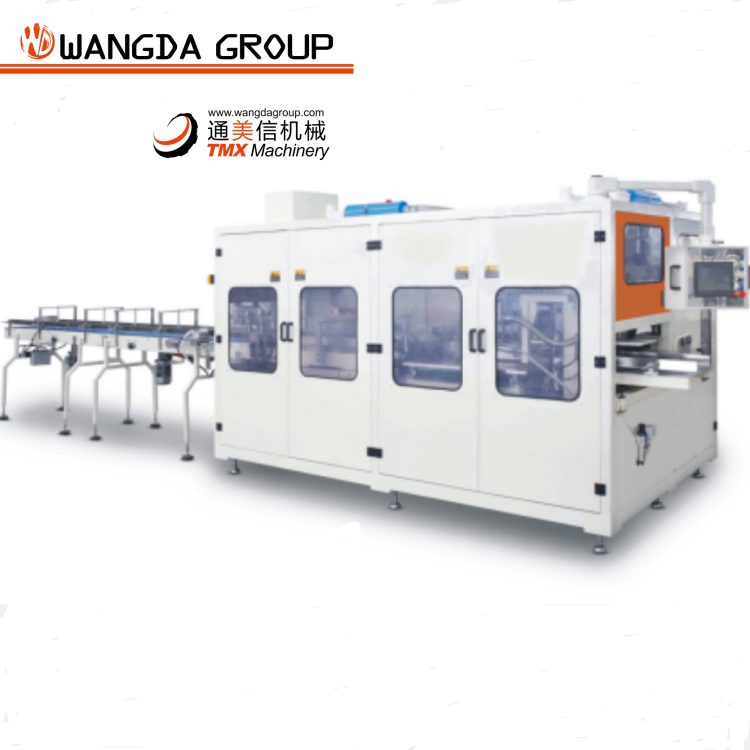
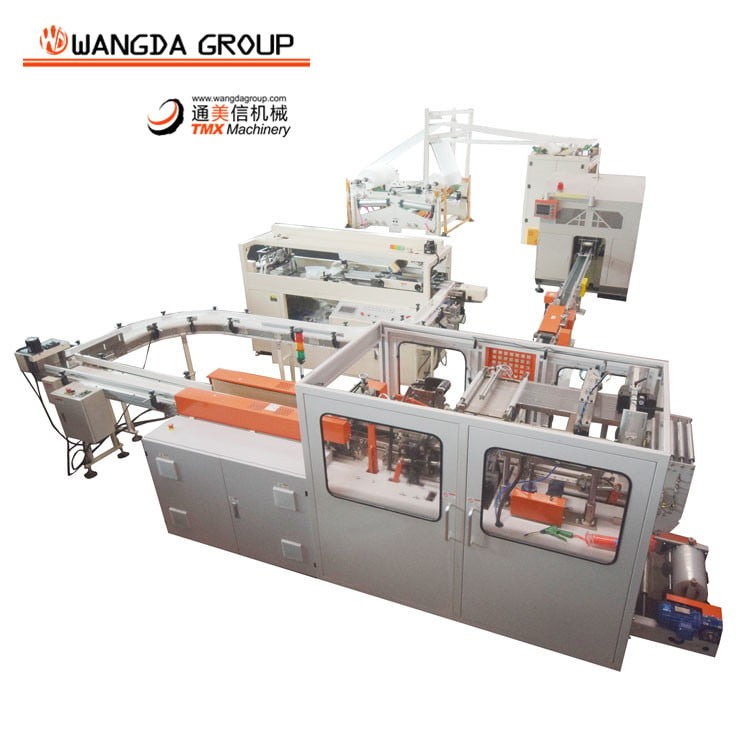
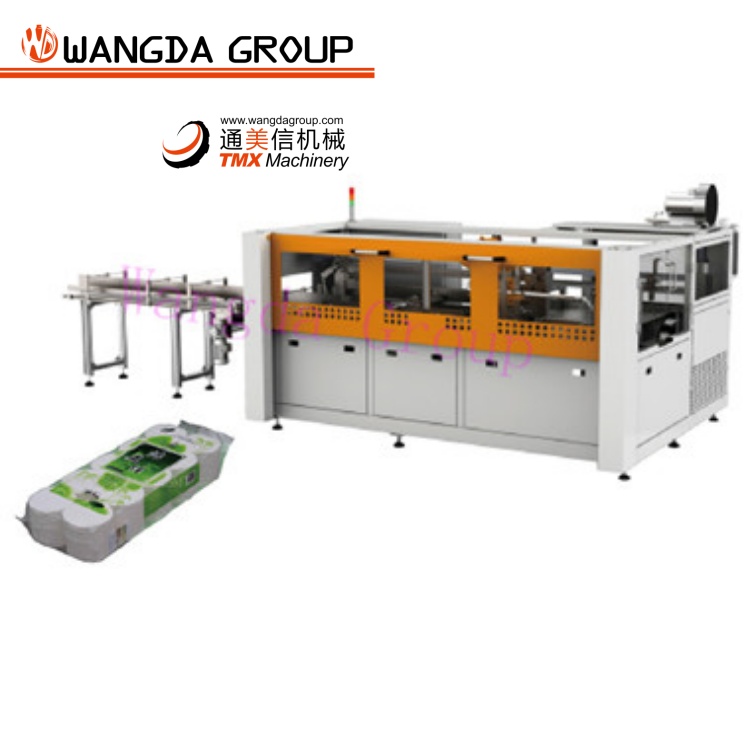
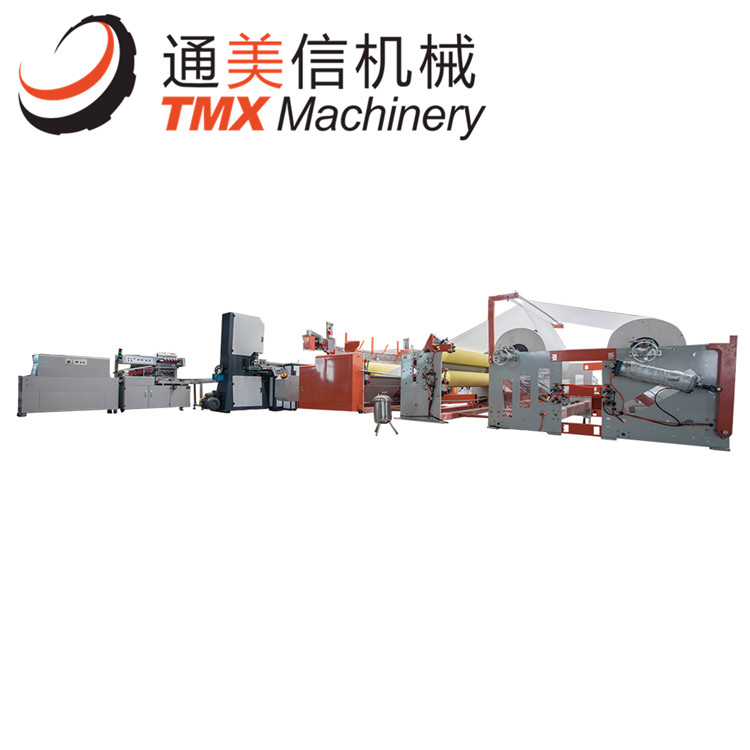
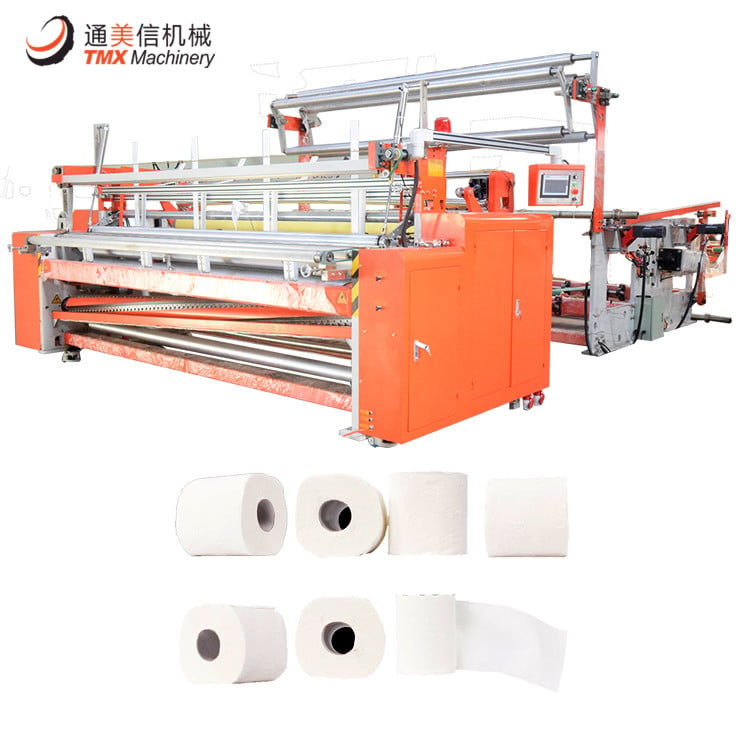
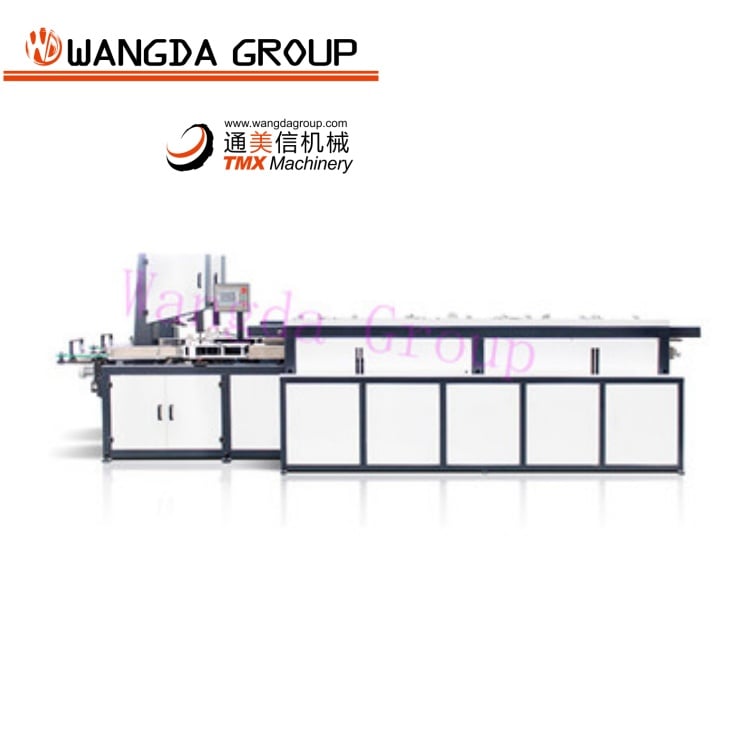
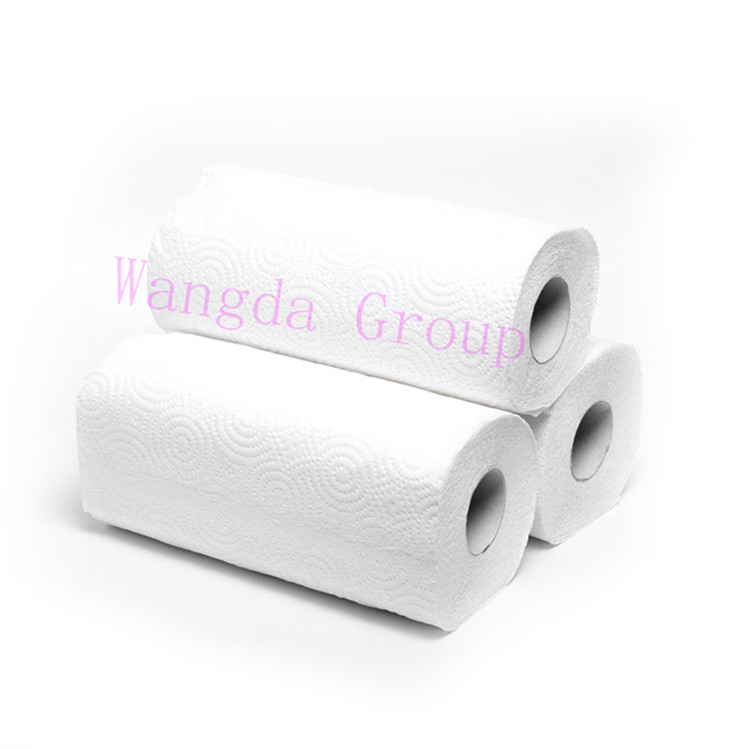
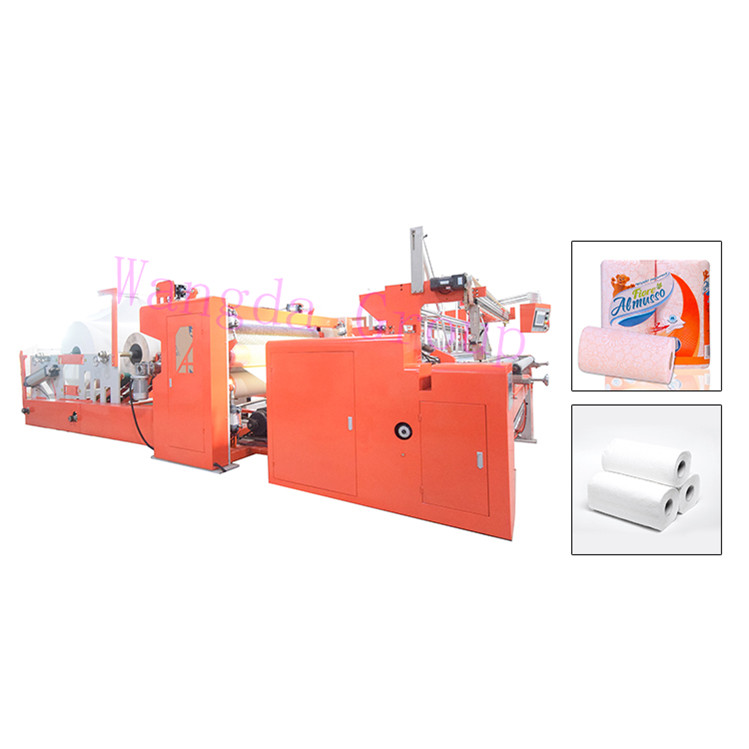
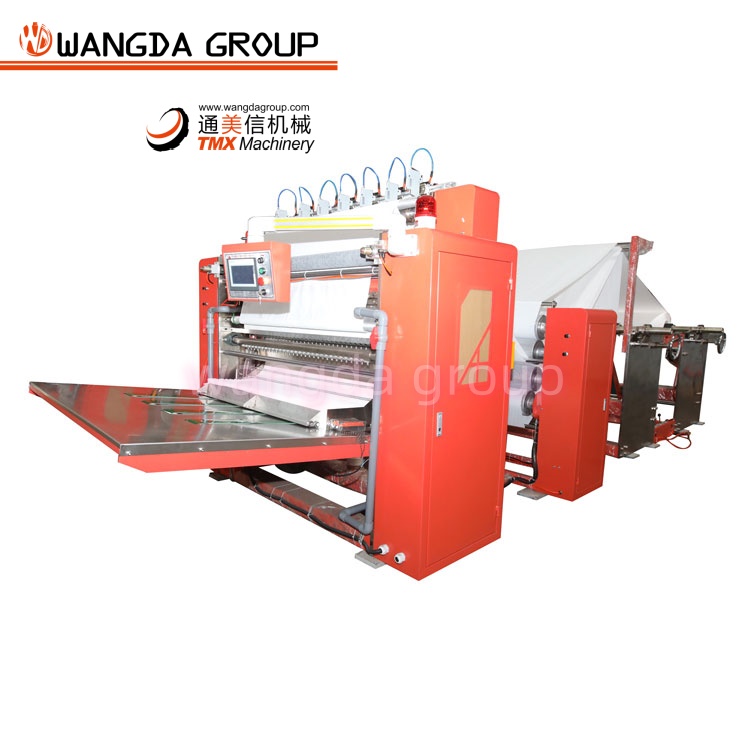
Toilet paper making machines are essential for manufacturers looking to produce high-quality toilet paper efficiently. In South Africa, as demand for hygienic products continues to rise, investing in reliable toilet paper making machines becomes crucial for businesses. This article will address key specifications, how to evaluate supplier reliability, technical support needs, common machine problems, and the best applications for these machines, helping purchasing managers and engineers make informed decisions
When evaluating toilet paper making machine price, several specifications are critical to ensure efficient and high-quality production. Key specifications include
Production Capacity: This refers to the amount of toilet paper the machine can produce in a specified time frame. Depending on your business needs, machines can vary from small-scale production systems to high-capacity industrial machines. Buyers should assess their expected output to select a machine that aligns with their production goals
Material Compatibility: The machine should be compatible with various types of raw materials, such as recycled paper, virgin pulp, or other fibers. The choice of material can affect both the quality and cost of the final product. Ensure the machine can handle your selected material effectively to optimize production efficiency
Automation Level: Machines can be fully automated or semi-automated. Fully automated machines often come with higher initial costs but can reduce labor costs and increase consistency in quality. Evaluate your workforce capabilities and budget to determine the appropriate level of automation
Energy Efficiency: Given the rising costs of energy, selecting machines with energy-efficient technologies can lead to significant savings over time. Look for machines that offer low power consumption while maintaining high production efficiency
Quality Control Features: Integrated quality control systems help monitor the production process and maintain consistent output. Features such as automatic thickness measurement, moisture control, and surface treatment capabilities can enhance product quality
Certifications: It’s essential to check for relevant industry certifications that indicate compliance with safety and quality standards. Certifications ensure that the machine meets necessary regulations and provides reassurance regarding its performance and durability
Understanding these specifications will help you select a toilet paper making machine that meets your production requirements while ensuring quality and efficiency

Choosing a reliable supplier for toilet paper making machines is crucial for long-term success. Here are some factors to consider during your evaluation
Experience and Expertise: Assess how long the supplier has been in the industry. An established supplier with a proven track record often indicates reliability and expertise in manufacturing. Look for client testimonials or case studies that demonstrate their experience with similar projects
Product Range: A supplier that offers a diverse range of machines and customization options can better cater to your specific needs. This flexibility is essential for adapting to market demands and changes in production requirements
After-Sales Support: Strong technical support and after-sales service are vital. Ensure the supplier provides installation guidance, training for operators, and ongoing maintenance services. A supplier that stands behind their product can significantly reduce downtime and operational challenges
Quality Assurance Processes: Inquire about the supplier’s quality control measures. Suppliers should have stringent testing procedures in place to ensure their machines meet performance standards before shipment. This includes inspections during manufacturing and final testing before delivery
Customer Service: Evaluate the responsiveness and professionalism of the supplier’s customer service team. A supplier that communicates effectively and addresses concerns promptly can enhance your purchasing experience
Global Presence: If your business operates in multiple regions, consider suppliers with a global footprint. Suppliers that understand local regulations and market conditions can provide valuable insights and support for your operations
By thoroughly evaluating these aspects, you can select a supplier that aligns with your quality standards and business objectives

Technical support and installation guidance are critical components of the purchasing process for toilet paper making machine for sale. Buyers should consider the following aspects
Installation Services: Ensure the supplier offers comprehensive installation services. Professional installation can minimize setup time and ensure that the machine operates correctly from the outset. Suppliers may send technicians to your facility to oversee the installation and provide hands-on training
Operator Training: Adequate training for machine operators is essential to maximize productivity and reduce the risk of operational errors. Suppliers should provide detailed training sessions covering machine operation, maintenance protocols, and troubleshooting techniques
Documentation and Manuals: Request detailed documentation, including user manuals, maintenance guides, and troubleshooting checklists. These resources are invaluable for operators and maintenance staff, helping them understand machine functions and best practices
Remote Support Options: In today’s digital age, remote support capabilities can be a significant advantage. Suppliers that offer remote troubleshooting and technical assistance can resolve issues quickly, reducing downtime and operational disruptions
Spare Parts Availability: Confirm that the supplier provides easy access to spare parts and components. A reliable supplier should maintain an inventory of critical parts and offer fast shipping options to minimize machine downtime
Ensuring thorough technical support and installation guidance will help you maintain optimal machine performance and efficiency

Understanding common problems associated with toilet paper making machines can help buyers prepare for potential issues and mitigate downtime. Some frequent challenges include
Jamming Issues: This can occur due to improper alignment of the raw material or debris accumulation in the machine. Regular maintenance and cleaning can help prevent jams. Operators should be trained to recognize early signs of jamming and respond promptly
Quality Variability: Inconsistent product quality may result from fluctuations in raw material quality or machine settings. Implementing strict quality control measures and maintaining consistent input material can address this issue. Regular calibration of the machine is also essential for maintaining product quality
Mechanical Failures: Wear and tear on components, such as belts or bearings, can lead to breakdowns. Establishing a routine maintenance schedule, including inspections and part replacements, can help identify potential issues before they lead to significant failures
Electrical Problems: Fluctuations in power supply or faulty wiring can disrupt machine operation. Ensuring a stable power source and conducting regular electrical inspections can prevent these issues
Operator Errors: Mistakes in machine operation can lead to production delays and quality issues. Comprehensive training programs can minimize human error and enhance operator competence
By proactively addressing these common issues, buyers can ensure smoother operations and reduce the likelihood of unexpected downtime
Wangda has cooperated with Tissue paper making machine both from the home country and abroad. We have collaborated with major groups from GCC countries such as Fine Hygienic from several nations, Nesto Hypermarket, Top One and Two hygienic product manufacturer B and G, Meghna Groups of Bangladesh. Outnet Group from African countries. And as well, there are large European brands, American brands, Latin American brands we have worked with for a great number of years. We have a number of sample factories outside of the United States that you can visit to look at our products. This is more convenient. Also we invite you to visit our factory to experience our products right at the moment. We will be happy to answer your questions anytime, and hope to begin our mutual benefit story asap.
Wangda has over 20 years of experience manufacturing all sorts of tissue machines, we pay much attention to the machines' functions and the quality, and also Tissue paper machine and after sales services. We have sold machines to more than 100 countries. This has resulted in repeat orders and good comments from our clients. Our R and D department is part of Wangda. We have our own R and D departments. Our machines are continuously upgraded and are incorporating the latest technology of Germany, Japan, and Italy. They have passed ISO9002, CE and BV certifications. We provide turnkey projects all the way from A to Z that includes more than machines.
Our after-sales and sales teams are extremely Toilet paper manufacturing machine and skilled. About 80% of our team has been working in the field of hygienic products for over 10 years. We understand what our customers want and what they worry. Our customers aren't only purchasing our machines We also assist them to profit in this business of hygienic items. We provide our customers with the services after-sales they need.
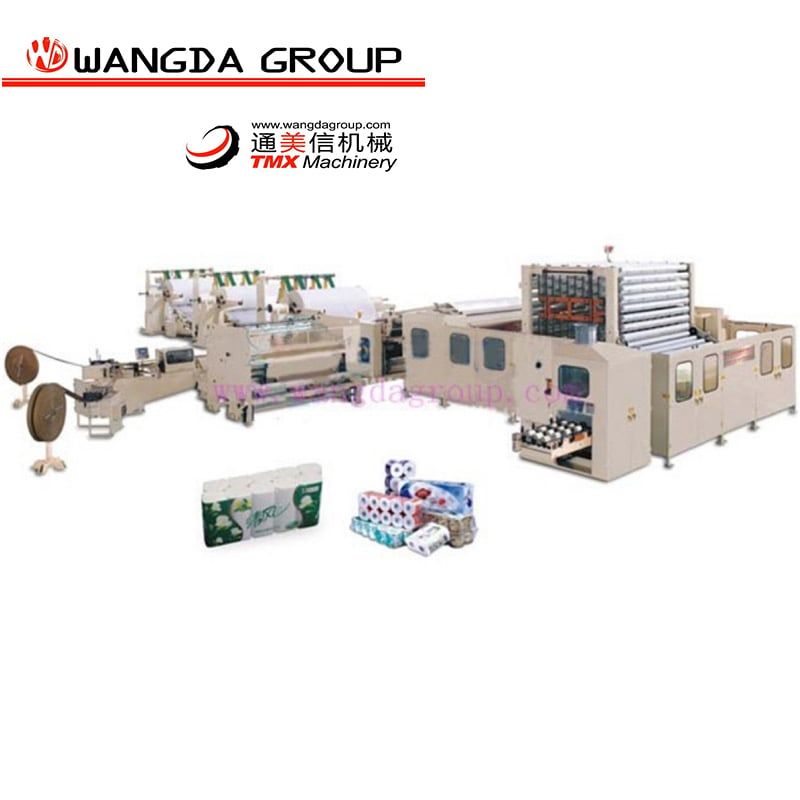
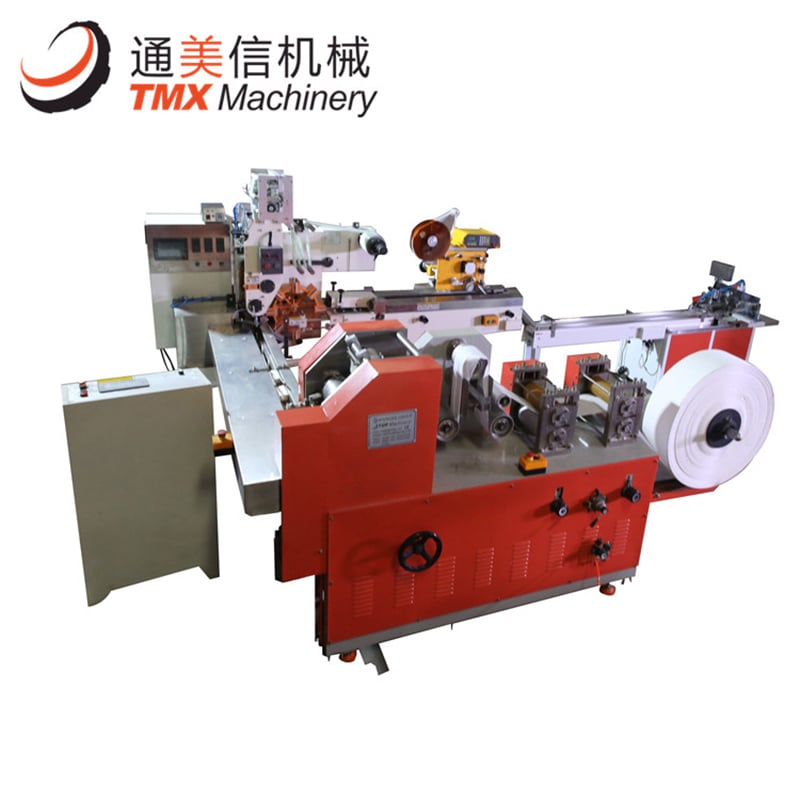
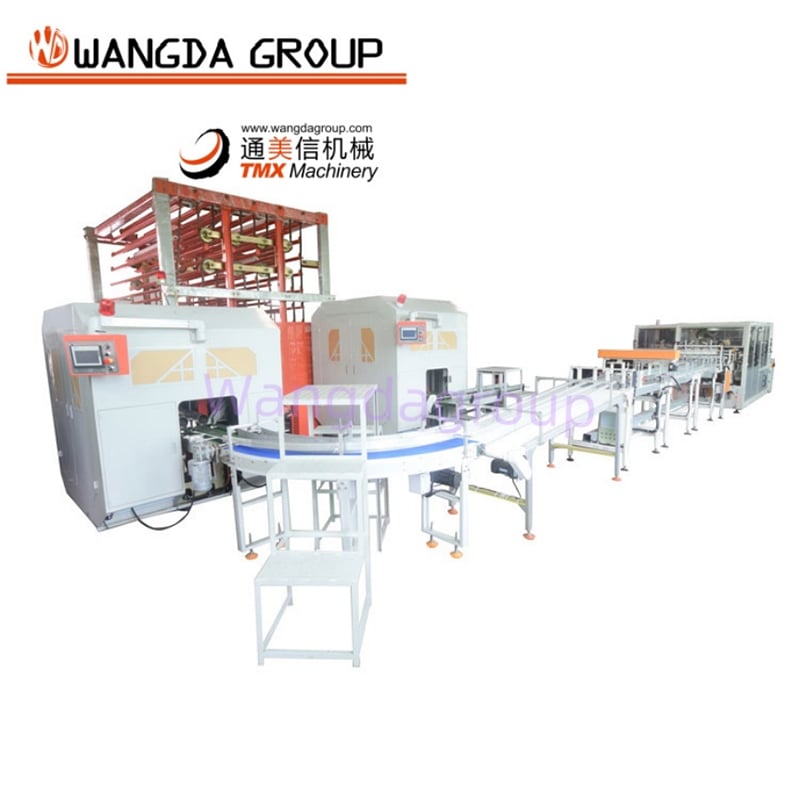
Wangda produces toilet tissue machines (including cutting and packing) kitchen towels machines (including cutting and packing) facial tissue machines (including cutting and packing) bags of Toilet paper making machine facial tissue machines. We also make maxi roll rewinding devices as well as perforating machines.
Fully automatic toilet paper making machines have diverse applications across various sectors. Understanding these applications can aid businesses in selecting the right machinery for their needs
Household Use: The most common application is in households, where consumer demand for soft, absorbent toilet paper is high. Manufacturers can tailor their products to meet specific consumer preferences, such as eco-friendly materials or premium softness
Commercial Settings: Businesses such as hotels, restaurants, and offices require toilet paper in bulk. Machines that produce large quantities efficiently are ideal for this market, and customization options can cater to branding needs
Healthcare Facilities: Hospitals and clinics require high-quality sanitary products, including toilet paper. Machines designed to meet stringent hygiene standards are essential for this application, ensuring that products are safe and reliable
Industrial Applications: Manufacturers producing toilet paper for industrial use may require stronger, more durable products. Machines capable of producing various grades of toilet paper can cater to these diverse needs
Export Markets: Companies looking to export their products may need machines that comply with international standards and can produce various specifications. Understanding the target market's requirements is crucial for success
By selecting the right machine for the intended application, businesses can optimize production processes and meet market demands effectively