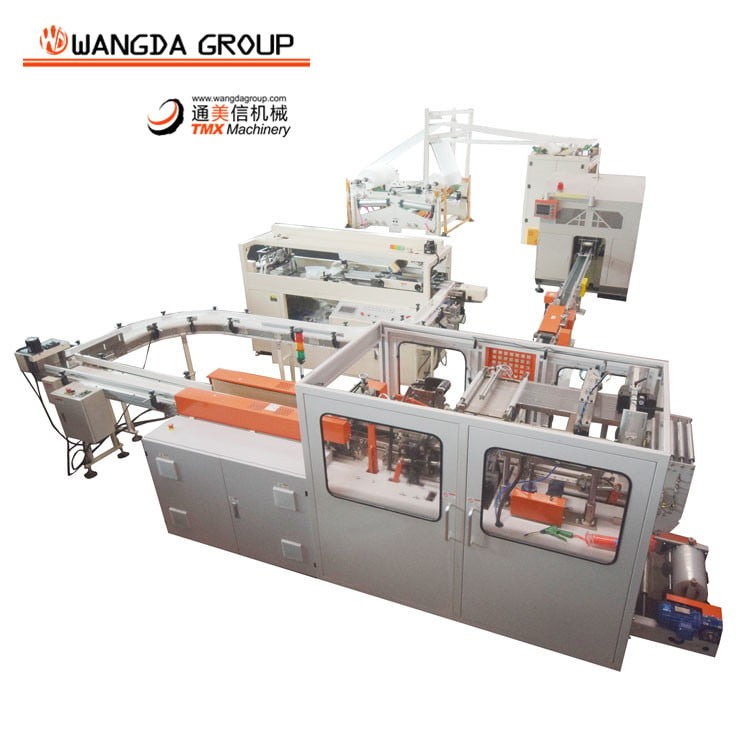
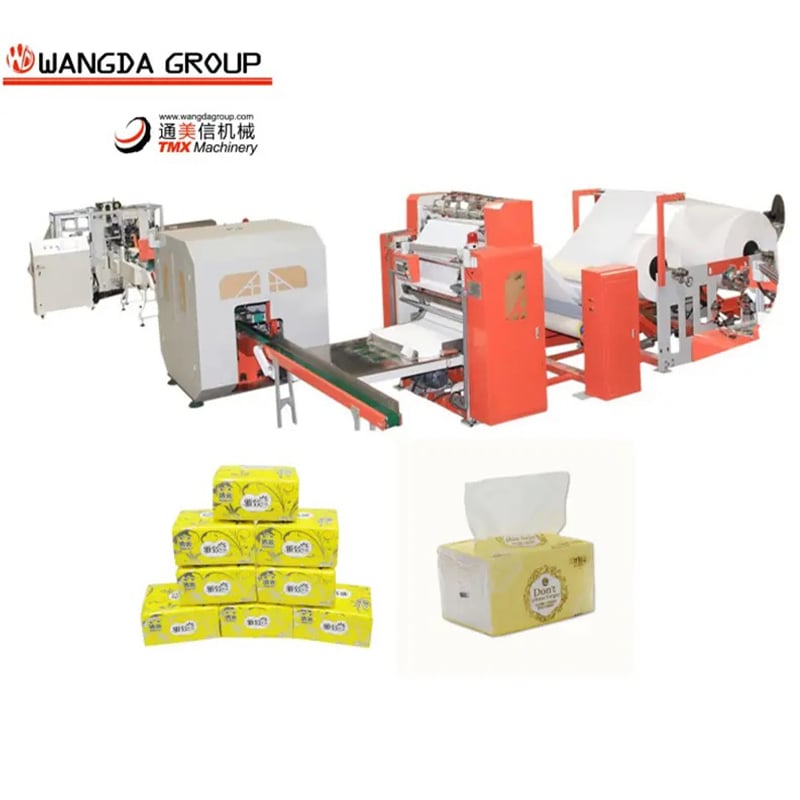
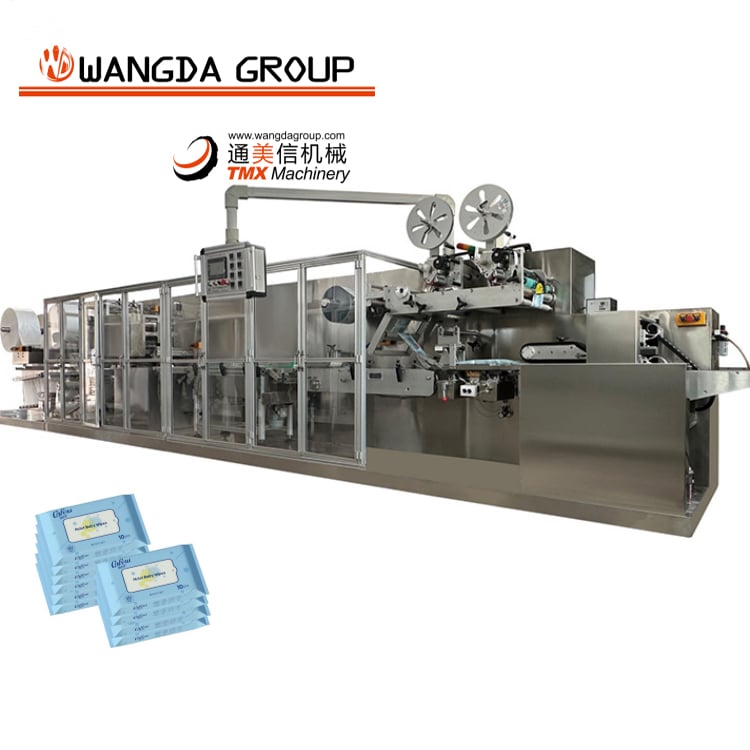
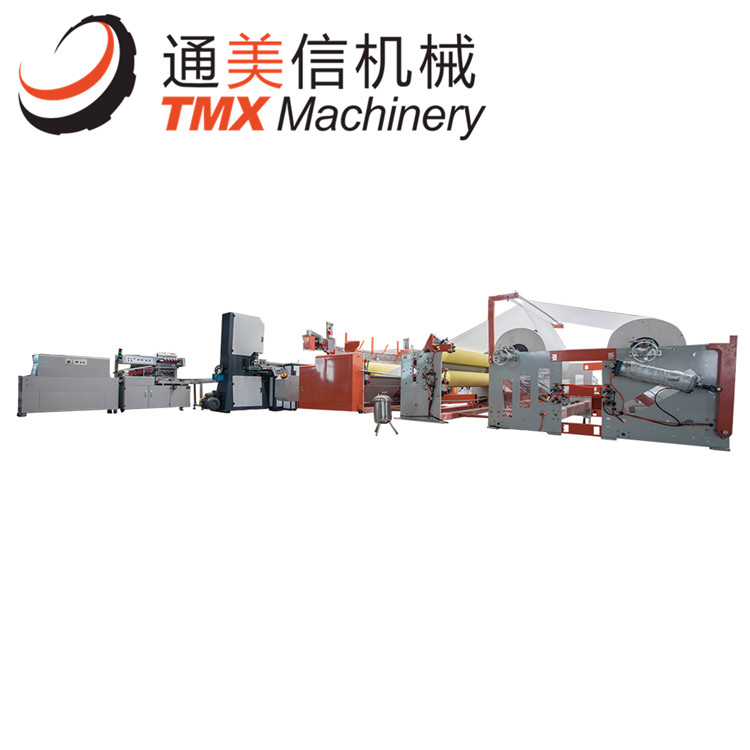
Tissue paper printing machines are vital for manufacturers looking to produce high-quality printed tissue products such as napkins, facial tissues, and toilet paper. Buyers in the manufacturing sector often prioritize efficiency, quality, and cost-effectiveness when evaluating these machines. This article aims to provide insights into the key specifications, cost factors, common issues, applications, and benefits associated with tissue paper machine, helping buyers make informed purchasing decisions.
When evaluating tissue paper printing machines, several key specifications need careful consideration:
Printing Technology: The choice of printing technology (such as flexographic or gravure printing) impacts print quality, speed, and cost. Flexographic printing is often preferred for its versatility and cost-effectiveness for short runs, while gravure provides superior image quality for long runs.
Production Speed: Measured in meters per minute, production speed is crucial for maximizing output. A higher speed machine may reduce costs per unit but can also require more precise engineering to maintain print quality.
Print Resolution: This is measured in dots per inch (DPI) and affects the clarity and detail of the printed images. Higher DPI values produce sharper images, which is essential for branding and consumer appeal.
Material Compatibility: Buyers should confirm that the machine can handle various types of tissue paper, including recycled materials, which can affect the quality and appearance of the final product.
Customization Capabilities: Many manufacturers offer machines that can be customized for specific production needs, including the ability to adjust print sizes and colors.
Control Systems: Advanced control systems can enhance usability and efficiency, allowing for better management of production runs and maintenance schedules.
Understanding these specifications is essential for ensuring that the chosen machine aligns with production goals and quality standards.

The cost of tissue paper printing machines can vary significantly based on several factors:
Machine Type and Features: Basic models are generally more affordable, while advanced machines with higher speeds, better print quality, and additional features will incur higher costs. Buyers should assess their production needs against potential machine capabilities to ensure value for money.
Production Capacity: Machines designed for high-volume production typically come with a higher price tag but can offer lower cost-per-unit production in the long run. Buyers must weigh the upfront investment against the potential for increased profitability.
Customization Options: Customized features often come with additional costs. Buyers should evaluate whether these features are essential for their operations or if a standard model would suffice.
Maintenance and Operating Costs: Consideration should also be given to the long-term operational costs, including energy consumption, maintenance, and replacement parts. Machines that are easier to maintain may reduce long-term expenses.
Supplier Reputation and Support: Established manufacturers may charge a premium but often provide better support, warranties, and expertise. It’s worthwhile to consider the total cost of ownership, including after-sales service and training.
By carefully analyzing these factors, buyers can optimize their investment in tissue paper printing machines.

While tissue paper printing machines are designed for efficiency, they can experience several common issues:
Ink Smudging: This often occurs due to improper drying times or incorrect ink viscosity. To mitigate this, ensure the tissue paper manufacturing machine has a reliable drying system and that the ink used is suited for the specific printing technology.
Print Quality Variations: Fluctuations in print quality can arise from inconsistent paper feed or misalignment. Regular calibration and maintenance checks can help maintain print precision.
Mechanical Failures: As with any machinery, wear and tear can lead to mechanical failures. Implementing a regular maintenance schedule can help identify and address potential issues before they result in significant downtime.
Material Compatibility Issues: Using the wrong type of tissue paper can lead to printing issues. Buyers should confirm that their chosen machine is compatible with their specific material requirements.
Operational Complexity: Some machines may require specialized training for operation. Investing in adequate training for operators can help reduce errors and improve overall productivity.
Addressing these common problems proactively can enhance machine performance and ensure consistent product quality.

Tissue paper printing machines have diverse applications across various sectors:
Food Service Industry: Printed napkins and disposable table covers play a significant role in branding for restaurants and catering services. Custom designs can enhance customer experience and brand recognition.
Consumer Goods Packaging: Tissue paper is often used in packaging luxury goods. High-quality printed tissue can add perceived value to products, making it a popular choice among retailers.
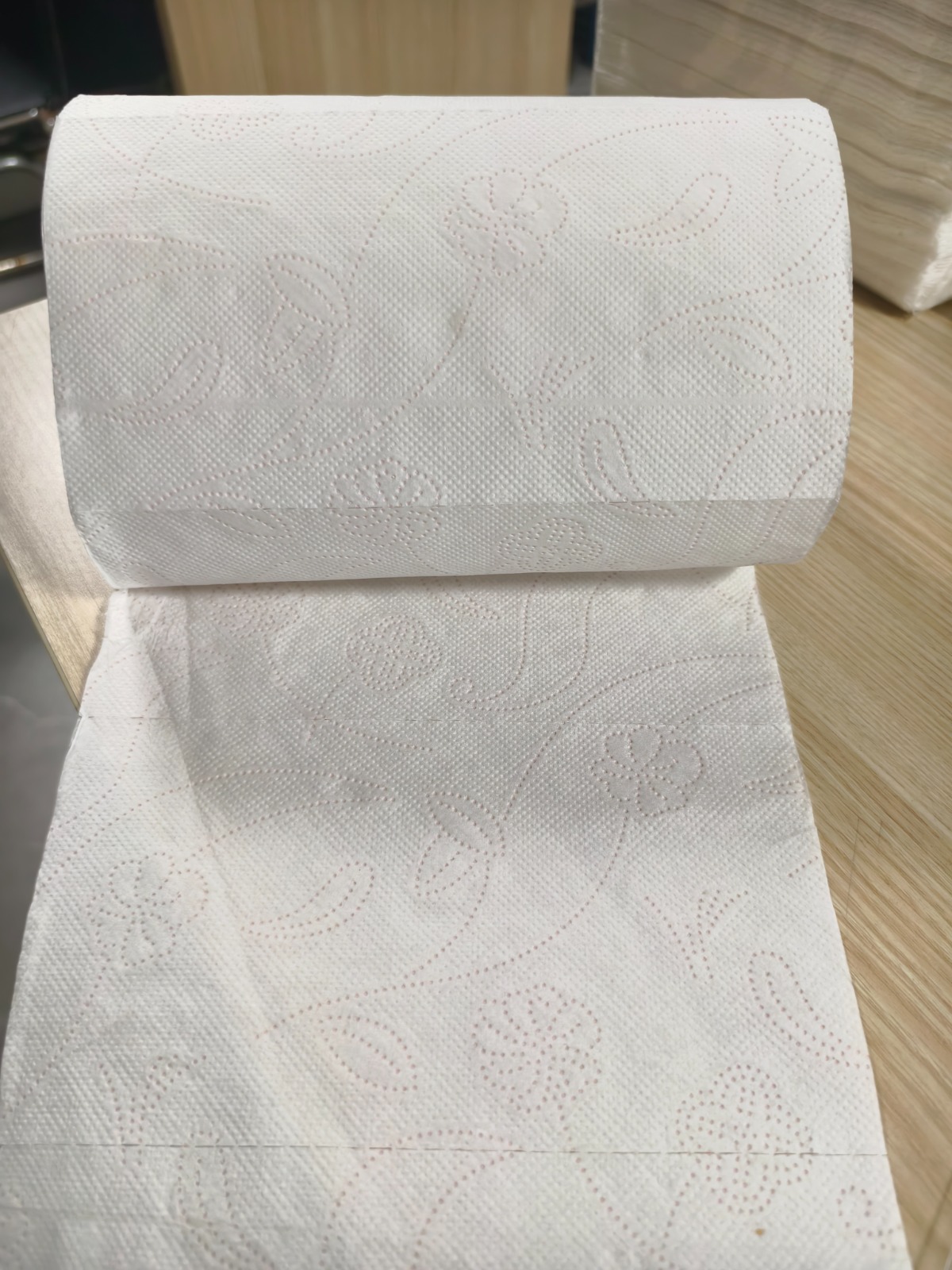
Personal Care Products: Facial tissues and handkerchiefs with printed designs are commonly found in retail environments. The ability to customize these products can help brands differentiate themselves in a competitive market.
Event and Party Supplies: Customized printed tissue products are widely used for events, from weddings to corporate functions. This niche market values unique designs that enhance the thematic experience.
Promotional Items: Businesses often use printed tissue products for promotional giveaways or corporate events. The versatility of tissue paper allows for creative branding opportunities.
Understanding these applications can help buyers identify the right machine for their specific market needs.
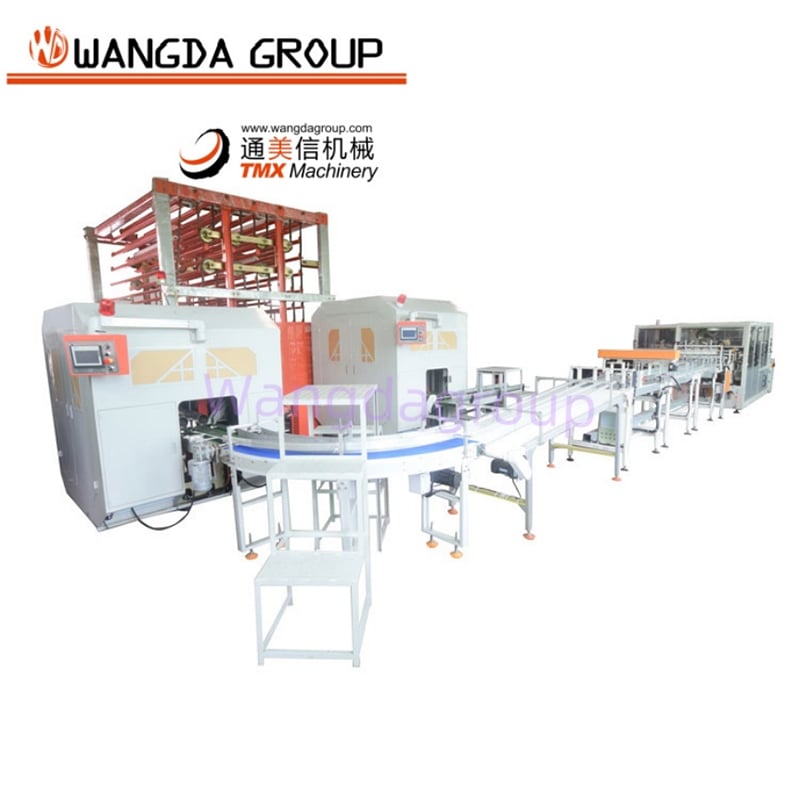
Wangda manufactures toilet tissue machines (including cutting and packing), Tissue paper machine (including cutting and packing), facial tissue machines (including cutting and packing) as well as nylon bag facial tissues machines. We also produce maxi roll rewinding as well as perforating machines.
We've Toilet paper manufacturing machine with many clients both in the United States as well as abroad.
Tissue paper machine has a very experienced with a long-standing sales team as well as an after-sales staff, 80% of the team has worked for more than 10 years in our business in this hygienic product industry. Our team members have a lot of experience working with daily-use paper tissue machines, related packing machines and so on hygienic product machines We are experts in a range of information in this area, we know what our clients need, and worry about the things that make they are concerned about. We don't only sell machines to our customers, we also assist our customers to make profit from this hygienic business, to provide the lifelong after-sales service to our customers on time.
Wangda has over 20 years of manufacturing tissues machines. We pay close attention to the quality of machines, their function and pre and post sales service. We have sold machines in more than 100 countries, which has won us many repeat orders and good reviews from our clients. Wangda has our own R and D departments. Our machines are based on advanced Germany Japanese, Japan and Italian technology and is keeping updated day by day. Our machines have been certified to ISO9002, Tissue paper making machine, BV and others certifications. We offer turnkey solutions that span from A to Z Not just machines.
Investing in certified tissue paper printing machines offers multiple advantages for manufacturers:
Quality Assurance: Certification typically indicates that the machine meets specific industry standards for safety and performance. This can lead to higher-quality output and increased customer satisfaction.
Operational Efficiency: Certified machines are often designed with improved technologies that enhance operational efficiency, reducing waste and production time.
Long-Term Reliability: Certification can also signify a machine's reliability, which is critical for maintaining consistent production levels and minimizing downtime.
Market Credibility: Using certified machines can enhance a manufacturer’s reputation in the marketplace, as clients often prefer to work with companies that adhere to established industry standards.
Compliance with Regulations: For manufacturers exporting products globally, using certified tissue paper production machine can ensure compliance with various international regulations, facilitating easier market entry.
Investing in certified machines not only improves operational efficiency but also strengthens a company’s market position, making it a worthwhile consideration for buyers.