Tissue paper making is a critical manufacturing process that produces a variety of hygienic products essential for daily use. As a buyer in this industry, understanding the nuances of tissue paper making machinery is vital for making informed purchasing decisions. Key concerns often revolve around machine specifications, production capabilities, and application suitability. This article aims to provide practical insights into selecting the right tissue paper machine, discussing essential specifications, common buyer considerations, and the applications of tissue paper products across various industries.
Selecting the appropriate tissue paper making machine involves evaluating several factors to meet your production requirements. Begin by assessing your production volume and the types of tissue products you wish to manufacture, such as napkin paper, facial tissue, or toilet paper. Different machines are designed for specific products, and understanding the compatibility of the machine with your desired outputs is crucial.
Consider the machine's technology, such as whether it operates on a full-servo production line, which can enhance efficiency and reduce waste. Also, evaluate the machine's flexibility in handling different paper grades, as this can be beneficial for adapting to market demands. Lastly, take into account the available space in your facility to ensure that the machine fits and can be operated efficiently.

When purchasing tissue paper making equipment, several key specifications must be considered to ensure optimal performance:
Production Capacity: Assess the machine's output per hour or day. This should align with your production goals and market demands.
Paper Thickness and Quality: Different tissue products require specific paper thicknesses. Ensure the machine can handle the desired GSM (grams per square meter) range and provides consistent quality.
Energy Efficiency: Energy consumption can significantly impact operational costs. Look for tissue paper making machine that incorporate energy-saving technologies.
Customization Options: Many manufacturers offer customization capabilities to tailor machines to specific product needs. This might include adjustments for packaging methods or product sizes.
Safety Features: Check for built-in safety mechanisms that reduce the risk of accidents during operation.
Understanding these specifications will help you select machinery that not only meets your production needs but also operates efficiently and safely.

Before finalizing a purchase, buyers should be aware of several critical aspects:
Supplier Reputation: Research the manufacturer's reputation in the industry. Look for customer reviews and testimonials that highlight product performance and after-sales support.
Quality Control Processes: Ensure that the manufacturer follows stringent quality control measures during production. This can include material inspections and machine testing before shipment.
Certifications: Verify that the manufacturing facility has the necessary certifications, which can indicate compliance with international standards for quality and safety.
After-Sales Support: Inquire about the availability of technical support, maintenance services, and spare parts to ensure smooth operation post-purchase.
Lead Times: Understand the expected lead times for production and delivery, as this can affect your operations.
By gathering this information, buyers can make informed decisions that align with their operational goals and reduce the risk of issues post-purchase.

To effectively navigate the purchasing process for tissue paper making machinery, consider the following step-by-step approach:
Define Your Needs: Clearly outline your production requirements, including product types, volumes, and budget constraints.
Research Suppliers: Identify potential suppliers that specialize in tissue paper manufacturing machine and assess their offerings.
Request Quotations: Prepare a detailed RFQ (Request for Quotation) that includes your specified needs, such as machine type, production capacity, and any customization requirements.
Evaluate Proposals: Compare the received quotations based on price, technical specifications, and the supplier’s reputation.
Assess Samples: If possible, request samples of the machine's output to evaluate quality and performance before committing to a purchase.
Negotiate Terms: Discuss payment terms, warranties, and after-sales service agreements to ensure all parties have a clear understanding.
Finalize the Purchase: Once satisfied with the terms and machine specifications, proceed with the purchase agreement.
This systematic approach can streamline the purchasing process and lead to better outcomes.

Wangda has over 20 years of manufacturing tissues machines. We pay close attention to the quality of machines, their function and pre and post sales service. We have sold machines in more than 100 countries, which has won us many repeat orders and good reviews from our clients. Wangda has our own R and D departments. Our machines are based on advanced Germany Japanese, Japan and Italian technology and is keeping updated day by day. Our machines have been certified to ISO9002, Tissue paper manufacturing machine, BV and others certifications. We offer turnkey solutions that span from A to Z Not just machines.
Wangda has collaborated with various clients from home and abroad. We have cooperated with big groups from GCC countries such as Fine Hygienic from various nations, Nesto Hypermarket, Top One and Two hygienic producer B and G, the Meghna Groups from Bangladesh. Outnet Group of African countries. And as well, there are big European brands, American brands, Toilet paper machine brands we have cooperated for long years. We have several manufacturing facilities outside of the United States that you can visit and see our products. This is more convenient. Also you are warmly welcome for a visit to our factory and see our products on the spot. We welcome your enquiry anytime and hope to begin our mutual benefit story soon.
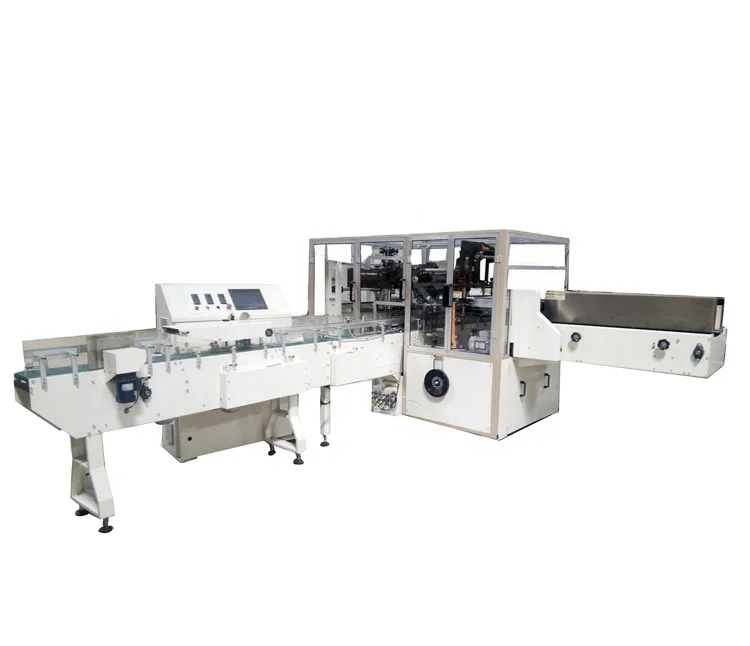
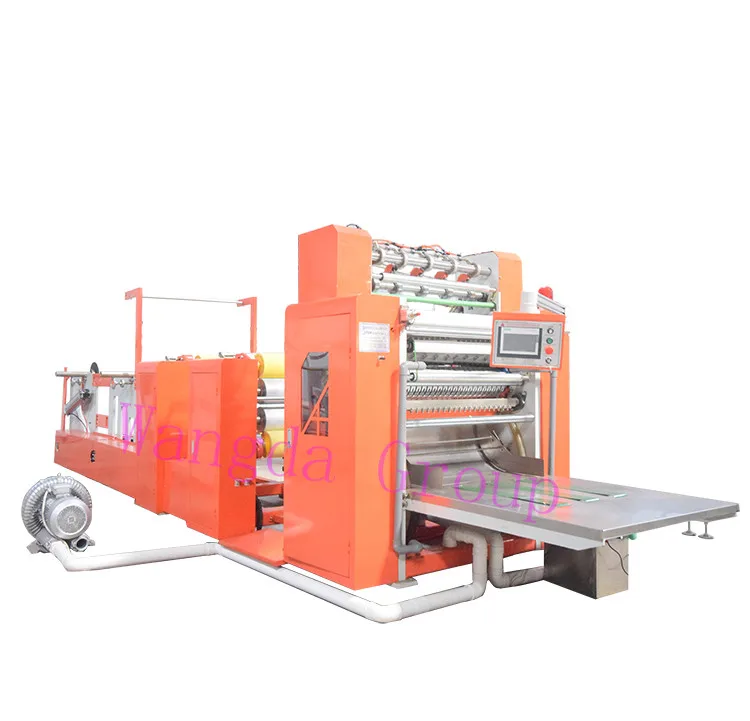
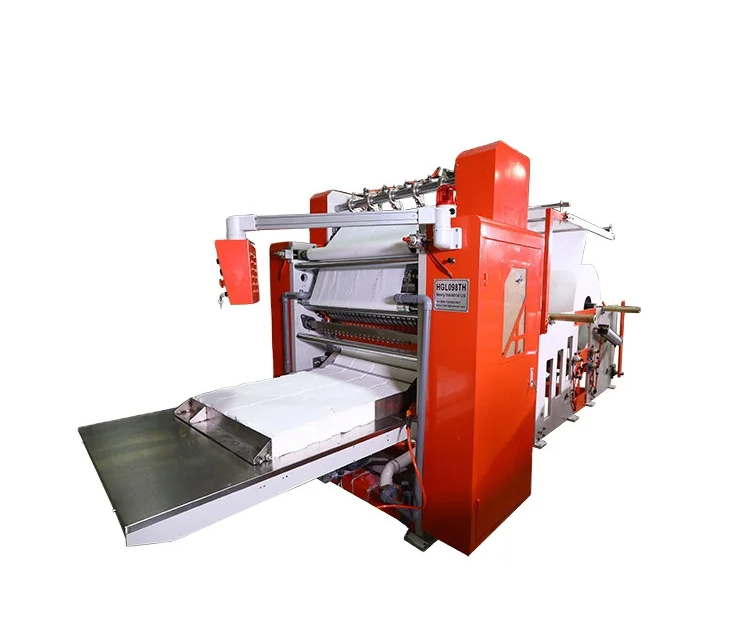
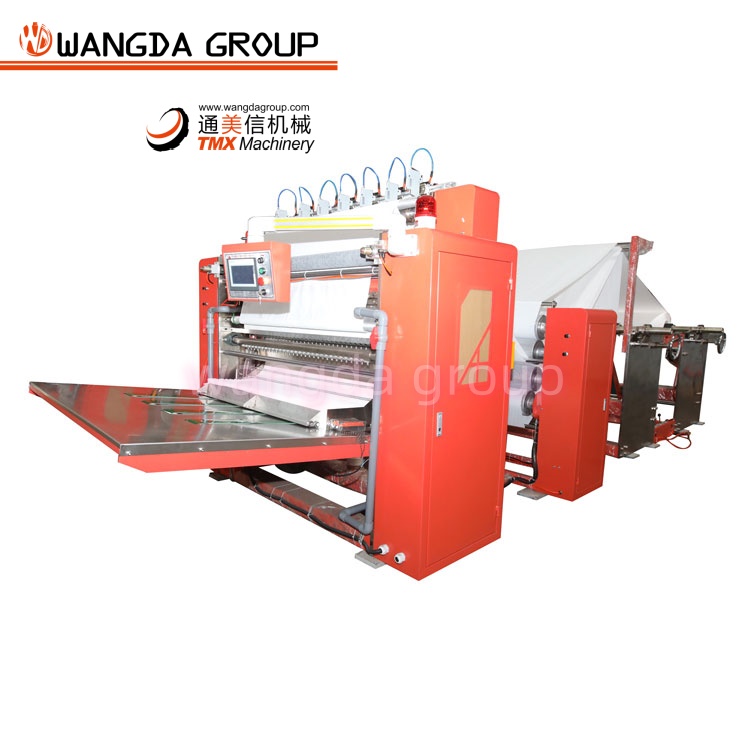
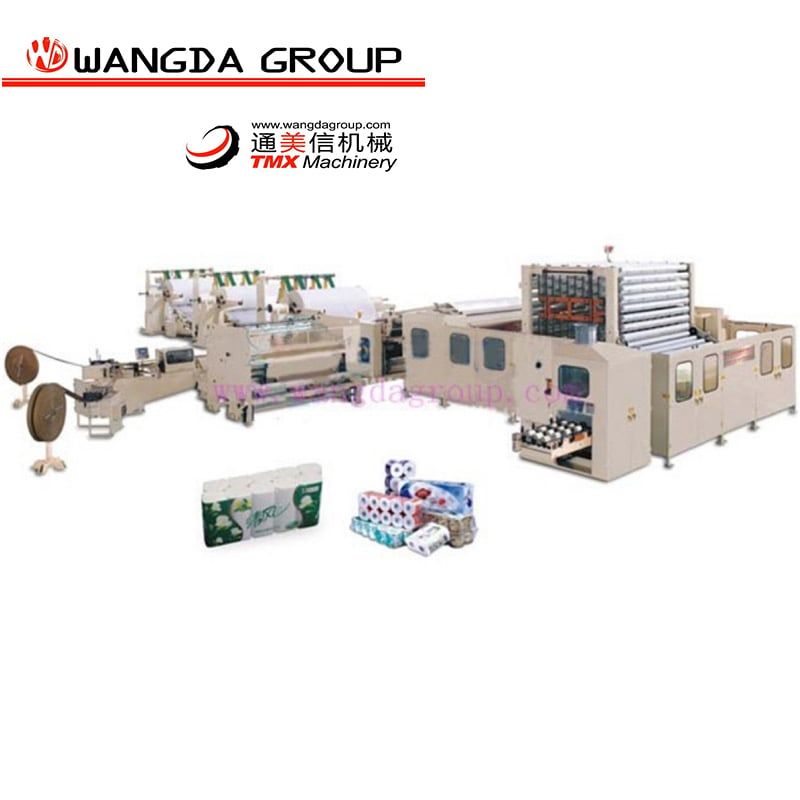
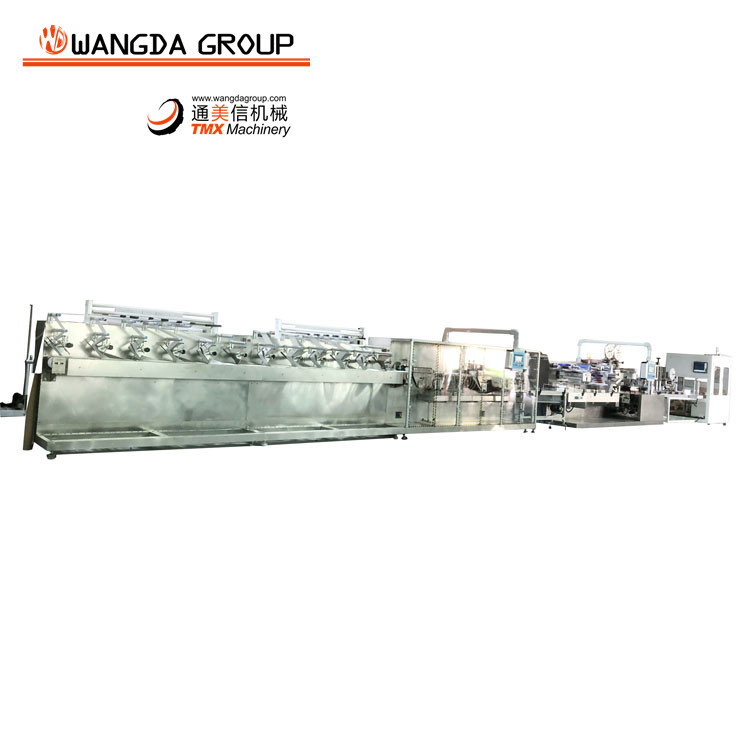
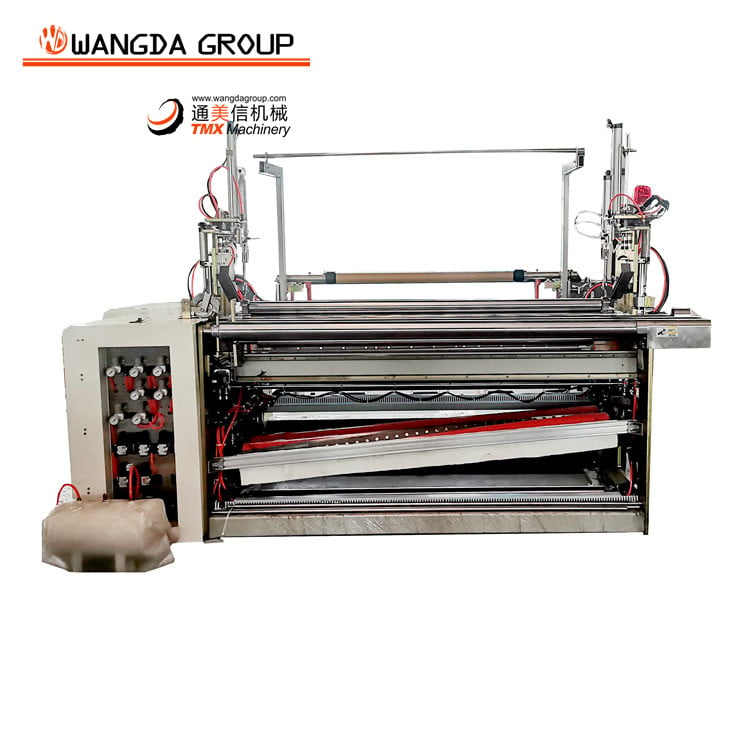
Wangda manufactures toilet tissue machines (including Toilet paper manufacturing machine and packing) Kitchen towel machines (including cutting and packing) facial tissue machines (including cutting and packing), nylon bag facial tissues machines. We also manufacture maxi roll rewinding machines as well as perforating machines.
The sales and after-sales departments are very experienced and professional. Our team has worked in the field of hygienic products for over 10 years. We are aware of what our customers are looking for and are Tissue making machine of what makes them worry. Our clients are not just purchasing machines from us but also helping them earn a profit from the hygiene-related business. We provide our clients with the services after-sales they need.
Tissue paper products find applications across several key industries, each with unique requirements:
Hospitality: Hotels and restaurants utilize facial tissues and napkins to enhance guest experiences, necessitating high-quality, aesthetically pleasing products.
Healthcare: Hospitals and clinics require disposable tissues for hygiene and cleanliness, emphasizing the need for soft and absorbent products.
Retail: Retailers often use tissue paper for packaging to improve product presentation, particularly in cosmetics and gift items.
Personal Care: Tissue products such as toilet paper and handkerchiefs are staples in everyday personal hygiene, highlighting the importance of quality and comfort.
Food Service: The food industry relies on disposable napkins and wipes for cleanliness and convenience, necessitating durable and efficient production processes.
Understanding the applications of tissue paper across these industries can help manufacturers tailor their products to meet specific market demands and compliance requirements.
navigating the tissue paper making sector requires a thorough understanding of machinery, specifications, and market applications. By considering the outlined factors, buyers can enhance their procurement strategies and ensure they select the most suitable equipment for their needs.