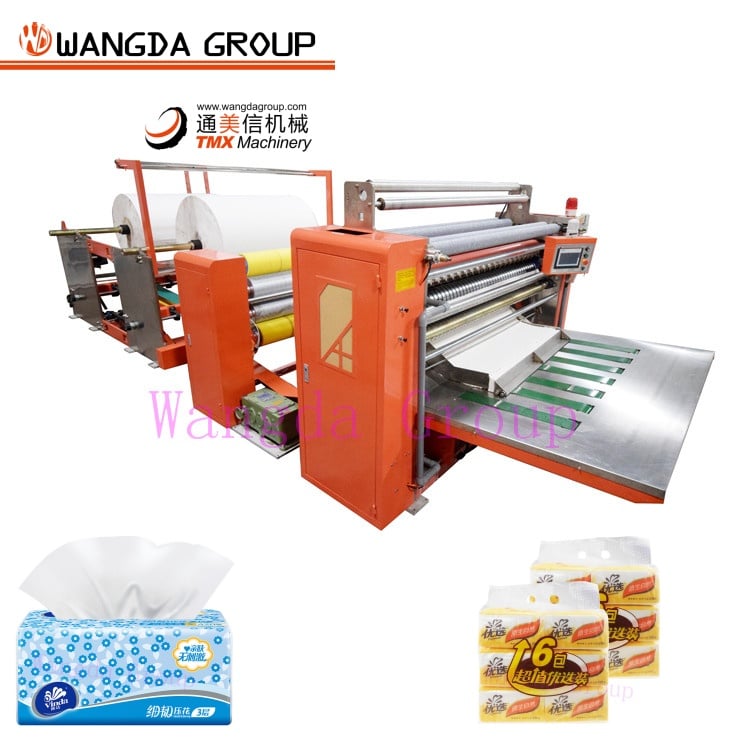
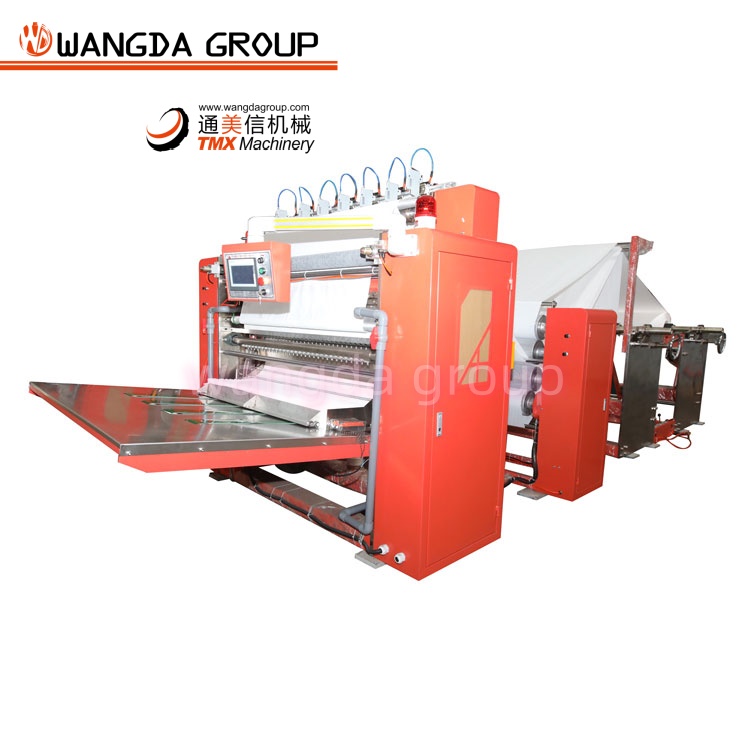
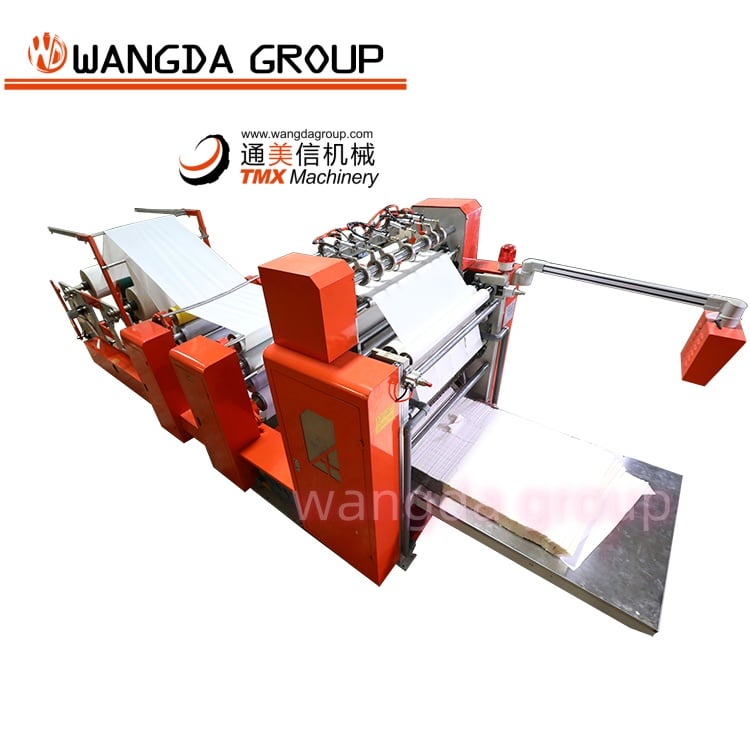
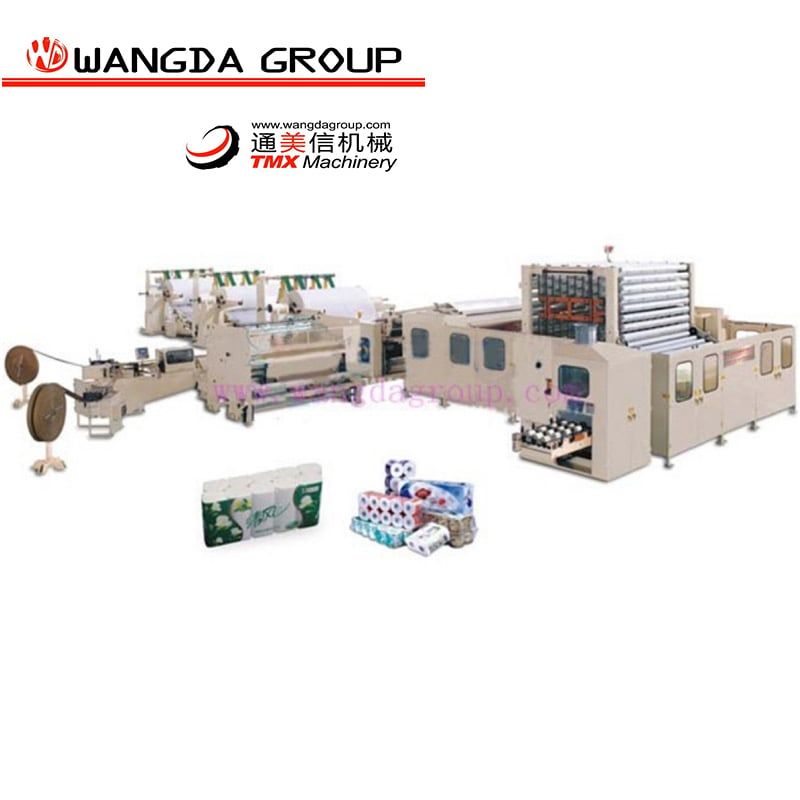
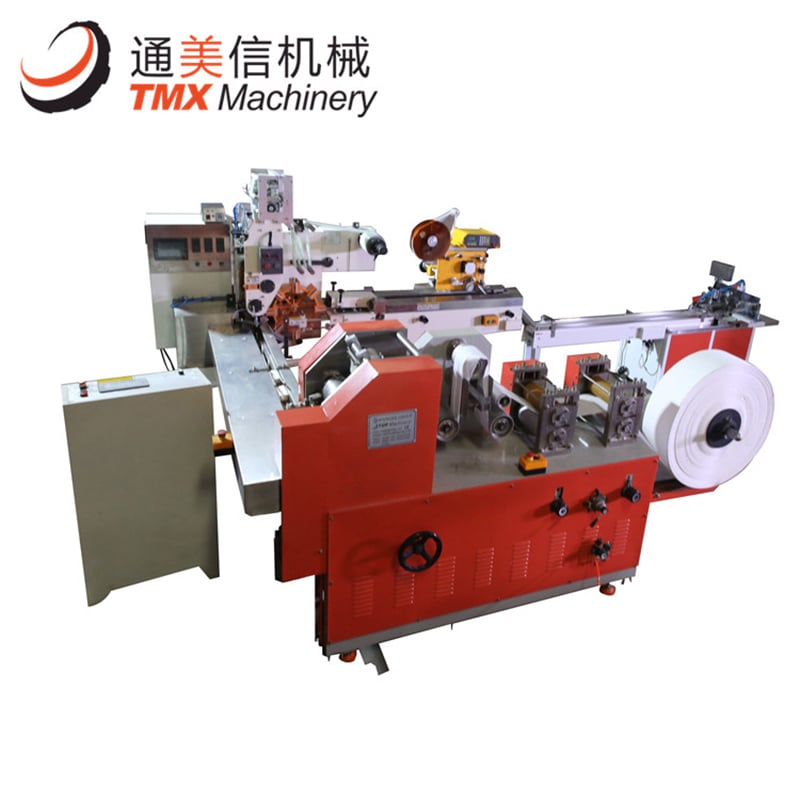
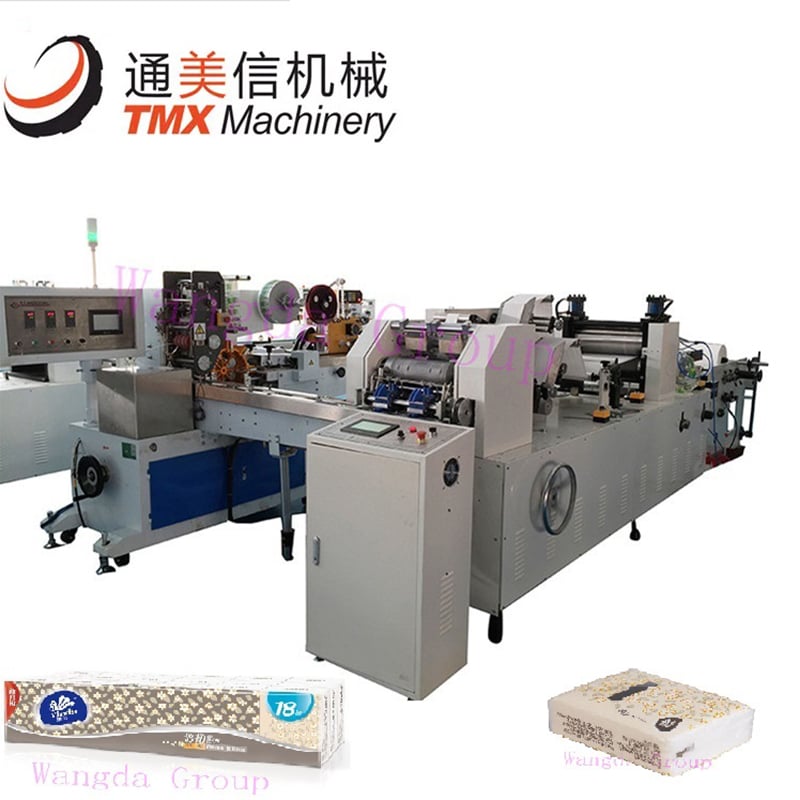
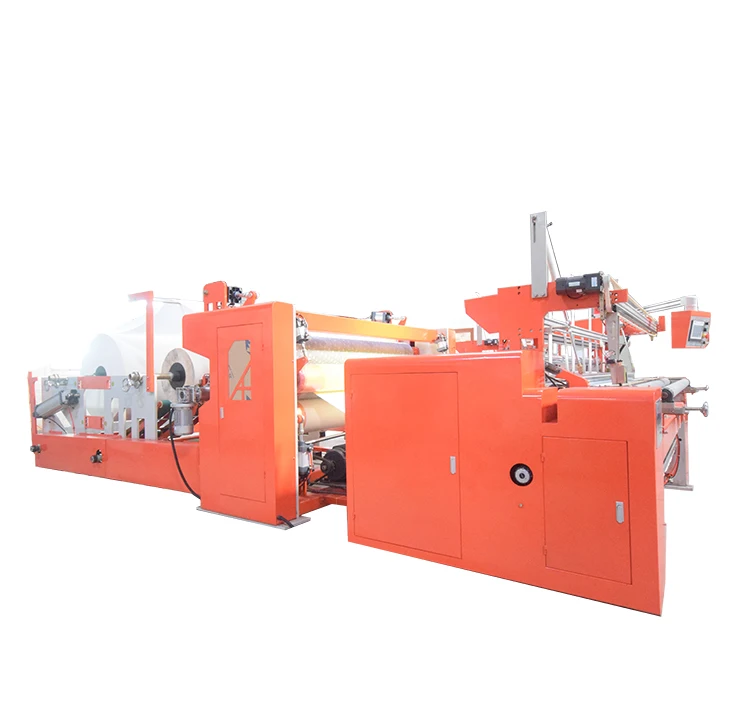
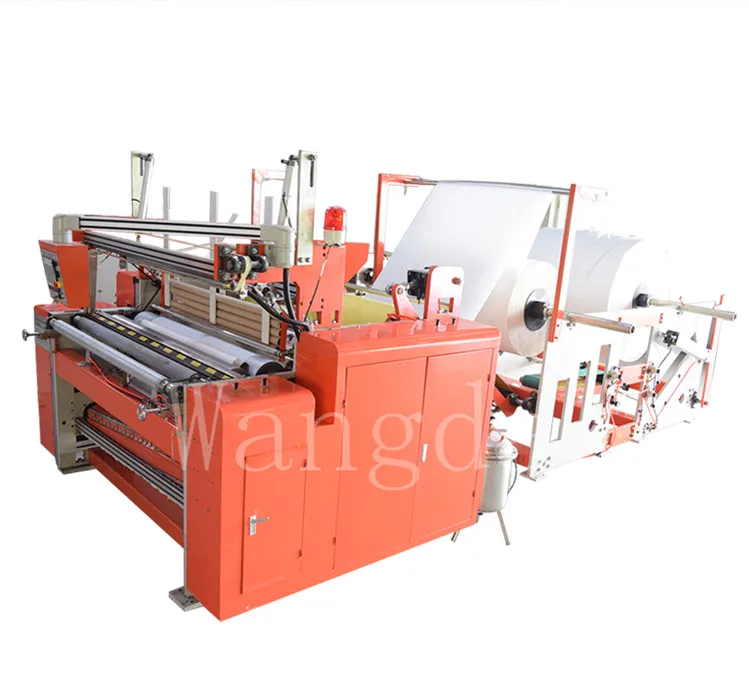
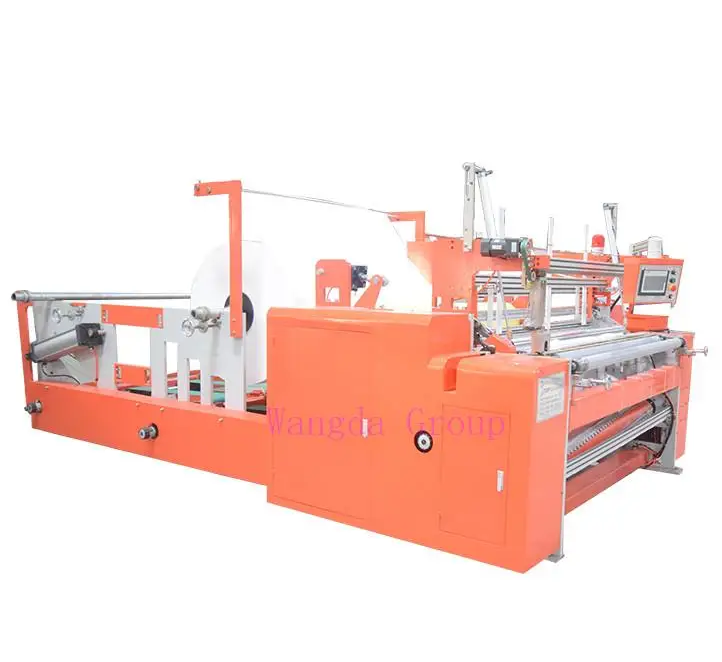
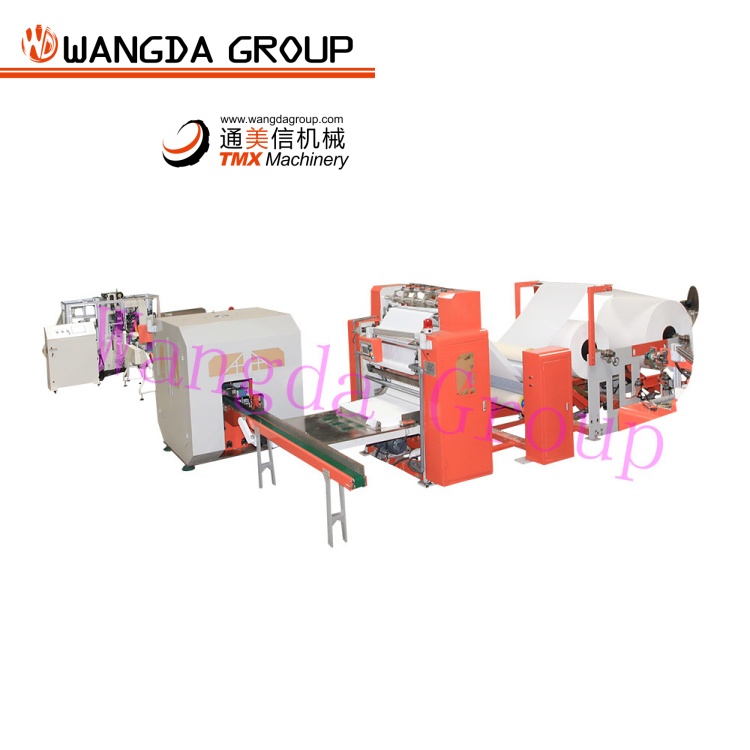
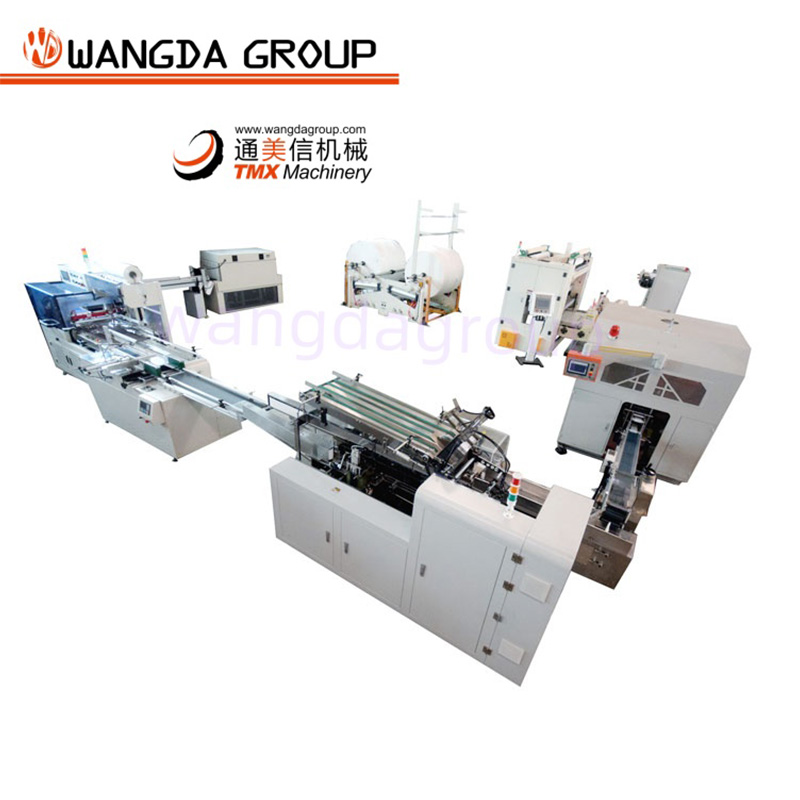
When considering the procurement of machinery for tissue paper production, one of the most frequently asked questions is, "tissue paper ki machine kitne ki aati hai?" Understanding the price range of tissue paper machines is crucial for purchasing managers, distributors, and engineers involved in the manufacturing process. This article will explore essential aspects of tissue paper machines, including selection criteria, supplier sourcing, specifications, quality evaluation, and common operational challenges. By addressing these topics, this guide aims to equip B2B buyers with the knowledge needed to make informed purchasing decisions.
Selecting the right tissue paper machine requires a comprehensive understanding of your production requirements and the types of tissue products you intend to manufacture. Key factors to consider include:
Production Capacity: Determine your daily output needs. Tissue paper machine come in various capacities, and your choice should align with your business volume and growth projections.
Product Type: Identify whether you will be producing napkin paper, facial tissues, handkerchief tissues, or toilet paper, as different machines may be optimized for specific products.
Automation Level: Decide on the degree of automation required. Full-servo production lines, for example, offer high precision and efficiency but may come at a higher cost.
Customization Needs: If you have specific product requirements, such as unique dimensions or packaging, ensure that the machine can be customized accordingly.
Budget Considerations: While it's tempting to focus solely on machine costs, consider the total cost of ownership, including maintenance, energy consumption, and potential downtime.

Finding trustworthy suppliers for tissue paper machines is vital for ensuring you receive quality equipment and support. Here are some strategies to source reliable manufacturers:
Industry Directories: Utilize online B2B platforms and industry directories to find manufacturers specializing in tissue paper machinery. Look for companies with positive reviews and established reputations.
Trade Shows and Exhibitions: Attending industry-specific trade shows can provide insights into the latest technologies and enable you to meet manufacturers directly. You can assess their machinery first-hand and discuss your specific needs.
Referrals and Recommendations: Networking with industry peers can yield valuable recommendations for suppliers that have proven track records in delivering reliable machinery.
Certifications and Compliance: Verify that potential suppliers have the necessary certifications that demonstrate compliance with industry standards and quality assurance processes.
Post-Sale Support: Assess the level of customer service and technical support offered by suppliers, as ongoing support is essential for machine maintenance and troubleshooting.

When evaluating different tissue paper machines, it is crucial to compare specifications to ensure they meet your operational requirements. Key specifications to consider include:
Dimensions and Weight: Ensure that the machine's size fits your production facility and consider the weight for transportation and installation purposes.
Power Consumption: Analyze the energy efficiency of the machine, as this will affect your operational costs in the long run.
Production Speed: Consider the machine's output speed (measured in meters per minute) to evaluate how quickly it can produce your desired tissue products.
Material Compatibility: Assess the types of raw materials the toilet tissue paper making machine can handle, such as recycled paper versus virgin pulp, as this will impact your sourcing strategy.
Control Systems: Look into the machine's control systems, such as PLC or touchscreen interfaces, for ease of operation and monitoring.
By comparing these specifications, you can make an educated decision that aligns with your production goals.

Quality evaluation of tissue paper machines is critical to ensure you invest in reliable equipment that meets your production standards. Here are some practical steps for evaluation:
Sample Production: Request a sample run from the manufacturer to assess the quality of the output. Look for uniformity in thickness, texture, and appearance.
Material Quality: Investigate the quality of materials used in the machine's construction. Durable components typically lead to longer machine life and fewer operational issues.
Testing Procedures: Inquire about the manufacturer's quality control processes. Reliable suppliers should have rigorous testing protocols during and after production.
User Reviews: Seek feedback from other users about their experiences with the machine. Online forums and industry groups can provide insights into long-term performance and reliability.
Warranty and Service Agreements: Review the warranty terms and service agreements offered by the manufacturer. A comprehensive warranty can indicate the manufacturer's confidence in their product quality.
Wangda has more than 20 years experience in the production of various tissue machines. We take great care of the machines' functions and the quality, and additionally, we provide after-sales and pre-sales services. We've sold machines to over 100 countries, which has resulted in many repeat orders and good reviews from our clients. Wangda has its own R and D departments. Our machines are based on advanced Germany, Japan and Italian technology and is updated day by day. Our machines has passed Toilet roll manufacturing machine, CE, BV and many more certifications. What we supply is not only machines. What we supply is turnkey projects from A-Z. can accept customized requests for these tissue machines.
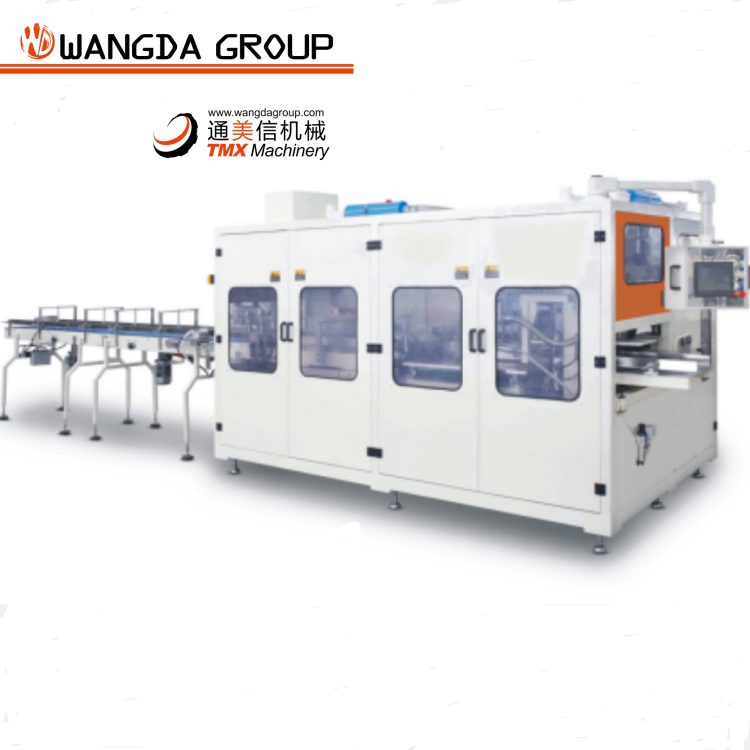
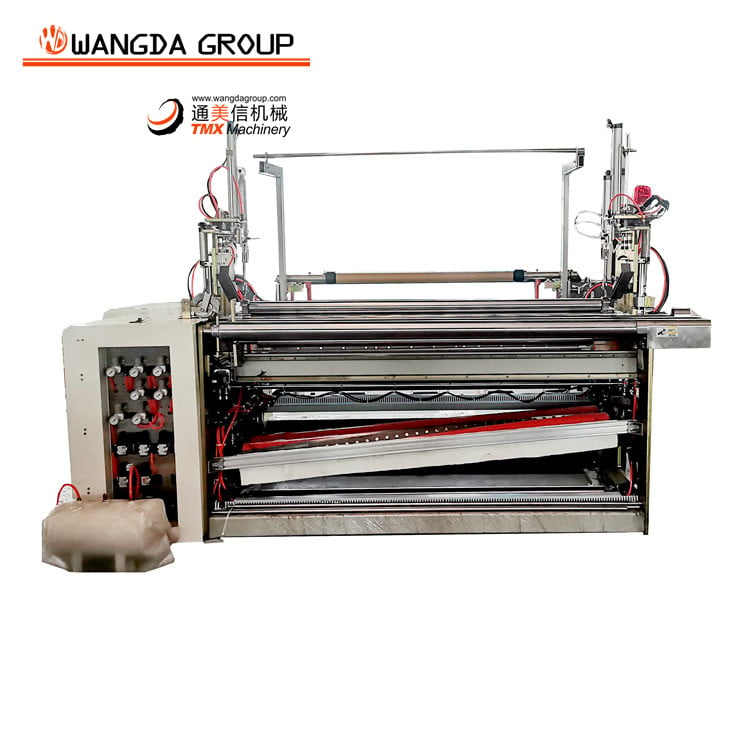
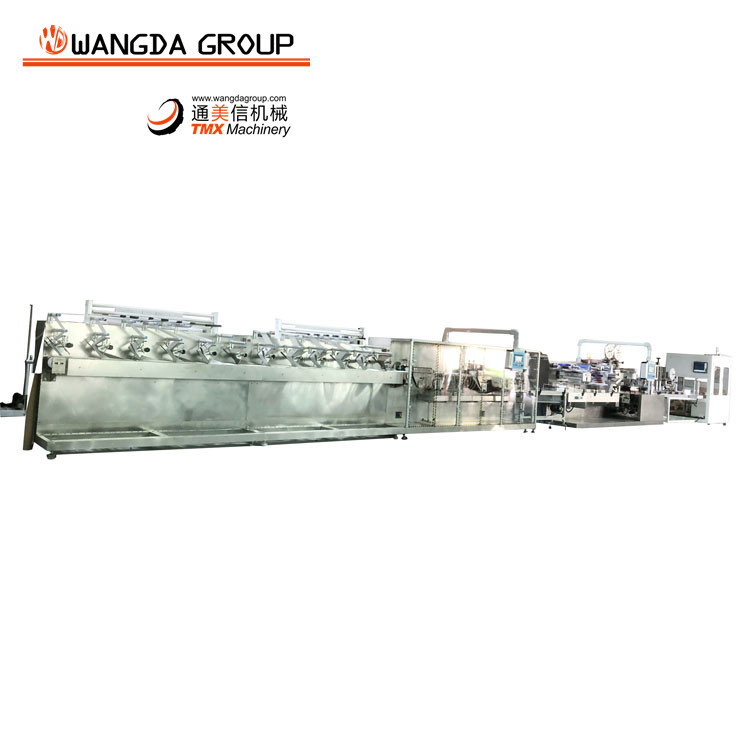
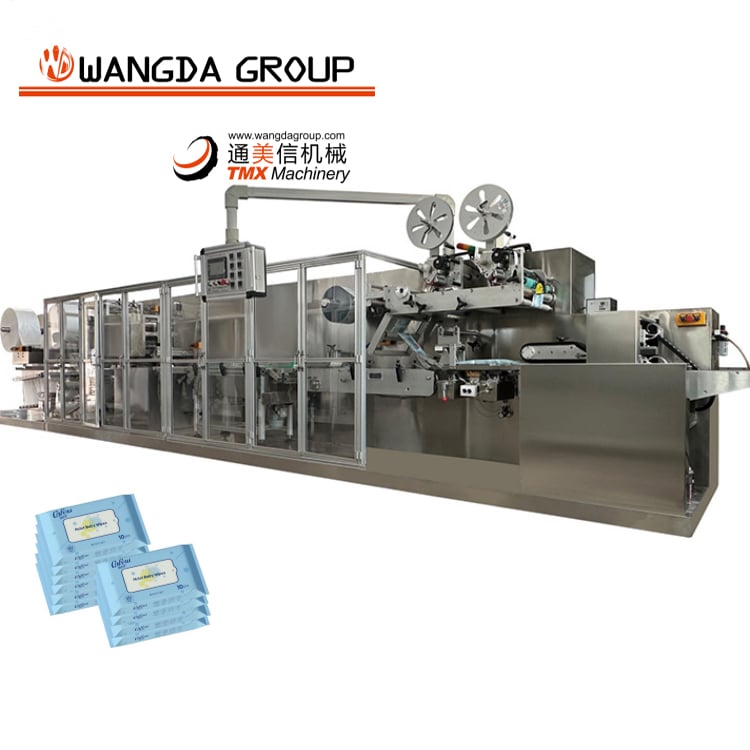
Wangda manufactures toilet paper machines and toilet paper cutting machines Toilet paper packing machines, kitchen towel cutting machines, kitchen towel cutting machines. Kitchen towel packing machines. Tissue paper manufacturing machine facial tissue cutting machines, facial tissue packing machines, box drawing facial tissue machine, nylon bag facial tissue machines, maxi roll rewinding machines, napkin paper machines, serviette making machines, napkin paper packing machines, pocket tissue machines, pocket tissue packing machines, wet wipe folding machines as well as packing machines, and the list goes on. We also supply all related materials for these hygienic products.
Wangda has very professional with a long-standing sales team as well as an after-sales department, with 80% of the team has worked for over 10 years in our company within this Hygienic products industry. Our teams are experienced in the daily use of paper tissue machines, packing machines and many other Hygienic products machines We have a wide range of professional information in this area, we think what our customer would like, and we make sure that our customers are worried about. Our customers aren't just purchasing machines from us We also assist them make money from this Toilet paper machine business. We offer our customers with the after-sales services they require.
Tissue making machine has cooperated with different customers from both home and abroad. We have collaborated with major companies from GCC countries such as Fine Hygienic across different nations, Nesto Hypermarket, Top One and Two hygienic product producer B and G, Meghna Groups from Bangladesh. Outnet Group of African countries. And as well, there are huge European brand, American brands, Latin American brands with whom we have worked for a great long years. We have a number of sample factories in other countries that you can visit and see our products which is more comfortable. Also we invite you for a visit to our factory and experience our products right in person. We welcome your enquiry at any time, hope to start our mutual benefit story right away.
Understanding common operational problems that can arise with tissue paper maker can help you prepare for potential challenges. Here are some issues and their solutions:
Paper Jamming: This is a frequent issue in tissue production. Ensuring that the machine is correctly calibrated and that raw materials meet specifications can minimize jamming incidents. Regular maintenance checks are essential.
Inconsistent Output Quality: Variations in product quality can stem from improper settings or material inconsistencies. Establishing strict quality control measures and conducting routine inspections can help maintain output standards.
Mechanical Failures: Over time, wear and tear can lead to mechanical failures. Implementing a proactive maintenance schedule, including timely inspections and part replacements, can extend the machine's lifespan and prevent unexpected downtimes.
Energy Inefficiency: If a machine consumes excessive energy, it can lead to higher operational costs. Regular maintenance and evaluating energy-efficient upgrades can help mitigate this issue.
Training Needs: Operators may face challenges if they lack adequate training. Providing comprehensive training on machine operation and troubleshooting can enhance efficiency and reduce errors.
By preparing for these challenges and implementing effective solutions, you can ensure smooth operations in your tissue paper production line.
In summary, understanding the intricacies of tissue paper machines from selection to quality evaluation and common operational challenges will empower B2B buyers to make informed purchasing decisions. Whether you're a purchasing manager or an engineer, this knowledge will help you navigate the complexities of tissue paper machinery procurement and optimize your production processes.