All Categories

Get in touch

Tissue paper and 3d embossing

Understanding the intricacies of tissue paper manufacturing is essential for B2B buyers, particularly when considering advanced features like 3D embossing. This article delves into the critical aspects of selecting the right facial tissue paper making machine production equipment and the specifications that influence both quality and performance. Buyers often seek to understand application suitability, manufacturing capabilities, and cost factors, and this article aims to equip purchasing managers, engineers, and distributors with the knowledge necessary for informed decision-making.

How to Choose the Right Tissue Paper Production Equipment

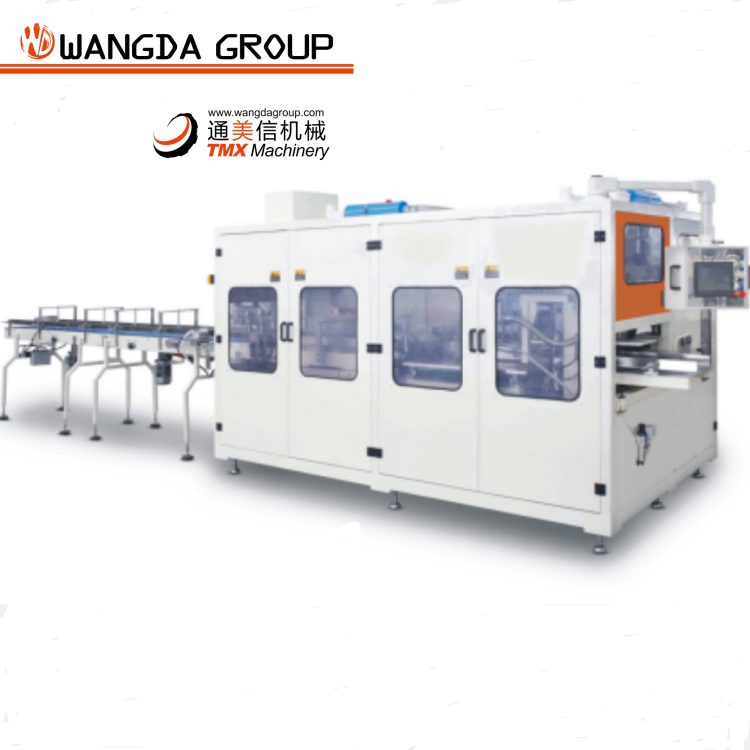
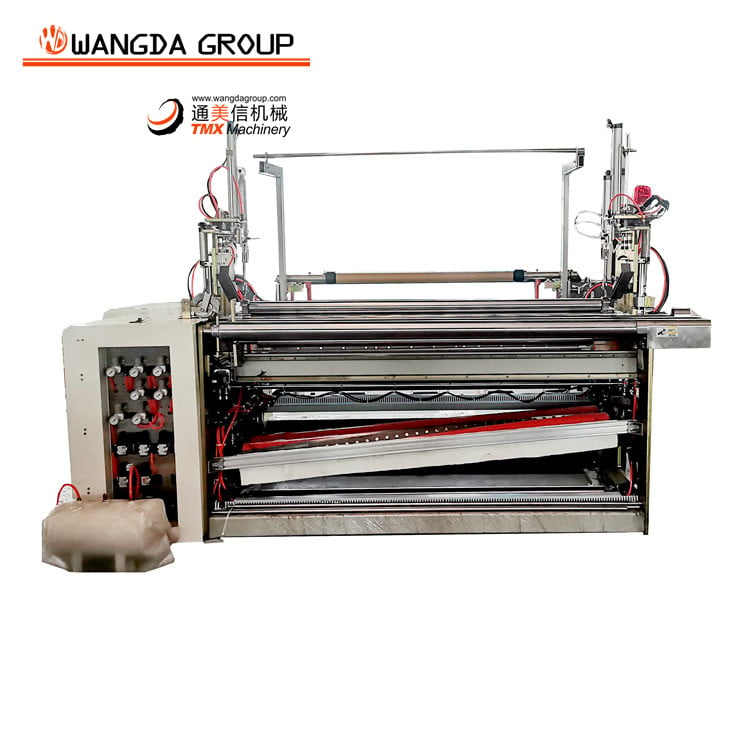
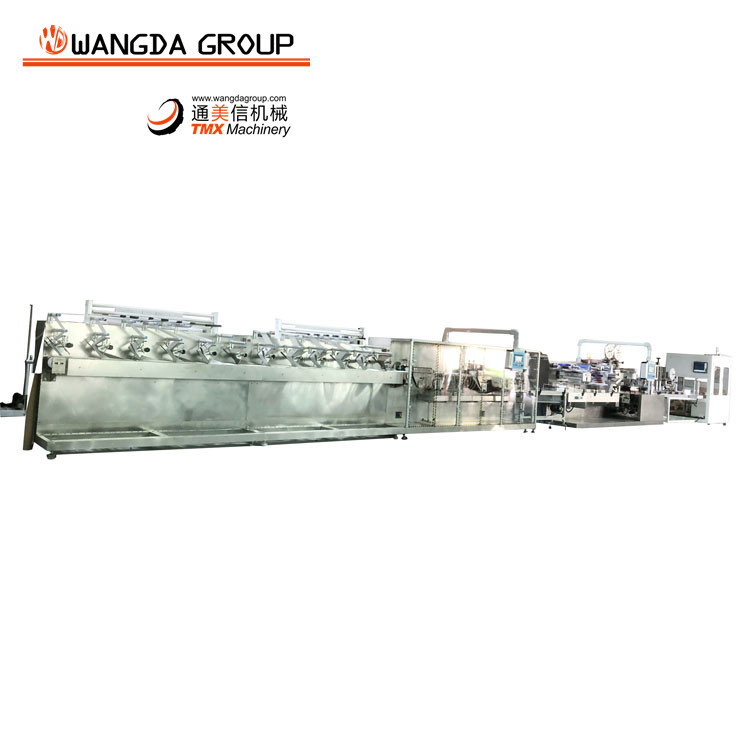
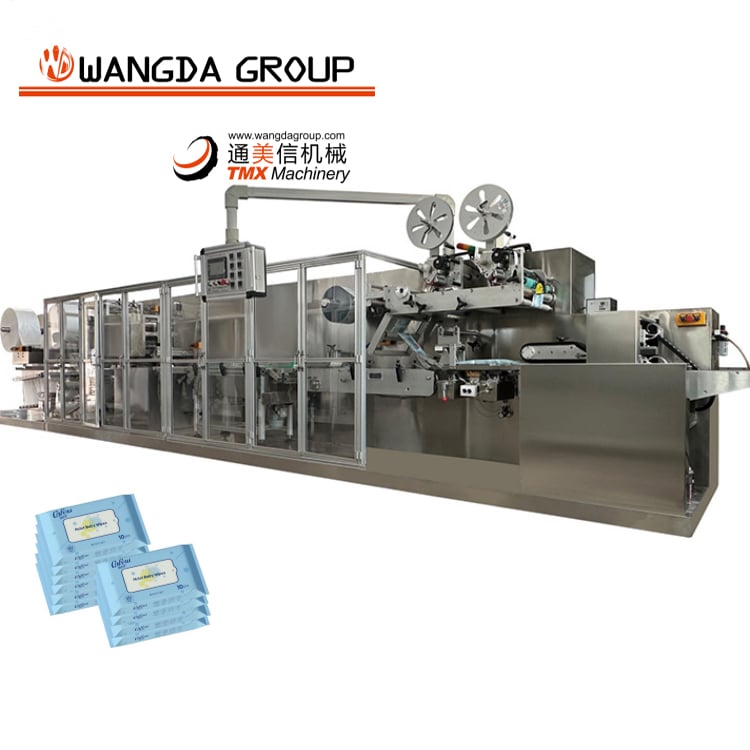
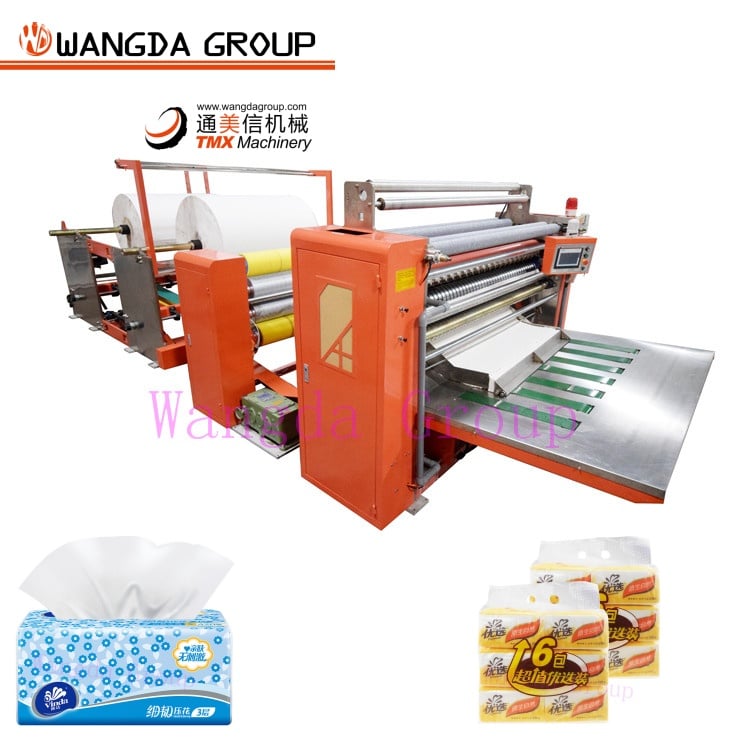
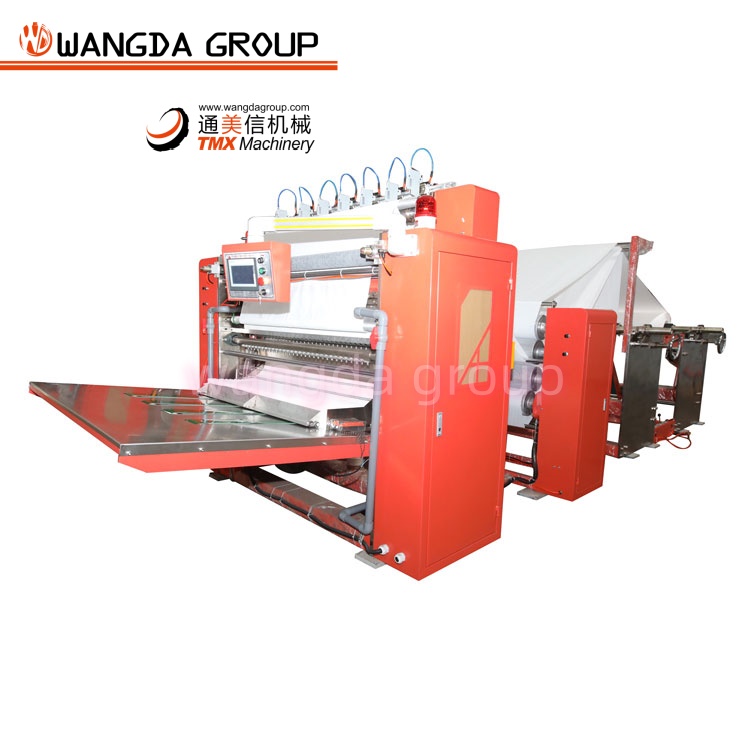
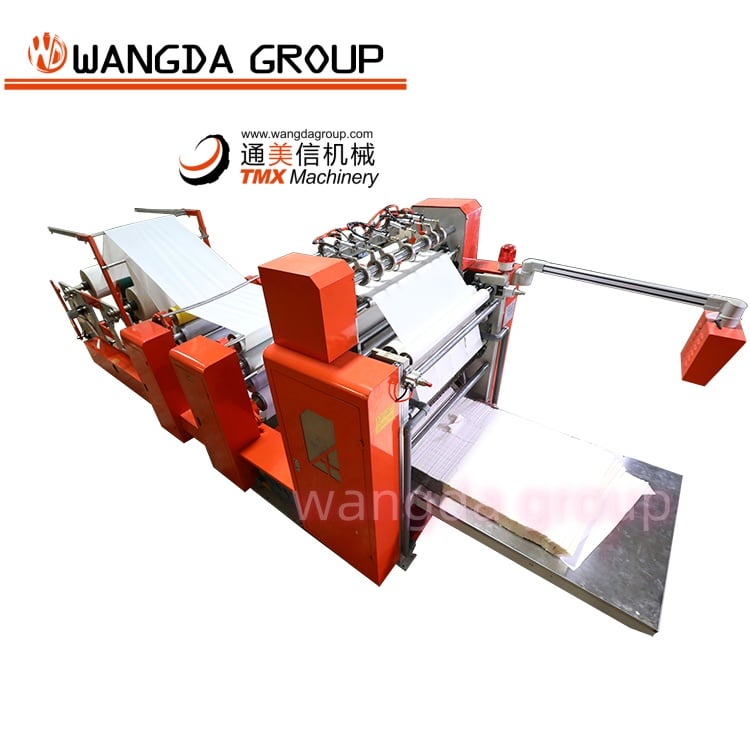
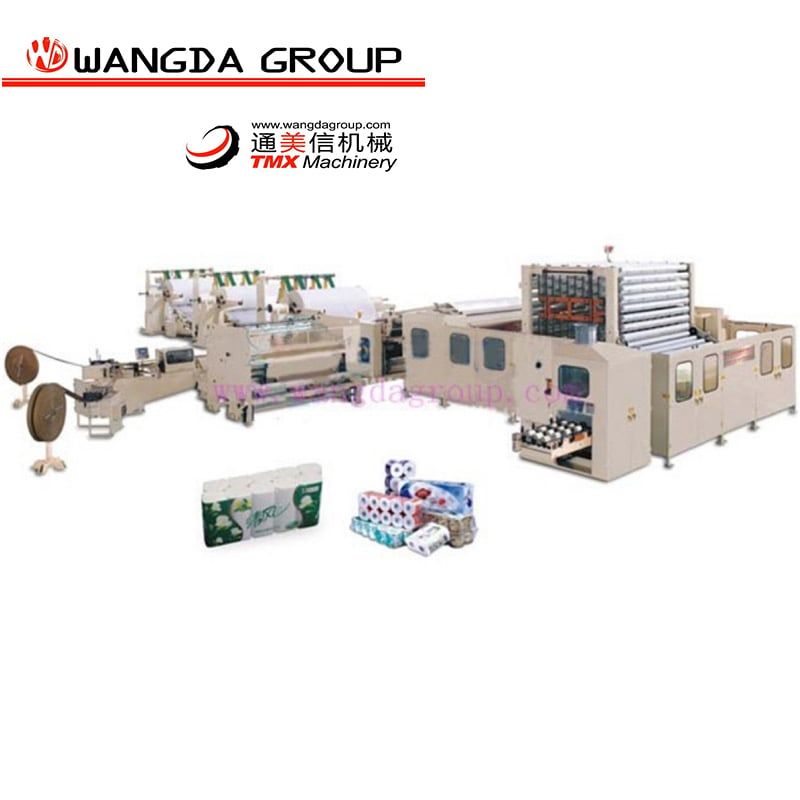
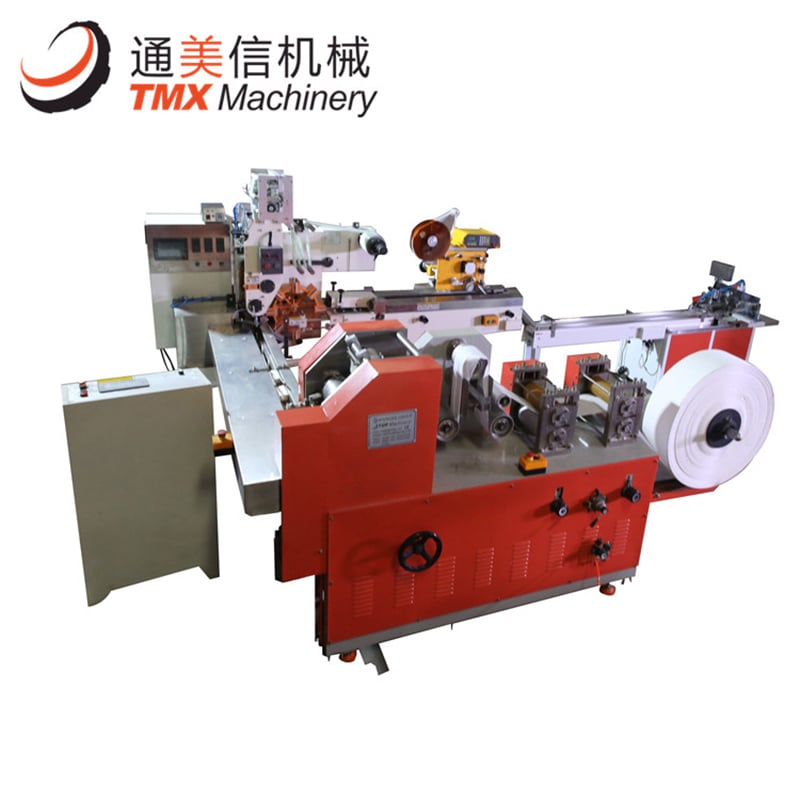
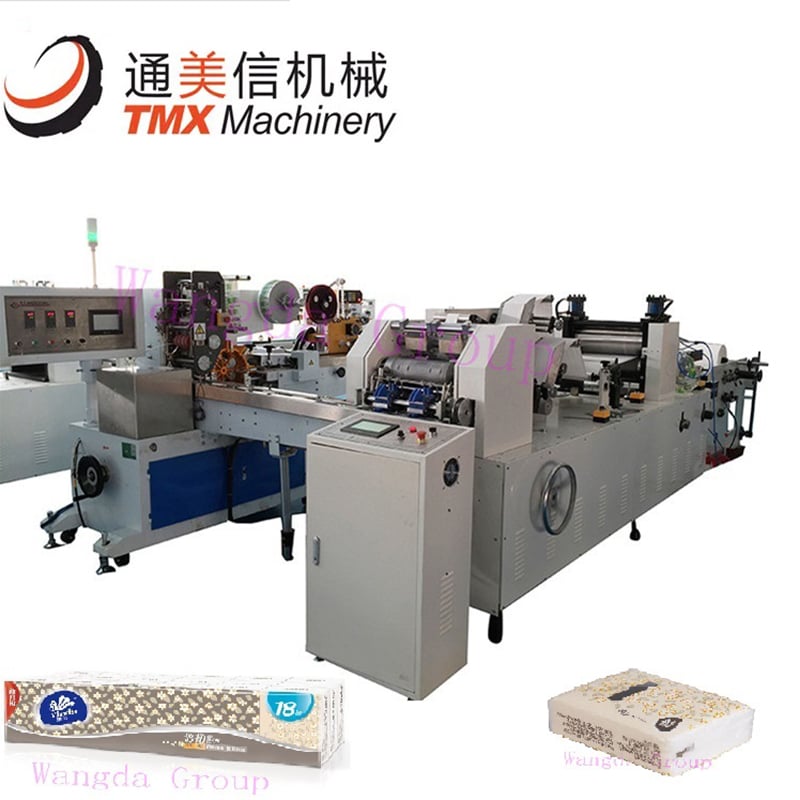
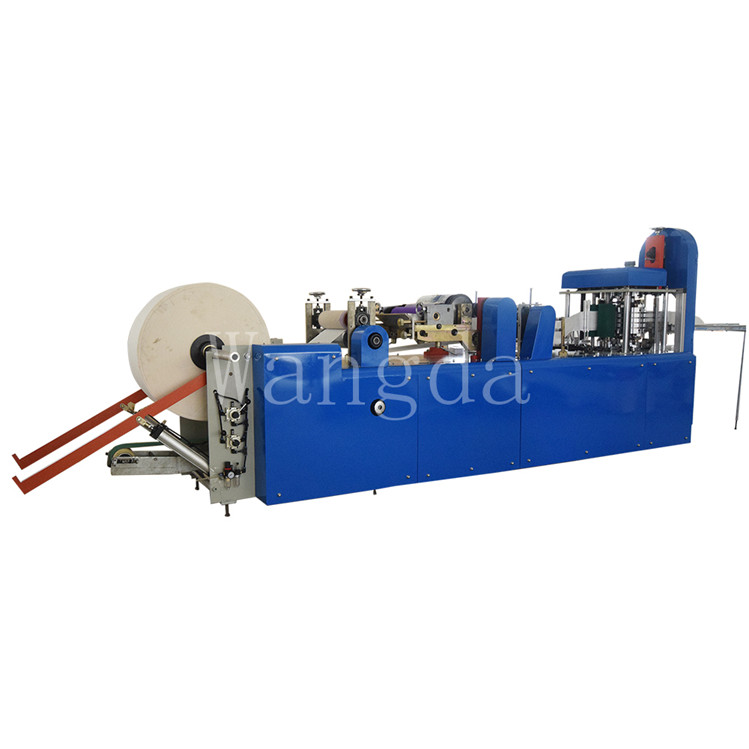
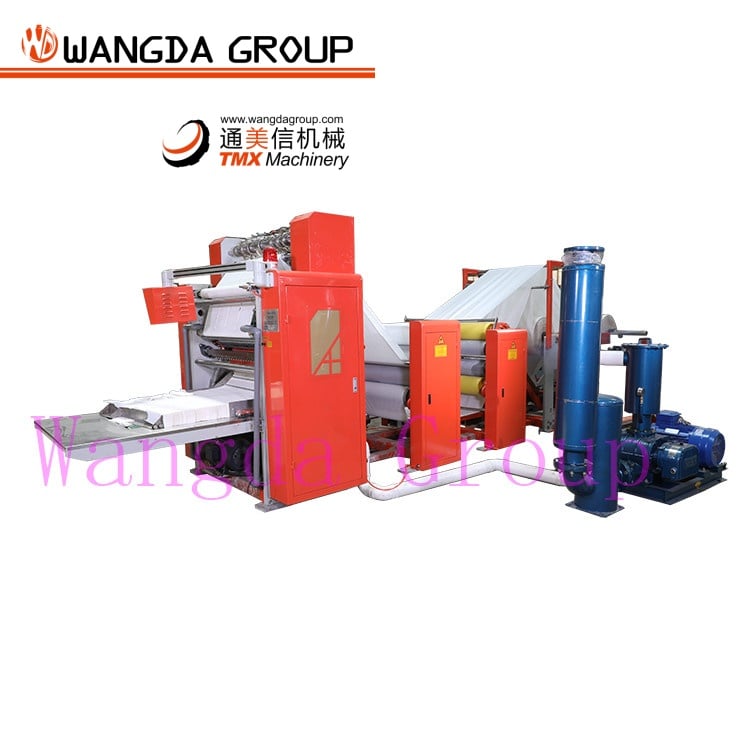
Selecting the appropriate Wangda Industrial tissue paper production equipment involves understanding the specific needs of your operation, including production volume, product variety, and desired features like 3D embossing. Buyers should begin by assessing the production capacity required for their operations. This includes evaluating the expected output per hour and the types of tissue products to be manufactured, such as napkin paper, facial tissue, or toilet tissue paper machine. 

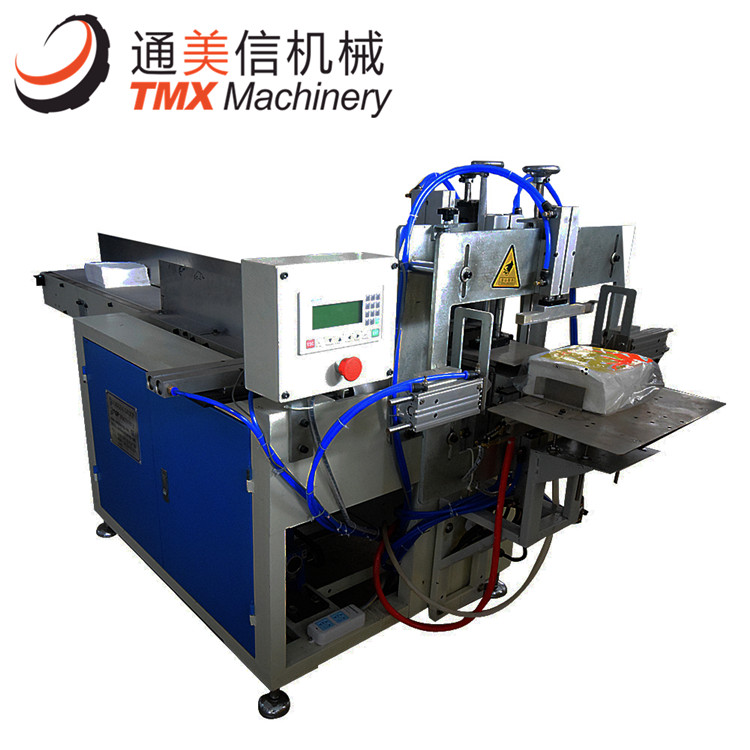
Next, consider the technology employed in the machinery. Full-servo production lines offer greater precision and efficiency, reducing waste and improving product quality. Additionally, assess the compatibility of the equipment with existing facilities and processes. For instance, equipment that integrates seamlessly with current packing machines can streamline operations and reduce overhead costs. 

Lastly, it’s important to evaluate the manufacturer’s reputation and support services. Look for suppliers with a proven track record in the industry, as well as those offering comprehensive technical support and training for your staff.

Why choose Wangda Industrial Tissue paper and 3d embossing?

Other Products

Related product categories

Applications of 3D Embossing in Tissue Paper Manufacturing

3D embossing technology plays a significant role in enhancing the aesthetic and functional qualities of tissue paper products. This technique can be applied across various tissue categories, including facial tissues, napkins, and toilet paper, to create visually appealing textures that differentiate products in a competitive market. 

In facial tissues, 3D embossing can improve softness and absorbency while enhancing product appeal through unique patterns. For napkins, an embossed design can add a touch of elegance, making them more suitable for upscale dining experiences. 

Moreover, 3D embossing can contribute to the structural integrity of the tissue paper cutting machine, allowing for better handling and performance during use. This is particularly important in commercial settings, where durability is a key factor. 

Overall, the integration of 3D embossing technology not only enhances product quality but also offers manufacturers a competitive edge by allowing for greater customization in response to consumer preferences. 

By understanding these aspects, B2B buyers can make more informed decisions when selecting tissue paper production equipment, ensuring that they choose machinery that meets their operational needs and market demands effectively.

Faq

Not finding what you're looking for?
Contact our consultants for more available products.

Request A Quote Now

Get in touch