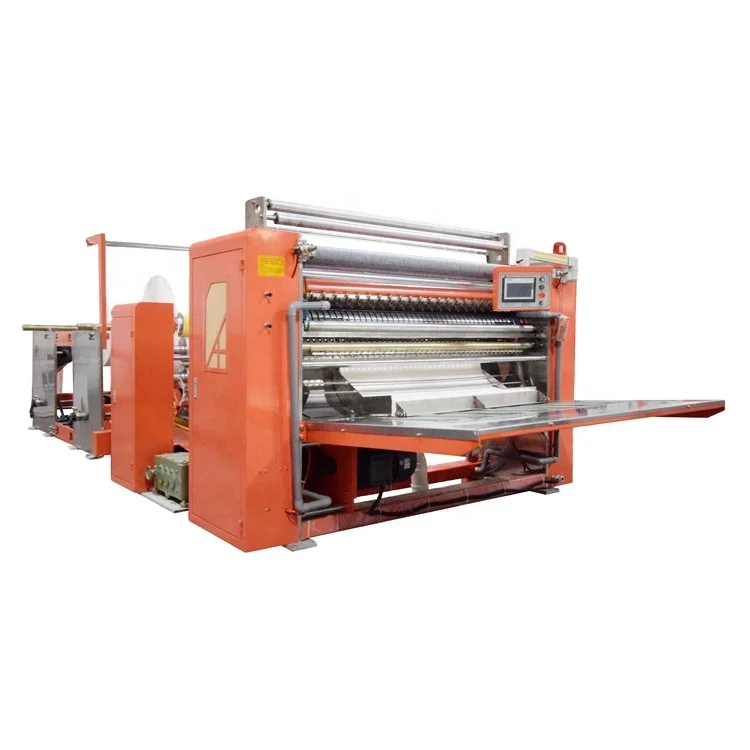
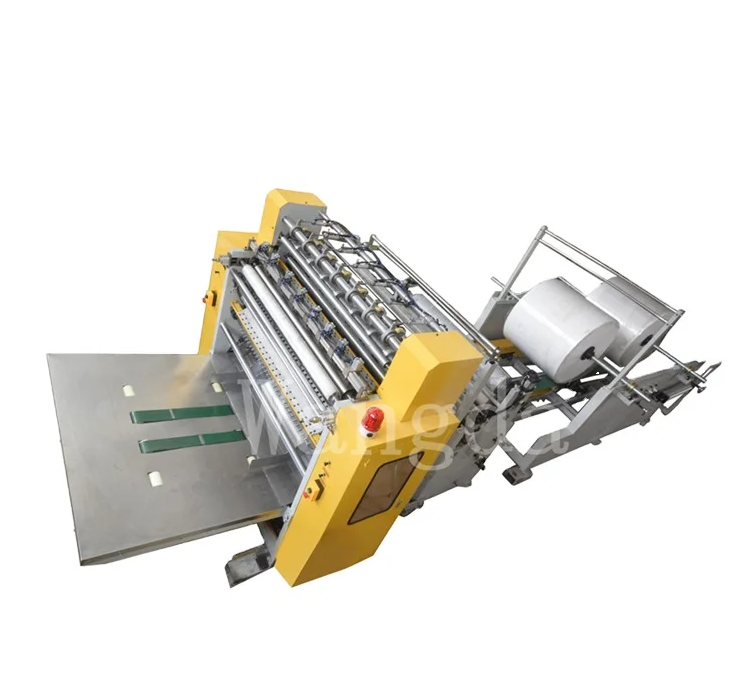
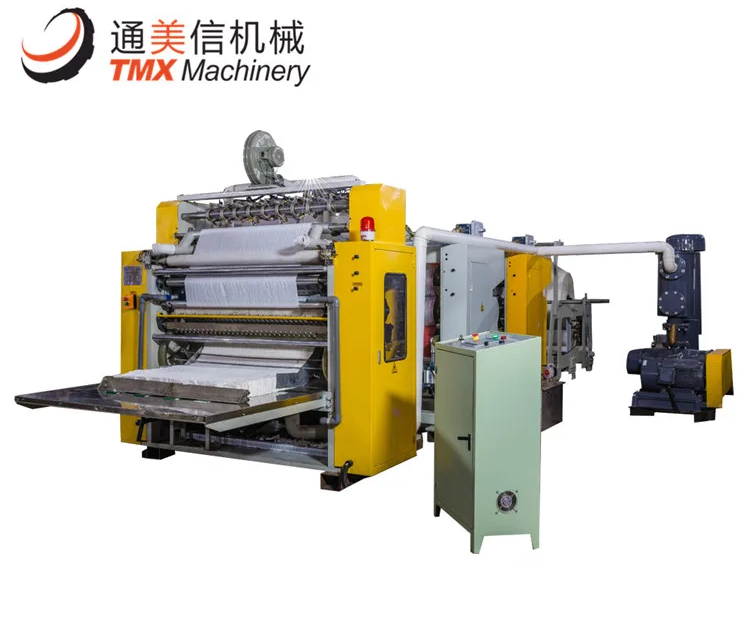
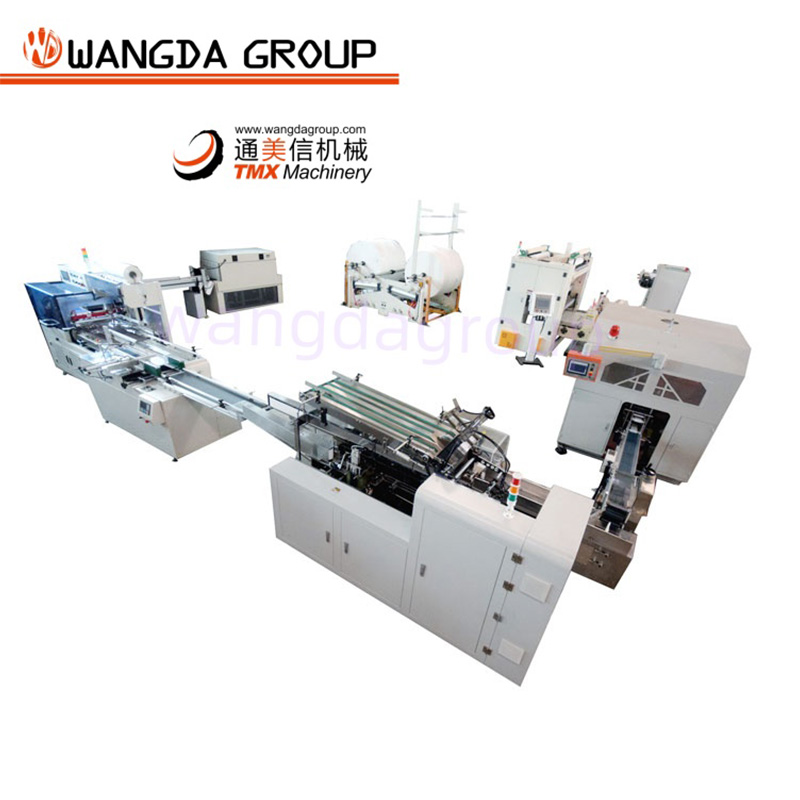
Investing in a second hand tissue paper making machine can be a cost-effective way to enter or expand in the tissue production market. However, potential buyers must consider various factors before making a purchase. This article aims to guide you through the essential aspects of selecting a second hand machine, ensuring you understand the key specifications, purchasing tips, cost comparisons, and quality control measures to help you make an informed decision.
When selecting a second hand tissue paper making machine, you should first define your production needs. Consider the specific type of tissue products you plan to manufacture, such as napkins, facial tissue, or toilet paper, as different tissue paper machine cater to different applications. Your production capacity requirements will also dictate the right machine whether you need a high-output machine or a smaller, more flexible unit.
Next, evaluate the machine’s condition. Inspect for wear and tear, particularly on critical components like rollers, blades, and the electrical system. Request maintenance records and check for any upgrades or modifications that have been performed. A well-maintained machine may offer better reliability and performance, even if it’s older.
Lastly, consider the machine's compatibility with your existing production setup. Ensure that it fits within your floor space and integrates well with your current production line. It's also essential to discuss any customization capabilities with the seller, as some machines may require adjustments to meet specific production needs.

When evaluating second hand tissue paper machines, several key specifications should be prioritized:
Production Speed: This is typically measured in meters per minute and affects overall efficiency. Ensure that the speed aligns with your production goals.
Sheet Size and GSM Range: Different products require specific sheet sizes and grammage. Confirm that the tissue paper manufacturing machine can produce the dimensions needed for your product line.
Power Consumption: Assess the machine's energy efficiency, as this impacts operational costs. Look for machines that provide a good balance between speed and energy use.
Material Compatibility: Check if the machine can handle the raw materials you plan to use. This includes the type of paper and any additives required for special tissue applications.
Automation Level: Machines with higher automation can reduce labor costs and improve consistency. Evaluate whether a fully automated or semi-automated machine best fits your operational strategy.
Safety Features: Ensure the machine complies with safety standards to protect operators and maintain a safe working environment.
Understanding these specifications will help you assess whether a second hand machine meets your production and operational needs effectively.

Purchasing a second hand tissue paper making machine wholesale can yield significant savings, but it requires careful consideration. Here are some tips to guide you through the process:
Request Detailed Quotes: Always ask for comprehensive quotes that include not just the machine price but also shipping, installation, and any additional costs for parts or modifications.
Inspect Before Purchase: If possible, visit the seller's facility to inspect the machine in operation. This helps assess its condition and performance first-hand.
Negotiate Terms: Don't hesitate to negotiate terms. Factors such as warranty, maintenance support, and delivery schedules can often be adjusted to better suit your needs.
Research the Seller: Ensure the seller has a good reputation in the industry. Check references and read reviews to gauge reliability and service quality.
Consider Payment Terms: Discuss flexible payment terms, especially if you are purchasing multiple machines or entering a long-term partnership.
By following these tips, you can secure a second hand tissue paper making machine that provides value and meets your production demands.

When weighing the costs of new versus second hand tissue paper machines, consider the total cost of ownership rather than just the initial purchase price. New machines often come with warranties and the latest technology, which can lead to greater efficiency and lower operating costs over time. However, they also require a higher upfront investment.
Conversely, second hand machines typically have a lower acquisition cost, which can be appealing for businesses with limited budgets. However, they may come with risks, such as higher maintenance costs or shorter lifespans. It’s essential to factor in potential repair costs, downtime, and the need for replacement parts when calculating the total cost.
Additionally, consider the potential revenue loss if a second hand machine does not perform to expectations. Ensure you evaluate both options based on your specific production needs and budget constraints.
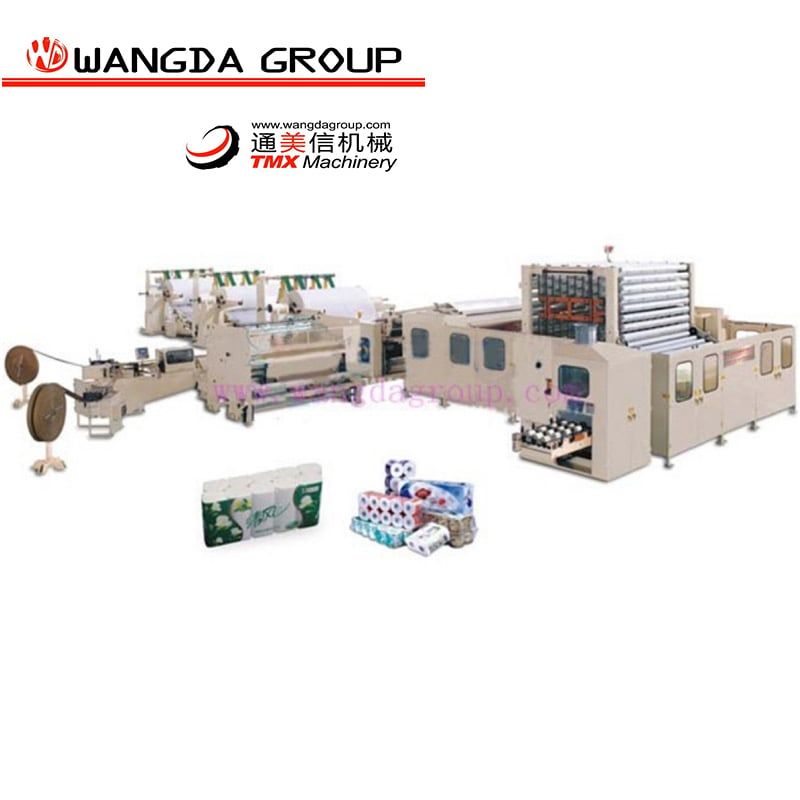
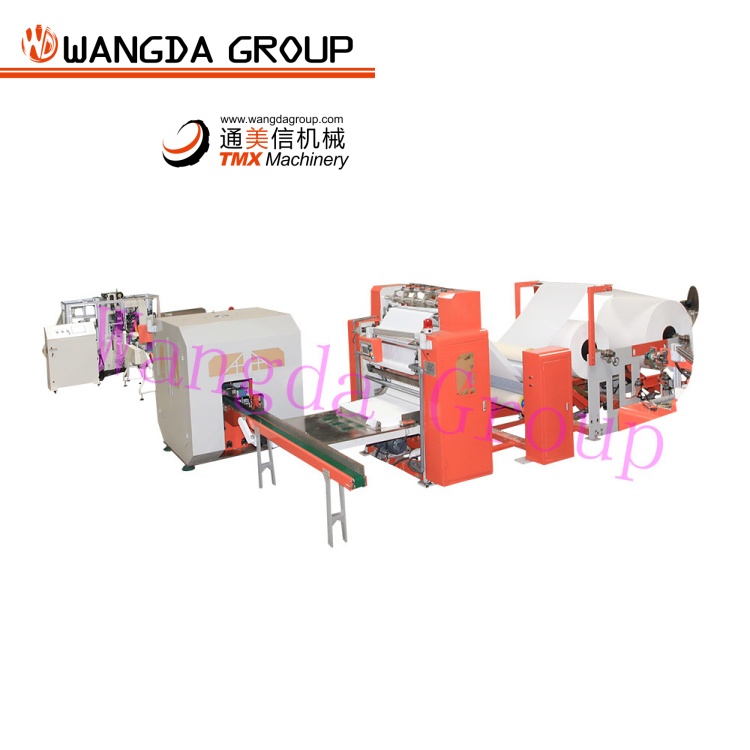
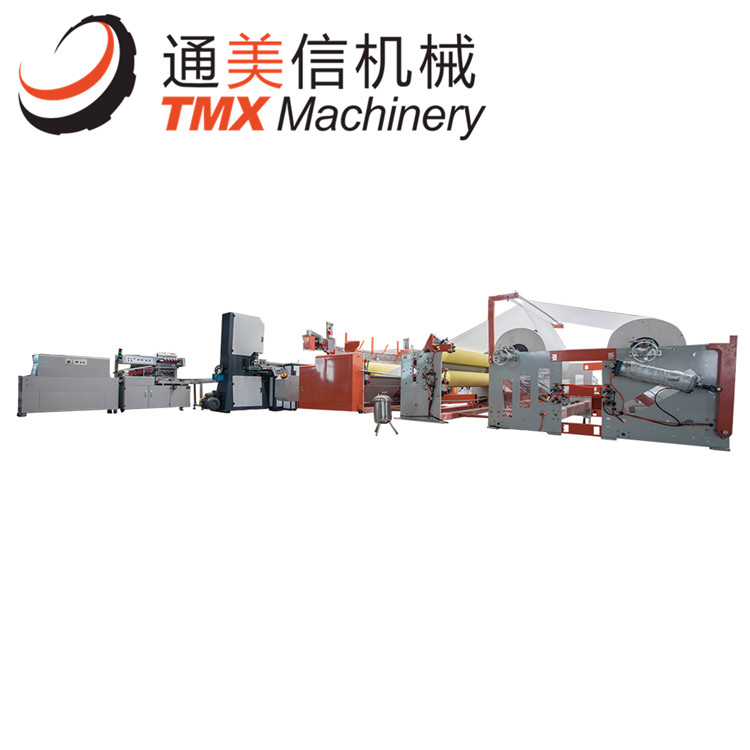
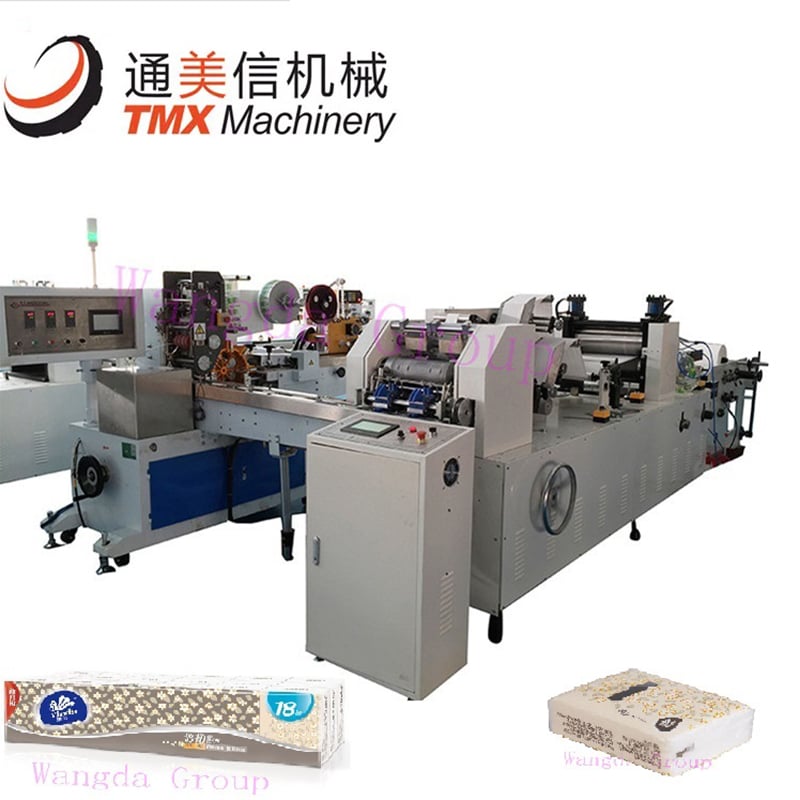
Wangda produces toilet tissue machines (including cutting and packing) kitchen towels machines (including cutting and packing) facial tissue machines (including cutting and packing) bags of Toilet paper making machine facial tissue machines. We also make maxi roll rewinding devices as well as perforating machines.
Wangda has more than 20 years experience in the Toilet tissue machine of all kinds of tissue machines, we pay much attention to the features of the machine and its quality, as well as in addition, after sales and pre-sales services. We've sold machines in over 100 countries. This has resulted in many repeat orders and good reviews from our clients. Wangda has its own R and D departments. Our machine is based on the latest Germany Japanese, Japan and Italian technology, and is upgraded day by day. Our machines have been certified to ISO9002, CE, BV and other certifications. We offer turnkey projects that span from A to Z, not just machines.
Wangda is a highly professional and knowledgeable sales staff and after-sales team, 80% of the team has been in Toilet tissue machine for more than 10 years in our company in this hygiene-conscious product industry. Our team has a wealth of experience in the daily use of paper tissue machines, related packing machines and many other Hygienic products machines We have a wide range of professional expertise in this field, we are aware of what our customers wants, we worry about what our customers worry about. We not just sell the machines to our clients, but we help our customers earn money through this business of hygienic products, to provide the lifelong after-sale services to our customers at the right time.
Tissue making machine has cooperated with different customers from both home and abroad. We have collaborated with major companies from GCC countries such as Fine Hygienic across different nations, Nesto Hypermarket, Top One and Two hygienic product producer B and G, Meghna Groups from Bangladesh. Outnet Group of African countries. And as well, there are huge European brand, American brands, Latin American brands with whom we have worked for a great long years. We have a number of sample factories in other countries that you can visit and see our products which is more comfortable. Also we invite you for a visit to our factory and experience our products right in person. We welcome your enquiry at any time, hope to start our mutual benefit story right away.
Quality control is crucial when purchasing a second hand tissue paper making machine. Here are some measures to ensure that the machine operates effectively and produces high-quality products:
Pre-Purchase Testing: Request a product sample made on the machine. This will provide insight into the machine’s performance and the quality of the finished product.
Regular Maintenance Records: Review the maintenance logs to understand the machine's service history. Consistent maintenance can indicate a well-cared-for machine, while gaps may suggest neglect.
Calibration and Adjustments: Ensure that the machine can be easily calibrated and adjusted to meet specific production requirements. This flexibility is essential for maintaining quality as production demands change.
Quality Certifications: If available, check for quality certifications related to the machine. These can provide assurance that the equipment meets industry standards.
Staff Training: Invest in training your operators on the specific machine to ensure they understand best practices for operating and maintaining it. Well-trained staff can significantly reduce the risk of errors and enhance product quality.
By implementing these quality control measures, you can mitigate risks associated with purchasing a second hand tissue paper making machine and ensure that your production processes remain efficient and effective.