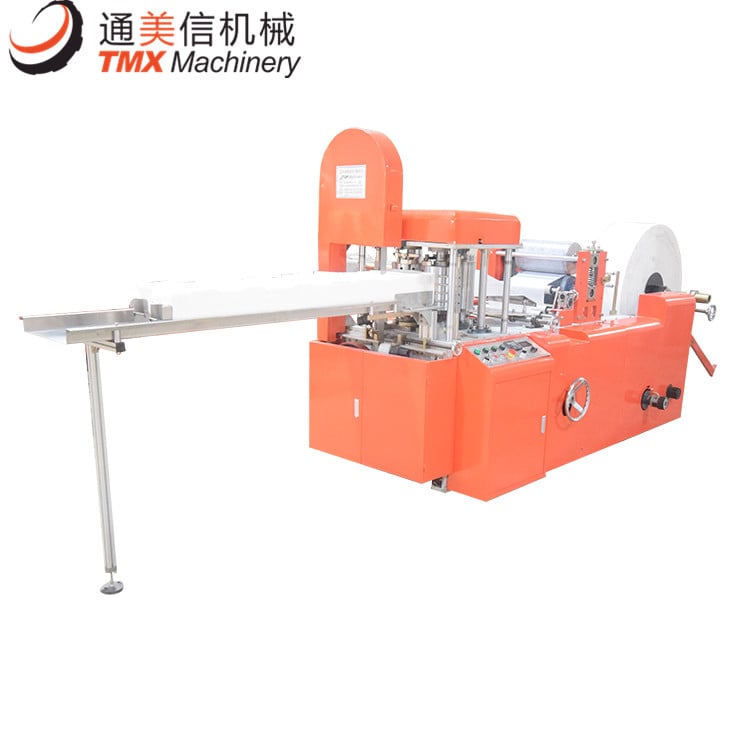
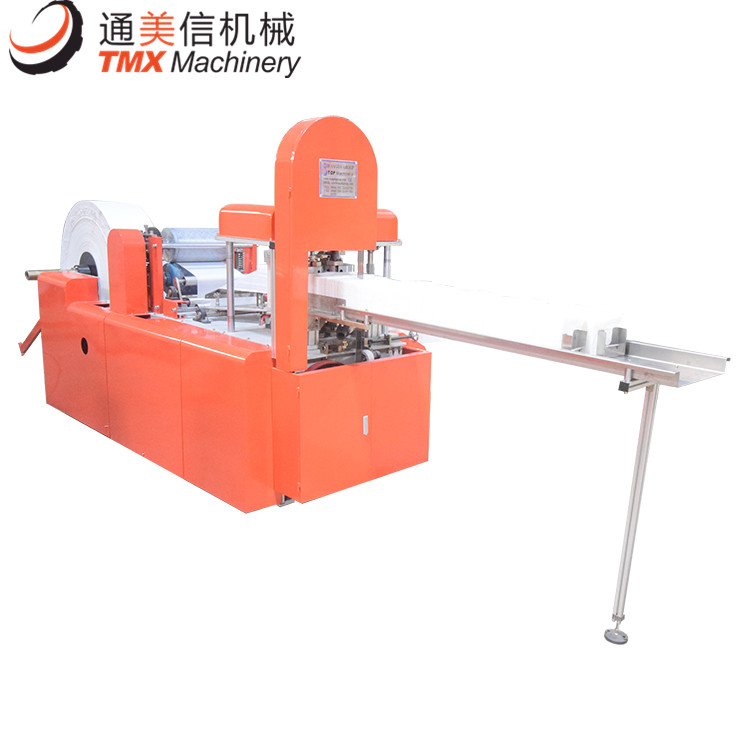
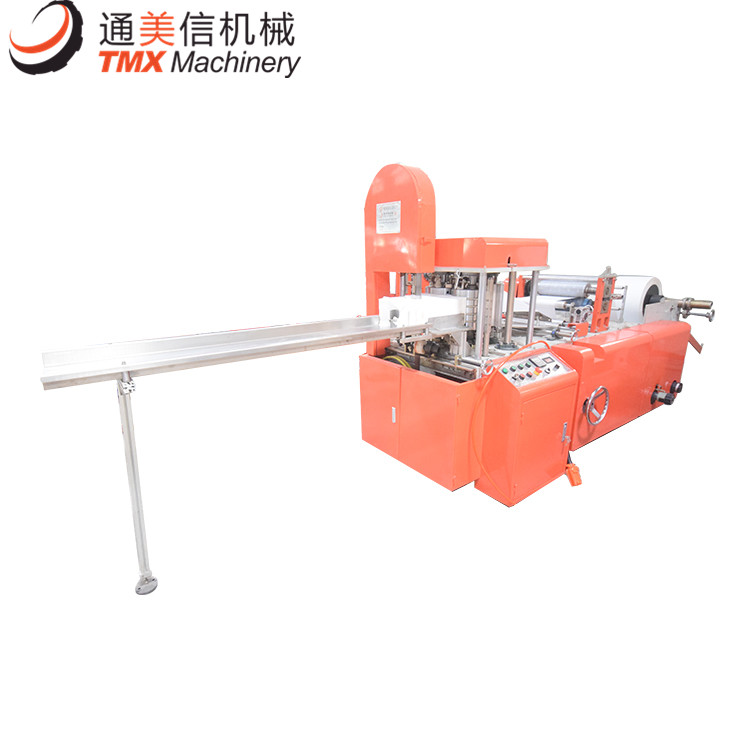
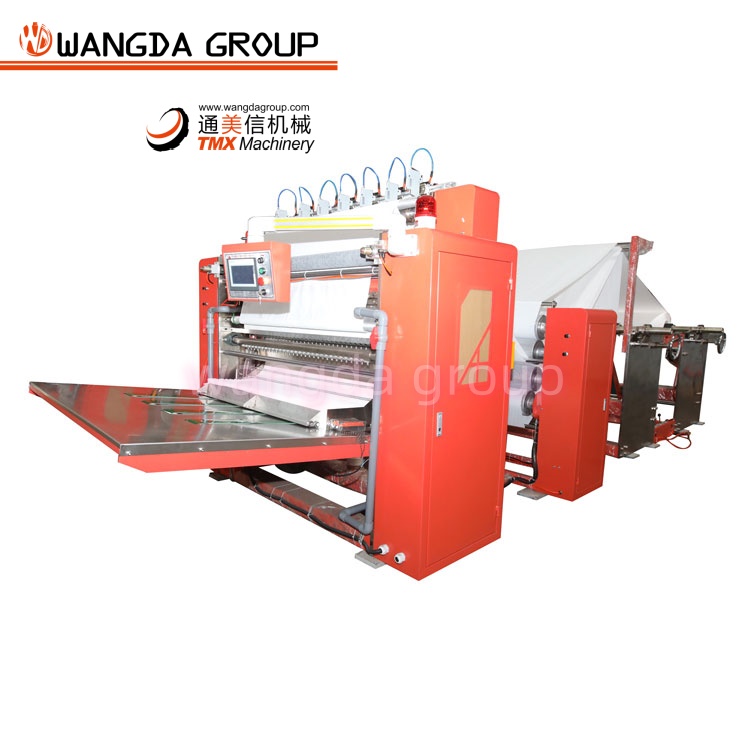
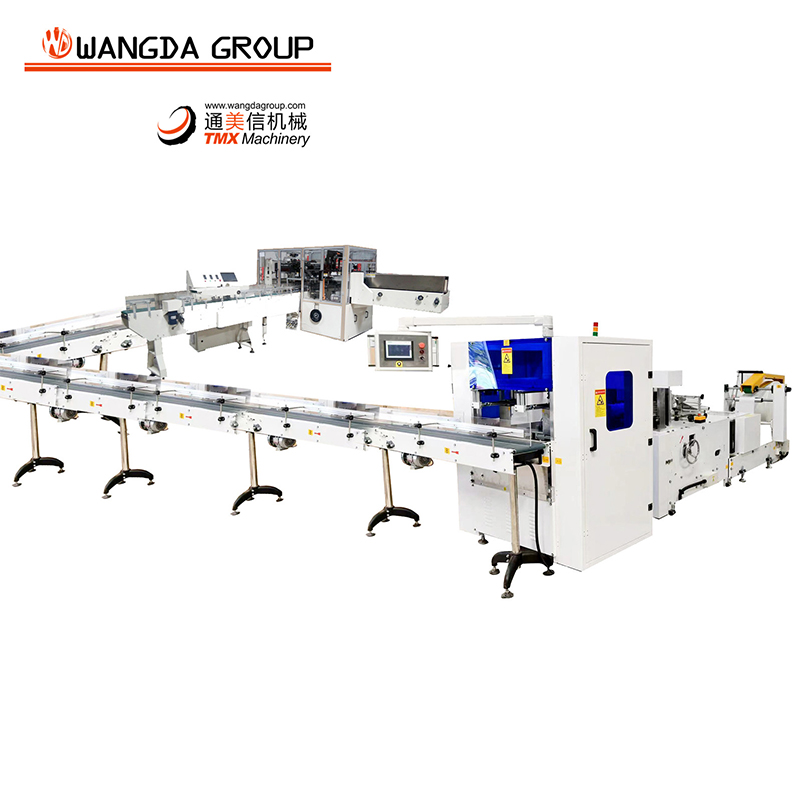
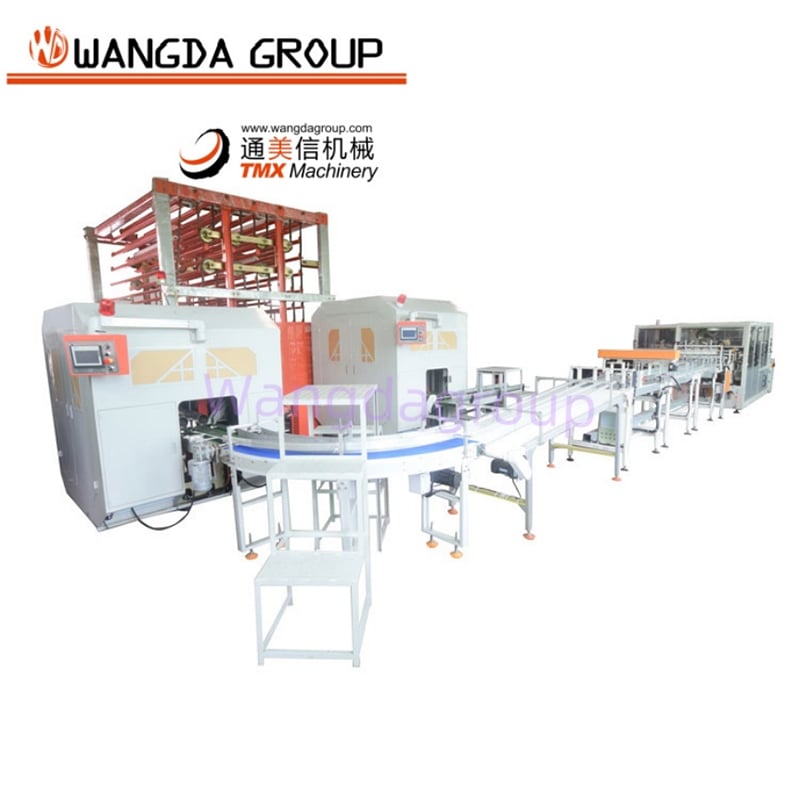
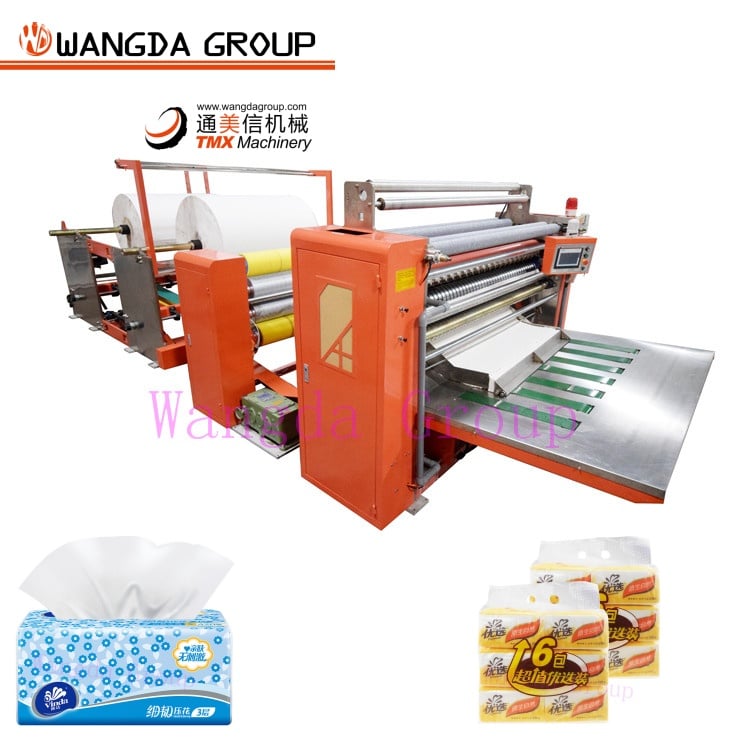
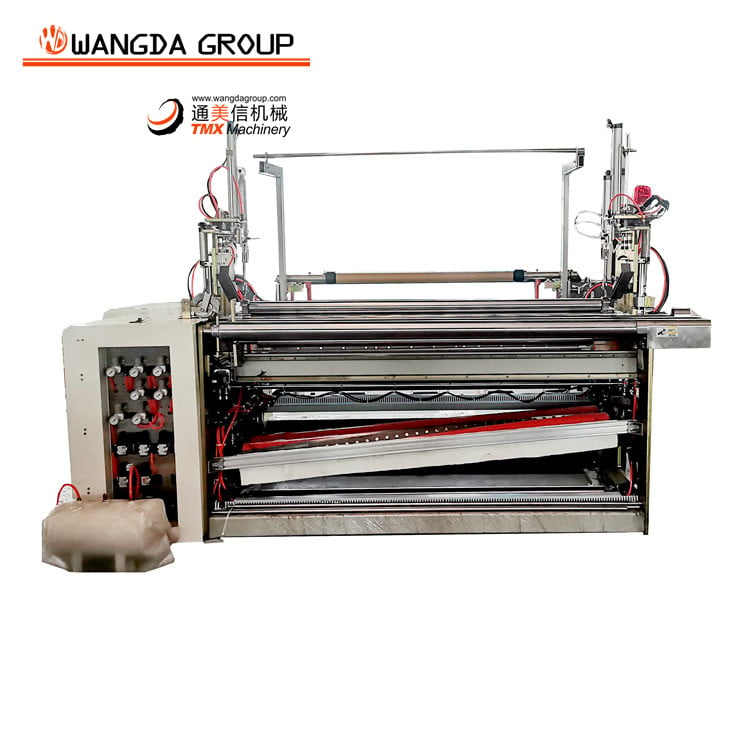
A manual tissue paper making machine is essential for producing various types of tissue products, including napkins, facial tissues, and toilet paper. It offers manufacturers a cost-effective solution to meet the growing demand for hygienic products. Buyers often have concerns regarding the machine's specifications, quality, and supplier reliability. This article will guide you through important considerations when sourcing a manual tissue paper making machine, evaluating its quality, finding reliable suppliers, comparing different models, and addressing common production challenges.
When sourcing a manual tissue paper making machine, several factors should be prioritized:
Production Capacity: Determine the expected output needed for your operations. Machines vary in their production capabilities, so choose one that aligns with your volume requirements.
Material Specifications: Identify the types of paper you plan to use. Different tissue paper machine may accommodate various paper grades and thicknesses. Ensure that the machine can handle the specific materials you intend to process.
Customization Options: Some manufacturers offer customization for specific applications, such as size adjustments or additional features for packing. Discuss your unique requirements with suppliers to find a suitable machine.
Quality Certifications: Verify that the machine complies with international quality standards. This ensures reliability and safety in operation, which is crucial for maintaining production efficiency.
Supplier Reputation: Research potential suppliers to assess their credibility. Look for manufacturers with proven experience, customer reviews, and a history of successful global exports.

Evaluating the quality of a manual tissue paper making machine involves assessing several key attributes:
Build Quality: Inspect the machine's construction materials and components. High-quality machines commonly use durable metals that can withstand the rigors of continuous operation.
Performance Specifications: Review the machine’s technical parameters, such as speed, roll diameter, and sheet size capability. These specifications should align with your production goals.
Quality Control Processes: Inquire about the manufacturer's quality control measures. A reputable supplier will have a systematic approach to testing and validating machine performance before shipment.
User Feedback: Seek testimonials or case studies from existing users. Their experiences can provide insights into the machine’s reliability and efficiency in real-world applications.
Maintenance Requirements: Understand the ongoing maintenance needs of the tissue paper manufacturing machine. A well-designed machine should require minimal downtime and have easily accessible components for routine servicing.

Finding reliable suppliers for manual tissue paper making machines requires thorough research:
Industry Trade Shows: Attend manufacturing and paper industry trade shows to meet suppliers face-to-face. This allows you to see machines in action and ask direct questions about their capabilities.
Online Marketplaces: Explore platforms that specialize in industrial equipment. These sites often feature supplier ratings and reviews that can guide your choice.
Industry Associations: Consult industry associations and directories that list reputable manufacturers. These organizations often have stringent membership criteria, which can help you identify trustworthy suppliers.
Networking: Leverage connections within the industry to gather recommendations. Colleagues or industry contacts may have firsthand experience with specific manufacturers.
Request for Quotation (RFQ): Prepare an RFQ detailing your specifications and requirements. This will help you compare offers from multiple suppliers and gauge their responsiveness and professionalism.

When comparing various models of manual tissue paper making machines, consider the following aspects:
Functionality: Some models may come with additional features, such as automatic cutting or packing capabilities, which can enhance productivity. Assess whether these features align with your production needs.
Cost of Ownership: Beyond the initial purchase price, evaluate ongoing costs, including energy consumption, maintenance, and spare parts availability. A more expensive machine may offer savings in efficiency and reduced operational costs.
Size and Footprint: Ensure the machine fits within your production area. Consider its dimensions and layout, including any space needed for operation and maintenance.
User Interface: A user-friendly interface can streamline operation and training for your staff. Look for models with clear controls and easy-to-understand settings.
Support and Warranty: Check the warranty period and the level of technical support offered by the manufacturer. A reliable warranty can save costs in the event of machine failure.

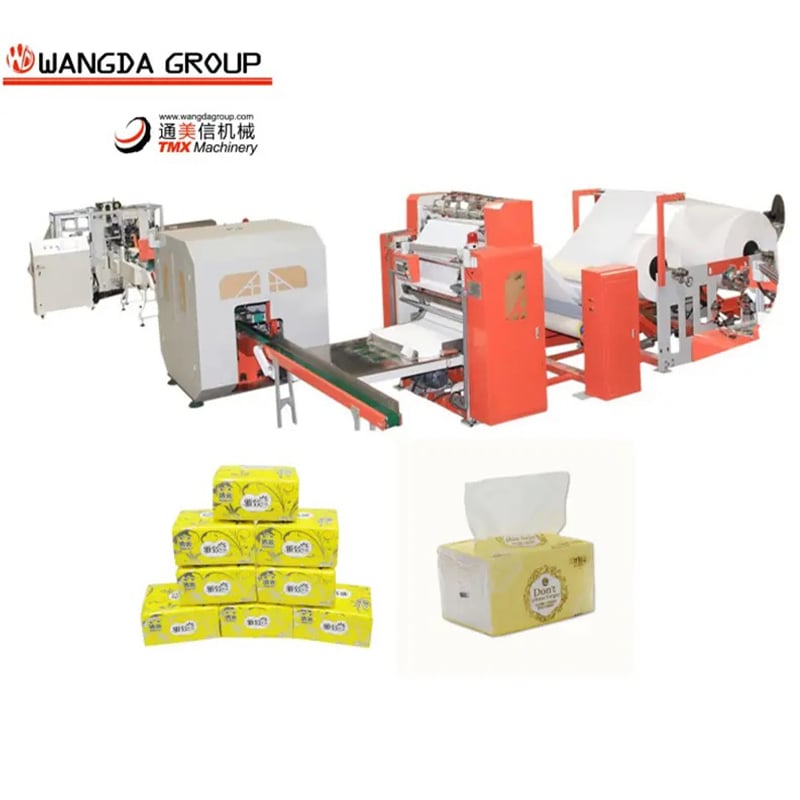
Wangda has more than 20 years of experience manufacturing tissue machines. We pay attention to the quality of machines, their function as well as pre and post sales service. We've sold machines to over 100 countries. This has resulted in numerous orders and good feedback from our customers. Our R and D department is a part of Wangda. We have our own R and D departments. Our machines are constantly upgraded and are incorporating the latest technology of Germany, Japan, and Italy. They have received ISO9002, CE and BV certifications. We offer turnkey projects that span from Toilet paper machine that includes more than machines.
Toilet paper making machine has a very experienced with a long-standing sales team as well as an after-sales staff, 80% of the team has worked for more than 10 years in our business in this hygienic product industry. Our team members have a lot of experience working with daily-use paper tissue machines, related packing machines and so on hygienic product machines We are experts in a range of information in this area, we know what our clients need, and worry about the things that make they are concerned about. We don't only sell machines to our customers, we also assist our customers to make profit from this hygienic business, to provide the lifelong after-sales service to our customers on time.
We've Toilet tissue machine with many clients both in the United States as well as abroad.
Wangda produces toilet tissue machines (including cutting and packing) kitchen towels machines (including cutting and packing) facial tissue machines (including cutting and packing) bags of Toilet paper making machine facial tissue machines. We also make maxi roll rewinding devices as well as perforating machines.
Common issues in tissue paper production can often be mitigated with the right approach:
Paper Jam Issues: Ensure proper alignment of paper rolls and that the machine is regularly maintained. Regularly inspect and clean the feeding mechanisms to prevent jams.
Inconsistent Sheet Size: Variations in sheet size can indicate issues with cutting mechanisms. Adjust settings or inspect blades for wear to ensure consistency.
Quality of Finished Product: Monitor the quality of the output regularly. Issues such as weak tissue or improper folding may require adjustments in machine settings or raw material quality.
Downtime Management: Establish a routine maintenance schedule to minimize unexpected downtime. Train operators to quickly identify and address minor issues before they escalate.
Training for Operators: Invest in training for staff operating the machinery. A well-trained workforce is essential for maximizing productivity and minimizing operational errors.
By understanding these critical aspects of manual tissue paper making machines, buyers can make informed decisions that enhance their production capabilities and align with their business needs.