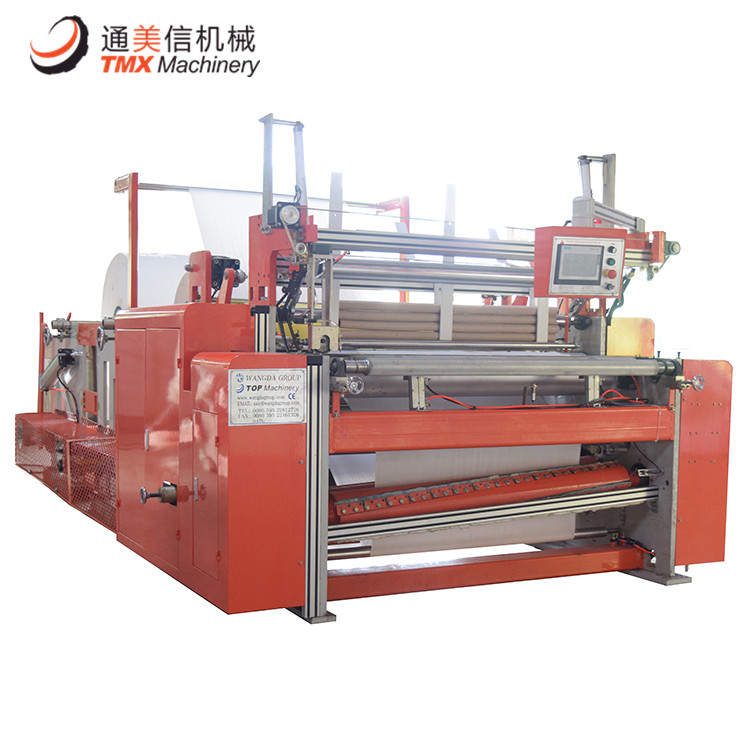
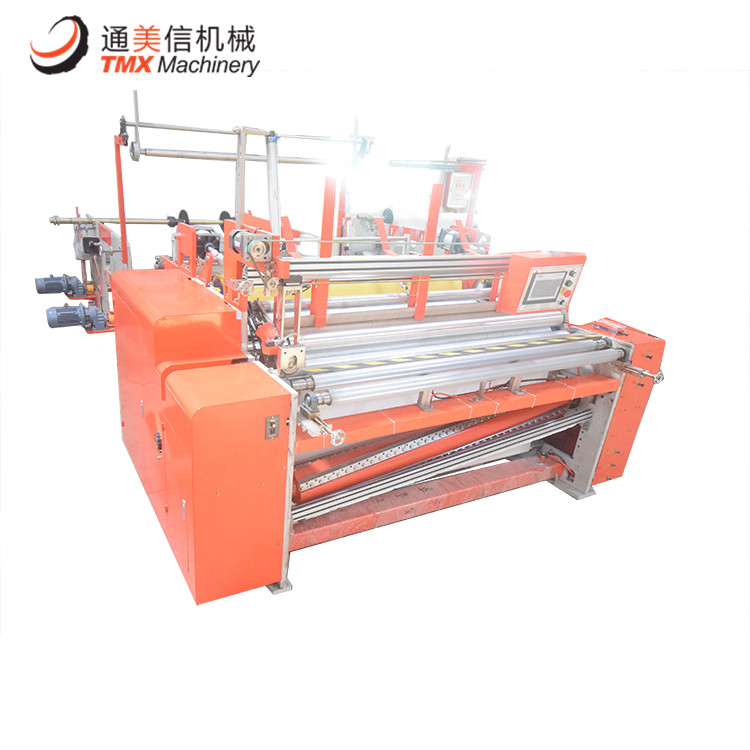
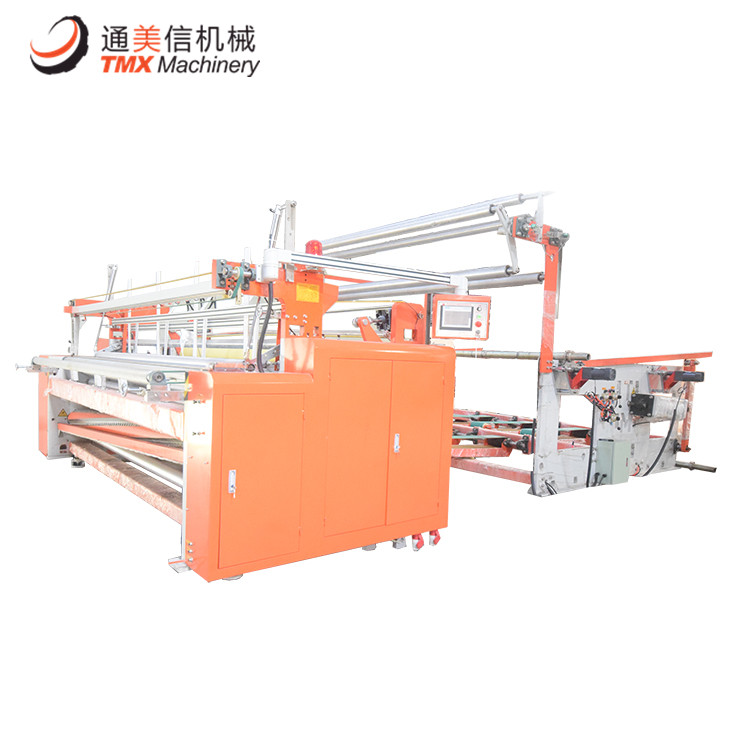
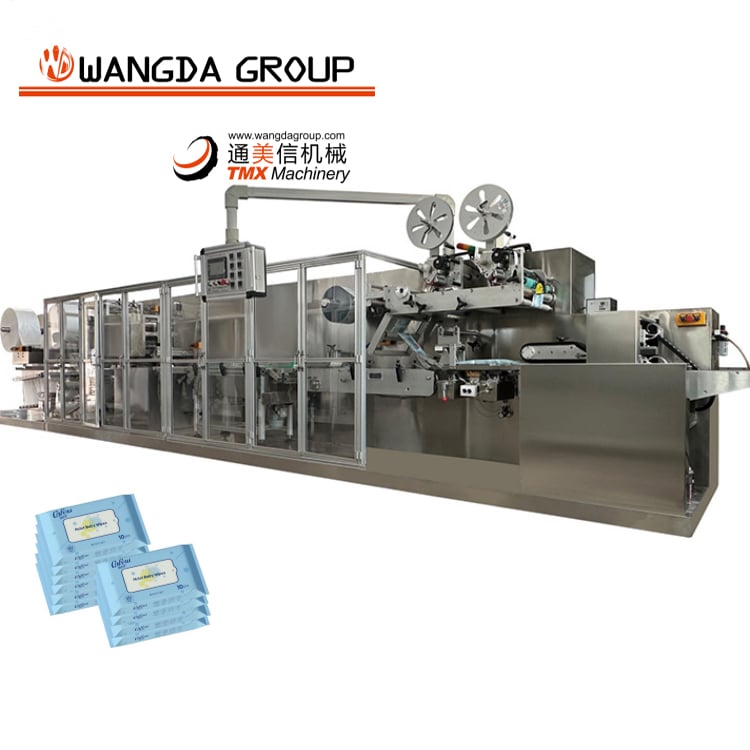
The locally fabricated tissue paper machine in Nigeria represents a significant investment for businesses seeking to enter or expand within the hygiene products market. When considering such machinery, B2B buyers often have concerns regarding technical specifications, quality assurance, supplier reliability, and total cost of ownership. This article will provide insights into these aspects, helping purchasing managers, distributors, and engineers make informed decisions regarding their tissue paper machine needs.
When evaluating locally fabricated tissue paper machines, it is essential to understand the core specifications that define their performance and suitability for specific applications. Key specifications include production capacity, machine size, energy consumption, and the types of tissue products that can be produced, such as napkin paper, facial tissues, or toilet paper.
Production capacity is typically measured in tons per day and should align with your business's market demand. For instance, a machine with a capacity of 1-5 tons per day may suffice for small to medium enterprises, whereas larger operations may require machines capable of 10 tons or more.
Additionally, it's crucial to consider the machine's energy consumption. Efficient tissue paper manufacturing machine not only reduce operational costs but also contribute to sustainability goals. Understanding the types of materials the machine can process and the required thickness for different products can help buyers choose a machine that meets their production needs.

Quality standards are paramount when selecting a tissue paper machine. Buyers should evaluate whether the machinery complies with international quality certifications such as ISO or CE, which indicate adherence to global manufacturing standards. These certifications can help ensure that the machine operates efficiently and produces high-quality products.
Moreover, it is advisable to assess the manufacturer's quality control processes. A thorough inspection of the tissue paper making machine during production phases is vital to identify any defects early. Look for suppliers who offer a clear quality assurance plan, including pre-shipment inspections and performance testing, to minimize the risk of receiving substandard equipment.
Additionally, understanding the materials used in machine construction can offer insights into durability and maintenance requirements. Stainless steel components, for example, are often preferred for their resistance to corrosion and longevity, especially in humid environments.

Identifying reliable suppliers for locally fabricated tissue paper machines in Nigeria involves thorough research and networking. Start by attending industry trade shows and exhibitions, which provide opportunities to meet manufacturers, inspect machinery, and discuss specifications directly.
Online platforms and industry-specific directories can also be valuable resources. Look for suppliers with a proven track record in the hygiene products sector, and don't hesitate to ask for references or case studies from previous clients.
Additionally, consider engaging with local business associations or chambers of commerce. These organizations often have insights into reputable manufacturers and can facilitate introductions.
Lastly, it's beneficial to request detailed quotations from multiple suppliers. This process not only clarifies pricing structures but also allows you to compare specifications, warranty terms, and after-sales support, leading to a more informed purchasing decision.

The total cost of ownership for a locally fabricated tissue paper machine extends beyond the initial purchase price. Key factors to consider include installation costs, maintenance expenses, and operational costs such as electricity and labor.
Installation costs can vary based on the complexity of the machinery and the infrastructure required to support it. Ensure that the supplier provides a comprehensive installation plan, which may include training for your staff.
Maintenance is another significant cost factor. Regular servicing can prevent unexpected breakdowns and prolong the machine's lifespan. Inquire about the availability of spare parts and after-sales service from the manufacturer, which can impact long-term operational efficiency.
Operational costs should also be factored in. Energy-efficient machines may have a higher upfront cost but can lead to substantial savings in energy consumption over time. Assessing the total cost of ownership will provide a clearer picture of the financial commitment involved in purchasing tissue paper machinery.
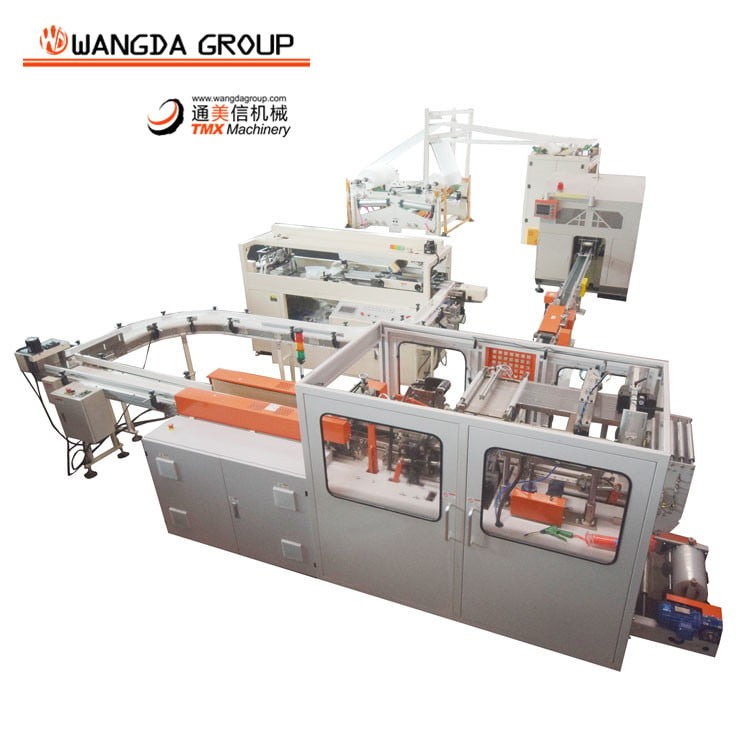
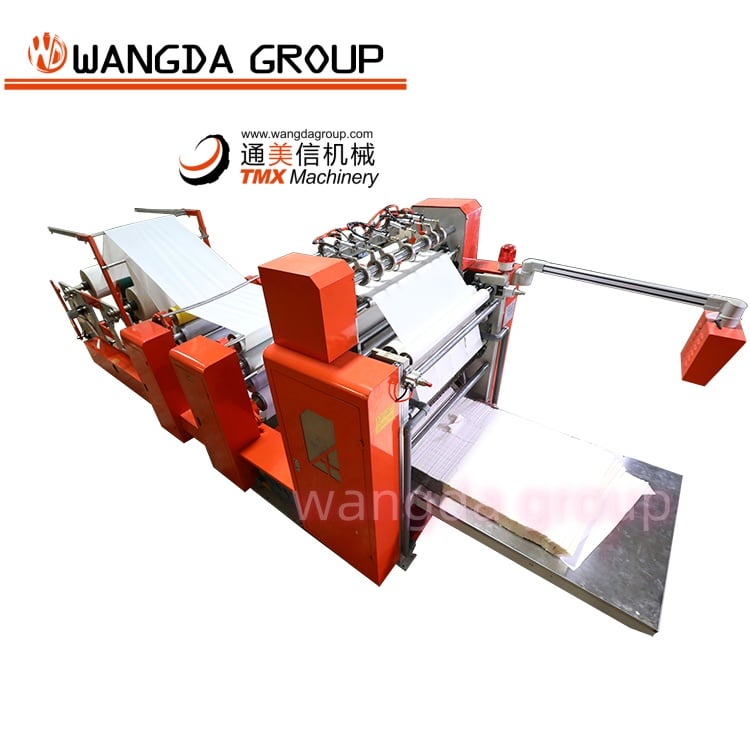
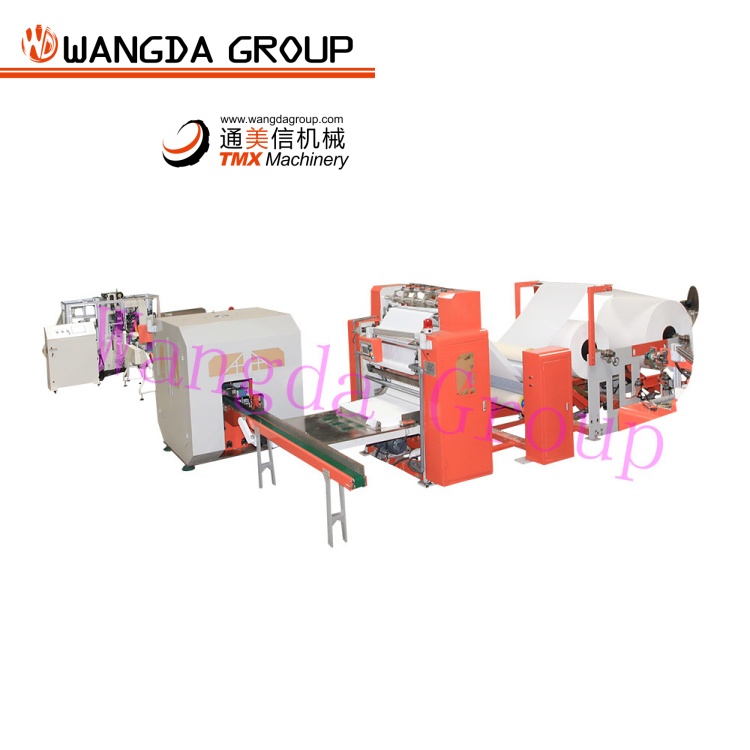
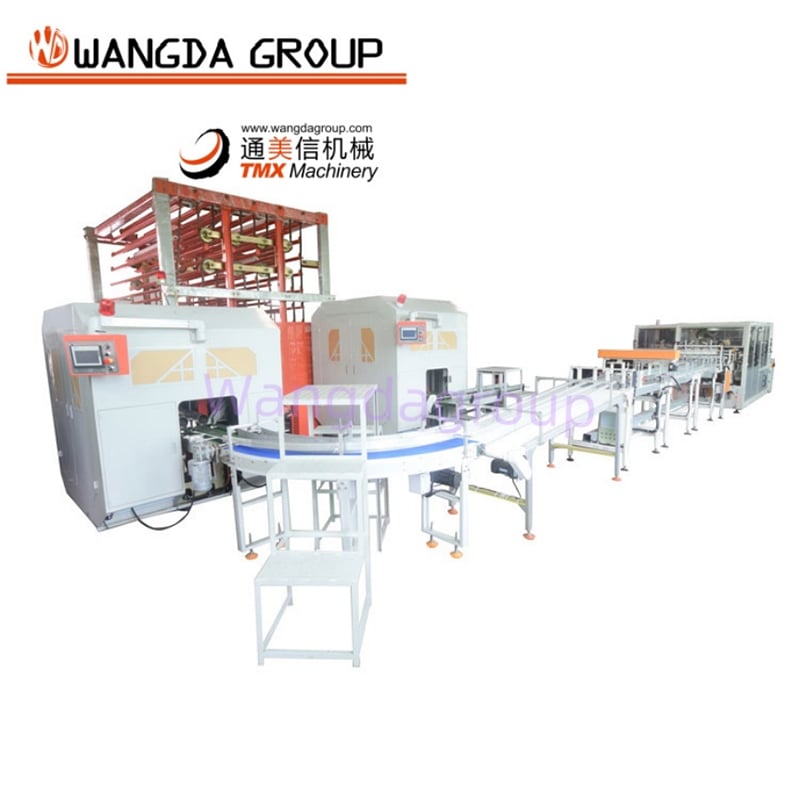
Wangda produces toilet tissue machines (including cutting and packing) kitchen towels machines (including cutting and packing) facial tissue machines (including cutting and packing) bags of Toilet tissue machine facial tissue machines. We also make maxi roll rewinding devices as well as perforating machines.
The sales and after-sales departments are very experienced and professional. Our team has worked in the field of hygienic products for over 10 years. We are aware of what our customers are looking for and are Tissue paper making machine of what makes them worry. Our clients are not just purchasing machines from us but also helping them earn a profit from the hygiene-related business. We provide our clients with the services after-sales they need.
Wangda has more than 20 years experience in the Toilet paper making machine of all kinds of tissue machines, we pay much attention to the features of the machine and its quality, as well as in addition, after sales and pre-sales services. We've sold machines in over 100 countries. This has resulted in many repeat orders and good reviews from our clients. Wangda has its own R and D departments. Our machine is based on the latest Germany Japanese, Japan and Italian technology, and is upgraded day by day. Our machines have been certified to ISO9002, CE, BV and other certifications. We offer turnkey projects that span from A to Z, not just machines.
Wangda has cooperated with Toilet paper making machine both from the home country and abroad. We have collaborated with major groups from GCC countries such as Fine Hygienic from several nations, Nesto Hypermarket, Top One and Two hygienic product manufacturer B and G, Meghna Groups of Bangladesh. Outnet Group from African countries. And as well, there are large European brands, American brands, Latin American brands we have worked with for a great number of years. We have a number of sample factories outside of the United States that you can visit to look at our products. This is more convenient. Also we invite you to visit our factory to experience our products right at the moment. We will be happy to answer your questions anytime, and hope to begin our mutual benefit story asap.
Tissue paper machines have diverse applications across multiple industries, making them a flexible investment for businesses. Beyond the production of traditional hygiene products, these machines can be adapted to create specialty papers for medical, food service, or industrial applications.
For instance, in the medical sector, high-quality tissue products are essential for hygiene and safety. Machines can be customized to produce specific grades of tissue that meet regulatory standards for healthcare applications.
In the food service industry, tissue products are often used for napkins and food wrapping. The ability to produce various sizes and styles can accommodate different customer needs, from restaurants to catering services.
Understanding these applications can help buyers select machinery that not only fulfills current market needs but also allows for future diversification. Customization capabilities offered by manufacturers can further enhance the machine's adaptability, enabling businesses to respond to changing market demands.
Investing in a locally fabricated tissue paper machine in Nigeria requires careful consideration of specifications, quality standards, supplier reliability, cost factors, and applications. By addressing these key areas, businesses can make informed decisions that align with their operational goals and market demands.