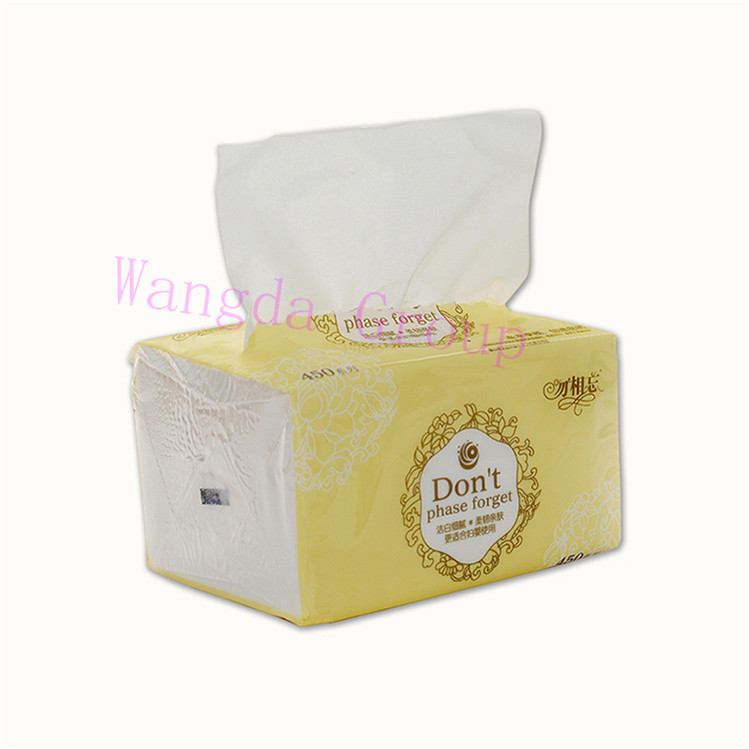
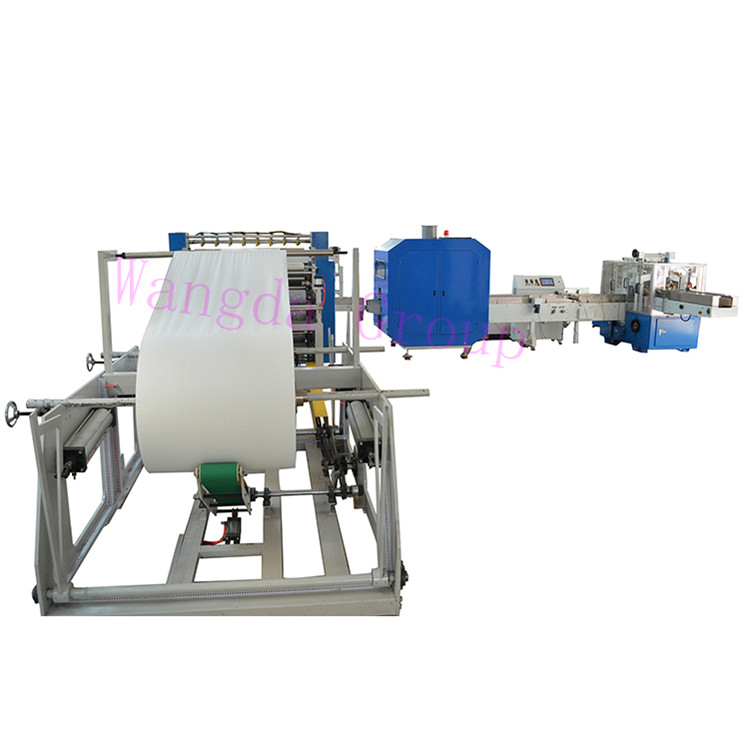
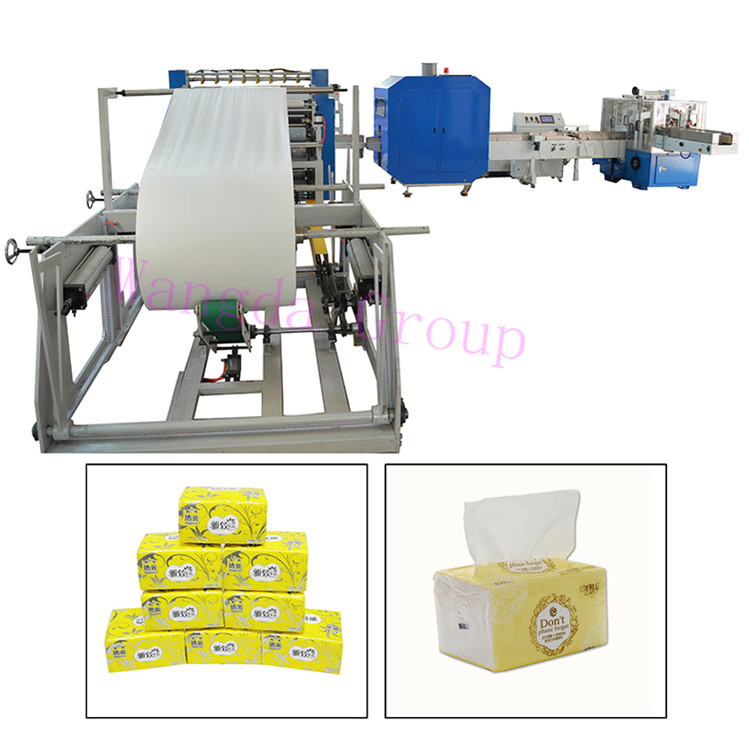
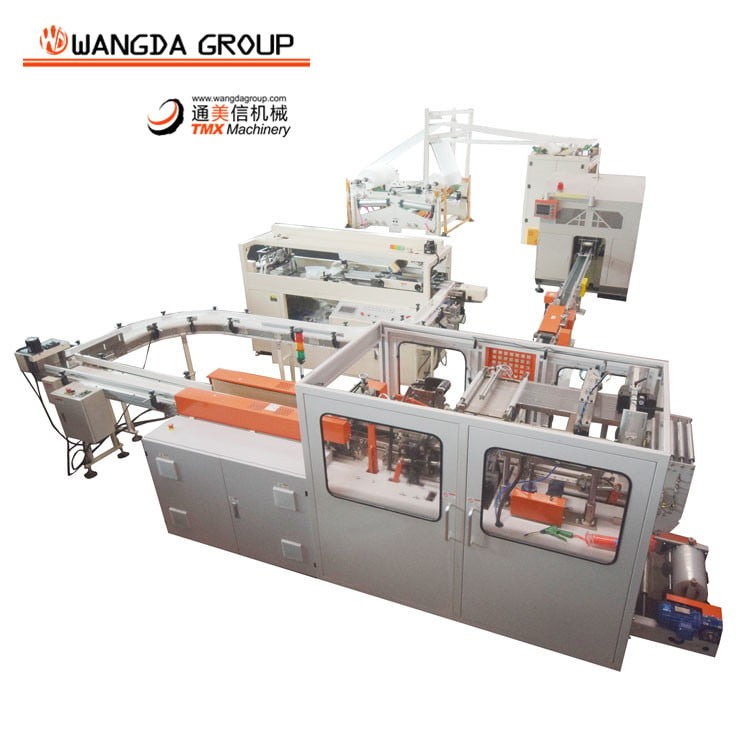
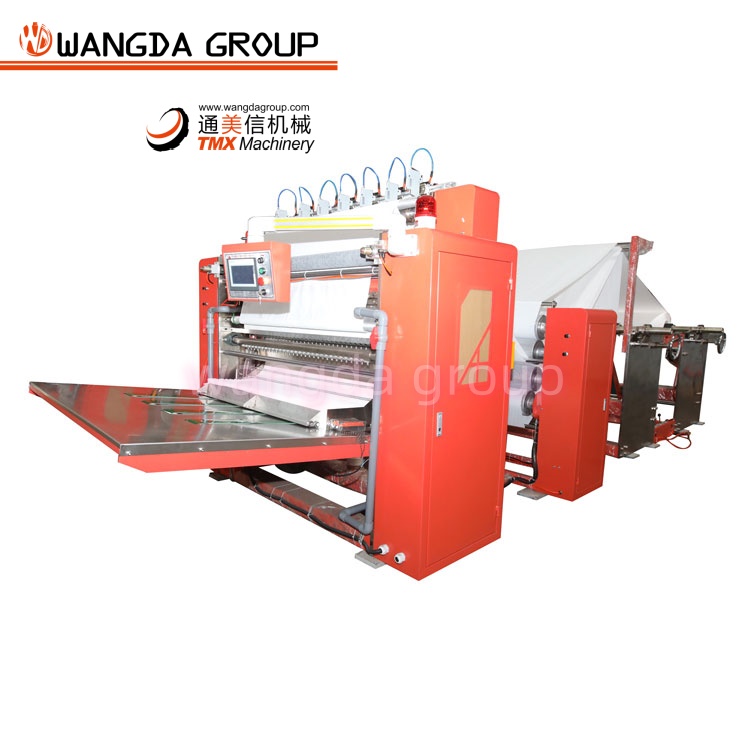
Choosing the right C fold tissue paper machine is essential for businesses looking to produce high-quality hygienic products efficiently. This tissue paper machine is crucial for manufacturing C fold tissues, which are widely used in various settings, such as restaurants, hotels, and healthcare facilities. Understanding the specifications, capabilities, and proper guidance for installation will help buyers make informed decisions, ensuring they meet their production needs while maximizing efficiency and quality.
When selecting a C fold tissue paper machine, consider the production capacity, machine speed, and the range of paper products you intend to manufacture. For instance, if your business requires high output, opt for tissue paper making machine that can handle a larger volume of tissue production per hour. Additionally, evaluate the machine's compatibility with different paper grades and sizes, as this will affect your ability to meet diverse customer demands.
Another critical consideration is the level of automation. Fully automated machines can significantly reduce labor costs and increase production efficiency. However, if your business is just starting or has limited demand, a semi-automatic model may suffice. It's essential to balance your current needs with future scalability to avoid premature upgrades or replacements.

Several specifications are crucial when evaluating a C fold tissue paper machine:
Production Capacity: This is measured in tons per hour and dictates how much product you can produce within a given timeframe. Ensure the capacity aligns with your projected demand.
Machine Speed: Typically expressed in meters per minute, the speed of the machine impacts the overall production efficiency. High-speed tissue paper manufacturing machine can help meet large orders quickly but may require more energy and maintenance.
Paper Width and Thickness: Different applications may require varying widths and thicknesses. Confirm that the machine can handle the specifications needed for your target market.
Energy Efficiency: Machines with higher energy efficiency ratings can reduce operational costs, making them more economical in the long run.
Customization Options: Some manufacturers offer machines that can be tailored to specific production needs, such as unique folding patterns or packaging methods. Explore these options if you anticipate needing specialized products.
Quality Control Features: Look for machines that incorporate quality control mechanisms, such as automatic adjustments based on real-time measurements. This can help maintain product consistency and reduce waste.

Choosing the right manufacturer is as important as selecting the machine itself. Consider the following factors when evaluating potential suppliers:
Experience and Reputation: Look for manufacturers with a proven track record in producing C fold tissue paper machines. Companies like Wangda Industrial Co., Limited, known for their expertise in the production of hygienic product machines, can be a reliable choice.
Certifications and Compliance: Verify that the manufacturer complies with relevant industry standards and certifications. This ensures that the equipment meets safety and quality benchmarks.
Customer Support and Service: A reliable manufacturer should offer comprehensive support, including installation assistance, training, and ongoing maintenance services. Check reviews or testimonials from previous customers to gauge their service quality.
Warranty and Parts Availability: Ensure the manufacturer provides a warranty for their machines and that replacement parts are readily available. This can minimize downtime in case of maintenance issues.
Global Reach: If your business operates in multiple regions, consider a manufacturer with experience in international markets, such as those exporting to the Middle East, Asia, Africa, and the Americas.

Proper installation of a C fold tissue paper machine is critical to ensuring optimal performance. Here are some key points to consider:
Site Preparation: Before installation, prepare the site according to the machine specifications. This includes ensuring adequate space, power supply, and proper ventilation.
Professional Installation: It is advisable to have the machine installed by professionals or the manufacturer’s technicians, who can ensure that all components are correctly set up and calibrated.
Testing and Calibration: After installation, conduct thorough testing to calibrate the settings for production. This step is crucial for identifying any potential issues before mass production begins.
Training for Operators: Ensure that your operators receive training on how to use the machine effectively. Understanding the machine's features and maintenance needs will help minimize operational disruptions.
Maintenance Schedule: Establish a regular maintenance schedule to keep the machine in optimal condition. This includes routine checks and servicing as recommended by the manufacturer.
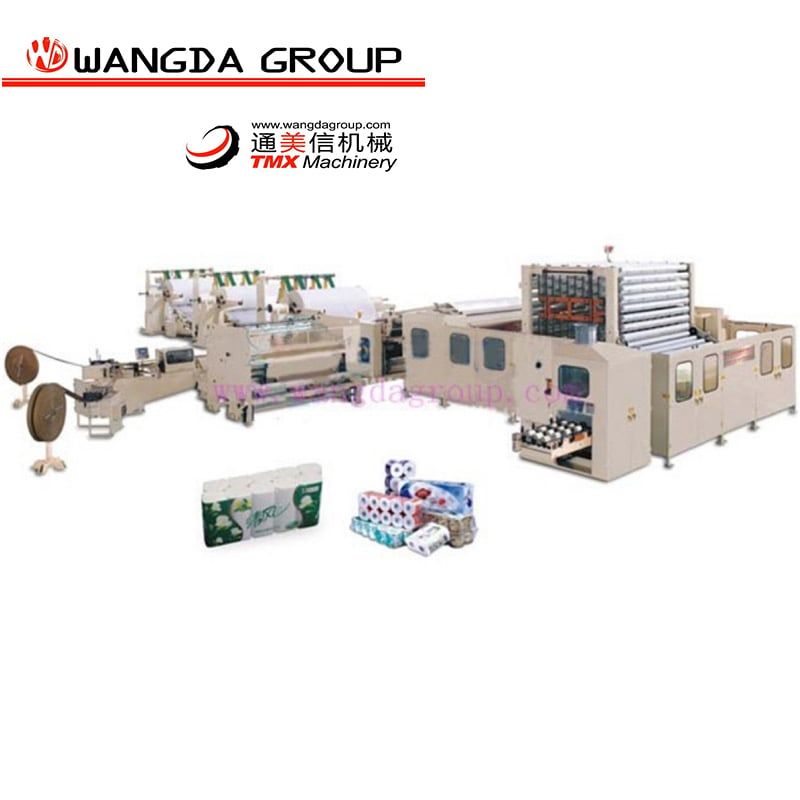
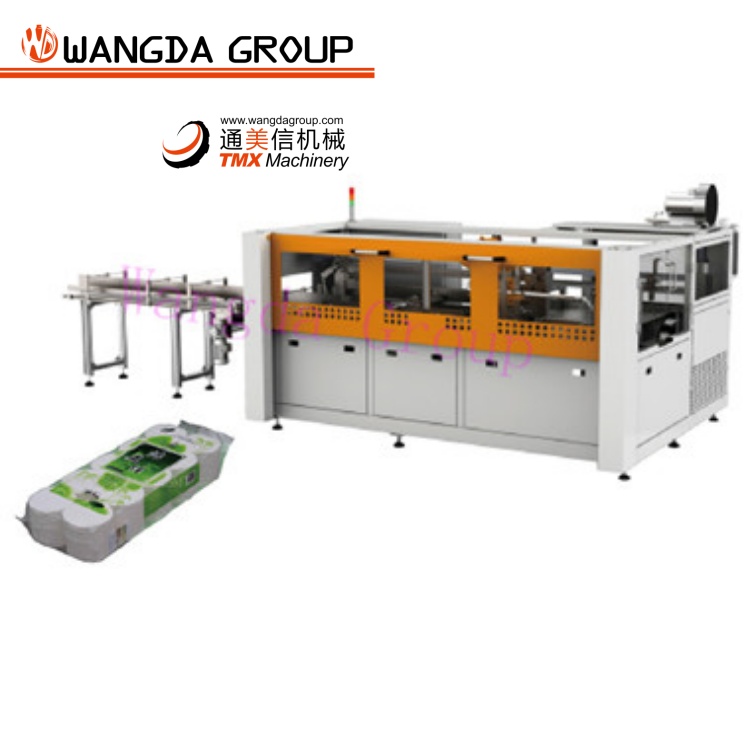
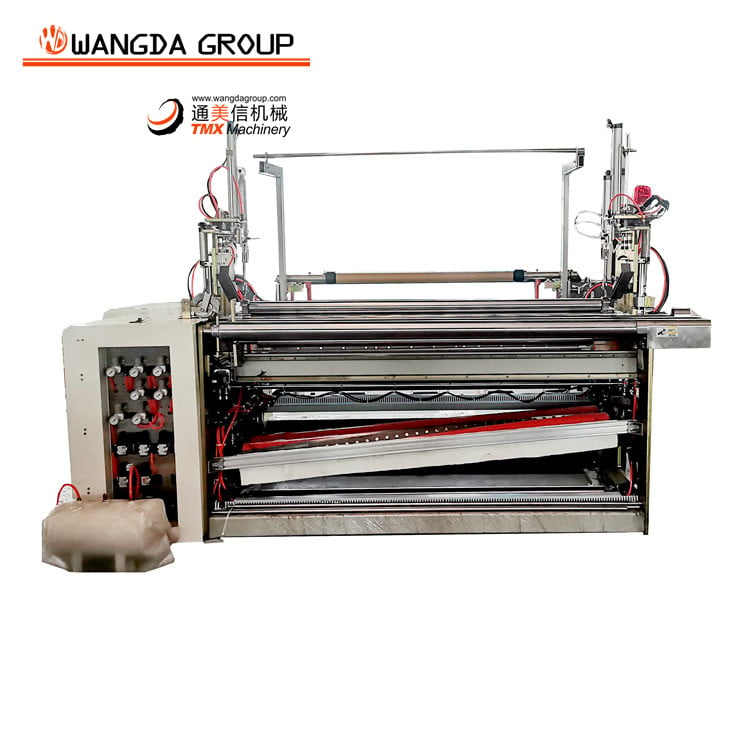
Wangda manufactures Toilet roll manufacturing machine tissue machines (including cutting and packing), kitchen towels machines (including cutting and packing), facial tissue machines (including cutting and packing) bags of nylon facial tissues machines. We also manufacture maxi roll rewinding equipment as well as perforating machines.
Wangda has more than 20 years of experience manufacturing tissue machines. We pay attention to the quality of machines, their function as well as pre and post sales service. We've sold machines to over 100 countries. This has resulted in numerous orders and good feedback from our customers. Our R and D department is a part of Wangda. We have our own R and D departments. Our machines are constantly upgraded and are incorporating the latest technology of Germany, Japan, and Italy. They have received ISO9002, CE and BV certifications. We offer turnkey projects that span from Toilet paper machine that includes more than machines.
Wangda is a highly professional and knowledgeable sales staff and after-sales team, 80% of the team has been in Toilet tissue machine for more than 10 years in our company in this hygiene-conscious product industry. Our team has a wealth of experience in the daily use of paper tissue machines, related packing machines and many other Hygienic products machines We have a wide range of professional expertise in this field, we are aware of what our customers wants, we worry about what our customers worry about. We not just sell the machines to our clients, but we help our customers earn money through this business of hygienic products, to provide the lifelong after-sale services to our customers at the right time.
We've worked Tissue paper manufacturing machine a variety of clients both at home and internationally.
The choice of materials used in the production of C fold tissue paper can significantly impact product quality and performance. Here are some material considerations:
Paper Quality: The type of paper used can determine the softness, absorbency, and strength of the finished product. Higher quality paper may incur higher costs but can enhance customer satisfaction and brand reputation.
Sustainability: With increasing consumer preference for eco-friendly products, consider using recycled or sustainably sourced paper. Machines that can handle a variety of materials, including biodegradable options, can help your business meet these demands.
Additives: Some manufacturers incorporate additives to improve paper properties, such as wet strength or softness. Discuss these options with your supplier to determine the best choices for your specific applications.
Compatibility with Packaging: Ensure that the materials used are compatible with your packaging methods. This consideration can affect shelf life and product presentation.
By carefully evaluating these aspects of C fold tissue paper machines, businesses can make informed decisions that align with their production goals and customer requirements. For further assistance or specific inquiries, engaging with experienced manufacturers like Wangda Industrial Co., Limited can provide valuable insights tailored to your unique needs.