
 EN
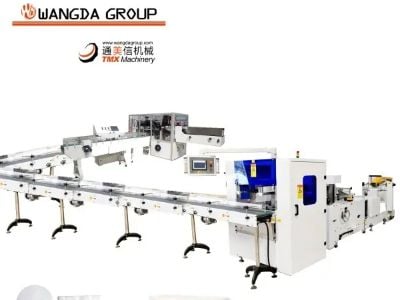
Modern toilet paper making machines are crucial for the efficient production of one of the most widely used hygienic products in the world. As manufacturers and suppliers look to optimize their operations, understanding what to expect from these toilet paper making machines becomes essential. This article will explore key specifications, quality control measures, sourcing options, and common challenges faced in toilet paper manufacturing. We aim to equip purchasing managers and decision-makers with the knowledge they need to make informed choices regarding their investments in production machinery.
What to Expect from Modern Toilet Paper Making Machines
When investing in modern toilet paper making machines, one can expect advanced technology that enhances production efficiency and product quality. Today's machines often feature full-servo systems, which allow for precise control over the manufacturing process, resulting in consistent product quality and reduced waste. These machines can handle various paper grades, from standard to premium, catering to diverse market needs.
Additionally, modern machines typically incorporate automation features, such as automatic roll changing and packing systems, which streamline operations and minimize labor costs. This not only leads to higher throughput but also reduces the risk of human error during production. Furthermore, energy efficiency has become a priority, with many machines designed to consume less power while maintaining high output levels.
Key Specifications to Consider in Toilet Paper Production Equipment
When evaluating toilet paper production equipment, several key specifications should be taken into account:
Production Capacity: This refers to the amount of toilet paper the machine can produce within a specific timeframe, typically measured in tons per day. Buyers should select a machine that meets their projected output requirements, factoring in the potential for future growth.
Machine Dimensions: The size of the machine is crucial, as it must fit within the available factory space. Consideration should also be given to the layout of the production line, ensuring efficient workflow.
Paper Thickness and Width: Different markets may require varying thickness and width specifications. Modern tissue paper machinesshould allow for adjustments to accommodate these needs without compromising quality.
Speed of Production: The operating speed of the machine affects overall productivity. Manufacturers should assess the trade-off between speed and product quality to ensure optimal performance.
Material Handling Capabilities: Machines should be compatible with the types of raw materials intended for use, such as recycled fibers or virgin pulp. This compatibility can impact both cost and quality.
Quality Control Measures for Toilet Paper Manufacturing Machines
Quality control in toilet paper manufacturing is vital for ensuring product consistency and meeting customer expectations. Modern machines are typically equipped with various features and processes to maintain high-quality standards:
Automated Inspection Systems: Many machines now include sensors and cameras that monitor the production process in real-time. These systems can identify defects, such as holes or uneven thickness, allowing for immediate corrections.
Testing Protocols: Implementing standardized testing protocols during production helps ensure that each batch meets specified quality metrics, such as softness, strength, and absorbency. Manufacturers should establish test parameters based on their target market's requirements.
Regular Maintenance: Scheduled maintenance of the machines is critical for preventing breakdowns and ensuring consistent performance. Implementing a preventive maintenance program can help maintain quality while reducing downtime.
Where to Source Reliable Toilet Paper Making Machinery
Finding a reliable source for toilet paper making machinery involves evaluating suppliers on several criteria:
Industry Reputation: Research potential suppliers to understand their standing in the industry. Look for manufacturers with a proven track record of delivering quality machinery and excellent customer service.
Certifications: Verify that the machinery complies with relevant industry standards and certifications. This can include safety regulations and quality management systems, which are essential for ensuring reliable performance.
Customization Capabilities: Different manufacturers may offer varying degrees of customization for their tissue machines. Assess whether a supplier can tailor the machinery to meet specific production requirements, such as unique sizes or additional features.
Technical Support and Training: Ensure that the supplier provides comprehensive technical support and training for operating and maintaining the machines. This can significantly impact the efficiency and effectiveness of the production process.
Common Problems in Toilet Paper Manufacturing and Their Solutions
While modern toilet paper making machines offer numerous benefits, they are not without challenges. Understanding common problems and their solutions can help manufacturers mitigate risks:
Roll Wrapping Issues: Improper roll wrapping can lead to product damage during transportation. Implementing a machine with precise wrapping technology can minimize this risk.
Material Compatibility Issues: Not all raw materials perform equally well in production. Conducting thorough trials with different materials can help identify the best options for consistent quality.
Machine Downtime: Unexpected breakdowns can disrupt production schedules. Regular maintenance checks and investing in high-quality machinery can reduce the likelihood of such issues.
Quality Variations: Variations in product quality can arise from fluctuations in raw material quality or machine settings. Setting stringent quality control measures and performing regular calibration of equipment can help maintain product consistency.
In summary, understanding what to expect from modern toilet paper making machines is critical for manufacturers looking to optimize their production capabilities. By focusing on key specifications, quality control measures, reliable sourcing, and common challenges, purchasing managers can make informed decisions that enhance their operational efficiency and product quality.
Table of Contents
- What to Expect from Modern Toilet Paper Making Machines
- Key Specifications to Consider in Toilet Paper Production Equipment
- Quality Control Measures for Toilet Paper Manufacturing Machines
- Where to Source Reliable Toilet Paper Making Machinery
- Common Problems in Toilet Paper Manufacturing and Their Solutions