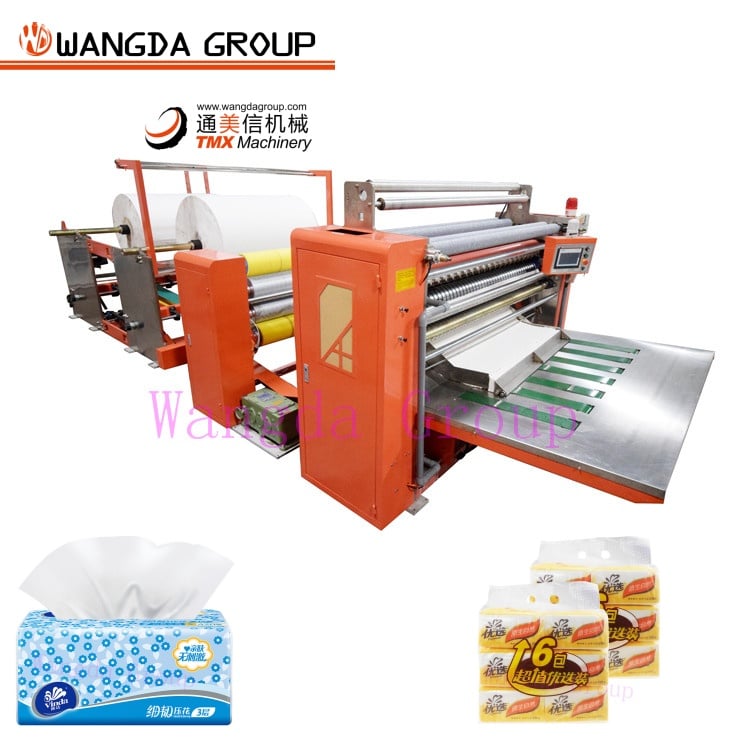
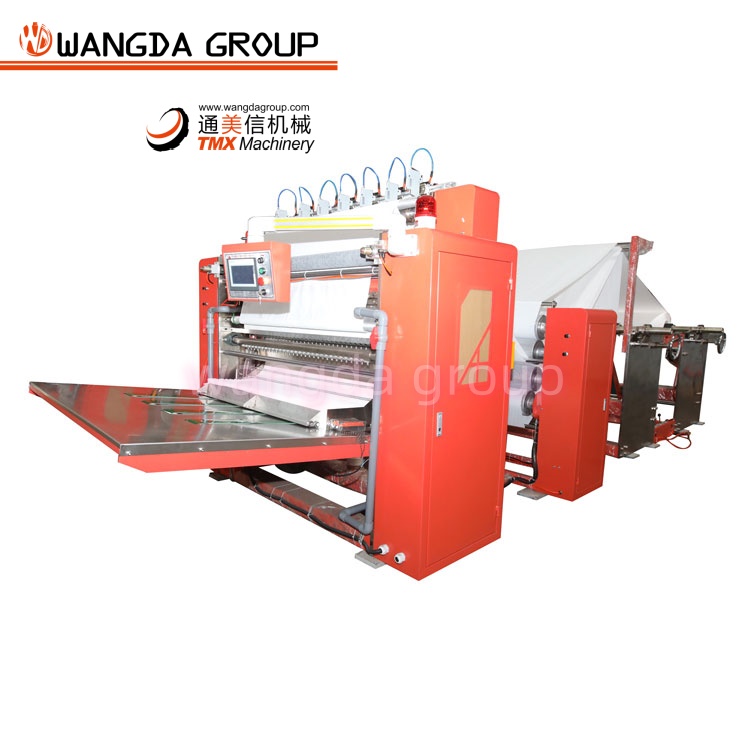
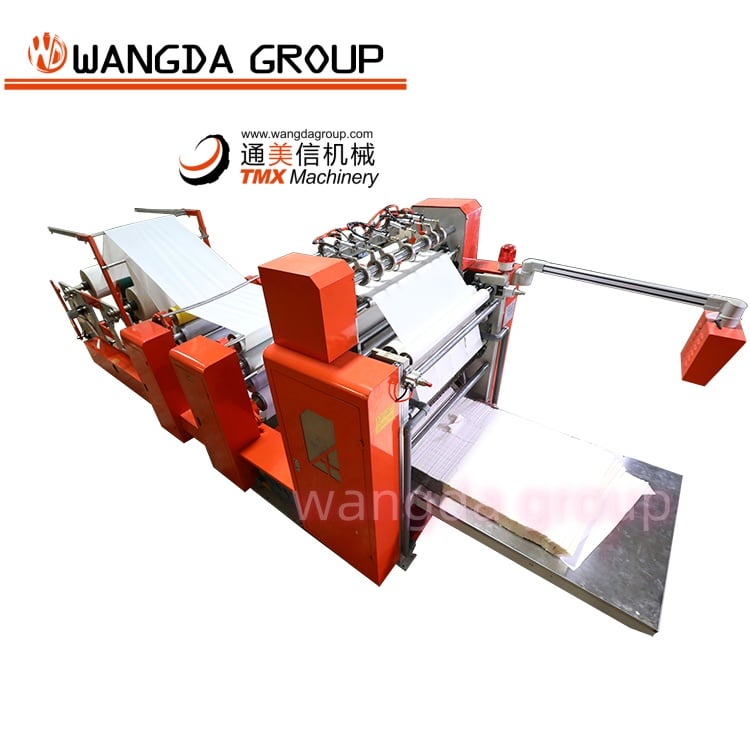
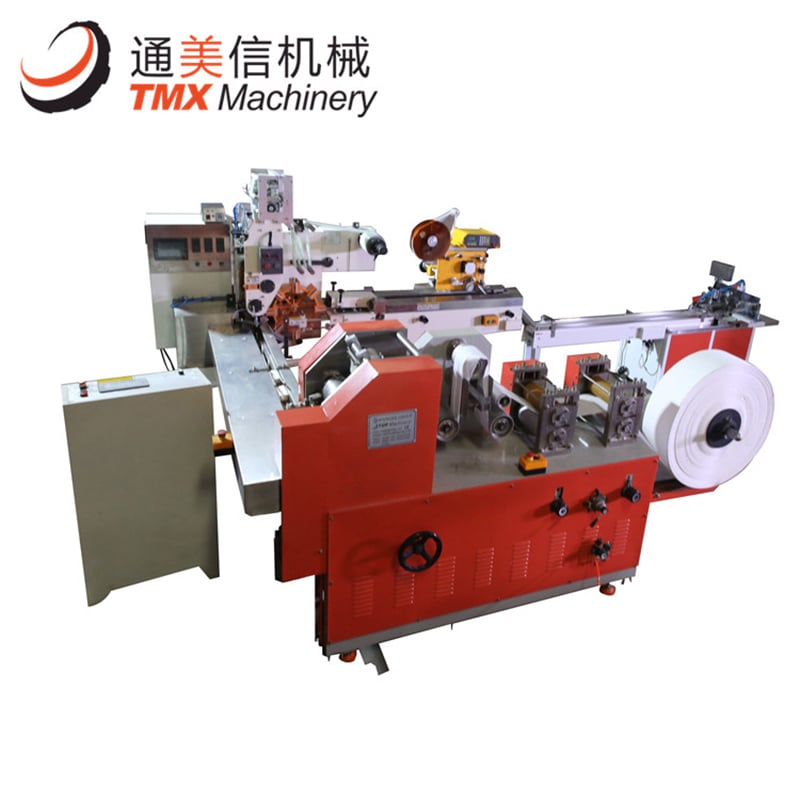
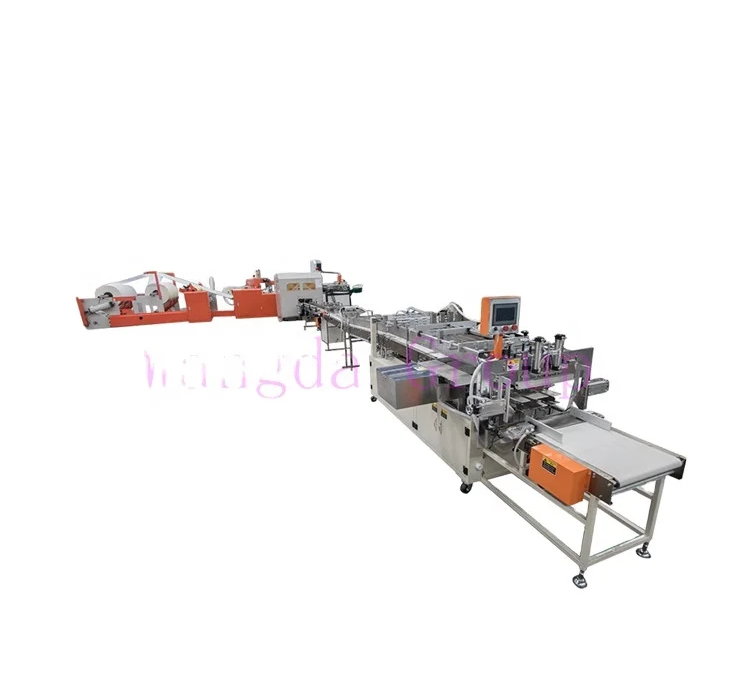
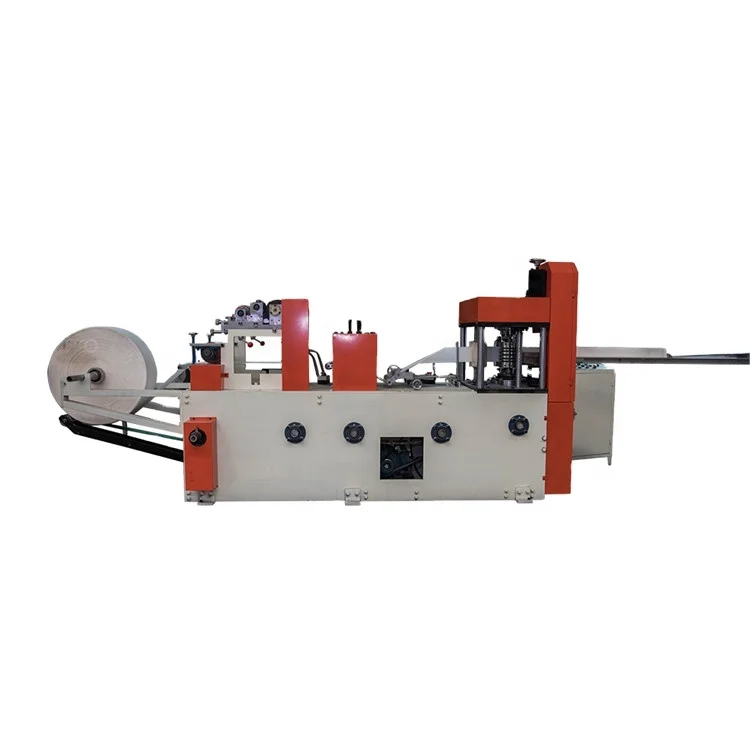
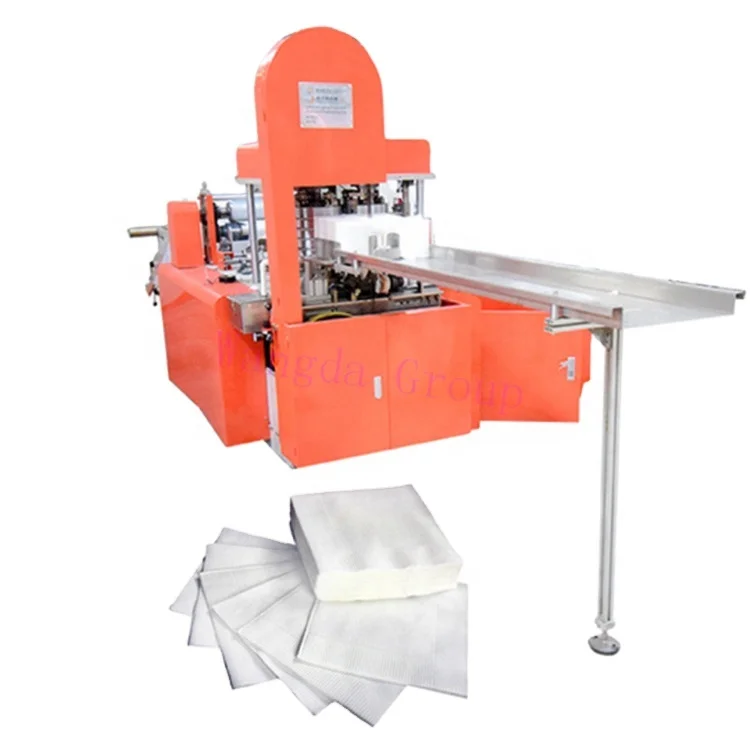
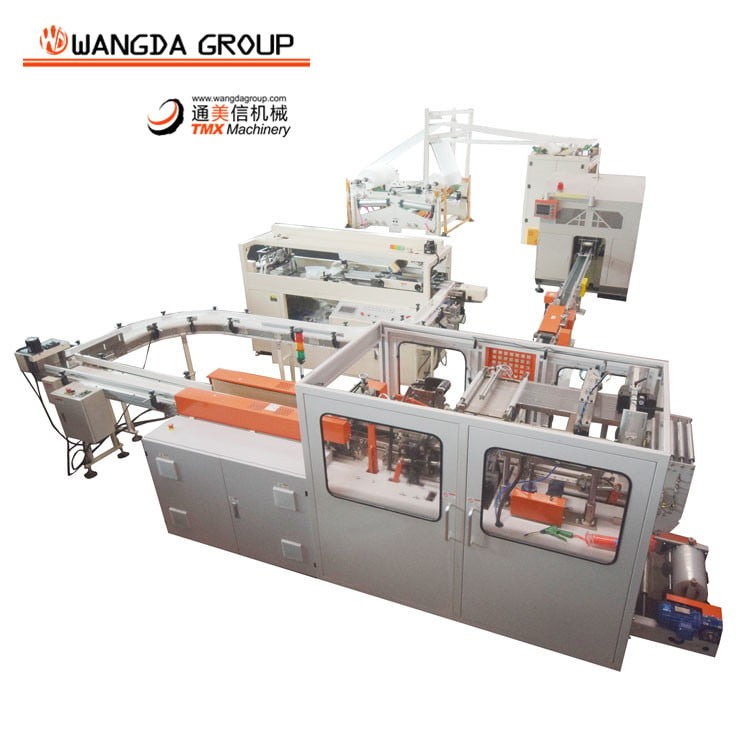
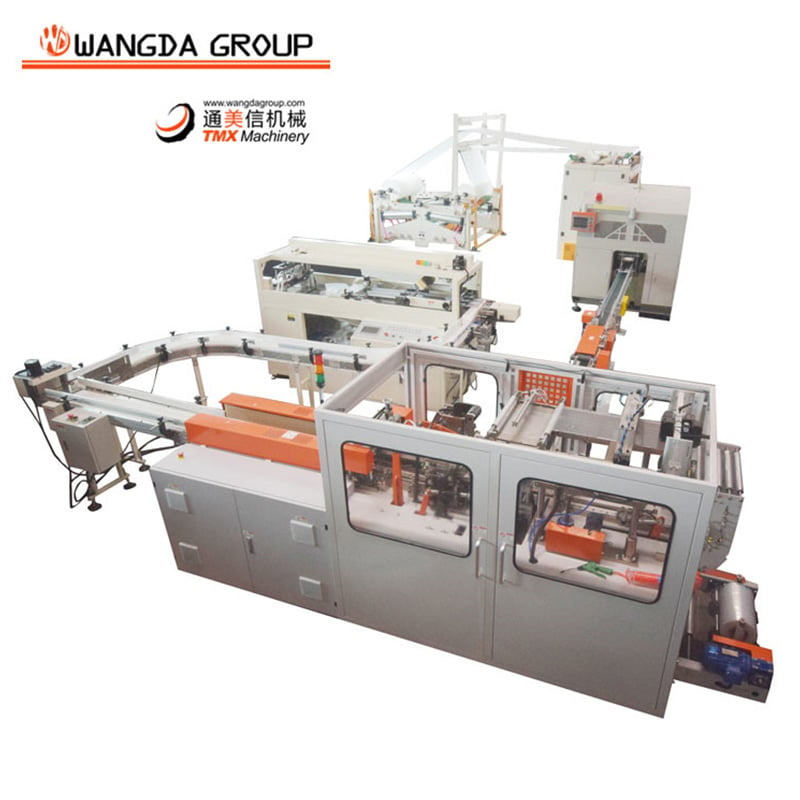
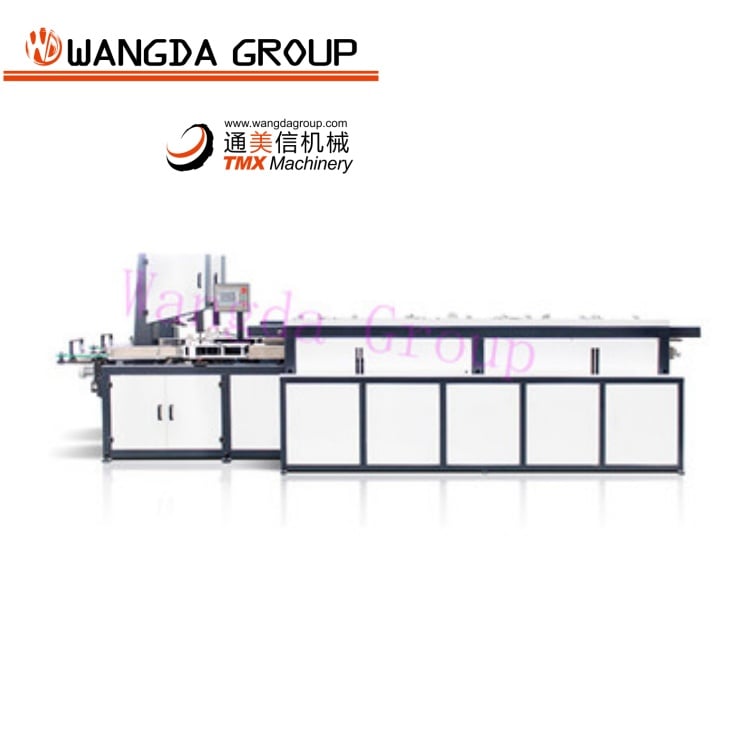
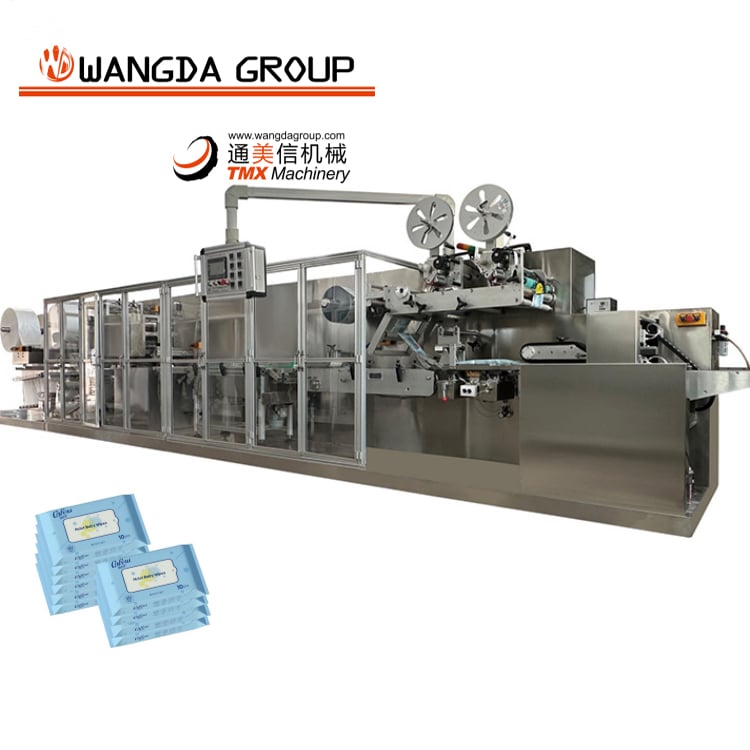
When it comes to sourcing tissue machines for your business, understanding the diverse options available is crucial. Tissue machines play a vital role in the production of hygienic paper products like napkin paper, facial tissue, handkerchief tissue, and toilet paper. For B2B buyers, including purchasing managers and distributors, the primary concerns often revolve around quality, cost-effectiveness, and suitability for specific applications. This article aims to provide insights into selecting the right tissue machines, key specifications to consider, and common challenges faced during the purchasing process.
Selecting the appropriate tissue machines requires a thorough assessment of your production needs. Factors such as production volume, product variety, and specific application requirements should guide your decision. For instance, if your business deals primarily with facial tissues, you might need a toilet tissue machine that specializes in producing thinner, softer paper. Alternatively, for toilet paper, a machine capable of handling thicker rolls might be required.
Moreover, consider the level of automation you desire. Full-servo production lines offer higher efficiency and precision, but they may come at a higher initial cost. Evaluate whether the investment in automation aligns with your production goals and budget constraints. Additionally, think about the machine's footprint and compatibility with your existing setup. Understanding these nuances can help you make a more informed choice that meets your wholesale needs effectively.

When evaluating tissue machines, several key specifications should be prioritized.
Production Capacity: This indicates the number of products the machine can produce in a given time. Knowing your anticipated demand helps in choosing a machine that can meet your production needs without causing delays.
Paper Quality: Specifications such as grammage, thickness, and softness are crucial. For example, facial tissues typically require a softer finish compared to toilet paper. Ensure the tissue machine can produce paper that meets your quality standards.
Customization Options: Consider whether the manufacturer offers customization capabilities. This could include adjustments to machine settings for different paper grades or sizes, ensuring that your production can adapt to changing market demands.
Energy Efficiency: In today’s market, energy consumption can significantly affect operating costs. Look for machines that offer energy-efficient designs to reduce long-term expenses.
Compliance and Certifications: Ensure that the machines comply with necessary industry standards and certifications, particularly if you plan to export your products.
Understanding these specifications not only helps in making the right choice but also ensures that your investment aligns with your operational goals.

Comparing tissue machine for cost-effectiveness goes beyond just evaluating the initial purchase price. Here are some critical factors to consider:
Total Cost of Ownership (TCO): This includes the purchase price, installation costs, maintenance expenses, and operational costs over the machine's lifespan. A lower initial cost might lead to higher long-term expenses if the machine requires frequent repairs or is less energy-efficient.
Supplier Reputation: Investigate the manufacturer’s reputation. A reliable supplier like Wangda Industrial Co., Limited, known for high-quality, certified machinery, can provide better support and service over time, which can save costs in the long run.
Warranty and Support: Assess the warranty offered with the machine. A longer warranty period may reflect confidence in the product's quality. Additionally, consider the availability of customer support and spare parts, as these can significantly affect operational continuity.
Flexibility and Upgradability: Machines that allow for future upgrades can be more cost-effective in the long run. If your production needs change, having the option to upgrade can save you from having to purchase an entirely new machine.
By evaluating these factors, buyers can make more informed comparisons that lead to cost-effective purchasing decisions.

When preparing to purchase tissue machines, there are several essential considerations:
Request for Quotation (RFQ): Be clear about your requirements when requesting quotes. Include specifics such as production capacity, machine specifications, and any customization needs.
Sample Approval: Before placing a large order, request a sample production run. This helps ensure that the machine meets your quality standards and operates as expected under real conditions.
Lead Times: Understand the lead time for production and delivery. This is critical for planning your operations and meeting customer demands.
Quality Control Processes: Inquire about the manufacturer's quality control measures. A reliable supplier will have stringent quality checks in place to ensure that the machines perform consistently.
Common Issues: Familiarize yourself with potential problems that may arise during operation. For instance, issues such as paper jams or inconsistent production quality can often be mitigated with proper training and maintenance.
By keeping these points in mind, buyers can navigate the purchasing process more effectively, ensuring that they choose a machine that aligns with their operational goals.
Wangda has more than 20 years experience in the Toilet paper roll making machine of all kinds of tissue machines, we pay much attention to the features of the machine and its quality, as well as in addition, after sales and pre-sales services. We've sold machines in over 100 countries. This has resulted in many repeat orders and good reviews from our clients. Wangda has its own R and D departments. Our machine is based on the latest Germany Japanese, Japan and Italian technology, and is upgraded day by day. Our machines have been certified to ISO9002, CE, BV and other certifications. We offer turnkey projects that span from A to Z, not just machines.
Wangda has Toilet roll manufacturing machine with various clients both from home and abroad. We have worked with large companies from GCC countries such as Fine Hygienic across different nations, Nesto Hypermarket, Top one and two hygienic producer Band G, the Meghna Groups of Bangladesh. Outnet Group from African countries. And as well, there are big European brand, American brands, Latin American brands we have cooperated for a great number of years. We have several factories outside of the United States that you can visit to look at our products which is more efficient. Also you are invited to come to our factory to see our products on the spot. We will be happy to answer your questions at any time, and we hope to begin our mutual benefit story right away.
Wangda manufactures Toilet roll manufacturing machine tissue machines (including cutting and packing), kitchen towels machines (including cutting and packing), facial tissue machines (including cutting and packing) bags of nylon facial tissues machines. We also manufacture maxi roll rewinding equipment as well as perforating machines.
Wangda has very professional with a long-standing sales team as well as an after-sales team, 80% of the team has worked for over 10 years in our company in the Toilet paper roll making machine industry. Our teams have much experience working with daily-use paper tissue machines, packing machines, and more Hygienic products machines We are experts in a range of expertise in this field, we think what our customer wants, we worry about what our customers are worried about. Our customers aren't just purchasing equipment from us, we also help them earn a profit from the hygiene-related business. We provide our clients with the after-sales services they require.
Tissue machines, like any industrial equipment, may encounter various challenges during operation. Here are some common issues and their solutions:
Paper Jamming: This can occur due to improper alignment, incorrect paper thickness, or wear and tear on components. Regular maintenance checks and ensuring proper setup can mitigate this issue.
Quality Variability: Fluctuations in paper quality can arise from inconsistent raw materials or machine settings. Establishing standardized operating procedures and conducting regular quality checks can help maintain consistent output.
Downtime: Unplanned downtime can significantly affect production schedules. Implementing a preventive maintenance program can help identify potential issues before they lead to machine failure.
Energy Inefficiency: Automatic tissue machine that consume excessive energy can lead to higher operating costs. Regular maintenance, such as cleaning and lubrication, can improve energy efficiency and reduce operational costs.
By understanding these common problems and their solutions, buyers can better prepare for potential challenges and ensure smoother operations.
In summary, selecting the right tissue machines requires careful consideration of various factors, including specifications, cost, and potential challenges. By equipping themselves with the right knowledge, B2B buyers can make informed decisions that enhance their production capabilities and meet their market demands effectively.