
 EN
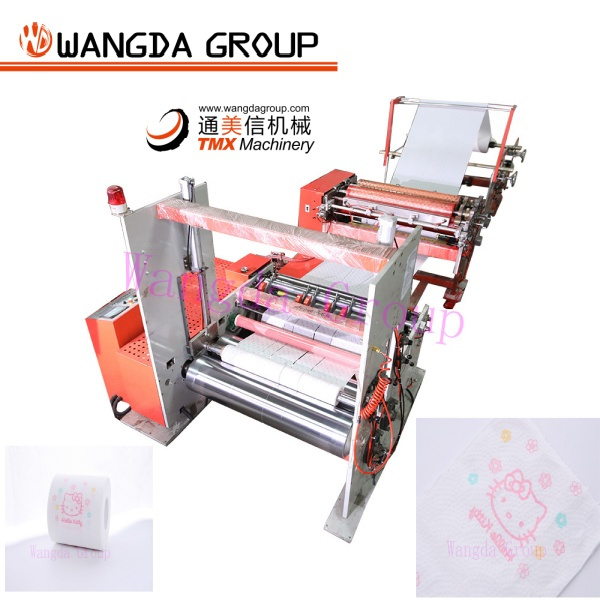
Understanding how tissue paper making machine tension control impacts finished tissue quality is crucial for manufacturers aiming to produce high-quality products. Tension control is a key factor that influences not just the texture and strength of the tissue but also its overall appearance and usability. For purchasing managers and product engineers, understanding the nuances of tension control can lead to better decision-making in machine selection and operational practices. This article will explore how tension control affects tissue quality, guide you in selecting the right system, discuss its impact on production costs, and provide insights into reliable suppliers.
Understanding How Tension Control Affects Tissue Paper Quality
Tension control in tissue paper manufacturing machine refers to the management of the tensile forces applied to the paper during production. Proper tension is essential for achieving uniform sheet formation, which directly impacts the tissue's softness, strength, and overall quality. An insufficiently controlled tension can lead to issues such as wrinkles, tears, and inconsistencies in thickness.
For instance, if the tension is too high, the tissue may become overly thin and prone to tearing during both production and end-use. Conversely, low tension can cause the sheets to be overly thick or unevenly formed, resulting in a product that does not meet quality standards. Therefore, precise tension control not only enhances the aesthetic appeal of the tissue but also ensures durability and functionality for the end-user.
How to Choose the Right Tension Control for Your Tissue Production
Selecting the right tension control system for your tissue production line involves evaluating several factors, including machine compatibility, production speed, and the specific characteristics of the tissue being produced. Most modern tissue paper making machines, such as those produced by Wangda Industrial Co., Limited, feature advanced full-servo tension control systems that provide precise adjustments throughout the production process.
When choosing a system, consider the following:
Machine Compatibility: Ensure that the tension control system is compatible with your existing machinery. Some machines may require specific tensioning mechanisms or have limits on the tension that can be applied safely.
Adjustability: A system that allows for easy adjustments can be beneficial, especially when producing different types of tissue products. Look for systems that offer programmable settings for various product specifications.
Feedback Mechanisms: Advanced systems may include sensors that provide real-time feedback on tension levels. This can help operators adjust settings on-the-fly to maintain optimal production quality.
Training and Support: Evaluate the level of training and support offered by the manufacturer. Proper training on how to operate and adjust the tension control system is crucial for maintaining quality standards.
The Impact of Tension Control on Tissue Paper Production Costs
Tension control not only affects the quality of tissue paper but also significantly influences production costs. Poor tension management can lead to increased waste, as defective sheets must be discarded, leading to higher material and operational costs. Furthermore, downtime due to machine adjustments or repairs necessitated by tension-related issues can lead to lost production time and financial losses.
Investing in high-quality tissue paper machine tension control systems can therefore mitigate these costs. For instance, systems that maintain consistent tension can reduce material waste and improve output efficiency, ultimately lowering the cost per unit of product. Additionally, by enhancing product quality, manufacturers can reduce returns and improve customer satisfaction, further supporting their bottom line.
Tension Control Insights
Effective tension control requires a combination of technology, machine settings, and operator expertise. It’s essential to regularly monitor and adjust tension settings based on the specific conditions of the production environment, such as humidity and temperature, which can affect paper characteristics.
Additionally, operators should be vigilant about regular maintenance of the tension control systems to ensure they are functioning correctly. This includes checking for wear and tear on components that might affect tension levels, such as rollers or belts. Implementing a proactive maintenance schedule can prevent costly downtime and ensure ongoing production quality.
Where to Find Reliable Suppliers for Tissue Paper Machines
Finding a reliable supplier for tissue paper machines, including those equipped with advanced tension control systems, is crucial for manufacturers. When sourcing suppliers, consider their experience in the industry, the technology they offer, and their track record in customer service and support.
Wangda Industrial Co., Limited, for example, is a reputable manufacturer that specializes in a wide range of hygienic product machines, including tissue paper making machine. With a focus on high-quality, certified machinery offered at competitive prices, they serve markets in the Middle East, Asia, Africa, and the Americas.
When evaluating suppliers, ask for references from other clients, review the types of machinery they have supplied, and inquire about their customization capabilities to ensure that they can meet your specific production needs. Additionally, consider requesting demonstrations or pilot runs to assess the equipment's performance in real-world conditions before making a commitment.
By understanding the implications of tension control on tissue quality, choosing the right systems, and identifying reliable suppliers, you can enhance your production processes and deliver superior tissue products to the market.