 EN
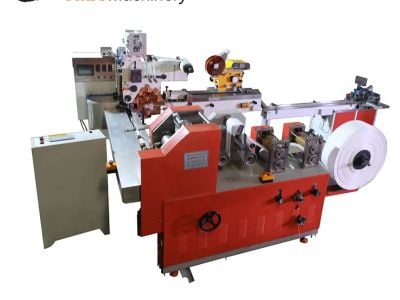
Understanding the fullauto face tissue machine's servo components is crucial for B2B buyers in the manufacturing sector. These components play a significant role in the efficiency and quality of tissue production lines. This article addresses key concerns for purchasing managers, engineers, and product managers, providing insights into supplier selection, quality evaluation, cost considerations, installation guidance, and comparisons of different servo components. By the end, readers will be better equipped to make informed decisions regarding their procurement of these essential machinery components.
How to Choose Reliable Suppliers for Servo Components in Tissue Machines?
When sourcing servo components for fullauto face tissue machines, supplier reliability is paramount. Start by identifying suppliers with a proven track record in the manufacturing industry, particularly those specializing in tissue production machinery. Look for companies that have extensive experience and positive customer feedback, especially regarding their servo components. Request information about their manufacturing capabilities, including the technology used and quality control processes. It's essential to verify if the supplier holds relevant certifications that ensure compliance with industry standards, which can indicate a commitment to quality. Engaging in conversations about customization options can also reveal the toilet tissue machine supplier's flexibility and ability to meet specific project requirements. Lastly, consider the supplier's geographical reach and export experience, especially if you are looking to source components internationally. A supplier with established logistics can ensure timely delivery, which is critical in maintaining production schedules.
Evaluating the Quality of Servo Components for Tissue Production
Quality is a crucial factor when evaluating servo components for tissue production machines. Begin by examining the materials used in the construction of these components. High-quality materials can improve durability and performance, reducing the likelihood of operational failures. Next, analyze the specifications of the servo motors and drives. Look for details such as torque ratings, speed capabilities, and efficiency levels. These specifications directly affect the machine's operational performance. For instance, a servo motor with higher torque may be necessary for applications requiring rapid changes in speed and direction. Inspection processes should also be a priority. Ensure that the components undergo rigorous testing, including functionality tests and stress tests, to confirm their performance under real working conditions. If possible, request samples to validate their quality before making bulk purchases.
Cost Factors to Consider When Sourcing Servo Components in Bulk
Cost is a significant factor in procurement decisions. When sourcing servo components for fullauto face tissue machines, consider not just the unit price but also the total cost of ownership. This includes potential maintenance costs, energy consumption, and the lifespan of the components. Bulk purchasing often provides opportunities for discounts, but be cautious of quality trade-offs. A low price may lead to higher long-term costs if the components fail prematurely or require frequent repairs. Additionally, factor in the costs associated with shipping and customs duties, especially for international purchases. Understanding the complete cost structure will enable you to make a more informed decision that balances budget constraints with quality requirements.
Installation Guidance for Fullauto Face Tissue Machine Servo Components
Proper installation of servo components is critical to ensuring optimal performance in fullauto face tissue machines. Begin by reviewing the manufacturer's installation manual thoroughly. This document often contains detailed instructions tailored to the specific components, which can help avoid common installation errors. Before installation, ensure that all necessary tools are on hand and that the installation area is clean and organized. It’s also beneficial to conduct a pre-installation inspection of the facial tissue machine to identify any potential issues that may impact the installation process. Consider enlisting the help of experienced technicians for installation, especially for complex components. Their expertise can help avoid costly mistakes and ensure that the components function as intended. After installation, conduct a trial run to confirm that the servo components are correctly integrated and performing to specifications.
Comparing Different Servo Components for Face Tissue Machines
When comparing servo components for fullauto face tissue machines, focus on key specifications that impact performance and compatibility. Begin by evaluating the torque and speed ratings of different servo motors. Higher torque motors can enhance acceleration and deceleration, critical for high-speed tissue production. Next, assess the control methods used for the servo drives. Some components utilize advanced algorithms for smoother operation, which can reduce wear and tear over time. Look for components that offer compatibility with existing toilet tissue machine price systems to ensure seamless integration. Finally, consider the manufacturer's support and warranty options. A comprehensive warranty can provide peace of mind, while responsive customer service can assist in troubleshooting any issues that arise post-purchase. By systematically comparing these factors, buyers can select servo components that best meet their operational needs and budget constraints.
Table of Contents
- How to Choose Reliable Suppliers for Servo Components in Tissue Machines?
- Evaluating the Quality of Servo Components for Tissue Production
- Cost Factors to Consider When Sourcing Servo Components in Bulk
- Installation Guidance for Fullauto Face Tissue Machine Servo Components
- Comparing Different Servo Components for Face Tissue Machines