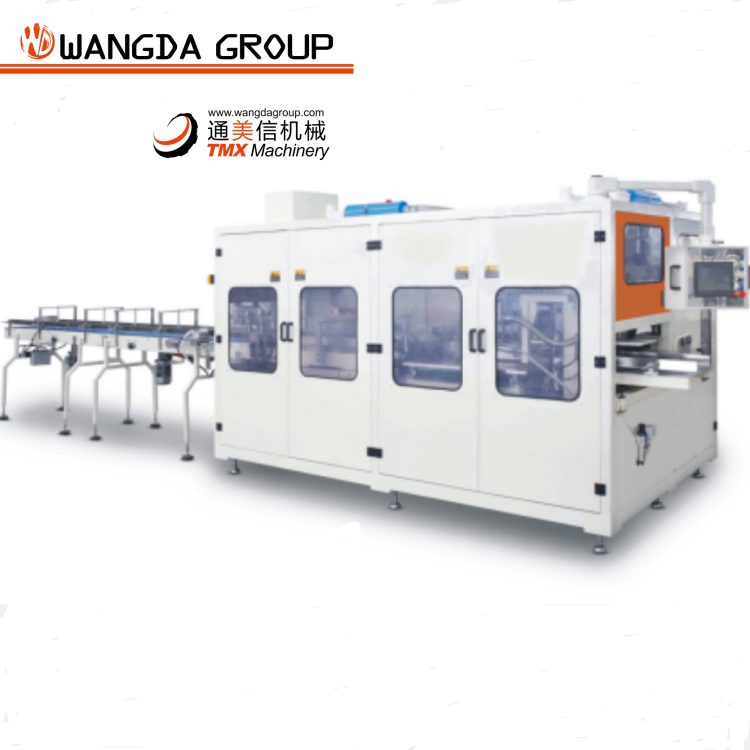
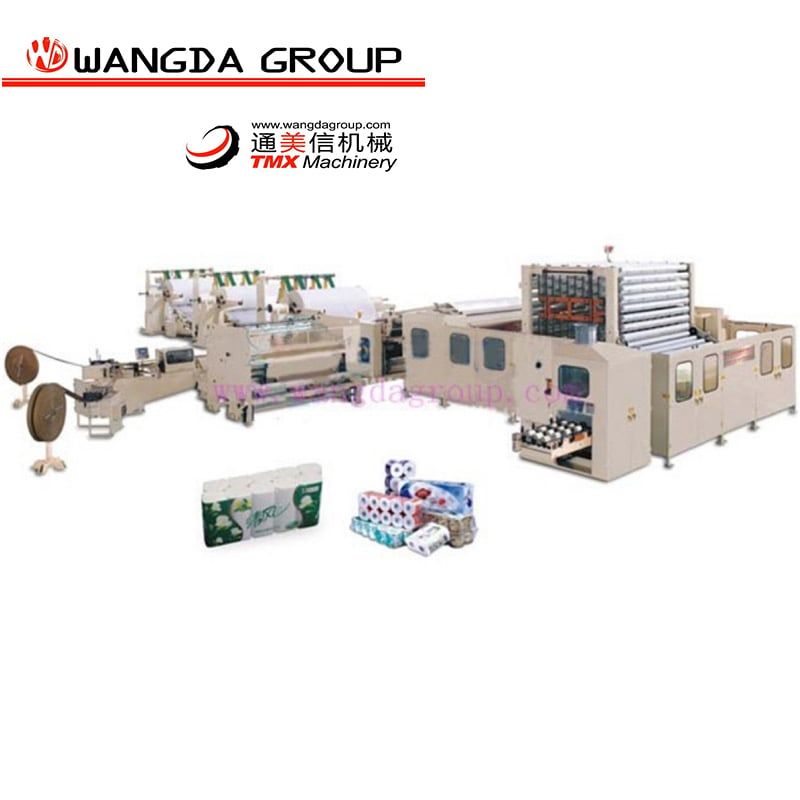
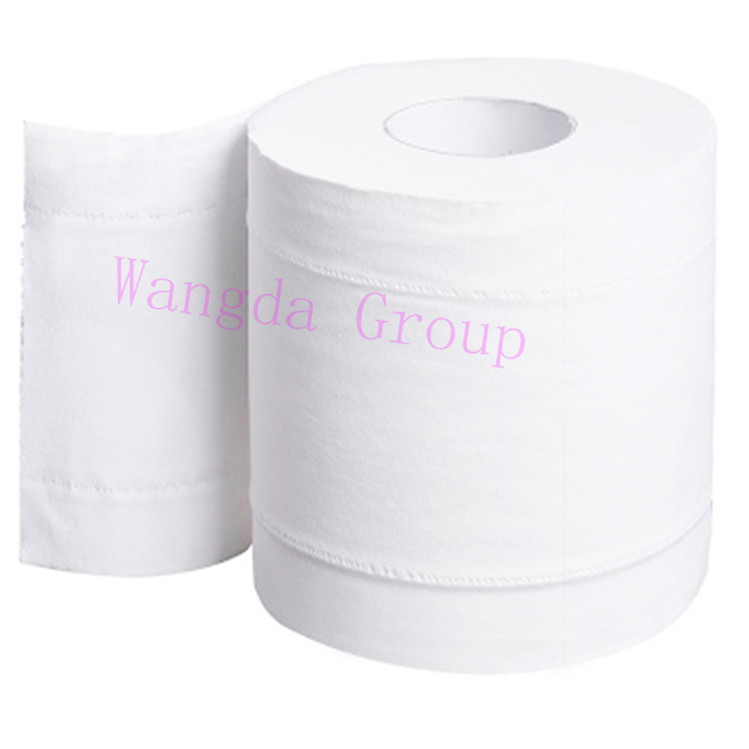
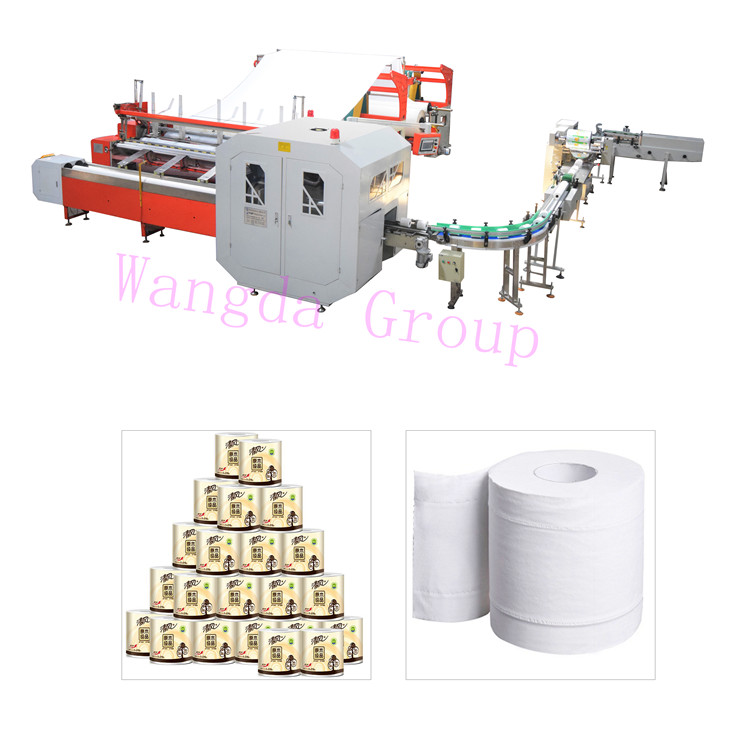
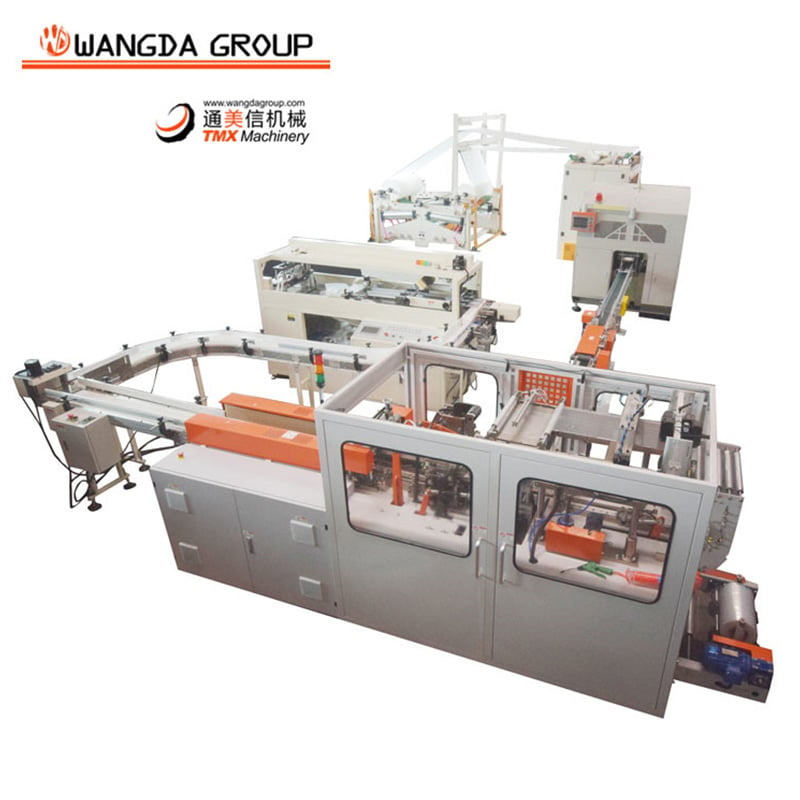
Toilet tissue making machines are essential for producing one of the most widely used hygiene products. In Nigeria, the demand for toilet paper has surged, leading to a growing interest among manufacturers and entrepreneurs in investing in toilet tissue making machines. This article will address key specifications, considerations for purchasing, supplier reliability, common issues, and market applications, helping potential buyers make informed decisions about their equipment needs.
When evaluating toilet tissue making machines, buyers should focus on several critical specifications that impact production efficiency and product quality.
Production Capacity: The production capacity, often measured in rolls per minute (RPM), is vital. Toilet tissue making machine with higher RPM can meet larger orders and help manage peak demand periods effectively.
Material Compatibility: The machine should accommodate various raw materials, such as recycled paper or virgin pulp, depending on the target market's quality requirements and cost considerations.
Automation Level: Full-servo production lines offer enhanced automation, reducing labor costs and improving production consistency. A higher degree of automation can also streamline the transition between different product sizes and specifications.
Energy Efficiency: Machines that utilize energy-efficient technologies can significantly reduce operational costs. Buyers should ask for energy consumption data and consider how these figures align with their budget and sustainability goals.
Size and Footprint: The machine's dimensions are crucial for space planning in the manufacturing facility. Buyers should ensure that the equipment fits within their operational layout while allowing for maintenance access.
Certifications: Look for machines that meet international quality and safety standards. Certifications can be indicative of the machine's reliability and the manufacturer's commitment to quality.
Understanding these specifications will equip buyers to compare different models and make informed choices that align with their production goals.

When purchasing tissue production equipment, several key factors should guide the decision-making process:
Supplier Reputation: Research potential suppliers thoroughly. Look for reviews, testimonials, and case studies that highlight their reliability and customer service.
Customization Options: Many manufacturers offer customization options to cater to specific needs. This could include adjustments in production speed, machine size, or features that support specialized products like embossed or scented tissue.
After-Sales Support: Reliable after-sales support, including installation, training, and maintenance services, is essential. Make sure the supplier provides a comprehensive support package to minimize downtime and ensure smooth operations.
Sample Approval: Before committing to a purchase, request sample production runs. This allows buyers to assess the machine’s performance and the quality of the end product, ensuring it meets market standards.
Total Cost of Ownership: Consider not only the initial purchase price but also the long-term operational costs, including energy consumption, maintenance, and potential downtime. A lower upfront cost might lead to higher operational expenses over time.
By focusing on these elements, buyers can choose equipment that not only meets their immediate production needs but also supports long-term business growth.

Finding a reliable supplier for toilet paper making machine prices in Nigeria involves several strategic steps:
Industry Networks: Engage with industry associations, trade shows, and online forums to connect with reputable manufacturers and distributors. Networking can provide valuable insights and recommendations.
Request for Quotation (RFQ): Prepare a detailed RFQ specifying your requirements, including machine specifications, production capacity, and additional features. A well-defined RFQ can attract serious suppliers who can meet your needs.
Factory Visits: If feasible, conduct factory visits to observe the manufacturing processes and quality control measures in place. This firsthand insight can help assess the supplier's capabilities and commitment to quality.
Check References: Ask potential suppliers for references from previous clients. Speaking directly with these clients can provide insights into the supplier's reliability, service quality, and product performance.
Evaluate Trade Terms: Ensure that the supplier offers favorable trade terms, including payment options, delivery timelines, and warranty conditions. Clear terms can prevent misunderstandings and protect your investment.
By following these steps, buyers can identify trustworthy suppliers who can provide quality machinery and support their production goals.

While toilet tissue making machines are designed for efficiency, buyers should be aware of common issues that may arise during operation and how to address them:
Paper Jamming: One of the most frequent problems, paper jams can disrupt production. Regular maintenance, including cleaning rollers and checking alignment, can help minimize this issue. Operators should also be trained to identify and resolve jams quickly.
Quality Variability: Inconsistent product quality can stem from improper material handling or machine settings. Implementing strict quality control measures and regularly calibrating machines can ensure consistent output.
Mechanical Failures: Wear and tear on machine components can lead to unexpected breakdowns. Buyers should ensure that suppliers provide quality components and have readily available spare parts. A preventive maintenance schedule can also prolong machine life.
High Operational Costs: Machines that consume excessive energy or materials can erode profit margins. Buyers should assess the efficiency ratings of machines and consider upgrades or modifications that enhance energy savings.
By proactively addressing these common issues, manufacturers can maintain smooth operations and improve overall efficiency.
Wangda has more than 20 years of experience manufacturing tissue machines. We pay attention to the quality of machines, their function as well as pre and post sales service. We've sold machines to over 100 countries. This has resulted in numerous orders and good feedback from our customers. Our R and D department is a part of Wangda. We have our own R and D departments. Our machines are constantly upgraded and are incorporating the latest technology of Germany, Japan, and Italy. They have received ISO9002, CE and BV certifications. We offer turnkey projects that span from Toilet paper machine that includes more than machines.
Wangda has Toilet roll manufacturing machine with various clients both from home and abroad. We have worked with large companies from GCC countries such as Fine Hygienic across different nations, Nesto Hypermarket, Top one and two hygienic producer Band G, the Meghna Groups of Bangladesh. Outnet Group from African countries. And as well, there are big European brand, American brands, Latin American brands we have cooperated for a great number of years. We have several factories outside of the United States that you can visit to look at our products which is more efficient. Also you are invited to come to our factory to see our products on the spot. We will be happy to answer your questions at any time, and we hope to begin our mutual benefit story right away.
Wangda Tissue paper making machine toilet tissue machines (including cutting and packing), kitchen towel machines (including cutting and packing) facial tissue machines (including cutting and packing) as well as nylon bag facial tissues machines. We also make maxi roll rewinding equipment as well as perforating machines.
Wangda is a highly professional and knowledgeable sales staff and after-sales team, 80% of the team has been in Toilet tissue machine for more than 10 years in our company in this hygiene-conscious product industry. Our team has a wealth of experience in the daily use of paper tissue machines, related packing machines and many other Hygienic products machines We have a wide range of professional expertise in this field, we are aware of what our customers wants, we worry about what our customers worry about. We not just sell the machines to our clients, but we help our customers earn money through this business of hygienic products, to provide the lifelong after-sale services to our customers at the right time.
In Nigeria, the applications of toilet tissue machine extend beyond basic hygiene products. The increasing awareness of hygiene and sanitation has led to a diverse market for various tissue products.
Residential Use: The primary application remains residential, with households increasingly recognizing the importance of hygiene. This creates a steady demand for quality toilet paper.
Commercial Establishments: Businesses ranging from hotels to restaurants require high-quality tissue products for their facilities. This sector demands bulk orders and customized options, providing opportunities for manufacturers.
Healthcare Sector: Hospitals and clinics require hygienic tissue products for patient care. Manufacturers can explore partnerships with healthcare providers to supply specialized products that meet stringent health regulations.
Retail Distribution: With the rise of retail chains, manufacturers can tap into various distribution channels, including supermarkets and online sales, expanding their market reach.
Sustainable Products: With growing environmental awareness, there is an opportunity to produce eco-friendly tissue products made from recycled materials. This aligns with global trends towards sustainability, appealing to environmentally conscious consumers.
Understanding these applications allows manufacturers to tailor their products and marketing strategies to meet the specific needs of different market segments, enhancing their competitiveness in the Nigerian market.