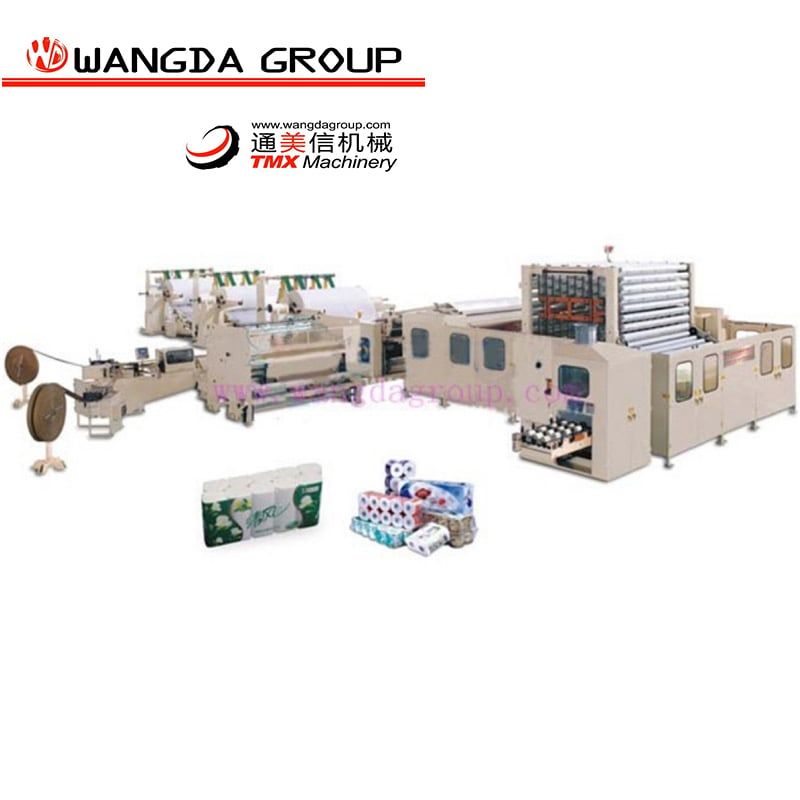
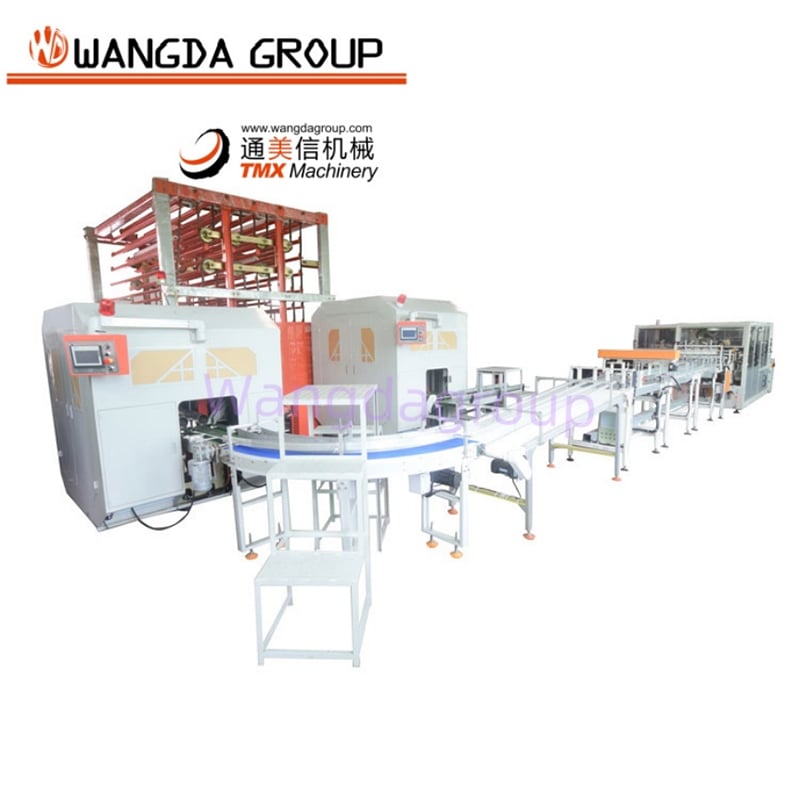
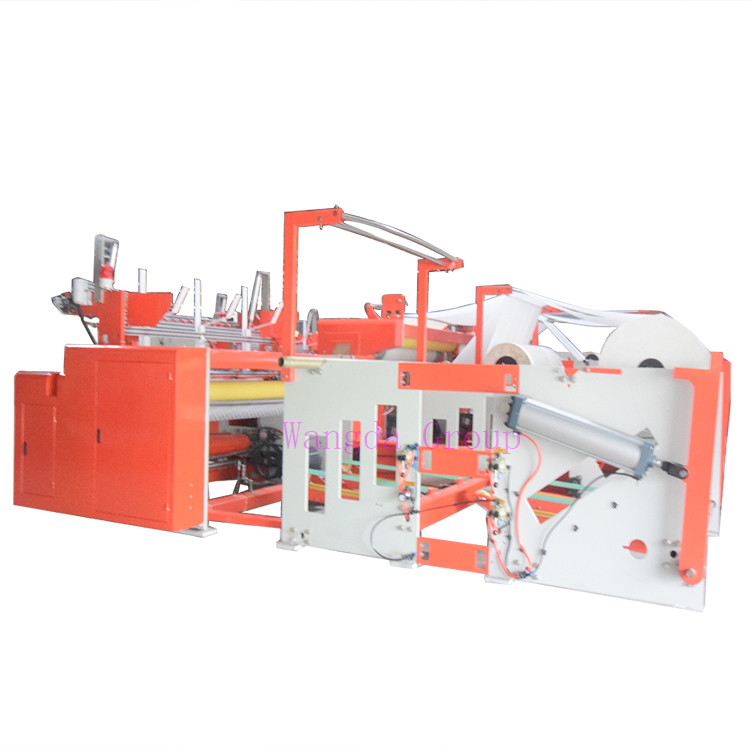
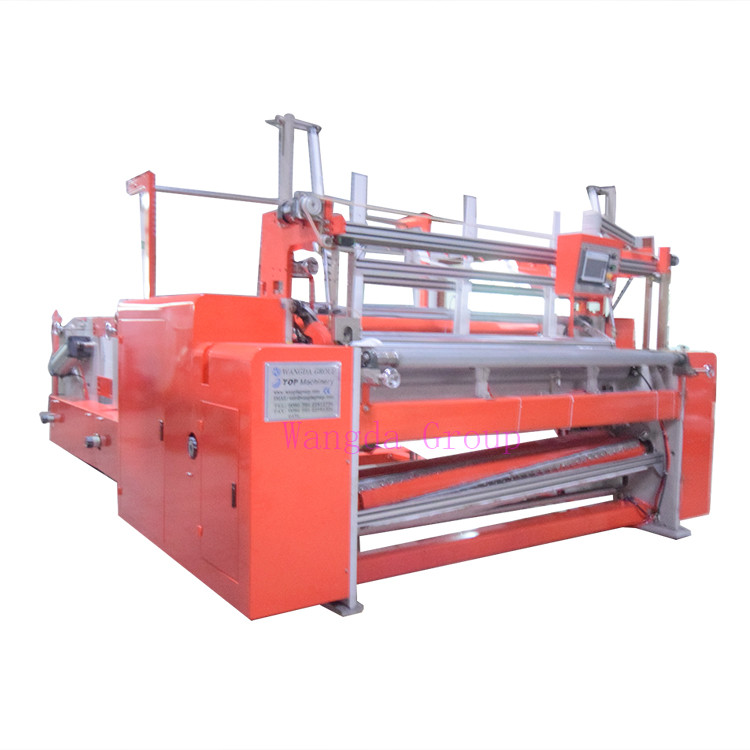
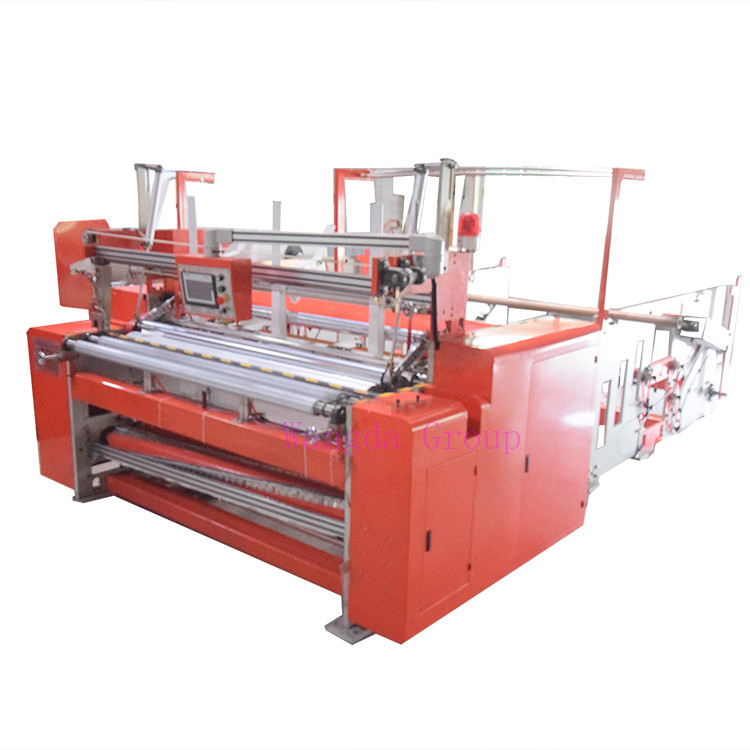
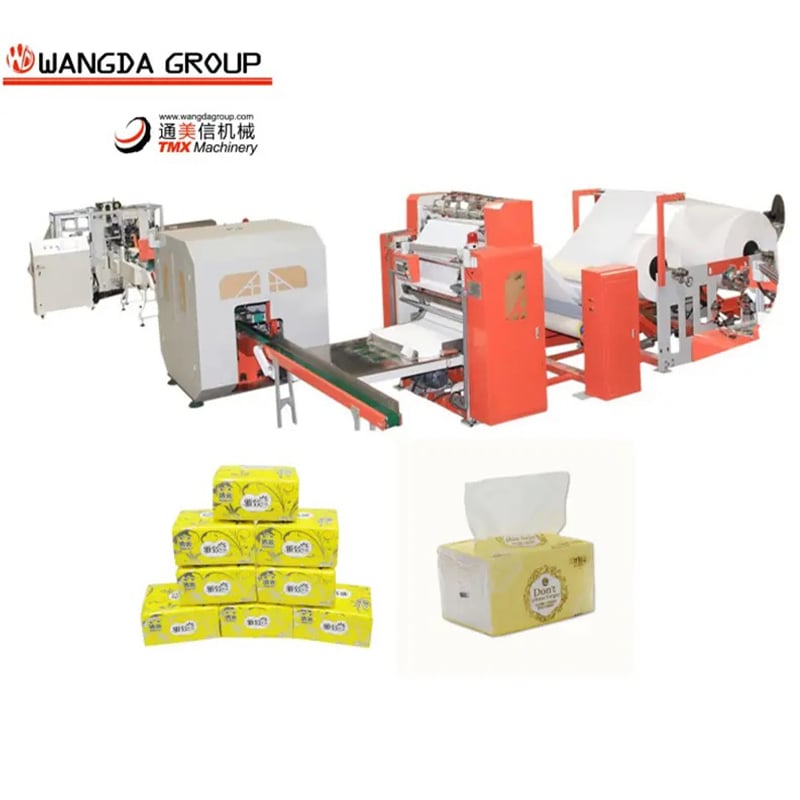
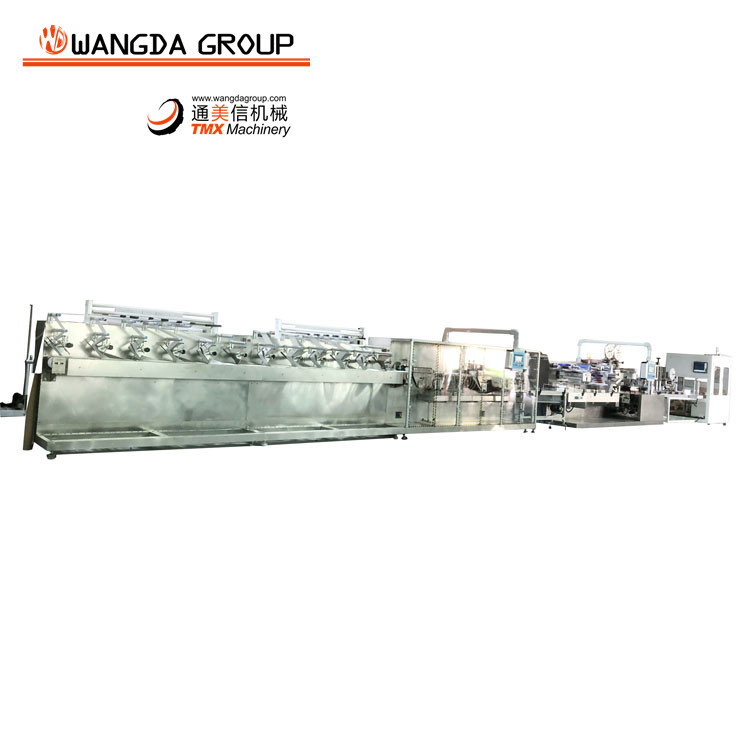
Toilet roll production lines are specialized systems used to manufacture toilet paper efficiently and at scale. For businesses in the hygiene sector, selecting the right production line is crucial as it impacts product quality, operational efficiency, and overall profitability. Buyers often have concerns about reliability, cost, and the technical specifications of the machinery. This article aims to toilet roll manufacturing machine guide purchasing managers and decision-makers in understanding key considerations when evaluating toilet roll production lines, highlighting supplier reliability, cost factors, common production challenges, and the advantages of full-servo equipment.
When selecting a supplier for a toilet roll production line, buyers should prioritize several critical factors. Firstly, assess the supplier's manufacturing experience and capabilities. A company like Wangda Industrial Co., Limited, which specializes in hygienic product machines, offers a breadth of experience across various product lines, ensuring they understand the nuances of production. Next, consider the quality certifications that the supplier holds. Certifications can indicate adherence to industry standards and quality control processes, which are vital for ensuring consistent product output. Additionally, investigate the supplier's track record in exporting to your region. A supplier with experience in your target market may be better equipped to address local regulations and customer preferences. Finally, explore the customization capabilities of the toilet roll making machine supplier. Different markets may require specific features or dimensions for toilet paper products. A reliable supplier should be able to adapt their machinery to meet these unique requirements, thereby enhancing production flexibility.

Cost comparison for toilet roll production lines involves evaluating various factors beyond just the initial purchase price. Start by looking at the total cost of ownership, which includes installation, maintenance, and operational expenses. For example, full-servo production lines may have higher upfront costs but can lead to lower operational costs due to higher efficiency and reduced waste. Another critical aspect is the production capacity. Ensure that the line you choose aligns with your expected output volumes and take into account the maximum operational efficiency it can achieve. This can help you avoid over-investment in machinery that exceeds your needs. Lastly, consider the return on investment (ROI). Analyze how quickly you can expect to recoup your investment through cost savings and increased production output. Request detailed quotes from multiple suppliers that break down these costs to facilitate a thorough comparison.

Toilet roll production lines can encounter several common issues that may disrupt operations. One significant challenge is machinery breakdown, which can lead to costly downtime. Regular maintenance schedules and the use of quality parts can help mitigate this risk. Setting up a preventive maintenance program ensures that wear and tear are addressed before they lead to breakdowns. Another issue is inconsistent product quality, which can arise from variations in raw materials or machine settings. Implementing strict quality control measures, including regular product inspections and adjustments based on real-time data, can significantly enhance the consistency of the final product. Additionally, buyers should be aware of the toilet roll machine potential for material waste during production. Utilizing advanced technologies, such as those found in full-servo systems, can optimize material usage and improve yield, reducing waste and lowering costs.

Full-servo toilet roll production lines offer numerous advantages over traditional systems. One of the primary benefits is increased precision in production. Full-servo technology allows for more accurate control of the manufacturing process, resulting in higher-quality products with fewer defects. Moreover, these systems typically require less manual intervention, which can lead to improved production efficiency and lower labor costs. The automation provided by full-servo equipment means that your team can focus on more strategic tasks rather than routine machine operation. Additionally, full-servo production lines often feature enhanced flexibility. This flexibility allows manufacturers to produce varying product sizes and specifications without significant downtime for machine reconfiguration. As market demands shift, this adaptability can be crucial for maintaining competitiveness.
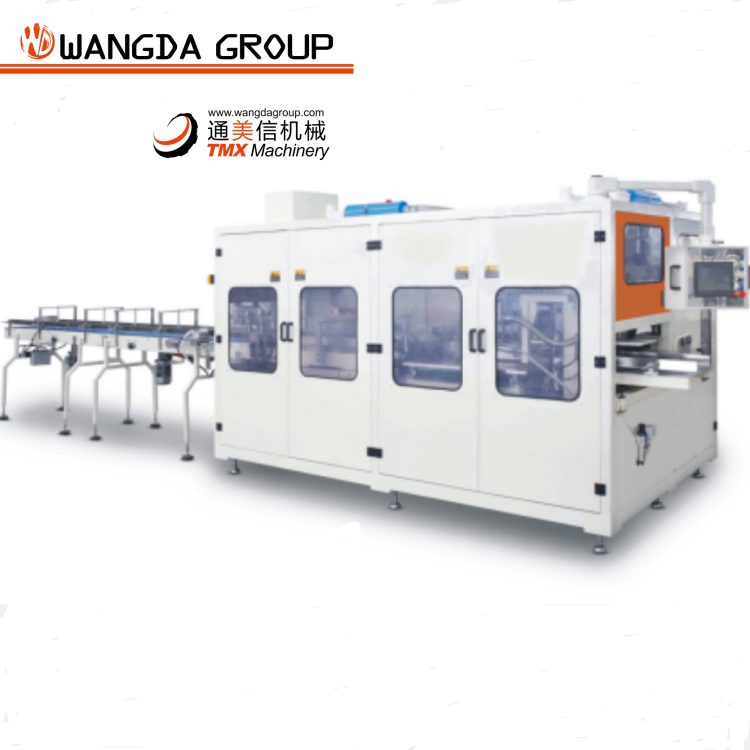
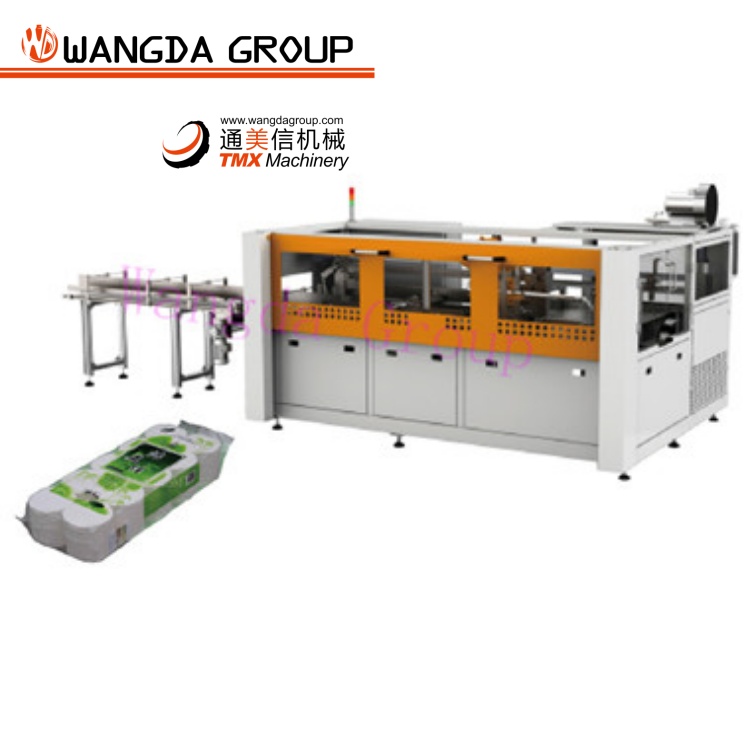
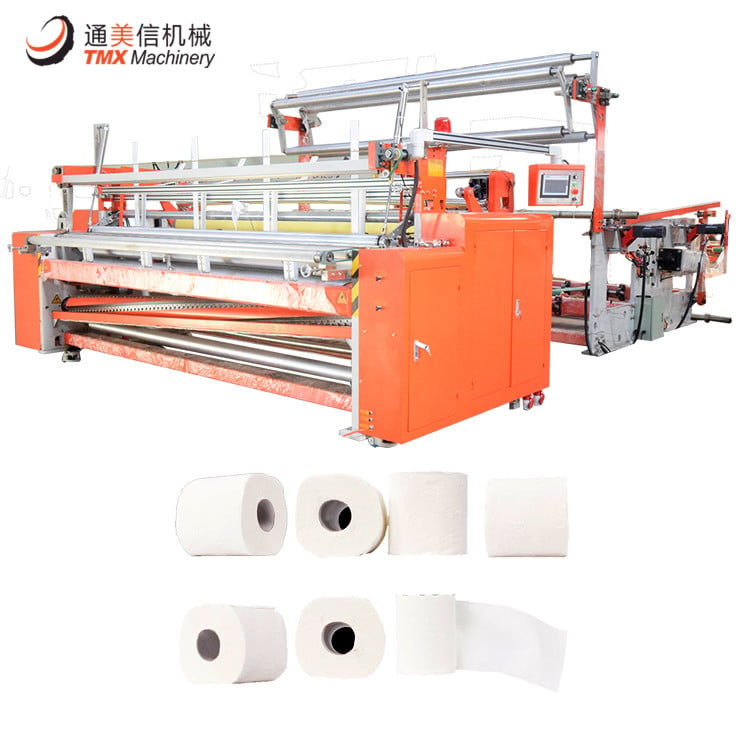
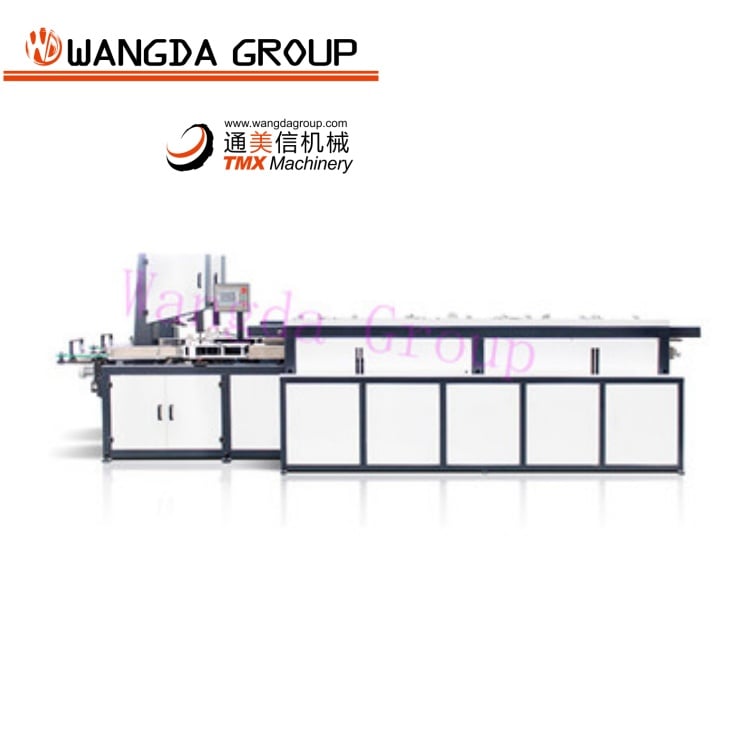
Wangda manufactures toilet tissue machines (including cutting and packing), Tissue paper machine (including cutting and packing), facial tissue machines (including cutting and packing) as well as nylon bag facial tissues machines. We also produce maxi roll rewinding as well as perforating machines.
We've worked with many clients, both Tissue paper machine home and abroad.
Wangda has over 20 years of manufacturing tissues machines. We pay close attention to the quality of machines, their function and pre and post sales service. We have sold machines in more than 100 countries, which has won us many repeat orders and good reviews from our clients. Wangda has our own R and D departments. Our machines are based on advanced Germany Japanese, Japan and Italian technology and is keeping updated day by day. Our machines have been certified to ISO9002, Tissue paper manufacturing machine, BV and others certifications. We offer turnkey solutions that span from A to Z Not just machines.
Our after-sales and sales teams are extremely Toilet paper manufacturing machine and skilled. About 80% of our team has been working in the field of hygienic products for over 10 years. We understand what our customers want and what they worry. Our customers aren't only purchasing our machines We also assist them to profit in this business of hygienic items. We provide our customers with the services after-sales they need.
The choice of materials in toilet roll manufacturing significantly influences product quality and performance. Common materials include virgin pulp, recycled paper, and various additives that enhance softness or strength. Each option has its own set of benefits and trade-offs. For instance, virgin pulp typically produces softer and more absorbent toilet paper, appealing to consumers. However, it may present higher costs and sustainability concerns. On the other hand, recycled paper can be more cost-effective and environmentally friendly, though it may not achieve the same level of softness or absorbency. When selecting materials, buyers should also consider the intended application and target market. Understanding the performance requirements, such as tensile strength and printability for branding, is essential in making the right choice. Moreover, it's advisable to consult with suppliers about material compatibilities and potential performance impacts, ensuring the final product meets customer expectations. In summary, making an informed decision when selecting a toilet roll production line involves careful evaluation of supplier reliability, cost factors, common production challenges, the benefits of full-servo technology, and material selections. By focusing on these aspects, businesses can improve their operational efficiency and product quality, ultimately leading to greater customer satisfaction and profitability.