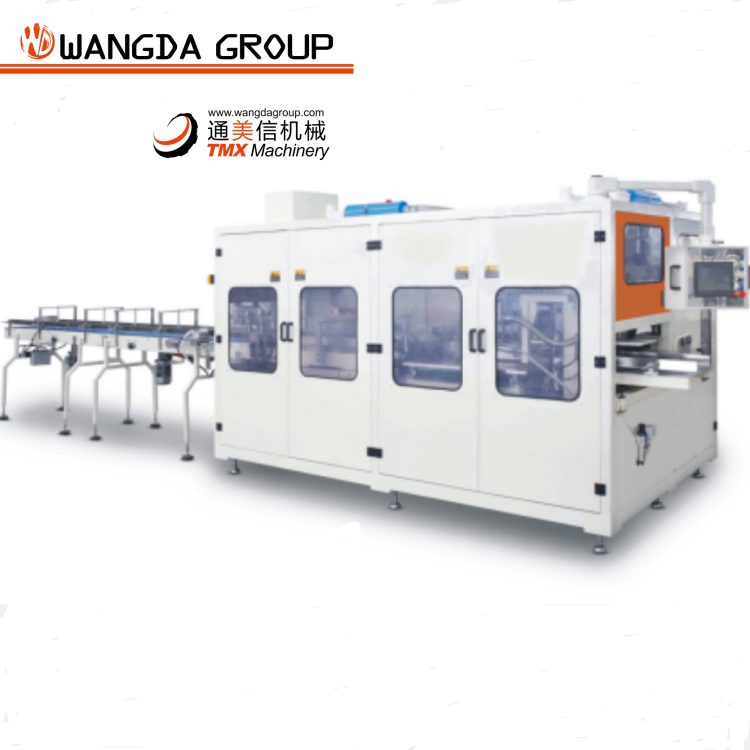
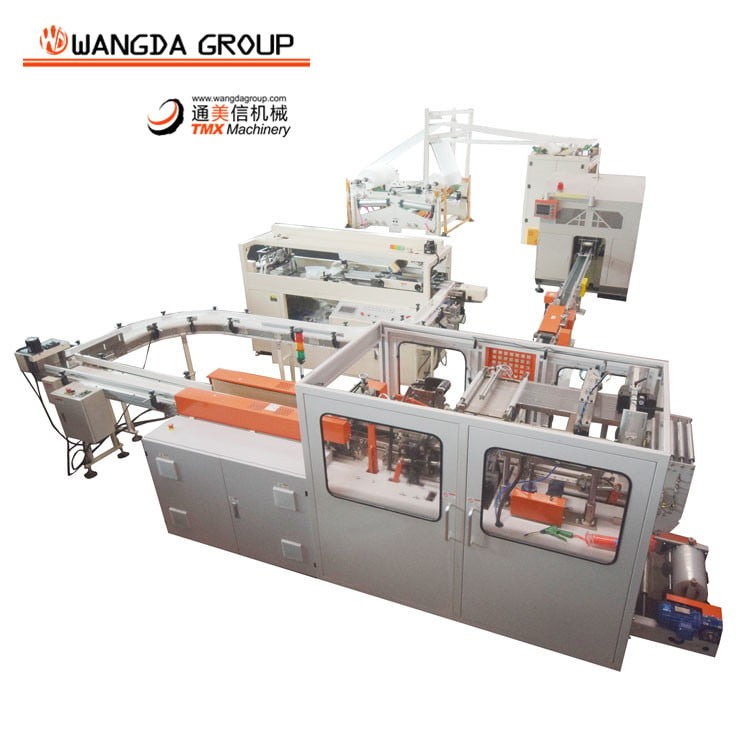
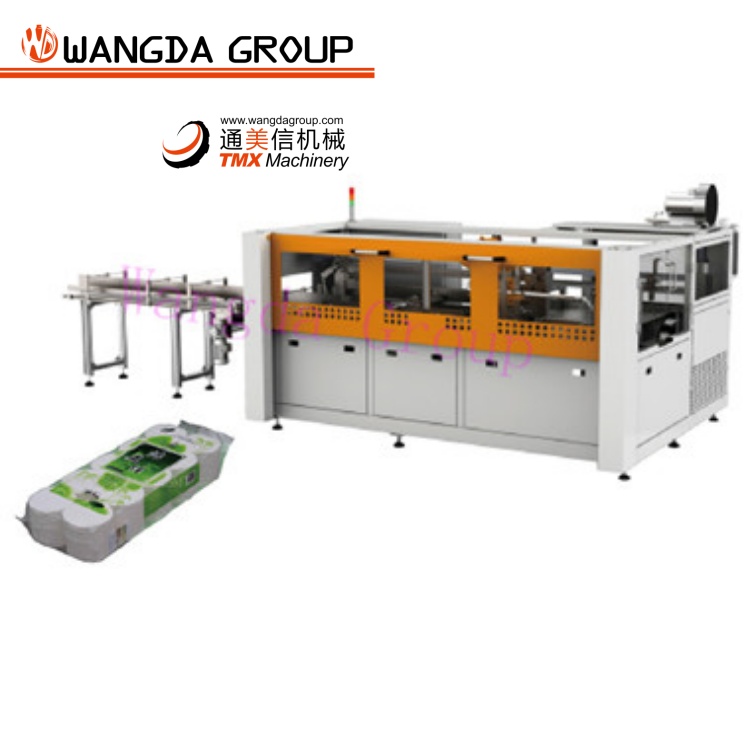
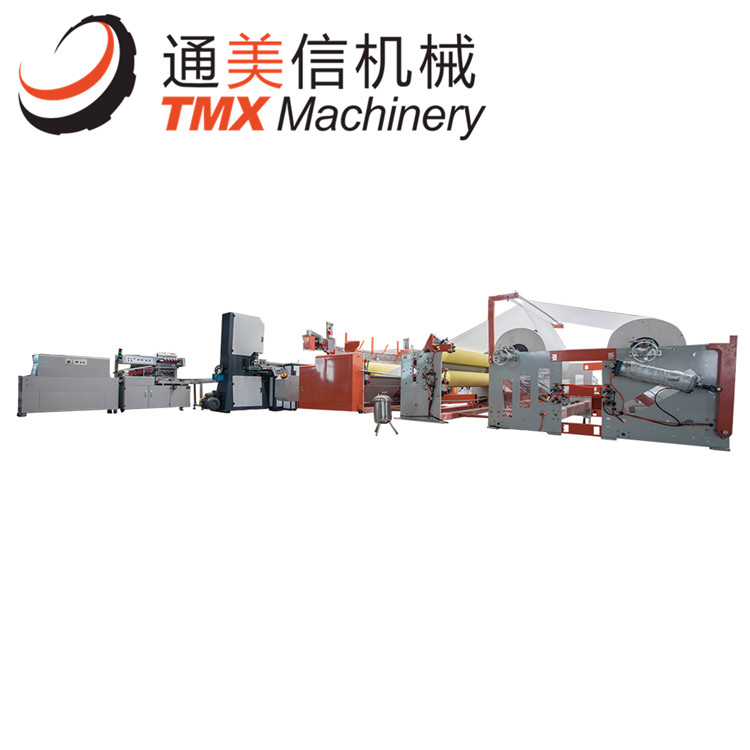
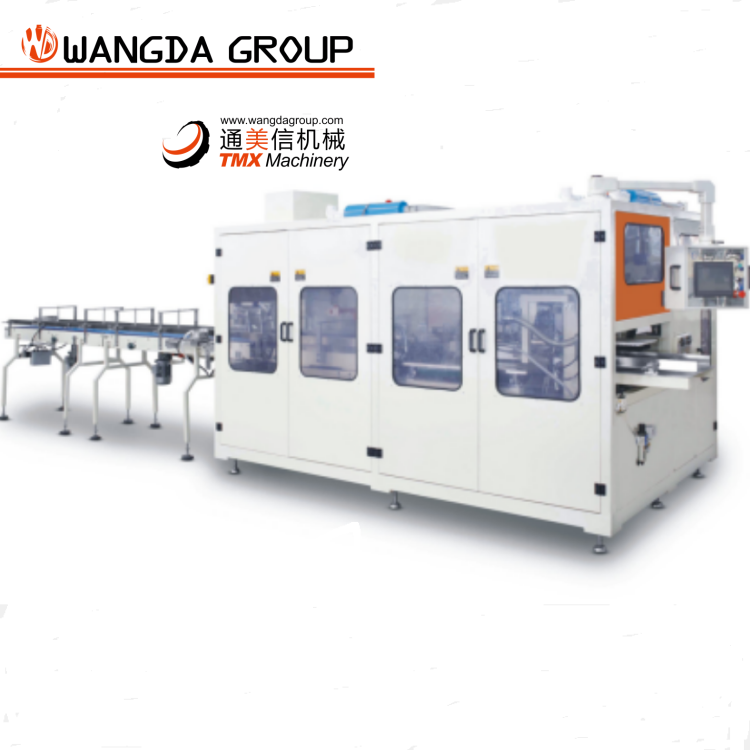
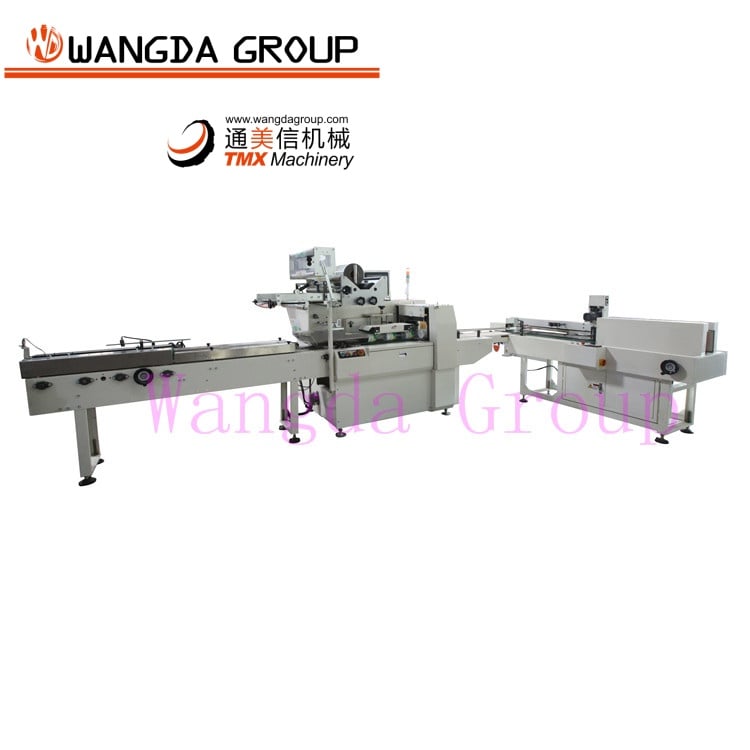
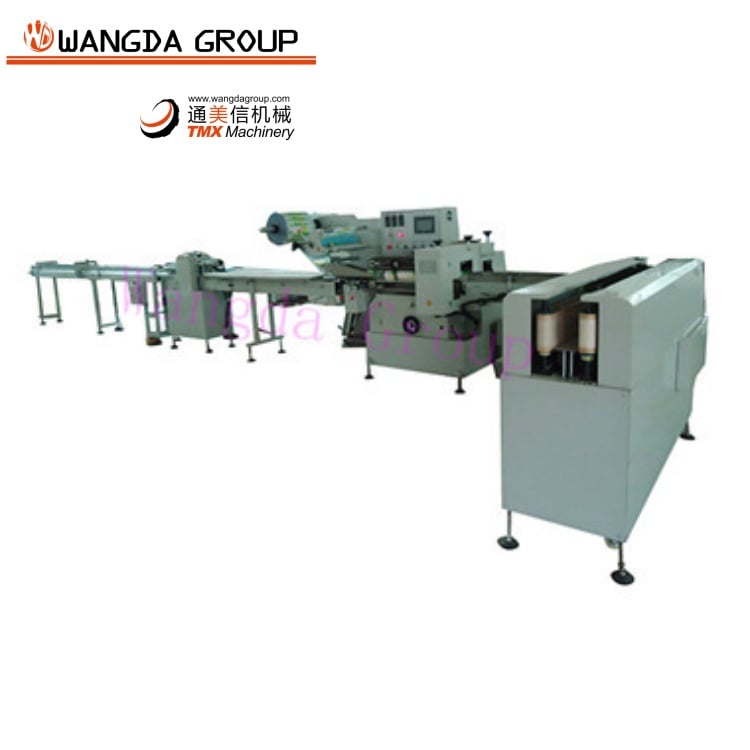
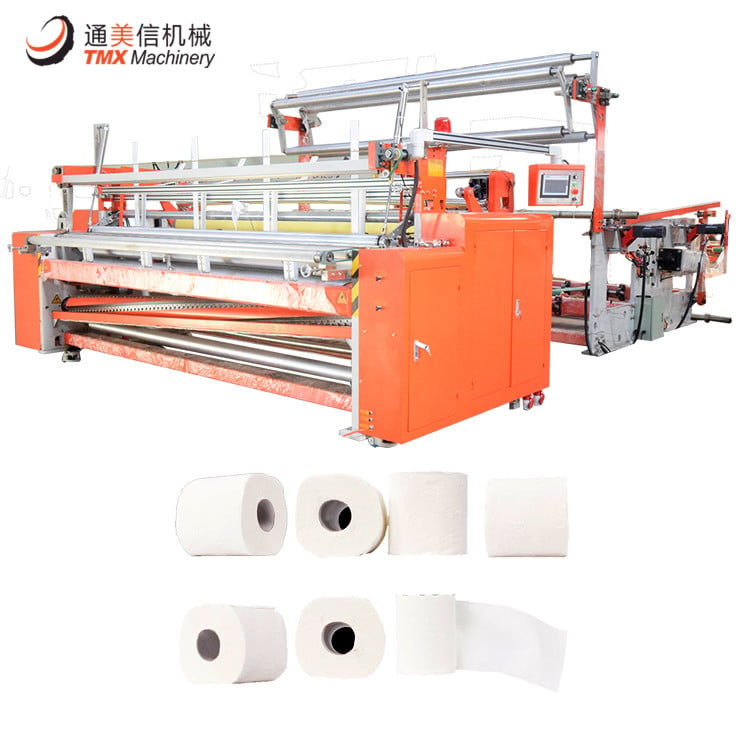
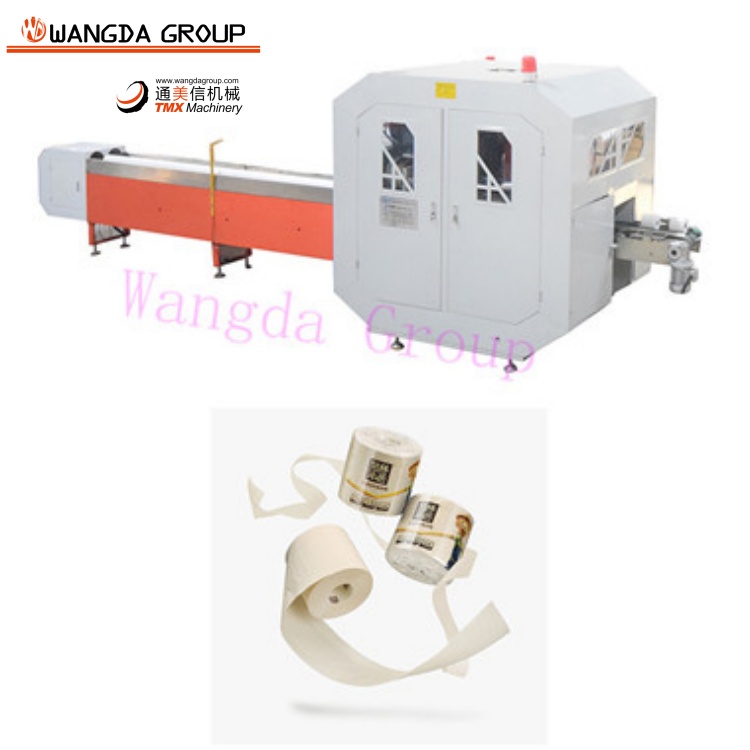
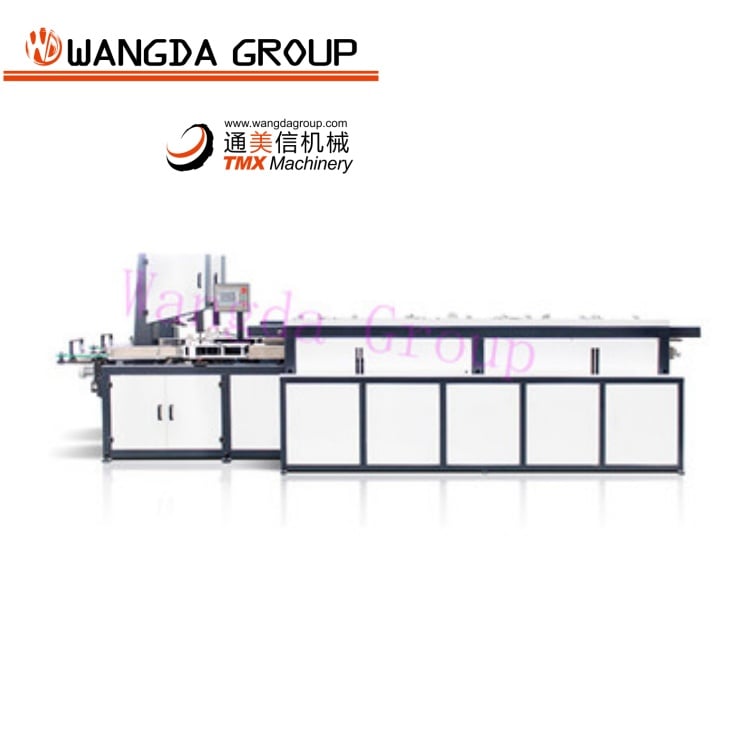
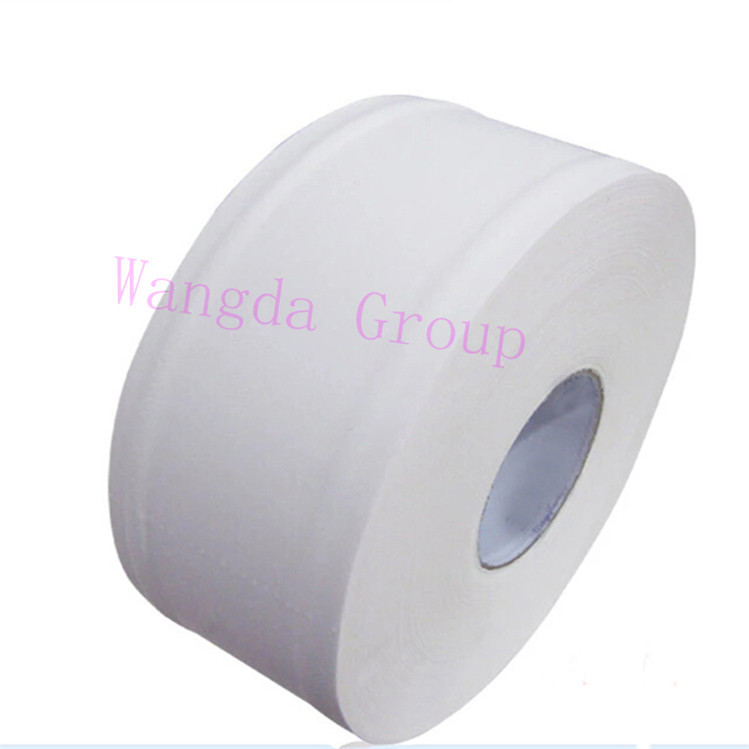
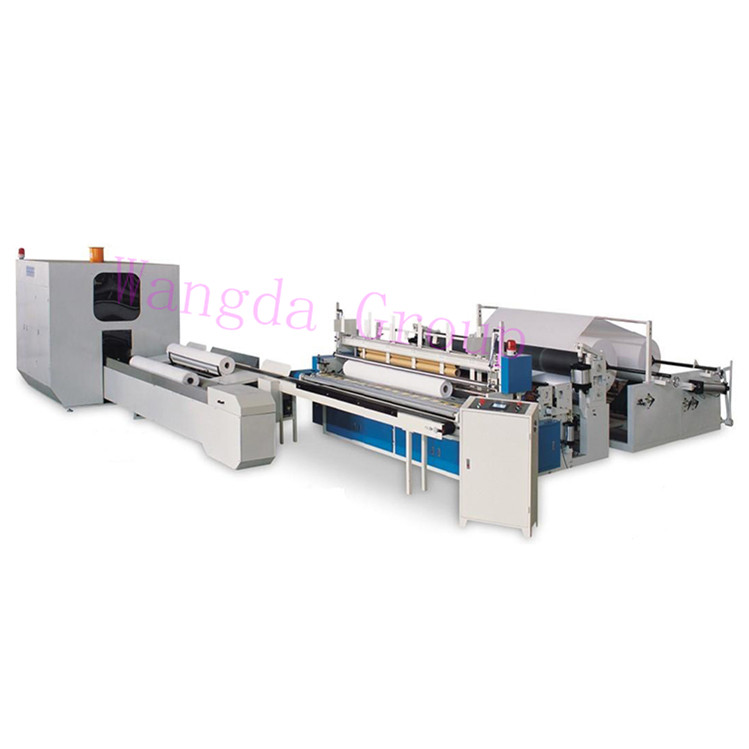
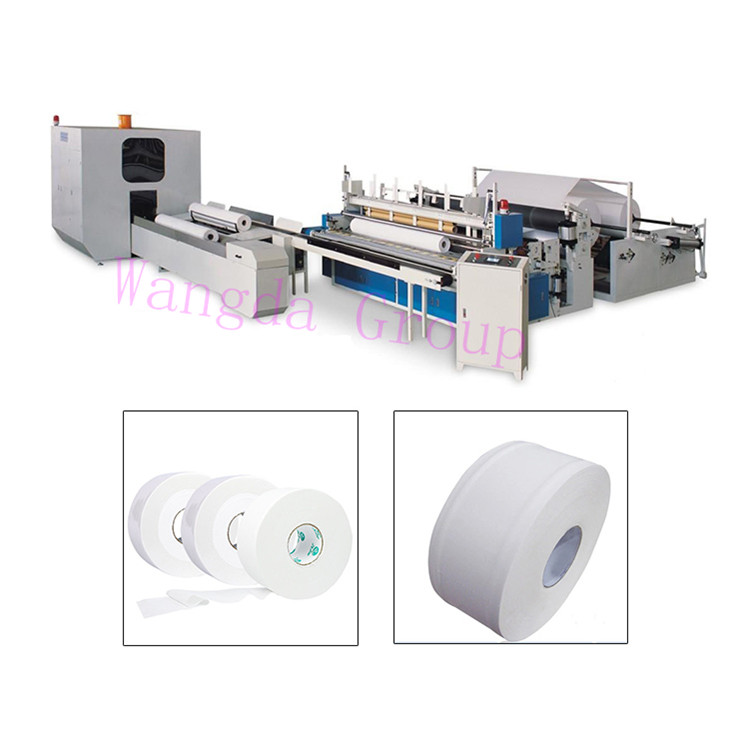
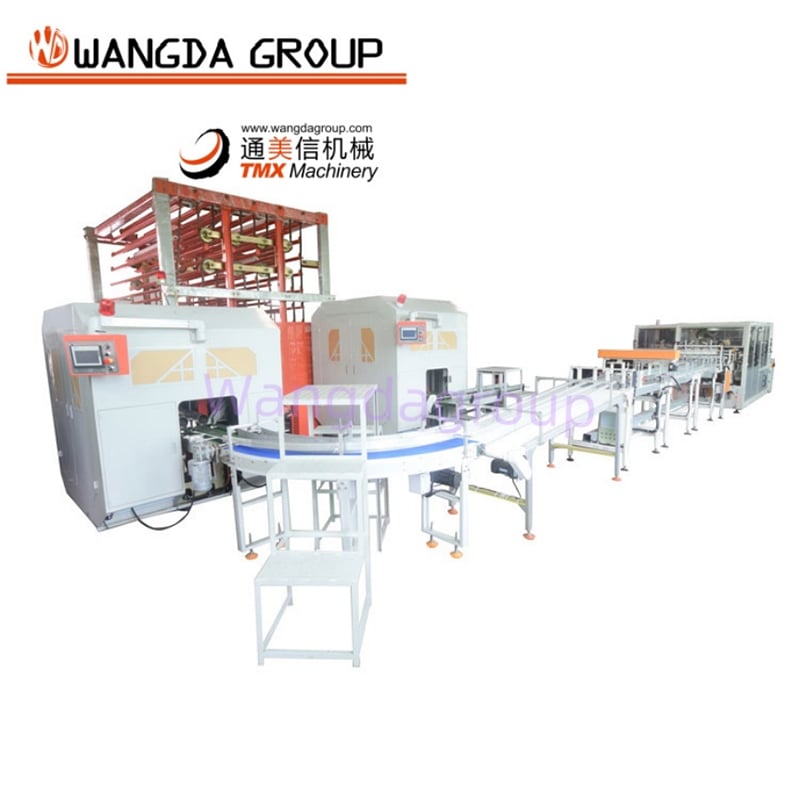
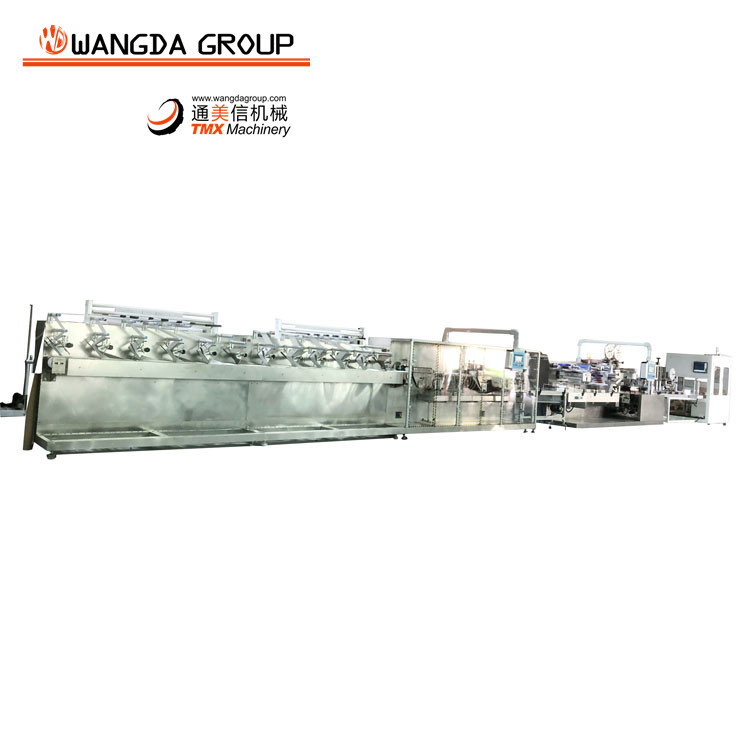
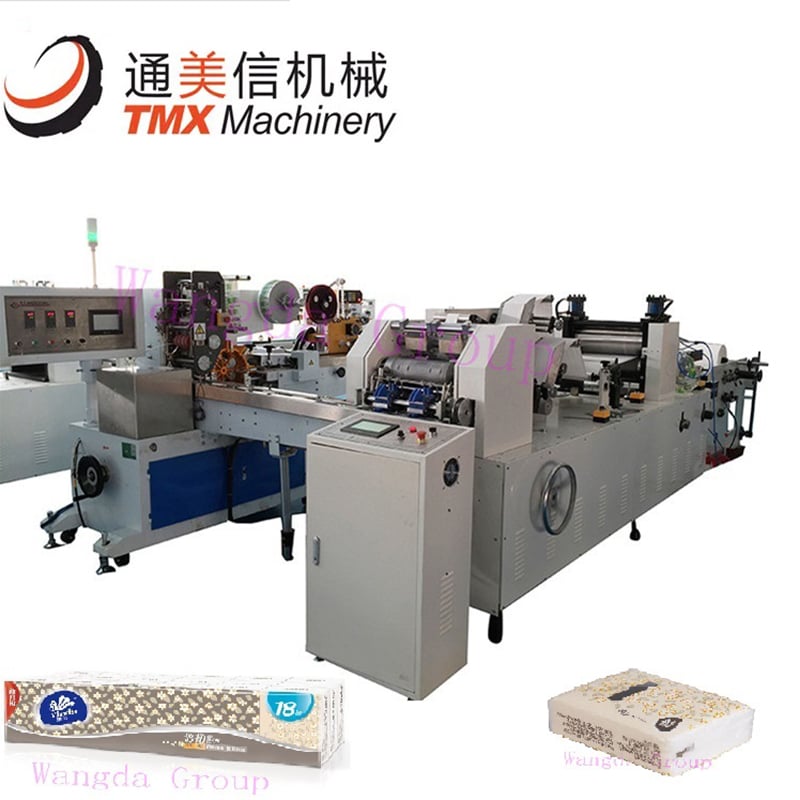
Toilet paper manufacturing plants are specialized facilities designed to produce toilet paper efficiently and at scale. For buyers, understanding the intricacies of selecting the right manufacturing equipment is crucial, as it directly impacts production quality, operational efficiency, and overall profitability. , we will explore key considerations when choosing toilet paper manufacturing equipment, sourcing reliable suppliers, essential specifications, common manufacturing problems, and the diverse applications of toilet paper across various industries.
When selecting toilet paper manufacturing equipment, several factors should influence your decision. First, consider the production capacity required to meet your demand. Equipment must be capable of producing the desired volume without compromising quality or speed. Additionally, assess the technology level of the machinery. Full-servo production lines, for instance, provide high precision and automation, reducing labor costs and minimizing waste.
Another critical aspect is the compatibility of the machinery with different types of raw materials. The choice of pulp, for example, can affect the final product's texture and strength. Buyers should also evaluate the flexibility of the production line to accommodate various product sizes and specifications, allowing for easy adaptation to market changes.
Quality certifications are essential for ensuring that the machinery adheres to industry standards. Look for equipment that has been certified for safety and efficiency. Finally, consider the after-sales support and service offered by the manufacturer, as reliable technical assistance can significantly reduce downtime and toilet paper machine costs.

Sourcing reliable suppliers for toilet paper production involves a thorough vetting process. Start by researching manufacturers that specialize in hygienic product machinery. Look for suppliers with a strong reputation in the industry, as well as positive customer reviews and testimonials. Attending trade shows and industry exhibitions can also provide valuable networking opportunities to meet potential suppliers.
Once you've identified a shortlist of suppliers, request detailed quotations that include pricing, lead times, and terms of service. Pay attention to their ability to offer customization options, as many buyers require specific machinery configurations to meet unique production needs.
Conducting factory visits can further enhance your evaluation. Observing the manufacturing process firsthand will give you insights into quality control measures and overall operational efficiency. Additionally, verify their export experience, especially if you are considering international suppliers, as this can impact shipping logistics and import regulations.

High-quality toilet paper machines must meet specific technical specifications to ensure efficient and reliable production. Key specifications include:
Production Speed: Measured in meters per minute, this indicates how quickly the machine can produce toilet paper rolls. A higher speed generally leads to increased productivity.
Roll Width and Diameter: Different markets may require various roll sizes. The tissue paper making machine should be capable of producing standard widths, typically between 1,000 mm to 3,000 mm, and diameters that meet customer requirements.
Ply Count: The number of layers in the toilet paper can affect softness, strength, and absorbency. Machines should be able to produce single-ply, two-ply, or even three-ply products based on market demand.
Energy Efficiency: Modern machines should be energy-efficient to minimize operational costs. Look for equipment with low energy consumption ratings without compromising performance.
Automation Features: Full-servo technology is increasingly popular, providing precise control over the production process, reducing labor intervention, and enhancing quality consistency.
Quality Control Systems: Advanced machines often feature integrated quality control systems that monitor production parameters in real-time, ensuring that the final product meets specified standards.
Understanding these specifications will enable buyers to make informed decisions and select machinery that aligns with their production goals.
Toilet paper manufacturing can present several challenges, but understanding these issues and their solutions can help minimize disruptions:
Material Quality Variance: Inconsistent raw material quality can lead to production issues such as poor texture or strength. Implementing a robust quality control system during material selection and testing can mitigate these problems.
Machine Downtime: Equipment failures can halt production. Regular maintenance schedules and having a dedicated technical support team can reduce downtime significantly.
Production Waste: Excessive waste during the production process can inflate costs. Utilizing advanced tissue paper manufacturing machine with better precision and automation can help reduce waste and improve efficiency.
Logistical Challenges: Delays in raw material supply or finished product distribution can impact overall production timelines. Establishing reliable supplier relationships and optimizing logistics processes can address these concerns.
Compliance Issues: Regulatory compliance regarding environmental and safety standards is crucial. Manufacturers should stay updated on regulations and ensure that their processes are compliant to avoid penalties.
By proactively addressing these common problems, manufacturers can enhance their operational efficiency and product quality.
Wangda is a highly professional and knowledgeable sales staff and after-sales team, 80% of the team has been in Toilet tissue machine for more than 10 years in our company in this hygiene-conscious product industry. Our team has a wealth of experience in the daily use of paper tissue machines, related packing machines and many other Hygienic products machines We have a wide range of professional expertise in this field, we are aware of what our customers wants, we worry about what our customers worry about. We not just sell the machines to our clients, but we help our customers earn money through this business of hygienic products, to provide the lifelong after-sale services to our customers at the right time.
Wangda Toilet paper machine toilet tissue machines (including cutting and packing), kitchen towel machines (including cutting and packing) facial tissue machines (including cutting and packing) as well as nylon bag facial tissues machines. We also make maxi roll rewinding equipment as well as perforating machines.
Wangda has over 20 years of experience manufacturing all sorts of Tissue making machine, we focus on the machine functions and quality and additionally, we provide after-sales and pre-sales services. We have sold machines in over 100 countries. This has earned us repeated orders and positive feedback from our customers. Wangda is our own R and D departments. Our machines are based on advanced Germany, Japan and Italian technology and is updated day by day. Our machines have passed ISO9002, CE, BV and other certifications. We provide turnkey projects all the way from A to Z that includes more than machines.
Wangda has cooperated with Toilet paper making machine both from the home country and abroad. We have collaborated with major groups from GCC countries such as Fine Hygienic from several nations, Nesto Hypermarket, Top One and Two hygienic product manufacturer B and G, Meghna Groups of Bangladesh. Outnet Group from African countries. And as well, there are large European brands, American brands, Latin American brands we have worked with for a great number of years. We have a number of sample factories outside of the United States that you can visit to look at our products. This is more convenient. Also we invite you to visit our factory to experience our products right at the moment. We will be happy to answer your questions anytime, and hope to begin our mutual benefit story asap.
Toilet paper serves a vital role across multiple industries and markets. Its primary application is, of course, in residential settings. However, it is also extensively used in commercial environments, including:
Hospitality Sector: Hotels and restaurants require high-quality toilet paper for guest satisfaction. The demand for premium products in this sector is on the rise.
Healthcare Facilities: Hospitals and clinics need soft, absorbent toilet paper that meets stringent hygiene standards. Product safety and certification are paramount in this industry.
Educational Institutions: Schools and universities require cost-effective toilet paper solutions for their facilities. Bulk purchasing often plays a significant role in this market segment.
Public Restrooms: High-traffic areas like shopping malls and airports need robust toilet paper solutions that can withstand frequent use. Durability and cost-effectiveness are key considerations.
Industrial Use: Some industries utilize specialized toilet paper that may include features like extra absorbency or specific ply counts tailored for their operational needs.
By understanding these diverse applications, manufacturers can better tailor their products and marketing strategies to meet the specific demands of different sectors.
selecting the right toilet paper manufacturing plants involves careful consideration of equipment specifications, supplier reliability, and an understanding of the challenges and applications within the industry. By focusing on quality and efficiency, businesses can position themselves for success in a competitive market.