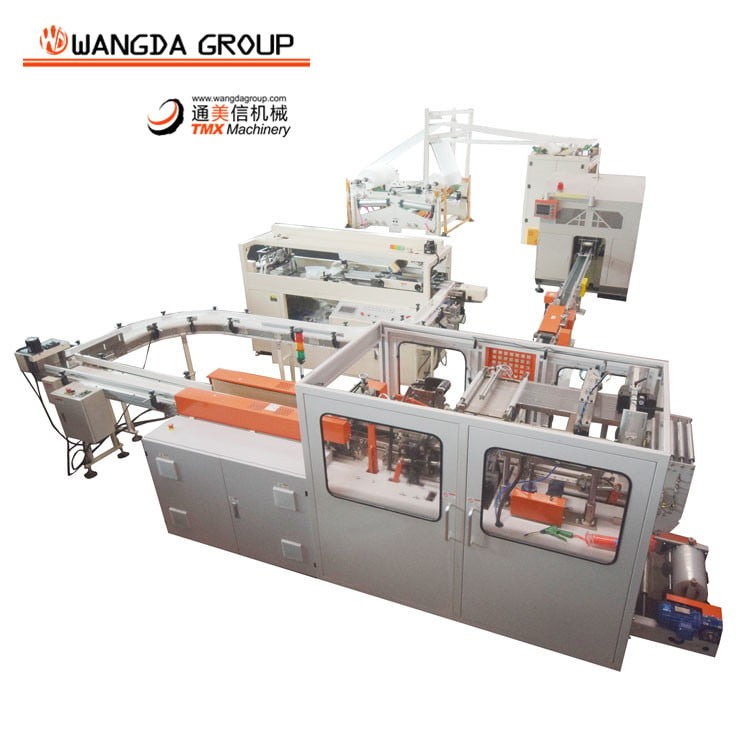
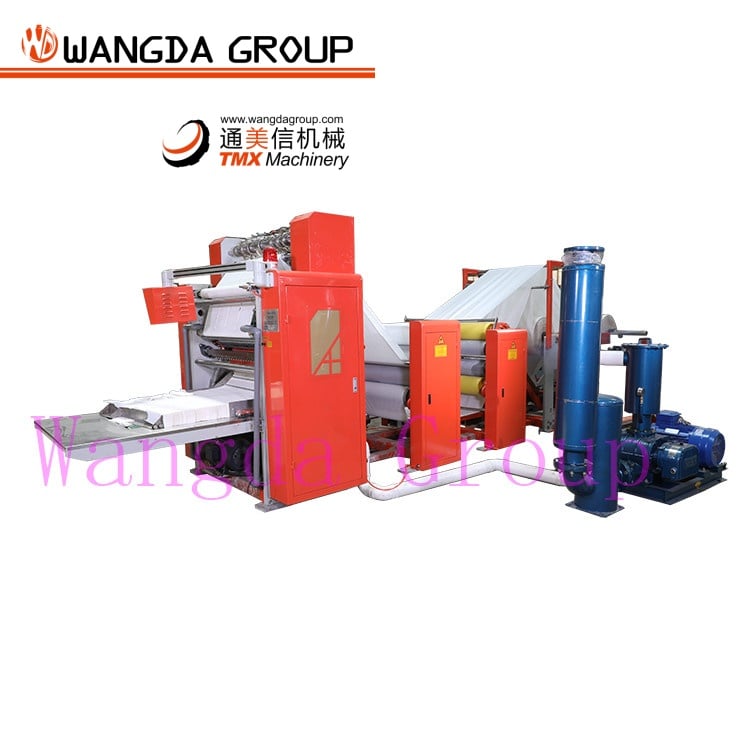
Toilet paper making machines are essential for producing one of the most widely used hygiene products in the world. In the USA, businesses looking to invest in a toilet paper making machine must consider various factors, such as production capacity, machine specifications, and supplier reliability. This article will guide purchasing managers and decision-makers through the key aspects of selecting the right toilet paper making machine, ensuring they make informed choices that align with their operational needs.
Choosing the right toilet paper making machine involves evaluating your production requirements and understanding the specifications that best fit your operation. Consider the following aspects:
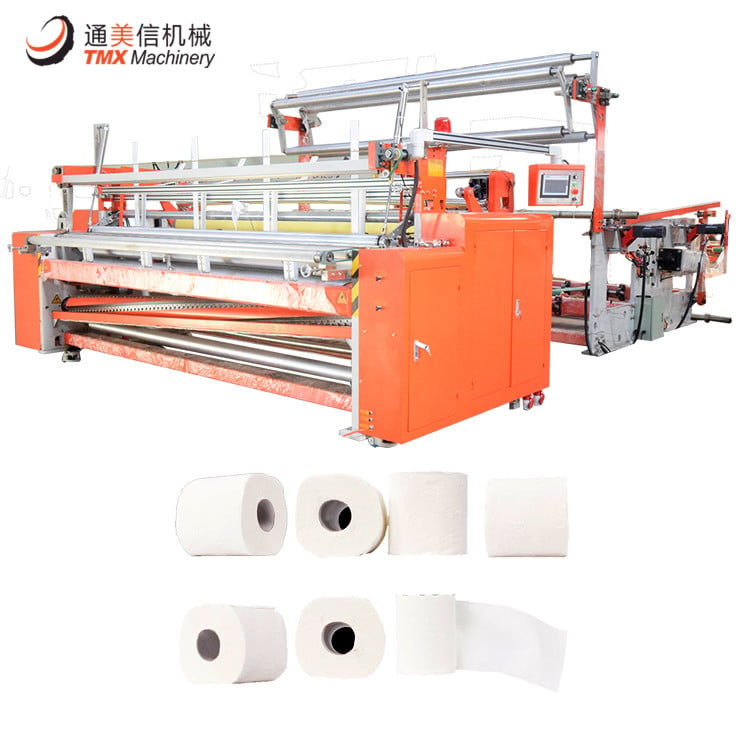
Production Capacity: Assess your daily production needs. Machines vary in their output capabilities, ranging from small-scale units producing a few tons per day to large industrial machines capable of significantly higher outputs. Ensure that the machine you choose can meet your anticipated demand without overextending your budget.
Automation Level: Full-servo and semi-automatic machines offer varying levels of automation. Full-servo machines provide greater efficiency and precision, reducing labor costs and waste. However, they may require a higher initial investment. Evaluate your workforce capabilities and operational goals to determine the right balance.
Customization Options: Depending on your target market, you may require machines that can produce different types of toilet paper (e.g., single-ply, double-ply, or with specific embossing patterns). Look for manufacturers that offer customizable solutions to meet these specific needs.
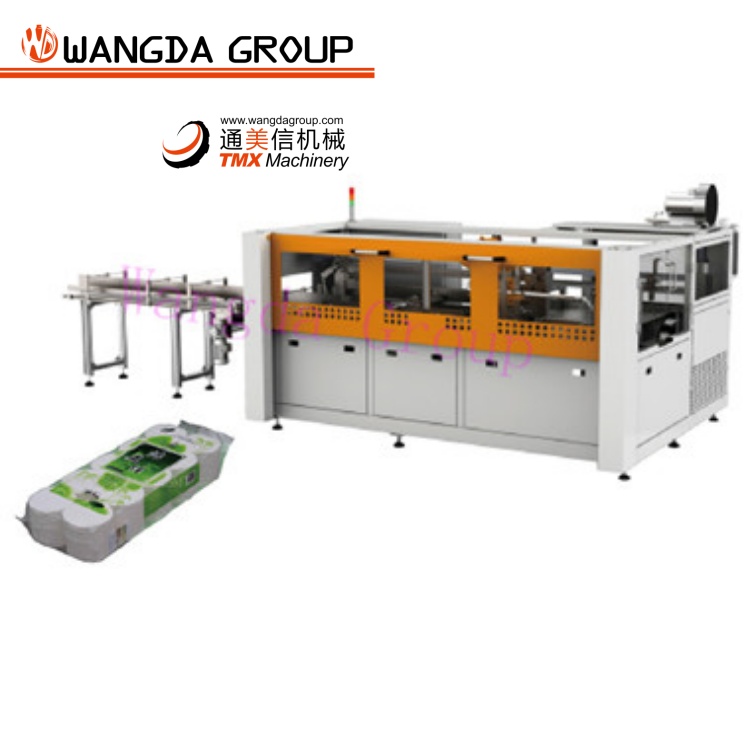
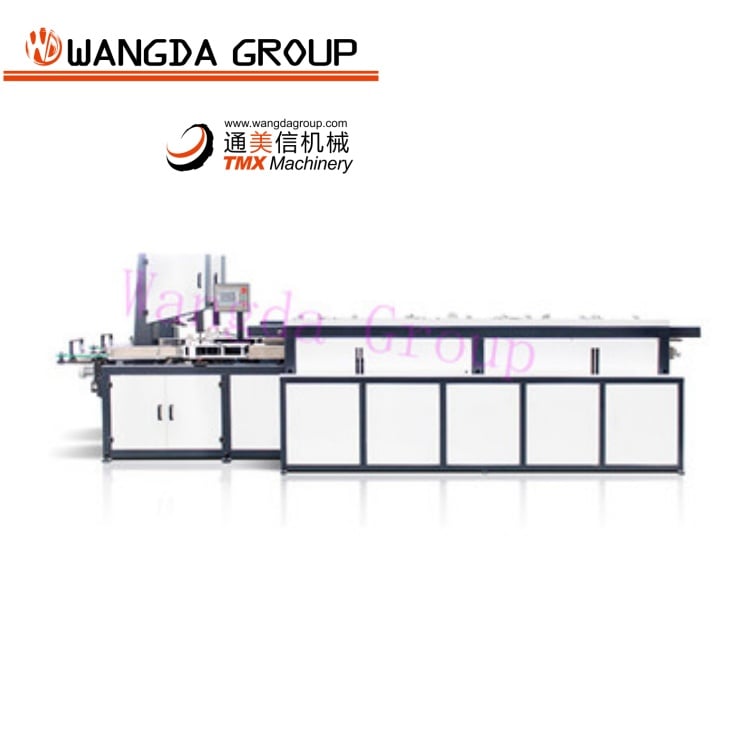
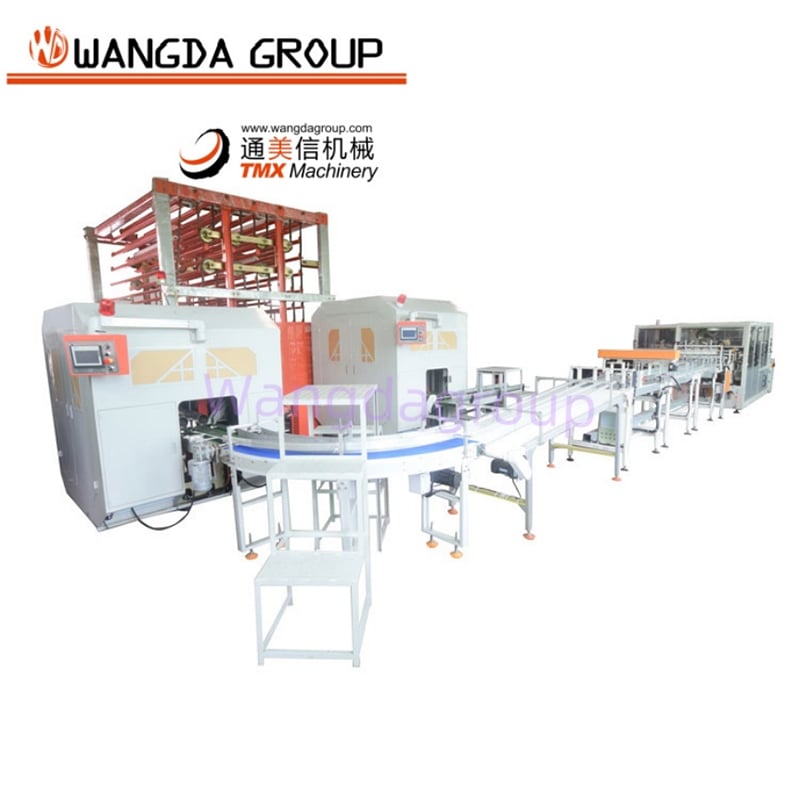
Space Requirements: Ensure that your facility can accommodate the machine's dimensions and any associated equipment, such as packing machines. This will help avoid costly modifications or delays during installation.
By carefully considering these factors, you can select a toilet paper making machine that aligns with your production goals and operational capabilities.

When sourcing toilet paper making machines, several key specifications should be taken into account:
Material Specifications: The type of raw materials such as recycled paper or virgin pulp affects the machine's design and performance. Different materials may require specific handling and processing capabilities, so it's crucial to ensure compatibility.
Machine Dimensions and Weight: Machines vary in size and weight, which can affect installation and operational logistics. Verify that the machine can fit within your production space and that your infrastructure can support its weight.
Power Requirements: Understanding the machine's energy consumption and electrical requirements is vital for budgeting and operational efficiency. Ensure that your facility can provide the necessary power supply to avoid interruptions.
Production Speed: The speed at which a machine can operate (measured in meters per minute) affects overall productivity. Consider how speed aligns with your production targets and whether it can be adjusted based on demand fluctuations.
Control Systems: Modern machines often come equipped with advanced control systems that improve monitoring and automation. Look for user-friendly interfaces that allow for easy adjustments and diagnostics.
Confirming these specifications before placing an order will help ensure that the machine you select meets both your current and future production needs.

Finding a reliable supplier for toilet paper manufacturing equipment is crucial for ensuring consistent quality and support. Here are some strategies to identify reputable manufacturers:
Industry Directories: Utilize online industrial directories that list manufacturers and suppliers in the paper machinery sector. These platforms often include reviews and ratings that can provide insight into a supplier’s reliability.
Trade Shows and Expos: Attending industry-specific trade shows can be an excellent way to meet potential suppliers face-to-face. This allows you to see machines in action and ask questions directly to manufacturers about their products and services.
Referrals and Recommendations: Networking with other professionals in the industry can yield valuable recommendations on trustworthy suppliers. Engaging with peers can also provide insights into their experiences with specific machines and manufacturers.
Certifications and Standards: Look for suppliers that adhere to quality standards and certifications relevant to the manufacturing of toilet paper machine. This can include ISO certifications or compliance with safety regulations.
By leveraging these resources, you can identify suppliers who are not only reliable but also capable of meeting your specific machine requirements.

Despite advancements in technology, toilet paper production can present several challenges. Here are some common issues and recommended solutions:
Quality Control Issues: Variations in raw material quality can lead to inconsistencies in the finished product. Implementing stringent quality control measures during the raw material selection and production processes can help mitigate this issue.
Machine Downtime: Frequent breakdowns can disrupt production schedules. Regular maintenance is essential to extend the lifespan of your machinery and minimize downtime. Establish a preventive maintenance schedule based on manufacturer guidelines.
Waste Management: Excessive waste during production can impact profitability. Optimizing machine settings and conducting regular audits of production processes can help identify areas where waste can be reduced.
Operational Training: Lack of operator training can lead to inefficient operation and increased errors. Providing comprehensive training for staff on machine operation and maintenance can significantly improve productivity and reduce mistakes.
By addressing these common production issues proactively, you can enhance operational efficiency and product quality.
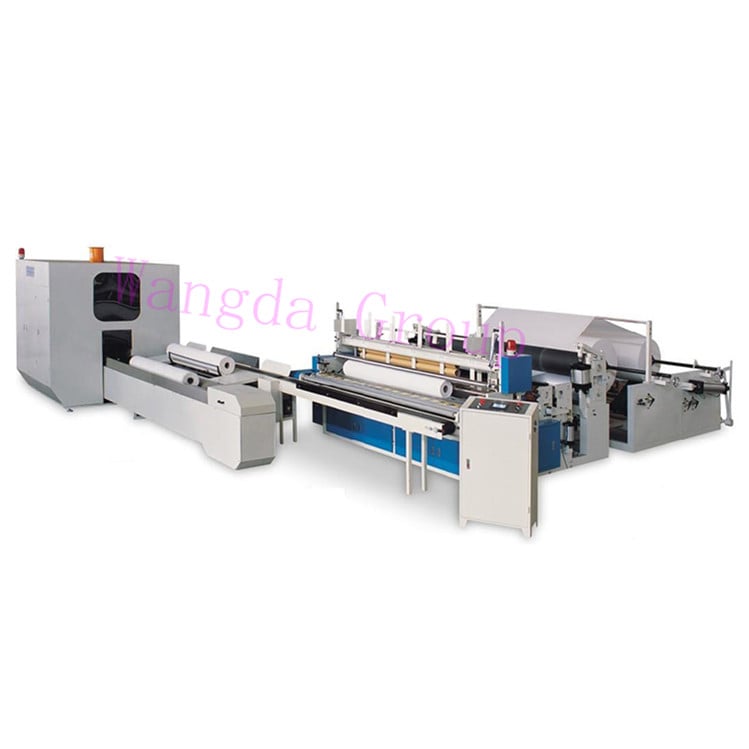
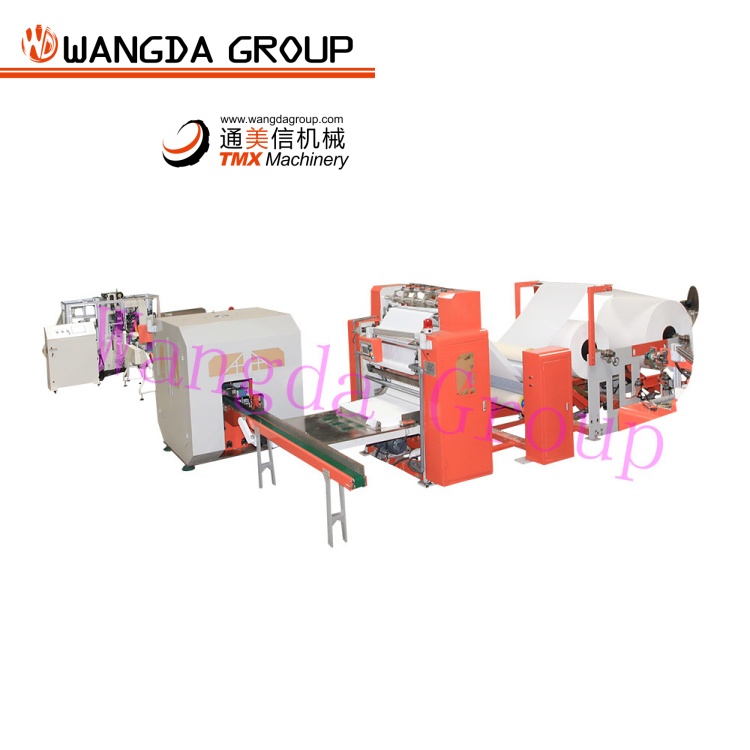
Wangda manufactures toilet tissue machines (including Toilet paper manufacturing machine and packing) Kitchen towel machines (including cutting and packing) facial tissue machines (including cutting and packing), nylon bag facial tissues machines. We also manufacture maxi roll rewinding machines as well as perforating machines.
We've worked Tissue paper manufacturing machine a variety of clients both at home and internationally.
Wangda has over 20 years of experience manufacturing all sorts of tissue machines, we pay much attention to the machines' functions and the quality, and also Tissue paper machine and after sales services. We have sold machines to more than 100 countries. This has resulted in repeat orders and good comments from our clients. Our R and D department is part of Wangda. We have our own R and D departments. Our machines are continuously upgraded and are incorporating the latest technology of Germany, Japan, and Italy. They have passed ISO9002, CE and BV certifications. We provide turnkey projects all the way from A to Z that includes more than machines.
Our after-sales and sales teams are extremely Toilet paper manufacturing machine and skilled. About 80% of our team has been working in the field of hygienic products for over 10 years. We understand what our customers want and what they worry. Our customers aren't only purchasing our machines We also assist them to profit in this business of hygienic items. We provide our customers with the services after-sales they need.
Toilet paper machines play a critical role in various manufacturing processes, beyond just the production of toilet paper. Their applications include:
Customization for Different Markets: Machines can be adapted to produce a variety of paper products, such as handkerchief tissues and napkin papers, allowing manufacturers to diversify their product offerings and respond to market demands.
Sustainable Production Practices: Many manufacturers are moving towards sustainable practices, using recycled materials and eco-friendly processes. Advanced toilet paper machines can support these initiatives by efficiently processing recycled paper without compromising quality.
Integration with Automated Packing Solutions: Modern fully automatic toilet paper making machine often come with integrated packing systems that streamline the packaging process, enhancing overall efficiency and reducing labor costs.
Flexibility in Production: The ability to switch between different product types and sizes allows manufacturers to meet changing consumer preferences quickly. This adaptability is crucial in responding to market trends and demands effectively.
Understanding the various applications and capabilities of toilet paper making machines will enable manufacturers to position themselves competitively in the market while meeting consumer needs effectively.