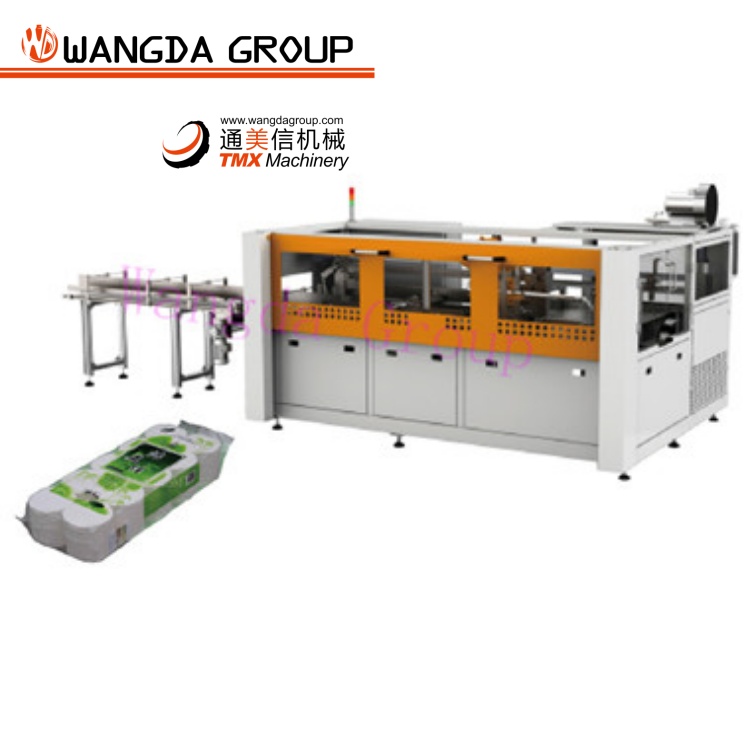
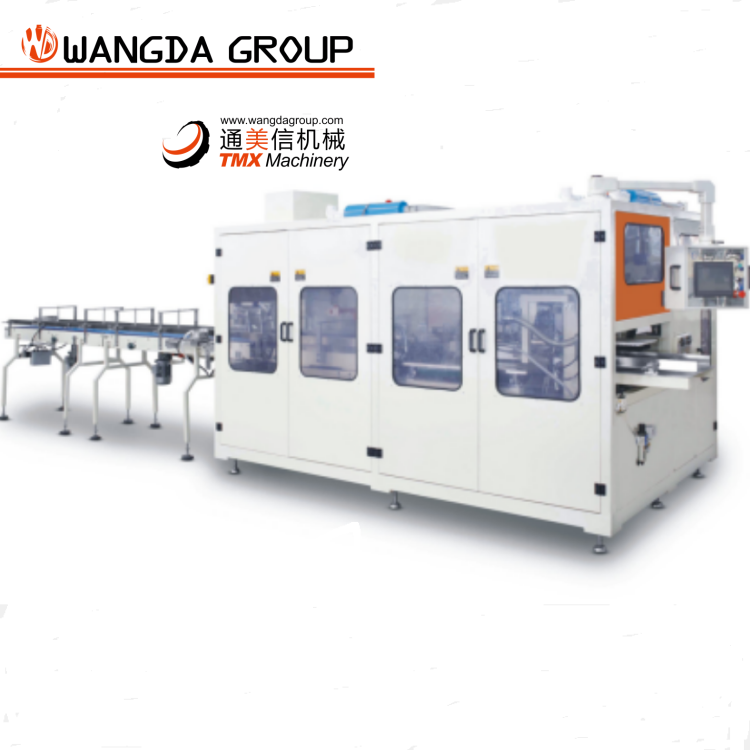
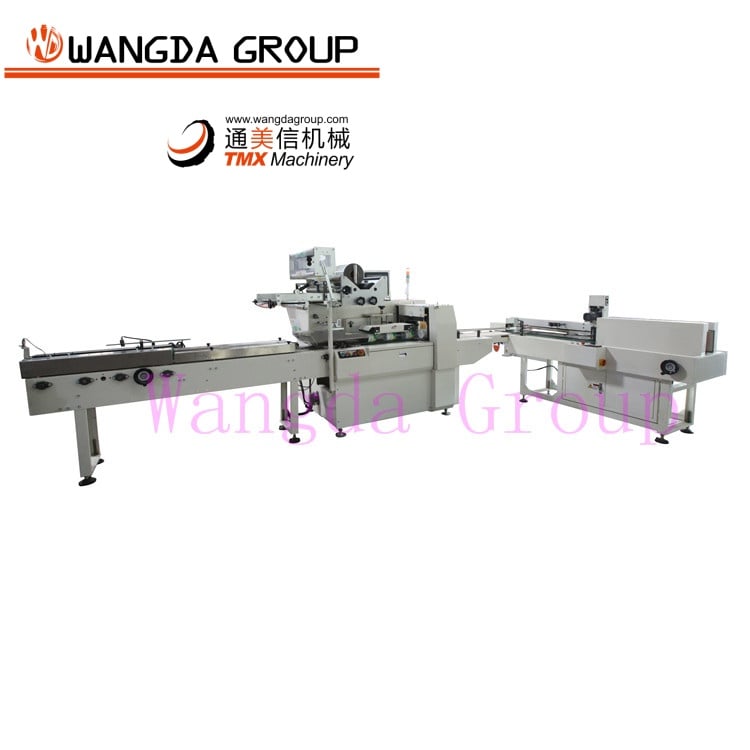
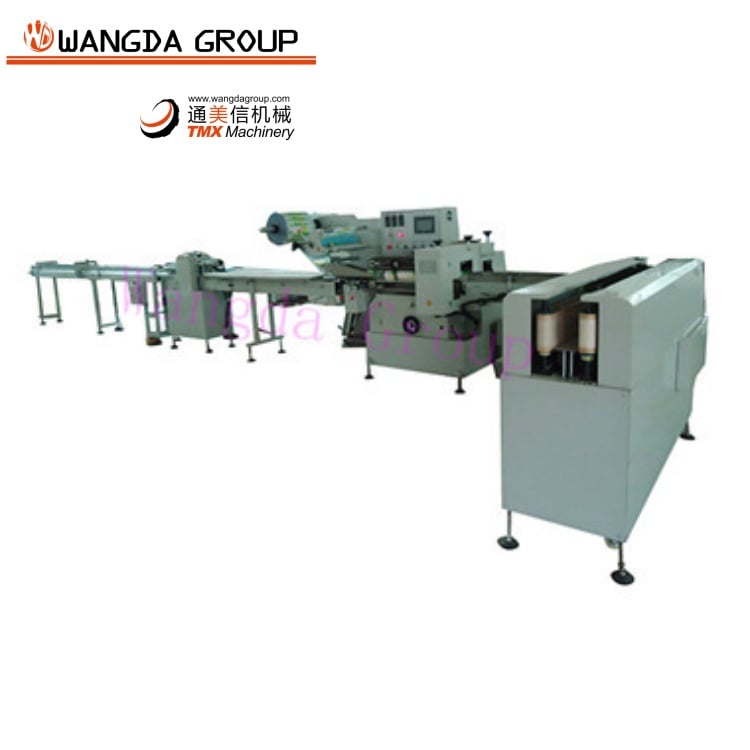
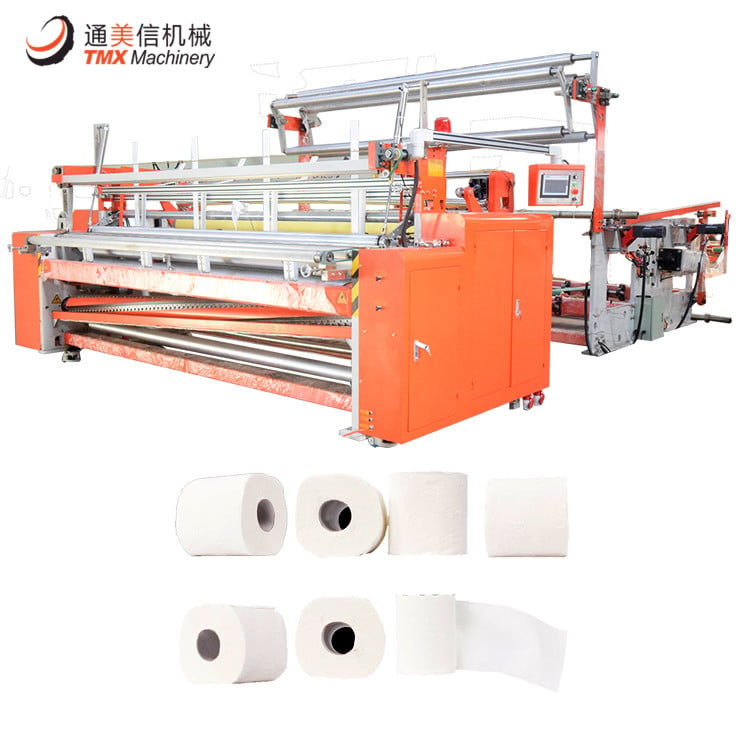
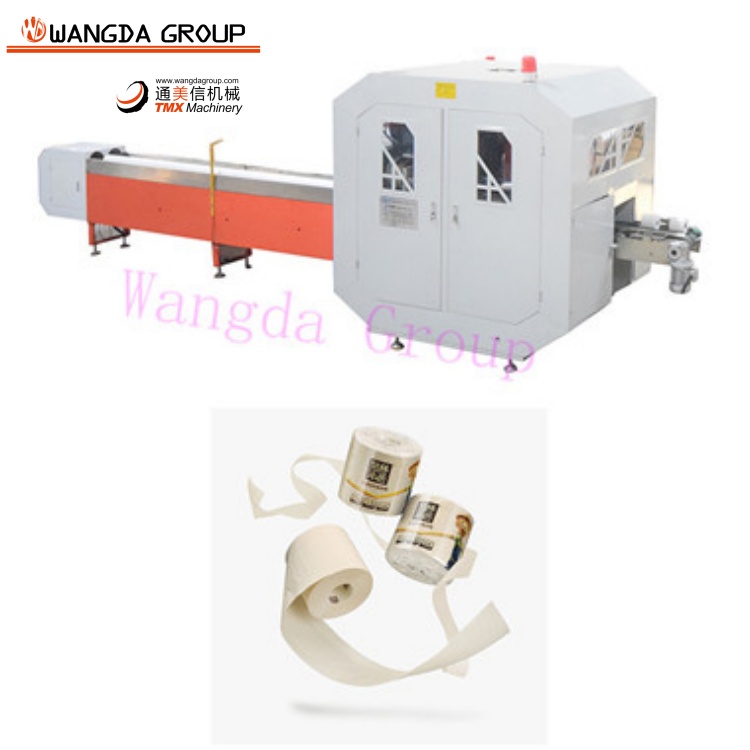
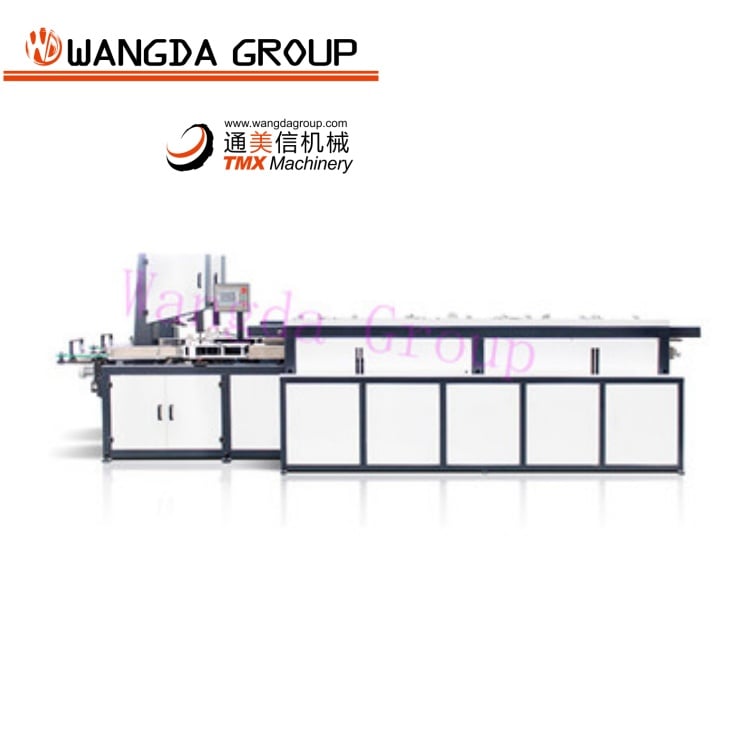
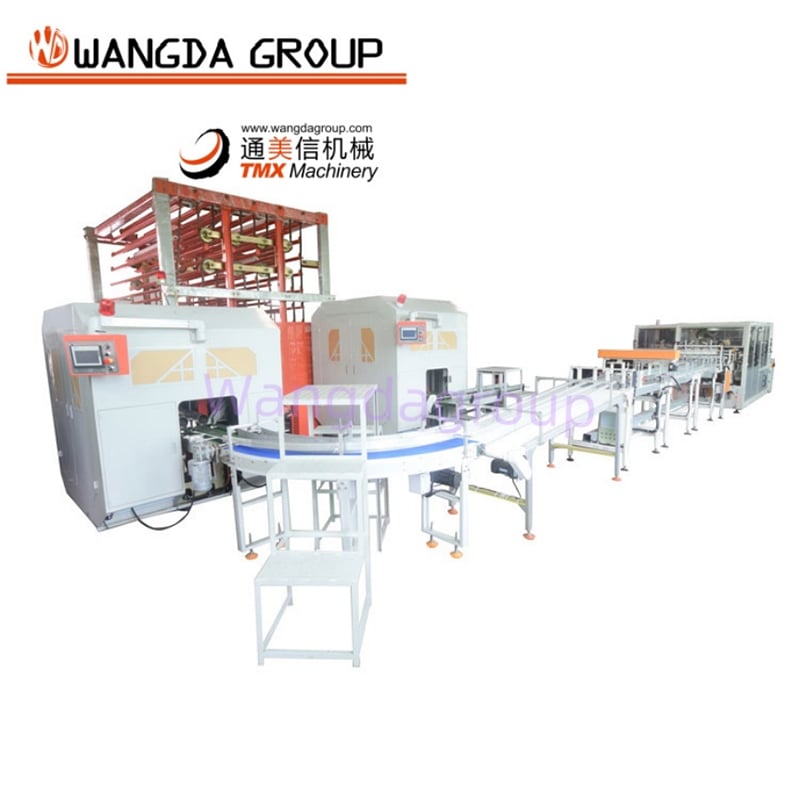
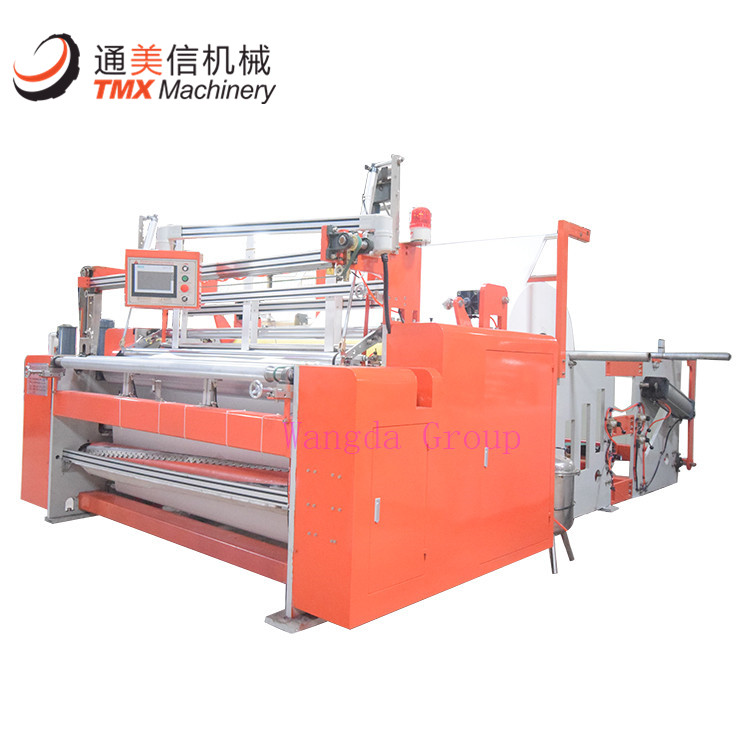
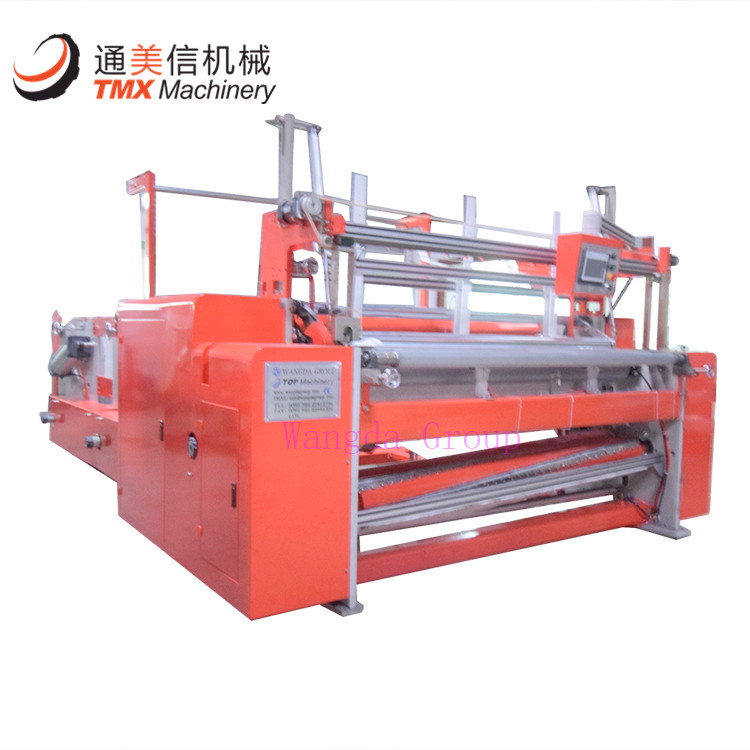
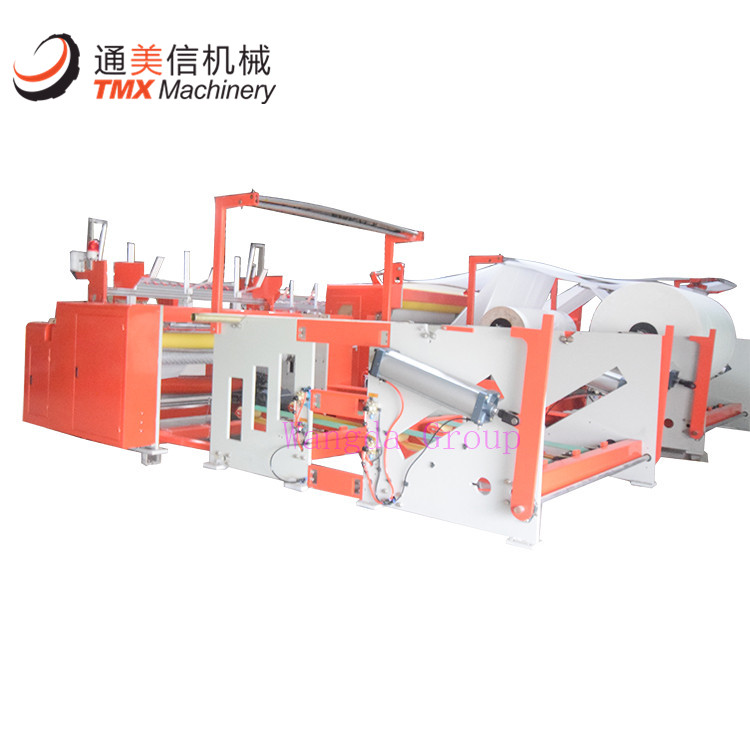
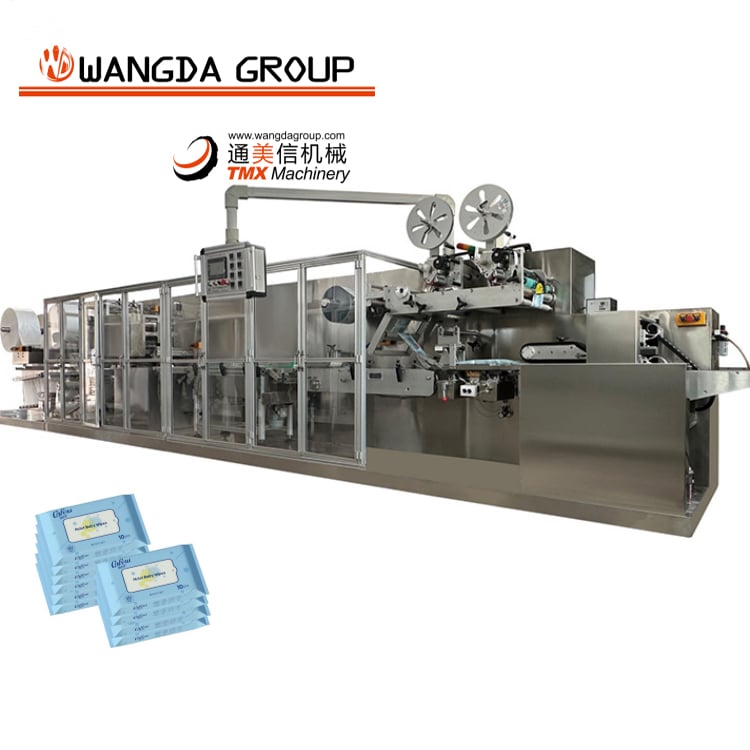
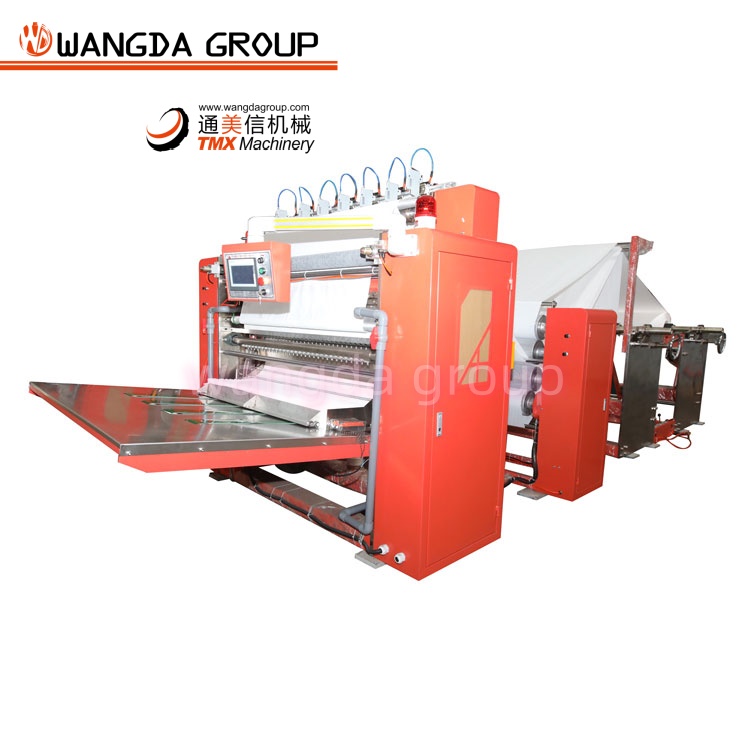
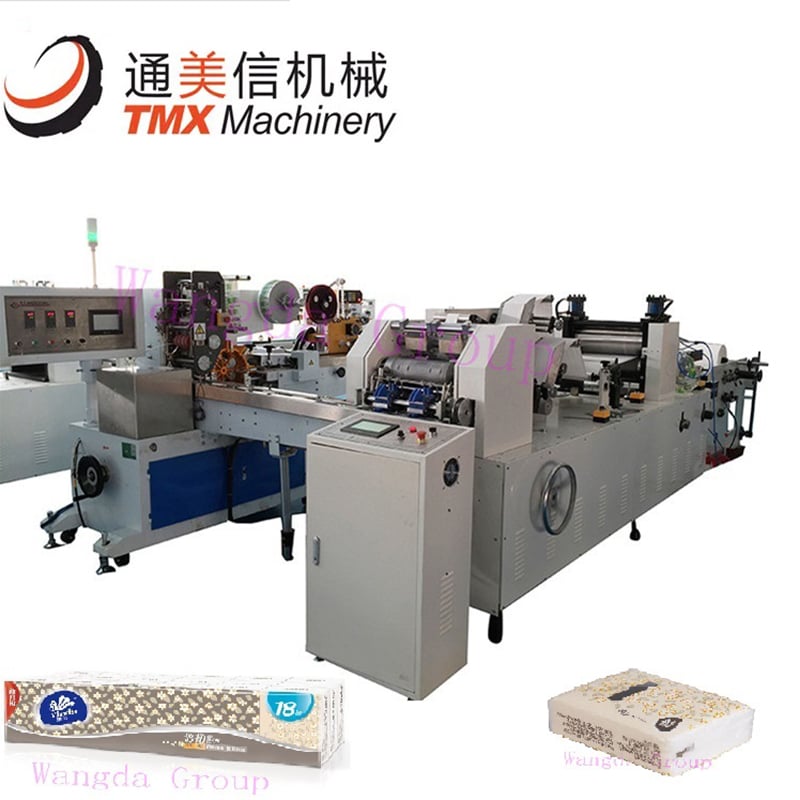
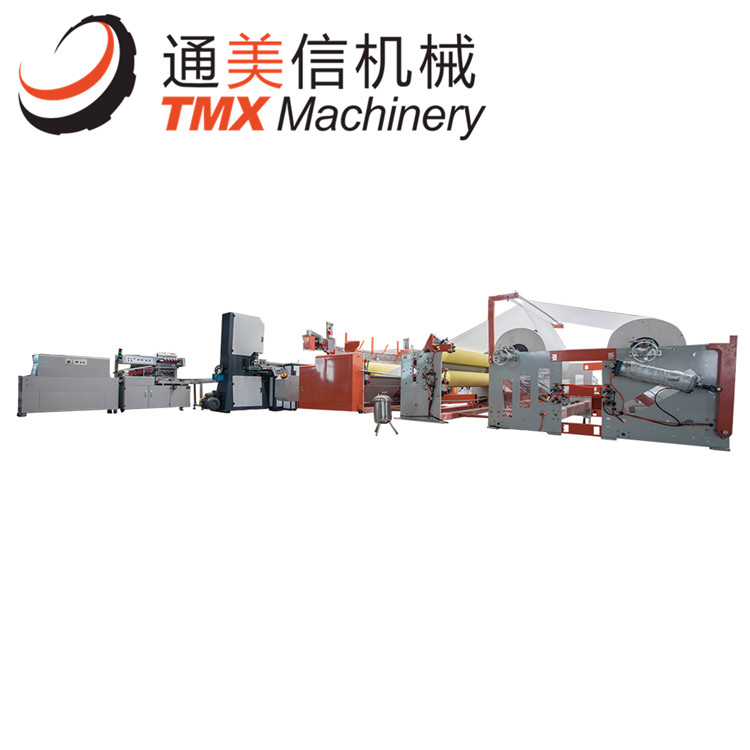
Toilet paper making machines are essential for manufacturers looking to produce high-quality toilet paper efficiently. As a potential buyer, you may have concerns about specifications, sourcing options, and operational guidance. This article will delve into the key aspects of toilet paper making machines in China, providing insights into technical specifications, sourcing options, cost factors, installation guidance, and common operational issues. By understanding these elements, you can make a more informed purchasing decision.
When evaluating toilet paper making machines, several technical specifications are crucial. Key parameters include:
Production Capacity: This measures how much toilet paper can be produced within a specific timeframe, typically indicated in tons per day. A higher production capacity allows for more efficient operations but may require a larger initial investment.
Machine Dimensions: The size and footprint of the equipment are essential, especially for factories with limited space. Ensure that the machine fits within your existing layout.
Material Specifications: Toilet paper making machine may use various raw materials, including recycled paper, virgin pulp, or a blend. Understanding the material compatibility with the machine will impact product quality and production efficiency.
Automation Level: Full-servo production lines offer higher precision and efficiency, reducing labor costs and maintaining consistent product quality. Consider the level of automation that aligns with your operational goals.
Technology and Features: Advanced features such as digital control systems, energy-efficient motors, and easy maintenance designs contribute to better performance and lower operational costs.
Certifications: Check for industry certifications that ensure the equipment meets specific quality and safety standards. This is vital for maintaining compliance in different export markets.
Understanding these specifications will help you choose a machine that meets your production needs and operational capabilities.

Sourcing toilet paper making machines from China offers various advantages, including competitive pricing and a wide range of options. Here are some wholesale sourcing strategies:
Direct Manufacturer Contact: Establishing a relationship with manufacturers like Wangda Industrial Co., Limited allows you to get machines tailored to your specific needs. Direct communication can lead to better pricing and customization options.
Trade Shows and Expos: Attending industry trade shows in China, such as the China International Paper Technology Exhibition, can provide firsthand access to various manufacturers. This setting allows you to evaluate machines, ask questions, and negotiate prices.
Online Marketplaces: Platforms like Alibaba and Made-in-China can help you compare different manufacturers offering toilet paper making machines. Look for suppliers with positive reviews and verified business credentials.
Local Distributors: Partnering with local distributors can simplify the purchasing process and provide support in installation and maintenance. Ensure they have a good reputation and experience in the industry.
Requesting Quotes: When sourcing, prepare a detailed RFQ (Request for Quotation) specifying your requirements, including production capacity, automation level, and any customization needs. This will help you receive accurate pricing and lead time estimates.
By exploring these sourcing options, you can obtain competitive pricing and find the right machinery for your production line.
Understanding the cost factors associated with purchasing toilet paper making machines is essential for effective budgeting. Key considerations include:
Initial Purchase Price: The cost of the machine itself can vary significantly based on specifications, brand reputation, and features. Compare quotes from multiple suppliers to find the best value.
Shipping and Logistics: Importing toilet paper machine involves shipping costs, customs duties, and insurance. Be sure to factor these into your overall budget.
Installation Costs: Some suppliers may offer installation services, which can add to the total cost. Assess whether you can manage installation in-house or if professional assistance is needed.
Maintenance and Spare Parts: Consider the long-term costs associated with machine maintenance and the availability of spare parts. Machines from reputable manufacturers typically have better support and lower maintenance costs.
Energy Consumption: Evaluate the energy efficiency of the machine. While an initial investment in energy-efficient technology may be higher, it can lead to significant savings over time.
Training Costs: If your team requires training to operate the new machinery, include these expenses in your budget.
By accounting for these cost factors, you can develop a comprehensive financial plan for your toilet paper production line.

Proper installation of toilet paper making machines is crucial for achieving optimal performance. Here are some key steps for ensuring efficient operation:
Site Preparation: Before installation, ensure that the site is adequately prepared. This includes providing sufficient space, proper electrical and plumbing connections, and safety measures.
Follow Manufacturer Instructions: Adhere strictly to the manufacturer's installation guidelines. These instructions are designed to ensure that the machine operates correctly and safely.
Calibration: After installation, calibrate the machine according to the specified parameters for production. This step is essential for ensuring product consistency and quality.
Staff Training: Provide comprehensive training for operators to ensure they understand the equipment’s controls, maintenance requirements, and safety protocols. A well-trained team can significantly reduce operational errors.
Regular Maintenance Schedule: Establish a routine maintenance schedule based on the manufacturer's recommendations. This will help prevent breakdowns and prolong the lifespan of the machinery.
Monitoring and Adjustments: After installation, closely monitor the machine's performance during the initial production runs. Make necessary adjustments based on real-time data to optimize production efficiency.
Following these installation guidelines will facilitate a smoother operational process and enhance the overall productivity of your toilet paper production line.
Wangda manufactures Toilet roll manufacturing machine tissue machines (including cutting and packing), kitchen towels machines (including cutting and packing), facial tissue machines (including cutting and packing) bags of nylon facial tissues machines. We also manufacture maxi roll rewinding equipment as well as perforating machines.
Wangda is a highly professional and knowledgeable sales staff and after-sales team, 80% of the team has been in Toilet roll manufacturing machine for more than 10 years in our company in this hygiene-conscious product industry. Our team has a wealth of experience in the daily use of paper tissue machines, related packing machines and many other Hygienic products machines We have a wide range of professional expertise in this field, we are aware of what our customers wants, we worry about what our customers worry about. We not just sell the machines to our clients, but we help our customers earn money through this business of hygienic products, to provide the lifelong after-sale services to our customers at the right time.
Wangda has collaborated with various clients from home and abroad. We have cooperated with big groups from GCC countries such as Fine Hygienic from various nations, Nesto Hypermarket, Top One and Two hygienic producer B and G, the Meghna Groups from Bangladesh. Outnet Group of African countries. And as well, there are big European brands, American brands, Toilet paper machine brands we have cooperated for long years. We have several manufacturing facilities outside of the United States that you can visit and see our products. This is more convenient. Also you are warmly welcome for a visit to our factory and see our products on the spot. We welcome your enquiry anytime and hope to begin our mutual benefit story soon.
Wangda has over 20 years of experience manufacturing all sorts of tissue machines, we pay much attention to the machines' functions and the quality, and also Tissue paper machine and after sales services. We have sold machines to more than 100 countries. This has resulted in repeat orders and good comments from our clients. Our R and D department is part of Wangda. We have our own R and D departments. Our machines are continuously upgraded and are incorporating the latest technology of Germany, Japan, and Italy. They have passed ISO9002, CE and BV certifications. We provide turnkey projects all the way from A to Z that includes more than machines.
Like any industrial machinery, toilet paper making machines can encounter various issues. Here are some common problems and their solutions:
Paper Jam Issues: Frequent paper jams can disrupt production. Ensure that the raw material is of the correct quality and that the machine is calibrated correctly. Regularly inspect rollers and guides for wear and tear.
Inconsistent Product Quality: Variability in thickness or texture can arise from incorrect machine settings or subpar raw materials. Implement strict quality control measures and regularly check settings to maintain product consistency.
Mechanical Failures: Regular maintenance can help prevent mechanical failures. Keep an eye on critical components such as motors, belts, and gears, and replace worn parts promptly.
Electrical Problems: Electrical issues can halt production. Ensure that all electrical connections are secure and that the machine is operating within the required voltage and current specifications.
Overheating: Fully automatic toilet paper making machine may overheat due to excessive load or inadequate cooling. Monitor the operating temperature and ensure that cooling systems are functioning correctly.
Operator Errors: Inadequate training can lead to operational mistakes. Regularly conduct training sessions to keep your team updated on best practices and machine operation.
By being aware of these common problems and their solutions, you can minimize downtime and maintain smooth operations in your toilet paper production process.